Get 20% OFF All Premium 3D & STL Models!

In the dynamic worlds of automotive design, game development, and high-fidelity visualization, the foundation of any compelling project lies in the quality of its assets. A meticulously crafted 3D model can be the difference between a passable scene and an utterly immersive experience. Professionals understand that time is a precious commodity, and while custom modeling offers ultimate control, leveraging pre-built, production-ready assets dramatically accelerates workflows without compromising on realism or technical integrity.
Today, we delve into the intricate aspects of professional 3D car models, exploring their technical nuances, diverse applications, and the significant impact they have on various industries. Our journey will highlight the robust capabilities of top-tier assets, using the Mitsubishi L200 Crew Cab 2019 3D Model as a prime example of excellence available on platforms like 88cars3d.com. This model encapsulates the balance between detailed aesthetic fidelity and critical performance optimization, making it an invaluable tool for a wide spectrum of creative endeavors.
The journey of a 3D model from conception to deployment involves navigating a complex landscape of file formats, each designed with specific purposes, compatibilities, and technical advantages. Choosing the right format is paramount for ensuring seamless integration into your workflow and optimizing performance for your target application. Understanding these distinctions is crucial for anyone working with 3D car models, whether for automotive rendering, game assets, or virtual reality.
The .blend format is native to Blender, one of the most powerful and widely used open-source 3D creation suites. When you download a .blend file, you’re not just getting the mesh; you’re receiving a complete Blender scene. This includes all the materials, textures, lighting setups, cameras, animation data, and even modifiers and procedural elements that were used by the original artist. This makes .blend files incredibly versatile for artists who want to dive deep into the model’s construction, make extensive modifications, re-rig, re-texture, or render directly within Blender. It offers the highest level of editability and transparency regarding the model’s creation process, making it ideal for customization and learning.
.fbx (Filmbox) is an industry-standard proprietary file format developed by Autodesk, renowned for its excellent interchange capabilities between different 3D software applications and game engines. It’s particularly favored in game development for its robust support of geometry, materials, animations (skeletal and blend shapes), camera data, and lighting. An .fbx file efficiently encapsulates all these elements, making it the go-to format for importing assets like the Mitsubishi L200 into real-time engines such as Unreal Engine and Unity. Its binary structure ensures relatively small file sizes and fast loading times, which are critical for performance-sensitive applications.
The .obj (Wavefront OBJ) format is one of the oldest and most universally supported 3D file formats. It’s a simple, text-based format that primarily stores geometric data: vertices, UV coordinates, vertex normals, and faces. It can reference external material (.mtl) files for basic color and texture information, but it doesn’t support advanced material properties, rigging, or animation data. Despite its simplicity, .obj remains a cornerstone for cross-software compatibility. It’s an excellent choice when you need to transfer pure mesh data between virtually any 3D application without worrying about proprietary features or complex data structures, making it a reliable fallback for 3D car models.
.glb (GL Transmission Format Binary) is the binary version of glTF, an open-standard format specifically designed for efficient transmission and loading of 3D scenes and models by engines and applications. .glb files are “self-contained,” meaning they embed all textures, materials, and other assets directly within a single binary file. This makes them incredibly convenient for web-based 3D applications, augmented reality (AR), and virtual reality (VR) experiences, where quick loading and minimal HTTP requests are essential. The Mitsubishi L200 model in .glb format would be perfect for an interactive 3D viewer on a website or an AR configurator on a mobile device.
.stl (STereoLithography) is the de facto standard file format for 3D printing. Unlike other formats that store color or texture information, .stl files represent a 3D model as a series of connected triangles (a tessellated surface). It defines the surface geometry of a 3D object without any color, texture, or material properties. While simple, its universal acceptance by 3D printers and slicing software makes it indispensable for physical prototyping or creating scale models. The Mitsubishi L200 Crew Cab 3D model, when converted to .stl, can be precisely replicated in the physical world, enabling hobbyists and professionals to produce tangible representations.
.ply (Polygon File Format, also known as Stanford Triangle Format) is a file format for storing 3D data from 3D scanners. It can store a wider range of properties than .obj or .stl, including color, transparency, surface normals, and even data reliability. While not as universally used as .fbx or .obj for general 3D assets, .ply is valued for its ability to store detailed mesh properties, making it useful in scientific computing, CAD applications, and for models derived from real-world scans where precision and attribute richness are critical. It can serve as a robust alternative for intricate mesh analysis or specialized manufacturing processes.
While not a standalone file format in the traditional sense, a designated .unreal asset typically refers to a model that has been specifically prepared, optimized, and often packaged for direct import and use within Unreal Engine. This could involve an .fbx file that adheres to Unreal’s specific import settings, naming conventions, and material setups, or even a pre-packaged Unreal Asset bundle. This designation signifies that the model (like the L200) comes with optimized UVs, correctly scaled geometry, collision meshes, and PBR (Physically Based Rendering) materials that are ready to be integrated into an Unreal project with minimal setup, drastically reducing development time for game assets.
The .max format is the native file type for Autodesk 3ds Max, a leading software for 3D modeling, animation, rendering, and visualization. Similar to .blend files for Blender, a .max file contains the entire scene data, including geometry, modifiers, materials, textures, lighting, cameras, animation keyframes, and plugins used within 3ds Max. This format provides complete editability within 3ds Max, making it ideal for architectural visualization artists, animators, and automotive designers who use the software as their primary tool. It allows for extensive modifications, complex rigging, and high-end rendering using engines like V-Ray or Corona.
Creating compelling 3D car models for professional use is far more than simply arranging polygons. It’s a sophisticated blend of artistic vision, technical precision, and a deep understanding of the intended application. Whether it’s for game development, high-end automotive rendering, or immersive AR/VR experiences, every detail matters.
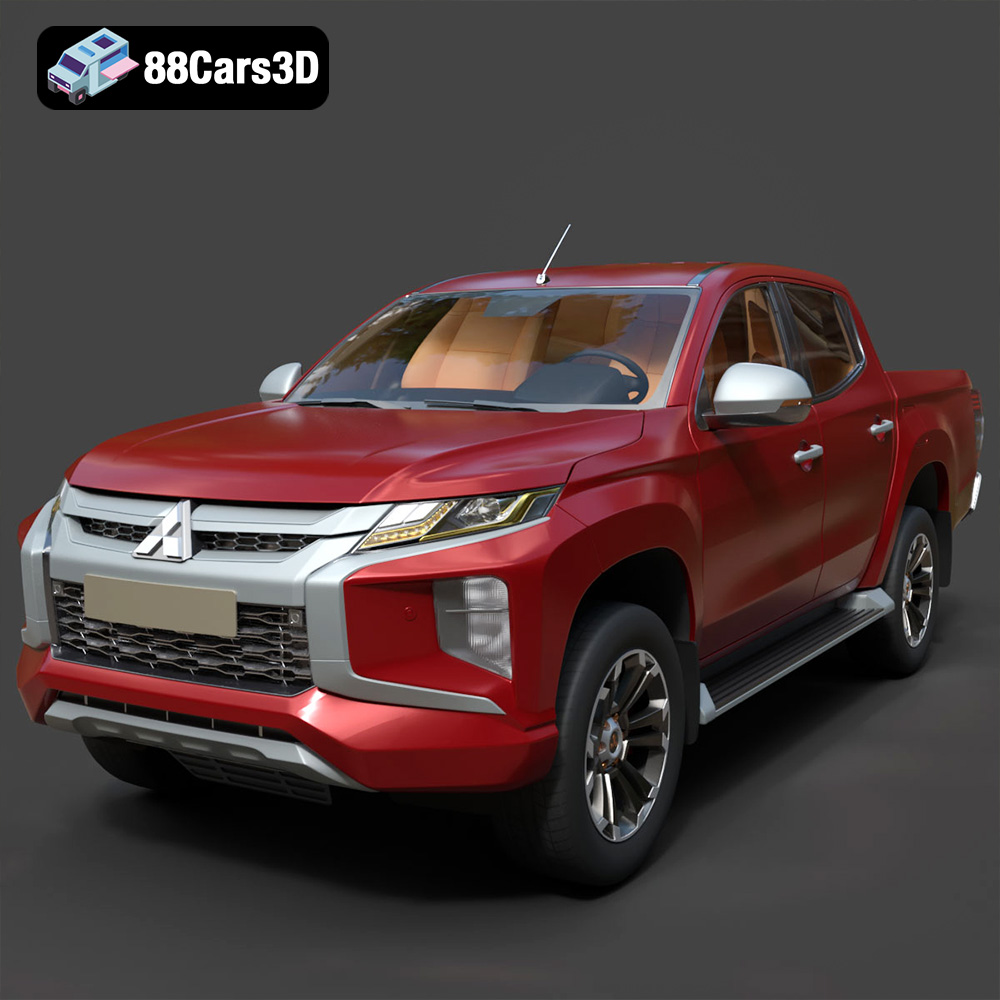
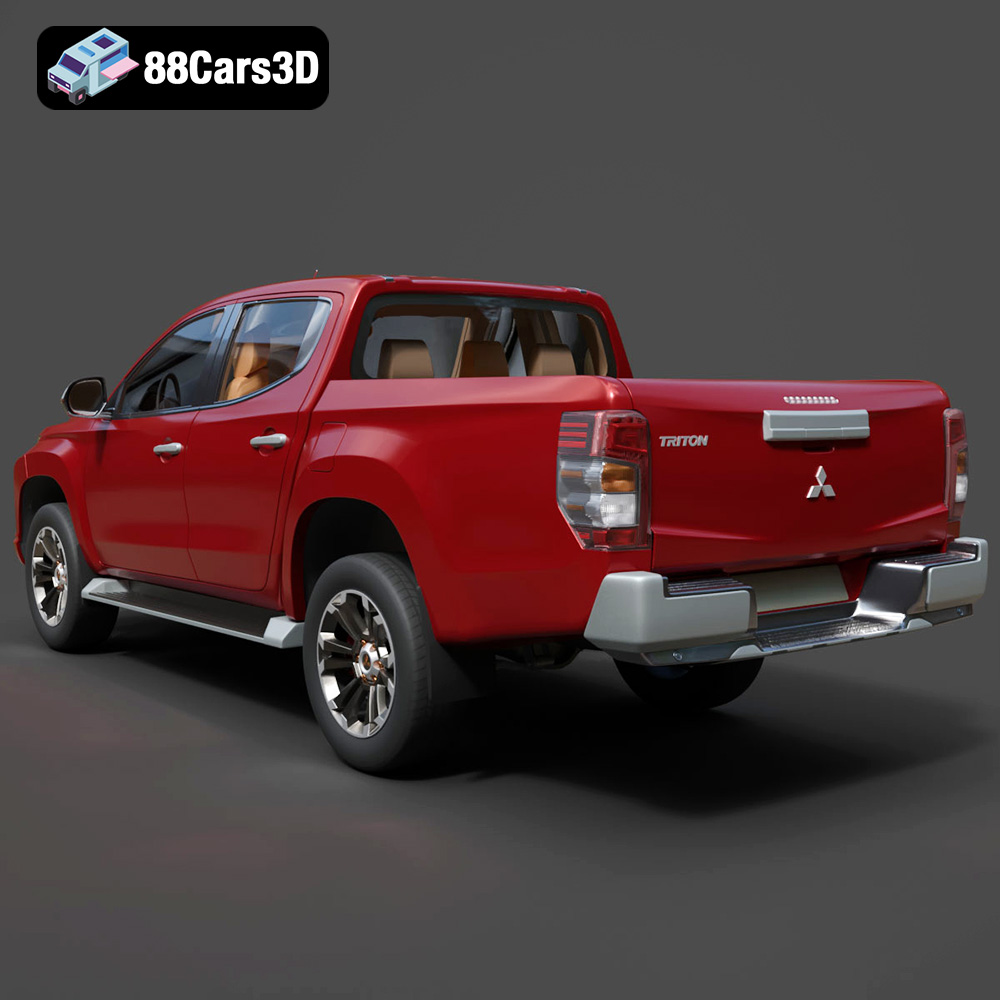
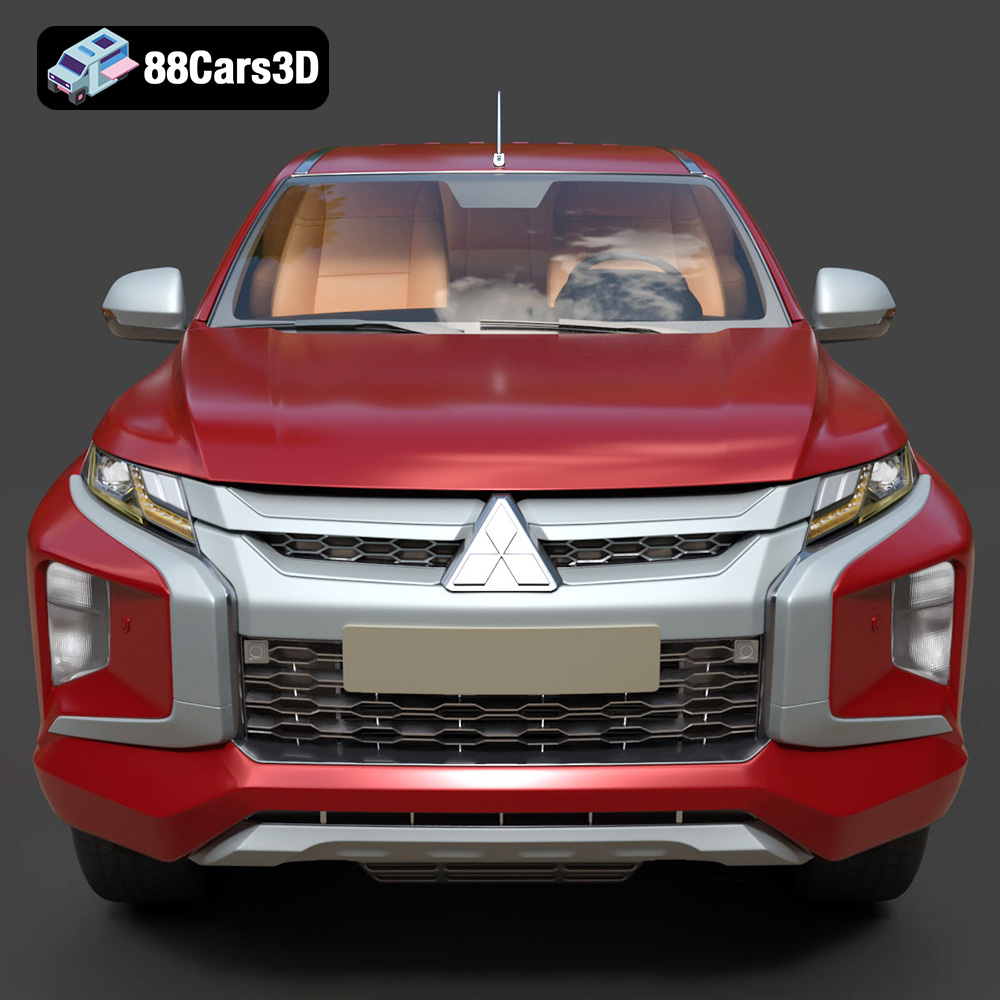
Achieving photorealism in 3D car models demands an obsessive attention to detail. This includes accurate geometry, precise proportions, and the faithful replication of intricate design elements. Take the Mitsubishi L200 Crew Cab 2019 3D model, for instance. Its detailed front fascia, featuring the signature “Dynamic Shield” design, is not just an aesthetic touch; it’s a critical identifier that brings authenticity. The model includes accurate LED headlight clusters, distinct taillight housings, and a rugged cargo bed with authentic tailgate and tiedown details. Even the alloy wheel design and all-terrain tires are meticulously crafted, along with visible suspension components and undercarriage chassis elements. These aren’t just visual flourishes; they are essential building blocks for creating believable scenes and interactive experiences. The interior details, from the accurate instrument cluster to the modern center infotainment display and precise control details, are equally important for first-person perspectives in gaming or virtual showroom walkthroughs.
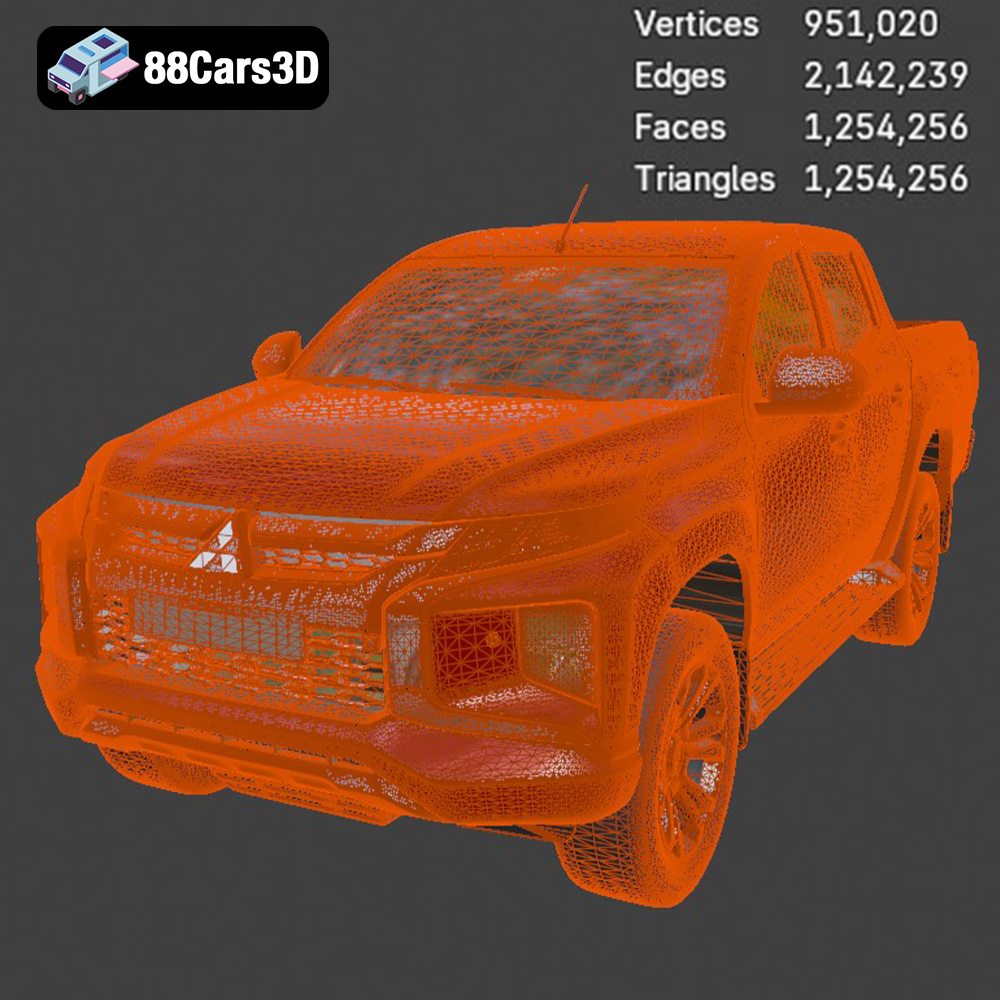
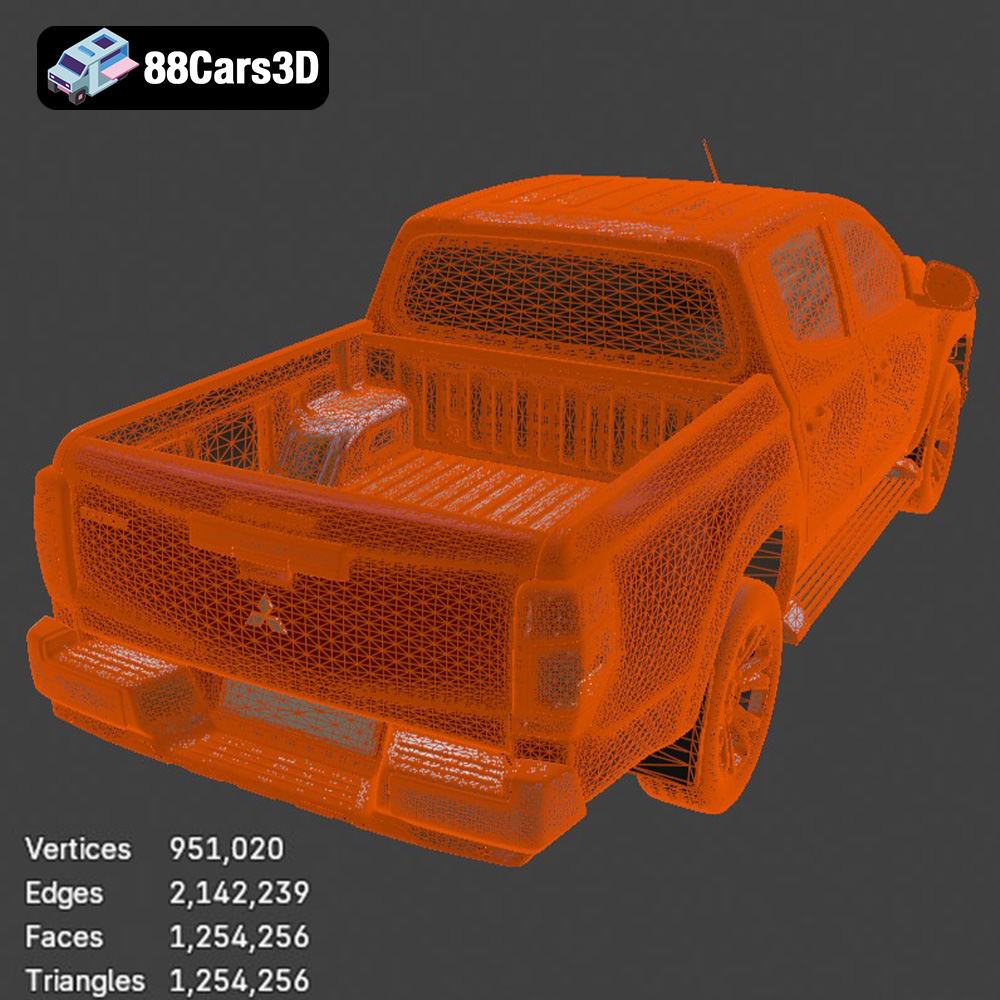
While detail is crucial for realism, raw polygon count isn’t always the sole determinant of quality, especially for real-time applications. The true challenge lies in optimizing the model’s topology to strike a perfect balance between visual fidelity and performance efficiency. A high-quality model like the L200 is “game-ready” because its ~550,000 triangle count is carefully managed. This polycount is sufficient to maintain intricate details while ensuring smooth performance in demanding real-time engines like Unreal and Unity. Optimized topology means efficient polygon distribution, clean edge flow, and proper UV mapping, all contributing to faster rendering, lower memory footprint, and seamless integration into interactive environments. This technical prowess allows developers to focus on the overall experience rather than wrestling with asset optimization.
The Mitsubishi L200 Crew Cab 2019 3D model exemplifies how a single asset can cater to diverse professional needs, from cinematic renders to interactive game environments. Its design reflects a deep understanding of both visual fidelity and practical application.
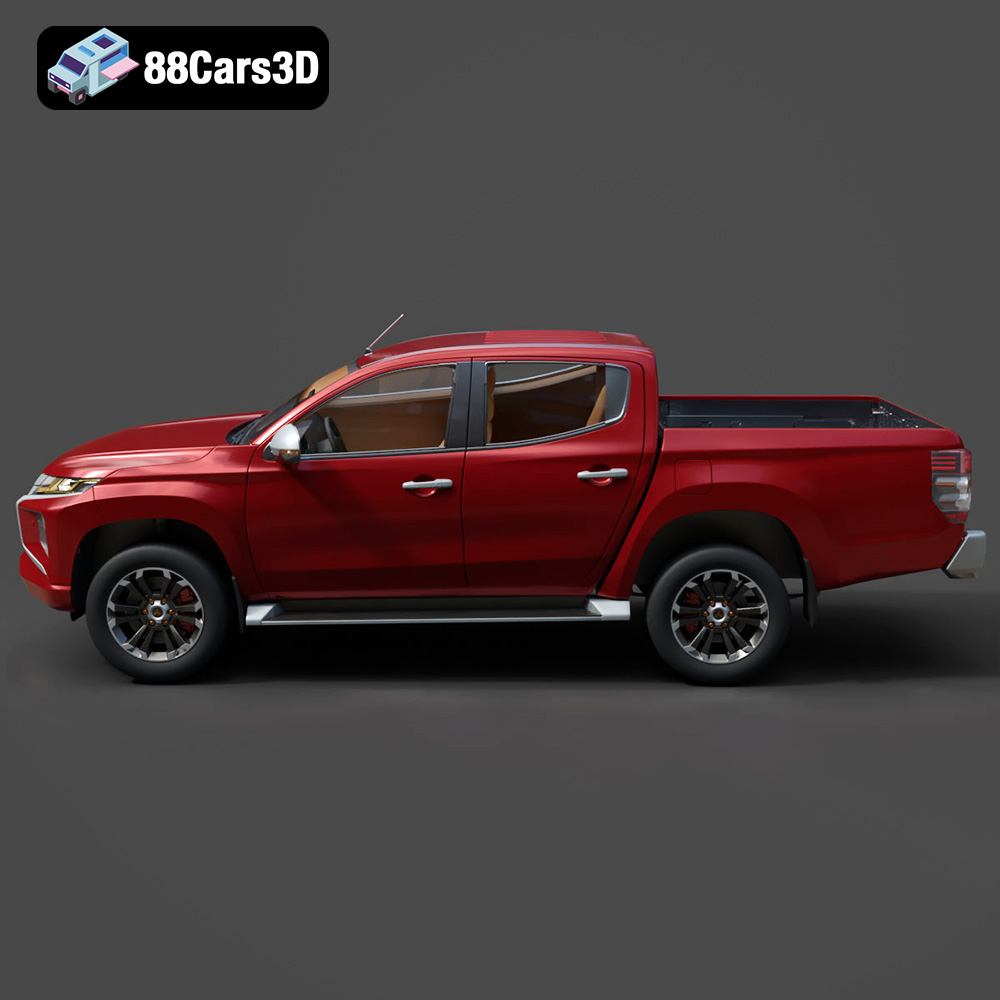
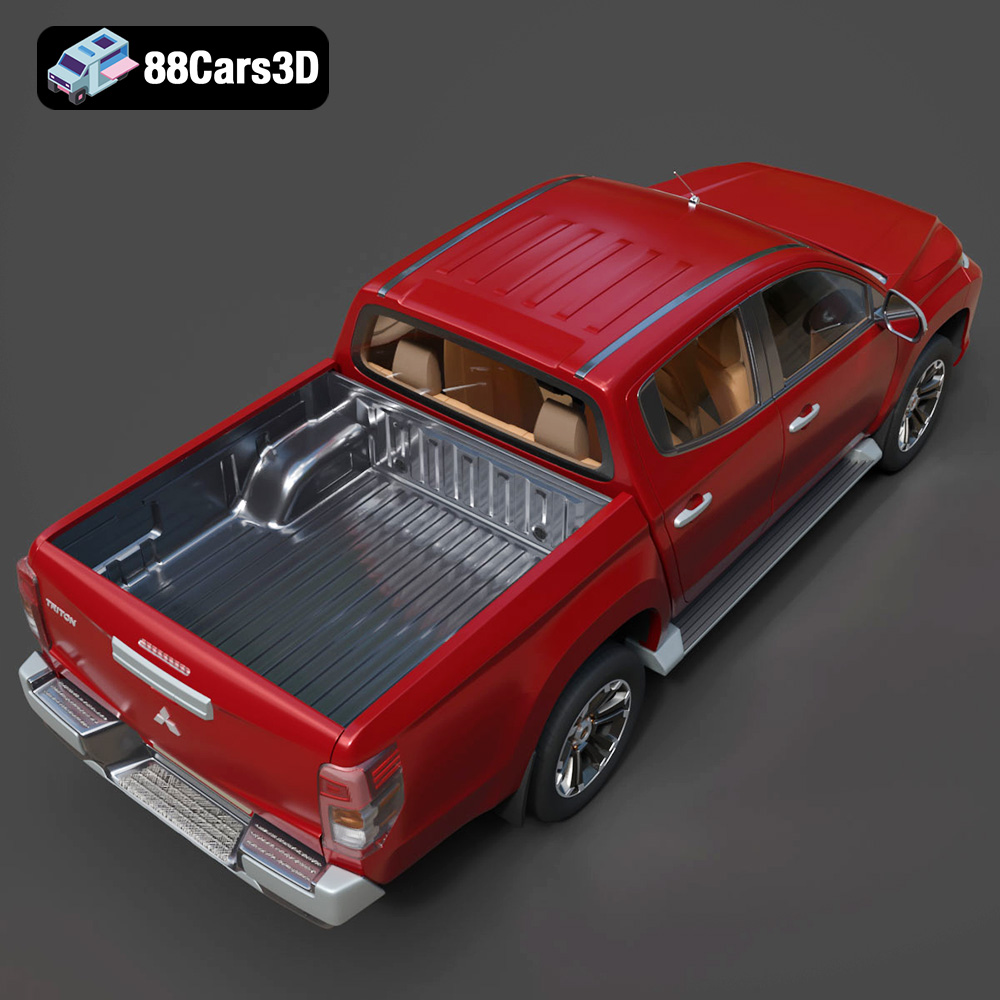
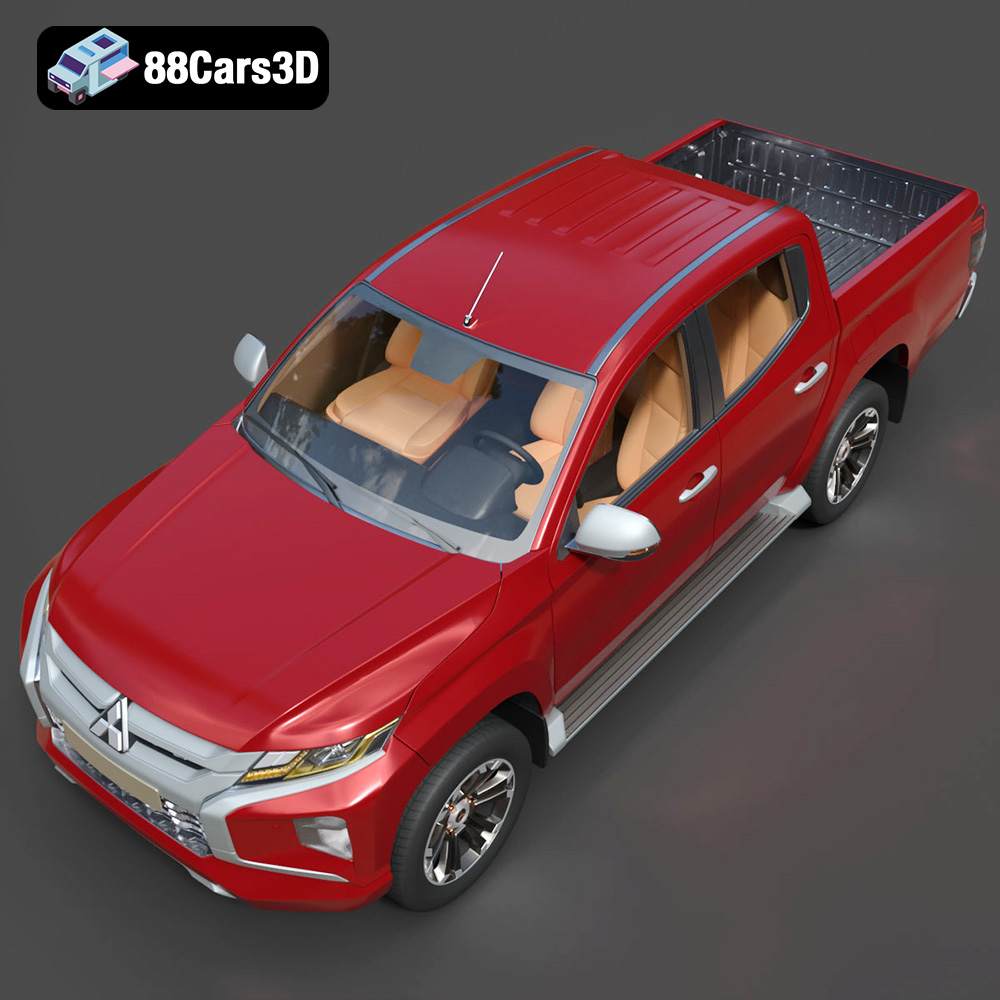
The L200’s exterior is its defining characteristic, blending rugged utility with modern automotive design. The 3D model accurately replicates the vehicle’s “Dynamic Shield” front fascia, a bold and instantly recognizable design element. Every curve and panel line is faithfully recreated, ensuring that the digital model is a true reflection of its real-world counterpart. The level of detail extends to functional elements such as the cargo bed, complete with tiedown points, and the intricate design of the LED headlights and taillights. These elements are crucial for realistic automotive rendering and for creating convincing environmental interactions in game engines. The inclusion of accurate alloy wheels and detailed all-terrain tires further enhances the visual impact, allowing for realistic off-road scenes or detailed showroom presentations.
Beyond the exterior, the interior of the Mitsubishi L200 Crew Cab model is designed for immersion. The spacious five-seat configuration is accurately represented, with careful attention paid to upholstery details and material finishes. For applications requiring a first-person perspective, such as driving simulators or virtual tours, the cockpit details are paramount. The model features a detailed steering wheel with brand insignia and multi-function buttons, an accurate instrument cluster, and a modern center infotainment display. Even smaller controls like pedals, the gear selector, and climate vents are precisely modeled. This level of interior fidelity is particularly valuable for AR/VR experiences where users can virtually “sit” inside the vehicle and interact with its features, enhancing the sense of presence and realism.
For game developers and animators, a static model is only half the story. The true utility of a vehicle 3D model often lies in its animation potential. This L200 model is built with animation in mind, featuring separate wheels, suspension, and steering components. This modularity is crucial for creating realistic driving dynamics: the wheels can rotate independently, the suspension can articulate over rough terrain, and the steering can be accurately controlled. Furthermore, the proper pivot setup for these components simplifies the rigging and animation process in software like 3ds Max or Blender, saving countless hours for animators who would otherwise need to manually prepare the model for movement. This “animation-ready” aspect transforms the model from a static prop into a dynamic, interactive element.
The versatility of high-quality 3D car models like the Mitsubishi L200 is truly unlocked when integrated into various professional workflows. From game development to architectural visualization, these assets provide a critical foundation.
For game developers, optimizing assets for real-time performance is a constant challenge. The Mitsubishi L200 Crew Cab 2019 3D model, with its game-ready ~550,000 triangle count and optimized topology, is perfectly suited for modern game engines. When imported as an .fbx or specifically an .unreal asset, developers can swiftly integrate it into open-world environments, off-road simulators, or racing titles. The real-world scale accuracy ensures correct interaction with physics engines, while the proper pivot setup for wheels, suspension, and steering simplifies vehicle rigging. Developers can apply PBR (Physically Based Rendering) materials to leverage the model’s clean UVs, achieving stunning visual fidelity that reacts realistically to in-game lighting. This efficiency allows teams to focus on gameplay mechanics and environmental storytelling, rather than complex asset creation from scratch.
For artists focused on producing high-quality automotive rendering for marketing campaigns, product showcases, or architectural visualization, the .max and .blend formats offer immense flexibility. Importing the L200 into 3ds Max or Blender allows for complete control over materials, lighting, and camera angles. Artists can leverage powerful renderers like V-Ray, Corona, or Cycles to achieve photorealistic results. They can customize body colors, adjust material finishes (matte, gloss, metallic), and adapt lighting setups to create different moods – from a rugged off-road scene under a harsh sun to a sleek showroom presentation bathed in soft studio lights. The detailed geometry, including the interior features, means that even close-up shots or interior walkthroughs will hold up to scrutiny, providing a rich asset for any visualization project.
The burgeoning fields of Augmented Reality (AR) and Virtual Reality (VR) demand highly optimized yet visually rich assets. The Mitsubishi L200 model, particularly in its .glb format, is ideal for these immersive experiences. For AR applications, such as a virtual car configurator on a mobile device, the .glb’s single-file, optimized nature ensures quick loading and smooth performance. In VR, the model can populate virtual showrooms or be used in interactive training simulations where users can explore the vehicle’s interior and exterior in a fully immersive 3D space. Its optimized geometry also makes it suitable for browser-based 3D applications using WebGL, allowing for interactive product views directly on websites, enhancing customer engagement and providing a dynamic way to showcase automotive designs. 88cars3d.com facilitates these applications by providing diverse format options.
Beyond digital realms, the Mitsubishi L200 3D model also serves the tactile world of 3D printing. The inclusion of an .stl format allows for the creation of physical scale models, a process embraced by hobbyists, designers, and engineers for prototyping or display. The detailed product description even provides specific 3D print settings, recommending scales (1:12 / 1:18 / 1:24), layer heights (0.04–0.12 mm for resin printing), and support requirements. This enables users to translate the digital design into a tangible object, perfect for creating display models, testing ergonomic features at a reduced scale, or even as a base for custom physical modifications. The ability to move from digital concept to physical form underscores the comprehensive utility of such a well-prepared 3D asset.
A truly professional 3D model isn’t just about static perfection; it’s about adaptability. The Mitsubishi L200 Crew Cab 2019 3D model offers extensive customization options, allowing artists and developers to tailor it to specific project needs and creative visions.
The ability to easily modify material and texture properties is fundamental for achieving diverse visual styles. With this L200 model, users can effortlessly change body colors, applying anything from authentic factory finishes to custom paints. This is crucial for virtual showrooms where customers might configure their ideal vehicle, or for game environments where different vehicle variants are needed. Beyond color, the model allows for adjustment of material finishes – transitioning between matte, gloss, or metallic looks to suit different lighting conditions or design aesthetics. Furthermore, modifying tire textures from off-road variants to street-appropriate options can dramatically alter the vehicle’s character and intended use within a scene or game.
The versatility extends to how the Mitsubishi L200 3D model interacts with its environment. Artists can adapt lighting for different scenarios, whether simulating harsh desert sunlight, the soft glow of a studio, or the dramatic effect of nighttime city lights. This flexibility in lighting allows for compelling automotive rendering that highlights the L200’s design features in various contexts. Scene composition is also critical; the model’s clean topology and real-world scale make it easy to integrate into complex architectural visualization scenes, dynamic game levels, or augmented reality overlays. Its separate, animatable components (wheels, suspension, steering) further enhance its adaptability, allowing for dynamic camera movements and interactive elements that bring the scene to life.
In the demanding world of 3D content creation, the value of high-quality, production-ready assets cannot be overstated. They serve as catalysts for efficiency, enabling artists and developers to achieve stunning results without starting from scratch. The Mitsubishi L200 Crew Cab 2019 3D Model stands as a testament to this principle, embodying meticulous detail, intelligent optimization, and profound versatility across a spectrum of applications.
From its robust game-ready topology suitable for Unreal Engine and Unity, to its high-fidelity details perfect for automotive rendering in 3ds Max and Blender, and its adaptability for immersive AR/VR experiences, this model offers a comprehensive solution. Its multiple file formats cater to every professional need, including the often-overlooked but essential .stl for 3D printing and .glb for web-based displays. For anyone seeking to elevate their projects with premium 3D car models, assets like this L200 from 88cars3d.com provide an unparalleled foundation, bridging the gap between artistic vision and technical execution. Invest in quality assets, and unlock the full potential of your creative endeavors.
The 2019 Mitsubishi L200 Crew Cab (also known as the Triton) is a masterclass in rugged utility and modern design. Known for its robust “Dynamic Shield” front fascia, aggressive styling, and exceptional 4WD capabilities, this pickup truck bridges the gap between commercial workhorse and comfortable family vehicle. Key visual elements include the distinctive front grille, striking LED headlight arrays, sculpted side panels, and a durable cargo bed designed to handle any load. This high-quality 3D model strikes the perfect balance between high-end visual fidelity and game-ready optimization. Featuring an optimized topology with approximately 550,000 triangles, it ensures smooth performance in real-time applications without sacrificing intricate details. It is meticulously crafted to serve primary use cases like game development, immersive AR/VR experiences, high-end animation, and architectural or automotive visualization. Perfect for rugged off-road game environments, virtual automotive showrooms, architectural visualization scenes, and commercial rendering campaigns.
$39.99
.2019
.4×4
.blend
.fbx
.glb
.max
.mitsubishi
.obj
.ply
.rendering
.stl
.unreal
car-3d-model
crew-cab
game asset
game-ready
l200
low-poly
off-road
optimized
pickup-truck
utility-vehicle
VR/AR