Get 20% OFF All Premium 3D & STL Models!

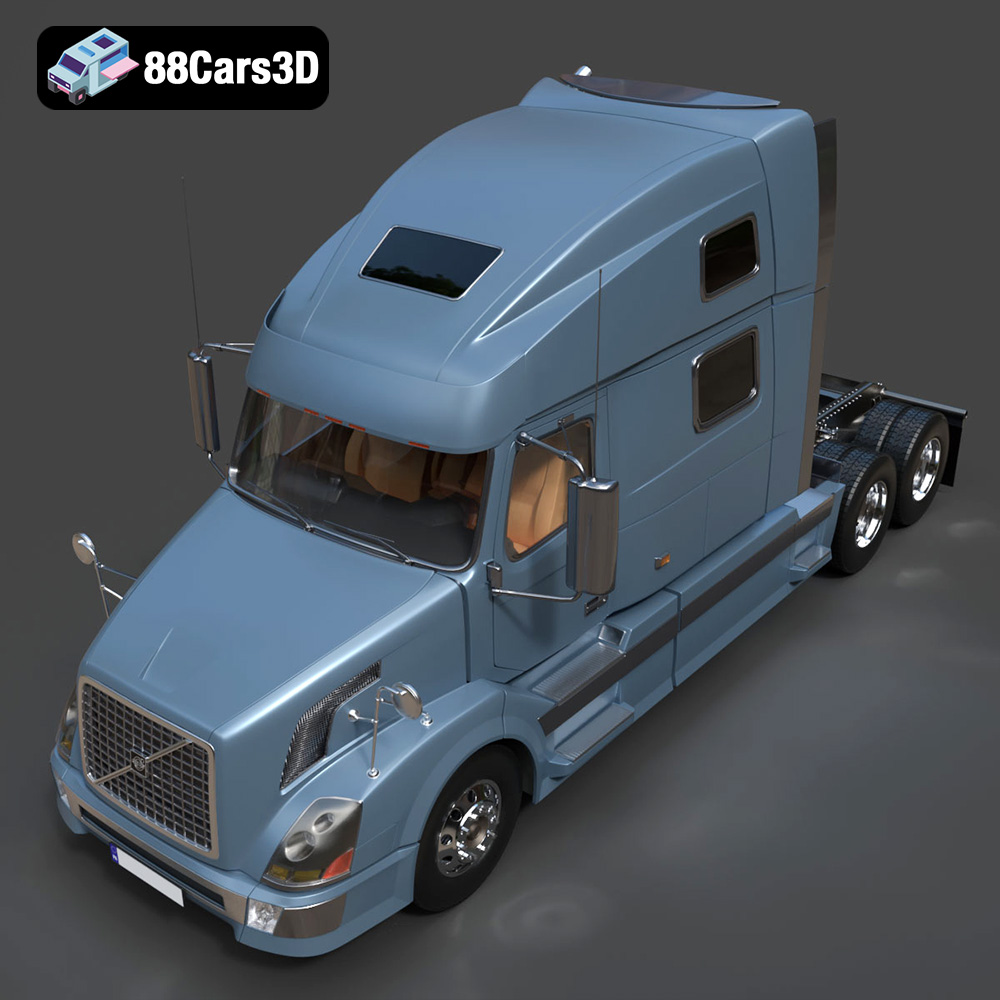
The 2002 Volvo VNL tractor truck is a legend of the open road, known for its distinctive styling and reliable performance. Thanks to advancements in 3D printing, you can now own a detailed replica of this iconic vehicle. This guide provides a comprehensive walkthrough on how to successfully 3D print the 2002 Volvo VNL tractor truck model, available for download in various formats from 88cars3d.com. Whether you’re a seasoned modeler or just getting started with additive manufacturing, this guide will help you navigate the process, from selecting the right materials to achieving a professional-looking finish.
Before diving into the printing process, it’s crucial to understand the various file formats available for 3D models, especially when it comes to 3D printing. The 2002 Volvo VNL tractor truck model is available in several formats, each with its strengths and weaknesses. Knowing which formats are best suited for 3D printing and how they interact with slicing software is essential for a successful outcome.
The file format determines how the 3D model’s data is stored and interpreted by different software applications. Some formats are better suited for visual rendering and animation, while others excel in providing the precise geometric data needed for 3D printing. Choosing the wrong file format can lead to errors, loss of detail, or compatibility issues.
* **.stl:** This is the industry standard for 3D printing. STL (stereolithography) files represent the surface geometry of a 3D object as a collection of triangles. It’s a mesh-only format, meaning it only contains information about the shape and not the color or texture. Because of its simplicity, STL is universally compatible with slicing software and 3D printers. For the 2002 Volvo VNL tractor truck, the STL format provided by 88cars3d.com is ideal for direct 3D printing. The STL file needs to be manifold (watertight) and free of errors to print correctly.
* **.obj:** OBJ is a more universal format than STL, capable of storing color and texture information in addition to the geometry. While OBJ files can be used for 3D printing, they are primarily used in computer graphics and animation. If you plan to paint or add custom textures to your 3D printed Volvo VNL, the OBJ format can be helpful as a reference for the model’s surface details.
* **.ply:** PLY (Polygon File Format) is designed to store 3D data obtained from 3D scanners. It’s known for its ability to store high-resolution mesh data, making it suitable for models with intricate details. However, PLY files can be quite large and may not be as widely supported by all slicing software as STL.
* **.blend:** This is the native file format for Blender, a popular open-source 3D creation suite. The advantage of a .blend file is that it allows you to fully customize the 2002 Volvo VNL model before exporting it for 3D printing. You can modify the geometry, add details, or even separate parts for easier printing.
* **.fbx:** FBX (Filmbox) is a proprietary file format developed by Autodesk. It’s commonly used in game development and animation because it can store animation data, materials, and textures. While not directly used for 3D printing, an FBX file can be imported into Blender or another 3D modeling program, modified, and then exported as an STL for printing.
* **.glb:** GLB is a binary file format that represents 3D models in the glTF (GL Transmission Format) standard. It’s designed for efficient delivery and loading of 3D models in web and mobile applications. GLB files often include textures and animations, making them useful for previewing the 2002 Volvo VNL in AR (Augmented Reality) applications before committing to a physical 3D print.
* **.max:** This is the native file format for 3ds Max, another professional 3D modeling and animation software package from Autodesk. Similar to .blend, .max files allow for complete customization of the model. You can modify the geometry, add details, or separate parts for easier printing before exporting as STL.
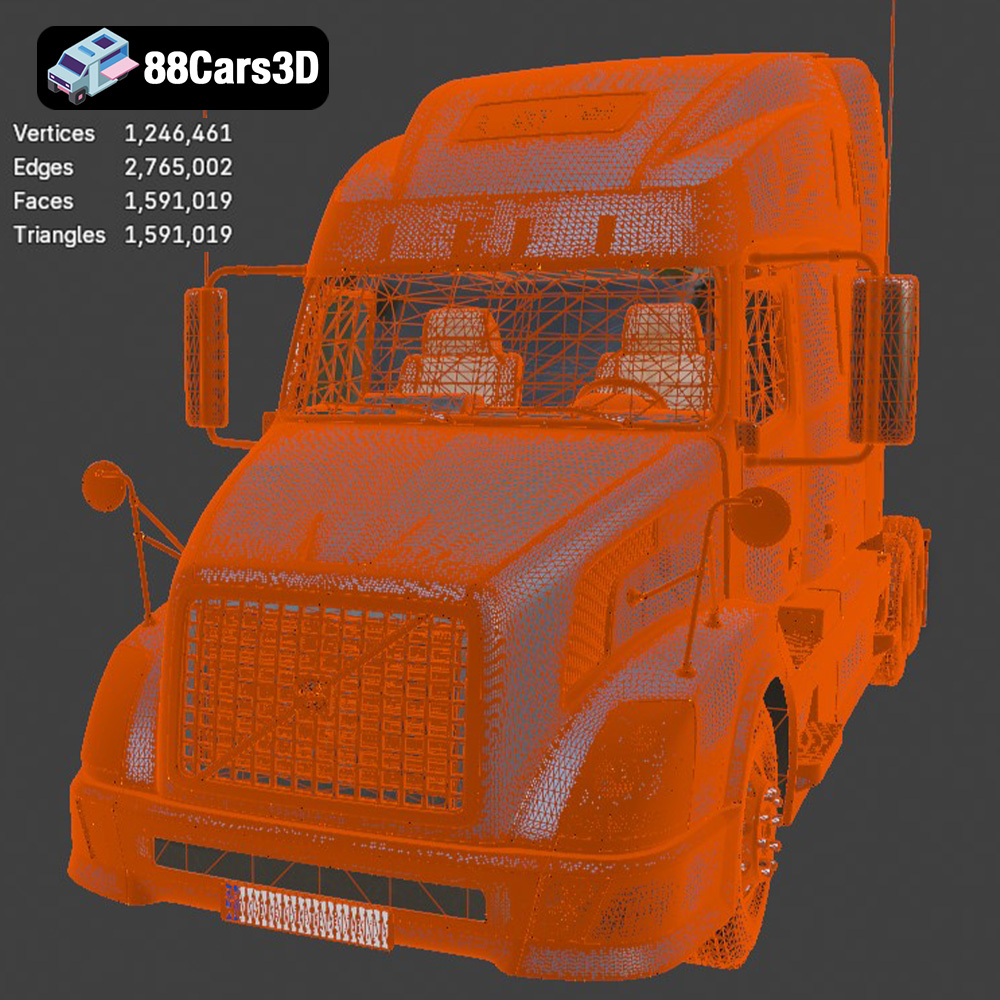
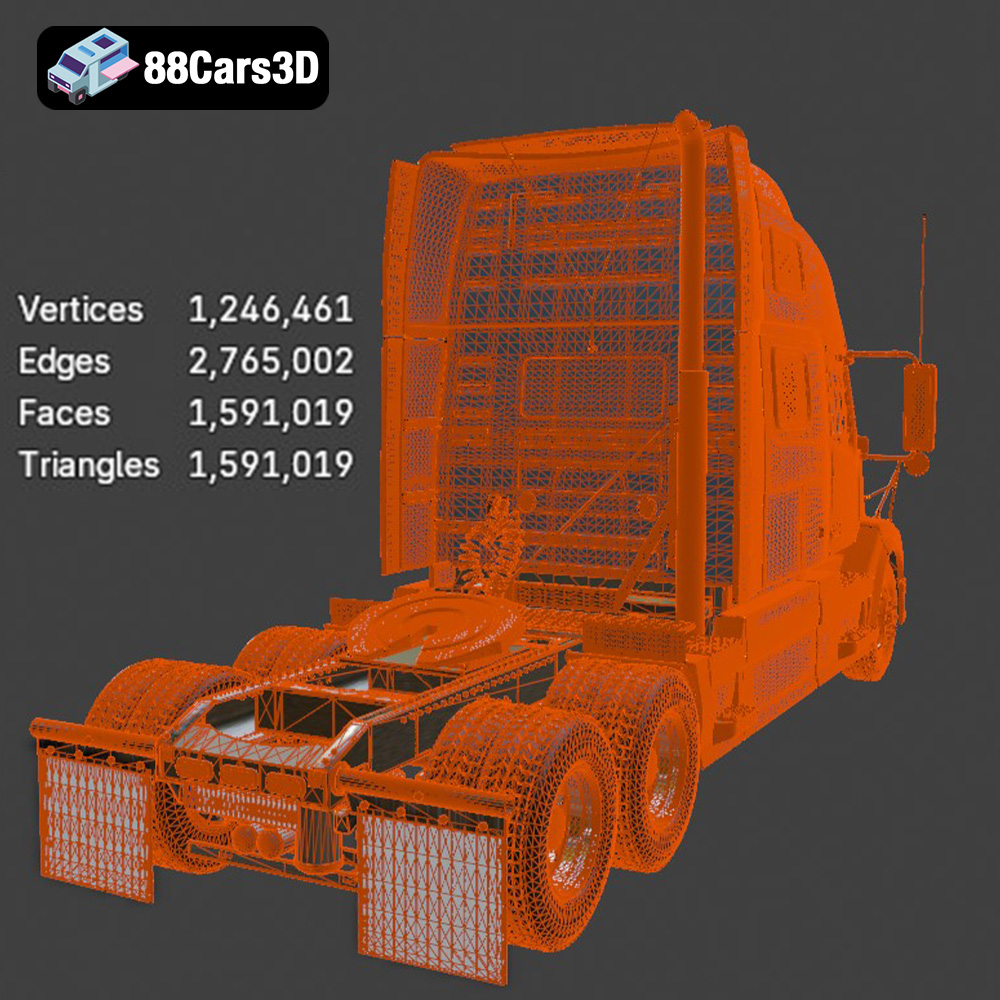
For 3D printing the 2002 Volvo VNL tractor truck, the STL format is generally the best choice. It is universally supported by slicing software and 3D printers, and it provides the necessary geometric data for accurate reproduction of the model. When working with STL files, it’s essential to ensure that the mesh is clean, watertight, and free of errors. Slicing software can often detect and repair minor issues, but it’s best to start with a well-prepared model. Tools like MeshMixer or MeshLab can be used to inspect and repair STL files before importing them into the slicing software. The quality of the STL file directly impacts the quality of the final 3D print, so paying attention to mesh resolution and potential errors is critical.
Once you have the STL file for the 2002 Volvo VNL tractor truck model, the next step is to prepare it for 3D printing. This involves using slicing software to convert the 3D model into a series of instructions that the 3D printer can understand. This process also allows you to optimize the model for printing by adjusting settings like layer height, infill density, and support structures.
Several excellent slicing software options are available, each with its own strengths and features. Popular choices include Cura, Simplify3D, PrusaSlicer, and Chitubox (for resin printing). Cura and PrusaSlicer are free and open-source, making them great options for beginners. Simplify3D offers more advanced features and customization options but requires a paid license. Chitubox is specifically designed for resin printers and offers excellent support for resin-specific settings. Select the slicing software that aligns with your printer type and desired level of control.
* **Orientation:** The orientation of the model on the print bed can significantly impact print quality, support requirements, and overall success. For the 2002 Volvo VNL, orient the frame at an angle to improve structural integrity, as suggested by 88cars3d.com. The cab and wheels should be printed separately for optimal results.
* **Scaling:** The 3D model can be scaled to different sizes to suit your preferences. 88cars3d.com recommends scales of 1:24, 1:32, or 1:43. Consider the level of detail you want to preserve and the capabilities of your 3D printer when selecting a scale. Larger scales allow for finer details but require more printing time and material.
* **Support Structures:** Support structures are necessary for overhanging features and complex geometries. For the 2002 Volvo VNL, supports will be needed for parts like the exhaust stacks, side mirrors, and fifth wheel. Experiment with different support settings in your slicing software to find the optimal balance between support strength and ease of removal.
* **Infill Density:** Infill density affects the internal strength and weight of the printed model. A higher infill density results in a stronger but heavier and more material-intensive print. For the Volvo VNL, an infill density of 20-30%, as recommended by 88cars3d.com, should provide a good balance between strength and material usage.
The choice of material is crucial for achieving the desired level of detail, strength, and finish for your 3D printed 2002 Volvo VNL tractor truck model. The two primary 3D printing technologies for hobbyists are Fused Deposition Modeling (FDM), which uses filament, and Stereolithography (SLA) or resin printing. Each technology offers different advantages and disadvantages.
FDM printing involves melting and extruding a plastic filament layer by layer to create the 3D object. Common filament materials include PLA, ABS, PETG, and nylon.
* **PLA (Polylactic Acid):** PLA is a biodegradable thermoplastic derived from renewable resources. It’s easy to print with, has low warping, and produces good surface quality. PLA is an excellent choice for beginners and for printing non-functional parts of the Volvo VNL, such as the cab or interior details.
* **PETG (Polyethylene Terephthalate Glycol-modified):** PETG offers a good balance of strength, flexibility, and ease of printing. It’s more durable and heat-resistant than PLA, making it suitable for parts that may experience stress or exposure to higher temperatures. PETG could be used for the frame or chassis of the Volvo VNL.
* **ABS (Acrylonitrile Butadiene Styrene):** ABS is a strong and heat-resistant plastic commonly used in automotive and industrial applications. However, it’s more challenging to print with than PLA or PETG due to its tendency to warp and shrink. ABS might be considered for the frame if high strength and heat resistance are required.
Resin printing uses a liquid resin that is cured by ultraviolet light to create the 3D object. Resin printers can produce parts with much finer details and smoother surfaces than FDM printers, making them ideal for intricate models like the 2002 Volvo VNL.
* **Standard Resin:** Standard resins are available in a variety of colors and offer good detail and strength. They are suitable for printing the cab, wheels, and other detailed parts of the Volvo VNL.
* **Tough Resin:** Tough resins are designed to be more durable and impact-resistant than standard resins. They are a good choice for parts that may experience stress or require higher strength, such as the frame or suspension components.
* **Flexible Resin:** Flexible resins can be used to create parts that are pliable and bendable. They could be used for the tires of the Volvo VNL to provide a more realistic feel.
As noted by 88cars3d.com, resin printing is recommended for capturing the fine details of the 2002 Volvo VNL model.
Achieving a high-quality 3D print of the 2002 Volvo VNL model requires careful attention to printer settings. These settings will vary depending on the type of printer (FDM or resin) and the material you are using, but some general guidelines can help you get started.
* **Layer Height:** A lower layer height results in a smoother surface finish but increases printing time. For the Volvo VNL, a layer height of 0.1-0.2 mm is recommended for good detail.
* **Nozzle Temperature:** The optimal nozzle temperature depends on the filament material. PLA typically prints at 190-220°C, PETG at 220-250°C, and ABS at 230-260°C.
* **Bed Temperature:** A heated bed is essential for preventing warping, especially with ABS. PLA typically prints on an unheated or slightly heated bed (50-60°C), PETG at 70-80°C, and ABS at 90-110°C.
* **Print Speed:** A slower print speed generally results in better print quality. A speed of 40-60 mm/s is a good starting point for most filaments.
* **Retraction Settings:** Proper retraction settings are crucial for preventing stringing and oozing. Experiment with retraction distance and speed to find the optimal settings for your printer and filament.
* **Layer Height:** Resin printers can achieve very fine layer heights, typically ranging from 0.025-0.05 mm. A lower layer height results in finer details but increases printing time.
* **Exposure Time:** The exposure time determines how long each layer is exposed to the UV light. The optimal exposure time depends on the resin type and printer.
* **Lift Distance and Speed:** The lift distance and speed affect how the print separates from the FEP film (the transparent film at the bottom of the resin vat). Proper settings are crucial for preventing print failures.
* **Support Settings:** Resin printing often requires extensive support structures to hold the model in place during printing. Optimize the support settings to provide adequate support while minimizing the amount of resin used and the difficulty of removing the supports.
Once the 3D printing process is complete, the 2002 Volvo VNL model will likely require some post-processing to achieve a professional-looking finish. This may involve removing support structures, sanding, priming, and painting.
Carefully remove the support structures using pliers, cutters, or a sharp knife. Take your time and avoid damaging the model. For resin prints, you may need to soak the model in warm water to soften the supports before removal.
Sanding is essential for smoothing out layer lines and imperfections. Start with coarse sandpaper (e.g., 220 grit) and gradually move to finer grits (e.g., 400, 600, 800 grit) to achieve a smooth surface. Wet sanding can help reduce dust and improve the finish.
Priming provides a uniform surface for painting and helps the paint adhere better to the plastic. Apply several thin coats of primer, allowing each coat to dry completely before applying the next.
Paint the 2002 Volvo VNL model with authentic fleet colors, as recommended by 88cars3d.com. Use high-quality acrylic paints and apply thin, even coats. Consider using masking tape to create sharp lines and details. Metallic finishes can add a realistic touch to the model.
Even with careful preparation and attention to detail, 3D printing can sometimes present challenges. Here are some common issues and their solutions:
* **Warping:** Warping occurs when the corners of the print lift off the print bed. This is more common with ABS than with PLA or PETG. Solutions include using a heated bed, applying an adhesive to the print bed (e.g., glue stick or blue tape), and using an enclosure to maintain a consistent temperature.
* **Stringing:** Stringing is caused by filament oozing from the nozzle during travel moves. Solutions include adjusting retraction settings, lowering the nozzle temperature, and increasing travel speed.
* **Layer Shifting:** Layer shifting occurs when the print head moves unexpectedly during printing, causing the layers to misalign. This can be caused by loose belts, stepper motor issues, or vibrations.
* **Print Bed Adhesion Problems:** First layer adhesion is key to a successful print. If the first layer isn’t sticking to the bed you will see issues. Ensure the bed is level, clean and at the correct temperature. You may also need to adjust the Z-offset.
By following these guidelines and troubleshooting tips, you can successfully 3D print the 2002 Volvo VNL tractor truck model and create a stunning replica of this iconic vehicle. Remember to check out 88cars3d.com for more high-quality 3D models optimized for printing.
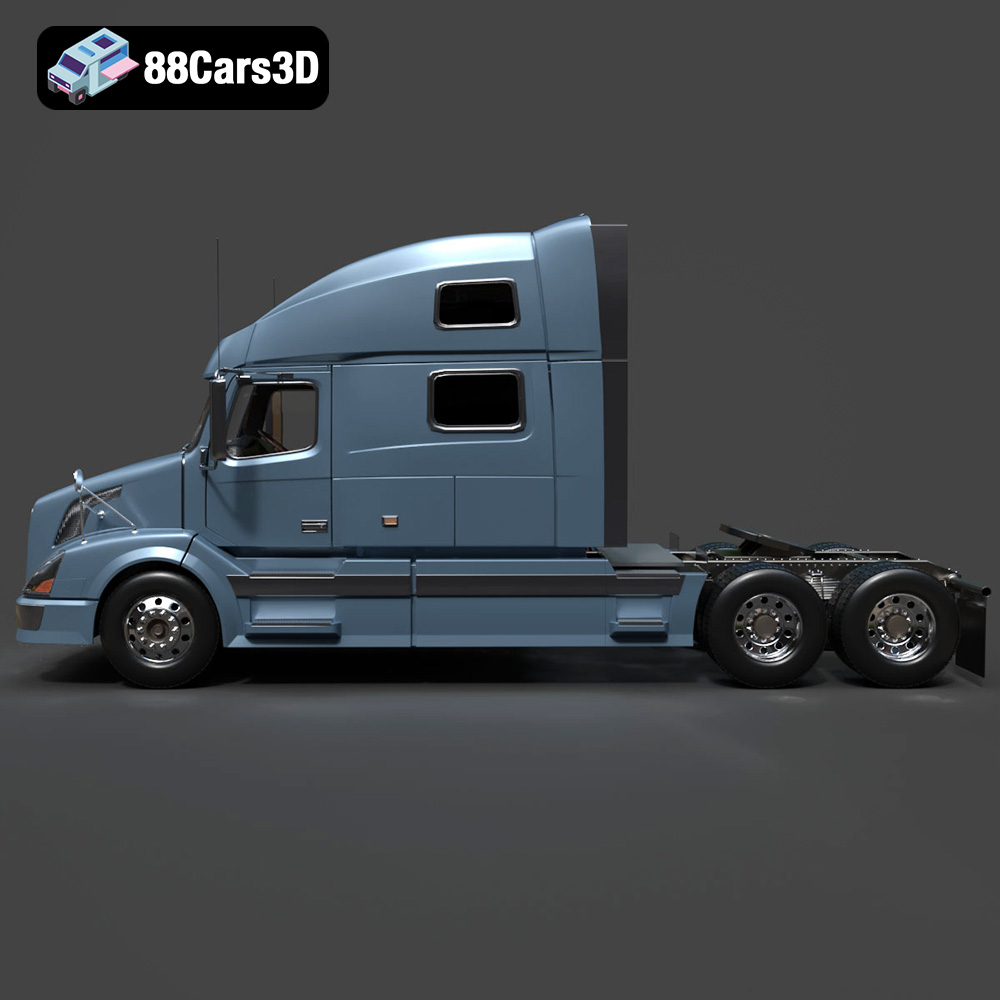
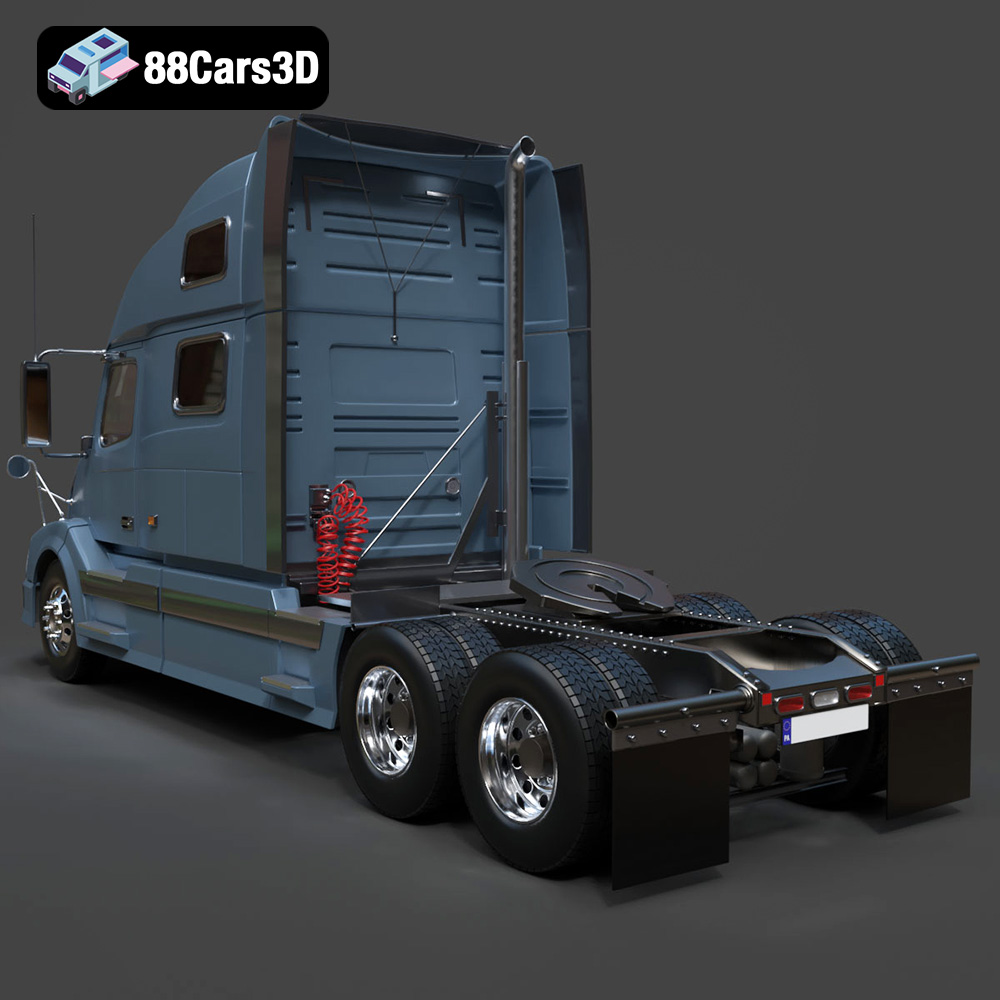
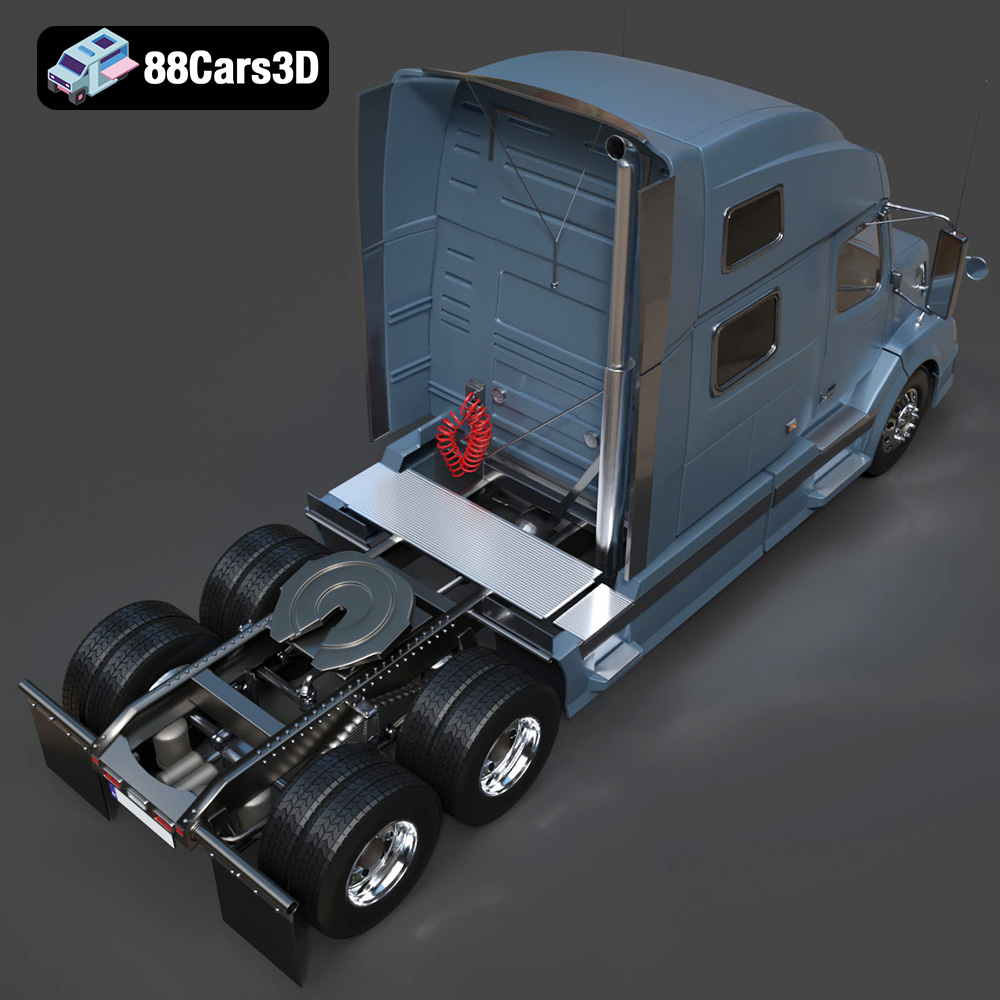
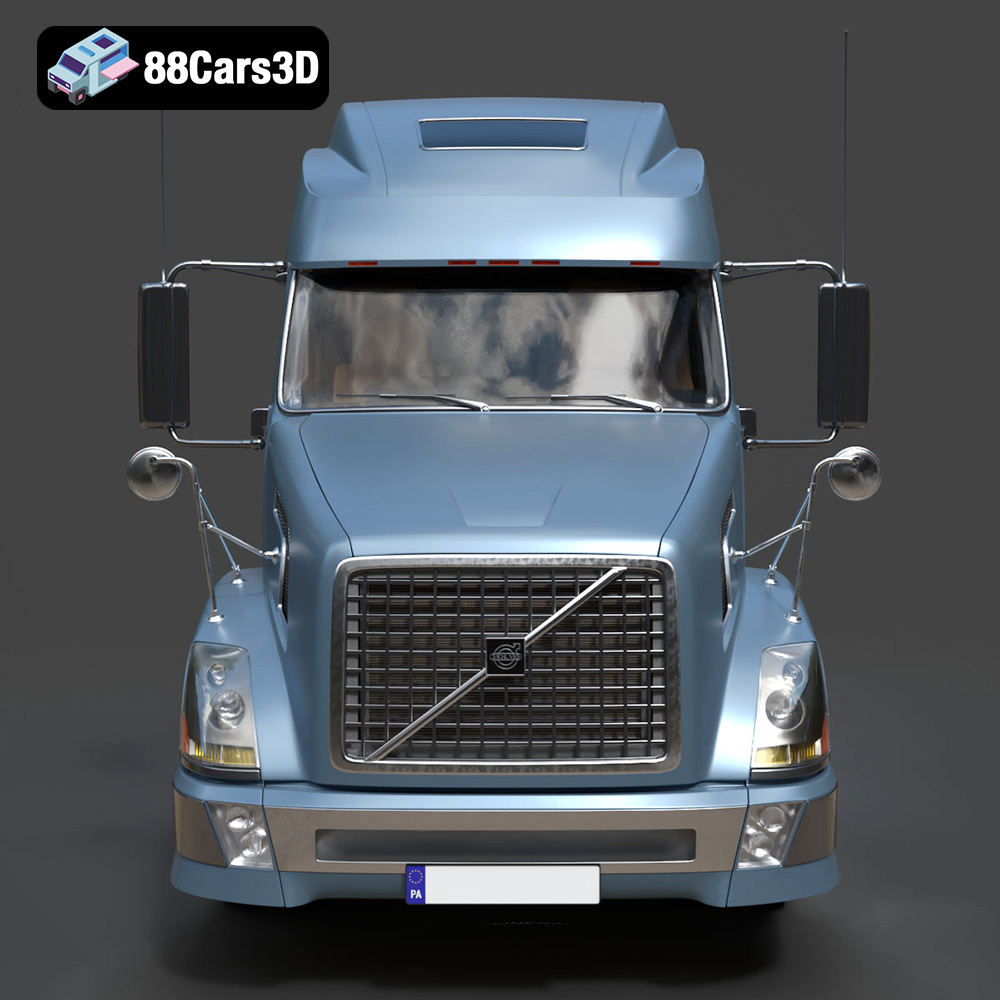
The 2002 Volvo VNL Tractor Truck represents a pivotal era in commercial freight transportation, renowned for its aerodynamic design, exceptional driver comfort, and robust heavy-hauling capabilities. This meticulously crafted 3D model captures the imposing presence of the iconic semi-truck, featuring its signature sloped hood, prominent front grille, distinct dual exhaust stacks, and the spacious sleeper cab architecture that made it an industry standard.
$39.99
.blend
.fbx
.glb
.max
.obj
.ply
.rendering
.stl
.unreal
.volvo
2002
car-3d-model
commercial-vehicle
game asset
game-ready
heavy-duty-truck
low-poly
optimized
semi-truck
truck-3d-model
vnl-tractor-truck
VR/AR