Get 20% OFF All Premium 3D & STL Models!

In the rapidly evolving world of digital visualization, automotive design continues to push boundaries, not just in physical concept cars but also within the virtual realm. The demand for high-fidelity 3D car models is at an all-time high, driven by industries ranging from AAA game development to cutting-edge architectural visualization and immersive AR/VR experiences. These digital assets are the building blocks for creating compelling narratives, interactive environments, and breathtaking marketing campaigns.
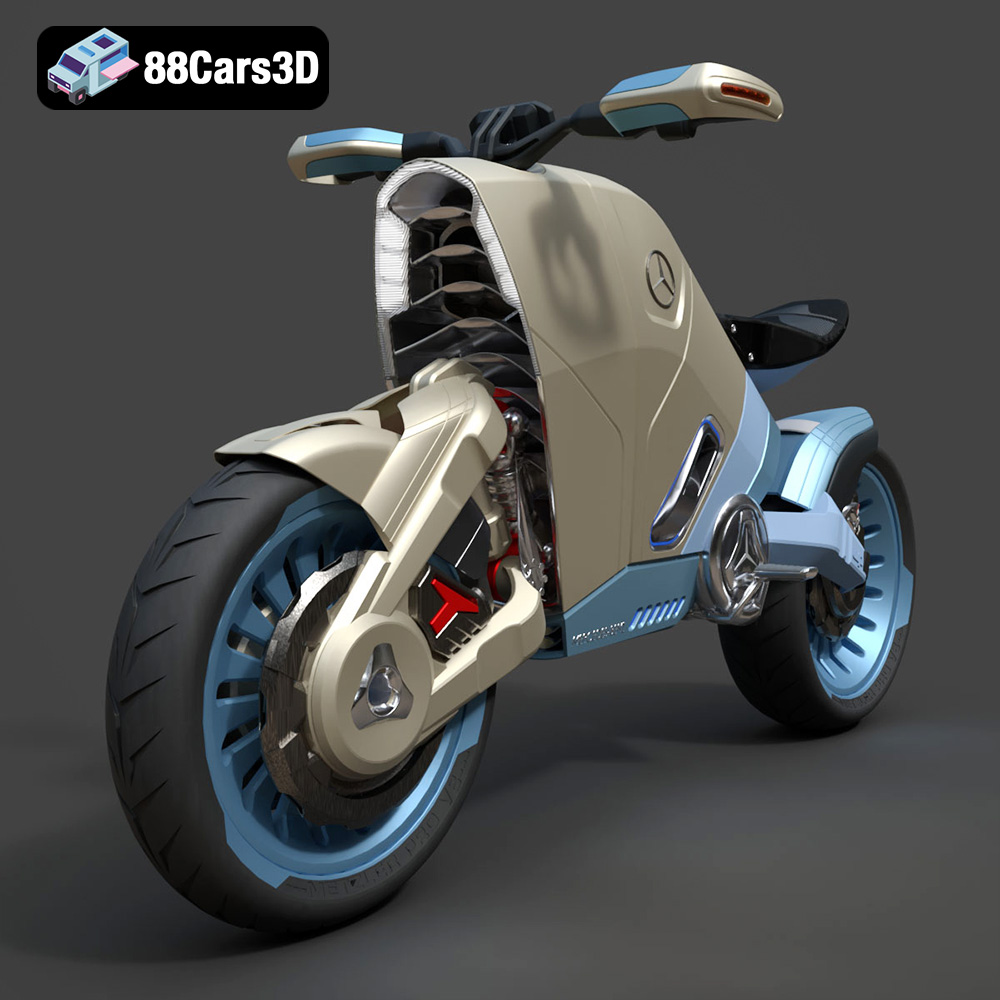
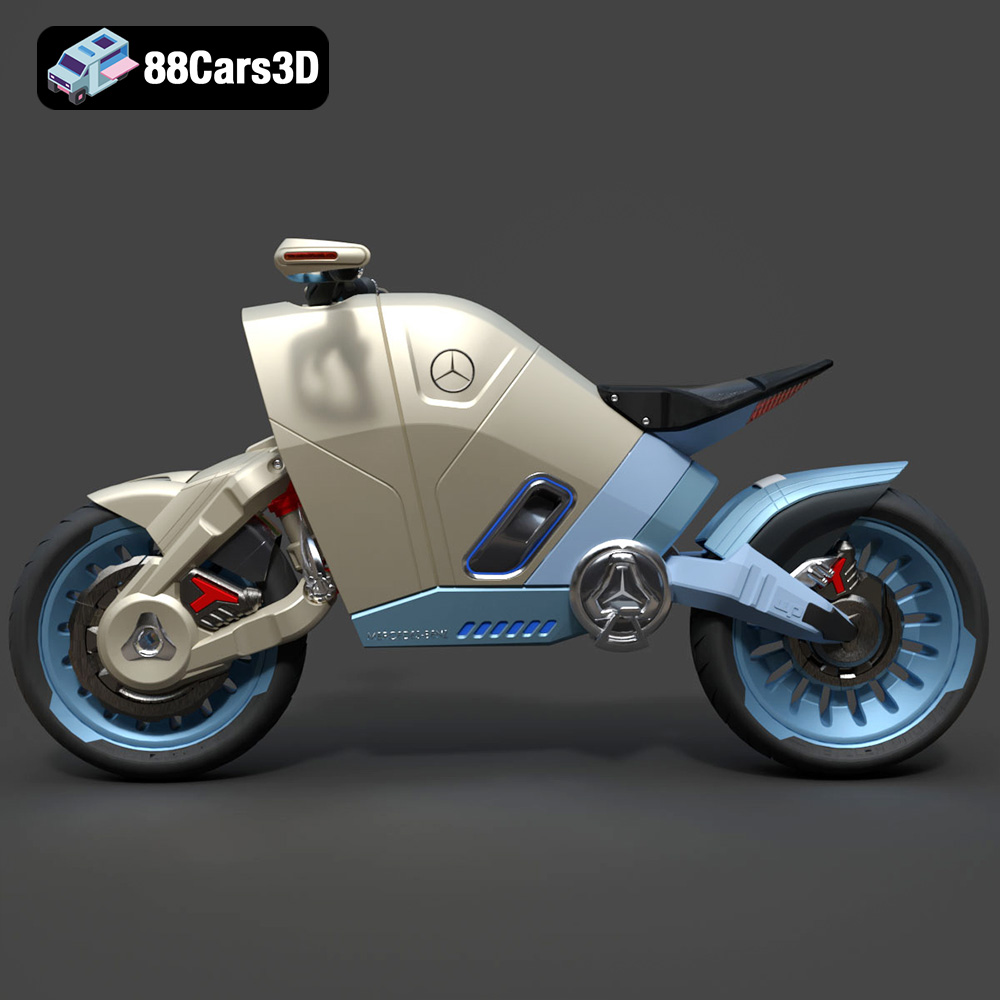
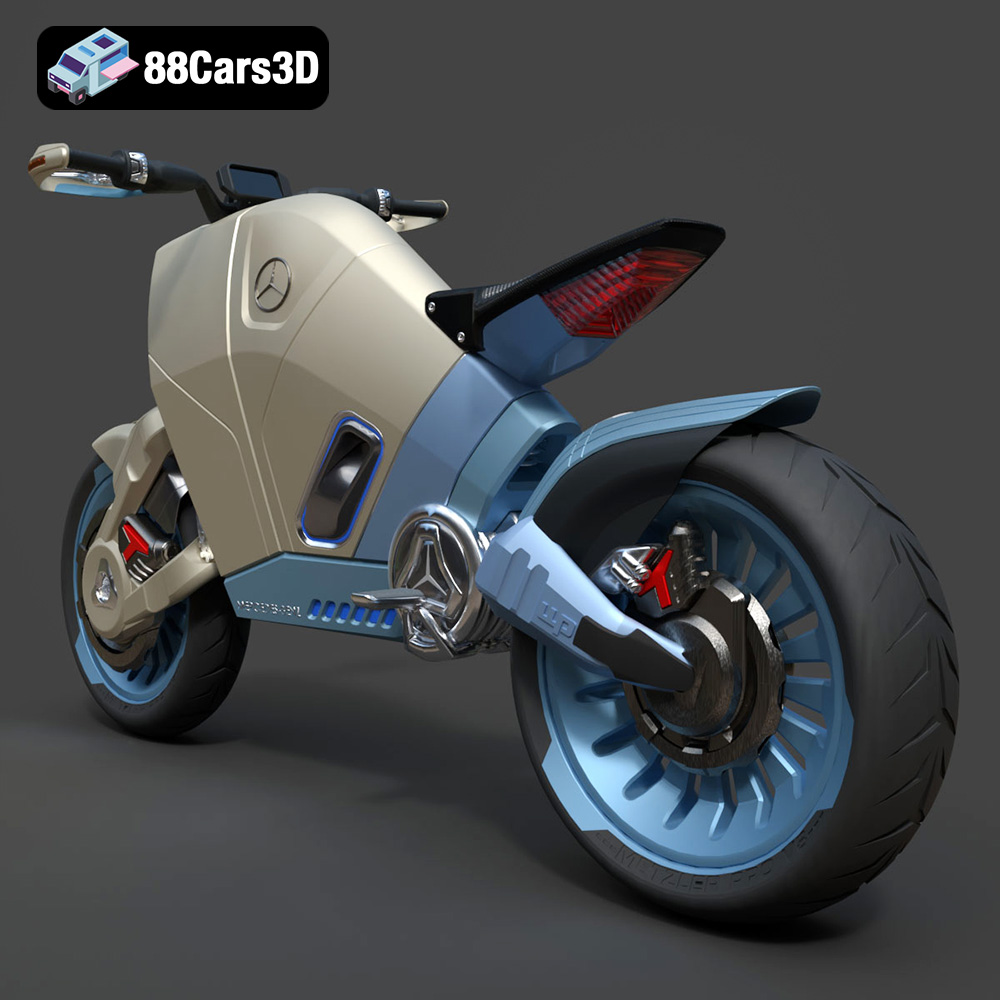
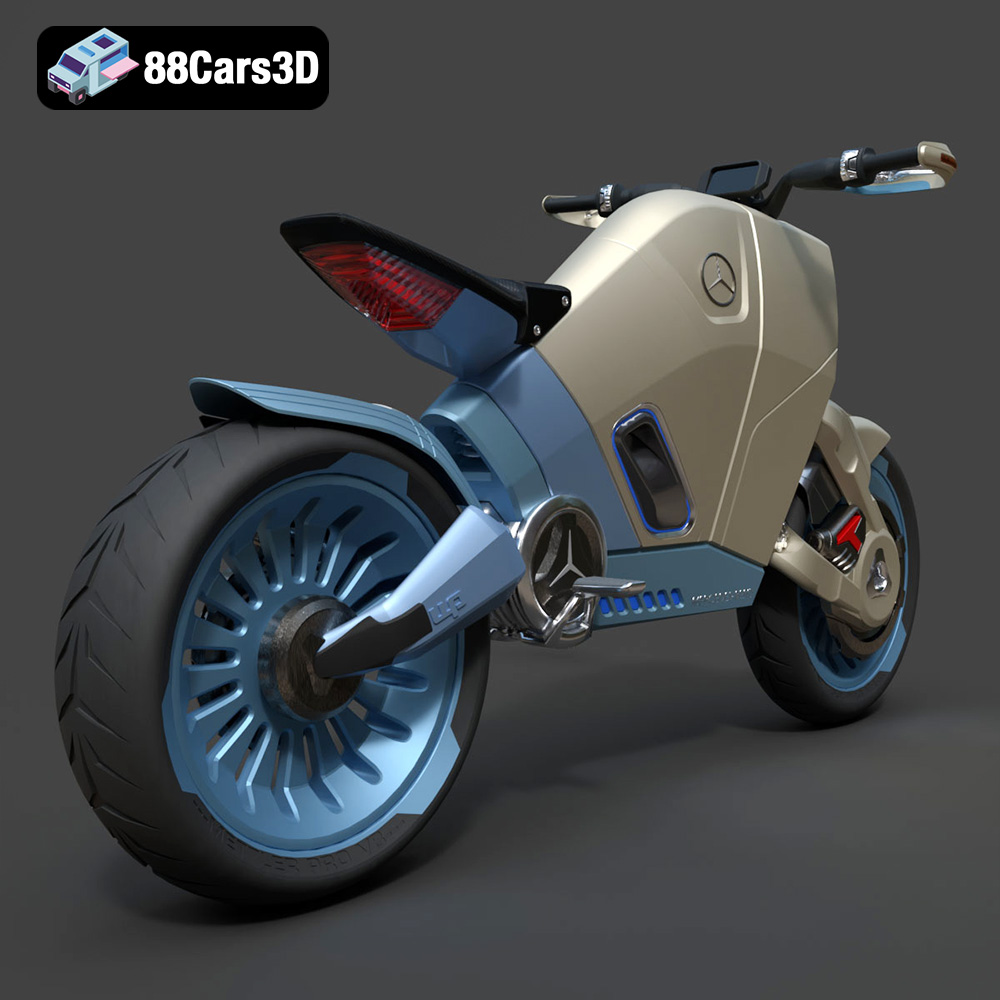
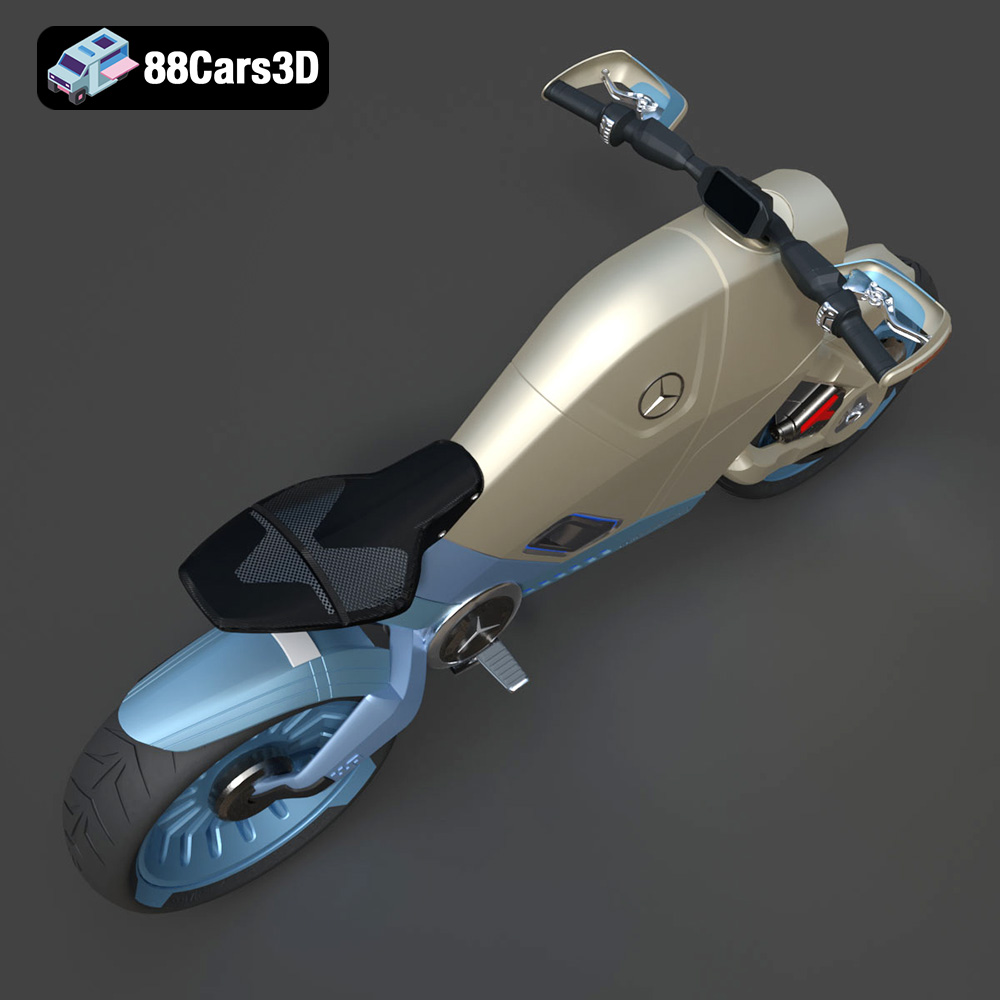
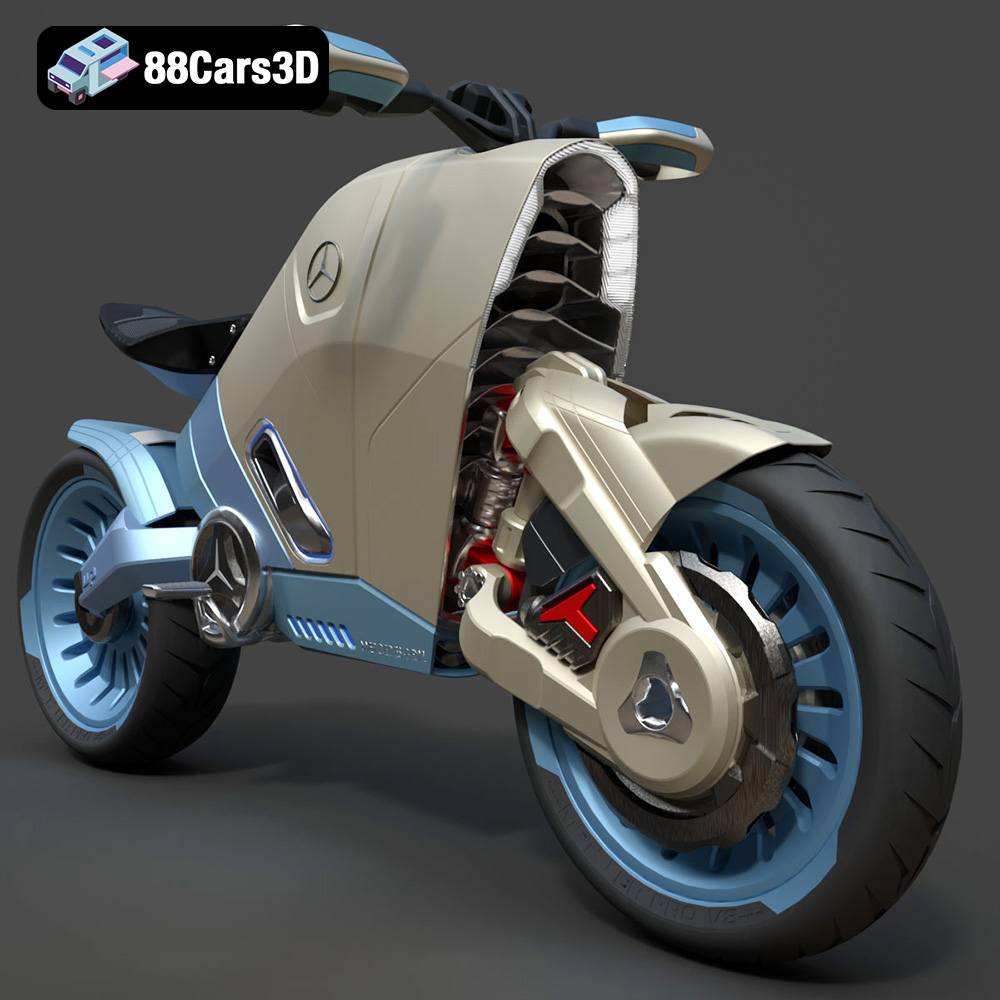
Today, we delve into a prime example of this digital artistry: the SMARANZA Mercedes Concept Electrical Motorcycle 3D Model. This isn’t just another asset; it’s a meticulously crafted vision of future mobility, blending iconic Mercedes-Benz luxury with a sleek, electric aesthetic. For professionals and enthusiasts alike, acquiring such a detailed and optimized model is a game-changer, offering unparalleled flexibility and quality straight out of the box. Whether you’re an automotive renderer aiming for photorealism, a game developer building a cyberpunk cityscape, or an AR/VR creator designing an interactive showroom, understanding the technical depth and versatility of assets like this is paramount. The SMARANZA model, available at 88cars3d.com, encapsulates the pinnacle of modern 3D asset creation, ready to integrate into diverse professional workflows.
The journey of a 3D model, from its creation to its final application, often involves navigating a complex landscape of file formats. Each format serves a specific purpose, optimized for different software, workflows, and output types. Understanding these distinctions is crucial for maximizing efficiency, ensuring compatibility, and achieving the desired results for any project, especially when working with detailed 3D car models like the SMARANZA Mercedes Concept. Let’s break down the most common and critical formats included with premium models.
The .blend format is the native file type for Blender, the popular open-source 3D creation suite. A .blend file is a complete package, containing not only the mesh geometry but also materials, textures (often packed within or referenced), lighting setups, animation data, scene settings, and even user interface layouts. For users primarily working within Blender, this format offers the most flexibility, allowing for full editing, modification, and re-rendering with all original project components intact. It’s ideal for artists who want to delve deep into the model’s construction, make custom adjustments, or integrate it seamlessly into a larger Blender-based scene.
.fbx (Filmbox) is arguably the most widely used proprietary 3D file format for exchanging models and animation data between different 3D software applications and game engines. Developed by Autodesk, it supports geometry, materials, textures, animations, bones/rigging, and camera data. Its strength lies in its robust support across major platforms like 3ds Max, Maya, Cinema 4D, Blender, Unreal Engine, and Unity. For game development and real-time pipelines, .fbx is often the go-to choice due to its efficiency in transferring complex animated assets with proper hierarchies and pivot points – a critical feature for models like the SMARANZA with its separate wheels and suspension components.
The .obj (Wavefront OBJ) format is a simple, universal 3D data format that stores only geometry (vertices, normals, texture coordinates, and faces) and references external material files (.mtl). While it doesn’t support animation, rigging, or scene information, its widespread compatibility makes it a safe bet for basic model exchange across virtually any 3D software. It’s often used when fidelity in animation or complex material setups isn’t the primary concern, but clean, accurate geometry is. For models like the SMARANZA, the .obj provides a robust geometric foundation for artists to build upon in their preferred rendering package.
.glb (GL Transmission Format Binary) is an increasingly vital format, especially for web-based 3D applications, AR (Augmented Reality), and VR (Virtual Reality). It’s a binary version of glTF, designed to be a single-file container for 3D models and their associated data (geometry, materials, textures, animations). Its primary advantage is efficiency and ease of use in real-time environments, particularly in browsers. For showcasing a dynamic 3D car model like the SMARANZA in a web viewer or an AR app, .glb ensures fast loading times and optimal performance without needing to manage multiple files.
.stl (Stereolithography) is the de facto standard format for 3D printing. It represents a 3D model as a collection of unconnected triangular facets, defining only the surface geometry without color, texture, or material information. While simple, its ubiquity ensures compatibility with virtually all 3D printers and slicing software. When preparing the SMARANZA Mercedes Concept for a physical display model, converting it to .stl and adhering to specific print settings (as provided in the product description) is the essential first step.
The .ply (Polygon File Format) is another format that describes a 3D object as a collection of polygons. Originating from the Stanford University graphics lab, it’s often used for scanned 3D data and can store a wider range of properties than .obj or .stl, including color, transparency, surface normals, and even data confidence values per vertex. It’s particularly useful in scientific visualization, CAD, and situations where precise mesh data with additional per-vertex or per-face attributes is required.
The .unreal format signifies an asset specifically packaged and optimized for direct import and use within the Unreal Engine. This often means the model has already been processed with appropriate materials, textures, LODs (Levels of Detail), and potentially even collision meshes or basic blueprints, saving significant setup time for game developers. For integrating the SMARANZA Mercedes Concept into an Unreal Engine project, this format offers the most streamlined workflow, ensuring it’s “game-ready” as advertised.
Finally, .max is the native file format for Autodesk 3ds Max, a powerful 3D modeling, animation, rendering, and compositing software. Similar to .blend, a .max file contains the complete scene data, including geometry, materials, lighting, cameras, animation, and plugins specific to 3ds Max. It’s invaluable for professionals who use 3ds Max as their primary creative hub, offering full access to the model’s construction, modifiers, and rendering setups. The .max file for the SMARANZA model provides the ultimate flexibility for advanced rendering and animation workflows within this ecosystem.
The availability of such a diverse range of formats for the SMARANZA Mercedes Concept Electrical Motorcycle 3D Model highlights its versatility and the foresight of its creators. This multi-format approach ensures that regardless of your software, workflow, or final application, you have the right file to integrate this exceptional 3D car model seamlessly into your project.
Automotive rendering is an art form that transforms digital models into photorealistic imagery, crucial for marketing, concept presentation, and high-end visualization. With a sophisticated 3D car model like the SMARANZA Mercedes Concept, the focus shifts from basic modeling to refining materials, setting up dynamic lighting, and executing expert post-production.
The realism of any 3D model, especially an automotive one, hinges on its materials. For the SMARANZA concept, this means recreating the nuanced reflections of metallic paint, the subtle texture of the conceptual tires, and the vibrant emissive quality of its futuristic LED lighting. Utilizing Physically Based Rendering (PBR) workflows, artists define properties like albedo (base color), roughness, metallicness, and normal maps. Car paint, for instance, requires complex shaders that simulate clear coats, metallic flakes, and subsurface scattering for depth. The “aerodynamic bodywork with seamless panel integration” and “advanced LED light strips” mentioned in the product description demand precise material definition to achieve their intended visual impact, showcasing luxury and technological advancement. A well-built model from 88cars3d.com will have these PBR materials pre-configured, allowing artists to quickly adjust and fine-tune them.
Lighting is the sculptor of form in 3D rendering. For the SMARANZA concept, whether it’s destined for a sleek studio shot or a dynamic outdoor scene, the lighting setup is critical. High Dynamic Range Images (HDRIs) are commonly used to provide realistic environmental lighting and reflections, simulating everything from an overcast sky to a vibrant city street. Studio lighting, often using virtual softboxes and area lights, highlights the contours and curves of the vehicle, emphasizing its “ultra-sleek, streamlined fairing” and “cutting-edge conceptual suspension geometry.” The interplay of light and shadow defines its “futuristic aerodynamic bodywork,” making it truly shine. Experimenting with different lighting scenarios can drastically alter the perception of speed, power, or elegance inherent in the design.
Even the best raw render can be elevated through skilled post-production. This phase involves applying techniques often found in professional photography and cinematography. Color grading adjusts the overall mood and tone, while depth of field (bokeh) isolates the subject, drawing the viewer’s eye to key details. Motion blur can convey speed, especially important for a dynamic motorcycle concept. Lens flares, chromatic aberration, and subtle grain can add a cinematic quality, bridging the gap between digital render and real-world photograph. For the SMARANZA Mercedes Concept, these techniques can accentuate its “futuristic LED signature lighting” and “high-performance styling,” giving it that final polished, magazine-ready look.
Creating assets for real-time engines like Unreal and Unity presents a unique set of challenges and requirements. The SMARANZA Mercedes Concept Electrical Motorcycle is explicitly designed as “game-ready & optimized,” making it an ideal candidate for understanding these workflows.
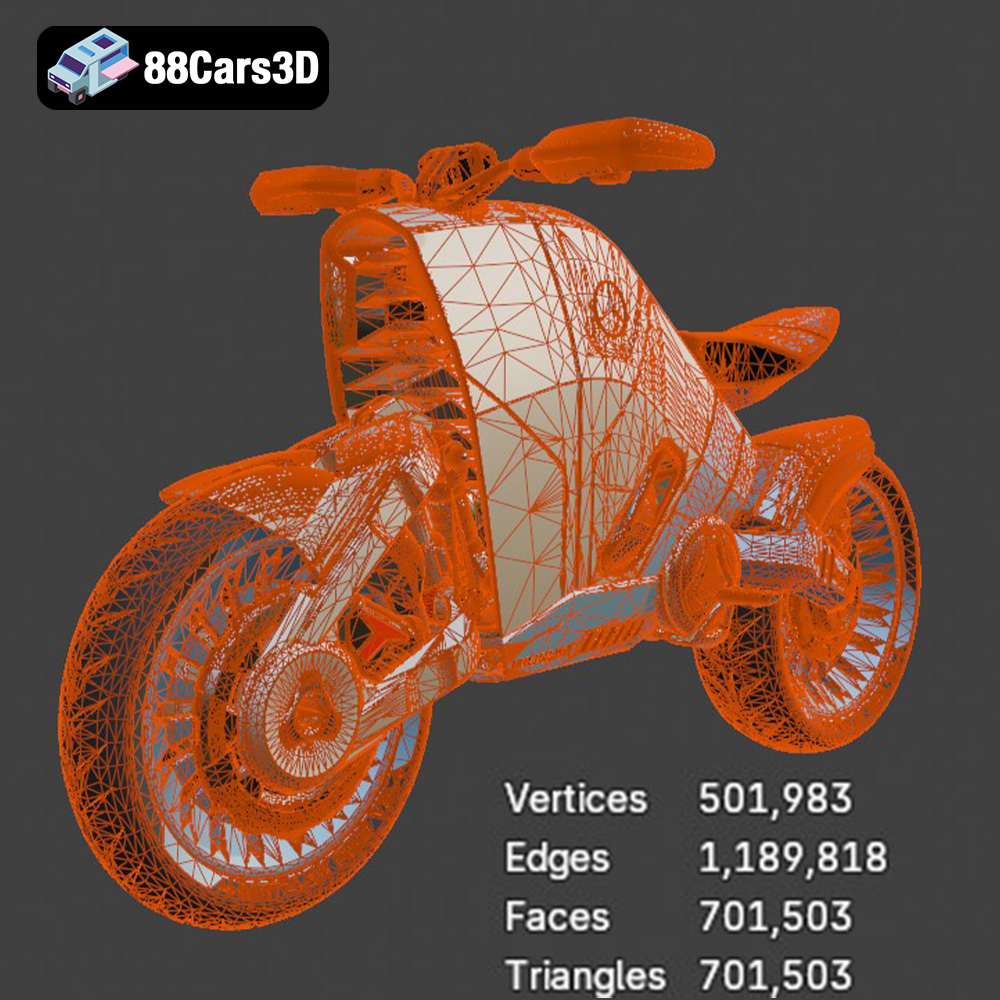
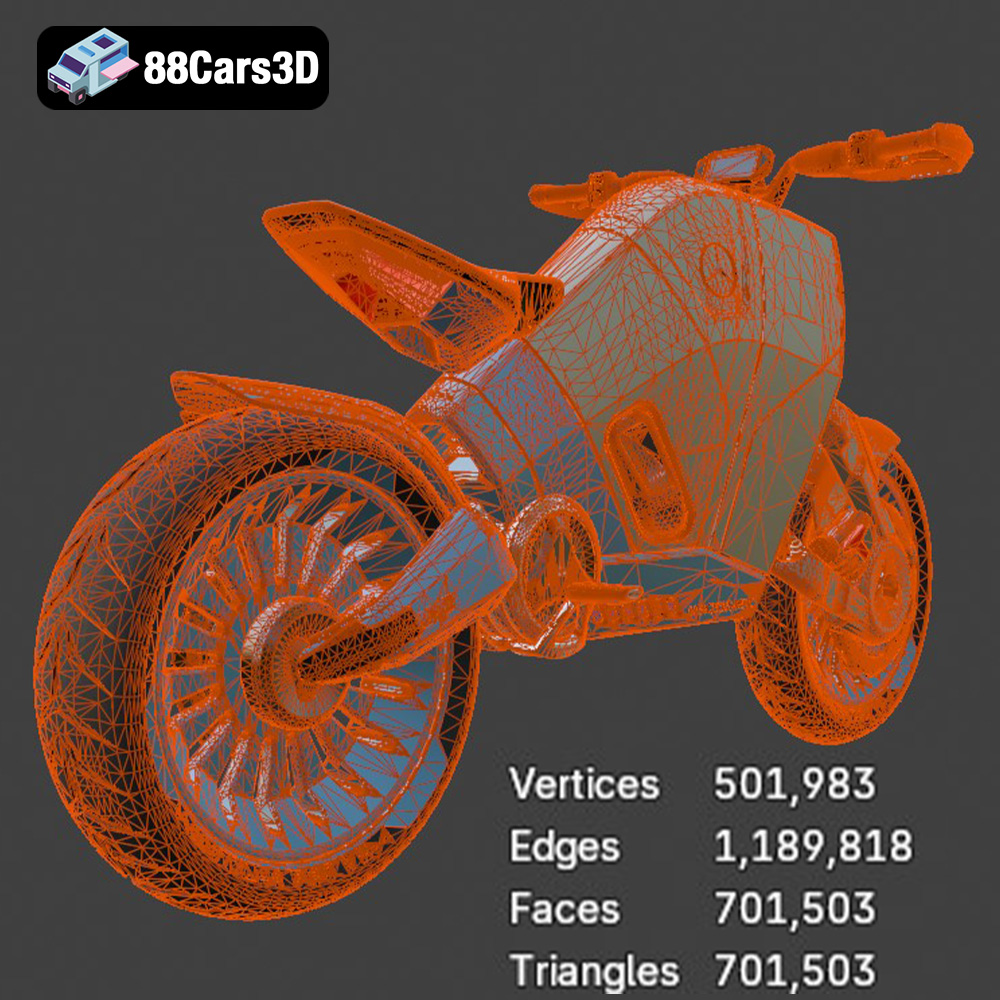
Game assets must strike a delicate balance between visual fidelity and performance. The product description highlights “optimized triangle count” and “clean topology,” which are hallmarks of a game-ready model. Efficient polygon count management ensures smooth frame rates without sacrificing visual detail. This often involves creating Levels of Detail (LODs), where simpler versions of the model are swapped in as the player moves further away. Beyond geometry, efficient UV unwrapping is crucial. UVs dictate how textures are applied to the model’s surface, and clean, non-overlapping UV maps are essential for preventing texture artifacts and maximizing texture resolution. For the SMARANZA model, its “futuristic aerodynamic bodywork” and “detailed high-performance electric motor and battery pack housing” would require careful UV mapping to ensure all its intricate details are beautifully represented in-game.
Once optimized, the next step is importing the 3D car model into a game engine. Using the .fbx or .unreal formats is typically the most efficient route. In engines like Unreal, this involves importing the mesh, setting up PBR materials (often using texture maps like albedo, normal, roughness, metallic, and emissive), and creating instances. The “real-world scale accuracy” and “proper pivot setup for steering, wheel rotation, and suspension travel” are critical for correct physical behavior and animation within the engine. For the SMARANZA, this means the wheels will rotate correctly around their axles, and the handlebars can be animated authentically. Collision meshes are also important for player interaction and physics simulation, ensuring the motorcycle behaves realistically within the game world.
A static model is only half the story in a game. The SMARANZA model’s “separate wheels, suspension, and steering components for animation” are a huge advantage. This modularity allows game developers to rig the motorcycle, enabling realistic steering, suspension compression, and wheel rotation. Using blueprints or scripts in Unreal Engine, developers can connect these animated components to player input or AI systems, creating a fully interactive vehicle. The “optimized geometry for first-person POV in gaming” further suggests thoughtful design for player immersion, where the “holographic-style digital instrument cluster” and “advanced sleek handlebar design” become key interactive elements.
The utility of high-quality 3D car models extends far beyond traditional rendering and gaming, embracing emerging technologies like Augmented Reality (AR), Virtual Reality (VR), and even physical fabrication through 3D printing.
The SMARANZA Mercedes Concept is perfect for creating immersive AR/VR experiences. Imagine a virtual showroom where potential buyers can walk around, sit on, and even “ride” this futuristic motorcycle. The “game-ready & optimized” nature of the model translates directly to AR/VR applications, where performance is paramount for a smooth, motion-sickness-free experience. The .glb format is particularly beneficial here, offering a single, optimized file for easy deployment on web-based AR/VR platforms and mobile devices. Such experiences could allow users to “change body/tank colors” or “modify tire textures” in real-time, offering a truly interactive configurator. This level of immersion provides a powerful tool for marketing, design review, and educational purposes.
For enthusiasts, collectors, or designers needing a physical prototype, the SMARANZA Mercedes Concept Electrical Motorcycle can be brought to life through 3D printing. The inclusion of the .stl format is essential for this. The product description provides highly valuable “3D Print Settings,” detailing recommended scale (1:12 / 1:18 / 1:24), layer height, wall thickness, infill, and crucial support requirements. These guidelines are vital for a successful print, especially for complex geometries like “detailed parts like exhaust, mirrors, handlebars” and ensuring “structural integrity” of the frame. Resin printing is recommended for its ability to capture “fine details,” showcasing the intricate design of the “next-generation wheel design” and “cutting-edge conceptual suspension geometry.” Post-processing, including sanding, priming, and painting with “authentic factory colors with metallic finishes,” can elevate a printed model to a display-worthy piece, a tangible representation of this digital marvel.
The decision to utilize pre-made, high-quality 3D car models like the SMARANZA Mercedes Concept Electrical Motorcycle from a reputable marketplace like 88cars3d.com can profoundly impact professional workflows, offering significant advantages in time, cost, and quality.
Creating a highly detailed, optimized 3D model from scratch is an incredibly time-consuming and resource-intensive process, requiring specialized skills in modeling, UV mapping, texturing, and optimization. By acquiring a professional-grade asset, designers and studios can dramatically reduce production timelines. Instead of spending weeks on modeling, artists can immediately jump into rendering, animation, or integration into game engines. This acceleration is crucial in fast-paced industries where deadlines are tight, allowing creative teams to focus on storytelling, scene composition, and fine-tuning details rather than foundational asset creation. The “clean topology” and “balanced triangle count” of the SMARANZA model mean less time spent on mesh cleanup and more time on creative iteration.
Consider a hypothetical automotive marketing agency tasked with visualizing a new concept vehicle. Instead of building a new model, they can leverage the SMARANZA Mercedes Concept. Within days, they can produce photorealistic renders for a virtual press kit, a captivating animation for a digital launch event, and even an interactive configurator for a showroom using the provided .max, .fbx, and .glb files. The detailed exterior and interior features, from the “accurate SMARANZA Mercedes Concept frame geometry” to the “holographic-style digital instrument cluster,” provide a rich canvas for showcasing the vehicle’s design philosophy. For a game studio developing a futuristic open-world title, integrating the “game-ready & optimized” SMARANZA model via .fbx or .unreal files means they can quickly populate their virtual cities with high-quality, performant vehicles. Its distinct “sci-fi” and “futuristic” aesthetic fits perfectly into such environments, reducing development costs and accelerating game content production.
The success of these workflows relies heavily on the quality and reliability of the purchased assets. This is where curated marketplaces like 88cars3d.com prove invaluable. They offer a selection of professionally crafted 3D models that meet rigorous technical standards, ensuring compatibility across various software and applications. When you download a model like the SMARANZA Mercedes Concept, you’re not just getting geometry; you’re acquiring a meticulously engineered asset with proper pivot setups, optimized meshes, and a comprehensive set of file formats. This attention to detail saves countless hours of troubleshooting and rework, providing a solid foundation for any project and allowing artists to push creative boundaries without technical limitations.
The SMARANZA Mercedes Concept Electrical Motorcycle 3D Model stands as a testament to the power and versatility of high-quality digital assets in today’s demanding creative landscape. From the intricate details of its “ultra-sleek, streamlined fairing” to its “optimized triangle count” for real-time applications, every aspect of this model is designed for professional utility and visual excellence. We’ve explored how its comprehensive file format support — from .blend for deep editing to .fbx for seamless game engine integration, .glb for AR/VR, and .stl for tangible 3D prints — caters to a diverse range of industries and workflows.
Whether you’re crafting breathtaking automotive renders, populating an immersive game world, or developing an interactive virtual experience, the SMARANZA model provides a robust and reliable foundation. Its game-ready nature, combined with its stunning visual fidelity, makes it an indispensable asset for anyone seeking to elevate their projects. By leveraging such expertly crafted 3D car models, artists and developers can accelerate their pipelines, maintain high standards of quality, and focus their energies on innovation and creativity.
For those looking to acquire this exceptional model or explore a wider range of premium 3D vehicle assets, 88cars3d.com offers a curated collection designed to meet the rigorous demands of professional production. Investing in high-quality assets like the SMARANZA Mercedes Concept Electrical Motorcycle 3D Model is not just a purchase; it’s an investment in efficiency, quality, and the boundless possibilities of digital creation.
The SMARANZA Mercedes Concept Electrical Motorcycle is a breathtaking vision of the future, blending iconic Mercedes-Benz luxury and aerodynamic precision with next-generation electric mobility. This striking concept vehicle features an ultra-sleek, streamlined fairing, a state-of-the-art electric drivetrain housing, and futuristic LED signature lighting that redefines two-wheeled transport. Its seamless integration of high-performance styling and eco-conscious engineering makes it a standout piece for any sci-fi or modern automotive digital environment. Meticulously modeled with exceptional visual fidelity and an optimized triangle count, this 3D model delivers striking realism while remaining fully game-ready. Its clean topology ensures flawless performance in real-time engines, making it an invaluable asset for interactive applications such as game development, AR/VR experiences, animation, and high-end visualization.
$39.99
.blend
.fbx
.futuristic
.glb
.max
.obj
.ply
.rendering
.smaranza
.stl
.unreal
concept-motorcycle
electric-motorcycle
game asset
game-ready
low-poly
mercedes-benz
motorcycle-3d-model
optimized
sci-fi
VR/AR