Get 20% OFF All Premium 3D & STL Models!

In the dynamic world of digital content creation, the demand for hyper-realistic and meticulously optimized assets has never been higher. From the thrilling virtual asphalt of racing games to the immersive landscapes of architectural visualization and the cutting-edge frontiers of augmented reality, the quality of your 3D models dictates the success of your vision. At the heart of many compelling digital experiences lies the automobile – a symbol of innovation, design, and performance. Crafting these digital vehicles requires not just artistic skill, but a deep understanding of technical specifications, industry workflows, and the diverse applications they serve.
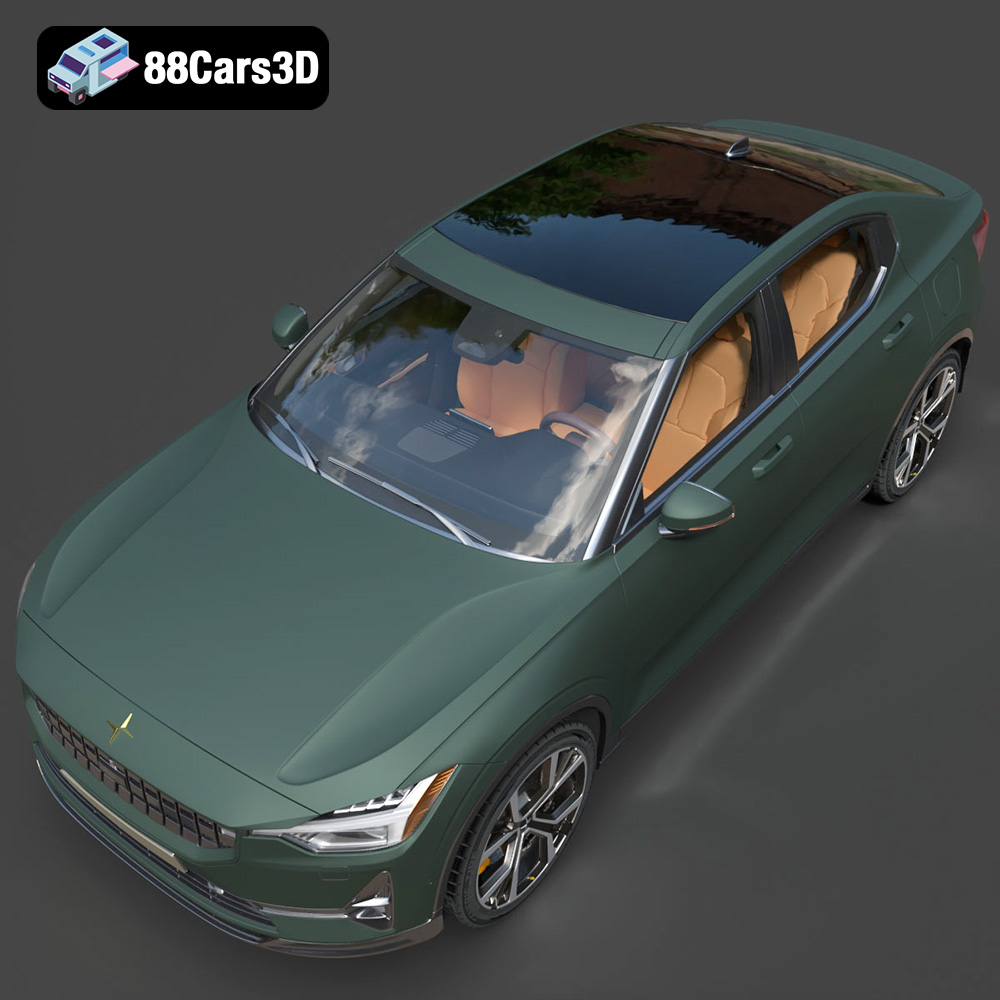
Today, we delve into the intricate process of leveraging professional-grade 3D car models, exemplified by the remarkable Polestar 2 2020 3D Model available on 88cars3d.com. This premium all-electric fastback, renowned for its Scandinavian minimalist design and sustainable performance, offers an unparalleled opportunity to elevate your projects. This model isn’t just an aesthetically pleasing replica; it’s a technically robust asset engineered to meet the stringent demands of game development, real-time rendering, AR/VR experiences, and high-fidelity visualizations. Join us as we explore how such an asset becomes a cornerstone in modern digital pipelines, from its diverse file formats to its impact on immersive environments and professional workflows.
The journey of any 3D model, especially a complex one like an automotive asset, begins with its file format. Understanding which format to use and when is crucial for seamless integration, efficient workflow, and achieving the desired outcome. The Polestar 2 2020 3D Model from 88cars3d.com exemplifies versatility by offering a comprehensive suite of formats, each tailored for specific use cases and software environments. This broad compatibility ensures that artists and developers can integrate the model into virtually any project without significant conversion hurdles, saving valuable time and maintaining data integrity.
The .blend format is the native file type for Blender, the powerful open-source 3D creation suite. When you receive a .blend file, you’re not just getting a mesh; you’re often getting a fully editable Blender scene. This includes all lighting setups, camera positions, materials (often PBR-ready for Cycles or Eevee), animations, and modifiers. For users entrenched in the Blender ecosystem, this means instant access to a ready-to-render or ready-to-animate asset. It allows for deep customization, from adjusting intricate material properties to modifying geometry or scene composition directly within the software’s familiar interface. For the Polestar 2 model, this means Blender artists can quickly drop the car into their architectural visualization scenes, create studio renders, or begin animating cinematic sequences with minimal setup.
.fbx (Filmbox) stands as one of the most widely adopted 3D interchange formats across the industry. Developed by Autodesk, it’s designed to facilitate data exchange between different 3D software applications and, crucially, real-time game engines like Unreal Engine and Unity. An .fbx file can encapsulate not only mesh data but also textures, materials (basic properties), cameras, lights, and robust animation data, including skeletal animations and blend shapes. Its strength lies in its ability to maintain scene hierarchy and animation integrity, making it ideal for game asset pipelines. For integrating the Polestar 2 2020 into an Unreal project, the .fbx format ensures that the model’s separate components (wheels, doors, steering) retain their pivot points and hierarchical structure, enabling realistic physics and animation setups right out of the box.
The .obj (Wavefront Object) format is a venerable and universally compatible file type. While simpler than .fbx, it remains a cornerstone for basic mesh data exchange. An .obj file primarily stores geometric data—vertices, faces, normals, and UV coordinates—and can reference external material (.mtl) files for color and texture information. Its strength lies in its widespread support across virtually all 3D software. When maximum compatibility is the goal, or if you need a clean mesh to start a new project in an obscure application, .obj is often the go-to. For the Polestar 2, the .obj provides a solid foundation for cross-software transfers or as a base for specific retopology or high-poly sculpting workflows.
.glb (GL Transmission Format Binary) is a modern, compact, and self-contained format optimized for efficient transmission and loading of 3D scenes and models in web and real-time applications. It packages all assets, including PBR materials, textures, and animations, into a single binary file. This makes it incredibly efficient for augmented reality (AR), virtual reality (VR), and browser-based 3D viewers, where load times and file sizes are critical. The Polestar 2 2020 in .glb format is perfectly suited for interactive virtual showrooms, mobile AR experiences, or embedding a real-time car configurator directly onto a webpage, offering users an immediate and engaging 3D experience without heavy downloads.
.stl (Stereolithography) is synonymous with 3D printing. This format represents a 3D model as a series of connected triangles, defining only the surface geometry of an object without color, texture, or material information. It’s the standard input for most 3D printers and slicing software. The Polestar 2 2020 3D Model’s availability in .stl means hobbyists and professionals can translate the digital design into a physical scale model. While .stl doesn’t carry intricate visual data, it accurately captures the car’s intricate form, allowing for precise physical replication based on the detailed digital model, complete with considerations for supports and print orientation as specified in the product’s technical details.
The .ply (Polygon File Format) is another format for storing 3D data, particularly popular in academic and scientific fields, as well as for 3D scanning and CAD applications. It can store a wide range of properties, including color per vertex, surface normals, and even transparency, making it more versatile than .obj for certain applications, especially where high precision and additional mesh attributes are critical. For highly detailed engineering analysis or specific CAD integrations of the Polestar 2’s geometry, the .ply format offers a robust solution for transferring complex mesh data with integrity.
While not a standalone file format in the traditional sense, “.unreal” typically refers to an asset or a package specifically prepared and optimized for direct import or migration into Unreal Engine. This could mean a `.uasset` file, an Unreal project folder containing the imported model with pre-configured materials, collision meshes, LODs (Levels of Detail), and pivot points, or simply an .fbx that has been thoroughly tested and validated for Unreal’s import pipeline. The Polestar 2 2020 3D Model’s “unreal” option signifies that it’s designed for effortless integration, ensuring that all aspects—from PBR materials to animation readiness—are aligned with Unreal Engine’s requirements, allowing developers to immediately start building their virtual worlds.
Similar to .blend for Blender, .max is the native file format for Autodesk 3ds Max. This format preserves the entire scene, including complex modifier stacks, parametric objects, rendering settings (V-Ray, Corona, etc.), lights, cameras, and animations. For visualization artists and studios that rely heavily on 3ds Max for architectural renderings, product visualizations, or cinematic animations, the .max file for the Polestar 2 offers the highest level of editability and direct integration. It allows artists to leverage 3ds Max’s powerful modeling and rendering tools to push the visual fidelity of the Polestar 2 to photorealistic heights within their projects.
The inclusion of this diverse range of formats with the Polestar 2 2020 3D Model highlights its value as a versatile and future-proof asset, catering to the specific needs of virtually any professional workflow. This foresight in providing multiple exports makes the model an invaluable resource for any serious 3D artist or developer.
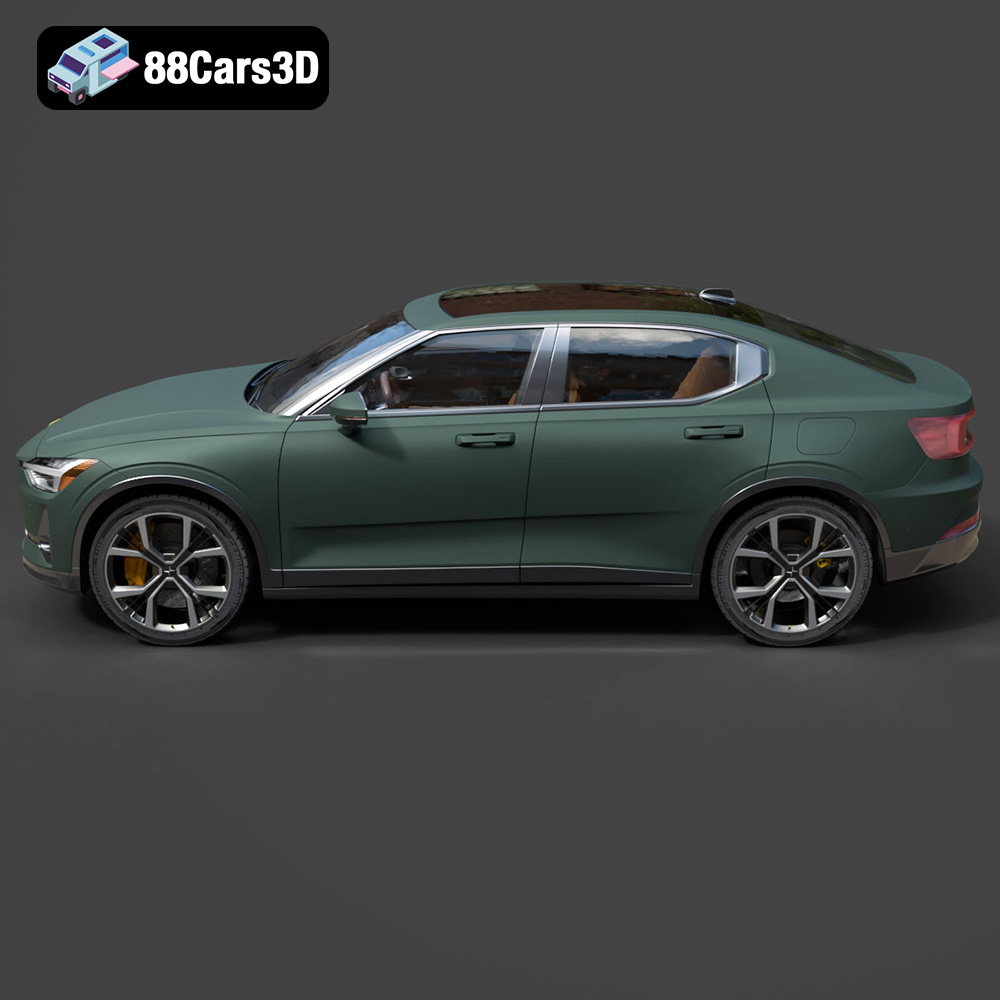
The Polestar 2 2020 is not just an electric vehicle; it’s a statement of design philosophy. Its real-world counterpart embodies a blend of minimalist aesthetics, sustainable innovation, and compelling performance. Translating this essence into a digital 3D model requires exceptional skill and attention to detail. The Polestar 2 2020 3D Model available on 88cars3d.com achieves this with remarkable fidelity, making it a stellar example of high-quality digital automotive assets.
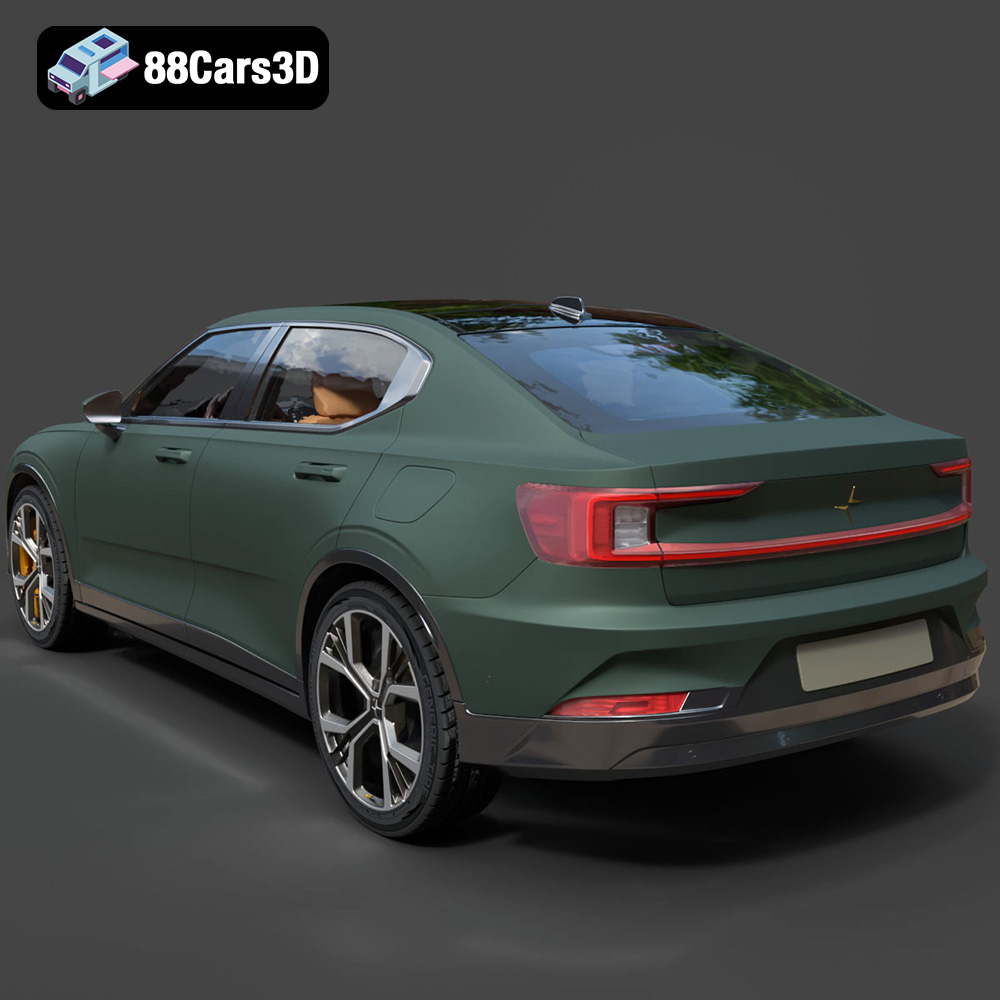
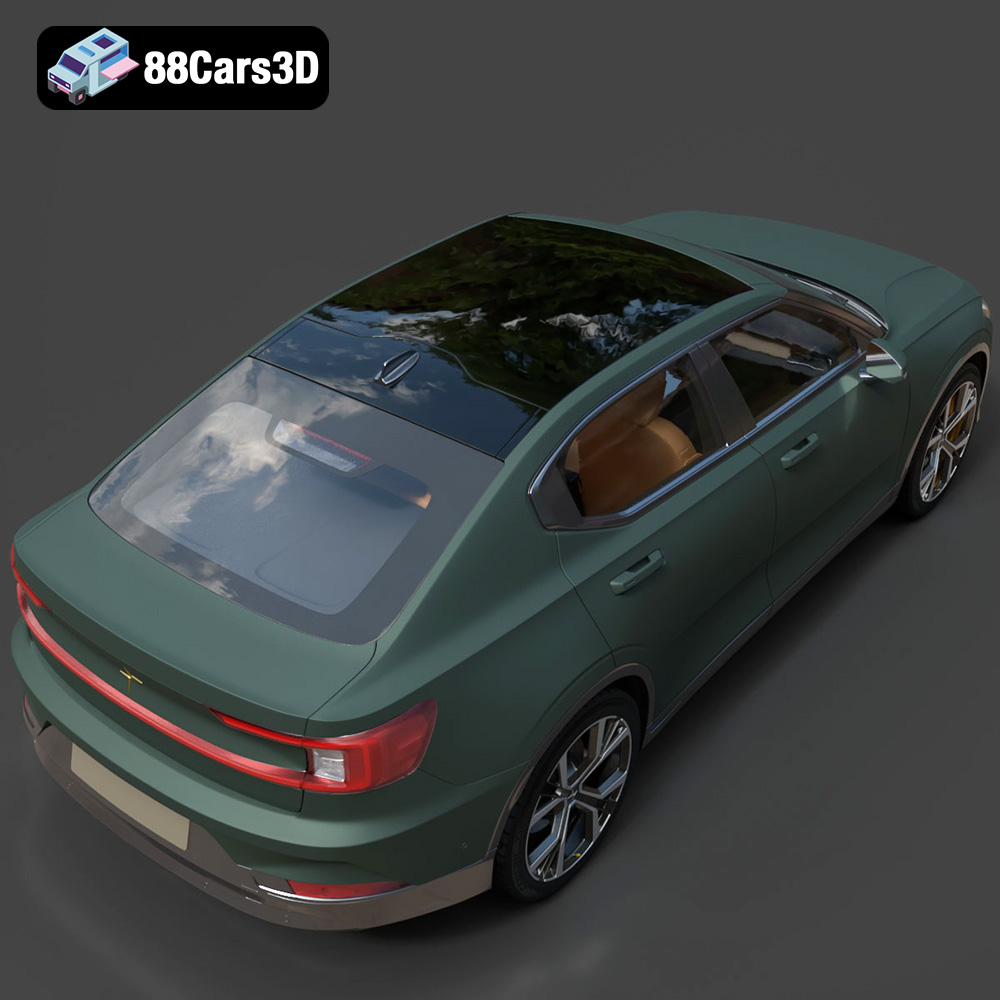
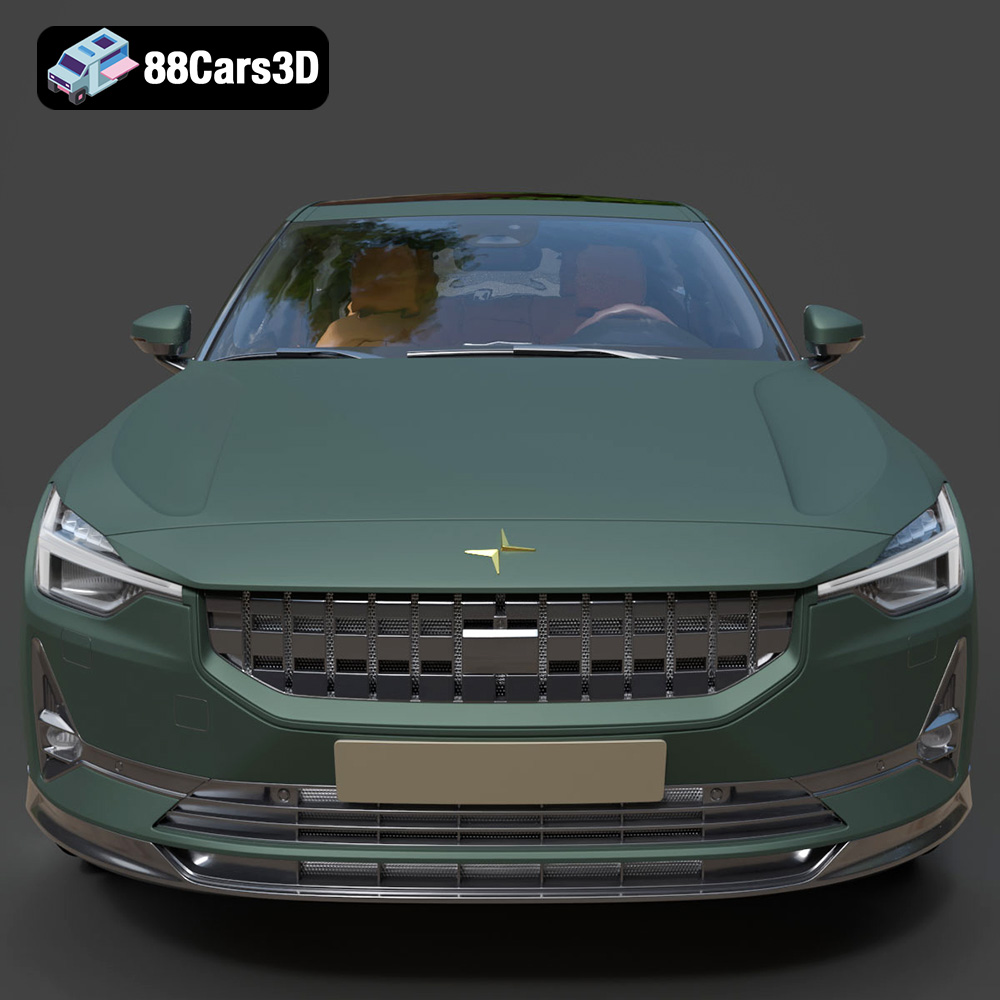
The true genius of the Polestar 2 lies in its “sleek and innovative” form, a testament to Scandinavian design principles. The 3D model meticulously replicates every curve and line, ensuring that the digital representation carries the same visual weight and sophistication as the physical car. Key visual elements such as the “signature pixel LED headlights” and the “striking full-width taillight blade” are not merely approximations but accurate recreations, essential for close-up renders and realistic lighting scenarios. The “frameless mirrors” and the “distinctively aerodynamic profile” contribute to the model’s authentic appearance, crucial for projects demanding photorealism.
Beyond aesthetics, the model extends its accuracy to the vehicle’s underlying structure. The inclusion of “detailed EV battery pack placement and undercarriage” provides a level of depth rarely found in game-ready assets. This is vital for technical showcases, educational simulations, or even in-game scenarios where vehicle damage or component visibility is required. The “aerodynamic alloy wheel rims with realistic tire tread patterns” further enhance realism, especially under dynamic lighting or when viewed in motion, adding to the overall visual impact and immersing the viewer in a believable digital environment.
The quality of a 3D car model is often judged by its ability to hold up under scrutiny, from wide shots to intricate close-ups. The Polestar 2 2020 model excels in this regard, offering both broad accuracy and fine detailing.
This comprehensive approach to detailing, both inside and out, ensures that the Polestar 2 2020 3D Model is a robust and versatile asset, capable of meeting the demands of even the most discerning digital artists and developers.
The true value of a premium 3D model lies not just in its visual appeal but in its seamless integration into professional production pipelines. The Polestar 2 2020 3D Model is engineered for efficiency, offering features that streamline workflows across various industry-standard software and engines.
For visualization artists and animators, software like Autodesk 3ds Max and Blender are indispensable. The availability of the Polestar 2 2020 3D Model in native `.max` and `.blend` formats is a significant advantage. This allows direct import with all scene components, materials, and potentially basic lighting setups intact. For 3ds Max users, this means immediately leveraging render engines like V-Ray or Corona Renderer. A typical workflow might involve importing the `.max` file, refining materials to achieve perfect PBR (Physically Based Rendering) accuracy, setting up studio lighting with HDRIs (High Dynamic Range Images), and then integrating the car into a complex architectural visualization scene or a dedicated product showcase. Similarly, Blender artists can harness the power of Cycles or Eevee, utilizing the provided `.blend` file to quickly generate stunning photorealistic renders or real-time previews. The separate components, like wheels and steering, are pre-configured for animation, allowing artists to effortlessly create dynamic sequences such as a car driving through an urban environment or showcasing its features in a virtual commercial.
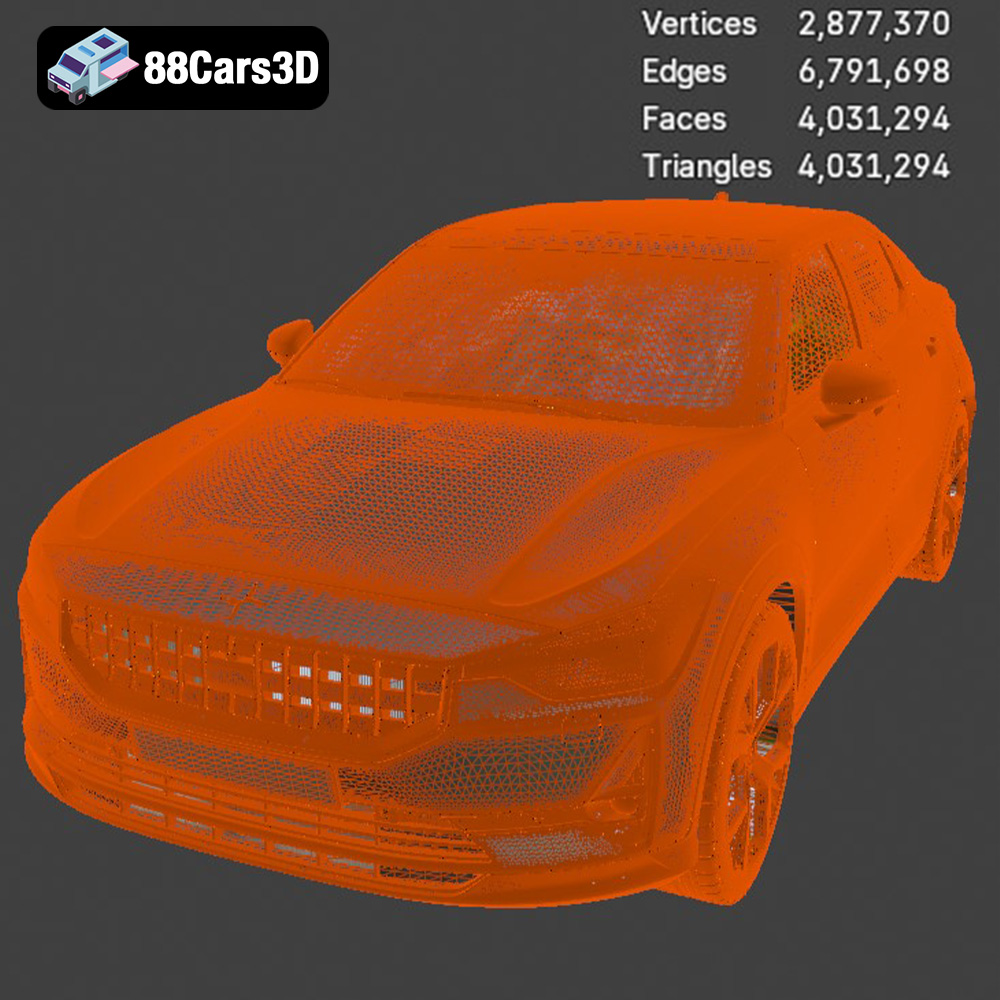
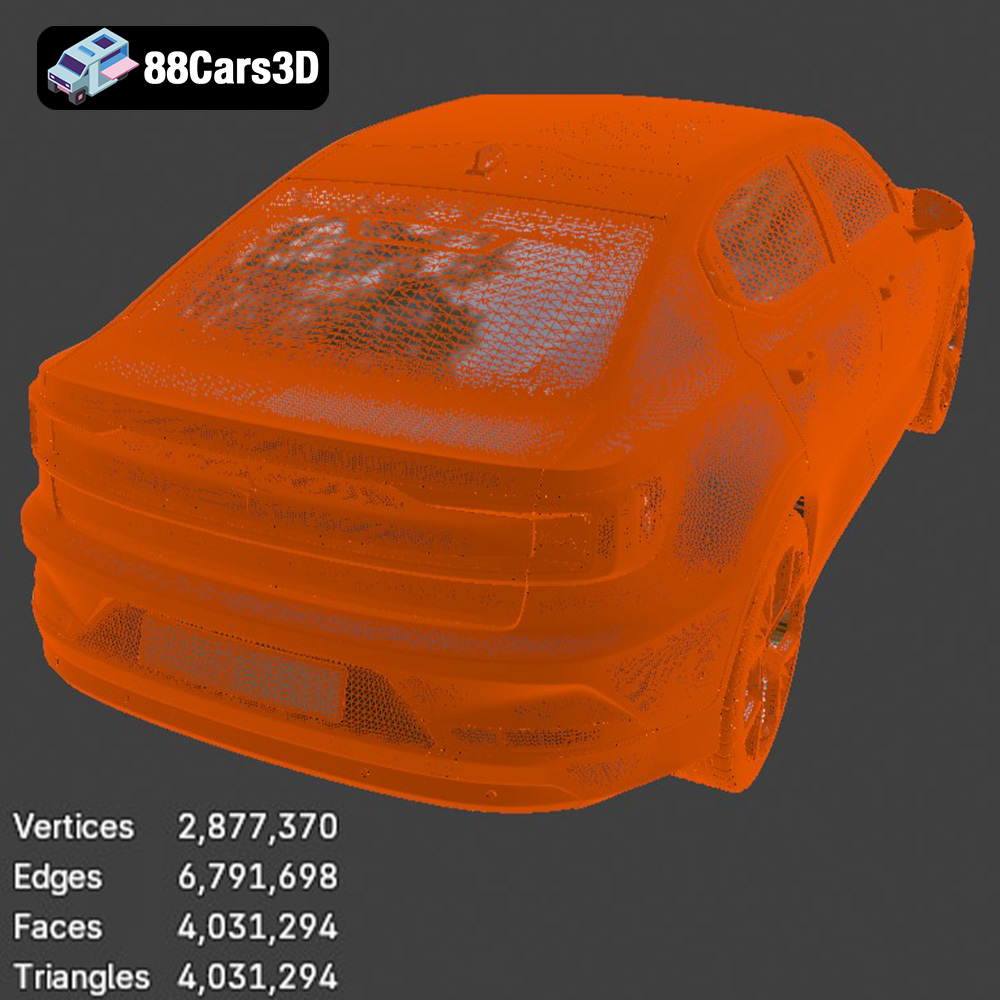
In the realm of real-time graphics, particularly game development, optimization and engine readiness are paramount. The Polestar 2 2020 3D Model is explicitly designed with this in mind, offering an optimized topology with approximately 120,000 triangles. This strikes a critical balance, providing “high-end visual fidelity and game-ready performance.” The inclusion of `.fbx` and “unreal” specific assets ensures that developers can integrate the model into Unreal Engine with minimal effort.
A typical Unreal Engine workflow for this model would involve importing the `.fbx` file, which preserves the model’s hierarchical structure and pivot points. Developers would then apply and refine PBR materials within Unreal’s robust material editor, ensuring realistic surface properties under various lighting conditions. Crucially, the model’s “proper pivot setup for steering, wheel rotation, and suspension travel” means that integrating it with Unreal’s vehicle physics system (Chaos Vehicles or older Wheeled Vehicle Blueprint) is straightforward. This allows for the creation of truly immersive racing games or open-world simulations where the car handles realistically. For performance, artists might generate additional Levels of Detail (LODs) and collision meshes, but the base model provides an excellent starting point for a highly optimized game asset that holds up even in close-up gameplay scenarios.
The versatility of the Polestar 2 2020 3D Model extends far beyond traditional rendering. Its careful optimization and detailed design make it suitable for a wide array of cutting-edge applications, driving innovation across multiple sectors.
For game developers, a high-quality, optimized vehicle asset is a cornerstone. The Polestar 2 2020 3D Model is explicitly “Game-Ready & Optimized,” making it “ideal for open-world games, racing titles, and simulators.” The approximately 120,000 triangles represent a sweet spot, providing enough detail for modern game engines like Unreal and Unity without overburdening performance. Imagine this sleek EV as a hero car in a futuristic urban racer, or as an accessible, eco-friendly option in a sprawling open-world adventure. Its “real-world scale accuracy” ensures it fits seamlessly into virtual environments, and the “proper pivot setup for steering, wheel rotation, and suspension travel” allows for sophisticated physics integration, delivering a highly engaging and believable driving experience. From indie titles pushing visual boundaries to AAA studios needing a diverse vehicle roster, this 3D car model offers a professional-grade solution.
The burgeoning fields of Augmented Reality (AR) and Virtual Reality (VR) demand highly optimized yet visually stunning assets. The Polestar 2 2020 3D Model, particularly in its `.glb` format, is “perfect for immersive virtual showrooms, configurators, and mobile AR experiences.” Picture a potential buyer using an AR app to place the Polestar 2 in their driveway, examining its “signature pixel LED headlights” and “aerodynamic alloy wheel rims” in real-time. In VR, users could step inside the “minimalist Scandinavian vegan interior design,” exploring the “digital instrument cluster” and “infotainment touchscreen” in a fully immersive virtual showroom. Beyond interactive experiences, the model is “excellent for brand campaigns, lifestyle scenes, and studio lighting setups” in traditional rendering and visualization. Marketing agencies can leverage its photorealistic qualities for high-impact print ads, cinematic web commercials, or architectural visualizations where a modern EV adds a touch of contemporary luxury and sustainability to a scene.
The digital realm often intersects with the physical, and the Polestar 2 2020 3D Model facilitates this transition through its `.stl` file format, making it “suitable for 3D printing output.” For hobbyists and designers, this opens up a new dimension of creativity, allowing them to bring the digital car into the tangible world. The detailed product description even provides specific 3D print settings to guide this process:
This attention to physical output details truly underscores the comprehensive nature of the Polestar 2 2020 3D Model as a versatile asset, catering to both digital and physical manifestations of creative vision.
Behind every visually stunning 3D model lies a foundation of technical excellence. The Polestar 2 2020 3D Model stands out not just for its accurate aesthetics but for its robust engineering, making it a reliable choice for demanding professional projects.
The balancing act between high visual fidelity and performance efficiency is a constant challenge in 3D production. The Polestar 2 2020 3D Model achieves this equilibrium with an “optimized topology with an estimated triangle count of 120,000.” This poly count is carefully selected to ensure the model looks fantastic in close-up renders and detailed scenes, while also performing smoothly in real-time applications such as game engines and AR/VR experiences. Clean topology, often characterized by evenly distributed quads and minimal N-gons (though converted to triangles for game engines), is implied for a professional model, contributing to smooth deformations and clean UV mapping. Proper UV unwrapping, though not explicitly listed as a feature, is essential for applying PBR textures efficiently across the model, ensuring that materials like metallic paints, glass, and tire rubber appear realistic under various lighting conditions.
Furthermore, the model’s “real-world scale accuracy based on actual vehicle chassis” is a critical technical advantage. This ensures that when the car is imported into any 3D environment—be it an architectural scene, a game level, or a virtual showroom—it instantly fits dimensionally with other assets. This eliminates the need for tedious scaling adjustments, which can often introduce inaccuracies. The “proper pivot setup for steering, wheel rotation, and suspension travel” is another technical detail that speaks volumes about the model’s readiness for animation and simulation. Correct pivot points mean that rotations and movements behave as they would in reality, simplifying rigging, animation, and integration with physics systems in game engines.
Even the most perfectly modeled asset requires a degree of flexibility to meet diverse project requirements. The Polestar 2 2020 3D Model offers ample “Customization Options,” allowing artists to tailor its appearance to specific brand guidelines, aesthetic preferences, or narrative contexts. These options include:
These customization capabilities transform the Polestar 2 2020 3D Model from a static asset into a dynamic and adaptable tool, empowering artists to iterate quickly and achieve unique, project-specific results without compromising on quality or performance. This flexibility is a hallmark of professional-grade 3D car models, ensuring long-term utility across a multitude of creative endeavors.
The journey through the intricacies of the Polestar 2 2020 3D Model reveals the depth of technical expertise and artistic vision required to create truly outstanding digital assets. From its meticulous replication of Scandinavian design to its comprehensive file format support and game-ready optimization, this model stands as a testament to what premium 3D car models can offer the creative industries. Whether you are a game developer striving for immersive realism, an architect aiming to populate visualizations with cutting-edge vehicles, an AR/VR designer building interactive experiences, or a hobbyist eager to 3D print a stunning replica, this asset provides an invaluable foundation.
The strategic inclusion of formats like .blend, .fbx, .obj, .glb, .stl, .ply, .unreal, and .max ensures unparalleled compatibility across all major 3D software and real-time engines. This foresight, coupled with features like optimized polycount, real-world scale, accurate component separation, and detailed interior/exterior modeling, positions the Polestar 2 2020 3D Model as a top-tier choice for professionals and enthusiasts alike. By leveraging such high-quality resources, creators can accelerate their workflows, achieve superior visual fidelity, and ultimately deliver more compelling and immersive experiences.
For those looking to elevate their projects with meticulously crafted 3D car models and other exceptional digital assets, platforms like 88cars3d.com serve as a crucial resource. The Polestar 2 2020 3D Model is just one example of the quality and versatility available, empowering creators to drive their digital dreams into stunning reality. Invest in excellence, and watch your creative visions accelerate.
Discover the sleek and innovative Polestar 2 2020, a premium all-electric fastback that redefines Scandinavian minimalist design and sustainable performance. This cutting-edge EV features iconic visual elements such as signature pixel LED headlights, a striking full-width taillight blade, frameless mirrors, and a distinctively aerodynamic profile that sets it apart in the modern electric vehicle market. This premium 3D model boasts an optimized topology with an estimated triangle count of 120,000, striking the perfect balance between high-end visual fidelity and game-ready performance. Crafted with exceptional attention to detail, it is perfectly suited for high-end game development, interactive AR/VR experiences, animation, and hyper-realistic visualization. Perfect for urban racing games, sustainable tech showcases, architectural visualizations, and virtual showrooms.
$39.99
.blend
.ev
.fastback
.fbx
.glb
.max
.obj
.ply
.polestar
.rendering
.stl
.unreal
car-3d-model
electric-car
game asset
game-ready
low-poly
optimized
polestar-2
VR/AR