Get 20% OFF All Premium 3D & STL Models!

The automotive world has always captivated enthusiasts, designers, and innovators alike. From the sleek lines of a modern supercar to the nostalgic charm of a classic muscle car, vehicles represent a blend of engineering prowess and artistic expression. In the digital realm, this fascination translates into a booming demand for high-quality 3D car models, essential tools for everything from cutting-edge game development and cinematic rendering to immersive AR/VR experiences and detailed product visualization.
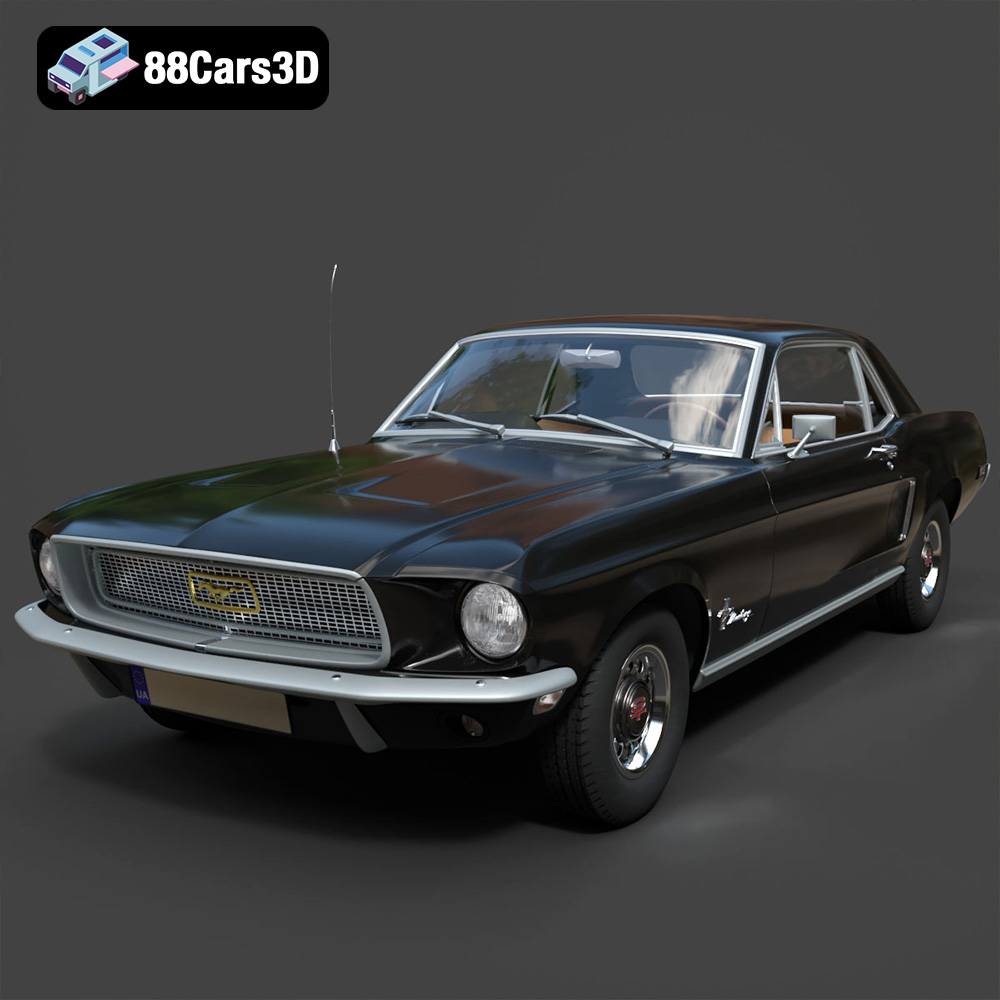
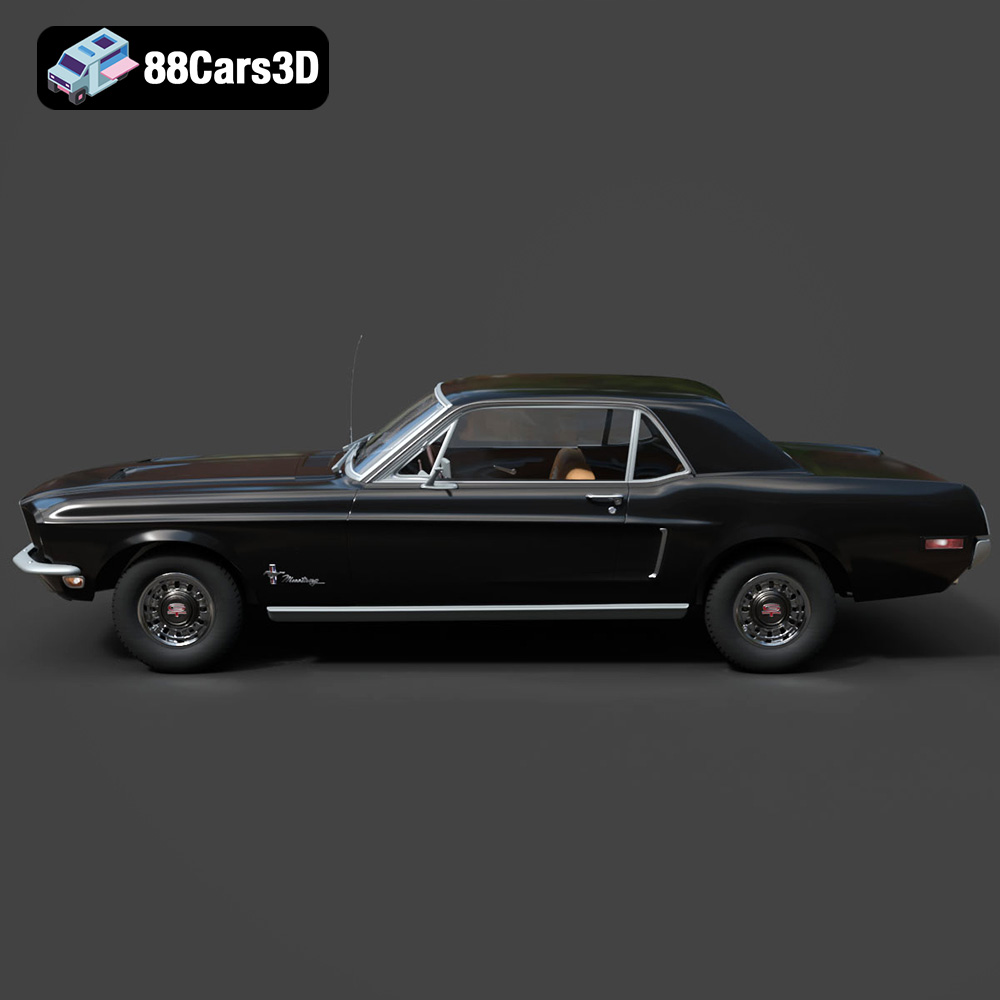
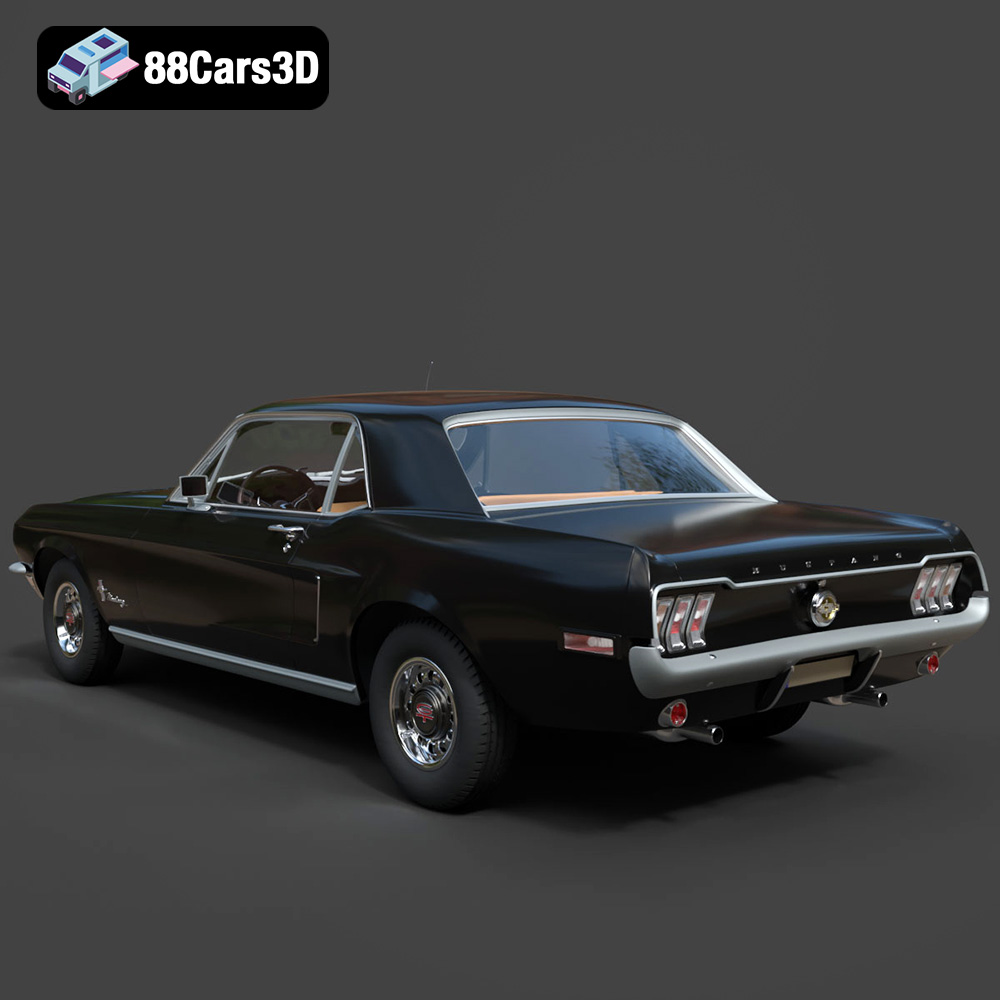
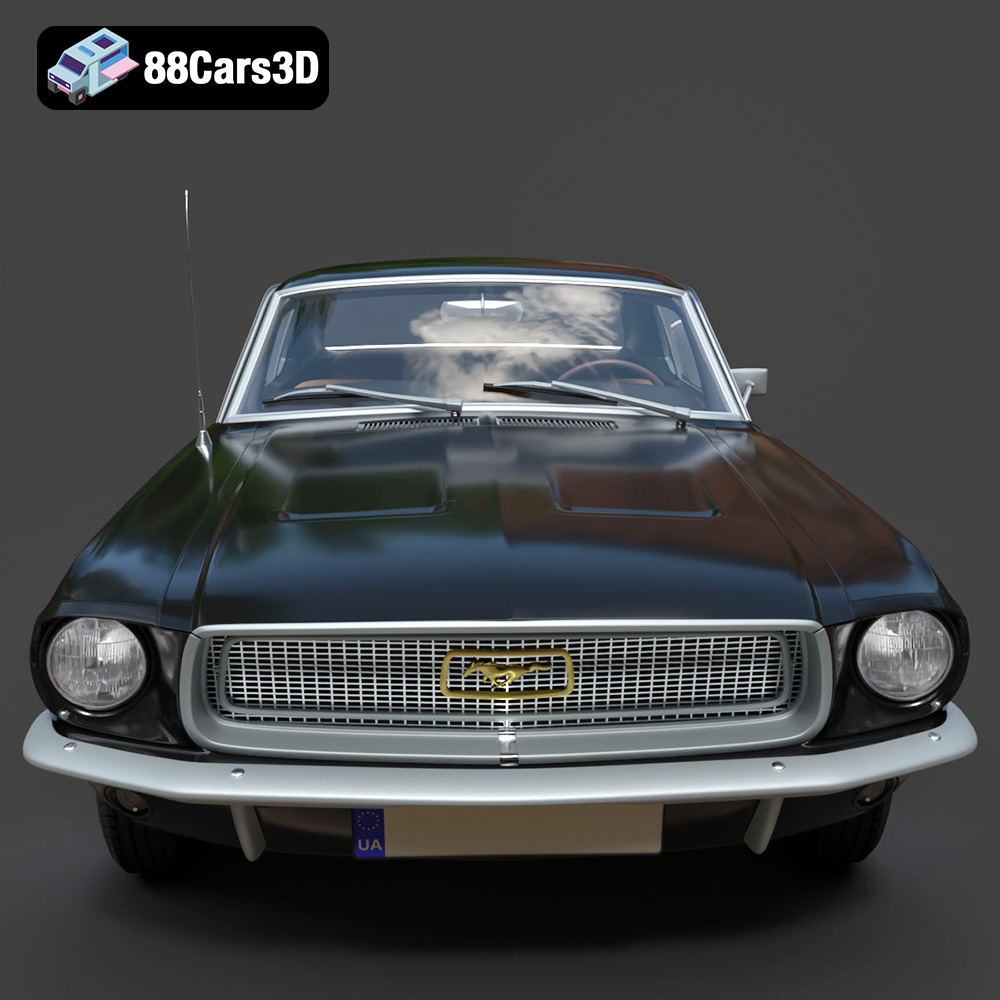
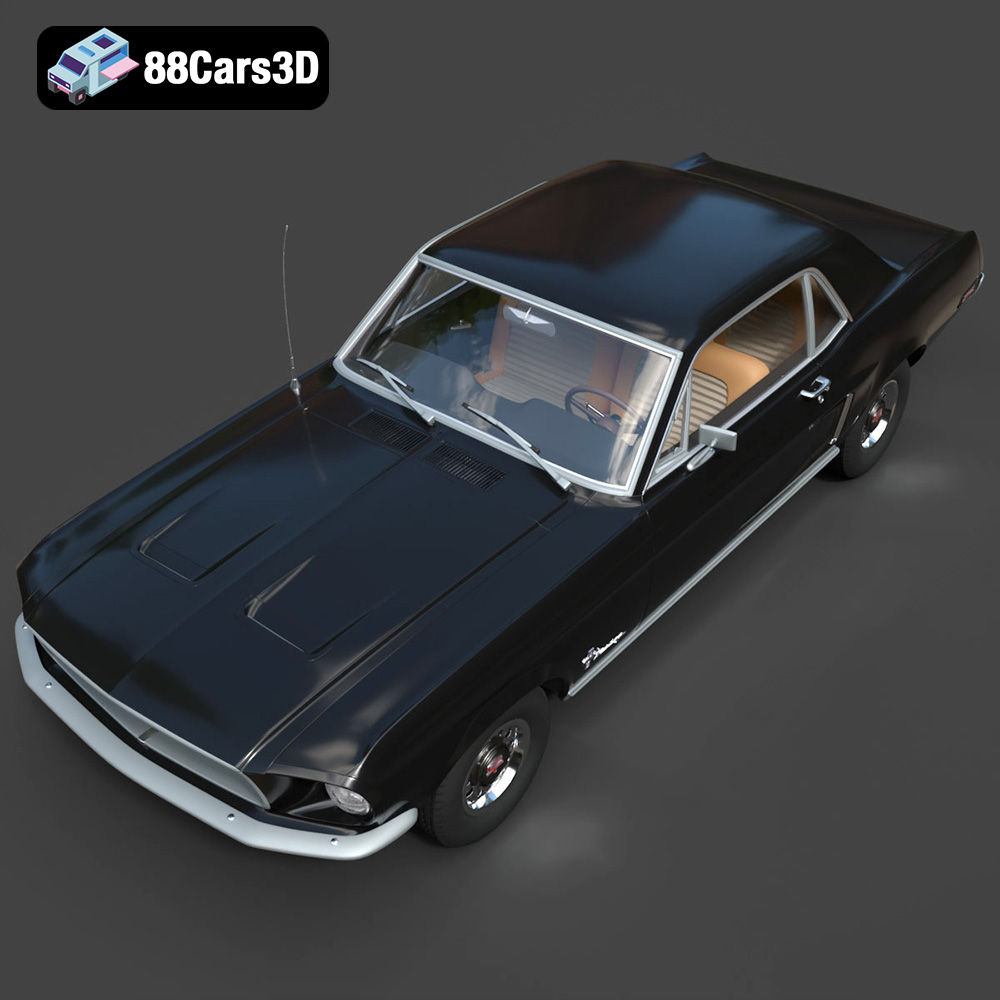
Creating a photorealistic or game-ready 3D car model from scratch is a monumental undertaking, requiring hundreds, often thousands, of hours of skilled labor. This includes meticulous blueprint analysis, complex mesh modeling, UV unwrapping, material and texture creation, and rigorous optimization for various platforms. For professionals and hobbyists alike, sourcing pre-made, expertly crafted 3D models can be a game-changer, dramatically accelerating workflows and ensuring top-tier visual fidelity. A prime example of such an asset is the **Ford Mustang Hardtop 1968 3D Model**, a meticulously detailed rendition of a legendary American icon, available for download on 88cars3d.com. This model encapsulates the spirit of the classic pony car era, offering unparalleled quality and versatility across a multitude of digital applications.
The choice of file format for a 3D model is often as crucial as the model’s quality itself, dictating its compatibility, functionality, and optimal use case. Understanding these formats is fundamental for anyone working with 3D assets, especially detailed automotive models like the Ford Mustang Hardtop 1968. This particular model is offered in a comprehensive suite of formats, ensuring maximum flexibility for diverse professional pipelines.
The `.blend` format is native to Blender, a powerful and free open-source 3D creation suite. When you download a model in `.blend` format, you’re not just getting the mesh; you’re getting a complete Blender scene. This includes all the materials, textures, lighting, camera setups, and even animation rigs if they exist. For a model like the 1968 Mustang, having the `.blend` file means direct access to the original project, allowing for deep customization. Artists can easily modify geometry, tweak PBR material parameters, adjust UVs, or even integrate the car into an existing Blender scene with minimal fuss. It’s the ideal choice for those who want full creative control within the Blender ecosystem.
`.fbx` (Filmbox) is an industry-standard proprietary file format owned by Autodesk, renowned for its excellent interoperability between various 3D applications and game engines. It’s particularly favored for its robust support for mesh data, materials, textures, bones, and animation. For game development with engines like Unreal Engine and Unity, `.fbx` is the go-to format. It efficiently packages complex 3D scenes, making it easy to import a ready-to-use asset like the Ford Mustang 1968 directly into a game project. Its ability to maintain hierarchical relationships between objects (like the car body, wheels, and suspension) is crucial for animated elements and physics simulations in real-time environments.
The `.obj` (Wavefront OBJ) format is one of the oldest and most universally supported 3D file formats. It’s a simple, text-based format that primarily stores geometric data: vertices, normals, UV coordinates, and faces. While it doesn’t typically store advanced scene information like animations or complex material nodes, it’s incredibly reliable for exchanging static mesh data between almost any 3D software. If you need to import the 1968 Mustang into a niche rendering engine or an older software package, `.obj` provides a stable, compatible foundation, often accompanied by a separate `.mtl` file for basic material definitions.
`.glb` (GL Transmission Format Binary) is the binary version of `.gltf`, a royalty-free specification for the efficient transmission and loading of 3D scenes and models by applications. It’s rapidly becoming the “JPEG of 3D” due to its optimization for web-based 3D, AR, and VR experiences. A single `.glb` file encapsulates all mesh data, textures, and animations into one compact binary package, making it perfect for quick loading in browsers, mobile AR apps, and virtual showrooms. The 1968 Mustang in `.glb` format is ready for immediate deployment on a website for interactive viewing or in a mobile AR application, offering a streamlined way to showcase the model.
`.stl` (stereolithography) is the standard file format for 3D printing. It describes only the surface geometry of a 3D object using a mesh of interconnected triangles. While it doesn’t carry color or texture information, its simplicity makes it ideal for additive manufacturing. For hobbyists or professionals wanting to bring the 1968 Mustang into the physical world, the `.stl` format allows them to print a tangible replica. The provided print settings for the Ford Mustang Hardtop 1968 3D Model on 88cars3d.com, such as recommended scale, layer height, and support requirements, are crucial for achieving a successful physical print.
`.ply` (Polygon File Format, or Stanford Triangle Format) is a versatile format capable of storing a wide range of properties, including color, transparency, surface normals, and texture coordinates. It can represent both triangular meshes and point clouds, making it valuable for scanned data, scientific visualization, and certain CAD applications where precise mesh data is critical. While less common for direct game asset exchange than `.fbx`, its ability to store detailed geometric and color information can be useful for analytical purposes or specialized rendering pipelines.
The `.unreal` format, sometimes referring to a pre-packaged Unreal Engine asset (`.uasset` or a project file), indicates that the model is specifically prepared for direct import and optimal performance within Unreal Engine. This often means it comes with pre-configured materials (using Unreal’s PBR shader system), collision meshes, LODs (Levels of Detail), and proper pivot points for animation. For the 1968 Mustang, an `.unreal` package signifies a truly “game-ready” asset, saving developers immense time and effort in setting up the model for the engine’s specific requirements.
`.max` is the native file format for Autodesk 3ds Max, one of the most widely used 3D modeling, animation, and rendering software packages in the industry. Like `.blend` for Blender, a `.max` file contains the complete scene, including geometry, modifiers, materials, textures, lighting, cameras, and animation data. For professionals working within a 3ds Max pipeline, the `.max` file for the 1968 Mustang offers the deepest level of editability and integration, allowing for advanced rendering setups, complex animations, or precise modifications tailored to specific project needs.
The availability of the Ford Mustang Hardtop 1968 3D Model in all these formats underscores its adaptability, allowing creators to seamlessly integrate this iconic vehicle into virtually any digital workflow, from a detailed product visualization in 3ds Max to an immersive AR experience delivered via `.glb`.
Automotive rendering is a specialized field within 3D visualization, demanding a keen eye for detail and a deep understanding of materials, lighting, and composition. When depicting a classic like the 1968 Ford Mustang, the goal isn’t just to make it look real, but to evoke the nostalgia and power associated with its era.
Modern rendering engines rely heavily on Physically Based Rendering (PBR) workflows to achieve photorealistic results. This involves defining materials based on real-world physical properties such as metallicness, roughness, and normal maps. For the 1968 Mustang, this translates to accurately recreating the brilliant chrome accents, the subtle sheen of vintage vinyl on the seats, the deep luster of the paintwork, and the texture of the era-appropriate tire treads. A high-quality 3D model, like the one found on 88cars3d.com, provides a solid foundation with clean UVs, enabling artists to apply detailed PBR textures that react realistically to light, making the car appear tangible.
Lighting is paramount in automotive rendering. Whether it’s a dramatic studio setup emphasizing the car’s curves, an atmospheric outdoor scene capturing the golden hour, or a stark industrial backdrop, the lighting defines the mood. For the 1968 Mustang, artists might choose strong, directional lights to highlight its aggressive stance and sculpted side coves, or soft, diffused lighting to emphasize its classic elegance. Using HDRI (High Dynamic Range Image) maps is a popular technique to quickly establish realistic environmental lighting, allowing the car’s surfaces to reflect its surroundings authentically, bringing life to its chrome and paint finishes.
In 3ds Max, artists can leverage powerful renderers like V-Ray or Corona to achieve stunning photorealistic outputs. The provided `.max` file for the Ford Mustang Hardtop 1968 3D Model would be ready for advanced material assignment, complex camera animation, and detailed render passes. Users can tweak every aspect, from the reflection intensity of the chrome bumpers to the specific color of the body, allowing for custom finishes not just limited to factory options. Similarly, in Blender, using its native Cycles or Eevee renderers with the included `.blend` file, designers can achieve incredible results. Blender’s node-based material system offers immense flexibility to create unique paint shaders, simulate imperfections, or even animate specific car components like the opening hood to reveal the detailed engine block.
In game development, the challenge is to strike a perfect balance between visual fidelity and real-time performance. Game assets, especially highly detailed vehicles, need to be rigorously optimized to run smoothly across various hardware while still looking impressive. The Ford Mustang Hardtop 1968 3D Model exemplifies this optimization.
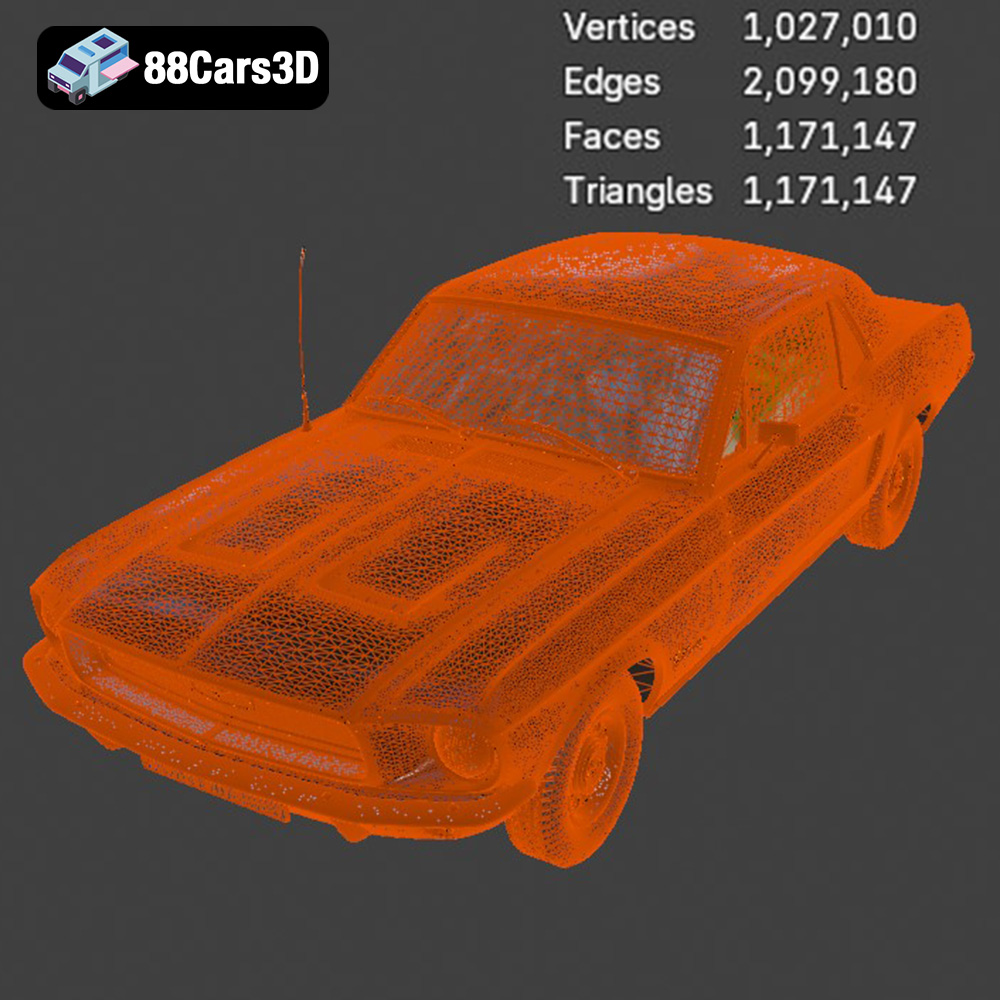
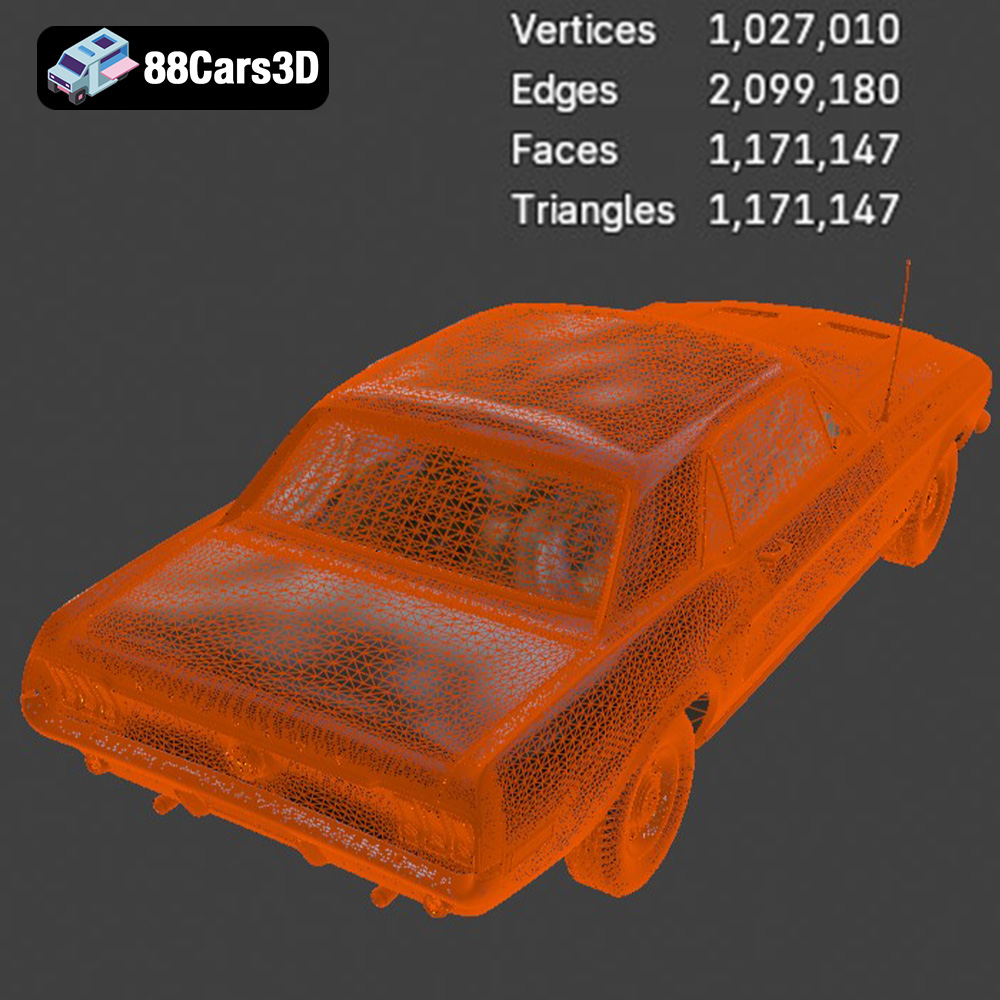
The ~350k triangle count of the 1968 Mustang model is a sweet spot for modern game engines. It’s detailed enough to hold up in close-up cinematics and first-person views, yet optimized to minimize draw calls and maintain high frame rates in open-world environments or racing games. This careful balance prevents performance bottlenecks, ensuring that players experience smooth gameplay without sacrificing visual quality. Assets from 88cars3d.com are typically created with this balance in mind, ready for immediate integration.
For Unreal Engine, the `.fbx` and `.unreal` formats are invaluable. Developers can import the model, which often includes proper pivots for wheels, suspension, and steering components, making it straightforward to set up car physics and animation blueprints. The detailed interior geometry is perfect for first-person camera perspectives, offering players an immersive cockpit experience. Similarly, in Unity, the `.fbx` file allows for easy import and setup, with robust tools for material conversion, collision mesh generation, and scripting interactive elements. The real-world scale accuracy of the Mustang model ensures it fits seamlessly into existing game worlds without needing extensive scaling adjustments.
Beyond just rendering, game assets require specific optimizations for interaction. The Ford Mustang Hardtop 1968 3D Model features separate wheels, suspension, and steering components, each with proper pivot setups. This is critical for animating these parts independently, allowing for realistic driving mechanics, suspension compression, and wheel spin. Game developers can rig these components for dynamic physics, ensuring that the car reacts authentically to terrain and player input, making for a truly engaging driving simulator or racing title.
The utility of high-quality 3D models extends far beyond traditional rendering and game development, venturing into the realms of augmented reality (AR), virtual reality (VR), and even physical fabrication through 3D printing.
AR and VR offer unparalleled opportunities for interactive visualization. Imagine stepping into a virtual garage and exploring the 1968 Ford Mustang Hardtop from every angle, or using AR on your phone to place a life-sized digital version of the car right in your driveway. The `.glb` format is specifically designed for these applications, offering a compact, efficient package for web-based and mobile AR/VR platforms. This makes the Mustang model perfect for virtual car configurators, immersive showrooms where potential buyers can “sit” inside the car, or educational experiences that delve into the vehicle’s engineering and history. Companies can leverage models like this from 88cars3d.com to create engaging marketing campaigns and interactive product showcases.
For enthusiasts who dream of owning a piece of automotive history, 3D printing offers a way to manifest digital models into tangible objects. The `.stl` format of the Ford Mustang Hardtop 1968 3D Model is tailor-made for this purpose. The provided 3D print settings are invaluable for achieving a successful print:
This allows hobbyists to create their own highly detailed replica of this iconic muscle car, perfect for display or diorama building.
The true value of a premium 3D asset lies in its meticulous attention to detail and its robust technical foundations. The Ford Mustang Hardtop 1968 3D Model stands out in these regards, offering a truly professional-grade asset.
The model boasts accurate frame geometry, precise panel gaps, and the quintessential classic pony car proportions that define the 1968 Mustang. Key exterior features include:
The ability to separately animate wheels, suspension, and steering components underscores its utility for dynamic simulations and realistic animations, a critical feature for any automotive project.
The interior of a car model is often overlooked, but the Ford Mustang Hardtop 1968 3D Model delivers exceptional detail within the cockpit:
This level of interior detail ensures that the model holds up to close-up renders and offers a truly immersive experience in interactive applications.
Beyond its visual fidelity, the model comes with several technical advantages:
Furthermore, the model offers extensive customization options. Users can easily change body and tank colors to replicate factory finishes or create unique custom paint jobs. Tire textures can be modified, material finishes adjusted (matte, gloss, metallic, chrome), and lighting adapted to suit various environments, providing endless creative possibilities for rendering and visualization projects.
The world of 3D modeling for automotive assets is rich with technical challenges and creative opportunities. From crafting photorealistic renders to developing high-performance game assets, the demand for quality is unwavering. The **Ford Mustang Hardtop 1968 3D Model** from 88cars3d.com stands as a testament to what a meticulously crafted, technically sound digital asset can offer. Its availability in a wide array of file formats—from `.blend` and `.max` for deep customization, to `.fbx` and `.unreal` for seamless game engine integration, `.glb` for AR/VR, and `.stl` for 3D printing—ensures its versatility across virtually any professional pipeline.
Whether you’re an automotive designer seeking to visualize new concepts, a game developer building an immersive open-world experience, a filmmaker creating period-accurate cinematics, or an enthusiast wanting to print a miniature replica, this model provides an exceptional foundation. It allows creators to bypass the intensive initial modeling phase and jump straight into bringing their visions to life, leveraging the iconic design and powerful presence of a true American classic. Investing in such a high-quality 3D car model is not just about acquiring an asset; it’s about unlocking a world of creative possibilities and driving efficiency in your digital projects.
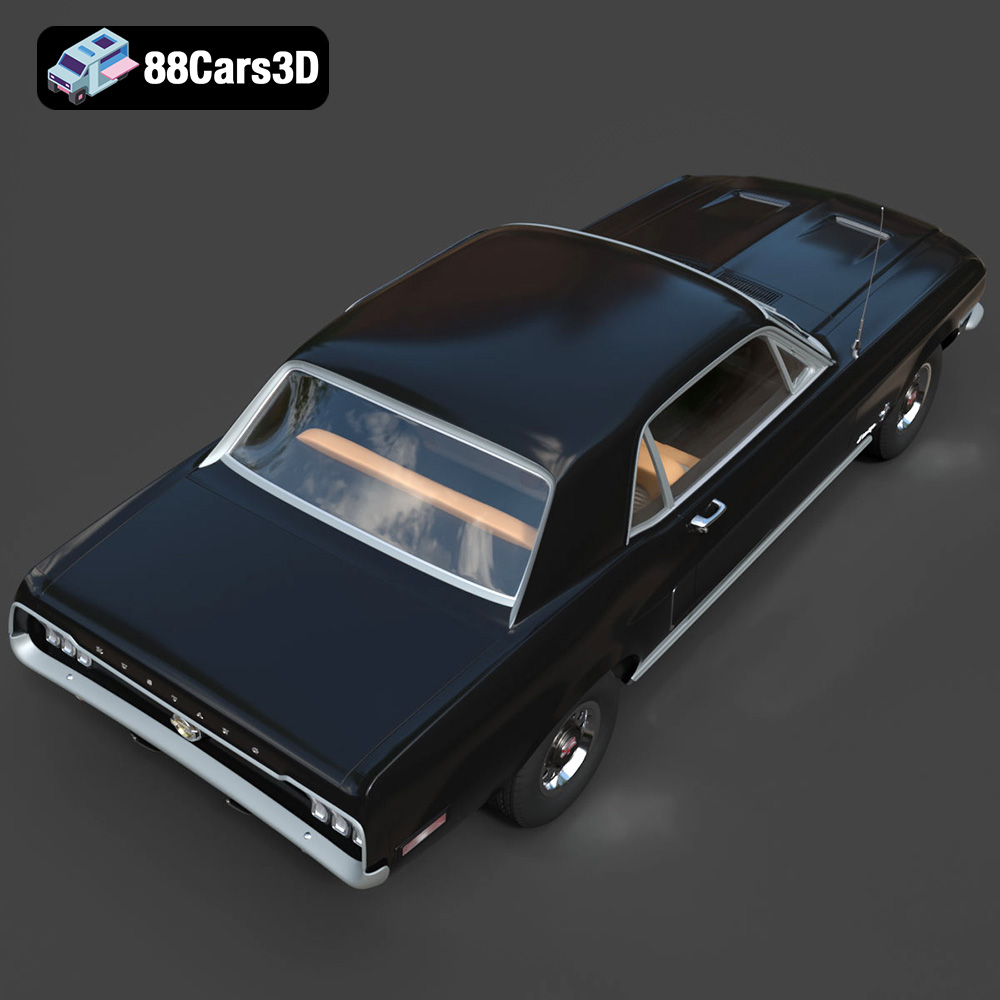
The 1968 Ford Mustang Hardtop represents the pinnacle of the classic American pony car era. Renowned for its iconic long hood, short deck profile, and aggressive stance, this legendary muscle car features the unmistakable galloping pony grille emblem, sculpted side coves, and signature tri-bar taillights. Whether equipped with the classic inline-six or the roaring V8 engine, the ’68 Mustang captures the spirit of 1960s automotive design with its brilliant chrome accents, distinct dual exhaust setup, and timeless silhouette. This premium 3D model boasts exceptional topological flow and a meticulously optimized polycount (~350k triangles), ensuring stunning visual fidelity without compromising real-time performance. Designed as a game-ready asset, it features highly detailed exterior and interior geometry, making it perfect for close-up renders, cinematic animations, and interactive applications. From the carefully modeled chrome bumpers to the precise interior dashboard layout, every element is crafted for maximum realism. Perfect for open-world racing games, period-accurate film visualizations, high-end virtual showrooms, and AR/VR garage experiences.
$19.99
.1968
.blend
.fbx
.ford
.glb
.hardtop
.max
.mustang
.obj
.ply
.rendering
.stl
.unreal
car-3d-model
classic-car
game asset
game-ready
low-poly
muscle-car
optimized
pony-car
VR/AR