Get 20% OFF All Premium 3D & STL Models!

In the dynamic world of 3D visualization, from cinematic rendering to immersive game development, the quality of your foundational assets dictates the ultimate success and realism of your projects. Achieving photorealism and seamless integration requires meticulously crafted models that are not only visually stunning but also technically optimized for performance across various platforms. This commitment to excellence is precisely what professionals demand, whether they are creating a bustling urban scene with detailed 3D car models or a high-stakes military simulation.
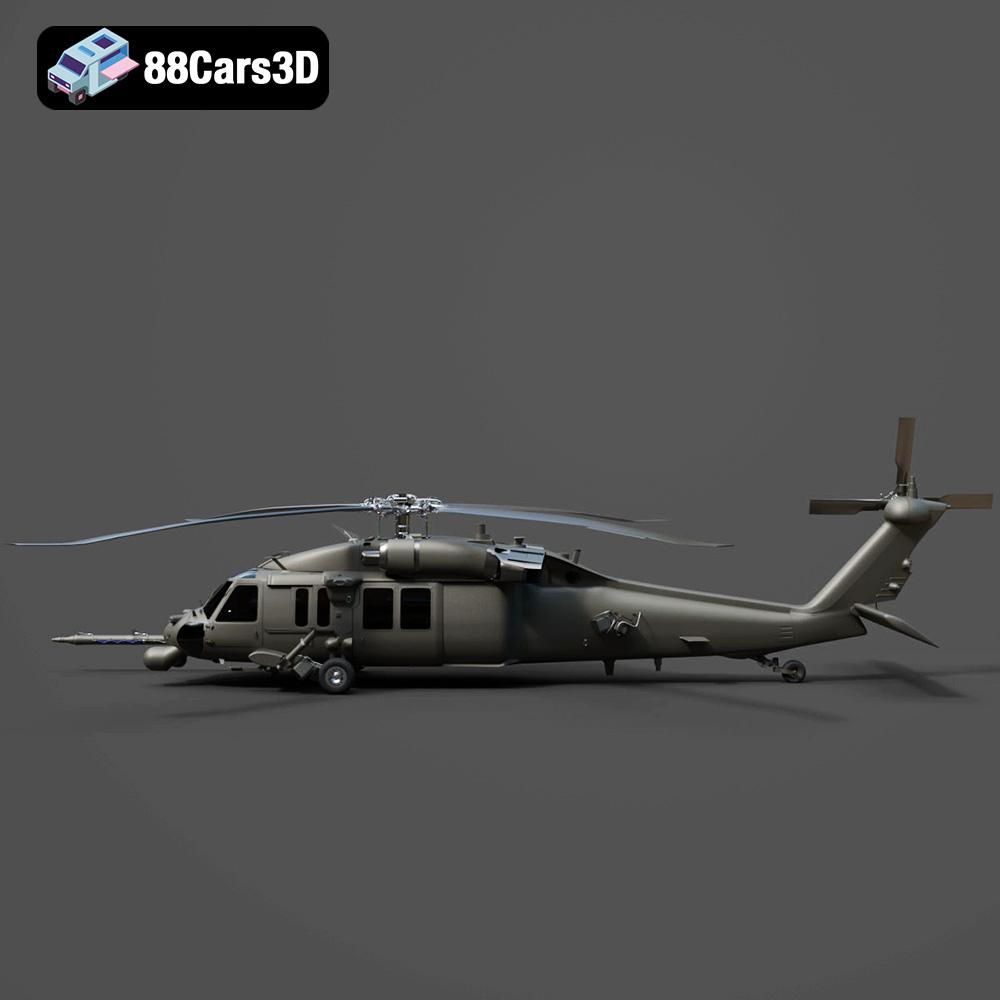
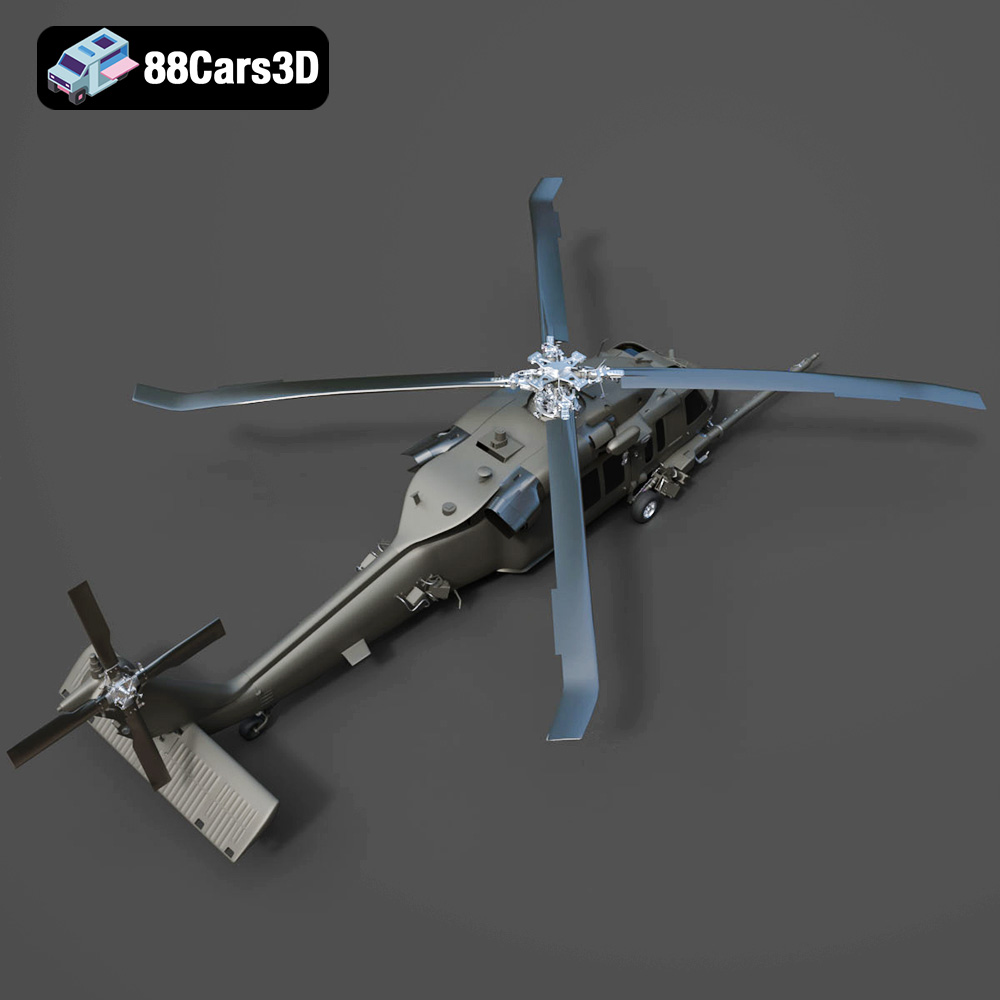
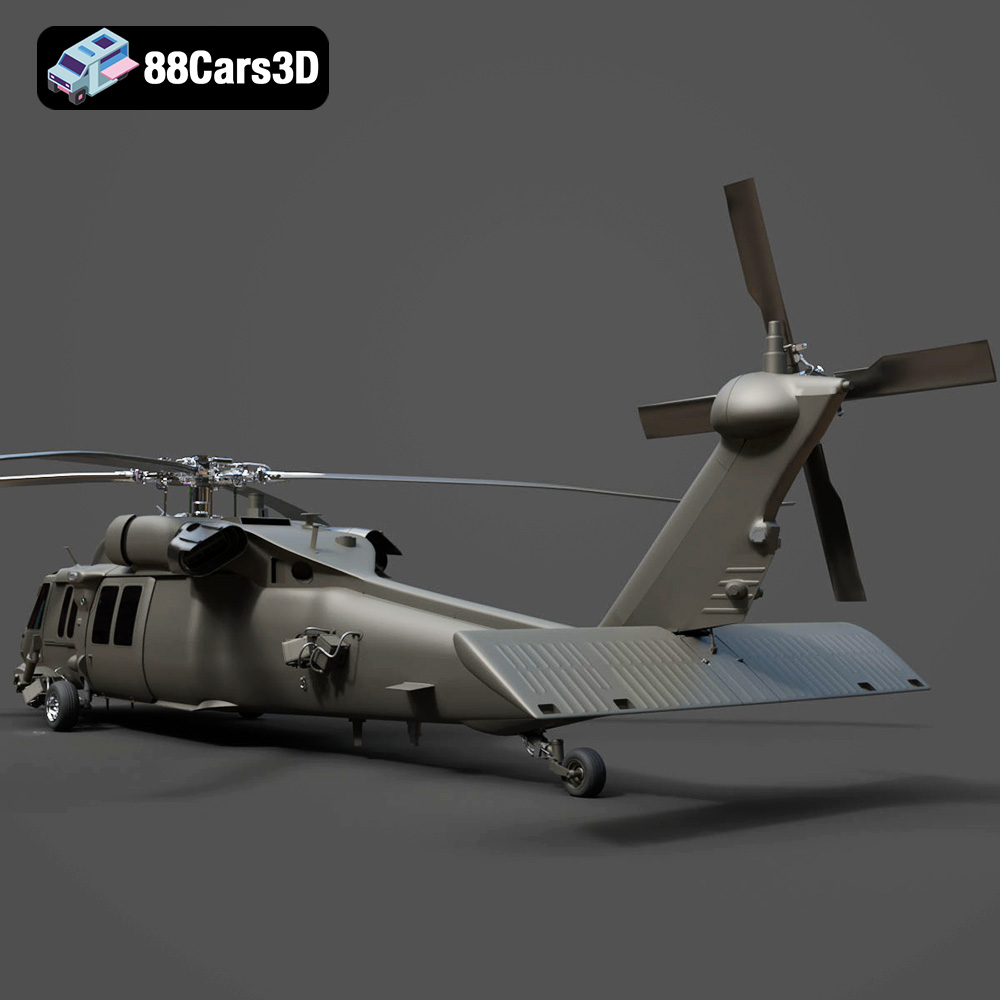
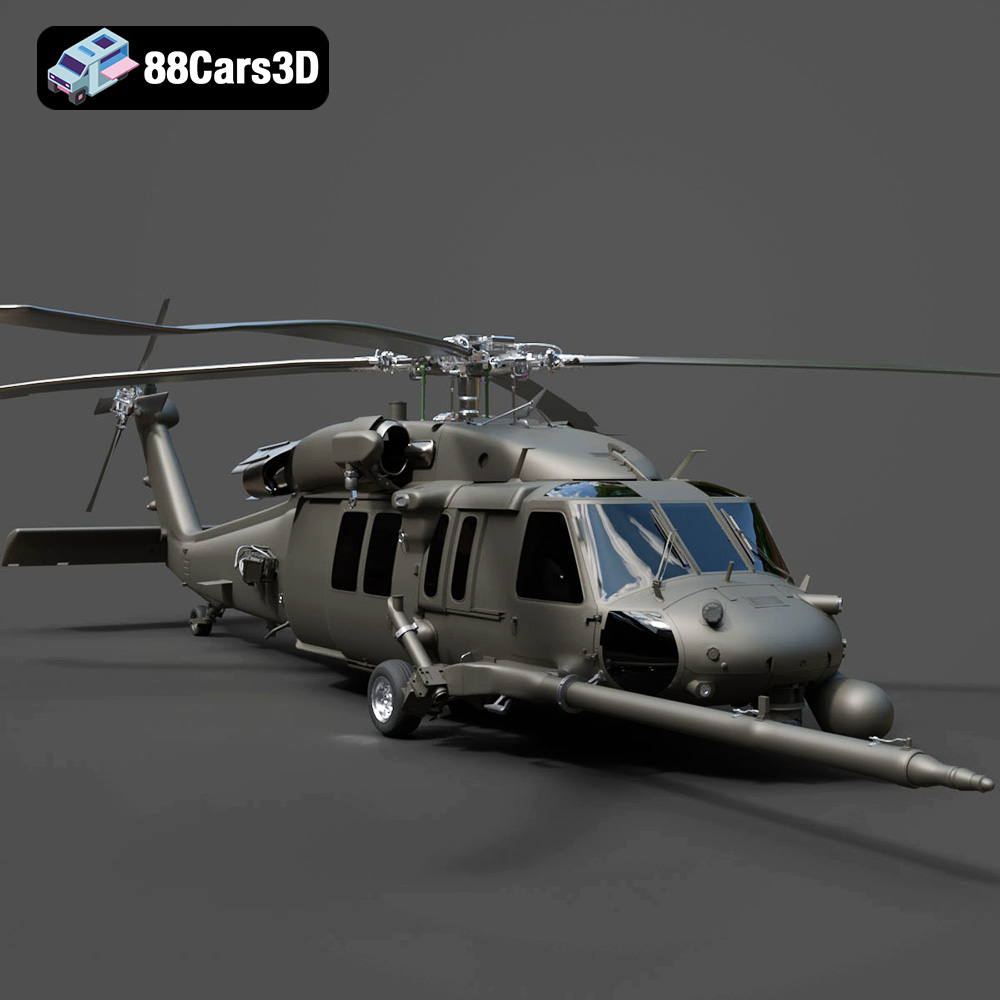
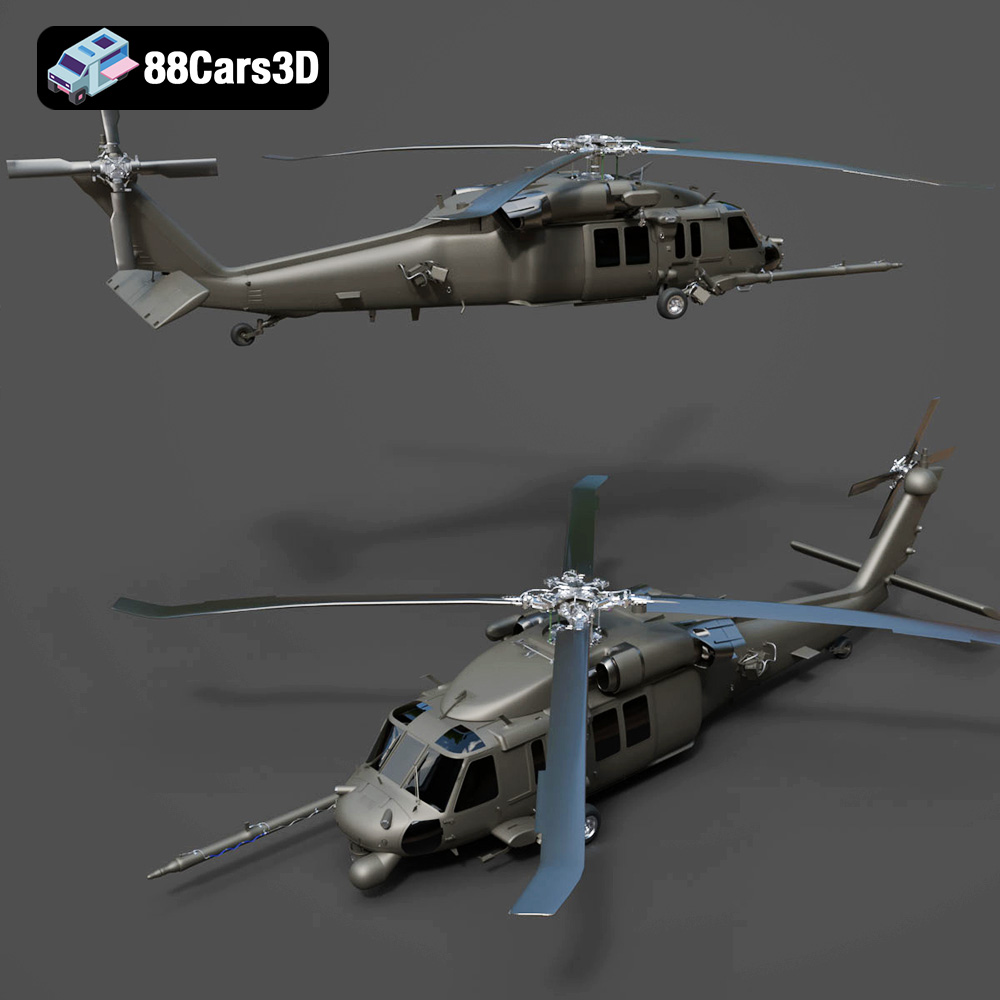
Today, we’re taking a closer look at an asset that perfectly embodies these principles: the Helicopter UH-40 3D Model. This exceptional asset, available on 88cars3d.com, is engineered to significantly enhance any digital environment requiring an authentic and robust aircraft presence. Its precise structural accuracy, fully modeled interior, and optimized topology make it an indispensable tool for visualizers and developers aiming for the highest standards. From close-up renders in architectural visualization to pivotal roles in interactive applications, the UH-40 model is designed to perform.
This article will delve into the technical intricacies of using such a high-quality 3D model, exploring everything from crucial file formats to advanced integration techniques in leading software like Blender, 3ds Max, and Unreal Engine. We will uncover how assets like the UH-40 facilitate complex game development, deliver breathtaking automotive rendering, and pave the way for cutting-edge AR/VR experiences, ensuring your projects stand out in a competitive digital landscape.
The versatility of a 3D model often hinges on the range and quality of its supported file formats. Each format serves a specific purpose, optimized for different software, engines, or end-use applications. Understanding these distinctions is critical for any professional working with 3D assets, ensuring smooth transitions between pipelines and maximizing compatibility. The Helicopter UH-40 3D Model exemplifies this flexibility by offering a comprehensive suite of industry-standard formats, each tailored for distinct workflows.
The .blend format is Blender’s native file type, offering a complete and editable scene. When you acquire a .blend file for the UH-40, you’re not just getting the model; you’re often getting the entire Blender project. This typically includes pre-configured materials, lighting setups, camera angles, and sometimes even basic animation rigs. This format is ideal for artists who primarily work within Blender, allowing for direct modification, custom texture application, re-topology, or the integration of the model into existing Blender scenes with minimal fuss. Its strength lies in preserving all aspects of the Blender scene, ensuring that the model’s original artistic intent and technical setup are fully transferable and editable.
The .fbx (Filmbox) format stands as one of the most widely adopted interchange formats in the 3D industry, particularly favored for game development and real-time pipelines like Unreal Engine and Unity. It efficiently encapsulates 3D models, textures, animations, and even skeletal data within a single file. The UH-40’s .fbx version is game-engine ready, meaning it’s typically optimized for performance with appropriate poly counts and clean UV mapping. Its robust nature makes it an excellent choice for transferring assets between different 3D software packages while retaining crucial data, ensuring that the model looks and behaves consistently across various platforms.
The .obj (Wavefront Object) format is a universal standard for storing 3D geometry. While it doesn’t typically store advanced scene data like animations or complex material nodes, it excels at providing a clean, compatible mesh that can be imported into virtually any 3D software. For the UH-40, the .obj file offers a straightforward representation of its geometry and UV coordinates, making it a reliable choice for cross-software compatibility or as a foundational mesh for re-texturing and re-shading in a new environment. It’s often paired with an accompanying .mtl file for basic material definitions.
The .glb (GL Transmission Format Binary) is an increasingly important format for the future of 3D, specifically optimized for efficient transmission and loading of 3D scenes and models in web browsers, AR (Augmented Reality), and VR (Virtual Reality) applications. It bundles the model’s geometry, textures, and animations into a single binary file, making it highly portable and fast to load. The UH-40’s .glb variant is perfect for interactive 3D viewers on websites, real-time AR experiences on mobile devices, or lightweight VR scenarios where performance and rapid deployment are paramount.
The .stl (Stereolithography) format is the de facto standard for 3D printing and rapid prototyping. It represents a 3D model as a series of connected triangles, defining only the surface geometry without color or texture information. While the Helicopter UH-40 3D Model is highly detailed, its .stl version would be optimized for manufacturing, potentially cleaned up for manifold geometry and appropriate scale. This format is crucial for engineers, product designers, or hobbyists looking to bring the digital UH-40 into the physical world through 3D printing.
The .ply (Polygon File Format) is another popular format for storing 3D data, particularly useful for scanned data, scientific visualization, and CAD applications due to its ability to store various properties like color, transparency, and range data per vertex or face. For the UH-40, a .ply file would offer a precise mesh representation, potentially useful for technical analysis, measurement, or integration into specialized engineering software where detailed polygon data is critical.
The inclusion of a dedicated .unreal file (often a .uasset or an entire project structure) indicates that the UH-40 model has been specifically prepared and configured for optimal use within Unreal Engine. This means materials are likely set up with PBR (Physically Based Rendering) shaders, textures are correctly applied, and potentially even LODs (Levels of Detail) or collision meshes are pre-configured. This format drastically reduces setup time for developers, allowing them to drag and drop the UH-40 directly into their Unreal Engine projects and immediately begin crafting immersive real-time environments or game assets.
The .max format is the native file type for Autodesk 3ds Max, one of the leading software packages for 3D modeling, animation, and rendering, particularly popular in architectural visualization and product design. The .max file for the UH-40 provides a fully editable project, much like the .blend file for Blender users. It would include the model with its clean geometry, realistic materials, and potentially studio lighting setups ready for high-fidelity rendering engines like V-Ray or Corona Renderer. This allows for deep customization, complex animation sequences, and integration into existing 3ds Max scenes for professional-grade output.
A high-quality 3D model like the Helicopter UH-40 is more than just a static object; it’s a versatile building block for diverse professional applications. Its utility is amplified by its readiness for integration into industry-standard software and real-time engines. Let’s explore how this model can be seamlessly woven into various workflows.
For cinematic rendering, precision and aesthetic control are paramount. The UH-40’s detailed structural accuracy and fully modeled interior provide an excellent foundation. In 3ds Max, using the provided `.max` file, artists can leverage powerful rendering engines like V-Ray or Corona Renderer. They can adjust materials, fine-tune lighting to simulate various atmospheric conditions, and animate the helicopter’s rotors or landing gear for dynamic shots. The clean geometry of the UH-40 ensures smooth subdivisions for close-up renders, capturing every rivet and panel line with stunning clarity. Similarly, Blender artists can utilize the `.blend` file to integrate the UH-40 into Cycles or Eevee renders, taking advantage of Blender’s robust animation tools and procedural texture capabilities to create breathtaking visual effects and realistic simulations.
For game development and high-fidelity simulations, the UH-40’s optimized topology and game-engine ready formats are a distinct advantage. The `.fbx` and `.unreal` files are specifically designed for engines like Unreal. Once imported, developers can integrate the UH-40 into blueprints for interactive controls, implement physics-based movements, and set up advanced material instances for real-time visual fidelity. Its optimized nature ensures that it contributes to a smooth frame rate even in complex scenes, making it ideal for military training simulations, flight simulators, or action-adventure games where a high-performance aircraft asset is crucial. The fully modeled interior is invaluable for first-person cockpit views, adding another layer of immersion for players or trainees.
Beyond traditional rendering and game engines, the UH-40 can serve a crucial role in broader visual storytelling. Imagine using it in a documentary showcasing aviation history, where realistic visuals are key. The model’s accuracy allows for detailed cutaway diagrams or animated sequences explaining its mechanics. For forensic animation or technical visualization, its precise structural details can be leveraged to demonstrate complex operations or accident reconstructions. The availability of multiple formats means that even unconventional pipelines, perhaps involving CAD software via `.ply` or `.obj`, can incorporate this asset for specialized analysis or presentation.
In the realm of real-time graphics, whether for game development, virtual reality, or interactive presentations, performance is just as critical as visual fidelity. A beautiful model that brings a system to its knees is ultimately unusable. The Helicopter UH-40 3D Model is specifically designed with this balance in mind, featuring characteristics essential for high-performance applications.
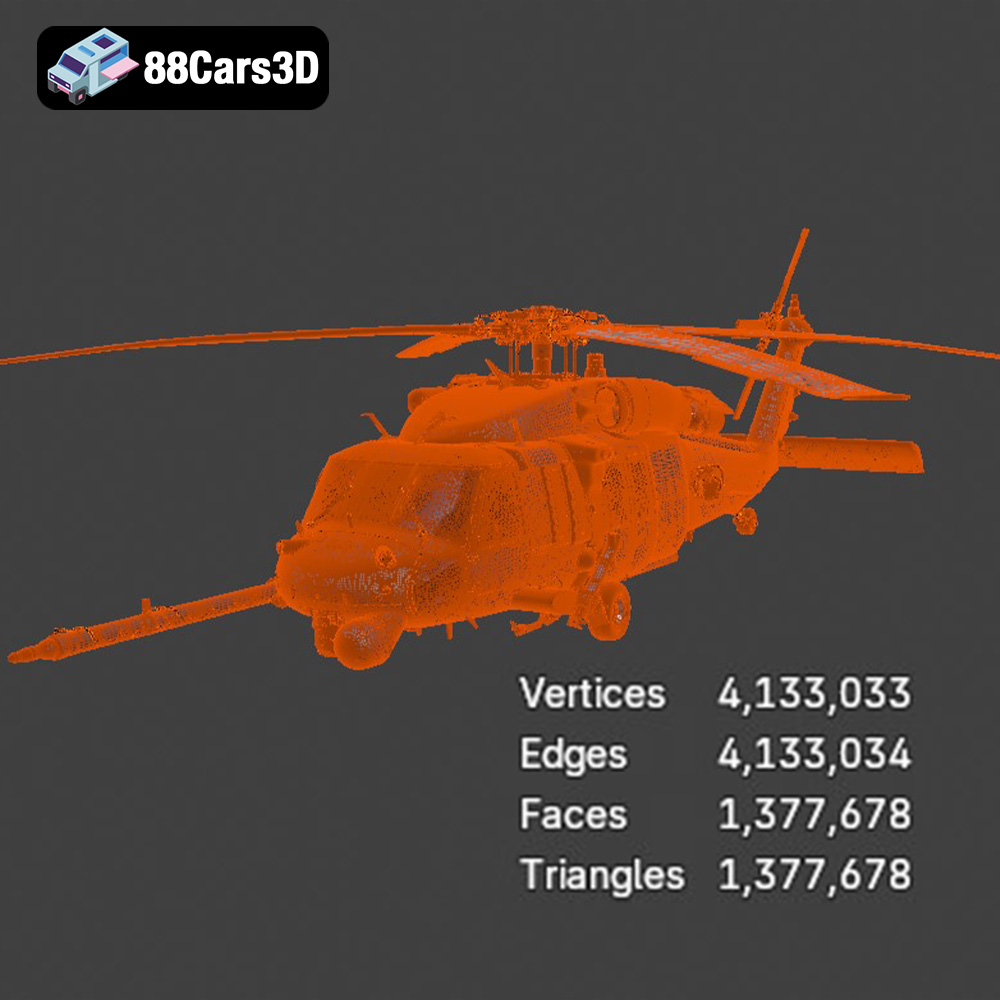
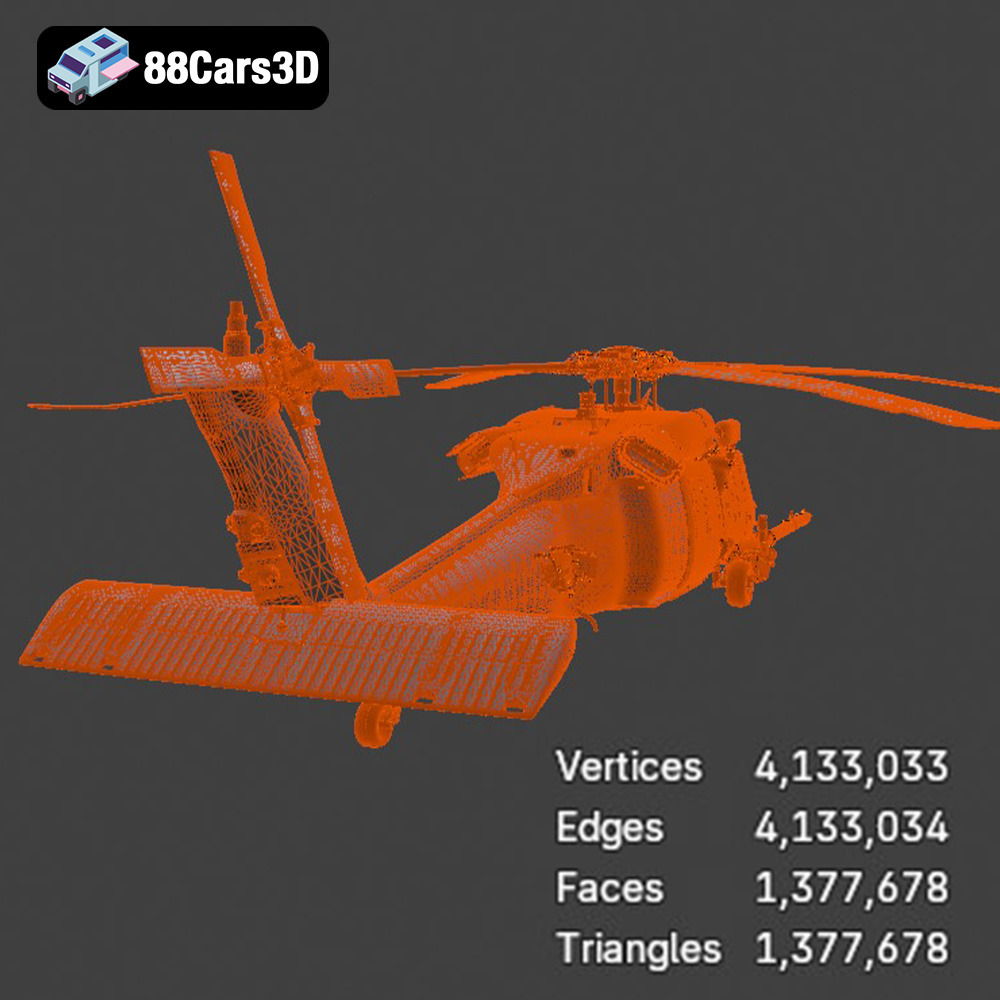
The foundation of a high-performing 3D model lies in its geometry. The UH-40 boasts “clean geometry and optimized topology,” meaning its mesh is constructed efficiently with quad-based polygons where possible, avoiding unnecessary vertices or overlapping faces. This clean structure is vital for several reasons: it allows for smooth subdivision for higher detail levels when needed, it facilitates efficient UV unwrapping, and most importantly, it reduces the computational load on the rendering engine. For game assets, an optimized poly count directly impacts frame rates, making the UH-40 an excellent candidate for demanding real-time environments where every polygon counts.
Modern real-time rendering relies heavily on Physically Based Rendering (PBR) workflows. While not explicitly detailed in the product description, “realistic materials” typically implies a PBR setup. This involves a suite of texture maps (Albedo/Base Color, Normal, Roughness, Metallic, Ambient Occlusion) that accurately simulate how light interacts with the surface properties of the model. The UH-40 would come with these meticulously crafted textures, ensuring it reacts realistically to dynamic lighting conditions within a game engine. This not only enhances visual depth but also reduces the need for complex shader graphs, further optimizing performance while maintaining a high level of visual fidelity. The clean UVs (implied by optimized topology and realistic materials) ensure that these textures map perfectly to the model’s surfaces.
For truly optimized game assets, incorporating Levels of Detail (LODs) is crucial. While not explicitly stated for the UH-40, a high-quality asset typically includes or is ready for LOD implementation. LODs are simplified versions of the model that automatically switch based on the distance from the camera, significantly reducing the polygon count for objects far away without a noticeable drop in visual quality. This is particularly important for large, complex models like a helicopter. Similarly, efficient collision meshes (simplified geometries used for physics interactions) ensure that character or projectile collisions are accurate without taxing the physics engine. The UH-40’s robust design and optimized topology make it an ideal base for creating these performance-enhancing elements, ensuring it remains viable in even the most expansive game worlds.
The utility of a versatile 3D asset like the Helicopter UH-40 extends far beyond traditional screens, opening doors to cutting-edge technologies that blend digital and physical realities. Augmented Reality (AR), Virtual Reality (VR), and 3D printing represent exciting new frontiers for immersive experiences and tangible prototypes.
The Helicopter UH-40 3D Model is perfectly positioned for the burgeoning AR/VR market. Its `.glb` format, specifically optimized for web-based and real-time platforms, makes it incredibly easy to deploy into AR applications on mobile devices or integrate into VR environments. Imagine an educational AR app where users can place a life-sized UH-40 in their living room, walking around it, inspecting its detailed exterior, and even peeking into its fully modeled interior. In VR, the UH-40 could be the centerpiece of a realistic flight simulator or a virtual museum exhibit, offering unparalleled immersion. The model’s optimized performance is crucial here, as AR/VR experiences demand extremely low latency and high frame rates to prevent motion sickness and ensure a smooth user experience.
While often associated with intricate machinery or architectural models, 3D printing can also bring highly detailed aircraft models to life. The `.stl` format of the UH-40 is specifically geared towards this. Engineers and designers can use a 3D-printed version of the UH-40 for conceptual prototyping, aerodynamic studies (albeit on a smaller scale), or even as a tangible educational tool. Imagine students in an aviation program examining a physical UH-40 model, understanding its structure and components in a way that two-dimensional images cannot convey. Model enthusiasts can also leverage this for creating highly detailed physical replicas, perhaps even customizing them with paints and decals after printing. The precision of the digital model translates directly into the accuracy of the physical print, offering a unique blend of digital artistry and physical craftsmanship.
Beyond traditional AR/VR, the UH-40 can revolutionize product demonstrations and marketing. Companies involved in aviation, defense, or even toy manufacturing could use interactive 3D viewers (powered by `.glb` files) on their websites, allowing potential clients or customers to spin, zoom, and explore the UH-40 from every angle. This level of engagement goes far beyond static images or videos. For training manuals or technical documentation, integrating interactive 3D models can make complex machinery much easier to understand, offering a dynamic and engaging learning experience that fully utilizes the model’s detailed interior and structural accuracy. The versatility offered by 88cars3d.com’s range of formats allows for seamless deployment across these diverse applications.
While the product in focus is an aircraft, the principles of high-quality rendering and scene composition are universal, applying equally to a stunning 3D car model or a detailed helicopter. The Helicopter UH-40 3D Model provides an exceptional canvas for artists to hone their skills and produce gallery-worthy imagery.
Achieving photorealism begins with masterful lighting. Whether you’re using an HDRI (High Dynamic Range Image) for realistic environment lighting or carefully placing individual light sources, the way light interacts with the UH-40’s surfaces is crucial. Its “realistic materials” (implying PBR textures) will accurately reflect and refract light, showcasing subtle details like panel lines, weathering, and the sheen of metal. Artists can experiment with different times of day, weather conditions, or artificial studio setups to evoke specific moods and highlight the helicopter’s robust form. The fully modeled interior becomes a stage for intricate lighting, with shafts of light filtering through windows or the soft glow of instrument panels creating depth and realism.
A great render tells a story. The UH-40 can be the central character in a variety of visual narratives. Is it a rescue helicopter against a dramatic mountain backdrop? A military transport under a foreboding sky? Or a pristine exhibition piece in a futuristic hangar? Scene composition involves not just the placement of the UH-40 but also the surrounding environment, supporting elements, and camera angles. Using principles like the rule of thirds, leading lines, and negative space, artists can guide the viewer’s eye and emphasize the helicopter’s power and precision. The availability of a detailed interior allows for “through-the-window” shots or close-ups of the cockpit, adding an extra layer of narrative potential that many exterior-only models lack.
No render is truly finished without post-production. After the initial render, tools like Photoshop or similar image manipulation software can be used to add the final polish. This includes color grading to enhance the mood, adding subtle atmospheric effects like haze or dust, lens flares, depth of field adjustments, and sharpening details. These steps can elevate a good render to an exceptional one, ensuring that the Helicopter UH-40 3D Model is presented in its best possible light, ready for portfolios, marketing materials, or cinematic inclusion. The high fidelity of the base model ensures that there’s plenty of detail to work with during this crucial final stage.
The versatility and technical excellence of the Helicopter UH-40 3D Model translate into a myriad of real-world and simulated applications. Let’s explore a few scenarios where this asset shines.
One of the most immediate and impactful applications for the UH-40 is in military training and high-fidelity simulations. Modern defense programs rely on realistic virtual environments to train pilots, ground crews, and strategists. The UH-40’s precise structural accuracy and fully modeled interior allow for highly realistic cockpit interactions and external views. Trainers can simulate various flight conditions, emergency procedures, or tactical operations, providing invaluable experience without the cost and risk of physical training. The model’s optimized topology ensures that these simulations run smoothly, crucial for real-time decision-making and immersive learning experiences. This level of detail makes the UH-40 an ideal game asset for serious simulation titles.
Film and television studios constantly seek high-quality assets to populate their digital worlds. The UH-40 3D Model is a perfect fit for visual effects (VFX) sequences in action films, documentaries, or animated shorts. Its robust aerodynamics and detailed construction make it believable on screen. Animators can create dynamic flight sequences, dramatic landings, or intricate repair scenes, leveraging the model’s clean geometry for deformation and motion. The ability to render the interior means directors can transition seamlessly between external shots and internal cockpit views, adding to the narrative depth and visual spectacle without needing to model an entirely separate interior for close-ups.
While primarily an aircraft, the UH-40 can significantly enhance architectural and environmental visualization projects. Imagine an architectural rendering of a modern heliport or a sprawling military base. Placing a realistic UH-40 model within these scenes adds a sense of scale, purpose, and realism. For urban planning projects, visualizing emergency response scenarios might require accurate aircraft models. The UH-40’s detailed form grounds the scene in reality, making the visualizations more compelling and believable for clients and stakeholders. Its various file formats allow for easy integration into rendering software used by architects and urban planners, offering an efficient way to elevate scene fidelity.
In the expansive and ever-evolving landscape of 3D visualization, the demand for assets that combine visual fidelity with technical optimization is constant. The Helicopter UH-40 3D Model stands as a testament to this principle, offering a robust and meticulously crafted solution for professionals across various disciplines.
From its precise structural accuracy and fully modeled interior to its clean geometry and suite of industry-standard file formats—including `.blend`, `.fbx`, `.obj`, `.glb`, `.stl`, `.ply`, `.unreal`, and `.max`—this model is engineered for seamless integration and exceptional performance. Whether you are aiming for breathtaking automotive rendering, developing complex game assets, creating immersive AR/VR experiences, or producing detailed technical visualizations, the UH-40 provides the foundation for success.
Its readiness for diverse workflows, from crafting cinematic sequences in 3ds Max and Blender to powering real-time simulations in Unreal Engine, underscores its value as a versatile and indispensable asset. For those committed to pushing the boundaries of digital creation, investing in high-quality 3D models from trusted sources like 88cars3d.com is not just a choice; it’s a strategic advantage.
Elevate your projects with assets that truly deliver. The Helicopter UH-40 3D Model is ready to take flight in your next professional endeavor, ensuring your visions achieve the realism and impact they deserve.
Enhance your digital hangar with the detailed Helicopter UH-40 3D Model. Designed to meet the demands of visualizers and developers, this model delivers precise structural accuracy. The exterior captures the robust aerodynamics of the UH-40 aircraft, while the internal layout provides a fully modeled interior, ensuring it stands up to close-up renders and immersive experiences. Built with optimized topology, this model features clean geometry and realistic materials that integrate seamlessly into your workflow. Whether you are crafting cinematic sequences, producing military simulations, or developing interactive applications, this versatile asset elevates the visual fidelity of your projects. Ideal for game development, rendering, AR/VR experiences, and detailed technical visualization, the Helicopter UH-40 3D Model is optimized for performance without sacrificing visual depth. It includes a comprehensive suite of industry-standard file formats.
$39.99
.aircraft
.arvr
.aviation
.blend
.car3dmodel
.fbx
.gameasset
.glb
.helicopter
.max
.military
.obj
.ply
.rendering
.simulation
.stl
.uh40
.unreal