Get 20% OFF All Premium 3D & STL Models!

In the dynamic world of 3D visualization, the demand for unparalleled realism and technical precision has never been greater. From high-stakes automotive design reviews to immersive game environments and breathtaking cinematic sequences, the quality of a 3D model can make or break a project. Capturing the essence of a vehicle, down to the minutest detail, is an art form that requires both artistic skill and deep technical understanding.
Today, professionals across industries rely on meticulously crafted 3D car models to bring their visions to life. These aren’t just decorative elements; they are foundational assets that communicate design intent, facilitate critical simulations, and engage audiences on a profound level. A truly exceptional model goes beyond mere aesthetics, offering clean topology, optimized UVs, and versatile material setups that integrate seamlessly into diverse production pipelines.
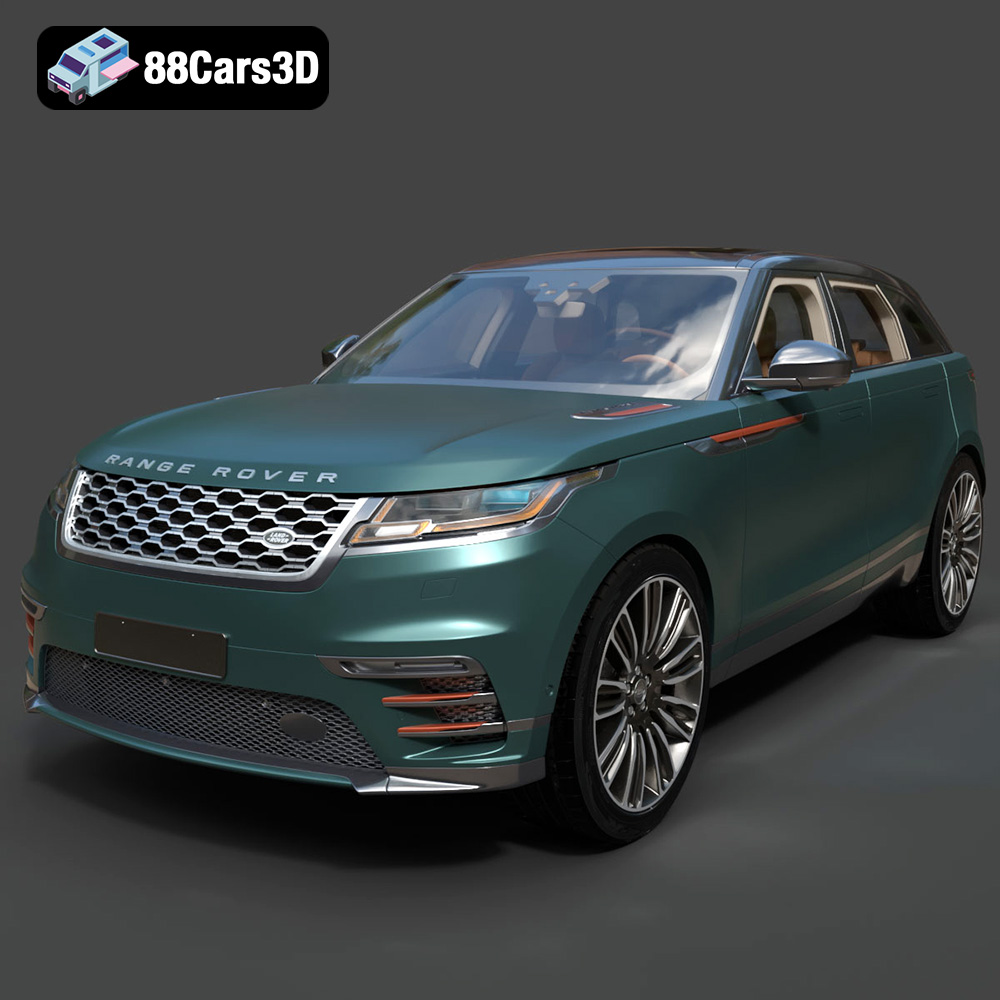
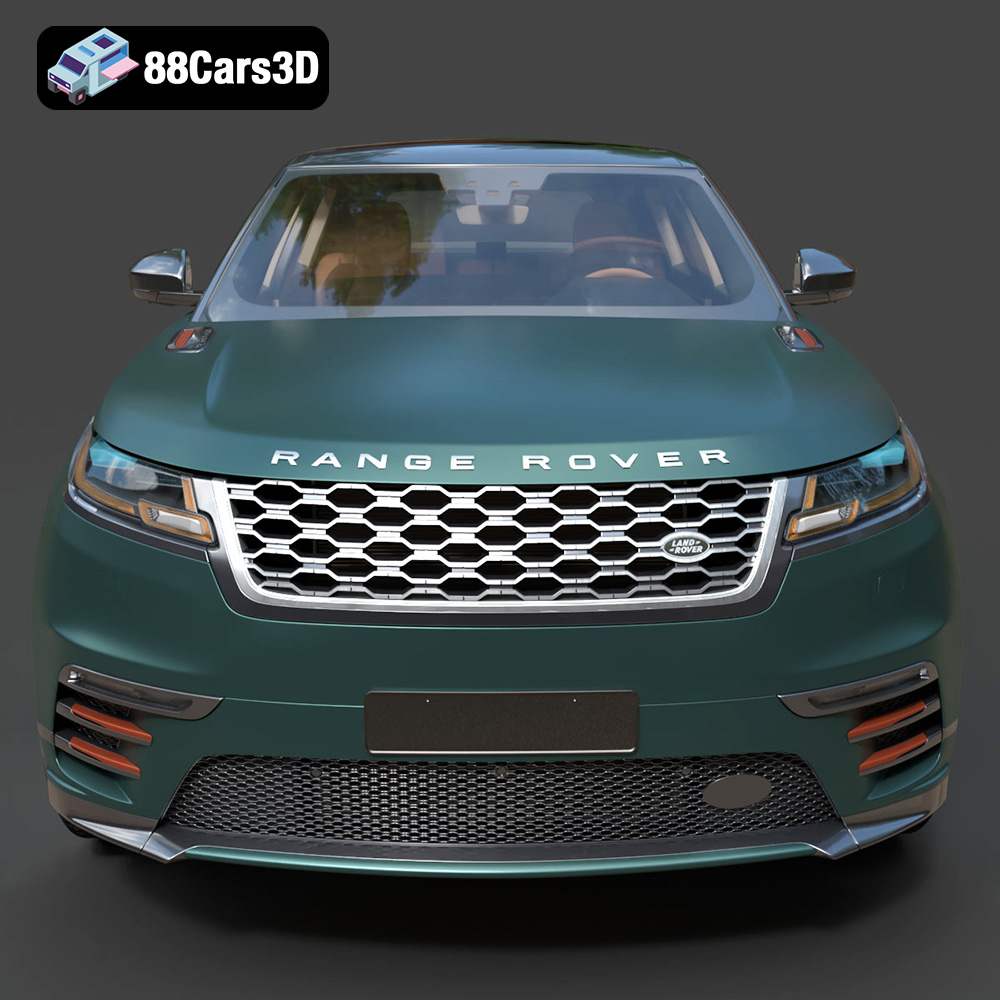
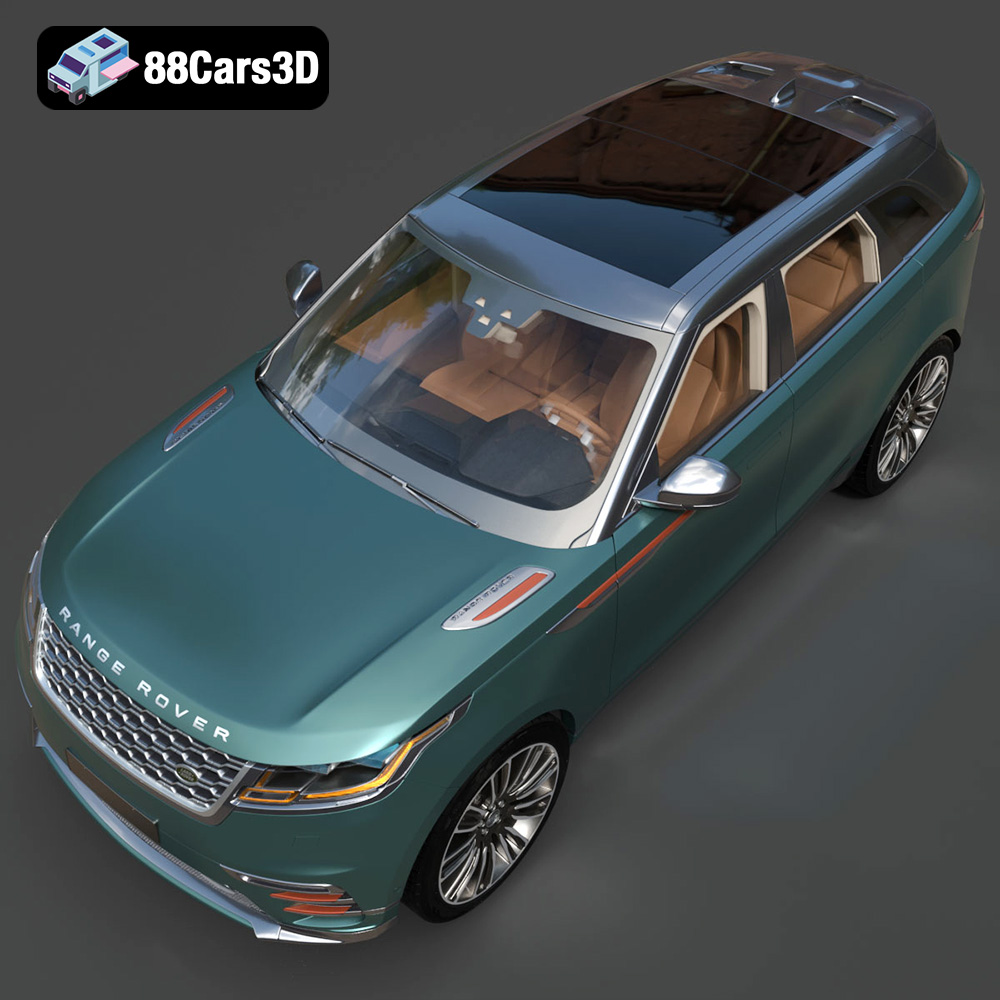
One such exemplary asset is the Land Rover Range Rover Velar 2018 3D Model. This digital replica embodies the distinctive elegance and modern aesthetic of the iconic luxury SUV, offering a level of detail and fidelity that stands up to the closest inspection. It represents the pinnacle of professional 3D car models, designed for those who refuse to compromise on quality in their automotive rendering, game asset development, or AR/VR projects.
Choosing the right file format for your 3D car models is crucial for ensuring compatibility, optimizing performance, and preserving data integrity across different software and applications. Each format serves a specific purpose, offering unique advantages depending on your project’s requirements, whether it’s high-fidelity automotive rendering, real-time game assets, or even 3D printing. Understanding these distinctions is fundamental for any professional working with digital vehicles, including the comprehensive Land Rover Range Rover Velar 2018 3D Model available at 88cars3d.com.
The .blend format is the native file type for Blender, the popular open-source 3D creation suite. A .blend file typically includes the entire scene: geometry, materials, textures, lighting, cameras, animations, modifiers, and even scripts. For artists working primarily in Blender, this format offers maximum editability and retains all the nuances of the original project. It’s ideal for artists who want full control over every aspect of the Land Rover Range Rover Velar 2018 3D Model, allowing for easy modifications, re-texturing, or animation within the Blender ecosystem. Its comprehensiveness makes it a favorite for many independent artists and studios.
Autodesk’s .fbx (Filmbox) format has become an industry standard for exchanging 3D data between various software applications, especially for game development and animation pipelines. It supports geometry, materials, textures, animations, rigging, and even camera data. For game engines like Unreal Engine and Unity, .fbx is often the preferred format due to its robust support for skeletal animation and its ability to efficiently transfer complex scenes. When a 3D car model like the Velar is provided in .fbx, it signifies that it’s designed for seamless integration into real-time environments, often pre-optimized for performance while maintaining visual fidelity.
The .obj (Wavefront OBJ) format is one of the oldest and most widely supported 3D file formats. It’s a universal standard primarily for geometry (vertices, normals, UVs, faces) and can link to an accompanying .mtl (material) file for basic material properties. While it doesn’t support animation or complex material node setups, its simplicity and widespread compatibility make it excellent for basic model exchange across virtually any 3D software. For simple static renders or when starting a new project that requires a clean base mesh of a vehicle like the Land Rover Range Rover Velar, .obj is a reliable choice.
The .glb (GL Transmission Format Binary) is a relatively newer format rapidly gaining traction, especially for augmented reality (AR), virtual reality (VR), and web-based applications. It’s the binary version of glTF, which is often referred to as the “JPEG of 3D.” .glb files package all necessary assets—geometry, textures, and materials—into a single, self-contained file, making them highly efficient and optimized for fast loading and display on various devices and platforms. For interactive online configurators or mobile AR experiences featuring a luxury SUV, the .glb format of the Velar model offers superior performance and accessibility.
The .stl (Stereolithography) format is the de facto standard for 3D printing. It represents a 3D model as a series of connected triangles (a triangulated surface mesh), defining only the surface geometry without color, texture, or other attributes. For anyone looking to physically prototype or 3D print a scale model of the Land Rover Range Rover Velar, the .stl format is essential. It ensures the model is watertight and ready for slicing software to prepare for additive manufacturing.
The .ply (Polygon File Format) is another format primarily used for storing 3D data, often originating from 3D scanners or high-precision CAD systems. It can store a wider range of data than .obj, including color, transparency, and even normal information per vertex or face. While not as universally adopted as .obj for general exchange, it’s particularly useful in scientific, engineering, and cultural heritage applications where precise mesh data and vertex attributes are critical for analysis or detailed visualization.
While not a traditional standalone file format in the same vein as .fbx or .obj, the inclusion of “.unreal” typically signifies that the asset has been specifically pre-configured or packaged for direct integration into Unreal Engine projects. This often means the model comes with optimized meshes, correct material setups using Unreal’s PBR system, LODs (Level of Detail) already defined, and potentially even collision meshes. For game developers or architectural visualization artists using Unreal Engine, an “.unreal” package of the Velar model can drastically reduce import and setup time, offering a true plug-and-play experience for real-time automotive rendering.
The .max format is the native file type for Autodesk 3ds Max, another industry-leading 3D modeling, animation, and rendering software. Similar to .blend, a .max file contains the complete scene, including complex modifiers, detailed material setups (e.g., V-Ray, Corona), animation data, lighting rigs, and camera views. For professionals deeply embedded in the 3ds Max ecosystem, having the Land Rover Range Rover Velar 2018 3D Model in .max format provides the ultimate flexibility for advanced rendering, intricate animation sequences, or integration into existing studio pipelines. It allows full access to all the original creation parameters, ensuring maximum customization and quality output.
The availability of the Land Rover Range Rover Velar 2018 3D Model in this comprehensive suite of formats at 88cars3d.com demonstrates a commitment to versatility and professional compatibility, ensuring that creators have the right tool for every job.
Creating a high-fidelity 3D car model, especially one as recognizable as the Land Rover Range Rover Velar 2018, demands an obsessive commitment to accuracy. It’s a process that begins long before the first polygon is laid down, encompassing meticulous research, blueprint analysis, and an unwavering focus on real-world reference.
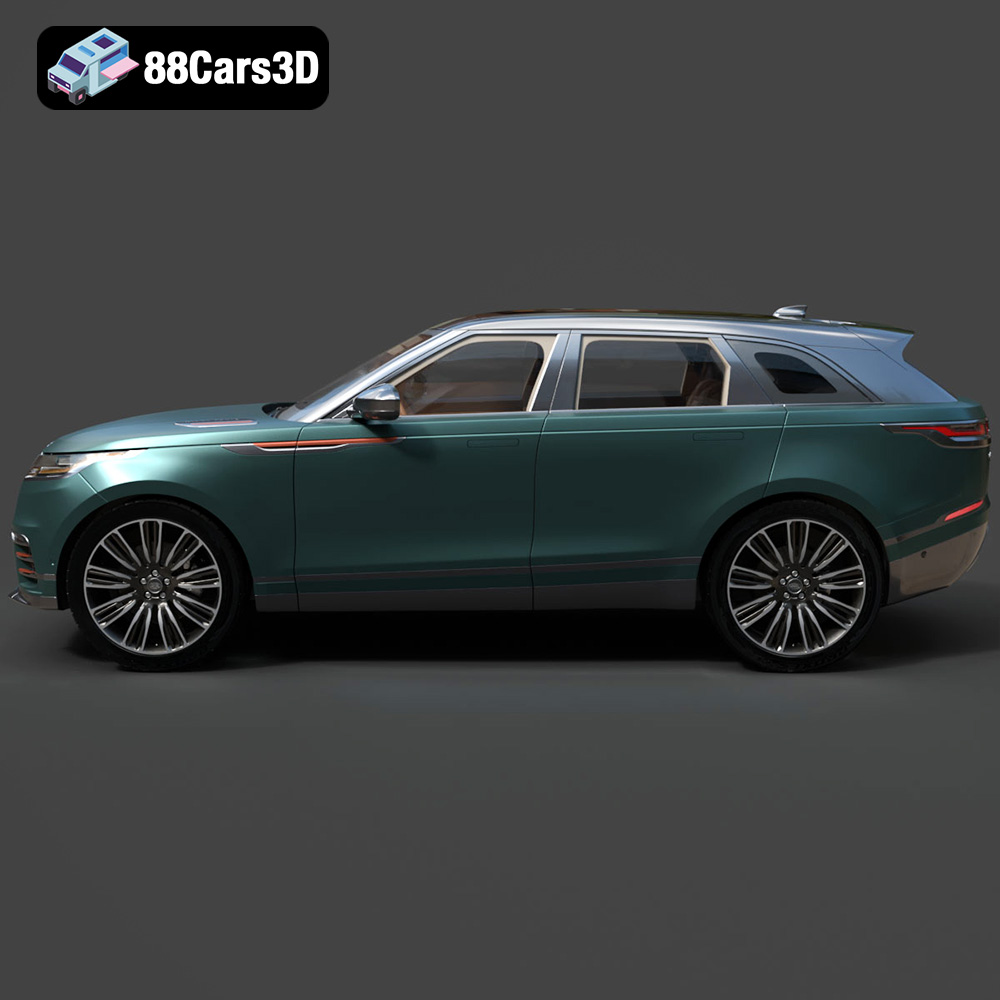
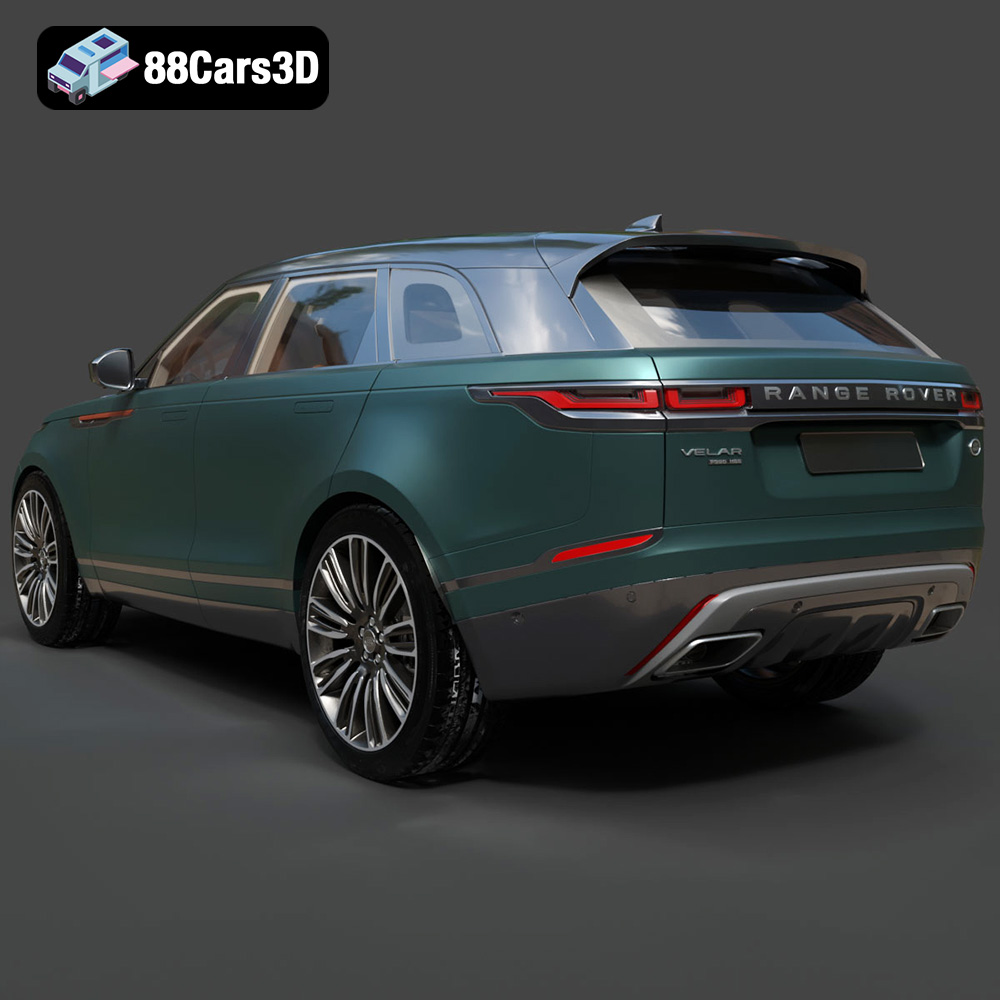
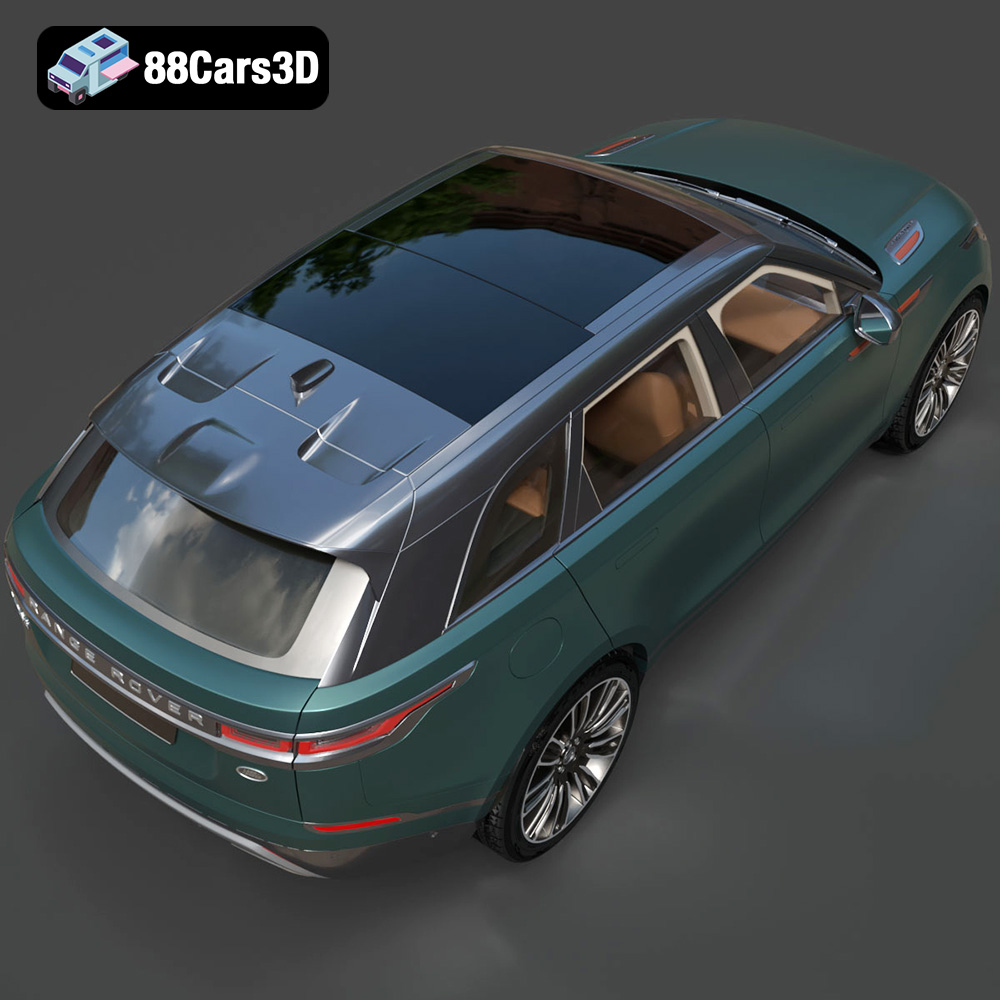
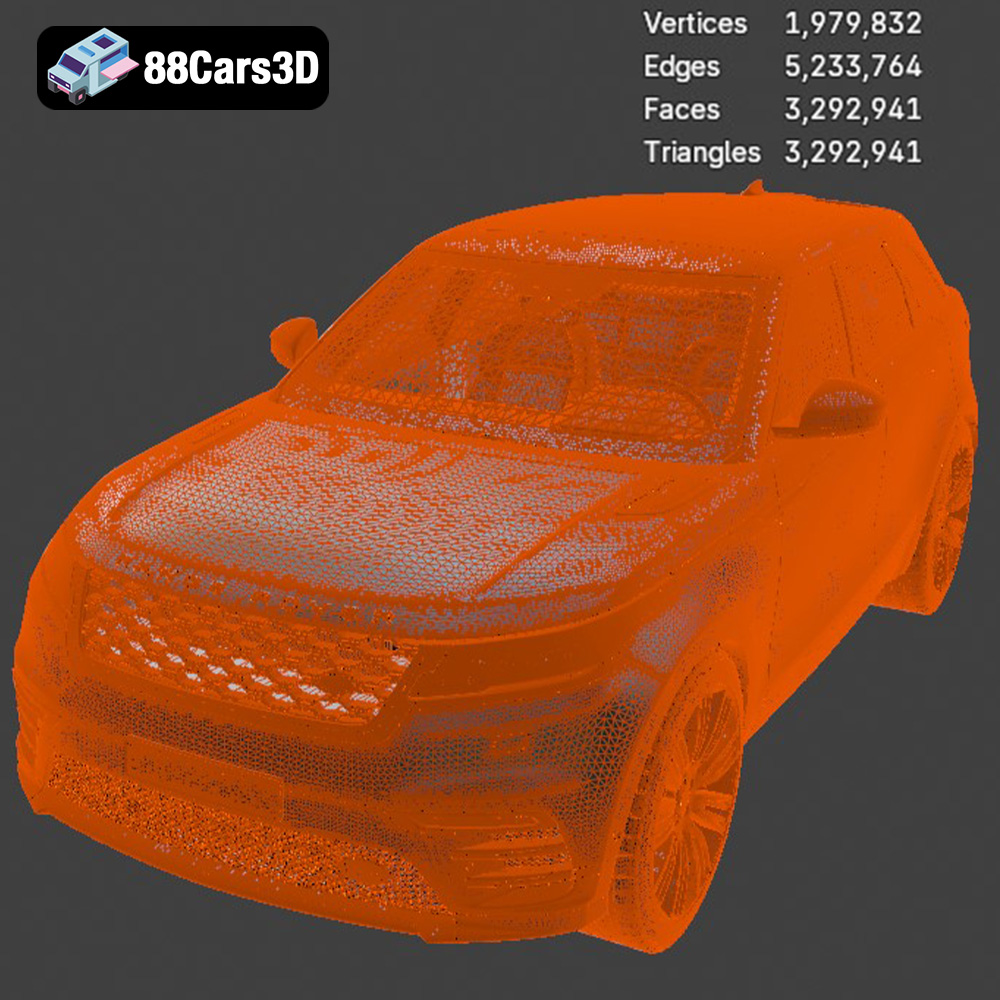
The exterior of any modern luxury SUV is a testament to sophisticated design, and the Velar is no exception. Its streamlined proportions, distinctive grille, and signature LED lighting require pinpoint accuracy in their 3D representation. Professional modelers start with precise blueprints and countless reference photographs, ensuring every curve, panel gap, and body line mirrors its physical counterpart. This involves modeling critical components like headlights, taillights, side mirrors, and wheels with exceptional detail, often using CAD data or high-resolution photogrammetry where available. The resulting mesh topology is clean, quad-based, and optimized for smooth subdivision, which is crucial for high-quality automotive rendering and animation. Such attention to detail ensures that the Land Rover Range Rover Velar 2018 3D Model maintains its visual integrity even under the closest scrutiny.
While often seen from a distance, a fully detailed interior elevates a 3D car model from a simple prop to a truly versatile asset. For the Land Rover Range Rover Velar 2018, this means meticulously recreating the dashboard, steering wheel, seats, door panels, and center console. Every button, dial, and stitch mark is modeled, and appropriate textures are applied to simulate materials like leather, wood, brushed aluminum, and soft plastics. This level of interior fidelity is vital for projects requiring close-up shots, virtual reality experiences where users can ‘sit’ inside the car, or driving simulations where the cockpit view is paramount. The clean geometry ensures that each element can be manipulated or animated if needed, providing a robust foundation for interactive applications.
Beyond geometry, realistic materials are what truly sell the illusion of a physical vehicle. The Land Rover Range Rover Velar 2018 3D Model utilizes Physically Based Rendering (PBR) materials, which accurately simulate how light interacts with surfaces in the real world. This includes calibrated values for metallic, roughness, normal, and albedo maps, ensuring consistent and photorealistic results across various rendering engines like V-Ray, Corona, Arnold, or real-time environments like Unreal Engine. Complementing these materials are clean, optimized UV layouts. Proper UV mapping is essential for applying high-resolution textures without distortion and for allowing artists to easily customize paint colors, decals, or interior finishes. This combination of precision modeling, detailed interiors, and robust material/UV setup makes the Velar model from 88cars3d.com an invaluable asset for professional 3D car models.
The versatility of high-quality 3D car models extends across a multitude of professional disciplines. From the architect’s vision to the game developer’s immersive world, these assets are indispensable tools for visualization and creation. The Land Rover Range Rover Velar 2018 3D Model exemplifies this adaptability, designed to fit seamlessly into diverse production pipelines.
In architectural visualization, vehicles are more than just background elements; they are integral components that establish scale, context, and a sense of lived-in reality. Placing a beautifully rendered Land Rover Range Rover Velar 2018 in front of a modern home or office building instantly elevates the scene’s realism and perceived luxury. ArchViz artists rely on high-detail 3D car models for their realistic reflections, accurate shadows, and correct proportions to complement the built environment. Software like 3ds Max, combined with renderers like V-Ray or Corona, allows for sophisticated lighting setups and material adjustments to integrate the vehicle perfectly into the scene, enhancing the overall impact of the architectural rendering.
For cinematic productions, whether in advertising, film, or short-form narratives, the Land Rover Range Rover Velar 2018 3D Model offers an unparalleled foundation for storytelling. High-polygon count models with intricate details are crucial for close-up shots and dramatic camera movements. Animators can rig the wheels, doors, and suspension to create dynamic sequences, while lighting artists can experiment with studio-quality or environmental lighting to achieve breathtaking photorealism. Complex shaders, subsurface scattering for materials like glass, and advanced volumetric effects can be applied to push the boundaries of automotive rendering, delivering visuals indistinguishable from reality. This level of detail is essential for creating compelling visual narratives.
The realm of game development demands a unique balance between visual fidelity and performance optimization. As a game asset, the Land Rover Range Rover Velar 2018 3D Model needs to be “game-engine ready,” often supplied in formats like .fbx or pre-configured for .unreal. This involves efficient topology, well-defined Level of Detail (LOD) meshes to ensure smooth performance at varying distances, and PBR textures optimized for real-time rendering. Game developers utilize engines like Unreal Engine and Unity to implement physics, collisions, and interactive elements, allowing players to drive, customize, or interact with the vehicle in real-time. A high-quality base model ensures that even after optimization, the vehicle retains its distinct characteristics and visual appeal within the interactive environment.
AR and VR platforms represent the cutting edge of immersive visualization. In these environments, 3D car models must be lightweight yet visually compelling, often requiring specialized formats like .glb for optimal streaming and display on mobile devices or headsets. The Land Rover Range Rover Velar 2018 3D Model, when prepared for AR/VR, allows users to explore the vehicle in a virtual showroom, place it in their real-world driveway via AR, or even experience a virtual test drive. The challenge lies in balancing fidelity with performance to maintain high frame rates and a comfortable user experience, making assets from 88cars3d.com invaluable for developing truly engaging and interactive experiences.
The utility of high-quality 3D car models extends far beyond mere visualization. They are critical tools in design, marketing, and simulation, offering tangible benefits across various industries. The Land Rover Range Rover Velar 2018 3D Model serves as an excellent example of an asset that can drive innovation and efficiency in these real-world scenarios.
Before a physical prototype is ever built, automotive designers rely heavily on 3D car models for conceptualization, iteration, and virtual prototyping. A detailed model like the Land Rover Range Rover Velar 2018 allows design teams to visualize new features, explore color and material combinations, and conduct virtual reviews in highly realistic environments. This digital workflow significantly reduces development costs and accelerates the design cycle. Engineers can use these models for aerodynamic simulations, crash testing analysis (often simplified models), and component fitment checks, all within a virtual space. This iterative process is crucial for refining the vehicle’s aesthetics and functionality long before manufacturing begins.
In the highly competitive automotive market, compelling visuals are paramount. High-quality 3D car models are the backbone of modern automotive advertising. They enable agencies to create stunning images and animations for brochures, commercials, and online campaigns without the expense or logistical challenges of physical photography. A Land Rover Range Rover Velar 2018 3D Model can be placed in any imaginable scenario – driving through a cityscape, parked on a remote mountain pass, or showcasing its interior features with dynamic camera angles. This flexibility allows for rapid content creation and customization, ensuring brand messaging is consistent and visually striking across all media platforms. Interactive online configurators, driven by these 3D assets, allow potential customers to personalize their dream car in real-time, greatly enhancing the buying experience.
For professional training, research, and entertainment, driving simulations demand accurate and realistic vehicle models. The robust structure and accurate proportions of the Land Rover Range Rover Velar 2018 3D Model make it an excellent choice for driving simulations. These simulations are used by professional drivers for training, by automotive engineers for vehicle dynamics research, and in educational settings to teach driving safety. Integrating a high-fidelity 3D model ensures that the visual feedback within the simulation is consistent with real-world expectations, contributing to a more immersive and effective experience. The ability to simulate vehicle behavior accurately relies heavily on the underlying geometric and material precision of the 3D model.
While cinematic renders prioritize raw visual fidelity, real-time applications like game development, AR/VR, and complex simulations demand a careful balance between aesthetics and performance. High-quality 3D car models must be optimized to run smoothly without sacrificing the visual realism that users expect. The Land Rover Range Rover Velar 2018 3D Model, when properly prepared, excels in these demanding environments.
One of the primary techniques for optimizing 3D models for real-time performance is the implementation of Level of Detail (LODs). This involves creating multiple versions of the same model, each with progressively fewer polygons. A high-polygon version is displayed when the vehicle is close to the camera, while lower-polygon versions are swapped in as the vehicle moves further away. This ensures that the engine only renders the necessary detail, drastically improving frame rates. For the Land Rover Range Rover Velar 2018 3D Model, this means having a primary high-detail mesh for close-ups and several optimized variants for medium and far distances, making it efficient for large open-world games or detailed VR scenes.
Physically Based Rendering (PBR) has become the standard for achieving photorealistic materials in both offline and real-time rendering. However, in real-time environments, material efficiency is key. This involves consolidating textures into atlases, optimizing texture resolutions, and ensuring that material setups are as lightweight as possible while retaining visual quality. For a sophisticated asset like the Land Rover Range Rover Velar 2018, this means carefully baked normal maps, efficiently packed texture channels (e.g., metallic and roughness in a single map), and shader graphs optimized for performance within engines like Unreal Engine or Unity. Well-executed PBR textures ensure the Velar looks stunning under diverse lighting conditions without burdening the GPU.
For any interactive experience involving vehicles, accurate collision detection and physics are paramount. This requires dedicated collision meshes – simplified, invisible versions of the vehicle’s geometry that the physics engine uses to calculate interactions with the environment. These are often convex hull shapes or simplified box colliders for efficiency. The Land Rover Range Rover Velar 2018 3D Model, when intended for simulation or gaming, would typically include these simplified collision geometries. Furthermore, proper integration with the engine’s physics system involves setting up vehicle blueprints or prefabs with accurate mass, inertia, and suspension parameters, allowing the vehicle to behave realistically within the digital environment.
The value of a pre-configured, engine-ready asset cannot be overstated. When a 3D car model is provided with a “.unreal” extension or as a pre-packaged .fbx with optimized PBR materials and LODs, it drastically streamlines the workflow for developers. This means less time spent on importing, adjusting materials, and setting up optimization parameters, allowing more focus on level design, gameplay, and overall experience. The availability of such well-prepared 3D car models, like the Land Rover Range Rover Velar 2018 3D Model from 88cars3d.com, is a huge advantage for studios seeking high-quality game assets that can be integrated efficiently and effectively.
The landscape of 3D visualization is constantly evolving, driven by an insatiable demand for photorealism, immersive experiences, and efficient production pipelines. At the heart of this evolution are high-quality 3D car models – meticulously crafted digital assets that serve as the foundation for everything from stunning automotive rendering to engaging game assets and critical design simulations. The technical depth required to create these assets, spanning precise geometry, optimized materials, and versatile file formats, is immense.
The Land Rover Range Rover Velar 2018 3D Model stands as a testament to this commitment to excellence. Its unparalleled realism, fully detailed interior, clean geometry, and comprehensive suite of file formats (including .blend, .fbx, .obj, .glb, .stl, .ply, .unreal, and .max) position it as an indispensable tool for professionals. Whether you are an architectural visualizer aiming for contextual realism, a game developer building an immersive world, a cinematic artist crafting a compelling narrative, or a designer iterating on concepts, this model provides the technical foundation you need to achieve your vision.
Investing in premium 3D car models, such as the Land Rover Range Rover Velar 2018 3D Model, significantly enhances productivity and output quality. It frees up valuable time for artists and developers to focus on creativity and innovation, rather than grappling with substandard assets. For those seeking to elevate their projects with truly exceptional 3D car models, 88cars3d.com offers a curated selection of assets that meet the highest industry standards. Experience the difference that precision and versatility can make in your next project.
Experience unparalleled realism with the Land Rover Range Rover Velar 2018 3D Model. Crafted with precision, this digital replica captures the distinctive elegance, streamlined proportions, and modern aesthetic of the iconic luxury SUV. Whether viewed up close or from a distance, the model showcases exceptional attention to detail, making it an ideal asset for professional projects requiring true-to-life accuracy.
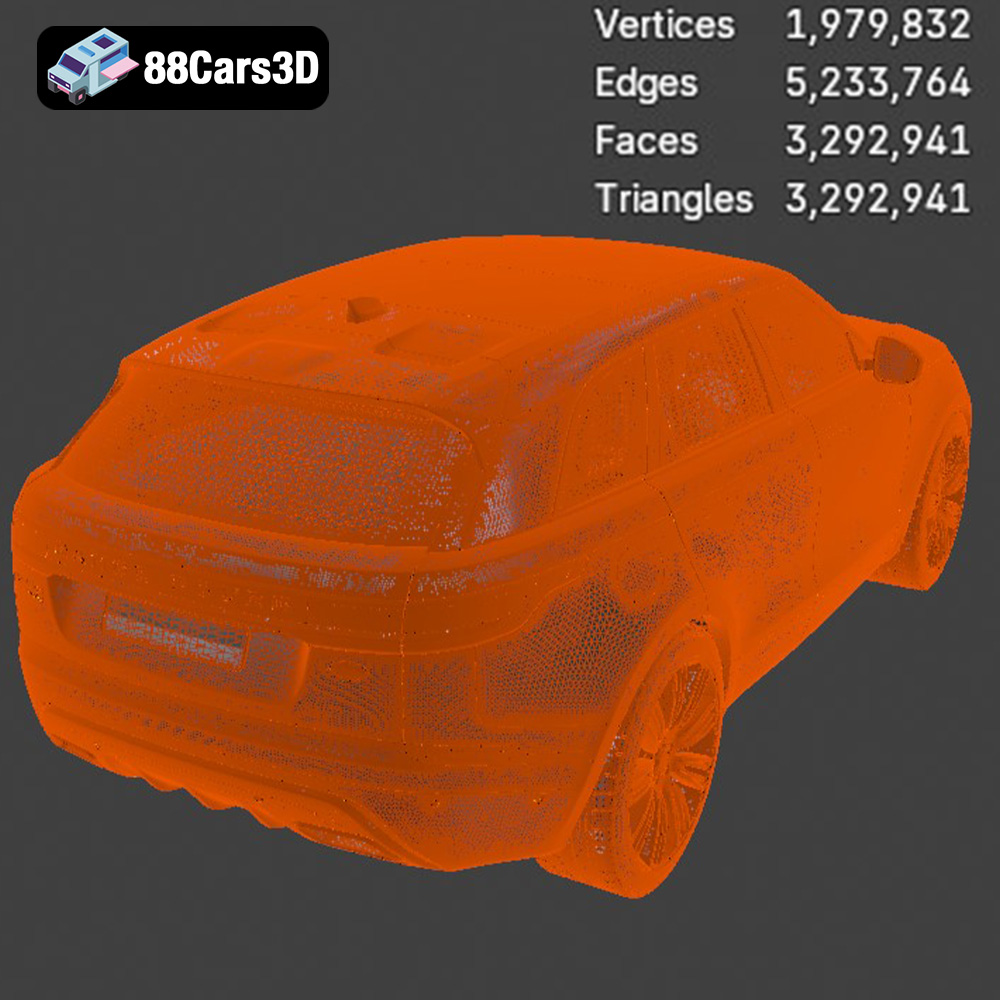
This model boasts a meticulously modeled exterior and a fully detailed interior, complemented by clean geometry and realistic materials. The topology is optimized for both visual fidelity and performance, ensuring seamless integration into various digital environments without compromising detail.
Perfect for a wide range of applications, this 3D model excels in architectural visualizations, cinematic rendering, game development, and AR/VR experiences. The robust structure and accurate proportions also make it an excellent choice for driving simulations and automotive design presentations.
Available in a comprehensive suite of file formats to suit any pipeline:
Tags: .landrover, .rangerovervelar, .rangerover, .velar, .suv, .luxurycar, .luxurysuv, .car3dmodel, .rendering, .simulation, .gameasset, .arvr, .blend, .fbx, .obj, .glb, .stl, .ply, .unreal, .max
$39.99
.arvr
.blend
.car3dmodel
.fbx
.gameasset
.glb
.landrover
.luxurycar
.luxurysuv
.max
.obj
.ply
.rangerover
.rangerovervelar
.rendering
.simulation
.stl
.unreal
.velar
SUV