Get 20% OFF All Premium 3D & STL Models!

In the dynamic world of 3D visualization, automotive design stands as a pinnacle of technical artistry and precision. From photorealistic renders that define luxury brands to meticulously optimized game assets that power next-generation experiences, the demand for high-quality 3D car models is ceaseless. Professionals across various industries, including game development, architectural visualization, advertising, and virtual reality, rely on exquisitely crafted models to bring their creative visions to life.
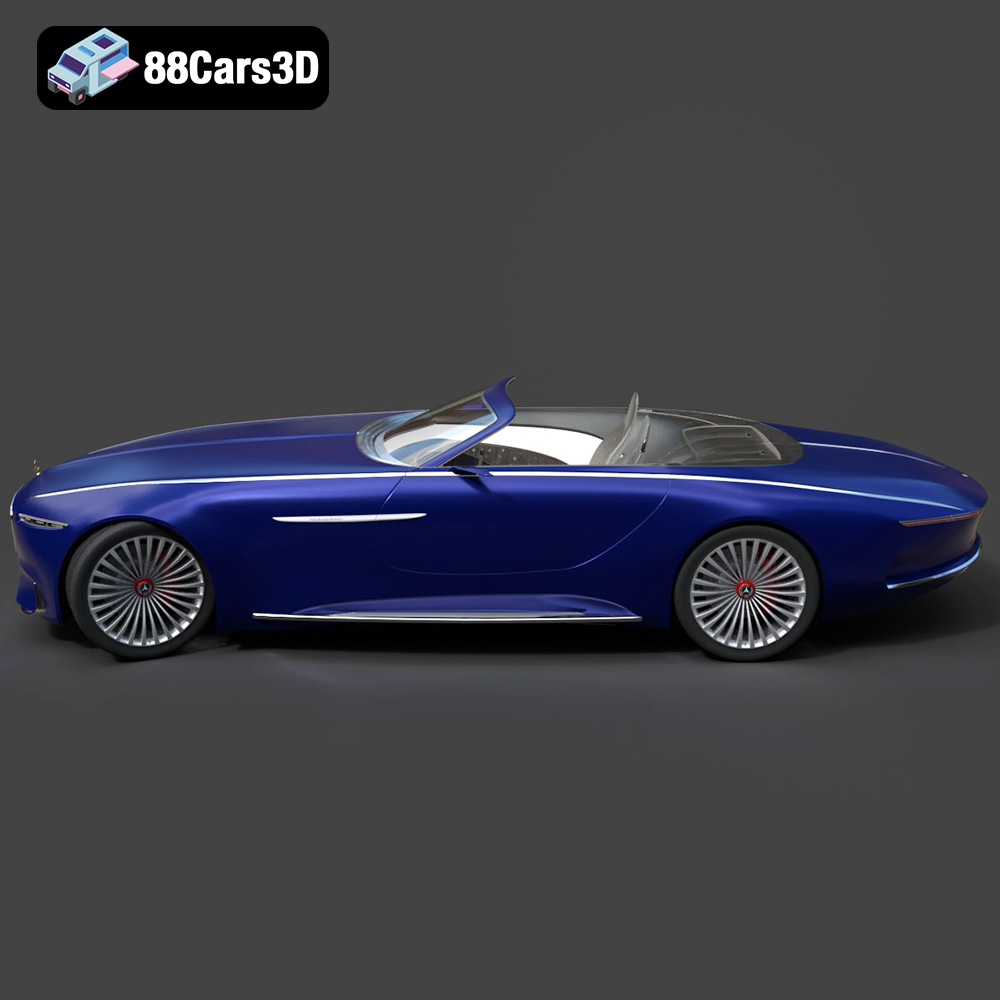
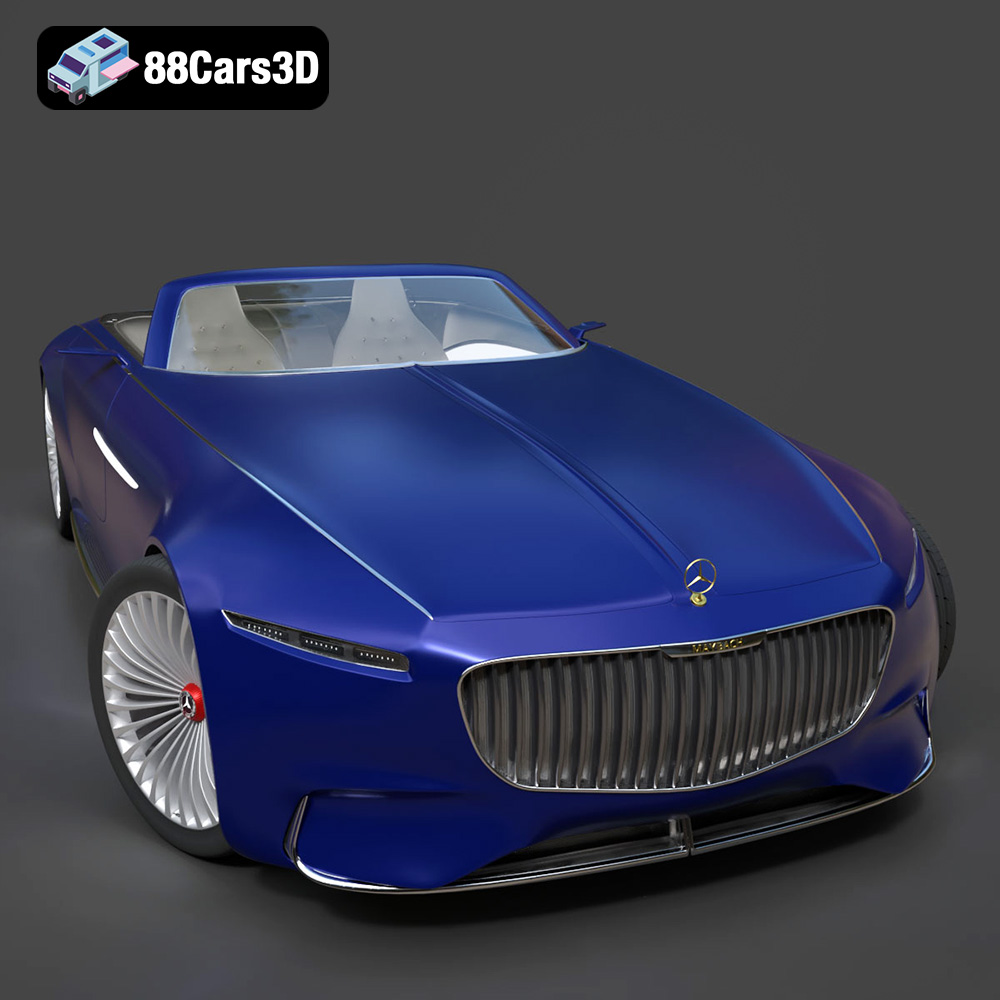
Achieving this level of realism and performance requires more than just aesthetic appeal; it demands a deep understanding of 3D modeling principles, software workflows, and technical specifications. This exploration delves into the intricacies of integrating premium 3D car models into diverse professional pipelines, showcasing how an asset like the Mercedes-Maybach Vision 6 2018 3D Model can be a transformative force in your projects. This breathtaking electric concept car, with its dramatic proportions and iconic design, represents the zenith of digital automotive craftsmanship, offering a perfect blend of visual fidelity and optimized performance for a multitude of applications.
The foundation of any successful 3D project lies in selecting the appropriate file format. Each format serves a distinct purpose, offering specific advantages in terms of compatibility, data integrity, and functionality. Understanding these nuances is critical for efficient workflows and ensuring your 3D assets perform optimally across different software and platforms. The Mercedes-Maybach Vision 6 2018 3D model, for instance, is offered in a comprehensive suite of formats, enabling unparalleled flexibility.
The .blend format is the native file type for Blender, the popular open-source 3D creation suite. When you receive a .blend file, you’re not just getting the model geometry; you’re gaining access to a fully editable Blender scene. This includes all materials, textures, lighting setups, cameras, animation data, and even modifiers. It’s ideal for artists who primarily work within Blender and require full creative control over every aspect of the asset. For the Mercedes-Maybach Vision 6, the .blend file allows for easy modification of body colors, material finishes, interior lighting, and quick setup for Cycles or Eevee rendering.
FBX (Filmbox) is arguably the most widely adopted proprietary file format for 3D data exchange, particularly favored in game development and animation pipelines. Developed by Autodesk, it offers robust support for geometry, materials, textures, animations, rigging, and even cameras and lights. Its binary structure makes it efficient for import/export across major 3D software like 3ds Max, Maya, Blender, and crucially, game engines like Unreal Engine and Unity. The .fbx version of the Mercedes-Maybach Vision 6 is ideal for integrating into real-time environments, preserving its proper pivot setups for steering, wheel rotation, and gullwing door animation.
OBJ (Object) is a universal, text-based format known for its simplicity and broad compatibility. It primarily stores geometric data (vertices, normals, texture coordinates, and faces) and can reference external material files (.mtl) for basic color and texture information. While it lacks support for animation, rigging, or complex material networks, .obj is an excellent choice for static meshes when maximum compatibility across virtually any 3D software is required. It serves as a reliable fallback for importing the Vision 6’s detailed geometry into less common applications or for quick geometry checks.
GLB (GL Transmission Format Binary) is a modern, efficient, and self-contained format designed for quick loading and rendering of 3D models in web browsers, AR (Augmented Reality), and VR (Virtual Reality) applications. It bundles all necessary data—geometry, materials, textures, and even animations—into a single binary file, making it highly optimized for performance on diverse devices. The .glb version of the Mercedes-Maybach Vision 6 is perfect for immersive virtual showrooms, product configurators, or integrating into web-based 3D viewers, offering a streamlined experience for interactive visualization.
STL (Stereolithography) is the de facto standard format for 3D printing. It represents 3D surfaces using a tessellation of triangles, defining only the geometry of an object without color, texture, or material properties. While not suitable for rendering or animation, the .stl file of the Mercedes-Maybach Vision 6 is essential for manufacturing physical replicas. It provides the necessary data for slicing software to prepare the model for 3D printers, allowing hobbyists and professionals to create tangible versions of this stunning concept car.
PLY (Polygon File Format) is another format for storing 3D data, often used in applications involving 3D scanning, scientific visualization, and CAD. It can store various properties beyond just geometry, such as color per vertex, normals, and even confidence levels. While less common for general 3D model distribution than FBX or OBJ, .ply offers a robust way to preserve detailed mesh information, making it suitable for specialized analysis or when working with precision engineering data related to the Vision 6’s intricate design.
While not a standalone file extension in the traditional sense, “.unreal” implies a dedicated package or configuration optimized for direct integration into Unreal Engine projects. This might involve an asset pack containing .uasset files, pre-configured materials, Blueprints for interactivity, and level setups. Such an asset streamlines the development process for games and interactive experiences, ensuring the Mercedes-Maybach Vision 6 3D model is instantly ready for high-performance rendering within Unreal Engine’s real-time environment, complete with collision data and LODs if included.
The .max format is the native file type for Autodesk 3ds Max, a powerful software widely used for architectural visualization, animation, and high-end rendering. A .max file contains the entire scene, including geometry, complex material networks (e.g., V-Ray or Corona materials), lighting setups, cameras, animation curves, and rigging. For users of 3ds Max, this format provides the most comprehensive data, allowing for intricate adjustments, custom animations, and the highest fidelity renders of the Mercedes-Maybach Vision 6 within a professional production environment.
Photorealistic automotive rendering is an exacting discipline, demanding a harmonious blend of artistic vision and technical prowess. It’s where the intricate details of a 3D model truly come to life, transforming digital geometry into captivating imagery. The 88cars3d.com library offers models like the Mercedes-Maybach Vision 6 2018 3D Model, which are meticulously crafted to excel in this demanding environment.
For brand campaigns, luxury showcases, and cinematic animations, the Mercedes-Maybach Vision 6 3D model offers unparalleled visual fidelity. Its accurate aero-coupe geometry, detailed iconic vertical strut grille, and aerodynamic boat-tail rear design are rendered with breathtaking precision. When combined with advanced rendering engines like V-Ray, Corona Renderer, or Blender’s Cycles, these details become the foundation for stunning visuals. Imagine the Vision 6 gliding through a virtual cityscape, its ultra-narrow LED headlights cutting through the night, or a slow-motion reveal of its stunning 24-inch aerodynamically optimized wheels. The model’s optimized topology ensures that even with high-resolution texture maps and complex lighting scenarios, rendering times remain manageable, allowing for faster iterations and higher production value.
Achieving realism in rendering heavily relies on physically based rendering (PBR) workflows and sophisticated lighting setups. The Vision 6 model is designed to integrate seamlessly into these pipelines, allowing artists to manipulate material finishes – matte, gloss, metallic – and adapt interior fiber-optic lighting to create specific moods. Using HDRI (High Dynamic Range Image) environments, artists can simulate real-world lighting conditions, capturing accurate reflections and refractions on the vehicle’s sweeping surfaces. The model’s premium contoured seat geometry and transparent center tunnel with simulated fiber optic styling demand nuanced material work, showcasing the depth and luxury of the interior in every render.
In game development, the challenge is twofold: achieving stunning visual fidelity while maintaining optimal performance in real-time environments. High-quality 3D car models are central to this balance, and the Mercedes-Maybach Vision 6 2018 3D Model exemplifies this synthesis, making it a perfect game asset.
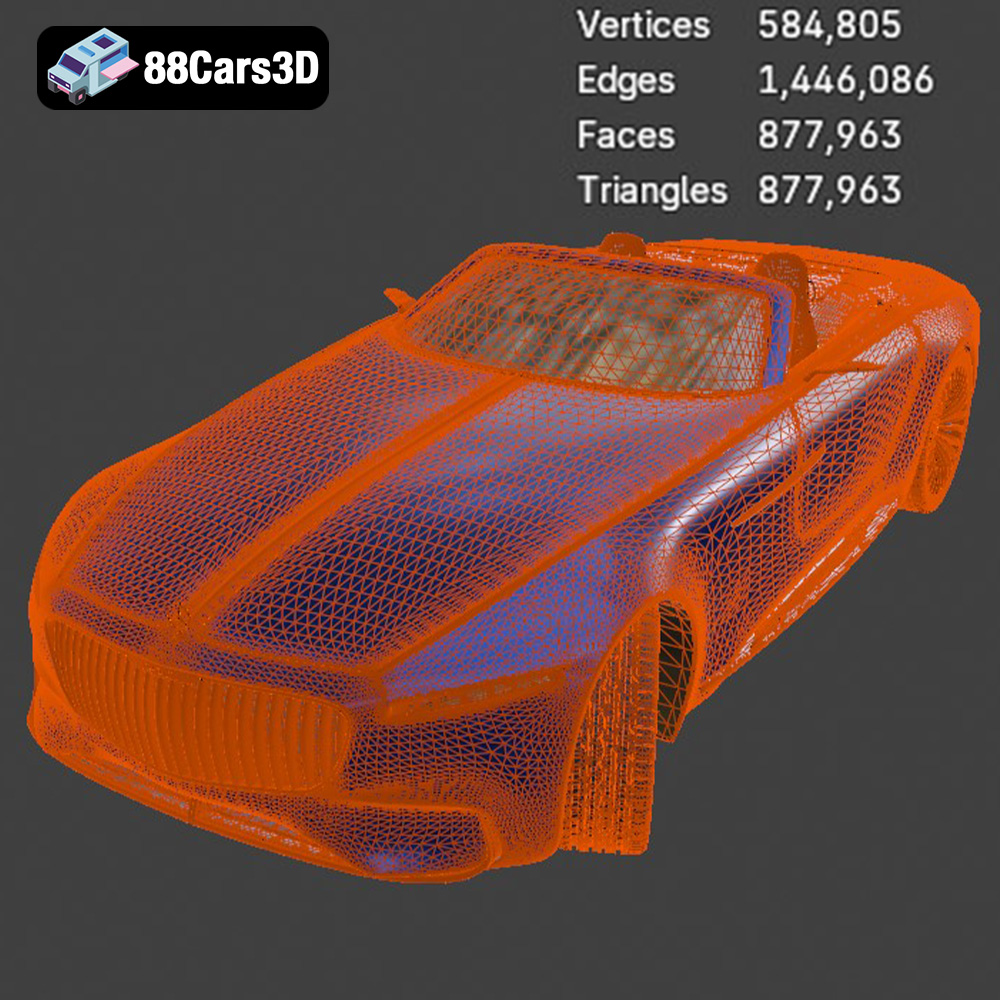
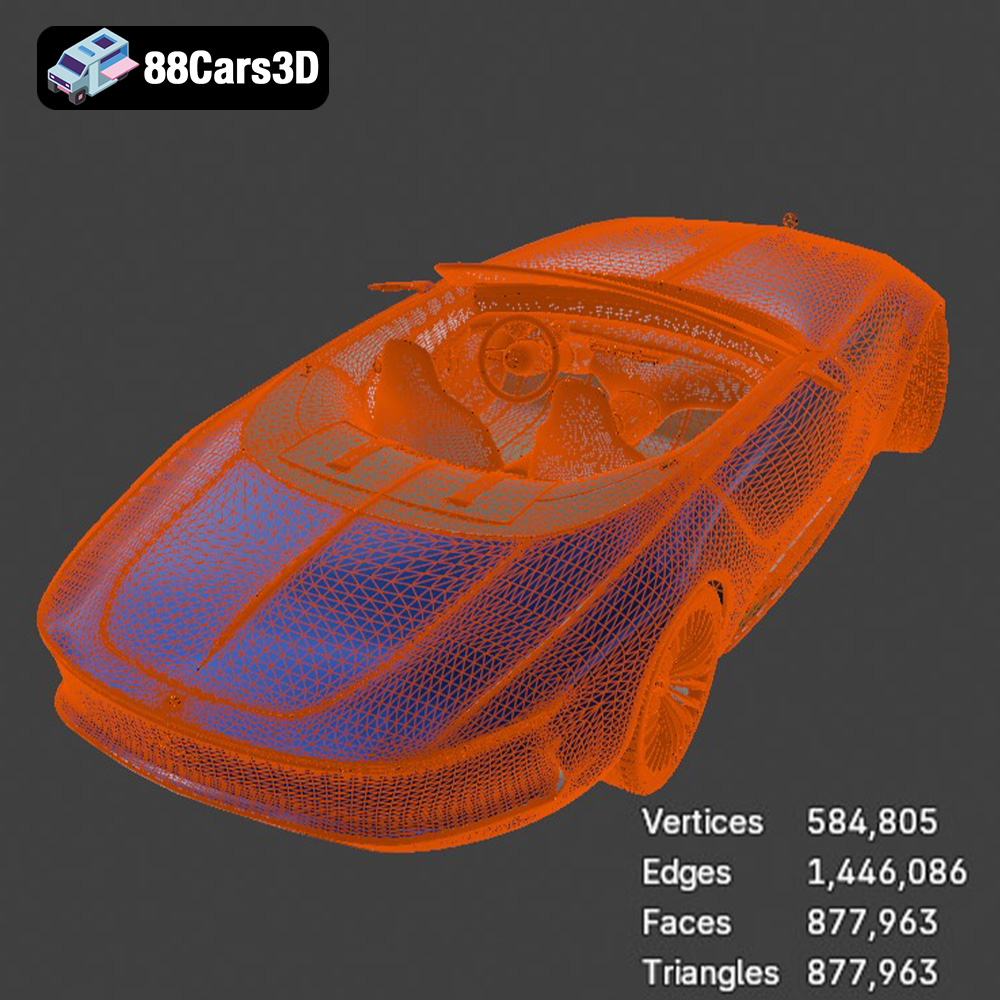
Game engines like Unreal Engine and Unity require assets that are not only visually appealing but also technically optimized. The Vision 6 model, with its approximately 250,000 triangle count, strikes a perfect balance. This polycount is sufficiently detailed for modern console and PC games to look high-end, yet optimized enough to avoid crippling frame rates. The inclusion of .fbx and .unreal formats ensures a smooth import process into these engines. Developers can leverage Unreal Engine’s advanced material system to replicate the car’s luxurious finishes and its robust physics engine for realistic driving dynamics. The proper pivot setup for steering, wheel rotation, and suspension travel is crucial here, allowing for easy integration into vehicle physics systems and animation blueprints.
The “game-ready & optimized” designation for the Vision 6 model is a testament to its careful construction. A polycount of around 250,000 triangles for a hero vehicle is excellent for most modern titles, providing sufficient detail for close-up shots and high-speed gameplay without excessive overhead. For demanding open-world games or racing titles where multiple vehicles are on screen, careful LOD (Level of Detail) implementation might still be used, but the base model provides a superb starting point. The separate wheels, suspension, and steering components are not just for animation; they also allow game developers to implement advanced physics and damage systems with greater control and accuracy, enhancing the overall gameplay experience.
Augmented Reality (AR) and Virtual Reality (VR) are transforming how we interact with digital content, offering immersive experiences that blur the lines between the real and virtual. High-quality, optimized 3D car models are essential for creating believable and engaging AR/VR environments.
The Mercedes-Maybach Vision 6 3D model is ideally suited for creating immersive virtual showrooms. Utilizing the .glb format, developers can build interactive luxury environments where users can explore the car’s design from every angle. Imagine a potential customer virtually walking around the Vision 6, opening its stunning gullwing doors, and stepping inside to experience the 360-degree lounge-like luxury interior. The optimized geometry for first-person POV in gaming directly translates to VR, allowing users to feel truly present within the vehicle. Such virtual showrooms offer an unparalleled level of detail and interaction, far exceeding traditional static imagery.
For mobile AR experiences, efficiency is paramount. The .glb format, with its optimized size and performance, makes the Vision 6 model perfect for applications that allow users to place a virtual Mercedes-Maybach Vision 6 in their real-world environment via their smartphone or tablet. This could be for advertising, product launches, or simply for enthusiasts to visualize the car in their driveway. The model’s real-world scale accuracy ensures that the virtual car appears proportionate and realistic when projected into the physical space, providing a compelling and interactive product demonstration.
The versatility of a high-quality 3D model extends beyond digital screens, venturing into the tangible world through 3D printing. The Mercedes-Maybach Vision 6 2018 3D Model, available in .stl format, allows enthusiasts and designers to bring this futuristic concept car into physical reality.
For designers and hobbyists, the ability to 3D print a detailed model like the Vision 6 is invaluable. It enables the creation of physical prototypes, display models, or collectible figurines. The .stl format triangulates the model’s surfaces, providing the necessary data for 3D slicing software to generate print paths. While the primary model is optimized for rendering and real-time use, the .stl conversion ensures a manifold mesh suitable for fabrication, allowing for a tangible appreciation of the vehicle’s dramatic proportions and aerodynamic design.
To achieve the best results, specific print settings are crucial. For the Mercedes-Maybach Vision 6 3D model, recommended scales like 1:12, 1:18, or 1:24 offer a good balance between detail and print size. Resin printing (SLA/DLP) is highly recommended over FDM for its ability to capture fine details, such as the iconic vertical strut grille, ultra-slim LED headlights, and intricate wheel designs, with greater precision. A layer height of 0.04–0.12 mm further refines surface quality. Supports are essential for overhangs and delicate parts like mirrors and the steering wheel. Post-processing, including sanding, priming, and painting with authentic factory colors or metallic finishes, transforms a raw print into a museum-quality display piece, truly capturing the essence of the luxury concept car.
The true value of a professional 3D asset lies not just in its initial quality but also in its adaptability and ease of integration into existing creative workflows. The Mercedes-Maybach Vision 6 2018 3D Model is engineered for maximum flexibility, empowering artists and developers to customize and animate with ease.
With native .max and .blend files included, the Vision 6 model offers unparalleled access for users of two of the most popular 3D software packages. In 3ds Max, artists can leverage its robust modeling and animation tools to create elaborate scenes, rigging the gullwing doors or setting up complex camera animations for cinematic shots. Similarly, Blender users can take full advantage of its comprehensive toolset, modifying topology, adjusting materials with node-based workflows, and rendering with Cycles or Eevee. This dual native support means minimal conversion issues and maximum creative freedom, allowing artists to work in their preferred environment without compromise.
Beyond basic geometry, the model offers extensive customization options to truly make it your own. Artists can easily change body colors, experimenting with a spectrum of factory colors or custom concept finishes to match specific branding or artistic visions. Modifying tire textures and wheel transparencies allows for nuanced adjustments to realism or stylistic expression. Adjusting material finishes—from a high-gloss metallic to a matte stealth look—can dramatically alter the car’s presence. Even the interior fiber-optic lighting can be adapted, changing its color or intensity to suit different environments or interactive scenarios. These granular controls ensure that the Mercedes-Maybach Vision 6 3D model is not just a static asset but a dynamic canvas for creative expression.
The pursuit of perfection in 3D automotive design requires exceptional assets that marry aesthetic excellence with technical precision. The Mercedes-Maybach Vision 6 2018 3D Model stands as a prime example of such an asset, meticulously crafted to meet the rigorous demands of professional workflows across diverse industries. From breathtaking cinematic renders and high-performance game environments to immersive AR/VR experiences and tangible 3D prints, this model provides an unparalleled foundation for creative projects.
Its optimized topology, comprehensive file format support (including .blend, .fbx, .obj, .glb, .stl, .ply, .unreal, and .max), and detailed features ensure seamless integration and maximum versatility. Whether you’re an automotive visualization specialist, a game developer building a next-gen racing title, or an AR/VR innovator creating a futuristic showroom, investing in high-fidelity 3D car models like the Vision 6 from 88cars3d.com empowers you to push the boundaries of realism and interactivity, bringing your most ambitious visions to stunning digital and physical life.
The Mercedes-Maybach Vision 6 2018 is a breathtaking electric concept car that pays a stunning homage to the glorious age of the aero coupes. It features dramatic, extreme proportions with a massively elongated hood, a sweeping low roofline, and an iconic vertical strut grille inspired by a pinstriped suit. Key visual elements include the striking gullwing doors, ultra-slim LED headlights, an aerodynamic boat-tail rear design, and massive 24-inch transparent aerodynamically optimized wheels. This 3D model boasts exceptional quality with optimized topology (approximately 250,000 triangles), delivering a perfect balance between high visual fidelity and game-ready performance. Whether you are developing a next-gen racing game, creating an interactive AR/VR luxury showroom, or producing cinematic animations, this model provides pristine detailing without compromising rendering speeds. Perfect for luxury car showcases, cinematic rendering, futuristic game environments, and high-end VR configurators.
$39.99
.2018
.blend
.fbx
.glb
.max
.obj
.ply
.rendering
.stl
.unreal
car-3d-model
concept-car
game asset
game-ready
low-poly
luxury car
mercedes-maybach
optimized
vision-6
VR/AR