Driving Innovation: Crafting Immersive Experiences with Premium 3D Car Models
In the dynamic world of digital content creation, the demand for high-quality 3D assets has never been more prevalent. From blockbuster video games to cutting-edge architectural visualizations and immersive AR/VR experiences, meticulously crafted 3D car models serve as the cornerstone for truly captivating visuals. These aren’t just decorative elements; they are intricate digital sculptures, engineered for specific performance parameters, artistic fidelity, and seamless integration across diverse platforms. They allow creators to bring visions to life, prototype designs, and engage audiences in ways previously unimaginable.
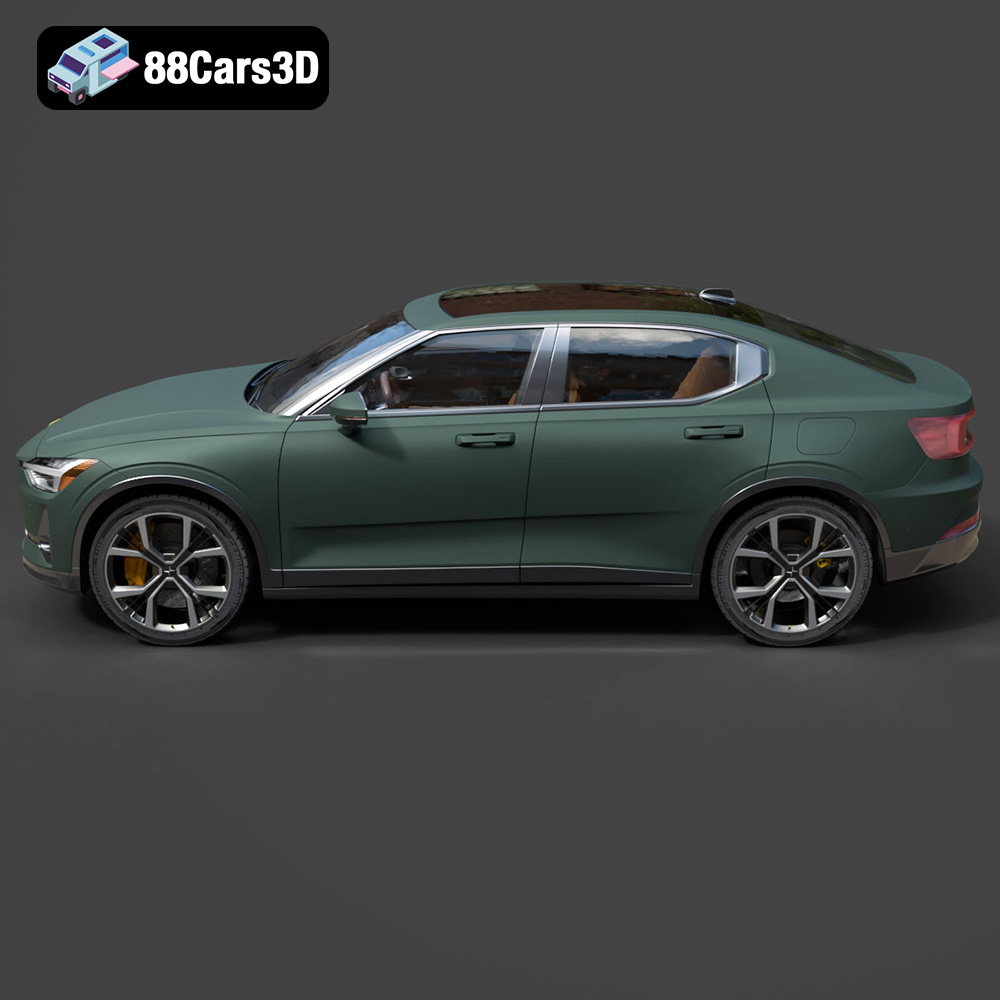
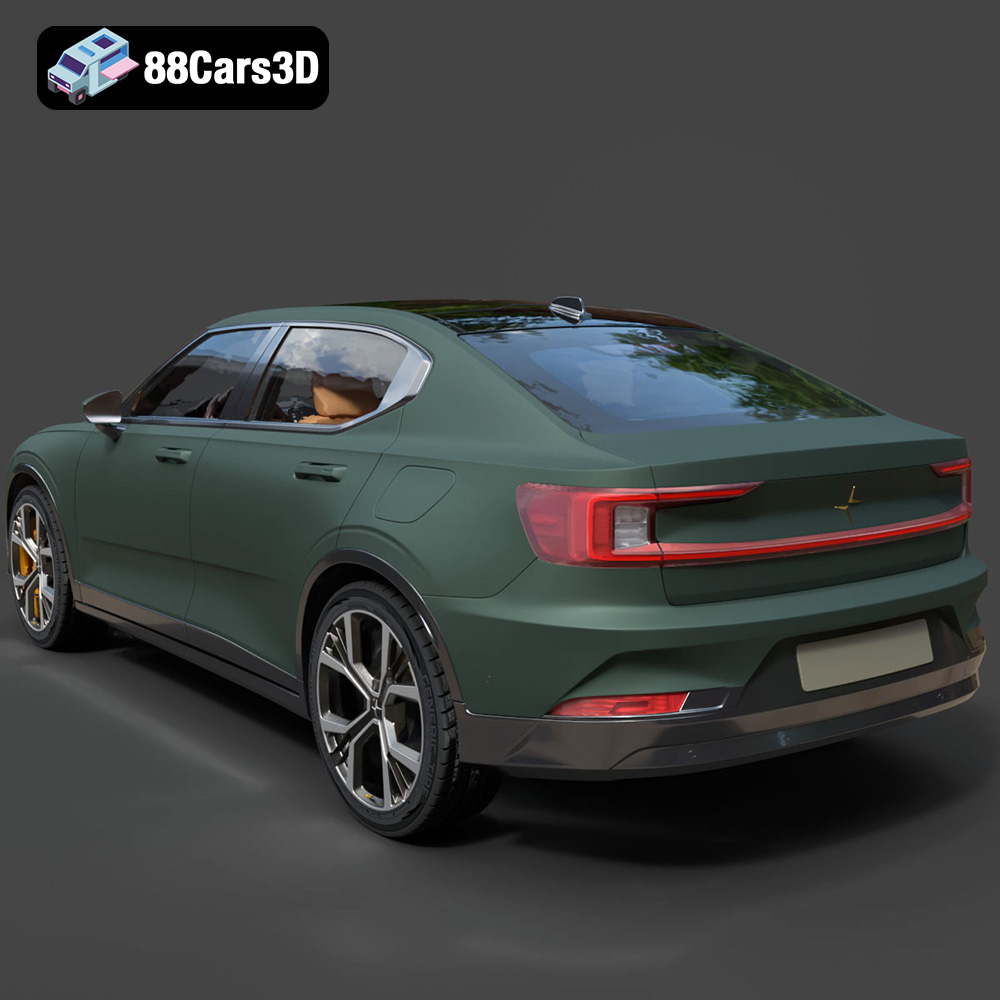
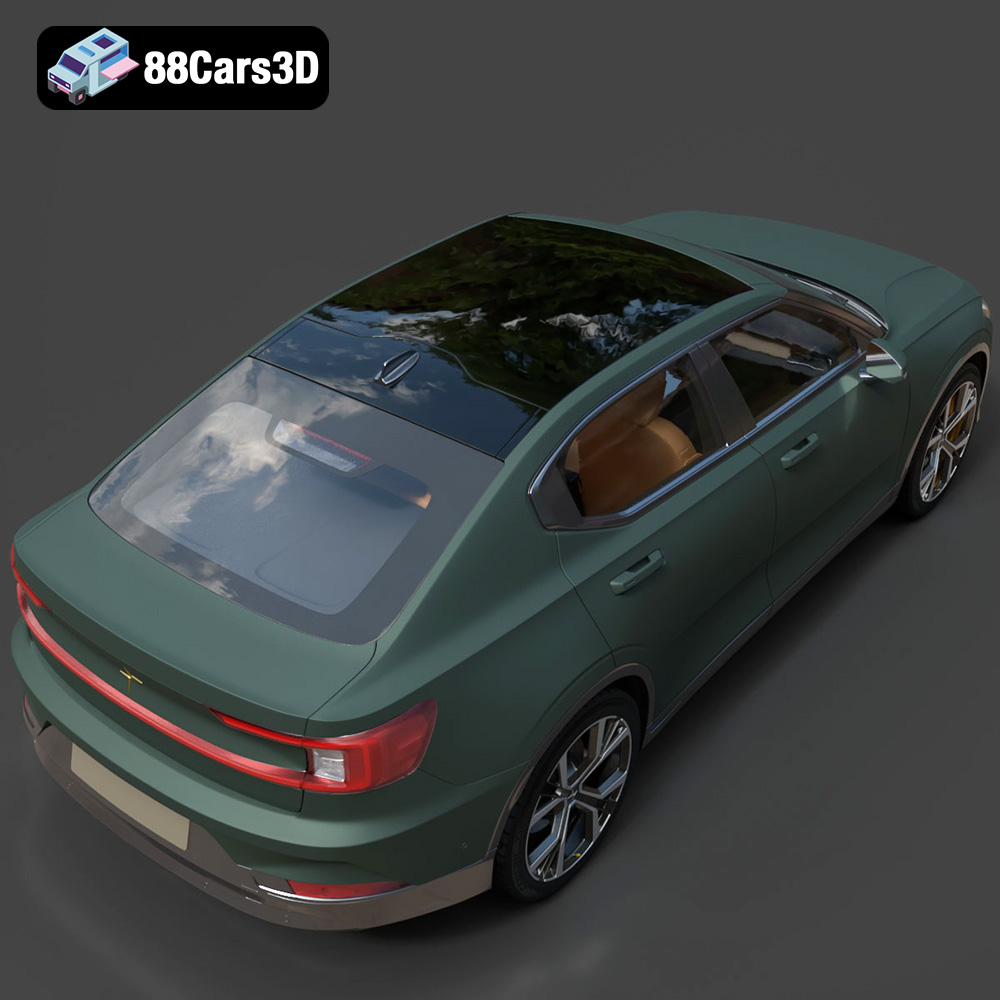
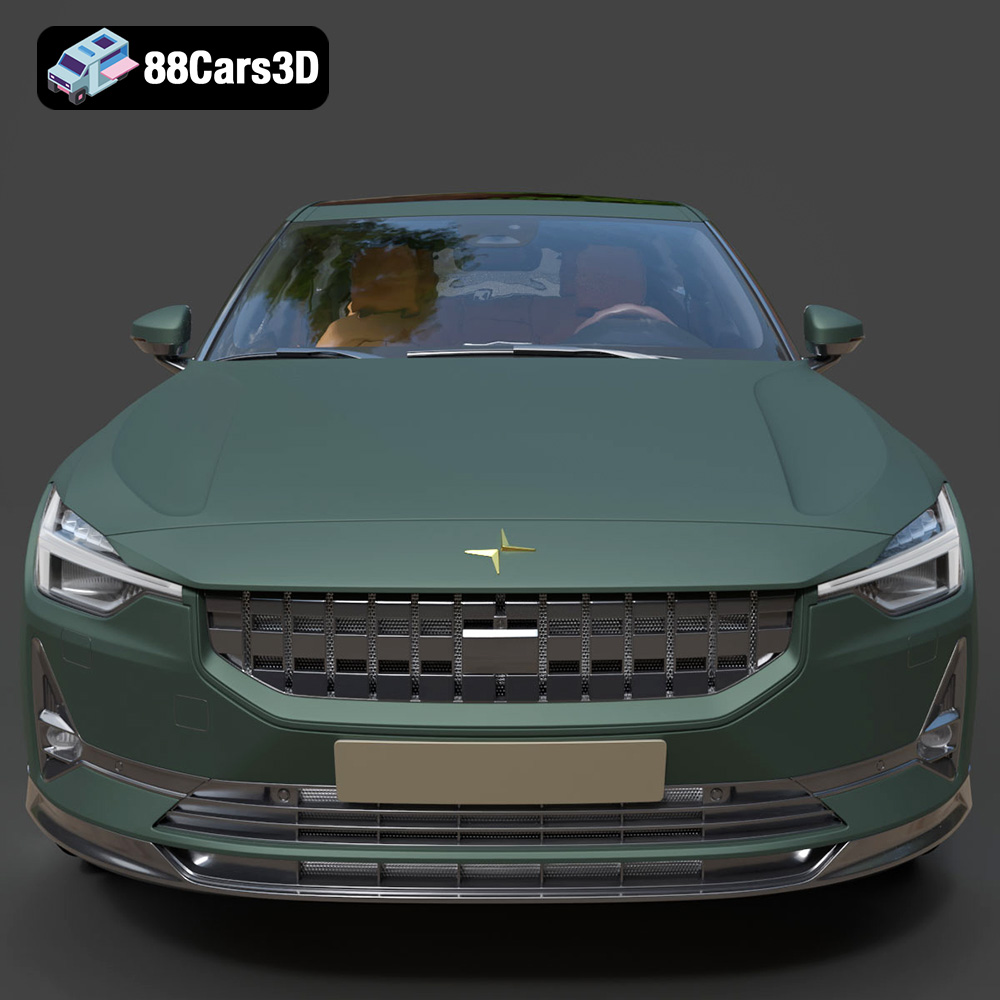
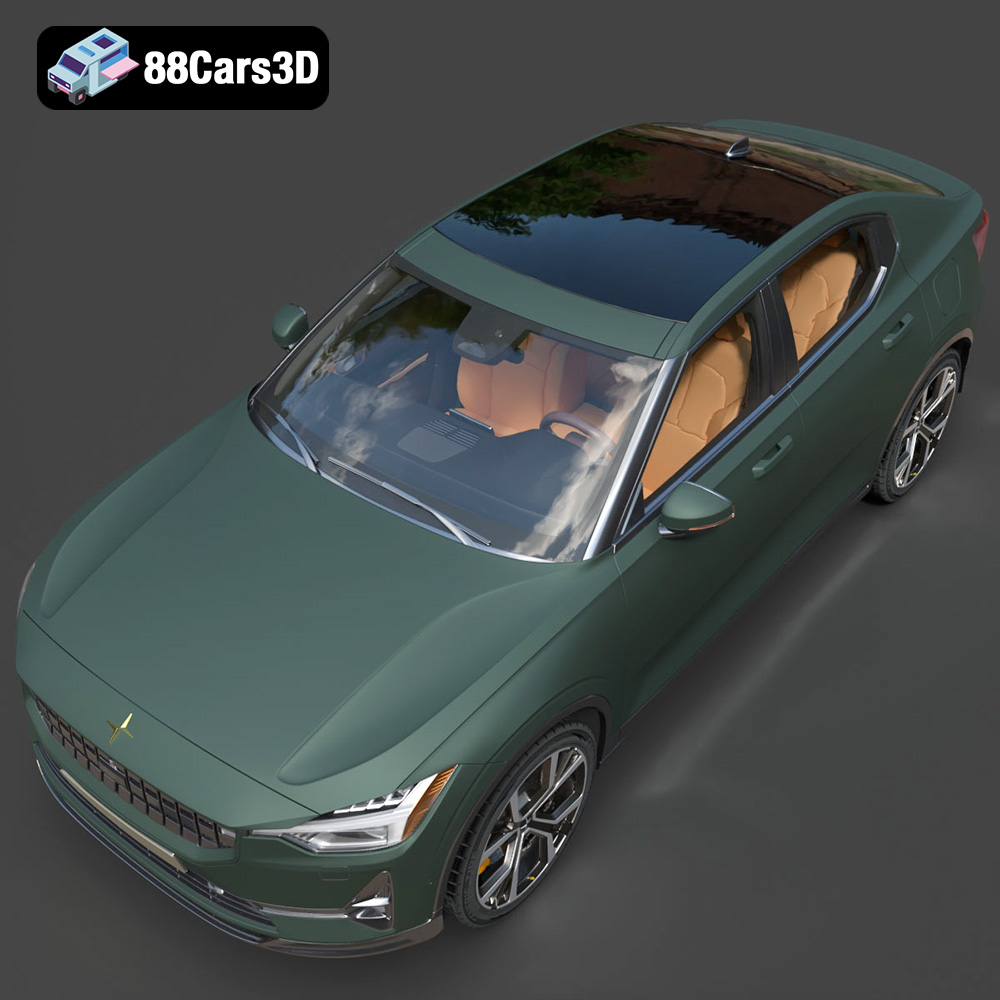
The pursuit of realism and optimization in 3D automotive assets is a continuous journey. Professionals across industries seek models that strike the perfect balance between visual stunningness and technical efficiency. This quest often leads to a specific breed of asset: one that embodies detailed design while maintaining a streamlined polycount, supports advanced rendering techniques, and offers versatility through multiple file formats. A prime example of such a versatile and high-fidelity asset is the Polestar 2 2020 3D Model, a premium all-electric fastback that brings Scandinavian minimalist design and sustainable performance into the digital realm with exceptional detail, available at 88cars3d.com.
The Art and Science of Premium 3D Car Models
Creating a top-tier 3D car model is far more complex than simply extruding shapes. It involves a sophisticated blend of artistic skill, deep technical understanding, and an acute awareness of industry-specific requirements. The goal is always to deliver a model that not only looks authentic but also performs optimally in its intended environment, whether that’s a real-time game engine or a high-resolution render farm.
Beyond Aesthetics: The Technical Backbone of a High-Fidelity Model
The foundation of any premium 3D model lies in its underlying technical structure. This includes several critical aspects:
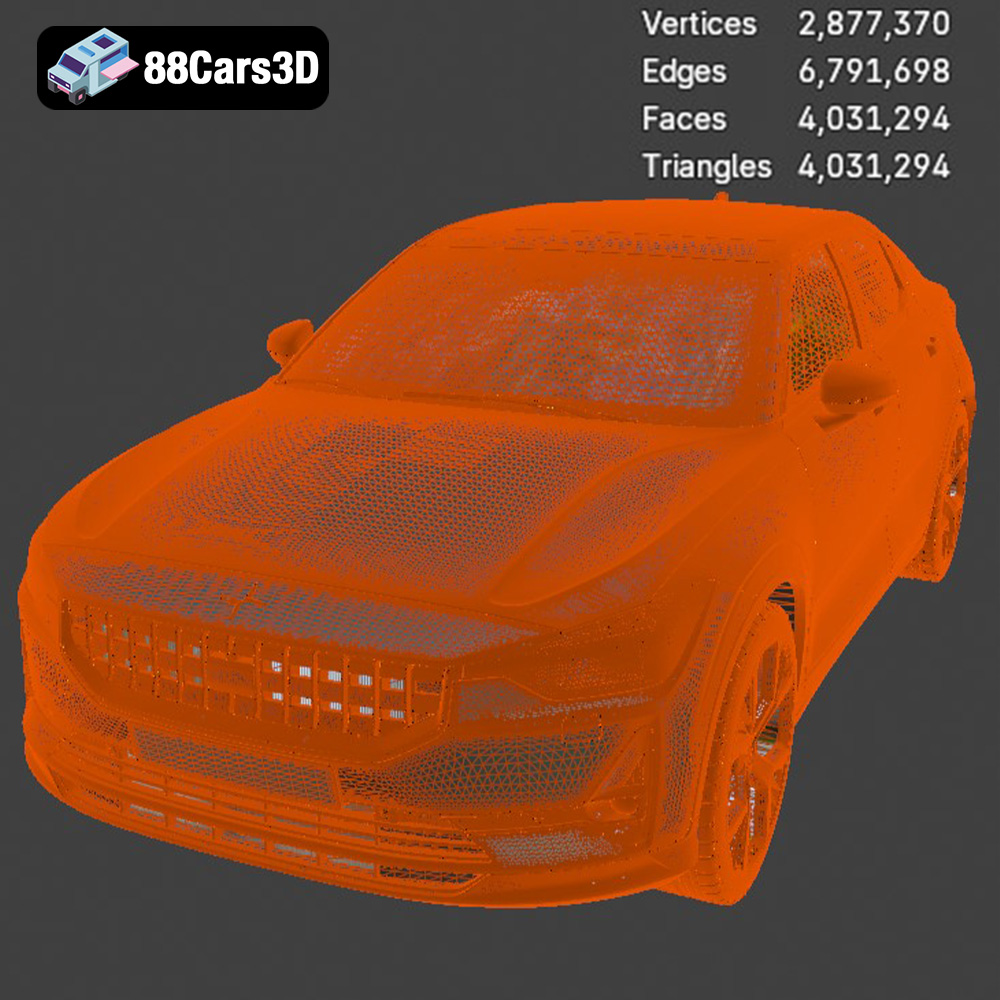
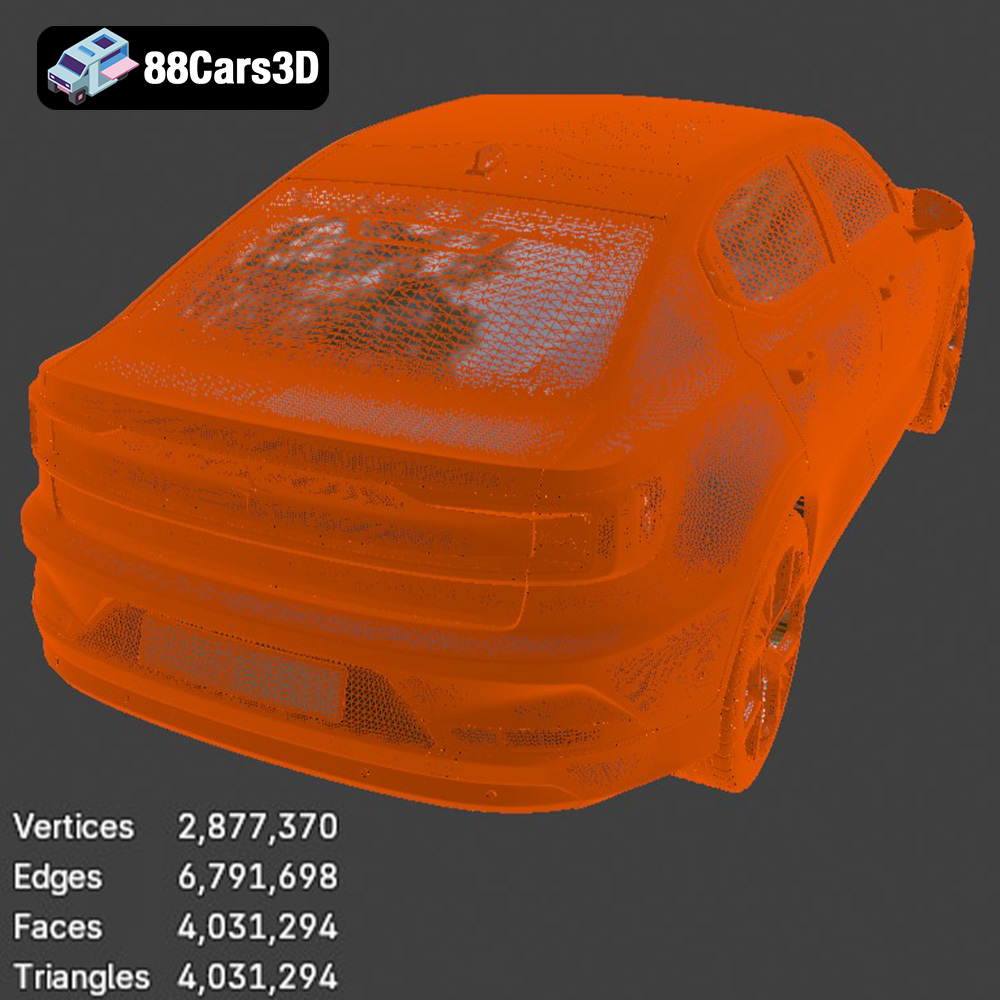
- Optimized Topology: A clean, efficient mesh with well-distributed polygons is crucial. For game engines and real-time applications, a balanced poly count is essential for performance. Too many polygons can bog down a scene, while too few can result in blocky, unrealistic geometry. The Polestar 2 2020 3D Model, with its optimized topology boasting approximately 120,000 triangles, exemplifies this balance, offering rich detail without compromising real-time performance. This allows for smooth frame rates in interactive experiences and efficient rendering in static scenes.
- Accurate UV Mapping: Proper UVs are non-negotiable for applying textures accurately and efficiently. Overlapping UVs or poorly organized UV shells can lead to distorted textures, artifacts, and increased render times. High-quality models feature clean, non-overlapping UV layouts that maximize texture resolution and minimize texture memory usage.
- Physically Based Rendering (PBR) Materials: Modern rendering relies heavily on PBR workflows, which simulate how light interacts with surfaces in the real world. This requires precise material properties such as albedo (base color), roughness, metallicness, normal maps, and ambient occlusion. A premium 3D car model will have PBR materials meticulously crafted to represent everything from glossy paintwork to matte tires and intricate interior fabrics, ensuring consistent and realistic rendering across different lighting conditions and rendering engines.
- Real-World Scale: Maintaining accurate real-world scale is paramount for consistency and realism, especially when integrating models into larger scenes, architectural visualizations, or virtual environments. It ensures that the model interacts correctly with physics simulations and camera perspectives.
Bridging Design and Performance: Why the Polestar 2 Stands Out
The Polestar 2 2020 3D Model is a testament to the seamless integration of detailed design and technical optimization. Its approximately 120,000 triangles strike an ideal balance for real-time engines like Unreal and Unity, while still delivering the high-end visual realism expected from professional applications. This is critical for projects ranging from open-world games and racing titles to immersive AR/VR virtual showrooms and high-fidelity brand campaigns.
The model’s accurate Polestar 2 fastback body geometry, complete with signature pixel LED headlights, a continuous rear lightbar, frameless side mirrors, and aerodynamic alloy wheels, ensures that its distinctive aesthetic is fully captured. Furthermore, the inclusion of separate wheels, suspension, and steering components with proper pivot setup allows for intricate animations and realistic physics simulations, elevating its utility for dynamic scenarios and interactive experiences. The meticulously detailed minimalist Scandinavian vegan interior, featuring an accurately modeled steering wheel, digital instrument cluster, and central infotainment screen, also makes it perfect for first-person perspectives in gaming or detailed interior renders.
Understanding 3D Model File Formats
The selection of the correct file format is a critical decision in any 3D workflow, directly impacting compatibility, functionality, and the overall efficiency of a project. Different formats are optimized for specific use cases, ranging from real-time game engines to high-fidelity rendering, 3D printing, and web-based AR/VR experiences. Understanding their nuances is essential for any professional working with 3D car models. The Polestar 2 2020 3D Model download from 88cars3d.com includes a comprehensive suite of these formats, ensuring maximum versatility.
Universal Compatibility: .FBX and .OBJ
Two of the most widely adopted and fundamental formats for 3D data exchange are FBX and OBJ, each with distinct advantages.
- .fbx – Ideal for Unreal, Unity, and real-time pipelines: Developed by Autodesk, FBX (Filmbox) is a proprietary, binary file format that has become an industry standard for interoperability between 3D applications and game engines. Its primary strength lies in its ability to store a vast array of 3D data beyond just geometry, including animation, skeletal data (bones, skinning), cameras, lights, and PBR material definitions. This makes it invaluable for transferring complex animated assets, such as a rigged car with spinning wheels and working suspension, from a Digital Content Creation (DCC) tool like Blender or 3ds Max directly into game engines like Unreal Engine or Unity. For assets like the Polestar 2 2020 3D Model, FBX ensures that all the crucial animation pivots and material setups are retained, making it truly “game-ready.”
- .obj – Universal format for cross-software compatibility: OBJ (Object) is one of the oldest and most universally supported 3D file formats. It is a simple, text-based format that primarily stores geometric data (vertices, normals, UVs, faces) and references external material files (.mtl). While it doesn’t support animation or rigging, its simplicity and widespread compatibility make it an excellent choice for static meshes or as a robust fallback format when more complex data isn’t required. It’s ideal for ensuring that a model like the Polestar 2 can be opened and worked with in virtually any 3D software without issues, even if some advanced features need to be recreated.
Native and Specialized Formats: .Blend, .Max, .Unreal, .GLB, .STL, .PLY
Beyond the universal formats, several others cater to specific software ecosystems or specialized applications.
- .blend – Fully editable Blender scene with materials: This is Blender’s native file format, storing an entire Blender scene, including geometry, materials, textures, lighting, cameras, animation, and modifiers. For users of Blender, having the .blend file for the Polestar 2 2020 3D Model offers unparalleled flexibility to dissect, modify, and integrate the model directly within their preferred environment, leveraging Blender’s powerful toolset.
- .max – Editable 3ds Max project for animation and rendering: Similarly, .max is the native file format for Autodesk 3ds Max. It stores a complete 3ds Max scene, preserving all layers, hierarchies, modifiers, animation paths, and rendering settings. Professionals using 3ds Max for architectural visualization, high-end automotive rendering, or complex animation sequences will find the .max file essential for detailed customization and integration.
- .unreal – Engine-ready asset for real-time environments: While not a single universal format, an “.unreal” asset typically refers to a packaged asset (often a .uasset file) specifically prepared and optimized for direct import into Unreal Engine. These assets can include not only the mesh but also pre-configured materials, textures, collision setups, and even blueprints, streamlining the integration process for game developers and real-time artists. For the Polestar 2, this means a significantly reduced setup time within an Unreal project.
- .glb – Optimized for AR, VR, and browser-based display: GLB (GL Transmission Format Binary) is an increasingly popular format, especially for web-based 3D applications, augmented reality (AR), and virtual reality (VR). It’s a single-file, binary container that efficiently packages 3D model data, including geometry, materials, textures, and animations, into a compact, web-ready format. Its optimization for efficient loading and rendering makes it perfect for displaying the Polestar 2 in online configurators, mobile AR apps, or interactive web experiences.
- .stl – Suitable for 3D printing output: STL (Stereolithography) is the de facto standard file format for 3D printing. It represents a 3D model as a raw, unstructured triangular mesh, defining only the surface geometry without color, texture, or other CAD attributes. While simple, its universal acceptance by 3D printers and slicing software makes it indispensable for transforming digital models, such as the Polestar 2, into physical objects. The provided Polestar 2 2020 3D Model is convertible to .stl for display-scale hobbyists, allowing for tangible recreations.
- .ply – Precision mesh format for CAD or analysis: PLY (Polygon File Format) is a file format designed to store 3D data from 3D scanners. It supports a wide range of properties, including color, transparency, surface normals, and confidence values, making it useful for scientific applications, CAD, and precise geometric analysis where detailed mesh information is crucial. For intricate models, PLY can offer a level of precision that other formats might simplify.
Each format offers specific advantages, and the inclusion of this diverse range for the Polestar 2 2020 3D Model underscores its adaptability for virtually any professional pipeline.
Elevating Visuals: Automotive Rendering and Visualization Workflows
In the competitive automotive industry, impactful visuals are paramount. 3D car models are no longer just tools for designers; they are critical assets for marketing, sales, and conceptualization. High-quality assets like the Polestar 2 2020 3D Model enable studios to produce stunning visuals that resonate with audiences.
From Concept to Campaign: Leveraging 3D Models in Advertising
Automotive rendering plays a crucial role in bringing new vehicles to market long before physical prototypes exist. Using 3D models, artists can create hyper-realistic images and animations for advertising campaigns, brochures, and online configurators. Workflows often involve:
- Studio Lighting Setup: Replicating professional photography studios in a 3D environment, using virtual lights (area lights, dome lights, IES profiles) to highlight the car’s form and reflections. The sleek, minimalist design of the Polestar 2, with its signature pixel LED headlights and continuous rear lightbar, truly shines under precise studio lighting.
- Environment Integration: Seamlessly placing the 3D car model into photorealistic backplates or full 3D environments. This could range from bustling cityscapes to serene natural landscapes, or sophisticated architectural settings, all enhanced by accurate shadow casting and reflection matching.
- Material Refinement: Adjusting PBR materials to perfection, from the metallic flakes in the paintwork to the subtle textures of the vegan interior. Customization options like changing body colors (e.g., Snow, Thunder, Magnesium, or bespoke finishes) and adjusting material finishes (matte, gloss, metallic) for the Polestar 2 model provide immense creative control for diverse campaigns.
This allows agencies to generate visually striking content efficiently, experimenting with endless scenarios without the logistical complexities and costs of physical photoshoots.
Real-Time Ray Tracing and Advanced Shading in Action
With advancements in GPU technology and rendering engines, real-time ray tracing has revolutionized automotive visualization. Engines like Unreal Engine, combined with high-quality 3D car models, can produce cinematic-quality renders interactively.
- Dynamic Lighting and Reflections: Real-time ray tracing provides incredibly accurate global illumination, reflections, and refractions. This means the Polestar 2 3D model will reflect its virtual environment with breathtaking realism, its glossy surfaces picking up every nuance of its surroundings, enhancing the perception of depth and material quality.
- Advanced Shading Models: Modern engines support complex material setups that simulate intricate properties like clear coat layers, anisotropic reflections, and subsurface scattering, crucial for rendering authentic car paint, glass, and interior materials. The detailed cockpit and interior features of the Polestar 2 model, from the digital instrument cluster to the geometric gear selector, benefit immensely from these advanced shading techniques, creating an immersive experience even in real-time.
These technologies make premium 3D car models indispensable for virtual product launches, interactive configurators, and high-fidelity training simulations, offering an unparalleled level of visual fidelity.
Game Development and Interactive Experiences: The Power of Optimized Assets
The gaming industry continually pushes the boundaries of realism and interactivity. For vehicle-centric games, the quality of 3D car models directly impacts player immersion and game performance. Optimized assets are the backbone of fluid and visually stunning interactive experiences.
Building Immersive Worlds: Integrating Game-Ready Car Assets
Game developers face the constant challenge of balancing visual fidelity with performance constraints. This is where “game-ready” assets like the Polestar 2 2020 3D Model prove invaluable:
- Polycount Optimization: As discussed, the ~120,000 triangle count of the Polestar 2 model is a sweet spot for real-time engines, allowing for detailed visuals without excessive computational overhead. This is vital for maintaining high frame rates in open-world games and racing titles where multiple vehicles might be on screen simultaneously.
- LOD (Level of Detail) Systems: For larger game worlds, models often require multiple levels of detail. While the Polestar 2 model itself is optimized, game engines will further generate or utilize artist-provided LODs that automatically swap lower-polygon versions of the car as it moves further from the camera, conserving resources without noticeable visual degradation.
- Collision Meshes: Beyond the visual mesh, game assets require simplified collision meshes for accurate physics and interaction with the environment. The Polestar 2 model’s real-world scale accuracy and proper pivot setup (for steering, wheel rotation, and suspension travel) are foundational for creating realistic physics behavior in simulators.
- Material Instance Creation: In engines like Unreal, base materials are often turned into customizable instances, allowing developers to quickly iterate on different body colors, tire textures, or material finishes (matte, gloss, metallic) for various in-game variants of the Polestar 2, enhancing customization options for players.
The Future of Interaction: AR/VR with High-Fidelity Vehicles
Augmented Reality (AR) and Virtual Reality (VR) are transforming how we interact with products, especially in automotive sales and marketing. High-fidelity 3D car models are at the core of these immersive experiences:
- Virtual Showrooms and Configurators: Imagine stepping into a VR showroom and interacting with a Polestar 2 2020 3D Model, changing its color, opening doors, and even “sitting” inside the detailed minimalist cockpit. AR apps allow customers to place the virtual car in their driveway, seeing it in real-world scale before making a purchase decision. The model’s optimized geometry and detailed interior make it perfect for such immersive applications.
- Training and Simulation: For automotive technicians or autonomous driving developers, VR simulations built with accurate 3D models can provide invaluable training environments, allowing for safe and cost-effective practice.
- Mobile AR Experiences: Optimized formats like .glb are crucial here, enabling the Polestar 2 model to be quickly loaded and displayed on smartphones and tablets, offering engaging and accessible AR content to a wider audience.
Beyond the Screen: 3D Printing and Physical Prototyping
While much of the discussion around 3D car models focuses on digital applications, their utility extends into the physical world through 3D printing. This capability transforms digital designs into tangible objects, serving hobbyists, designers, and engineers alike.
From Digital Mesh to Tangible Model: The 3D Printing Pipeline
Converting a sophisticated digital model like the Polestar 2 2020 into a physical object requires specific steps and considerations, primarily utilizing the .stl file format.
- STL Conversion: The process begins by converting the 3D model into an .stl file, which triangulates the surface geometry. While the Polestar 2 3D Model is game-ready, ensuring manifold geometry (no holes or non-intersecting faces) is critical for a successful STL conversion suitable for 3D printing.
- Scale and Resolution: The product description recommends scales of 1:12, 1:18, or 1:24. Selecting the appropriate scale impacts print time, material usage, and the level of detail that can be resolved. Layer height, particularly in resin printing (recommended for fine details), dictates the smoothness of the surface, with 0.04–0.12 mm being ideal for preserving intricacies like the signature pixel LED headlights and interior elements.
- Structural Integrity: Wall thickness (1.2–2.0 mm) and infill (20–30%) are crucial for the physical strength of the printed model. The recommendation to print the frame angled for structural integrity and wheels separately indicates a well-thought-out approach to ensure a robust final product.
- Supports: Detailed parts such as mirrors, lightblades, and the steering wheel often require support structures during printing to prevent sagging and ensure accuracy. Modern slicer software, in conjunction with the inherent clean geometry of the Polestar 2 3D Model, can effectively generate these supports.
Customization and Finishing for a Professional Result
3D printing is not the final step; post-processing is key to achieving a professional, display-worthy model.
- Post-processing Techniques: This includes removing supports, sanding to smooth layer lines, and applying primer to create an even surface for painting. For a high-quality finish, multiple rounds of sanding and priming may be necessary.
- Authentic Finishes: Painting the printed Polestar 2 model with authentic factory colors (like Snow, Thunder, Magnesium) and metallic finishes brings the physical model to life, mirroring the digital asset’s fidelity. This attention to detail transforms a raw print into a collector’s item or a high-quality prototype.
- Assembly: Printing components like wheels separately allows for greater detail and easier post-processing before final assembly, contributing to a more refined and realistic miniature.
This fusion of digital precision and physical craftsmanship showcases the holistic value of a premium 3D car model, extending its use beyond the virtual realm.
Mastering the Workflow: Integrating the Polestar 2 2020 3D Model into Your Projects
The true power of a versatile 3D asset lies in its seamless integration into various professional workflows. Whether you’re a seasoned artist in Blender, a visualization specialist in 3ds Max, or a game developer in Unreal Engine, the Polestar 2 2020 3D Model is designed to fit right in, accelerating your creative process.
Blender & 3ds Max: Artistic Control and Precision Modeling
For those working in Digital Content Creation (DCC) applications, the native .blend and .max files offer maximum flexibility and control.
- Import and Scene Setup: Directly opening the .blend or .max file provides access to the full scene setup, including materials, UVs, and object hierarchies. This allows artists to easily inspect the model’s topology, modify elements, or even animate individual components like doors, steering, and suspension. The separate wheels, suspension, and steering components of the Polestar 2 model are perfectly set up for this, enabling realistic drive cycles or interactive animations.
- Material Refinement and Shading: Leveraging the powerful material editors in Blender (Cycles/Eevee) or 3ds Max (V-Ray/Corona/Arnold), artists can fine-tune the PBR materials. This includes adjusting reflections, adding dirt maps, or even swapping out interior fabrics to match specific project requirements. The Polestar 2 model’s foundation makes this customization straightforward, allowing for rapid iteration on visual styles.
- Rigging and Animation: For animated sequences, the model’s clean mesh and separated parts are ideal for rigging. You can create a full car rig to control steering, wheel rotation, suspension compression, and even opening/closing doors, bringing the vehicle to life in cinematic renders or product showcases.
Unreal Engine: Real-Time Performance and Dynamic Environments
Unreal Engine is a powerhouse for real-time visualization, gaming, and interactive experiences. The Polestar 2 2020 3D Model, especially in its .fbx or .unreal format, is designed for optimal performance within this environment.
- Streamlined Import: Importing the .fbx file into Unreal Engine is typically a drag-and-drop process. The engine intelligently imports meshes, basic materials, and skeletal data (if included). For the Polestar 2, the “game-ready & optimized” nature means less post-import cleanup.
- Material Instance Creation: Once imported, artists can convert the base materials into material instances. This allows for quick, non-destructive variations in color, roughness, or metallic properties, facilitating rapid prototyping of different car finishes or dynamic in-game customization. For instance, creating instances for the Polestar 2’s body allows you to switch between factory EV colors like Snow and Thunder in real-time.
- Physics and Interaction Setup: Utilizing Unreal’s Chaos Vehicle physics system, the Polestar 2 can be set up as a drivable vehicle with realistic handling. The model’s real-world scale and proper pivot points are crucial for accurate wheel rotation, suspension travel, and collision detection, making it an excellent asset for racing games or vehicle simulators.
- Lighting and Environment Integration: Placing the Polestar 2 into a virtual environment in Unreal, artists can harness Lumen (global illumination) and Nanite (virtualized geometry) for incredible fidelity. Experiment with dynamic lighting setups, reflections from the environment on the car’s sleek surfaces, and integrate it into architectural visualizations or cinematic sequences with ease.
The versatility of this premium 3D car model from 88cars3d.com ensures that whether your project demands high-fidelity rendering or optimized real-time performance, the Polestar 2 is ready to integrate and elevate your vision.
Conclusion
The landscape of 3D content creation is continuously evolving, placing increasing demands on the quality, versatility, and technical integrity of digital assets. From high-impact automotive rendering and immersive game development to the tangible possibilities of 3D printing, a premium 3D car model is an indispensable tool for professionals. It empowers creators to push boundaries, streamline workflows, and deliver experiences that resonate with their audiences.
The Polestar 2 2020 3D Model exemplifies this new standard. Its meticulous detail, optimized topology for real-time performance, and comprehensive suite of file formats make it an exceptionally versatile asset. Whether you are crafting a hyper-realistic advertising campaign, building an open-world racing game, developing an interactive AR/VR showroom, or even producing a physical scale model, this 3D model provides the foundational quality needed to achieve outstanding results. Investing in such a high-caliber asset significantly reduces development time and ensures a consistent, professional outcome across diverse applications. Explore this exceptional model and a wide range of other premium 3D car models at 88cars3d.com to bring your creative projects to life with unparalleled quality.
Featured 3D Model
Polestar 2 2020 3D Model Download STL FBX OBJ GLB Blend
Discover the sleek and innovative Polestar 2 2020, a premium all-electric fastback that redefines Scandinavian minimalist design and sustainable performance. This cutting-edge EV features iconic visual elements such as signature pixel LED headlights, a striking full-width taillight blade, frameless mirrors, and a distinctively aerodynamic profile that sets it apart in the modern electric vehicle market. This premium 3D model boasts an optimized topology with an estimated triangle count of 120,000, striking the perfect balance between high-end visual fidelity and game-ready performance. Crafted with exceptional attention to detail, it is perfectly suited for high-end game development, interactive AR/VR experiences, animation, and hyper-realistic visualization. Perfect for urban racing games, sustainable tech showcases, architectural visualizations, and virtual showrooms.
$39.99
View This Model
Related Tags
.blend
.ev
.fastback
.fbx
.glb
.max
.obj
.ply
.polestar
.rendering
.stl
.unreal
car-3d-model
electric-car
game asset
game-ready
low-poly
optimized
polestar-2
VR/AR