Get 20% OFF All Premium 3D & STL Models!

In today’s visually driven world, the demand for stunning, authentic digital content has never been higher. From blockbuster films and immersive video games to intricate product visualizations and cutting-edge architectural walkthroughs, 3D assets form the bedrock of compelling experiences. The quality of these assets directly impacts the realism, performance, and overall impact of a project. Professional creators, designers, and developers understand that starting with a meticulously crafted 3D model is not just a preference, but a critical necessity for achieving excellence.
Whether you’re crafting a high-fidelity automotive rendering for a marketing campaign or building a vast open-world environment for a game, authenticity is paramount. Generic, low-quality models can quickly break immersion, detract from your artistic vision, and ultimately undermine the perceived value of your work. True realism comes from models that boast clean geometry, accurate proportions, and meticulously textured materials, capturing the nuances of their real-world counterparts. This attention to detail is what elevates a project from merely functional to truly extraordinary.
The journey from a conceptual idea to a tangible digital asset can be arduous and time-consuming. Building a complex 3D car model, for instance, from scratch requires extensive technical skill, artistic talent, and hours upon hours of dedicated work. For many professionals, time is a precious commodity, and the ability to access pre-built, high-quality 3D assets significantly accelerates production pipelines. These ready-to-use solutions allow artists and developers to focus their energy on creative direction, scene composition, and dynamic storytelling, rather than getting bogged down in the intricacies of asset creation.
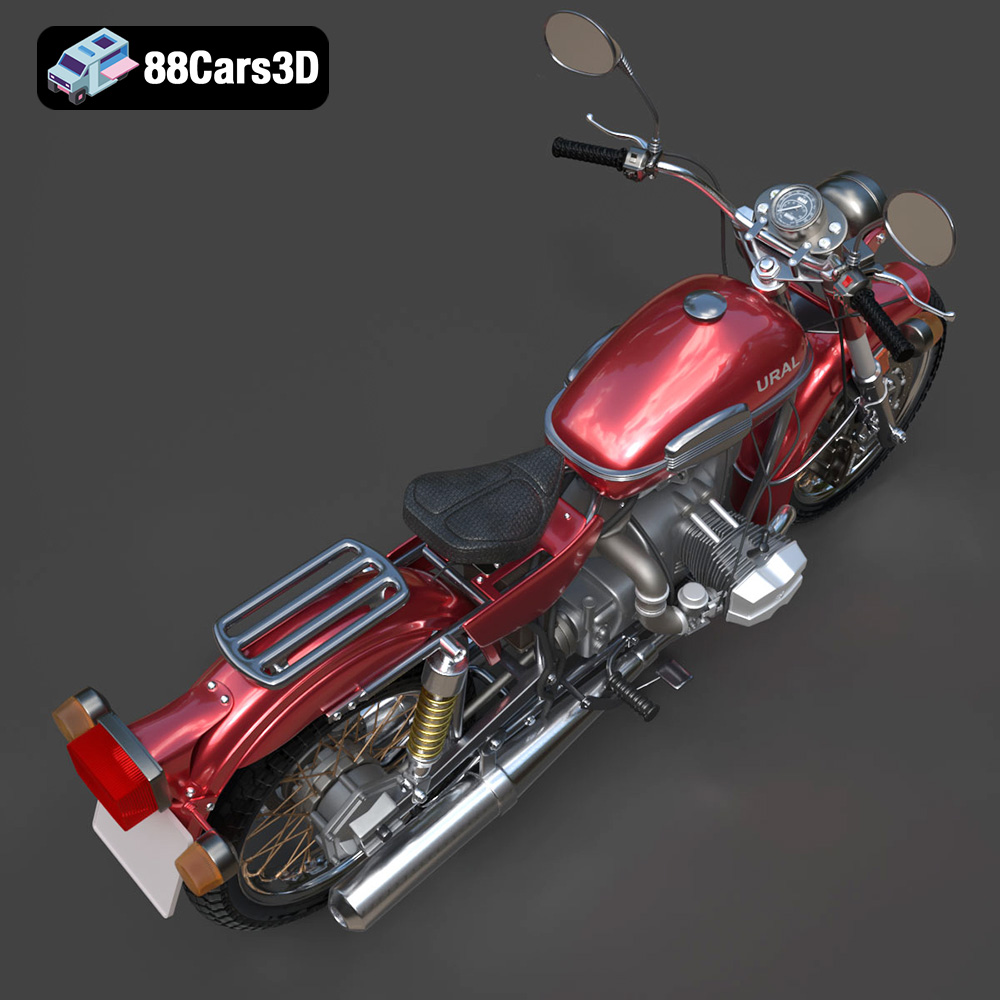
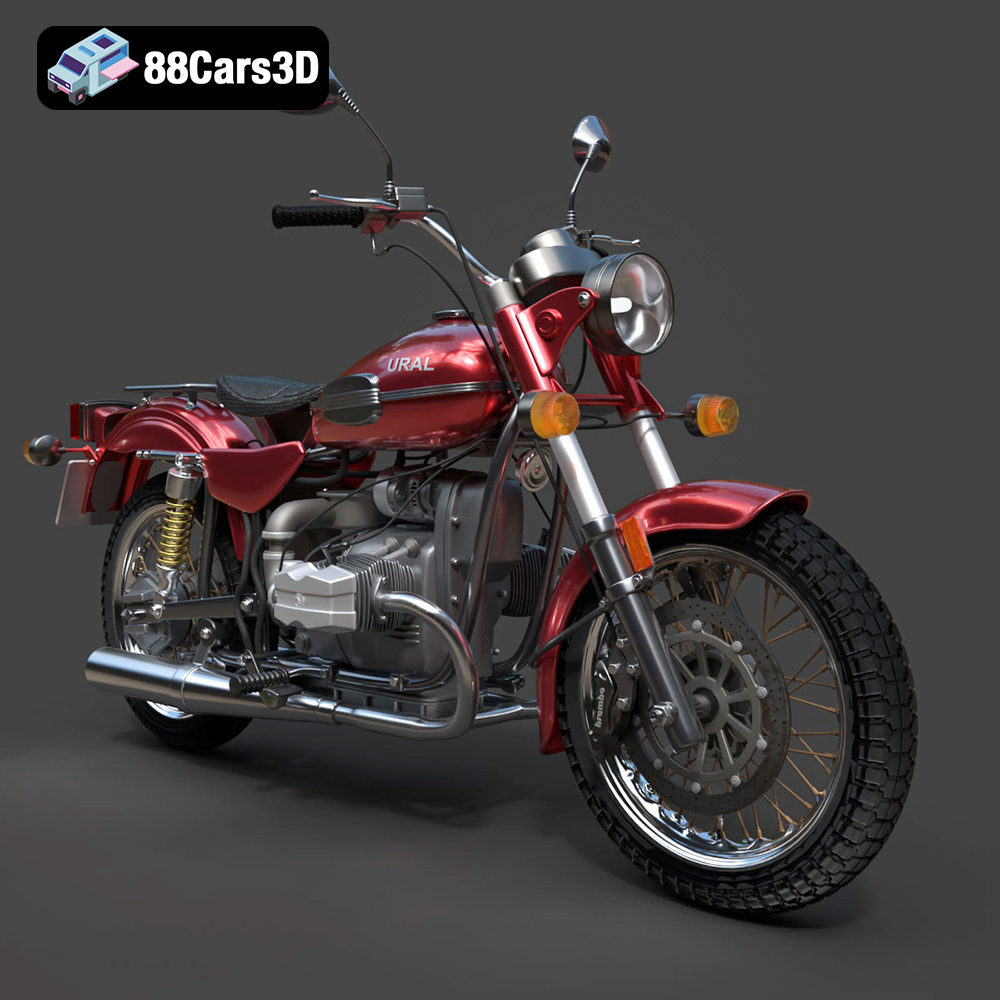
This is precisely where platforms like 88cars3d.com come into play, offering a curated selection of premium 3D models designed to meet the rigorous standards of professional production. Among their diverse offerings, the Ural Solo sT 3D Model stands out as a prime example of exceptional detail and versatility. This model isn’t just a static representation; it’s a meticulously engineered digital asset ready to be integrated into a multitude of demanding digital pipelines, from automotive rendering to game development and AR/VR experiences. Its structural precision and authentic design provide a robust foundation for any project requiring a touch of rugged realism.
The world of 3D modeling is rich with diverse file formats, each serving specific purposes, workflows, and software ecosystems. Understanding these formats is crucial for any professional working with 3D assets, as selecting the right one can significantly impact compatibility, performance, and the fidelity of your final output. The Ural Solo sT 3D Model, for instance, is offered in a comprehensive range of formats, ensuring its adaptability across virtually any professional pipeline.
The .blend format is Blender’s native file type, encapsulating an entire Blender scene with all its components: meshes, materials, textures, lighting, cameras, animations, physics simulations, and even custom scripts. For users deeply integrated into the Blender ecosystem, a .blend file offers maximum flexibility. When you acquire a .blend version of a model like the Ural Solo sT, you gain access to the original project file, allowing for full editability. You can dissect its clean topology, understand its material setup, modify the lighting, or even re-rig it for custom animations. This format is ideal for artists who wish to deeply customize the asset or integrate it seamlessly into existing Blender projects without any loss of data or integrity.
The .fbx (Filmbox) format is an industry-standard proprietary format developed by Autodesk, widely used for interoperability between different 3D software applications and especially prevalent in game development. It can store a wide array of 3D data, including geometry, materials (with some limitations), animations, skeletons, and blend shapes. Its robust support for animations and hierarchical structures makes it the go-to choice for transferring animated characters and complex scenes into game engines like Unreal Engine and Unity. The Ural Solo sT 3D Model’s .fbx version is explicitly designed to be game-engine ready, pre-optimized for real-time performance. Conversely, .obj (Wavefront OBJ) is a more universal, simpler format primarily for exchanging static 3D geometry and basic material information. It’s highly compatible with almost all 3D software, making it an excellent fallback for cross-software compatibility when complex animations or advanced material properties aren’t critical. While it doesn’t support animations, its simplicity ensures broad acceptance and ease of use.
.glb (GL Transmission Format Binary) is an increasingly important format, particularly for modern web-based 3D, AR, and VR applications. It’s a binary version of the glTF format, designed for efficient transmission and loading of 3D scenes and models. .glb files are optimized for fast loading and rendering on the web and mobile devices, often containing geometry, materials, textures, and animations in a single, compact file. Its efficiency makes it perfect for displaying the Ural Solo sT in augmented reality apps or on interactive websites. For additive manufacturing, .stl (STereoLithography) is the undisputed standard. It represents a 3D model as a collection of unconnected triangular facets. While it carries no color or texture information, its simplicity makes it universally compatible with 3D printers and slicing software. The Ural Solo sT’s .stl version would be perfectly suited for creating a physical prototype or collectible model. Finally, .ply (Polygon File Format) is a precise mesh format capable of storing highly detailed information, including color per vertex, normal information, and additional data. It’s often used for scanner data, scientific visualization, and applications requiring high precision, making it suitable for detailed analysis or CAD integration of models like the Ural Solo sT.
The .unreal format refers to assets specifically configured and optimized for direct import into Unreal Engine. While typically not a standalone file type like .fbx, it signifies that the asset package includes all necessary components (meshes, textures, materials, collision data, LODs) structured for seamless integration into Unreal projects. This saves significant setup time for game developers. Similarly, .max is the native file format for Autodesk 3ds Max. Like .blend for Blender, it contains the complete scene data, including all object properties, modifiers, animation curves, lighting setups, and render settings. For professionals working within a 3ds Max pipeline, the .max version of the Ural Solo sT 3D Model offers the highest degree of control and editability, enabling advanced rendering, animation, and scene composition without compromise. These proprietary formats ensure maximum fidelity and functionality within their respective software environments, catering to the most demanding professional workflows.
The true value of a premium 3D model, such as the Ural Solo sT available on 88cars3d.com, lies deep within its technical specifications. It’s not just about what you see on the surface, but the underlying structure and meticulous preparation that ensure its performance, versatility, and longevity across various digital applications. This section delves into the core technical aspects that define a high-quality asset.
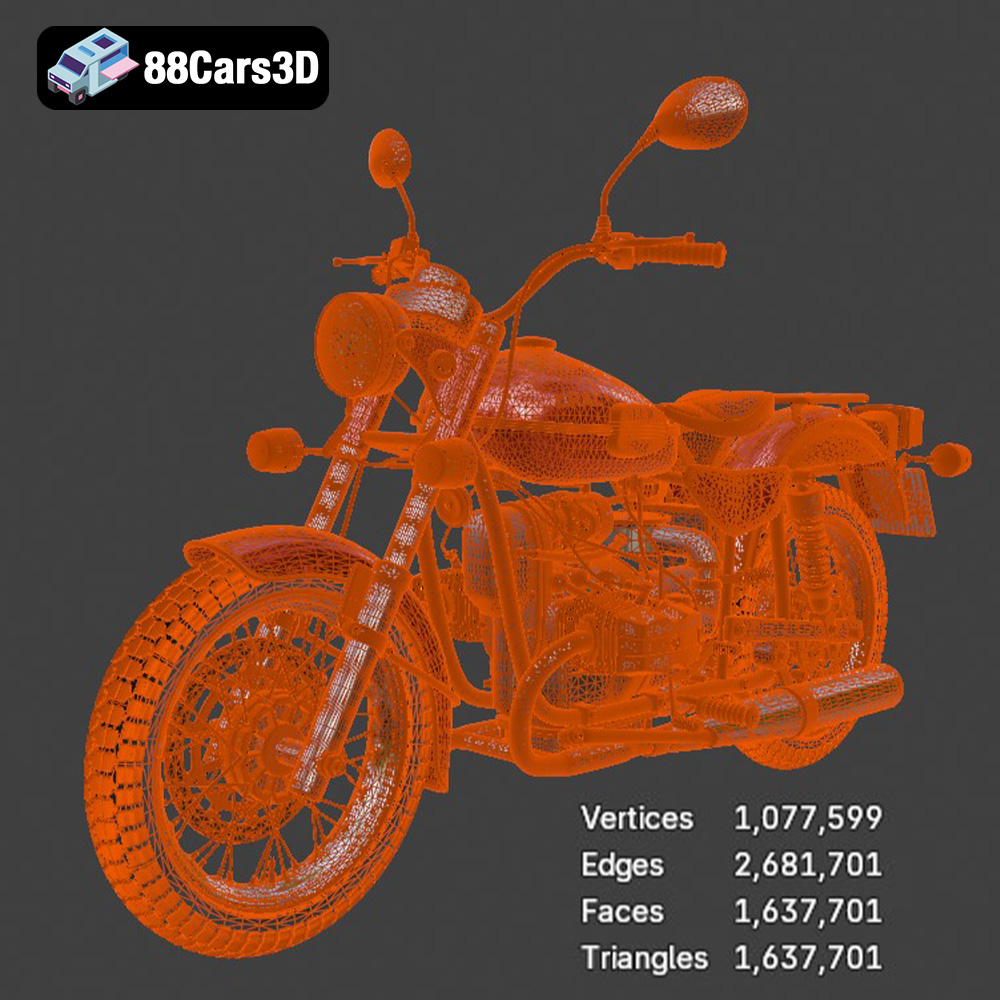
At the heart of any 3D model is its geometry – the collection of vertices, edges, and faces that define its shape. For the Ural Solo sT 3D Model, this means a clean, optimized topology. “Clean topology” refers to a mesh that is well-structured, primarily using quads (four-sided polygons) where possible, which allows for smooth deformation during animation and flawless subdivision for high-resolution rendering. An ideal model strikes a balance in its poly count: detailed enough to capture intricate features for close-up shots, yet optimized to perform efficiently in real-time environments like game engines. Excessive polygons can bog down performance, while too few can result in a blocky, unrealistic appearance. The Ural Solo sT is built to deliver authentic structural precision without compromising on performance, a testament to its professional quality.
Beyond the raw geometry, materials and textures breathe life into a 3D model. Realistic materials are crucial for depicting surfaces accurately, whether it’s the metallic sheen of the frame, the weathered texture of the seat, or the gleam of chrome. This often involves Physically Based Rendering (PBR) workflows, utilizing maps for albedo (color), roughness, metallicness, normals, and ambient occlusion to simulate how light interacts with the surface in a physically accurate manner. Critical to applying these textures seamlessly is UV unwrapping. This process flattens the 3D surface into a 2D plane, allowing textures to be painted or applied without distortion. A well-unwrapped model, like the Ural Solo sT, ensures textures are clean, correctly oriented, and efficiently packed in the UV space, leading to visually stunning and artifact-free renderings.
A high-quality 3D asset must be scalable, meaning it can perform optimally across a spectrum of platforms and resolutions. This involves careful consideration of Level of Detail (LOD) implementation for game engines, where lower-polygon versions of the model are swapped in when the object is further away from the camera, saving rendering resources. Similarly, for AR/VR applications, optimization is key to maintaining smooth frame rates and preventing motion sickness. The Ural Solo sT 3D Model is designed with this versatility in mind, offering well-structured topology that ensures smooth performance and flawless subdivision, making it an excellent choice for a variety of demanding digital pipelines and rendering setups. Its ability to serve both close-up shots and expansive environments highlights its robust engineering.
A high-quality 3D model like the Ural Solo sT isn’t merely an aesthetic object; it’s a versatile tool with practical applications across a multitude of industries. Its inherent detail, clean geometry, and multi-format availability make it an invaluable asset for professionals seeking to enhance their projects with exceptional realism and efficiency.
For automotive designers, marketing agencies, and product visualization specialists, the Ural Solo sT 3D Model is an ideal asset for creating stunning photorealistic renderings. Imagine using it to showcase a new custom paint job, an aftermarket accessory, or simply to generate high-impact promotional imagery. Utilizing software like 3ds Max or Blender with powerful renderers such as V-Ray, Corona Renderer, or Cycles, artists can place the Ural Solo sT in various environments – from a rugged mountain pass to a sophisticated urban backdrop – achieving cinematic quality. Its accurate proportions and realistic materials ensure that every reflection, highlight, and shadow contributes to an authentic visual narrative, perfect for brochures, advertisements, and interactive product configurators.
The gaming industry thrives on immersive experiences, and authentic game assets are crucial for building believable virtual worlds. The Ural Solo sT 3D Model, with its game-engine ready .fbx and .unreal formats, is perfectly suited for integration into popular engines like Unreal Engine and Unity. Developers can use it as a drivable vehicle, an environmental prop in an open-world adventure, or a central element in a racing simulator. Its optimized geometry and clean topology ensure smooth performance and a minimal impact on frame rates, allowing for dynamic interactions and high visual fidelity even in complex scenes. This makes it an excellent choice for creating compelling gameplay scenarios where a rugged, iconic motorcycle can play a pivotal role.
Augmented Reality (AR) and Virtual Reality (VR) are revolutionizing how we interact with digital content, offering deeply immersive experiences. The .glb format of the Ural Solo sT is specifically optimized for these applications, allowing for efficient loading and display in real-time AR/VR environments. Envision using this model for interactive product demonstrations, where prospective buyers can “walk around” the motorcycle in a virtual showroom, inspect its details up close, or even customize it in real-time. In simulations, the Ural Solo sT could be used for driver training scenarios, military simulations, or even in virtual museum exhibits, offering a tangible, interactive presence that enhances the learning or training experience significantly. Its ability to integrate seamlessly provides a ready-to-use solution for creators developing next-generation immersive content.
Beyond digital screens, the Ural Solo sT 3D Model also finds a valuable application in the physical realm through 3D printing. The .stl format makes it suitable for rapid prototyping, allowing designers to create tangible miniature versions of the motorcycle. This can be invaluable for scale model enthusiasts, industrial designers testing ergonomic considerations, or even for creating custom parts. While 3D printing requires specific considerations regarding wall thickness and support structures, starting with a clean, watertight mesh like that provided by the Ural Solo sT ensures a successful print outcome. This versatility underscores the model’s comprehensive utility, bridging the gap between digital creation and physical manifestation.
The acquisition of professional-grade 3D car models like the Ural Solo sT from 88cars3d.com isn’t just about obtaining an object; it’s about investing in efficiency, quality, and creative freedom. These assets are meticulously prepared to integrate smoothly into established industry workflows, saving countless hours and elevating the final output.
For artists and studios relying on industry-standard software, the seamless integration of a new asset is paramount. The Ural Solo sT 3D Model is available in both .max (3ds Max) and .blend (Blender) formats, catering directly to these powerful ecosystems. In 3ds Max, the .max file provides an editable project, allowing artists full access to the original geometry, material assignments, and potentially even lighting setups. This enables sophisticated rendering with V-Ray or Corona, detailed animation sequences, and precise scene composition. Similarly, the .blend file offers the same level of deep integration for Blender users, allowing for comprehensive customization, modification, and integration into existing Blender scenes using Cycles or Eevee renderers. This direct compatibility means less time spent on conversion or re-setup and more time dedicated to creative refinement and bringing your vision to life.
Game development and real-time visualization demand assets that are not only visually rich but also highly optimized for performance. The Ural Solo sT 3D Model addresses this crucial need with dedicated .fbx and .unreal formats. The .fbx file is engineered for efficient import into Unreal Engine or Unity, typically including well-structured geometry, appropriate material assignments, and sometimes even pre-configured LODs (Levels of Detail). The .unreal package goes a step further, offering a ready-to-use asset pre-configured with materials, textures, and collision meshes, minimizing the setup time within the engine itself. This allows game designers and environment artists to drop the model directly into their levels, confident in its optimized poly count, efficient UVs, and PBR-ready materials, ensuring smooth frame rates and a polished visual experience.
Ultimately, the biggest advantage of professional 3D car models like the Ural Solo sT is the immense value they bring as ready-to-use solutions. The time and resources saved by not having to model, texture, and optimize a complex asset from scratch are substantial. This allows individuals and teams to allocate their efforts towards more creative and strategic aspects of a project, such as storytelling, interactive design, or artistic direction. Instead of spending days or weeks on asset creation, you can download a high-quality model, integrate it into your scene, and immediately focus on iteration and refinement. This efficiency not only accelerates project timelines but also ensures a consistent level of quality across all assets, making it an indispensable resource for creators, designers, and developers alike.
The digital landscape is continually evolving, driven by an insatiable hunger for realism and immersive experiences. At the core of this evolution are meticulously crafted 3D assets that serve as the building blocks for everything from cinematic masterpieces to groundbreaking interactive simulations. Investing in high-quality 3D car models is a strategic decision that empowers professionals to achieve unparalleled visual fidelity, streamline their workflows, and deliver projects that truly stand out.
The Ural Solo sT 3D Model exemplifies this commitment to excellence. Its carefully crafted geometry, authentic structural precision, and broad compatibility across numerous file formats – from .blend and .max for comprehensive editing to .fbx and .unreal for game engines, and even .glb for AR/VR – make it an incredibly versatile and powerful asset. Whether your project demands photorealistic automotive rendering, dynamic game environments, immersive AR/VR experiences, or even physical 3D prints, this model is built to integrate seamlessly and perform flawlessly.
For designers and developers seeking to elevate their projects with genuine realism and technical reliability, the Ural Solo sT 3D Model from 88cars3d.com represents an intelligent choice. It’s more than just a model; it’s a foundation for creativity, a catalyst for efficiency, and a testament to the impact of high-quality digital assets in today’s demanding production pipelines. By choosing assets built with professional quality in mind, you’re not just buying a model; you’re investing in the success and visual integrity of your next masterpiece.
Experience true realism with the Ural Solo sT 3D Model. This carefully crafted digital asset captures the rugged design and iconic presence of the Ural Solo sT, delivering exceptional detail for your projects. Ideal for both close-up shots and expansive environments, this model brings authentic structural precision to any scene.
Built with professional quality in mind, the model features clean geometry, accurate proportions, and realistic materials. The well-structured topology ensures smooth performance and flawless subdivision, making it an excellent choice for a variety of demanding digital pipelines and rendering setups.
This versatile 3D model is perfect for diverse applications, including game development, automotive rendering, AR/VR experiences, and simulation visualization. It integrates seamlessly into your workflow, providing a ready-to-use solution for creators, designers, and developers alike.
Available File Formats:
Tags: .ural, .solost, .motorcycle, .cruiser, .car3dmodel, .rendering, .simulation, .gameasset, .arvr, .blend, .fbx, .obj, .glb, .stl, .ply, .unreal, .max
Tags:
.ural, .solost, .motorcycle, .cruiser, .car3dmodel, .rendering, .simulation, .gameasset, .arvr, .blend, .fbx, .obj, .glb, .stl, .ply, .unreal, .maxMercedes Benz CLS 500 3D Model 3D Printable STL
$39.99
.arvr
.blend
.car3dmodel
.cruiser
.fbx
.gameasset
.glb
.max
.motorcycle
.obj
.ply
.rendering
.simulation
.solost
.stl
.unreal
.ural