Get 20% OFF All Premium 3D & STL Models!

In the fast-evolving landscape of digital content creation, the demand for exceptionally detailed and high-performance 3D assets has never been greater. From cinematic automotive rendering to immersive game development and captivating architectural visualization, the quality of a 3D car model can profoundly impact the realism and impact of a project. A meticulously crafted vehicle isn’t just a prop; it’s a character, a focal point, and often the driving force behind a compelling visual narrative.
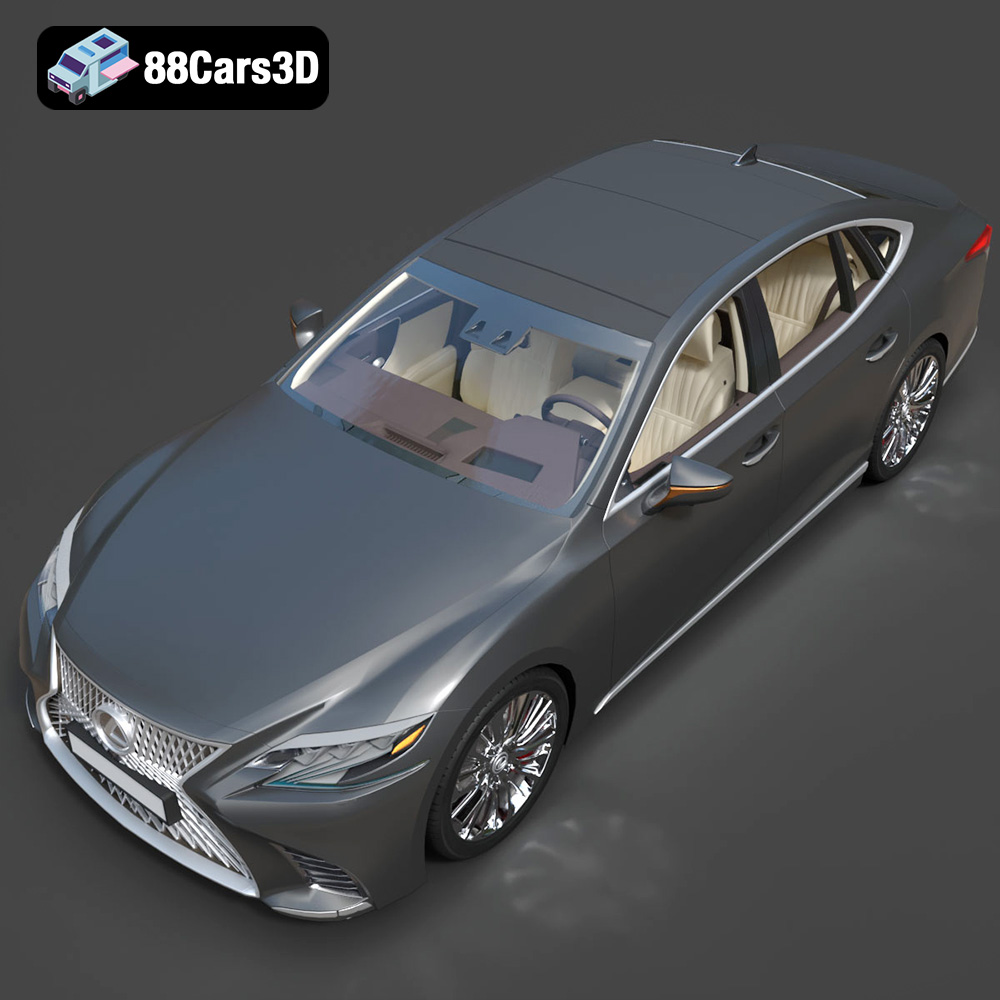
Enter the Lexus LS 500 2018 3D Model, a prime example of what precision engineering and artistic dedication can achieve in the digital realm. This isn’t merely a static mesh; it’s a meticulously replicated piece of Japanese luxury, designed to integrate seamlessly into a myriad of professional workflows. Capturing the LS 500’s striking spindle grille, elegant coupe-like silhouette, and the essence of its Takumi craftsmanship, this model is built to impress, whether it’s navigating an open-world game or gracing a high-resolution render. Its optimized topology and high-resolution textures ensure photorealistic results without compromising the real-time performance crucial for modern engines.
The 2018 Lexus LS 500 itself is a masterclass in automotive design, blending aggressive styling with executive comfort. Translating this physical artistry into a digital asset requires a deep understanding of form, material science, and technical optimization. A premium 3D car model, like the Lexus LS 500 2018, goes beyond basic geometry. It incorporates accurate real-world scale, proper pivot setups for animation, and clean UV unwrapping for texture fidelity, all crucial elements for professional applications.
Investing in high-quality 3D car models significantly streamlines production pipelines. Artists and developers save countless hours otherwise spent on modeling, texturing, and optimization, allowing them to focus on creative direction, scene assembly, and rendering. Furthermore, consistent quality across assets ensures a cohesive and professional final product. For projects demanding realism, such as architectural visualization, product showcases, or next-generation games, a high-fidelity asset like the Lexus LS 500 2018 3D Model from 88cars3d.com provides an immediate competitive advantage.
The versatility of a 3D model often hinges on the file formats it supports. Each format is designed with specific use cases, compatibility, and technical characteristics in mind. Understanding these distinctions is crucial for seamless integration into various software environments and production pipelines. The Lexus LS 500 2018 3D Model, for instance, offers a comprehensive suite of formats, ensuring maximum utility for any digital artist or developer.
The .blend format is the native file type for Blender, the powerful open-source 3D creation suite. A .blend file typically encapsulates an entire scene, including mesh data, materials, textures, lighting, camera setups, animations, physics simulations, and even custom scripts. This makes it an incredibly robust and self-contained format, ideal for artists who primarily work within the Blender ecosystem. When you receive a .blend file, you’re essentially getting the full project, ready for immediate editing, rendering with Cycles or Eevee, or further development. Its comprehensive nature allows for deep customization of the Lexus LS 500 2018, from tweaking intricate material shaders to modifying scene lighting for specific visual outcomes.
.fbx (Filmbox) is arguably the most widely adopted 3D interchange format in the industry, developed by Autodesk. Its strength lies in its ability to store not just geometry and UVs, but also hierarchical information, animations (including skinning and bone data), camera settings, and material properties. This makes .fbx invaluable for transferring complex assets between different 3D software packages like Maya, 3ds Max, Cinema 4D, and game engines such as Unreal Engine and Unity. For the Lexus LS 500 2018 3D Model, the .fbx variant ensures that separate components like wheels, doors, and suspension retain their pivot points and hierarchical relationships, facilitating animation and rigging in virtually any professional application.
The .obj (Wavefront Object) format is a venerable and highly compatible format. It primarily stores geometric data (vertices, normals, texture coordinates, and faces) and can reference external material files (.mtl) for basic shading information. While .obj does not support animations or hierarchies as robustly as .fbx, its simplicity and widespread support make it a universal fallback. Almost every 3D application can import and export .obj files, making it an excellent choice for cross-software compatibility or when you only need the raw mesh data. The Lexus LS 500 2018 provided in .obj format offers a clean, straightforward mesh for those needing fundamental geometry for sculpting, retopology, or specialized rendering.
.glb (GL Transmission Format Binary) is the binary version of glTF, an open-standard, royalty-free format for 3D scenes and models. Designed for efficient transmission and loading of 3D content, especially in web-based applications, AR (Augmented Reality), and VR (Virtual Reality), .glb embeds all textures and data into a single file. This “all-in-one” packaging significantly reduces load times and simplifies deployment. For projects involving interactive web configurators, mobile AR apps, or metaverse experiences featuring the Lexus LS 500 2018, the .glb format is highly optimized for real-time, lightweight performance.
.stl (STereoLithography) is the de facto standard file format for 3D printing. It represents a 3D model as a collection of triangulated surfaces without any color or texture information, defining only the surface geometry of an object. While simple, its ubiquity in manufacturing and prototyping is unmatched. The Lexus LS 500 2018 3D Model offered in .stl format allows enthusiasts and professionals to physically manifest the digital asset, creating display models or components. Proper conversion and preparation are key for successful 3D printing, considering factors like wall thickness and support structures.
The .ply (Polygon File Format) is another format for storing 3D data, often used with 3D scanners or for CAD applications where precise mesh data is paramount. It can store vertex attributes such as color, normals, and texture coordinates, and supports both polygonal faces and point clouds. While not as common for general asset interchange as .fbx or .obj, .ply is valuable in specific engineering or analysis contexts where accuracy and raw data representation are critical. For highly detailed analysis or processing of the Lexus LS 500 2018 model’s geometry, the .ply format provides a robust option.
The inclusion of an .unreal file (or a specifically optimized FBX for Unreal import) signifies that the asset has been prepared for direct integration into the Unreal Engine. This often implies that textures are correctly configured for PBR (Physically Based Rendering) workflows, materials are set up, and potential collision meshes or LODs (Levels of Detail) are already defined or easily configurable. The Lexus LS 500 2018 3D Model, being game-ready, benefits immensely from this preparation, allowing developers to drag and drop it into an Unreal project and immediately begin working with it, minimizing setup time and ensuring optimal real-time performance.
.max is the proprietary file format for Autodesk 3ds Max, one of the leading 3D modeling, animation, and rendering software packages. Like .blend, a .max file contains the complete scene, including geometry, materials, lighting, cameras, animations, and modifiers specific to 3ds Max. For users whose primary workflow revolves around 3ds Max, this format offers the highest degree of control and editability. The Lexus LS 500 2018 in .max format provides direct access to the original project setup, allowing for advanced rendering with V-Ray or Corona, complex animation rigging, or detailed scene composition.
The success of a 3D vehicle asset in professional production environments hinges on its technical specifications and attention to detail. The Lexus LS 500 2018 3D Model excels in this regard, offering a blend of visual fidelity and performance optimization that makes it suitable for the most demanding projects.
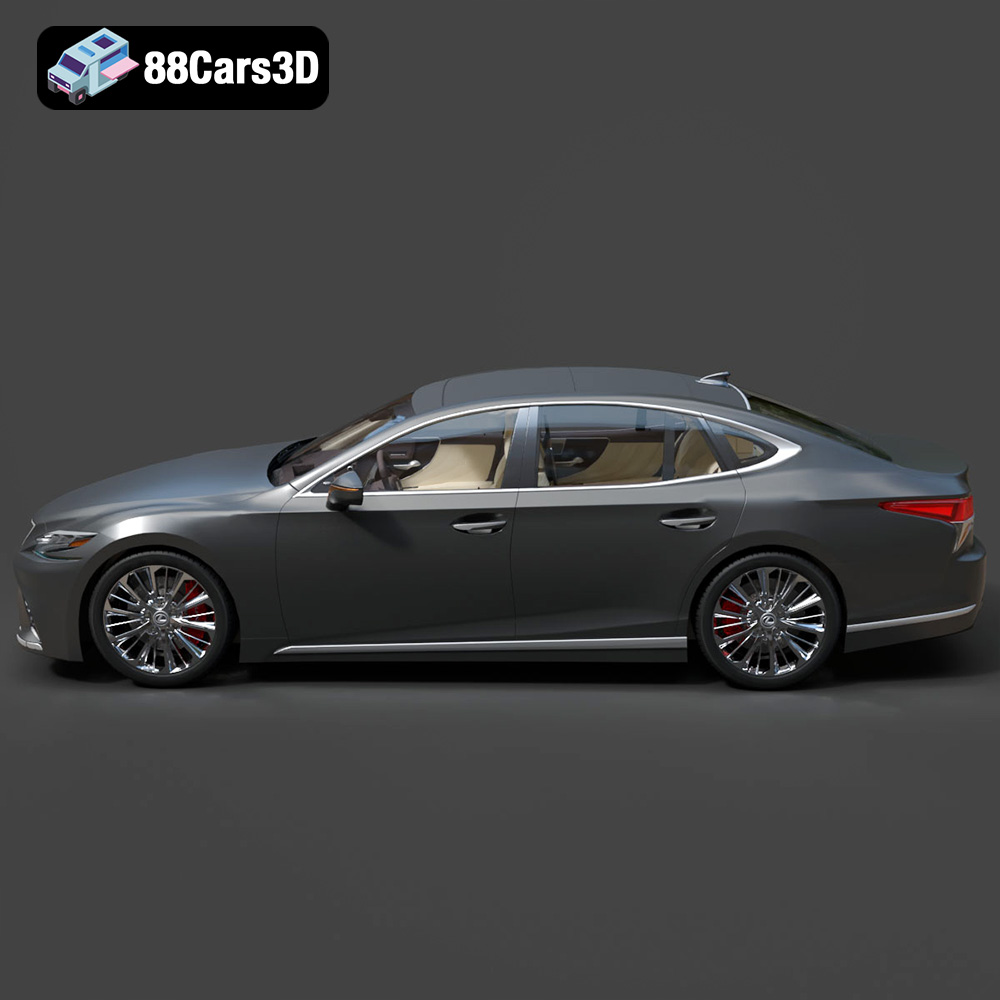
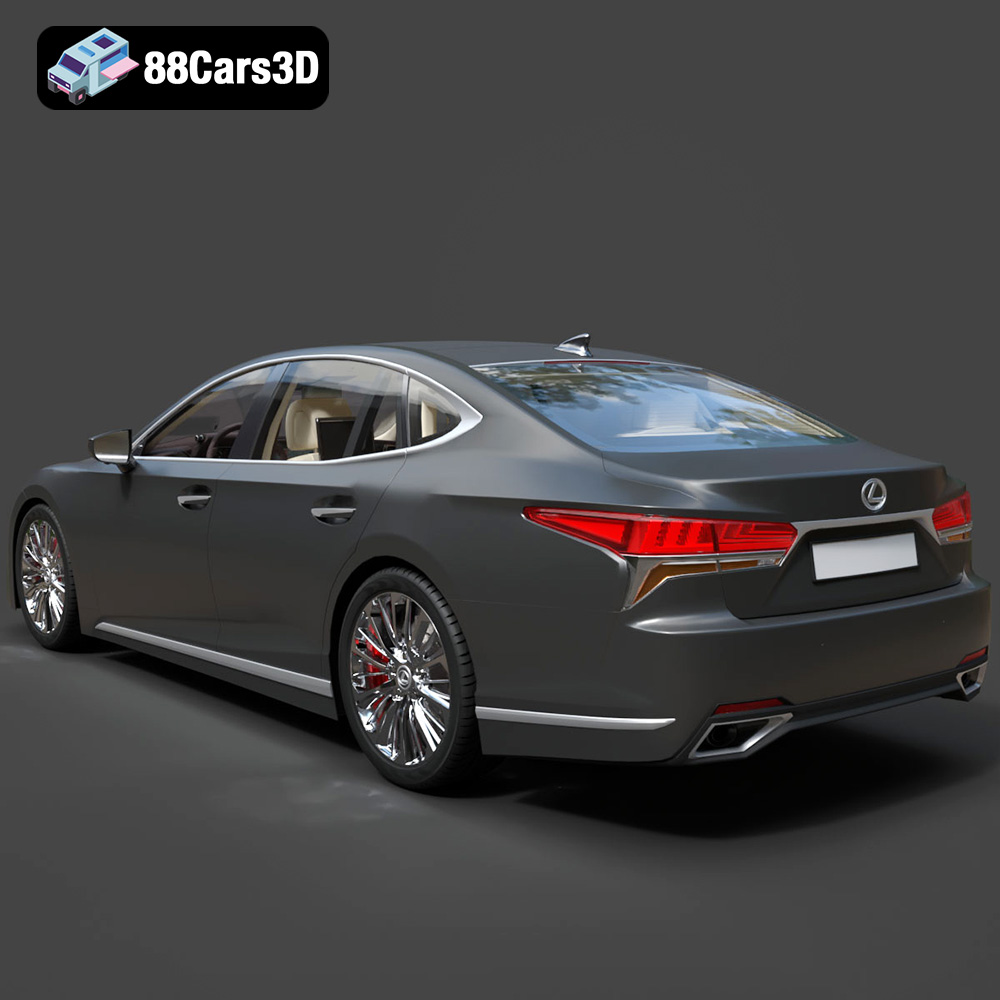
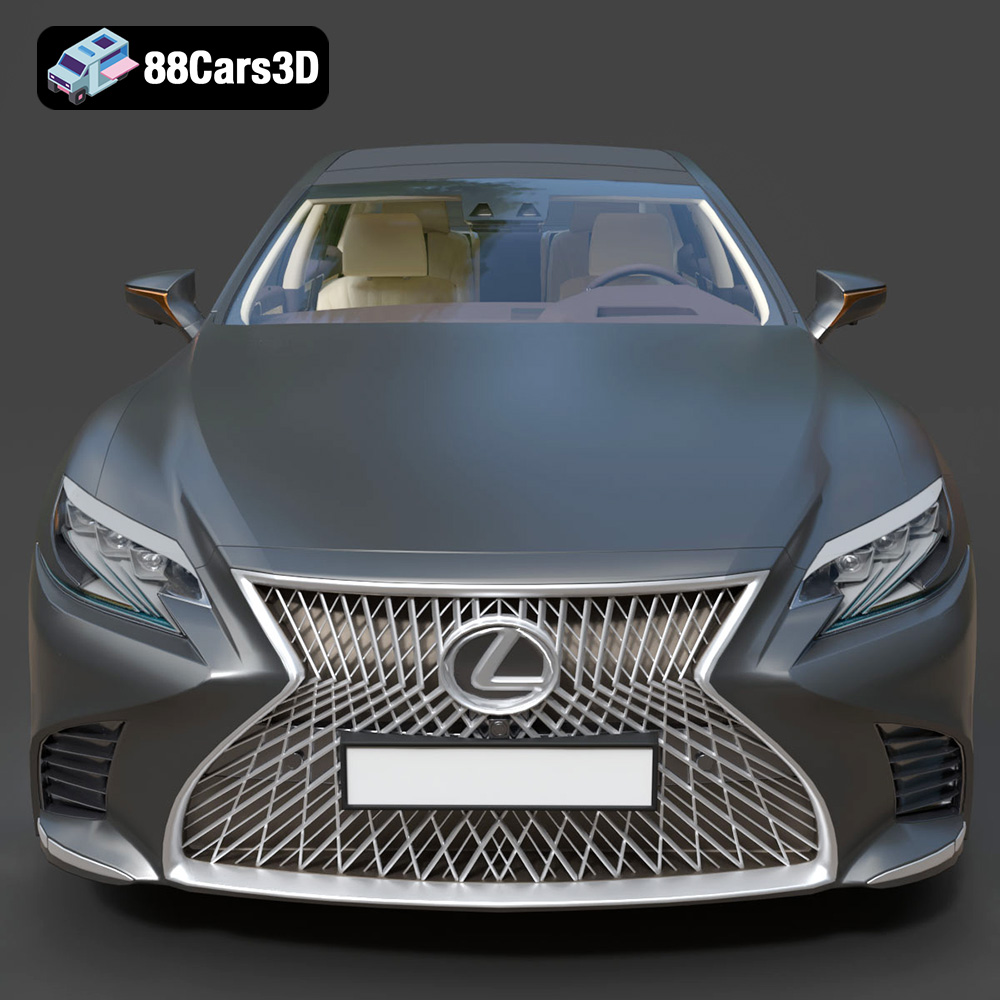
From the moment you inspect the model, the accurate representation of the Lexus LS 500’s exterior is evident. The aggressive signature spindle grille, a hallmark of Lexus design, is rendered with complex mesh geometry, reflecting light and shadow authentically. Details extend to the integrated dual exhaust finishers with chrome accents, the distinctive Z-shaped LED headlights, and the L-shaped taillights, all featuring internal projector detailing. The 3D model also includes authentic 19-inch/20-inch alloy wheels, complete with low-profile tires and detailed brake calipers. Even the multi-link suspension components are accurately modeled, adding a layer of realism often overlooked in lesser assets. Crucially, the wheels, doors, suspension, and steering components are separated, enabling dynamic animation for racing simulations or cinematic sequences.
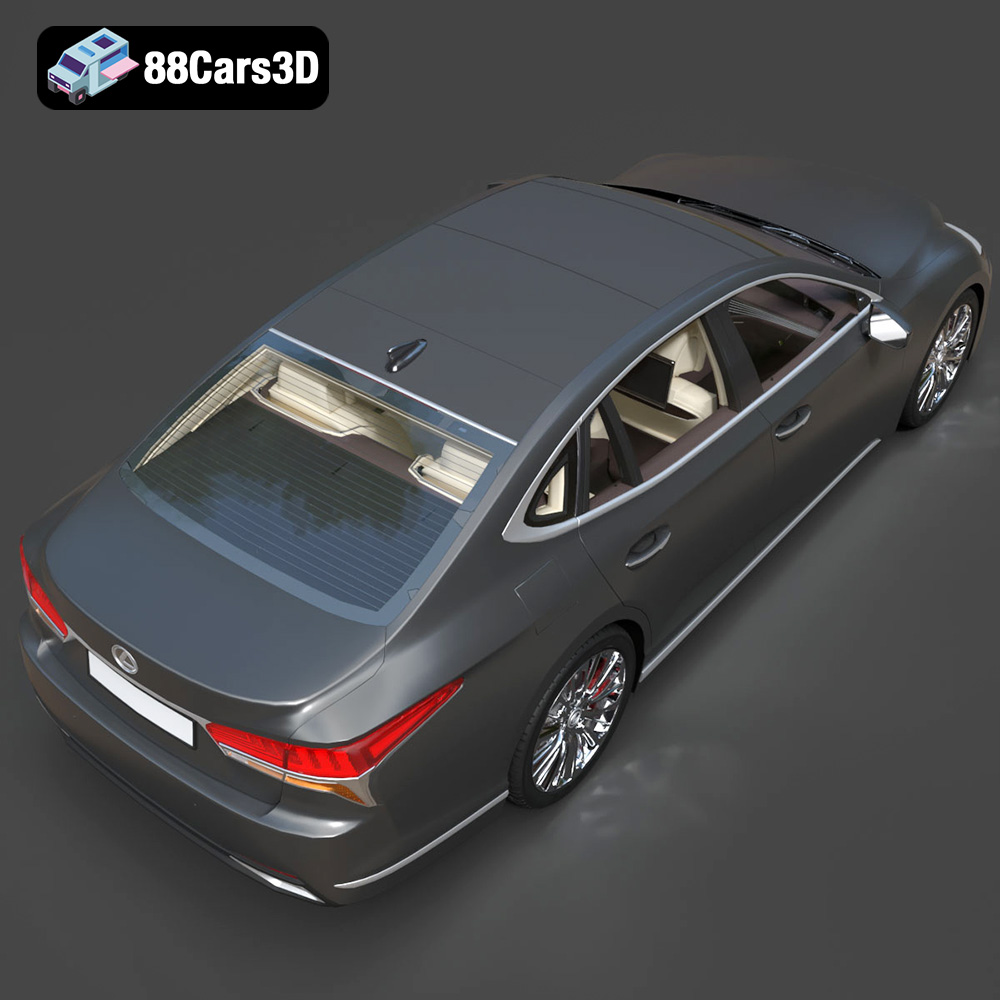
A truly comprehensive 3D car model doesn’t stop at the exterior. The Lexus LS 500 2018 3D Model provides a fully realized interior, essential for first-person views in games or immersive VR experiences. Luxurious leather-trimmed seating with intricate quilting and stitching details immediately catches the eye. The detailed steering wheel, complete with integrated controls and paddle shifters, alongside a high-resolution digital instrument cluster and center infotainment display screen, replicates the opulent cabin experience. Accurately placed center console controls, a trackpad, shifter, and pedals further enhance the sense of presence, ensuring that the model is ready for any close-up or interactive scenario.
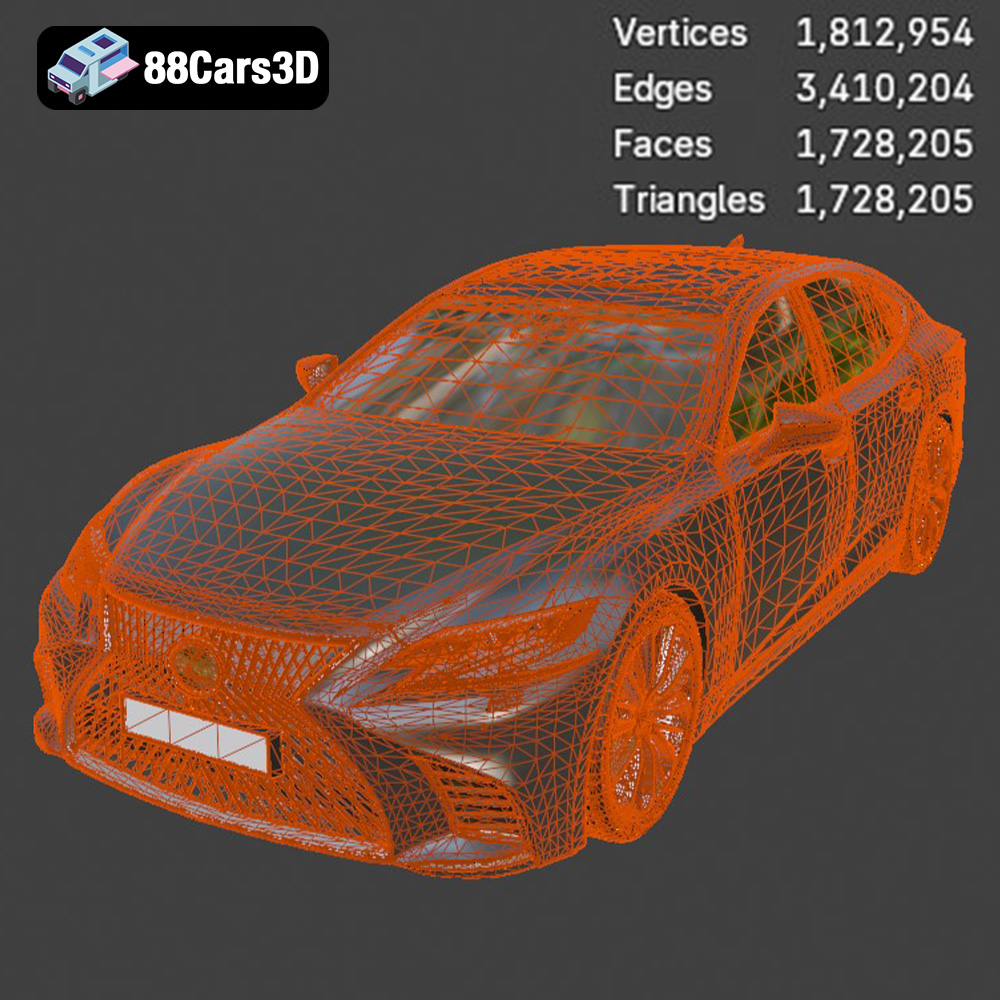
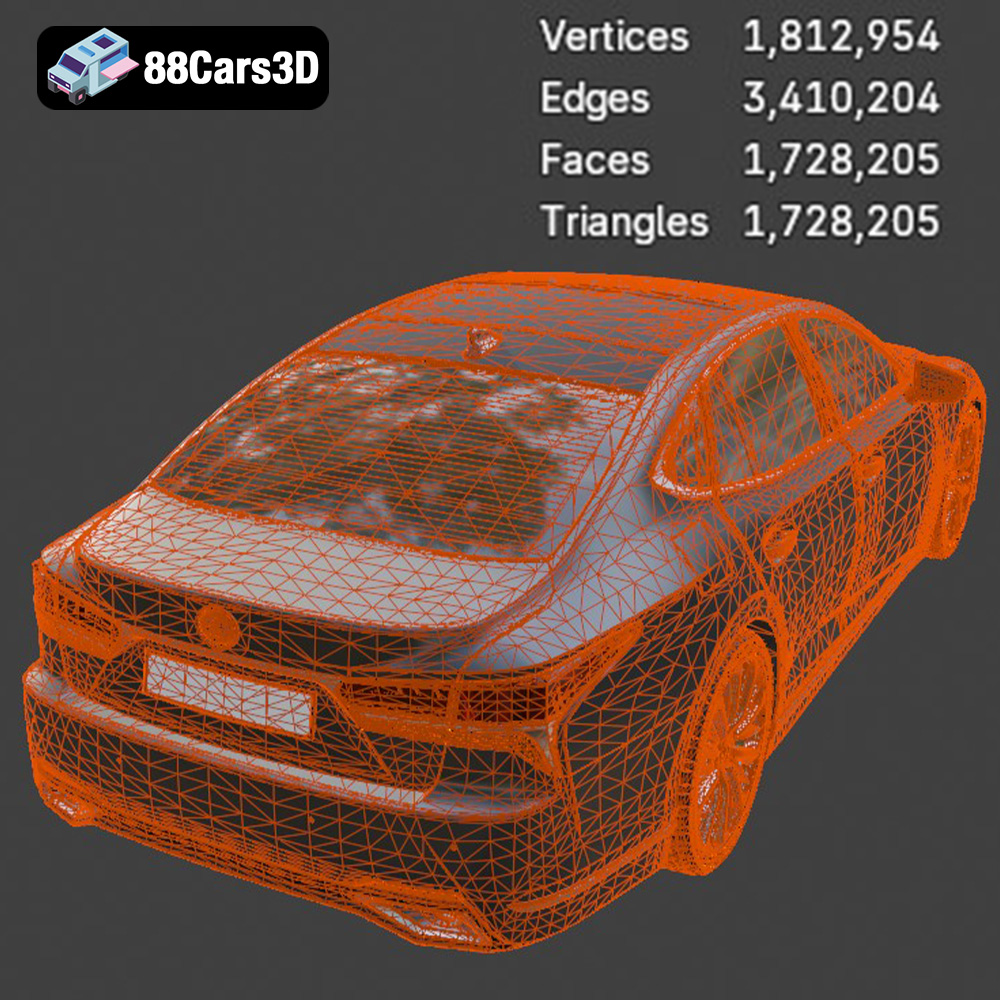
One of the standout technical advantages of this 3D car model is its game-ready optimization. With approximately 200,000 triangles, it strikes an ideal balance, offering top-tier visual fidelity without bogging down real-time engines like Unreal or Unity. This optimized polycount, combined with clean geometry and high-resolution textures, ensures smooth frame rates while maintaining photorealistic results. The model adheres to real-world scale accuracy, providing a reliable foundation for scene integration. Furthermore, proper pivot setups for steering, wheel rotation, and suspension travel are pre-configured, drastically reducing the setup time for animators and game developers.
A premium 3D model isn’t just about its raw data; it’s about its applicability across diverse professional domains. The Lexus LS 500 2018 3D Model from 88cars3d.com is engineered for seamless integration into various high-end production pipelines, providing significant value to artists and developers.
For game developers, the Lexus LS 500 2018 3D Model is a robust asset. Its optimized polycount (~200,000 triangles) is perfectly suited for modern game engines, allowing for high visual fidelity without sacrificing performance. In open-world games, it can serve as a sophisticated NPC vehicle or a player-drivable luxury car, enhancing the realism of urban environments. For racing titles and simulators, the accurate geometry, separate animated components (wheels, suspension, doors), and proper pivot points enable realistic physics integration and dynamic vehicle damage systems. The game-ready nature means less time spent on optimization and more on core gameplay mechanics and visual polish.
Architectural visualization (ArchViz) and product rendering demand photorealism, and a high-quality 3D car model is often the centerpiece that breathes life into a scene. Placing the Lexus LS 500 2018 in a modern architectural rendering of a luxury home or a sleek urban streetscape instantly elevates the scene’s authenticity and appeal. Its detailed exterior and interior can be showcased in cinematic fly-throughs or static hero shots, reflecting materials and lighting with stunning realism. For luxury brand campaigns or car configurators, the model allows for dynamic customization of colors, finishes, and environmental lighting, offering clients a true-to-life preview of their product.
The burgeoning fields of Augmented Reality (AR) and Virtual Reality (VR) offer new frontiers for automotive visualization. The Lexus LS 500 2018 3D Model is an ideal candidate for creating immersive virtual showrooms, interactive car configurators, or engaging mobile AR experiences. Its optimized geometry ensures smooth performance on AR/VR devices, while the highly detailed interior allows users to “step inside” and explore the cabin in a truly immersive way. Imagine a potential buyer using a VR headset to sit in the digital Lexus LS 500, customizing trim options and paint colors in real-time, or viewing it scaled in their driveway through an AR application.
Leveraging the multi-format availability of the Lexus LS 500 2018 3D Model, artists can seamlessly integrate it into their preferred 3D software and rendering pipelines. Understanding the nuances of each platform ensures optimal results.
For Blender users, the native .blend file provides an immediate starting point. Upon opening, the model’s clean topology, materials, and hierarchy are ready for inspection and modification. To achieve photorealistic results, artists typically utilize Blender’s Cycles render engine. This involves ensuring all textures are correctly mapped (Albedo, Normal, Roughness, Metallic, AO) within a Principled BSDF shader for Physically Based Rendering (PBR). Customization like changing the body color is straightforward by adjusting the base color node of the car paint material. For real-time visualization or game-style rendering, Eevee offers impressive speed with high visual quality. Animators can easily leverage the separated wheels, doors, and suspension components to create dynamic driving sequences or vehicle interactions using Blender’s robust animation tools.
Professionals working with 3ds Max can utilize the .max file for comprehensive control or import the .fbx for seamless integration. Once in 3ds Max, the model’s geometry and basic material assignments will be preserved. The next step is to set up advanced rendering with engines like V-Ray or Corona Renderer. This involves converting the generic materials to V-RayMtl or CoronaMtl, ensuring PBR texture maps are correctly linked. V-Ray’s extensive lighting system, including HDRI environment maps and V-Ray lights, can be used to create realistic studio lighting setups or integrate the car into outdoor scenes. The separate animatable parts of the Lexus LS 500 2018 allow for sophisticated vehicle rigging, enabling accurate suspension compression, wheel rotation, and door openings for detailed animations or interactive presentations.
For real-time applications, integrating the Lexus LS 500 2018 into Unreal Engine is a critical step. The game-ready .fbx or optimized .unreal format makes this process efficient. Upon import, Unreal Engine will generate appropriate assets for the mesh, materials, and textures. Artists then focus on setting up robust PBR materials within Unreal’s material editor, ensuring that the Albedo, Normal, Roughness, and Metallic maps interact correctly with the engine’s lighting system. Leveraging Unreal’s advanced lighting features, such as Lumen for global illumination and reflections, can produce stunning photorealistic results in real-time. Developers can then utilize blueprints to add vehicle physics, engine sounds, and interactive elements, turning the static model into a fully drivable or interactive asset. Further optimization can involve setting up LODs (Levels of Detail) to maintain performance at varying distances and implementing collision meshes for realistic interactions within the game world.
The versatility of a high-quality 3D model extends beyond digital screens. With the included .stl format, the Lexus LS 500 2018 3D Model offers the exciting possibility of physical manifestation through 3D printing, catering to hobbyists, collectors, and automotive enthusiasts.
Converting the digital model into a tangible object requires careful preparation. The .stl file, being a mesh of triangles, is the standard input for 3D slicing software. Users can choose recommended scales like 1:12, 1:18, or 1:24, depending on the desired display size and printer capabilities. Resin printing is often recommended for fine details, allowing for layer heights as low as 0.04–0.12 mm. Critical considerations include setting appropriate wall thickness (1.2–2.0 mm) and infill (20–30%) for structural integrity. Supports are absolutely required for complex parts like the intricate grille, mirrors, and exhaust outlets to prevent sagging during the printing process. Optimal print orientation, such as printing the main frame angled and wheels separately, further enhances success rates and detail preservation.
Once printed, the raw model undergoes a transformation through post-processing. This typically involves removing supports, sanding down rough areas to achieve a smooth surface, and applying primer to prepare for painting. The true artistry comes in replicating authentic factory colors and metallic finishes, using specialized model paints to match the Lexus LS 500’s luxurious aesthetic. The opportunity to add custom detailing, such as painting brake calipers or adding window tints, allows for a truly personalized display piece. The physical model then serves as a unique collectible, a prototype for design review, or a stunning desk ornament.
The ability to 3D print the Lexus LS 500 2018 opens up various applications. Collectors can add a bespoke model to their automotive display. Designers can use physical prints for ergonomic studies or as tangible representations during client presentations. Automotive enthusiasts can create custom scale models, experimenting with different colors or modifications before applying them to real vehicles. This fusion of digital design and physical fabrication highlights the comprehensive utility of a truly versatile 3D asset available from marketplaces like 88cars3d.com.
In the dynamic world of 3D content creation, the difference between a good project and a truly exceptional one often lies in the quality of its assets. The Lexus LS 500 2018 3D Model stands as a testament to meticulous digital craftsmanship, offering unparalleled detail, robust optimization, and broad compatibility. From its game-ready topology suitable for high-performance engines to its intricately modeled interior for immersive AR/VR experiences, and its pristine geometry for photorealistic automotive rendering, this model is designed to empower artists and developers across every facet of digital production.
As technology continues to advance, the demand for sophisticated 3D car models will only intensify. Whether for the metaverse, hyper-realistic simulations, or cutting-edge marketing campaigns, assets that combine aesthetic fidelity with technical prowess are invaluable. The Lexus LS 500 2018 3D Model exemplifies this future-proof approach, providing a foundation that is both visually stunning and highly adaptable to evolving digital landscapes. Its comprehensive file format support ensures that regardless of your preferred software or end-use application, you have the right tools at your fingertips.
For professionals seeking to elevate their projects with top-tier vehicles, the Lexus LS 500 2018 3D Model represents an intelligent investment. Its detailed features, game-ready optimization, and versatile file formats streamline workflows and unlock new creative possibilities. Explore this and other exceptional 3D car models and game assets designed for supreme automotive rendering and diverse digital applications at 88cars3d.com, your trusted source for premium automotive digital content.
The 2018 Lexus LS 500 is the pinnacle of Japanese luxury, featuring a striking spindle grille, elegant coupe-like silhouette, and a powerful twin-turbo V6 engine. Known for its meticulous Takumi craftsmanship, whisper-quiet ride, and aggressive yet refined styling, the LS 500 represents the intersection of executive comfort and cutting-edge automotive design. From its complex front fascia to the dual exhaust outlets, every curve is captured to convey its dynamic road presence.
This highly detailed, game-ready 3D model boasts optimized topology (approximately 200,000 triangles), ensuring top-tier visual fidelity without sacrificing real-time performance. Designed with clean geometry and high-resolution textures, it delivers photorealistic results ideal for modern game development, immersive AR/VR experiences, high-end animation, and architectural visualization.
Perfect for luxury car configurators, urban open-world games, cinematic architectural renderings, and high-end brand showcases.
.blend, .fbx, .obj, .glb, .stl, .ply, .unreal, .max
Tags:
lexus, ls-500, 2018, luxury-sedan, executive-car, game-ready, low-poly, optimized, car-3d-model, game-asset, rendering, vr-ar, blend, fbx, obj, glb, stl, ply, unreal, maxBMW 328 Mille Miglia Touring Coupe 3D Model 3D Printable STL
$39.99
.2018
.blend
.fbx
.glb
.lexus
.max
.obj
.ply
.rendering
.stl
.unreal
car-3d-model
executive-car
game asset
game-ready
low-poly
ls-500
luxury-sedan
optimized
VR/AR