Get 20% OFF All Premium 3D & STL Models!

“`html
In the dynamic world of 3D printing, where technologies and file formats constantly evolve, one format has consistently stood the test of time: the STL file. For enthusiasts, hobbyists, and professionals alike, STL remains the de facto standard for representing 3D models, especially when preparing them for printing. But why, in the face of newer and seemingly more advanced formats, does STL maintain its reign? This article delves into the technical reasons behind STL’s enduring popularity, exploring its simplicity, widespread compatibility, and the established workflows that make it an indispensable part of the 3D printing ecosystem. Whether you’re downloading printable car models from platforms like 88cars3d.com or designing your own complex geometries, understanding STL is crucial for successful 3D printing. We will cover its structure, limitations, and how to optimize STL files for different printing processes and materials, ensuring you get the best possible results from your 3D printer.
This comprehensive guide will walk you through the intricacies of STL files, providing a solid understanding of its strengths, weaknesses, and best practices for working with it. You will learn about the underlying mesh structure, how it impacts print quality, the slicing process, how to troubleshoot common issues related to STL files, and discover valuable techniques to enhance your 3D printing workflow. Finally, you’ll gain insights into the future of 3D printing file formats, and how STL continues to adapt within the evolving landscape.
At its core, the STL (Stereolithography) file format is remarkably simple. It represents a 3D object’s surface as a collection of triangles. Each triangle is defined by its three vertices (coordinates in 3D space) and a normal vector (indicating the triangle’s orientation). This simplicity is a major contributor to its widespread adoption. There are two main types of STL files: ASCII and binary. ASCII STL files store the triangle data in human-readable text, while binary STL files store the data in a more compact binary format. Binary files are generally preferred for larger models due to their smaller file size and faster processing times.
The difference between ASCII and binary STL files boils down to readability and size. ASCII files are easier to inspect and debug manually, as you can open them in a text editor and see the coordinates and normal vectors. However, they are significantly larger than their binary counterparts. Binary files are not human-readable but are much more efficient in terms of storage space. For example, a complex printable car model might result in an ASCII STL file of 50 MB, while the binary version could be only 10 MB. The structure of a binary STL file consists of an 80-byte header (usually ignored), a 4-byte integer indicating the number of triangles, and then a series of triangle definitions, each consisting of a 3D normal vector (3 x 4 bytes), three vertices (3 x 3 x 4 bytes), and a 2-byte attribute byte count (usually set to 0). This fixed structure ensures efficient parsing by slicing software.
The quality of an STL file is directly related to the mesh topology – the arrangement and connectivity of the triangles. A well-formed mesh is crucial for successful 3D printing. Key aspects of good mesh topology include:
In practice, it’s important to check and repair your STL files before printing. Tools like Meshmixer, Netfabb, and online STL repair services can automatically detect and fix common mesh errors. For example, using Meshmixer, you can import an STL file, select “Edit -> Make Solid,” and then adjust the “Solid Type” and “Accuracy” settings to optimize the mesh for printing. A higher accuracy setting will result in a denser mesh but can also increase the file size and processing time.
Slicing is the process of converting an STL file into a set of instructions (G-code) that a 3D printer can understand. The slicing software takes the 3D model represented by the STL file and divides it into thin horizontal layers, determining the toolpath for the printer’s nozzle or laser to follow for each layer. This process involves several critical parameters that directly impact the print’s quality, strength, and speed. Popular slicing software includes Cura, PrusaSlicer, Simplify3D, and others. The choice of slicer often depends on the specific printer and the desired level of control over the printing process.
Several parameters within the slicing software significantly affect the final print. Here are a few of the most important:
When printing car models from sources like 88cars3d.com, you’ll need to carefully consider the slicer settings to achieve the desired level of detail and structural integrity. For FDM printing, a layer height of 0.15-0.2 mm is often a good compromise between print quality and speed. Use an infill density of 20-30% for the main body and increase it to 50-70% for critical stress points, such as wheel axles or suspension components. Pay close attention to support structures, using a tree-like support structure to minimize material usage and facilitate easy removal. For resin printing, the layer height can be significantly lower, typically in the range of 0.02-0.05 mm, resulting in incredibly detailed prints. However, resin printing often requires more extensive support structures due to the nature of the process. Correct orientation is also key. For example, orienting a car body at a 45-degree angle can minimize the need for supports on the roof and hood.
Support structures are temporary scaffolding that helps 3D printers create overhangs and complex geometries that would otherwise collapse during printing. They provide a foundation for subsequent layers, ensuring that the printed part maintains its intended shape. The type, density, and placement of support structures are crucial for print success, especially when dealing with intricate models or materials prone to warping. Generating support structures is an automated process within slicing software, but understanding the underlying principles allows for manual adjustments that can significantly improve print quality and reduce material waste.
The type of support structures used depends largely on the 3D printing technology. For FDM (Fused Deposition Modeling) printing, common support types include:
For resin printing (SLA/DLP), support structures are typically thinner and more numerous due to the layer-by-layer curing process. Common resin printing support types include:
When choosing support structures, consider the trade-off between support material usage, ease of removal, and the risk of damaging the printed part during removal. For example, tree supports are often preferred for FDM printing due to their ease of removal, while carefully placed light supports are crucial for minimizing scarring on resin prints.
Effective support placement is key to minimizing material waste and ensuring print success. Slicing software typically provides automatic support generation, but manual adjustments are often necessary to optimize support placement for specific models. Key considerations include:
Support removal should be done carefully to avoid damaging the printed part. For FDM prints, use pliers, cutters, or a heat gun to remove supports. For resin prints, carefully cut away supports using flush cutters or a hobby knife. Soaking the print in warm water can also help soften the supports and make them easier to remove. Always wear gloves and eye protection when removing supports, especially for resin prints.
The choice of material is a critical factor in 3D printing, influencing the print’s strength, flexibility, temperature resistance, and overall appearance. Different materials have different printing requirements, including optimal nozzle and bed temperatures, print speeds, and support structure strategies. Understanding the properties of various materials is essential for achieving successful and functional 3D prints. For platforms like 88cars3d.com, which offer a variety of printable car models, the right material can make the difference between a fragile prototype and a durable display piece.
For FDM printing, the most common materials are PLA (Polylactic Acid), ABS (Acrylonitrile Butadiene Styrene), and PETG (Polyethylene Terephthalate Glycol-modified). Each has distinct advantages and disadvantages:
Other FDM filament options include TPU (Thermoplastic Polyurethane) for flexible parts, Nylon for high-strength applications, and Polycarbonate for extreme durability and heat resistance. Each of these materials requires specific printer settings and expertise to print successfully.
For resin printing, the choice of resin is equally important. Common resin types include:
Specialty resins include castable resins for jewelry making, high-temperature resins for demanding applications, and biocompatible resins for medical and dental applications. Resin printing requires careful post-processing, including washing and curing, to achieve optimal material properties.
Even with the best preparation, 3D printing can sometimes encounter problems. Understanding common issues and how to troubleshoot them is essential for a smooth and successful printing experience. Many issues can be traced back to the STL file itself, the slicer settings, or the printer’s configuration. By systematically diagnosing and addressing these issues, you can significantly improve your print success rate.
One of the most common causes of printing problems is mesh errors in the STL file. These errors can include:
To address these issues, use mesh repair software like Meshmixer, Netfabb, or online STL repair services. These tools can automatically detect and fix common mesh errors. In Meshmixer, use the “Edit -> Make Solid” function, adjusting the “Solid Type” and “Accuracy” settings to optimize the mesh for printing. For more complex errors, manual mesh editing may be required using software like Blender or MeshLab.
Other common printing issues include warping, bed adhesion problems, and layer delamination. These issues are often related to the material being used and the printer’s environment:
When downloading models from marketplaces such as 88cars3d.com, ensure that the STL files are well-prepared and optimized for printing. Look for models with clean geometry, proper wall thickness, and optimized support structures.
While STL remains the dominant file format in 3D printing, newer formats like 3MF (3D Manufacturing Format) and OBJ (Object File) are gaining traction. These formats offer several advantages over STL, including support for color, materials, and metadata. They also address some of the limitations of STL, such as the lack of a standardized unit of measurement and the potential for mesh errors. However, STL’s simplicity, widespread compatibility, and established workflows continue to make it a popular choice for many users.
3MF is a modern file format designed specifically for 3D printing. It’s an XML-based format that includes information about the model’s geometry, materials, color, and printing parameters. 3MF is designed to be more robust and reliable than STL, with built-in error correction and support for complex geometries. OBJ is another popular file format that supports color and texture information. It’s commonly used in computer graphics and animation but can also be used for 3D printing. However, OBJ files often require additional files to store material and texture information, which can complicate the printing process.
Despite the emergence of newer formats, STL is likely to remain a significant part of the 3D printing ecosystem for the foreseeable future. Its simplicity and widespread compatibility make it an easy choice for many users, and the vast library of existing STL files ensures its continued relevance. However, as 3D printing technology evolves, newer formats like 3MF are likely to become more prevalent, especially for applications requiring color, materials, and more complex geometries. The future may see a hybrid approach, where STL is used for basic models and 3MF or OBJ are used for more advanced applications.
The enduring popularity of the STL file format in 3D printing is a testament to its simplicity, compatibility, and established workflows. While newer formats offer advanced features, STL remains a reliable and widely supported option for representing 3D models. By understanding the intricacies of STL files, including their structure, limitations, and best practices for working with them, you can significantly improve your 3D printing success rate. Whether you’re printing intricate car models from 88cars3d.com or creating your own designs from scratch, mastering STL is an essential skill for any 3D printing enthusiast.
As you continue your 3D printing journey, consider these key takeaways:
With these tips in mind, you’ll be well-equipped to navigate the world of 3D printing and create amazing projects with confidence. Happy printing!
“`

Texture: Yes | Material: Yes
Download the highly detailed, game-ready BMW X3 2024 3D Model. Features the iconic kidney grille, dynamic SUV proportions, and precise lighting elements. Includes .blend, .fbx, .obj, .glb, .stl, .ply, .unreal, and .max formats for game development, AR/VR, and rendering.
Price: $19.99

Texture: Yes | Material: Yes
Download the highly detailed, game-ready Tesla Model S Plaid 2021 3D Model. Features sleek aerodynamic styling, signature LED lighting, and the revolutionary Yoke steering interior. Includes .blend, .fbx, .obj, .glb, .stl, .ply, .unreal, and .max formats for game development, AR/VR, and rendering.
Price: $19.99

Texture: Yes | Material: Yes
Download the highly detailed, game-ready Rolls-Royce Ghost EWB 2018 3D Model. Features the iconic Pantheon grille, elongated luxury chassis, and elegant exterior lines. Includes .blend, .fbx, .obj, .glb, .stl, .ply, .unreal, and .max formats for game development, AR/VR, and rendering.
Price: $19.99
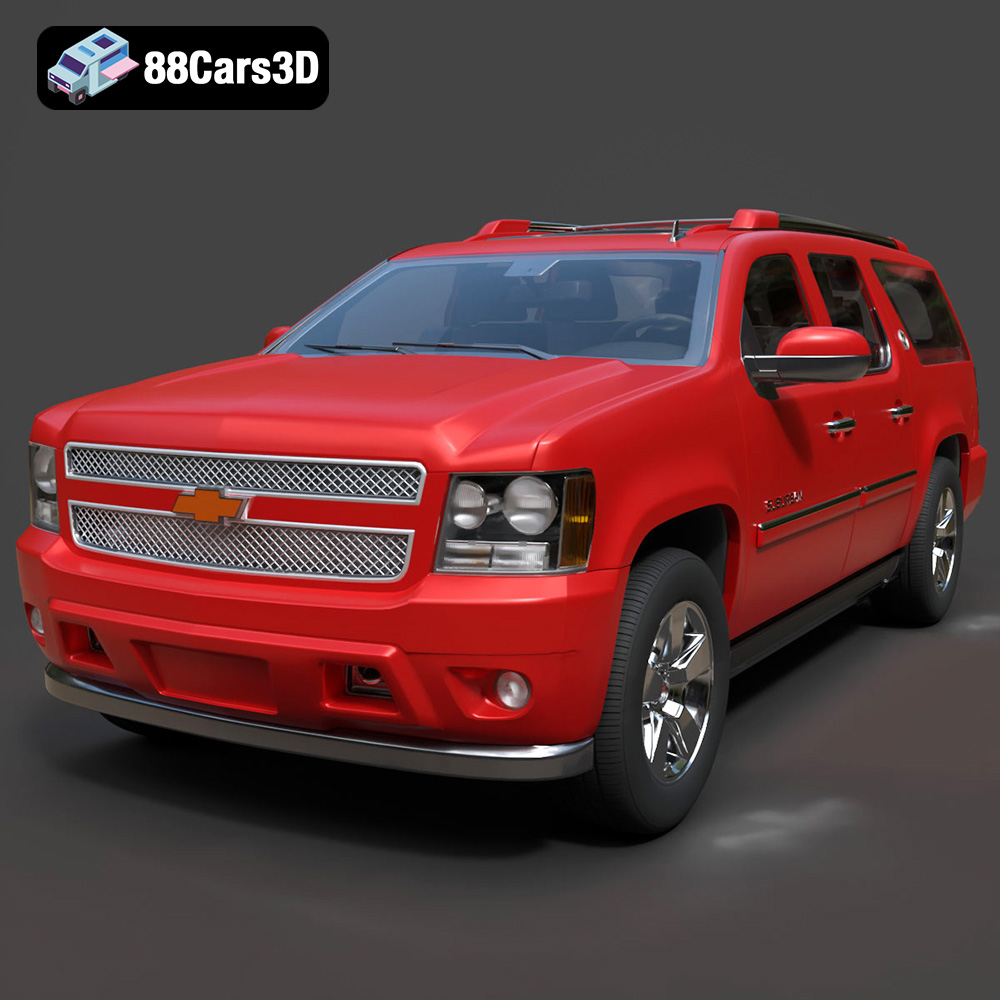
Texture: Yes | Material: Yes
Download the highly detailed, game-ready Chevrolet Suburban 75th Diamond 3D Model. Features the iconic Diamond Edition styling, detailed interior, and accurate full-size SUV proportions. Includes .blend, .fbx, .obj, .glb, .stl, .ply, .unreal, and .max formats for game development, AR/VR, and rendering.
Price: $19.99

Texture: Yes | Material: Yes
Download the highly detailed, game-ready Lamborghini Terzo Millenio 2017 3D Model. Features glowing Y-shaped LED signatures, extreme aerodynamic channels, and an aggressive hypercar stance. Includes .blend, .fbx, .obj, .glb, .stl, .ply, .unreal, and .max formats for game development, AR/VR, and rendering.
Price: $19.99

Texture: Yes | Material: Yes
Download the highly detailed, game-ready Mazda CX-5 2011 3D Model. Features the signature Kodo design exterior, detailed alloy wheels, and a fully modeled interior cabin. Includes .blend, .fbx, .obj, .glb, .stl, .ply, .unreal, and .max formats for game development, AR/VR, and rendering.
Price: $19.99

Texture: Yes | Material: Yes
Download the highly detailed, game-ready Toyota FJ Cruiser 2010 3D Model. Features a retro-inspired rugged exterior, iconic white roof, and an ultra-detailed HQ interior. Includes .blend, .fbx, .obj, .glb, .stl, .ply, .unreal, and .max formats for game development, AR/VR, and rendering.
Price: $19.99

Texture: Yes | Material: Yes
Download the highly detailed, game-ready Fiat 124 Mk1 1966 3D Model. Features classic round headlights, authentic sedan bodywork, and detailed chrome hubcaps. Includes .blend, .fbx, .obj, .glb, .stl, .ply, .unreal, and .max formats for game development, AR/VR, and rendering.
Price: $19.99

Texture: Yes | Material: Yes
Download the highly detailed, game-ready Audi RS6 3D Model. Features aggressive RS bodywork, detailed alloy wheels, and signature LED lighting. Includes .blend, .fbx, .obj, .glb, .stl, .ply, .unreal, and .max formats for game development, AR/VR, and rendering.
Price: $19.99

Texture: Yes | Material: Yes
Download the highly detailed, game-ready Toyota Camry 2018 3D Model. Features an aggressive aerodynamic body, distinct LED lighting signature, and precise interior detailing. Includes .blend, .fbx, .obj, .glb, .stl, .ply, .unreal, and .max formats for game development, AR/VR, and rendering.
Price: $19.99

