Get 20% OFF All Premium 3D & STL Models!

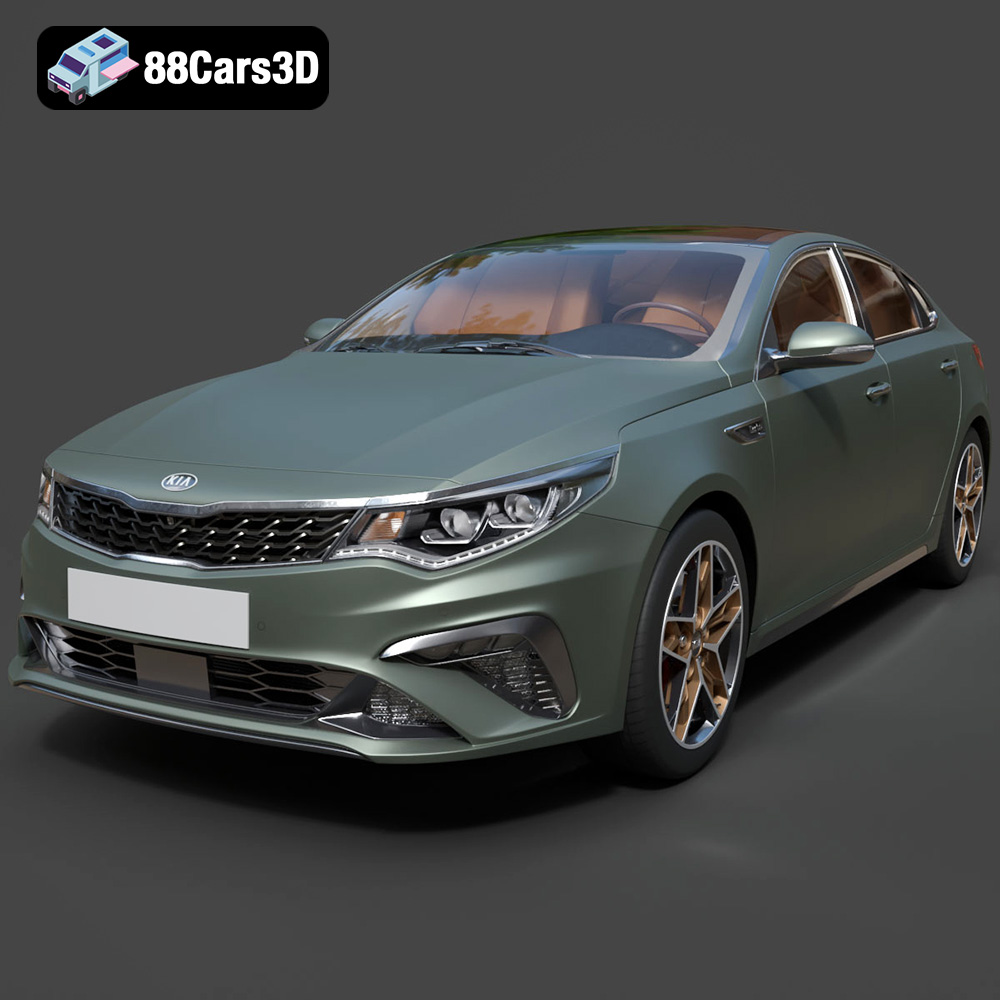
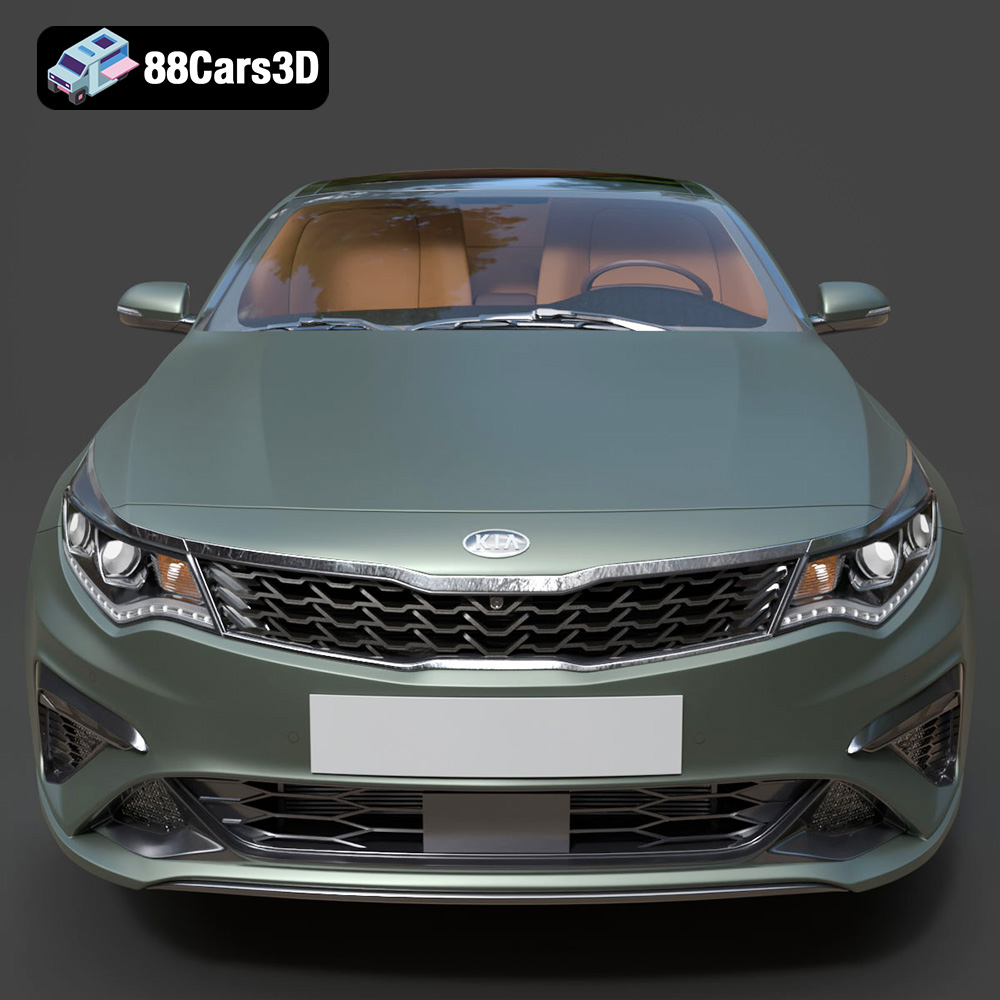
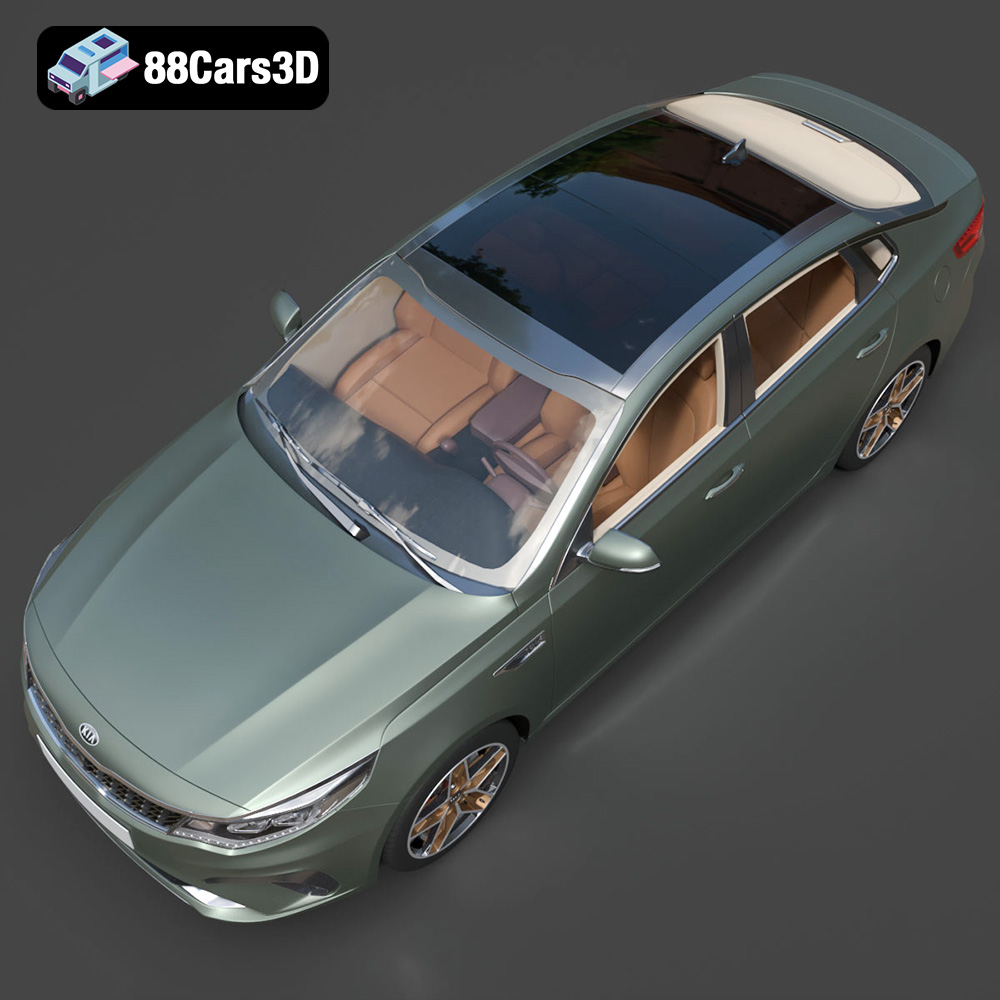
The Kia Optima 2019 is a stylish and recognizable sedan, and bringing it to life as a 3D printed model is a rewarding project. Whether you’re a seasoned 3D printing enthusiast or just starting out, this guide will provide you with the knowledge and techniques to create a stunning replica using the STL files available for purchase. We’ll explore everything from pre-print preparation to post-processing, ensuring your Kia Optima 2019 3D model is a showstopper. This high-quality 3D model, readily available from sources like 88cars3d.com, is designed for accurate replication, making it a great project for honing your 3D printing skills.
Selecting the appropriate 3D printer is the first crucial step in achieving a successful print. There are two primary types of 3D printers to consider: Fused Deposition Modeling (FDM) and Stereolithography (SLA) resin printers.
FDM printers are the most common type of 3D printer, known for their affordability and versatility. They work by extruding molten plastic filament layer by layer to build the object. For the Kia Optima 2019 3D model, an FDM printer with a build volume of at least 200x200x200mm is recommended to print the model in a reasonable scale. Consider the nozzle size; a 0.4mm nozzle is standard, but a smaller nozzle (0.25mm) can provide finer details, especially for intricate areas like the grille and lights.
SLA printers use liquid resin cured by UV light to create objects. They are capable of producing parts with exceptional detail and smooth surfaces, making them ideal for intricate models like the Kia Optima. If you prioritize surface finish and fine details, and are willing to deal with the extra steps of resin printing, an SLA printer is an excellent choice. However, resin printers typically have smaller build volumes, so consider scaling the model down or printing it in multiple parts if needed.
When you acquire a 3D model, it’s often available in various file formats. Understanding these formats is crucial for successful 3D printing. Here’s a breakdown of common formats and their suitability for printing the Kia Optima 2019 model:
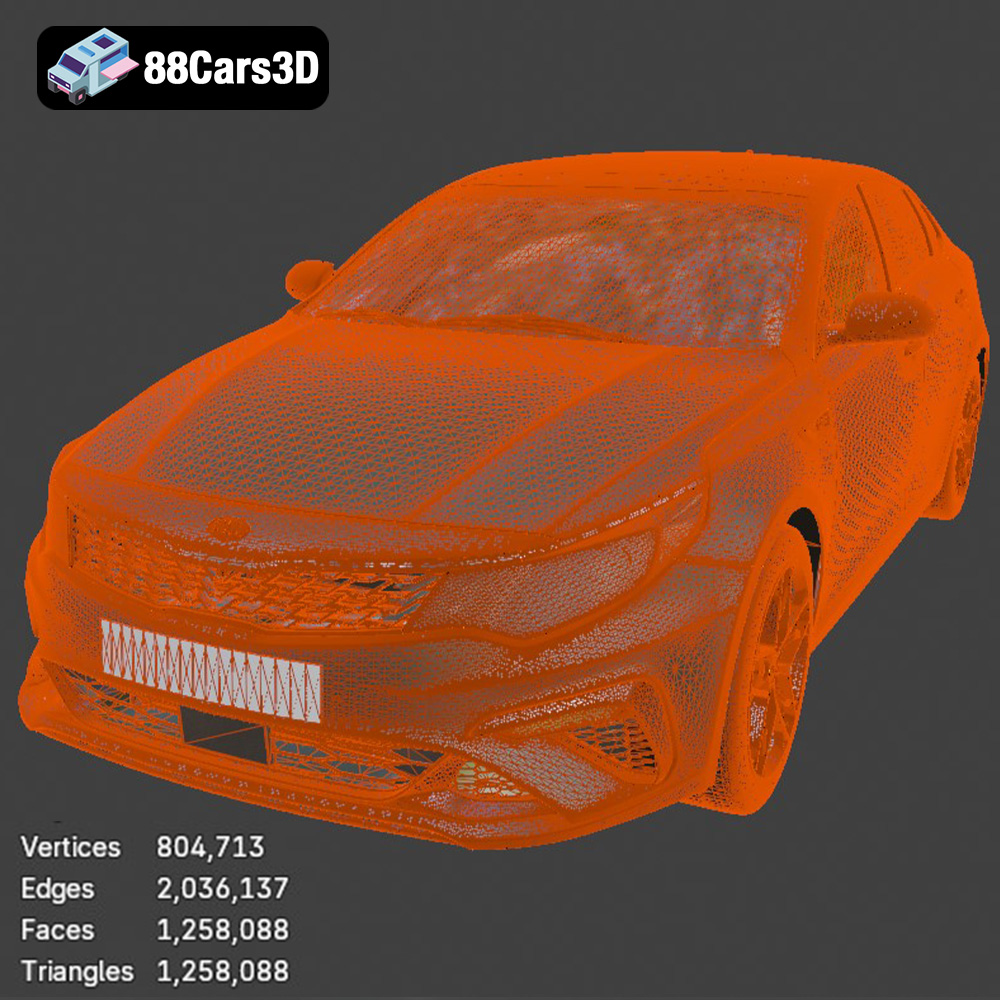
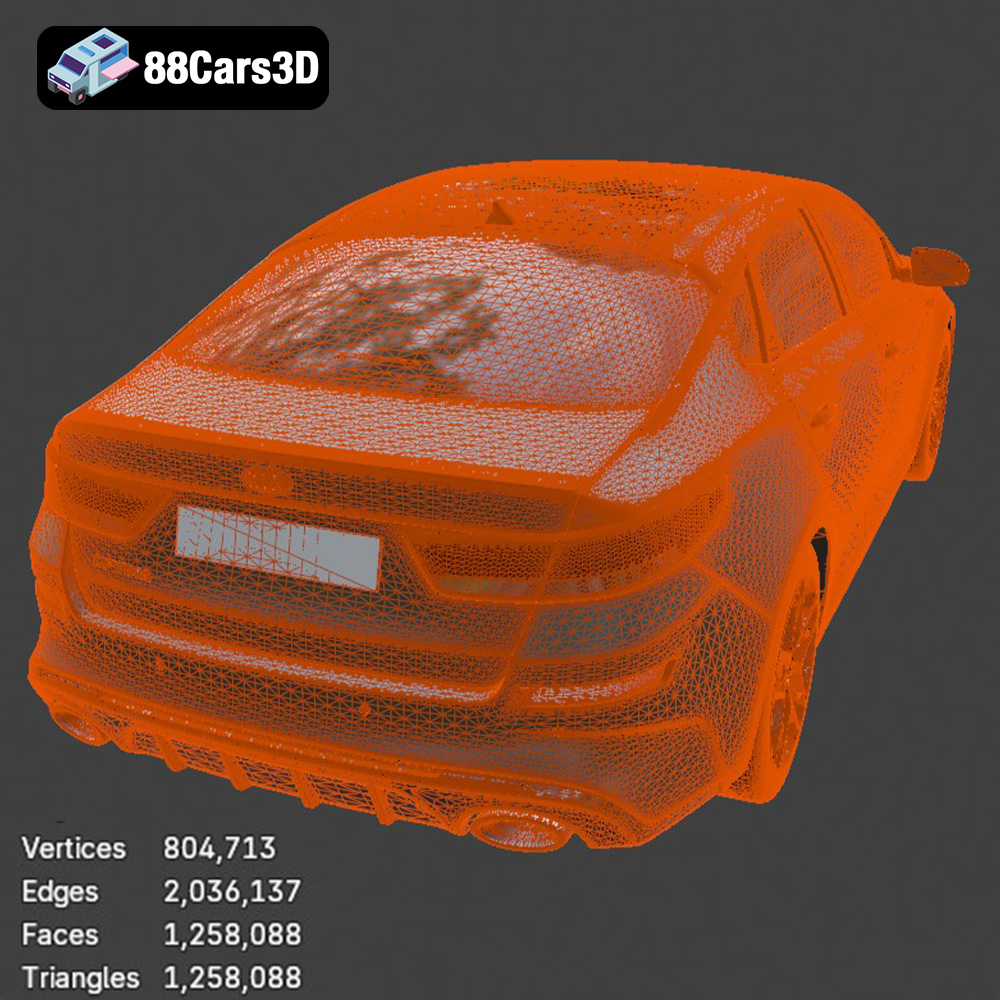
The .stl (Stereolithography) format is the workhorse of 3D printing. It represents the surface geometry of a 3D object as a collection of triangles, essentially creating a mesh. It’s widely supported by slicing software and 3D printers, making it the most reliable format for 3D printing. When downloading the Kia Optima 2019 model from 88cars3d.com, the STL file is what you’ll primarily use for printing. The quality of the STL file directly impacts the print’s resolution; a higher triangle count results in a smoother surface but also a larger file size. Slicing software uses the STL to generate the toolpath instructions for your 3D printer. It’s essential that the STL file is “watertight,” meaning it has no holes or gaps in the mesh. Non-watertight models can cause errors during slicing and printing. Mesh repair tools within slicing software or dedicated programs like MeshMixer can fix these issues. Since STL files only contain geometric data, information about color or textures is not included.
The .obj (Object) format is another common 3D model format. Unlike STL, it can store color and texture information along with the geometry. This is useful if you plan to apply textures to the 3D printed Kia Optima after printing, but it’s not directly printable with multiple colors. If you plan to use complex paint schemes or decals, the .obj format can be beneficial in the texturing and painting workflow.
The .ply (Polygon File Format) is designed to store data from 3D scanners. It can represent surface geometry, color, and other properties. It’s a less common format for 3D printing compared to STL and OBJ but is useful when dealing with highly detailed scans. It’s not typically used directly for slicing but can be converted to STL.
.blend files are native to Blender, a popular open-source 3D modeling software. These files contain the entire scene, including the model, materials, lighting, and other settings. While not directly printable, having a .blend file of the Kia Optima 2019 allows you to customize the model extensively before exporting it to a printable format like STL. You can make modifications to the design, add details, or split the model into multiple parts for easier printing.
.fbx (Filmbox) is a proprietary file format developed by Autodesk. It’s commonly used for exchanging 3D models between different software applications, especially in game development. It supports geometry, materials, textures, and animation data. While some slicing software can import .fbx files, it’s more common to export the model as an STL for printing.
.glb (GL Transmission Format Binary) is designed for efficient transmission and loading of 3D models. It’s often used for displaying 3D models on the web and in AR/VR applications. It’s typically not used directly for 3D printing but can be useful for previewing the model before printing to ensure it meets your expectations.
.max files are the native file format for 3ds Max, another popular 3D modeling software. Similar to .blend files, they contain the entire scene and allow for extensive customization. You can modify the Kia Optima 2019 model in 3ds Max before exporting it as an STL for printing.
Before sending the Kia Optima 2019 3D model to your printer, you need to prepare it using slicing software. Slicing software takes the 3D model (typically in STL format) and converts it into a series of instructions (G-code) that your 3D printer can understand. It also allows you to adjust various printing parameters to optimize the print quality.
The orientation of the model on the print bed significantly impacts the print quality, support requirements, and print time. For the Kia Optima 2019, printing the model with the wheels facing down is often a good starting point. This minimizes the need for supports on the body of the car. However, overhangs like the side mirrors and rear spoiler will likely require support structures. Experiment with different orientations to find the best balance between print time, support usage, and surface quality. In slicing software, you can choose between different support types, such as linear supports, tree supports, and custom supports. Tree supports are often a good option for complex models as they use less material and are easier to remove.
Layer height determines the resolution of the print. A smaller layer height (e.g., 0.1mm) will result in a smoother surface but will also increase the print time. A larger layer height (e.g., 0.2mm) will print faster but may result in a more stepped appearance. For the Kia Optima 2019, a layer height of 0.15mm to 0.2mm is a good compromise between print quality and speed.
Infill refers to the density of the material inside the model. A higher infill percentage (e.g., 20%) will make the model stronger but will also increase the print time and material usage. For a display model, an infill percentage of 10-15% is usually sufficient. You can also use different infill patterns, such as grid, honeycomb, or gyroid. Gyroid infill provides excellent strength-to-weight ratio.
Print speed affects both print time and print quality. A slower print speed (e.g., 40mm/s) will generally result in better quality but will take longer. A faster print speed (e.g., 60mm/s) will print faster but may result in imperfections. Experiment with different speeds to find the optimal setting for your printer and material.
The choice of material greatly influences the final look, feel, and durability of your 3D printed Kia Optima 2019 model.
PLA is a biodegradable thermoplastic derived from renewable resources like corn starch or sugarcane. It’s easy to print, has low warping, and comes in a wide range of colors, making it a popular choice for beginners. PLA is ideal for display models as it provides a good surface finish and is easy to paint. However, PLA is not as heat-resistant or durable as other materials.
PETG is a more durable and heat-resistant thermoplastic compared to PLA. It also has good layer adhesion, making it less prone to cracking. PETG is a good option if you want a more robust 3D printed Kia Optima that can withstand some wear and tear. It can be a bit more challenging to print than PLA, requiring higher temperatures and careful adjustment of settings to avoid stringing.
As mentioned earlier, resin printing offers the highest level of detail and surface finish. Different types of resin offer varying properties. Standard resin is good for general-purpose printing, while tough resin offers increased durability. Resin prints require post-processing steps like washing and curing, but the results can be stunning.
Once the Kia Optima 2019 model is printed, post-processing is essential to achieve a professional-looking finish.
Carefully remove the support structures using pliers or a sharp knife. Take your time to avoid damaging the model. Once the supports are removed, use sandpaper to smooth out any imperfections and layer lines. Start with a coarser grit sandpaper (e.g., 220 grit) and gradually move to finer grits (e.g., 400 grit, 600 grit, 800 grit) for a smooth surface. Wet sanding can help to reduce dust and improve the sanding process.
Apply a primer to the model to create a smooth surface for painting. Primer also helps the paint to adhere better. Use multiple thin coats of primer rather than one thick coat to avoid runs and drips. Once the primer is dry, you can paint the model with your desired colors. Acrylic paints are a good choice for 3D printed models as they are easy to apply and come in a wide range of colors. Use masking tape to create clean lines and protect areas that you don’t want to paint. Consider using an airbrush for a more professional-looking finish.
If the Kia Optima 2019 model was printed in multiple parts, assemble them using glue. Cyanoacrylate (super glue) works well for bonding 3D printed parts. Add details like windows, lights, and emblems to enhance the realism of the model. You can use clear plastic sheets for the windows and small LED lights for the headlights and taillights. Decals can also be used to add logos and other details.
Even with careful preparation, you may encounter some common 3D printing issues. Here are a few troubleshooting tips:
* **Warping:** This occurs when the corners of the model lift off the print bed. Ensure the print bed is properly leveled and heated. Use a brim or raft to improve adhesion.
* **Stringing:** This is caused by molten plastic oozing from the nozzle during travel moves. Reduce the printing temperature, increase retraction settings, and adjust travel speed.
* **Layer Shifting:** This can be caused by loose belts, vibrations, or stepper motor issues. Check and tighten the belts, reduce print speed, and ensure the printer is on a stable surface.
* **Underextrusion:** This occurs when the printer isn’t extruding enough plastic. Check the nozzle for clogs, increase the printing temperature, and adjust the extrusion multiplier.
The print time and material cost for the Kia Optima 2019 3D model will vary depending on the size, settings, and material used. As an estimate, a model printed at 200mm length with 15% infill using PLA could take between 15-20 hours and cost $5-$10 in material. Resin prints, while potentially faster in printing the individual layers, require additional time for washing and curing. A smaller scale resin print could take 8-12 hours and cost $10-15 in resin.
3D printing the Kia Optima 2019 3D model is a fantastic project that combines technical skills with artistic expression. By carefully selecting your printer, preparing the model, choosing the right materials, and applying post-processing techniques, you can create a stunning replica that showcases the beauty and design of this iconic sedan. Resources like 88cars3d.com provide access to high-quality STL files and 3D printed models, making projects like this accessible to enthusiasts of all skill levels. Remember to experiment with different settings and techniques to find what works best for your printer and desired outcome. Happy printing!
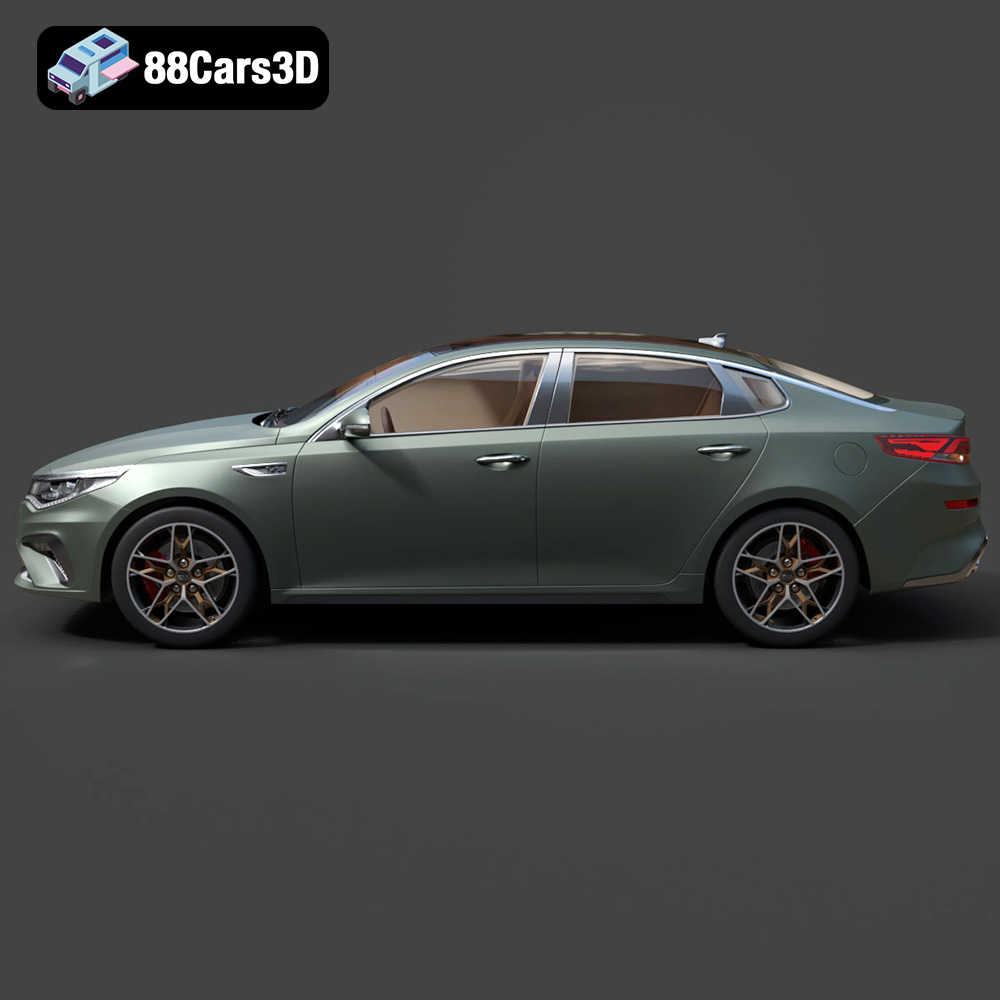
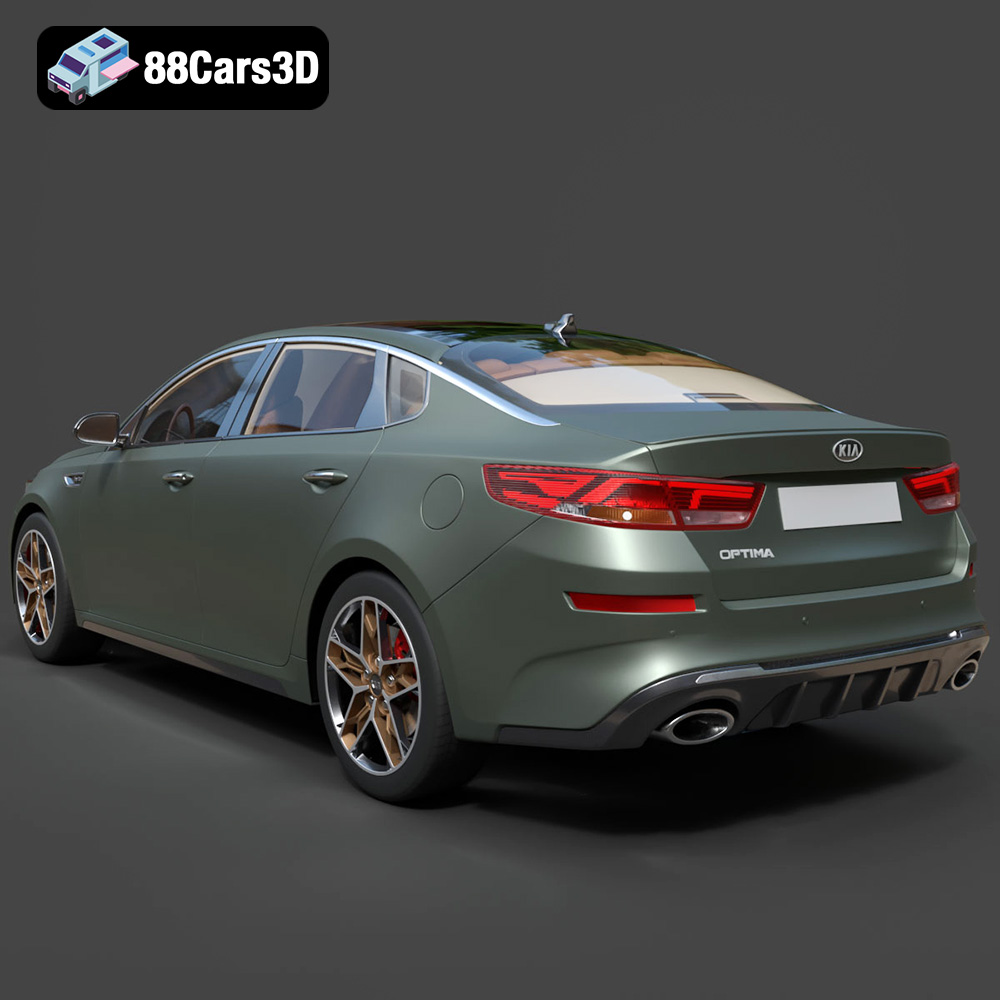
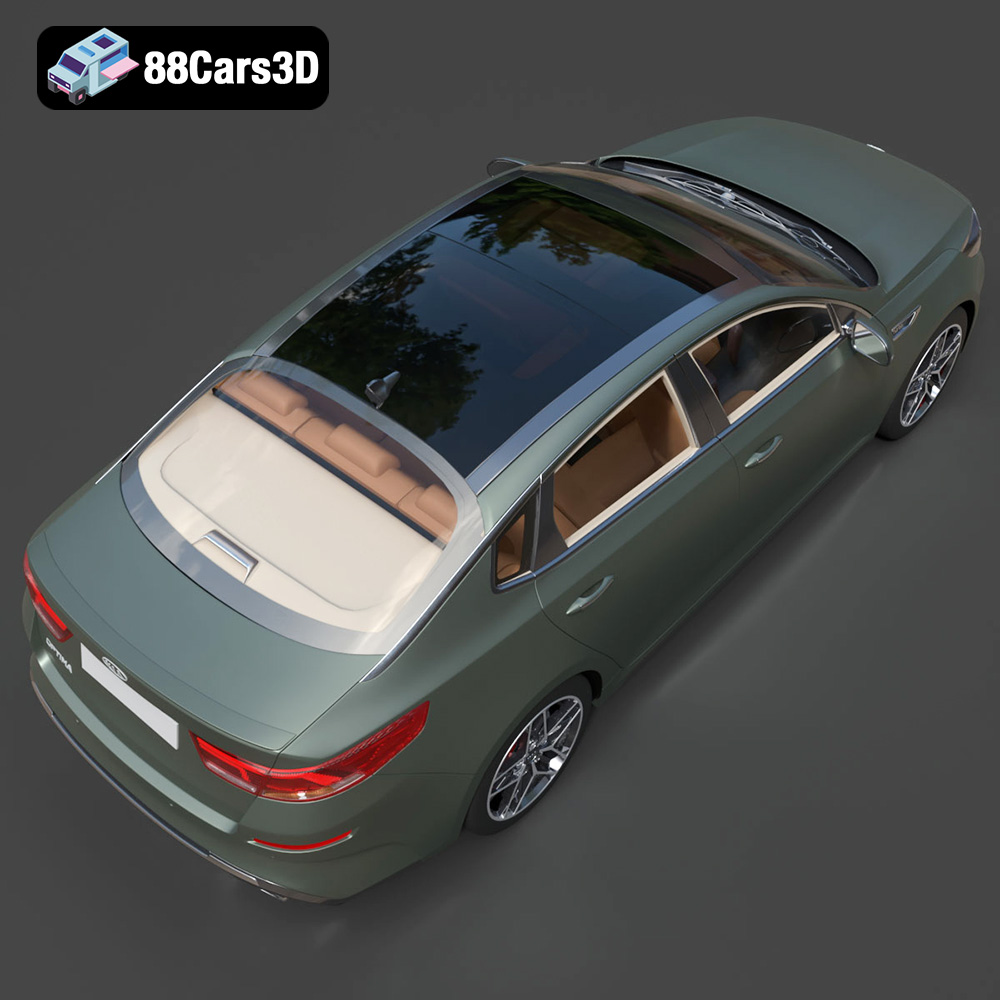
Experience precision and realism with the Kia Optima 2019 3D model. Designed to replicate the authentic proportions and dynamic styling of the actual vehicle, this model provides exceptional accuracy for various professional projects.
This model boasts clean geometry, realistic materials, and an optimized topology that ensures seamless integration into your workflow. It is meticulously crafted to meet industry standards with professional-grade surfacing.
Perfect for a wide range of applications, the Kia Optima 2019 3D model is ready to be utilized in game development, architectural rendering, AR/VR experiences, film production, and automotive visualization.
Available in multiple versatile file formats to ensure maximum compatibility:
$39.99
.arvr
.blend
.car3dmodel
.familycar
.fbx
.gameasset
.glb
.kia
.max
.obj
.optima
.ply
.rendering
.sedan
.simulation
.stl
.unreal