Get 20% OFF All Premium 3D & STL Models!

In today’s visually driven world, the demand for hyper-realistic and functionally versatile 3D assets is skyrocketing across industries. From groundbreaking video games and cinematic automotive advertisements to innovative AR/VR experiences and detailed product visualizations, the quality of a 3D model can significantly impact the final output and project success. Among these, 3D car models stand out as particularly complex and sought-after assets, requiring a meticulous blend of artistic skill and technical precision to achieve true fidelity.
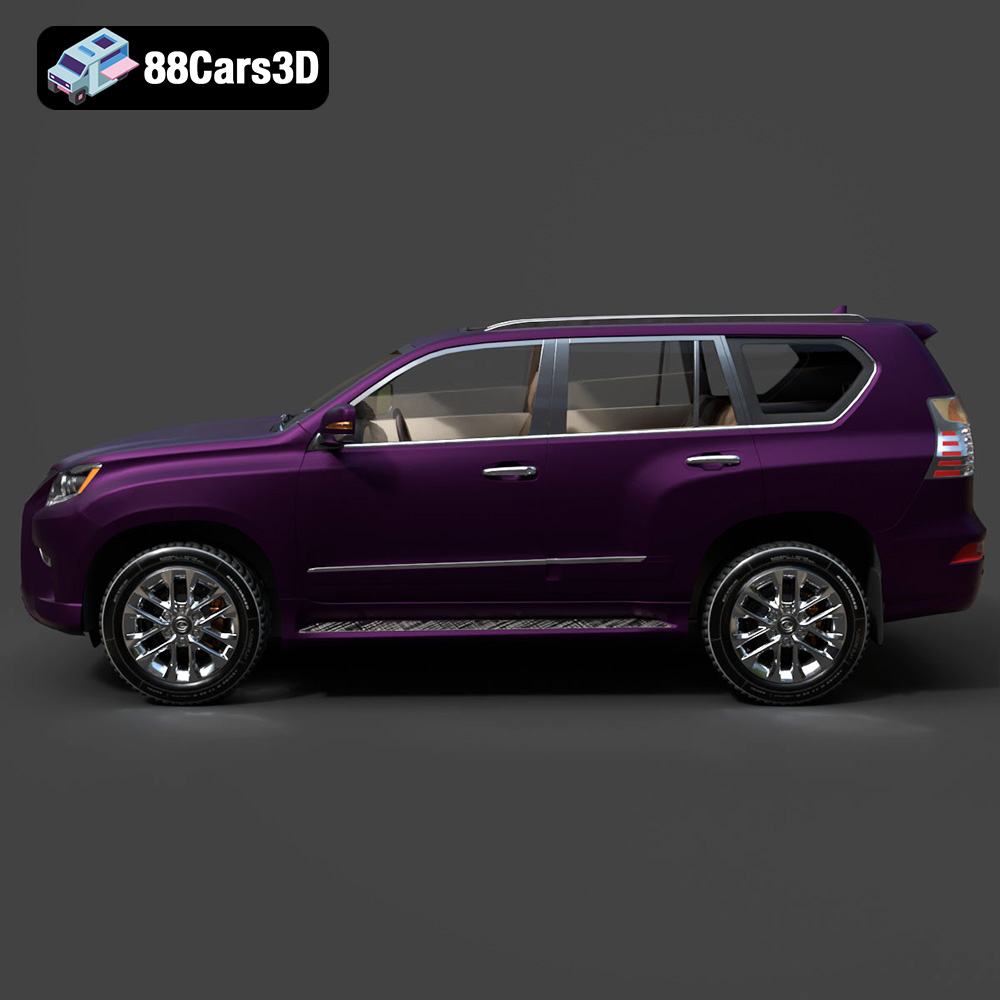
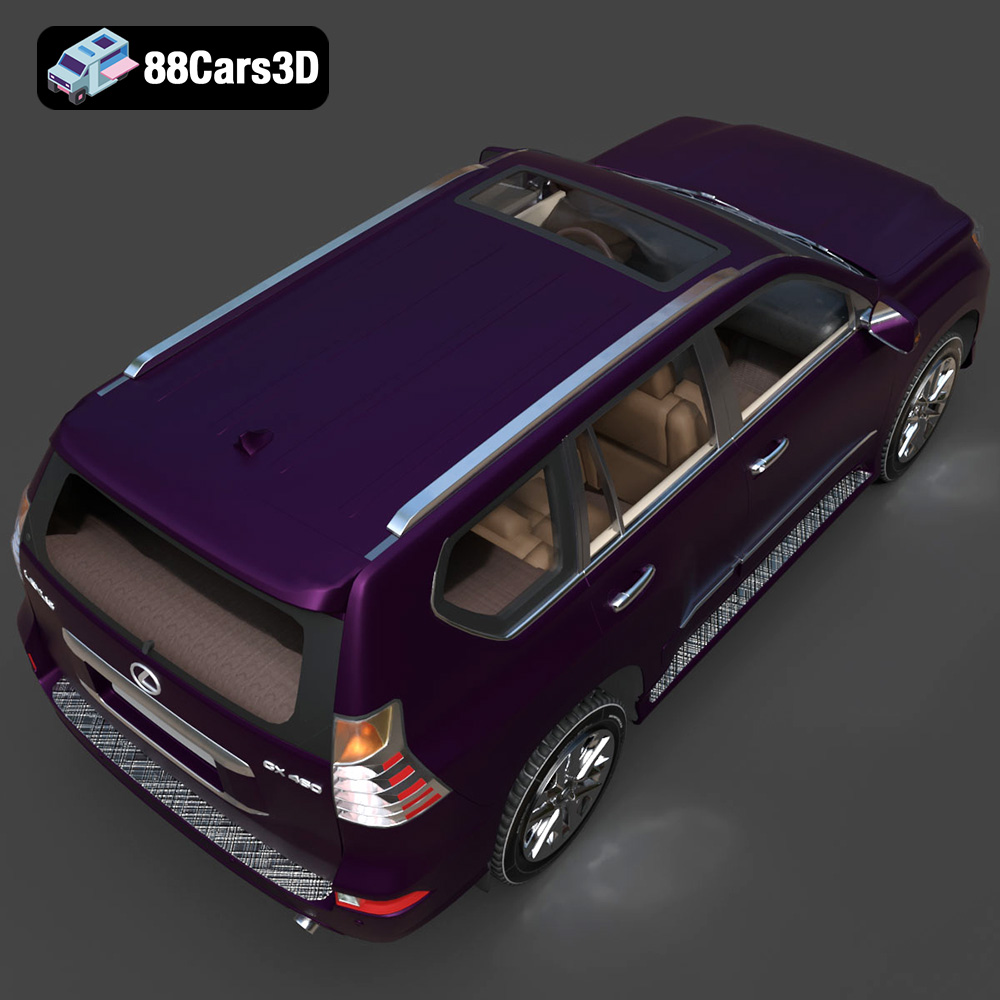
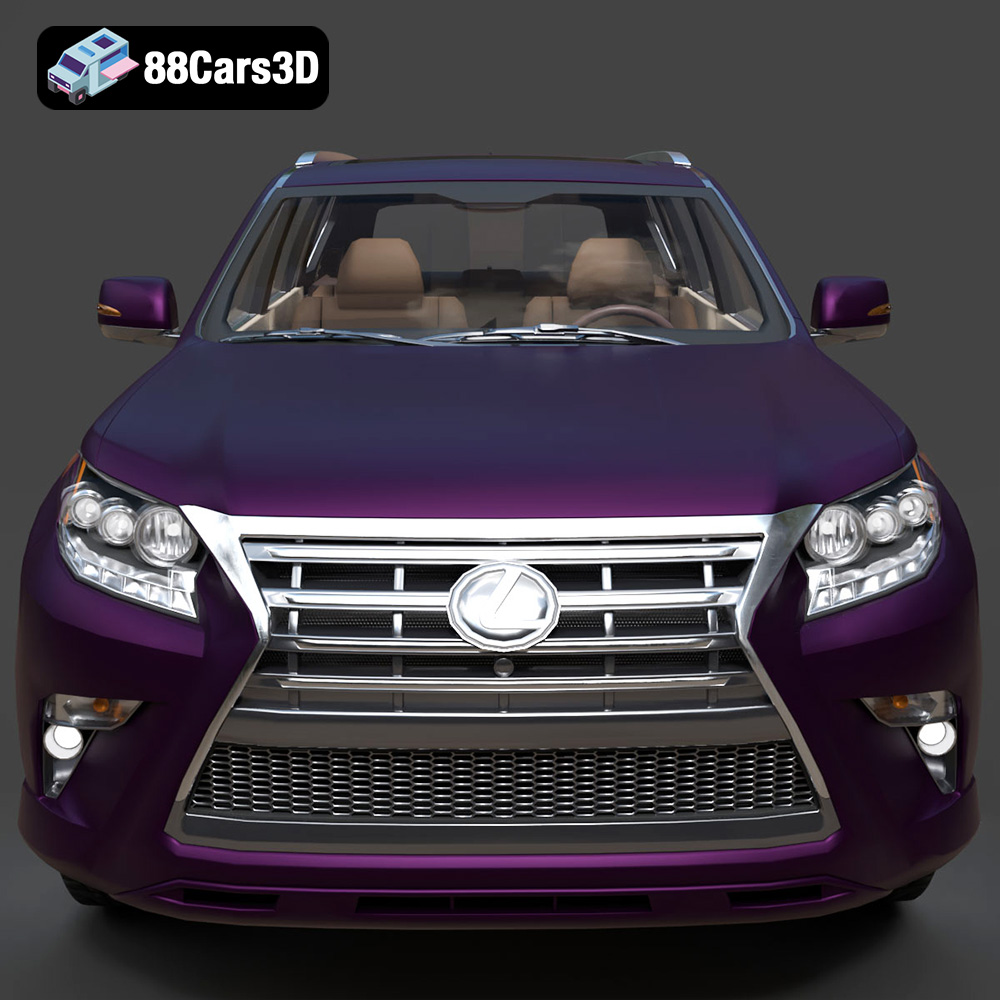
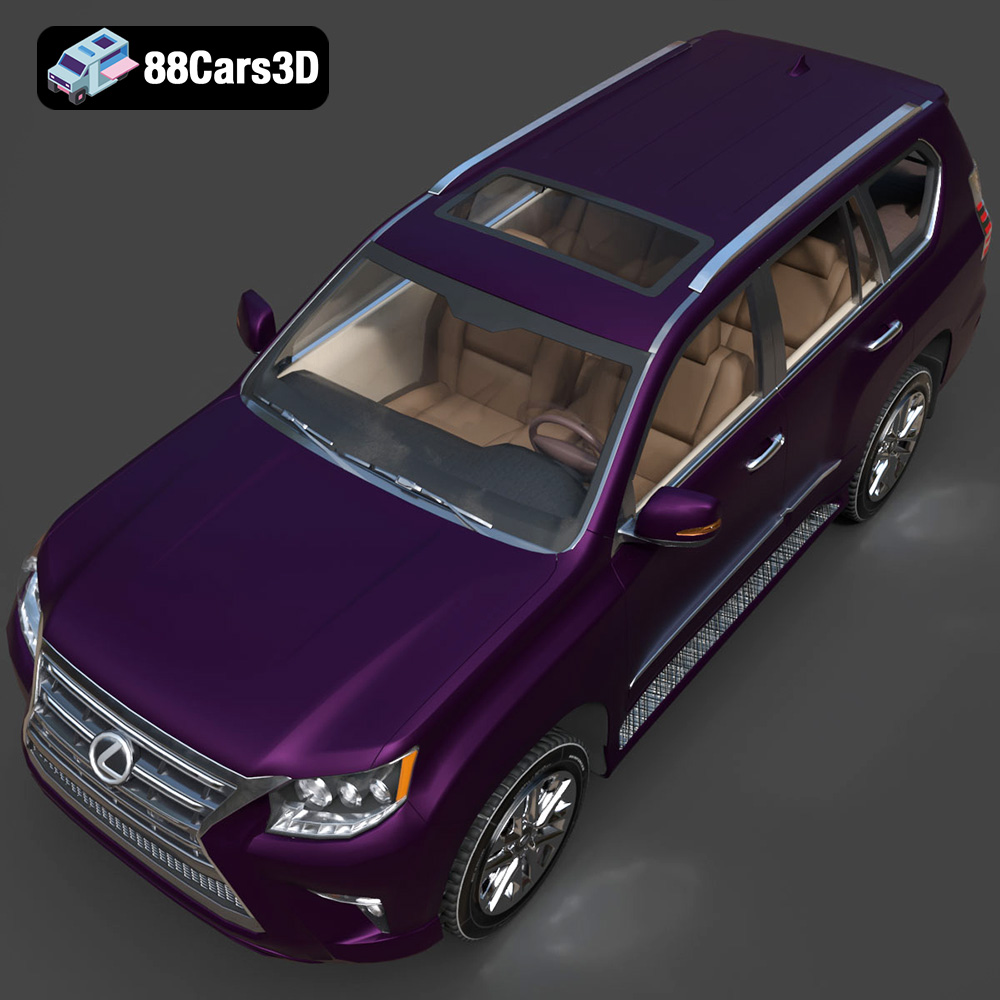
The essence of a compelling digital narrative or an immersive simulation often lies in its attention to detail. This is especially true for vehicles, which convey not just functionality but also brand identity, aesthetic appeal, and performance characteristics. A poorly modeled car can instantly break immersion, while a high-fidelity asset elevates the entire experience. This pursuit of perfection brings us to exceptional resources like the Lexus GX460 2014 3D Model, a prime example of an asset meticulously crafted to meet the rigorous demands of professional production environments. Its robust design and comprehensive format support make it an invaluable addition to any digital artist’s or developer’s toolkit, providing a solid foundation for diverse projects requiring top-tier automotive realism.
The creation of high-quality 3D car models is a specialized art form, blending technical proficiency with an acute eye for detail. These assets are not merely decorative elements; they are integral components that drive realism, facilitate development, and elevate the user experience across a multitude of applications. The investment in superior 3D models pays dividends in credibility, performance, and creative flexibility.
For automotive designers and marketers, 3D models are indispensable tools. Before a single physical prototype is built, virtual models allow for iterative design, aerodynamic testing, and comprehensive visual reviews. High-fidelity 3D car models enable design studios to present new concepts with photorealistic renders and animations, showcasing every curve, material, and lighting interaction with unparalleled accuracy. Marketing departments leverage these models for captivating advertisements, online configurators, and interactive showrooms, allowing potential customers to explore vehicles like the Lexus GX460 2014 in exquisite detail from any angle. This level of precision is critical for conveying the luxury and robust engineering of the actual vehicle, ensuring that the digital representation is as compelling as the real thing.
In the realm of video games, high-quality 3D car models are central to delivering immersive and engaging gameplay. Whether it’s a high-octane racing simulator or an open-world adventure, realistic vehicles contribute significantly to the game’s overall atmosphere and player immersion. Game developers require models that are not only visually stunning but also optimized for real-time performance, featuring appropriate polygon counts, clean UVs, and efficient material setups. Assets like the Lexus GX460 2014 3D Model, designed with game engines like Unreal Engine and Unity in mind, allow developers to populate their virtual worlds with believable traffic, playable vehicles, and environmental dressing that enhance realism without compromising frame rates. The ability to integrate such detailed models seamlessly into a game engine workflow is a testament to their professional-grade construction.
Augmented Reality (AR) and Virtual Reality (VR) represent the frontier of interactive experiences, and 3D car models are at the forefront of this revolution. From virtual test drives that allow users to “sit inside” a vehicle to AR applications that project a full-scale car into their driveway, detailed 3D models are fundamental. For AR/VR, optimization is key, as these platforms often run on mobile devices or require extremely high frame rates to prevent motion sickness. Models like the Lexus GX460 2014 3D Model, offered in web-optimized formats such as .glb, ensure that complex geometry and textures can be displayed smoothly and responsively across various AR/VR devices, delivering truly interactive and believable experiences that blur the line between the digital and physical.
Choosing the right file format is as crucial as the quality of the 3D model itself. Each format is designed with specific use cases, software compatibility, and technical characteristics in mind. A comprehensive asset, such as the Lexus GX460 2014 3D Model available on 88cars3d.com, typically offers a range of formats to ensure maximum versatility across different professional pipelines. Understanding these formats is essential for any 3D artist, developer, or designer.
The .blend format is native to Blender, the popular open-source 3D creation suite. A .blend file typically encapsulates an entire Blender scene, including the 3D model’s geometry, materials, textures, lighting, camera setups, animations, and even modifiers. It offers full editability, making it ideal for users who want to modify, re-texture, or animate the model within Blender’s powerful environment. For an asset like the Lexus GX460 2014, a .blend file provides access to the original project, allowing artists to delve deep into its construction, learn from its setup, or customize it extensively for unique projects without worrying about data loss during export/import processes.
.fbx (Filmbox) is one of the most widely adopted proprietary file formats for 3D animation data exchange, particularly prevalent in game development. Developed by Autodesk, it supports geometry, materials, textures, animations, skinning, and even camera and light data. Its robust nature makes it the go-to format for transferring assets between different 3D software applications and, critically, into game engines like Unreal Engine and Unity. When a model like the Lexus GX460 2014 is provided as .fbx, it often comes pre-optimized for real-time performance, ensuring smooth integration and correct material assignment within game development pipelines.
The .obj (Wavefront OBJ) format is a universal, open standard for 3D geometry. It’s incredibly simple, storing vertex data, normals, texture coordinates, and faces. Material definitions are usually stored in a companion .mtl (material library) file. While .obj doesn’t typically support animation or rigging information directly, its widespread compatibility makes it a safe bet for importing models into virtually any 3D software. For the Lexus GX460 2014, the .obj format serves as a reliable fallback, guaranteeing that the core mesh and basic materials can be accessed and worked with regardless of the user’s primary software.
.glb (GL Transmission Format Binary) is the binary version of glTF, a royalty-free specification for the efficient transmission and loading of 3D scenes and models by applications. .glb files consolidate geometry, materials, textures, animations, and other scene data into a single, self-contained binary file, making them highly efficient for web-based applications, AR/VR experiences, and interactive 3D viewers. Its compact size and optimized structure ensure fast loading times and smooth performance, making it an excellent choice for deploying the Lexus GX460 2014 into a web configurator or an augmented reality app.
.stl (STereoLithography) is the standard file format for 3D printing. It represents a 3D model as a collection of unconnected triangular facets, defining only the surface geometry of an object without color, texture, or other CAD attributes. While simple, its ubiquity in the 3D printing world means that any model, including a detailed vehicle like the Lexus GX460 2014, can be prepared for physical fabrication. Artists can use this format to create miniature replicas, prototypes, or custom parts directly from the digital asset.
The .ply (Polygon File Format or Stanford Triangle Format) is a file format for storing 3D data, particularly from 3D scanners. It can store a variety of data, including color, transparency, surface normals, texture coordinates, and data confidence values, alongside vertex and face information. While less common for general asset exchange than .fbx or .obj, it’s valued in fields requiring high-precision mesh data, such as scientific visualization, archaeological reconstruction, or for intricate CAD applications where every data point is crucial. For the Lexus GX460 2014, a .ply export offers a dense, detailed polygon mesh suitable for specific analytical or high-fidelity rendering requirements.
While not a standalone file extension in the same way as .fbx or .obj, “unreal” typically refers to an asset that is pre-configured and optimized for direct import and use within the Unreal Engine ecosystem. This often means the model has been processed, had its materials set up using Unreal’s physically based rendering (PBR) pipeline, and possibly includes collision meshes, LODs (Levels of Detail), and blueprint configurations. For the Lexus GX460 2014 3D Model, the inclusion of an “unreal” ready version signifies that developers can drag and drop it into their Unreal projects with minimal setup, saving significant time and effort in game or simulation development.
The .max format is the native file type for Autodesk 3ds Max, one of the most powerful and widely used 3D modeling, animation, and rendering software packages in the industry. Similar to .blend files for Blender, a .max file contains the complete scene data, including geometry, materials, textures, lighting, cameras, animation keyframes, and plugins used. It offers full editability within 3ds Max, allowing professionals to integrate the Lexus GX460 2014 into complex scenes, animate it, or customize its appearance using the extensive toolset and rendering capabilities of 3ds Max, such as V-Ray or Corona Renderer.
Achieving photorealistic automotive rendering is a blend of technical mastery, artistic vision, and a deep understanding of light and materials. A high-quality 3D car model, such as the Lexus GX460 2014, serves as the perfect canvas for producing stunning visuals that can be indistinguishable from real-world photography.
For many professionals in automotive visualization, 3ds Max combined with renderers like V-Ray or Corona Renderer forms the backbone of their workflow. These render engines are renowned for their physically-based rendering capabilities, accurately simulating how light interacts with materials in the real world. Starting with a detailed .max file of the Lexus GX460 2014, artists can import the model, set up sophisticated studio lighting environments, create realistic car paint shaders with multiple layers (base coat, clear coat, metallic flakes), and fine-tune tire rubber, glass, and chrome materials. The process involves meticulous camera placement, depth of field adjustments, and environmental backdrops or HDRI (High Dynamic Range Image) lighting to convincingly place the car in a scene. The end result is a render that captures the luxurious finish and powerful presence of the vehicle with stunning fidelity.
Blender has emerged as a formidable contender in the 3D rendering space, offering two powerful render engines: Cycles and Eevee. Cycles, a physically-based path tracer, delivers exceptionally realistic results, akin to V-Ray or Corona, making it ideal for high-quality static renders and animations. Eevee, Blender’s real-time renderer, provides immediate visual feedback, perfect for rapid iteration and game-like rendering quality. Using the .blend file of the Lexus GX460 2014, artists can leverage Blender’s intuitive interface to set up materials, lighting, and camera angles. Cycles can reproduce the subtle reflections on the car’s bodywork and the intricate details of its interior, while Eevee allows for quick previews and even impressive stylized renders. This accessibility, coupled with powerful features, makes Blender a top choice for producing high-end automotive renders without the associated licensing costs of proprietary software.
Raw renders, no matter how good, often benefit immensely from post-production in image editing software like Adobe Photoshop or GIMP. This stage is where a good render becomes a great one. Techniques include color grading to establish mood, adding subtle lens flares or bloom effects, enhancing reflections and highlights, and compositing the car into a background image with perfect integration. For automotive renders of the Lexus GX460 2014, post-production can involve refining tire smoke, motion blur for dynamic shots, or adding environmental effects like rain or fog to create a more dramatic scene. This final polish ensures that the rendered image has the impact and visual quality expected in professional advertising and design portfolios.
For game developers, 3D car models are not just static objects; they are interactive elements that demand meticulous integration into complex game engines. The journey from a high-detail source model like the Lexus GX460 2014 to a fully functional game asset involves several critical optimization and setup steps.
Unreal Engine and Unity are the industry-leading game engines, each with its unique requirements and workflows. When integrating a 3D car model, the primary goal is to balance visual fidelity with real-time performance. This often means working with a game-engine-ready format like .fbx or, even better, a pre-configured “unreal” package. For the Lexus GX460 2014, developers would import the model, set up its materials using the engine’s PBR workflow (e.g., Unreal’s Material Editor or Unity’s Shader Graph), and ensure textures are correctly linked. Special attention is paid to texture resolution and format to minimize memory footprint while maintaining visual quality. Optimizing for these engines often involves baking complex lighting information into textures or using instancing for multiple identical vehicles to reduce draw calls.
To ensure smooth performance across different hardware specifications, game assets must utilize Levels of Detail (LODs). An LOD system consists of multiple versions of the same model, each with a progressively lower polygon count. When the Lexus GX460 2014 is far from the camera, a low-poly LOD is rendered; as it approaches, higher-poly versions are swapped in. This saves significant processing power. Alongside visual geometry, collision meshes are crucial. These simplified, invisible meshes define the physical boundaries of the car, allowing for accurate interaction with the game world and other objects without the computational cost of using the detailed visual mesh for physics calculations. Proper material setup involves creating shader networks that accurately represent the car’s various surfaces—paint, glass, chrome, rubber—responding correctly to in-game lighting and environmental effects. The availability of clean geometry and well-organized UVs in the Lexus GX460 2014 3D Model simplifies these crucial steps, leading to a more efficient and higher-quality game asset.
For a car to be truly interactive in a game, it needs rigging and animation. Rigging involves creating a skeletal hierarchy that allows different parts of the car to move independently (e.g., wheels rotating, doors opening, suspension flexing). The wheels are typically rigged to rotate and steer, and often a more complex rig is applied to the suspension to simulate realistic bounces and compression. If the game allows for damage, additional rigging for deformable parts or modular components might be necessary. Animations for car doors, hood, trunk, and even interior elements like the steering wheel or dashboard dials can enhance the player’s experience. While the base Lexus GX460 2014 3D Model might not come pre-rigged, its clean topology makes it an excellent candidate for game developers to add these interactive layers efficiently, turning a static model into a dynamic game element.
The utility of a high-quality 3D car model extends far beyond traditional rendering and game development, venturing into the exciting realms of augmented reality, virtual reality, and physical prototyping through 3D printing.
AR and VR are transforming how we interact with digital content, offering unparalleled levels of immersion. For automotive applications, this means everything from virtual car configurators that allow customers to customize a Lexus GX460 2014 in real-time, to AR apps that project a full-scale model onto their driveway. The key to successful AR/VR deployment is optimized assets. Models must be lightweight, have efficient geometry, and use texture atlases where possible to minimize draw calls. The .glb format, included with the Lexus GX460 2014 3D Model, is specifically designed for these environments, consolidating all necessary data into a single, compact file for quick loading and smooth interaction on mobile devices and VR headsets. This allows for truly interactive and compelling virtual showrooms or educational tools, where users can explore the car’s interior, open doors, and even “drive” it in a simulated environment.
3D printing bridges the gap between the digital and physical world, allowing for rapid prototyping, concept validation, and even small-scale manufacturing. A robust 3D model like the Lexus GX460 2014, when provided in an .stl format, can be directly prepared for 3D printing. Engineers and designers can print scaled-down versions for physical evaluation, creating tangible prototypes to assess ergonomics, aesthetics, or fit and finish. This is particularly valuable in the early stages of design or for creating custom accessories. While the provided .stl might require some preparation for ideal printing (e.g., solidifying meshes, adjusting wall thickness for smaller scales), the underlying high-quality geometry ensures that the printed model accurately reflects the digital design, offering a powerful tool for bringing virtual designs into reality.
The versatility and realism of the Lexus GX460 2014 3D Model make it an ideal candidate for a wide array of professional applications. Its detailed construction ensures it can stand up to the scrutiny of high-stakes projects.
Imagine a global advertising campaign for the Lexus GX460 2014. Instead of costly physical shoots in exotic locations, agencies can leverage the 3D model. They could create a stunning cinematic sequence of the GX460 traversing a digital mountain pass, rendered with breathtaking realism in 3ds Max using V-Ray. Alternatively, for a product launch website, interactive 360-degree views and a real-time color configurator could be built using the optimized .glb version, allowing potential buyers to explore every facet of the SUV online. The model’s precision ensures brand consistency and allows for unlimited creative scenarios without the logistical challenges of real-world photography.
For professional training or entertainment, a driving simulator demands highly accurate vehicle models. The Lexus GX460 2014 3D Model could be integrated into an Unreal Engine-based simulator to train off-road drivers or for use in advanced driver-assistance systems (ADAS) research. The “unreal” ready version would streamline integration, allowing developers to focus on simulating realistic physics, environmental conditions, and AI driver behavior. The model’s accurate proportions and interior detailing are crucial for creating a convincing virtual cockpit, providing trainees with a realistic sense of presence and control.
Architectural visualization studios frequently incorporate vehicles into their renders to bring life and scale to their proposed buildings and urban designs. Picture a luxurious residential development with a Lexus GX460 2014 parked elegantly in the driveway or a bustling city street scene. Using the .max or .blend file, arch-viz artists can easily place the vehicle into their scene, adjusting its lighting and materials to match the environment. The detailed model provides a sense of realism and aspirational lifestyle, enhancing the overall presentation of the architectural project and making it more appealing to clients and potential buyers.
The journey through the world of 3D car models underscores their indispensable role in various creative and technical industries. From the initial conceptualization in automotive design to the immersive experiences of virtual reality, and even the tangible reality of 3D printing, high-quality 3D assets are the bedrock of modern digital content creation. The ability to access meticulously crafted models, complete with diverse file format support and optimized geometry, empowers professionals to push the boundaries of realism and innovation.
The Lexus GX460 2014 3D Model stands as a testament to this commitment to quality. Its exceptional realism, clean geometry, and comprehensive format package—including .blend, .fbx, .obj, .glb, .stl, .ply, .unreal, and .max—make it a versatile tool for virtually any professional workflow. Whether you’re an automotive designer, a game developer, a visualization artist, or an AR/VR content creator, this model provides a robust foundation for your projects. Investing in such detailed and production-ready assets saves invaluable time and resources, allowing you to focus on the creative aspects of your work while ensuring superior final results.
Explore this and many other premium 3D car models designed for professional excellence at 88cars3d.com, your ultimate source for high-fidelity digital automotive assets.
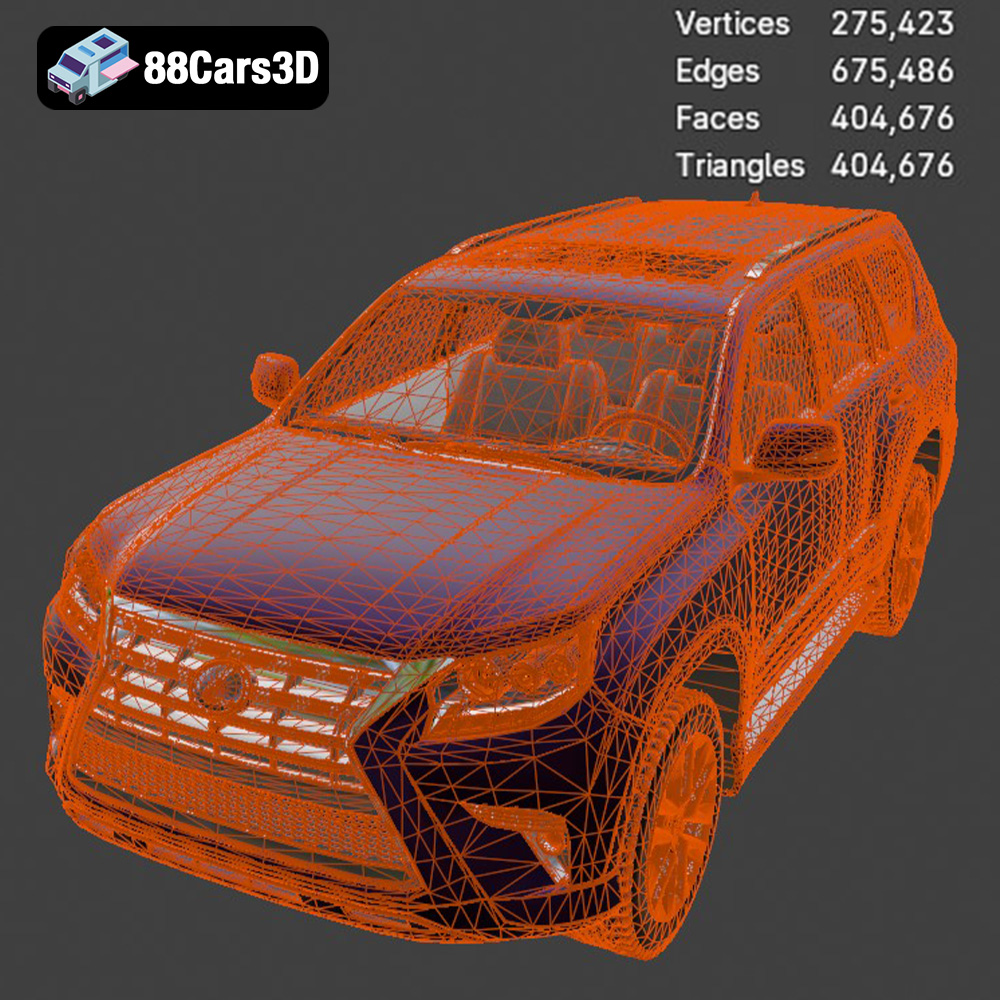
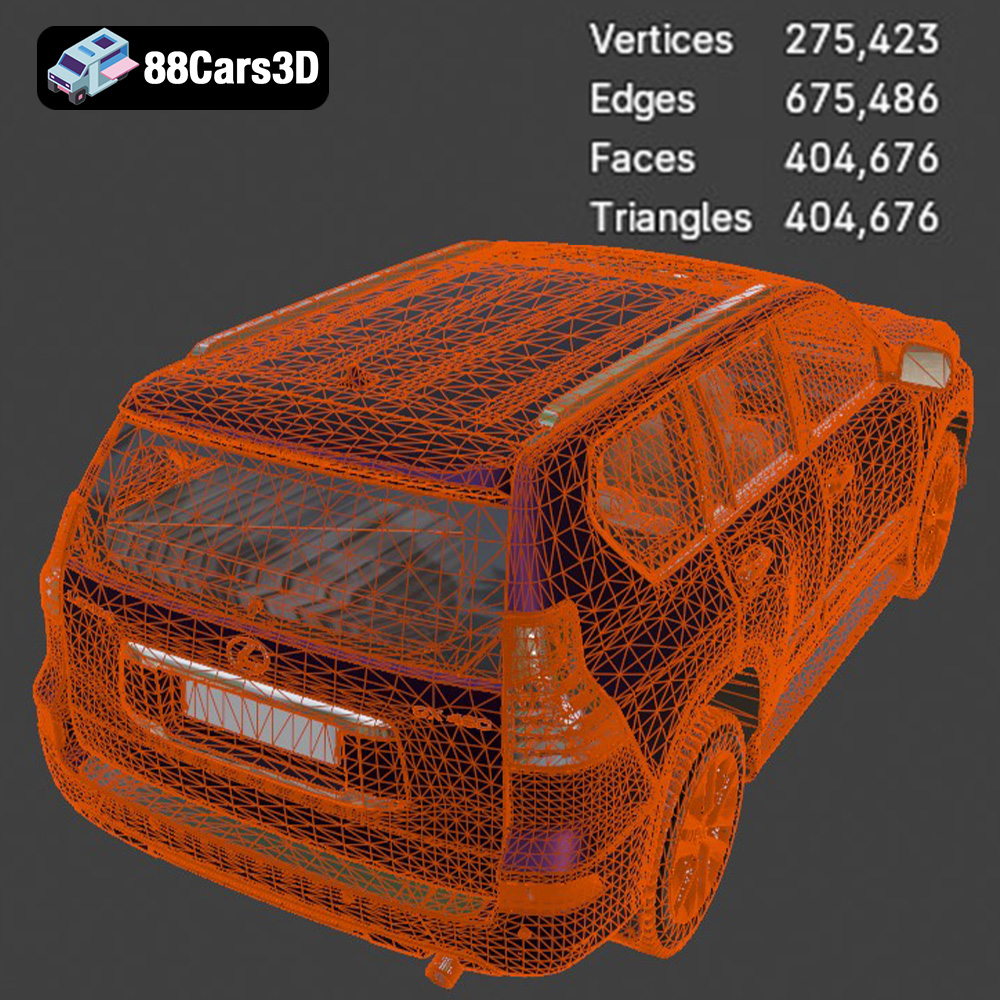
Discover the exceptional realism and precision of the Lexus GX460 2014 3D Model. Crafted with meticulous attention to detail, this digital asset perfectly replicates the powerful stance and luxurious design of the iconic SUV, making it an outstanding addition to your digital library. Designed for optimal performance, this model features clean geometry, realistic materials, and an optimized polygon count. Every exterior curve and interior element has been modeled to deliver professional quality results. The asset is fully textured and ready for immediate deployment in your chosen software. Whether you are developing an immersive video game, creating photorealistic architectural visualizations, producing interactive AR/VR experiences, or conducting automotive simulations, this versatile 3D model adapts seamlessly to any demanding production environment. This comprehensive package includes multiple industry-standard file formats to ensure maximum compatibility: .blend – Editable Blender file with materials and lighting setup; .fbx – Game-engine ready format for Unreal Engine and Unity; .obj – Standard 3D model format compatible with all major software; .glb – Optimized for AR/VR and web-based visualization; .stl – Suitable for 3D printing and prototyping; .ply – Detailed polygon mesh for analysis and visualization; .unreal – Pre-configured for Unreal Engine use; .max – Editable 3ds Max file for rendering and animation.
$39.99
.arvr
.blend
.car3dmodel
.fbx
.gameasset
.glb
.gx460
.lexus
.luxury
.max
.obj
.offroad
.ply
.rendering
.simulation
.stl
.unreal
SUV