Get 20% OFF All Premium 3D & STL Models!

The digital realm has revolutionized how we perceive and interact with automotive design. From breathtaking cinematic renders that grace advertising campaigns to incredibly realistic vehicles populating the latest video games, 3D car models are the unsung heroes of visual innovation. These meticulously crafted digital assets are no longer just static representations; they are dynamic tools that drive immersive experiences, power intricate visualizations, and even lay the groundwork for physical prototypes through 3D printing.
At the heart of this evolving landscape lies the demand for precision, versatility, and efficiency. Whether you’re an automotive designer visualizing a new concept, a game developer crafting an open-world environment, or an architect integrating vehicles into a scene, the quality of your 3D car models dictates the realism and impact of your final product. This is where models like the Mercedes-Benz GLB-Class Mk1 AMG Line 2019 3D Model shine. Combining rugged versatility with premium luxury, this particular model exemplifies the high standards expected by professionals, offering a meticulously detailed replica that’s ready for a multitude of applications, from high-end rendering to real-time game engines.
This comprehensive guide delves into the intricate world of 3D car models, exploring their applications, technical requirements, and the workflows that bring them to life. We’ll examine how a high-fidelity asset like the Mercedes-Benz GLB-Class AMG Line model from 88cars3d.com empowers creators across various industries, providing a foundation for stunning visuals and seamless integration.
The choice of file format for a 3D model is crucial, determining its compatibility, feature retention, and suitability for different stages of a project. Each format serves a unique purpose, optimized for specific software, engines, or end-use applications. Understanding these distinctions is fundamental for any professional working with 3D car models.
The .blend format is native to Blender, the popular open-source 3D creation suite. When you download a .blend file, you’re not just getting the mesh; you’re receiving a fully editable Blender scene. This includes all materials, textures, lighting setups, cameras, animation data, modifiers, and potentially even rigging. It’s ideal for artists who primarily work in Blender and need complete control over every aspect of the model. For instance, with the Mercedes-Benz GLB-Class AMG Line 2019 model in .blend format, you could easily tweak its sport-tuned suspension detailing, modify the Nappa leather steering wheel materials, or even re-rig the wheels for custom animations directly within Blender.
.fbx (Filmbox) is a proprietary file format owned by Autodesk and is arguably the most widely used interchange format in the 3D industry, especially for animation and game development. It’s incredibly robust at preserving model data, including meshes, materials (often PBR setups), textures, animations, rigging, and even camera and light data. It’s the go-to format for transferring assets between applications like 3ds Max, Maya, Blender, and directly into game engines like Unreal Engine and Unity. The .fbx version of the GLB-Class model would be ideal for immediate import into Unreal, preserving its optimized topology (~250,000 triangles) and proper pivot setup for wheel rotation and suspension travel, making it truly game-ready.
The .obj (Wavefront OBJ) format is a venerable and highly compatible format, often considered the universal standard for basic 3D mesh data. It stores geometry (vertices, normals, texture coordinates, faces) and can reference external .mtl (material) files for color and texture information. While it doesn’t support animation or advanced scene data like .fbx, its simplicity and widespread support make it excellent for cross-software compatibility. If you need to import the Mercedes-Benz GLB into an older software package or simply require the raw mesh data for a custom workflow, .obj is a reliable choice.
.glb (GL Transmission Format Binary) is the binary version of glTF, a modern, open-standard format designed for efficient transmission and loading of 3D scenes and models. It bundles all assets (geometry, materials, textures, animations) into a single file, making it incredibly optimized for AR (Augmented Reality), VR (Virtual Reality), and browser-based display. This format is perfect for interactive web viewers, virtual showrooms, and mobile AR experiences where file size and load times are critical. The GLB-Class model in .glb format would be excellent for creating a virtual showroom accessible directly through a web browser or integrating into a mobile AR app for a compelling product configurator experience.
.stl (STereoLithography) is the de facto standard for 3D printing. It represents a 3D model as a series of connected triangles, defining only the surface geometry without color, texture, or other advanced properties. While simplified, its ubiquity in the additive manufacturing world is unmatched. The GLB-Class model, when converted to .stl, becomes a tangible object, allowing hobbyists or designers to 3D print a physical replica, perhaps at recommended scales like 1:12 or 1:18, showcasing its distinctive boxy silhouette and AMG Line styling in miniature form.
The .ply (Polygon File Format or Stanford Triangle Format) is another format that stores graphical objects as a collection of polygons. It’s highly flexible and can store a wide range of properties, including color, transparency, surface normals, and even data from 3D scanners. It’s often used in academic settings, for CAD applications, or for storing precise mesh data from highly detailed scans. While less common for general-purpose 3D car models, its precision capabilities make it valuable for certain niche applications or detailed analytical work.
The .unreal format, or more accurately, assets packaged for Unreal Engine, implies a model specifically optimized and configured for seamless integration into Epic Games’ powerful real-time environment. This often means pre-configured materials using Unreal’s PBR workflow, optimized collision meshes, LODs (Levels of Detail), and blueprint setups. A dedicated .unreal asset of the Mercedes-Benz GLB-Class model signifies that it’s been prepared to leverage Unreal’s rendering capabilities and real-time performance, ready for open-world games or advanced architectural visualizations.
Similar to .blend for Blender, .max is the native file format for Autodesk 3ds Max, a leading software for 3D modeling, animation, and rendering. A .max file contains the complete scene information, including geometry, modifiers, materials, textures, lights, cameras, and animation curves. For users deeply integrated into the 3ds Max ecosystem, the .max format offers full editability and access to all the original scene components, making it ideal for professional animation studios and rendering pipelines that rely on 3ds Max’s robust toolset.
Automotive rendering is an intricate discipline, blending artistic vision with technical prowess to create photorealistic images and animations. The success of a render hinges heavily on the quality of the 3D model, its materials, and the sophistication of the lighting and camera work. A detailed 3D car model, such as the Mercedes-Benz GLB-Class Mk1 AMG Line, provides the perfect canvas for rendering artists.
For advertising campaigns, product launches, or even internal design reviews, photorealistic renders are paramount. The Mercedes-Benz GLB-Class model, with its accurate frame geometry, detailed engine block, undercarriage components, and authentic AMG 5-twin-spoke light-alloy wheels, offers an unparalleled level of detail. Its PBR (Physically Based Rendering) texturing ensures that surfaces react to light in a scientifically accurate way, mimicking real-world materials like metallic paints, glossy plastics, and intricate Nappa leather stitching. This allows artists to achieve a convincing look under various lighting conditions, whether it’s a sun-drenched exterior shot or a mood-lit interior showcase.
In rendering software like V-Ray, Corona Renderer, or Arnold (often integrated with 3ds Max or Blender), artists can take the base PBR textures and push them further. They can refine reflections, add subtle dirt and wear, or even implement advanced subsurface scattering for components like headlights. The separate wheels, suspension, and steering components of the GLB-Class model allow for precise control over motion blur in animation, enhancing realism. Imagine rendering this GLB model in a chic urban environment, with its LED High Performance headlamps casting realistic light spills and its aggressive AMG specific dual exhaust system reflecting the ambient city glow – such details elevate a render from good to exceptional.
Beyond standalone car renders, high-quality 3D car models are indispensable in architectural visualization. Placing vehicles like the GLB-Class in front of a modern building or within a cityscape instantly adds scale, context, and a sense of lifestyle. Its compact crossover SUV form factor makes it suitable for urban and suburban scenes, while its luxury branding elevates the perceived value of the surrounding architecture. Artists can easily adjust body colors to match project aesthetics or modify tire textures for different environmental contexts, ensuring seamless integration into any architectural scene.
The interactive nature of video games and real-time simulations demands a unique set of technical considerations for 3D car models. Performance is key, and models must strike a delicate balance between visual fidelity and computational efficiency. The Mercedes-Benz GLB-Class Mk1 AMG Line model is explicitly designed as a game-ready asset, demonstrating a mastery of these requirements.
One of the most critical aspects of a game asset is its polygon count. Too high, and it bogs down the game engine; too low, and it loses crucial detail. The GLB-Class model hits a sweet spot with approximately 250,000 triangles. This optimized topology ensures that it looks excellent even up close, without overburdening the GPU during real-time rendering. This makes it an ideal candidate for integration into popular game engines like Unreal Engine and Unity, perfect for driving simulators, open-world adventures, or even urban racing games where multiple vehicles populate a scene.
Modern game engines heavily rely on PBR (Physically Based Rendering) workflows for realistic lighting. The GLB-Class model comes with PBR texturing, meaning its materials are set up to react correctly to various lighting conditions within the engine. This saves valuable development time, allowing artists to quickly drop the model into a scene and achieve consistent, high-quality visuals. Its compatibility with major 3D software platforms and real-time rendering engines, coupled with its included .fbx and .unreal formats, streamlines the asset pipeline significantly.
A static car in a game is rarely engaging. The GLB-Class model’s separate wheels, suspension, and steering components are a crucial advantage for game developers. This allows for seamless animation of steering, realistic wheel rotation, and accurate suspension travel over uneven terrain, enhancing the player’s immersion. Furthermore, the detailed cockpit and interior features, including the MBUX dual-screen digital instrument cluster and Nappa leather multifunction sports steering wheel, are optimized geometry for first-person POV, making it suitable for driving simulations or VR experiences where players directly interact with the vehicle’s interior.
The utility of high-quality 3D car models extends far beyond traditional rendering and game development, venturing into cutting-edge technologies like Augmented Reality (AR), Virtual Reality (VR), and even physical fabrication through 3D printing. The Mercedes-Benz GLB-Class model is uniquely positioned to excel in these diverse applications.
In AR and VR, the ability to interact with a highly detailed virtual object in real-time is transformative. The GLB-Class model’s optimized geometry and PBR texturing make it perfect for immersive virtual showrooms or configurators. Imagine a customer using a VR headset to sit inside the GLB-Class, exploring its detailed sport seating and digital instrument cluster, or using a mobile AR app to project the virtual car onto their driveway, seeing how it looks in their real-world environment. The inclusion of the .glb format is particularly beneficial here, as it’s optimized for efficient loading and display in these interactive, web-based, or mobile contexts.
The journey of a 3D model doesn’t always end on a screen. For enthusiasts, designers, or educators, transforming a digital asset into a physical object through 3D printing offers a unique form of engagement. While initially designed for visual media, the Mercedes-Benz GLB-Class model is convertible to .stl format, making it suitable for display-scale hobbyists. The product description provides specific 3D print settings, including recommended scales (1:12, 1:18, 1:24), layer height, infill, and support requirements.
The ability to print components separately, like the frame and wheels, allows for higher print quality and easier post-processing, such as sanding, priming, and applying authentic factory colors with metallic finishes to achieve a truly premium physical model.
For studios, agencies, and individual professionals, the efficiency and reliability of 3D assets are as important as their visual quality. High-quality 3D car models like the Mercedes-Benz GLB-Class Mk1 AMG Line are designed to integrate seamlessly into a variety of professional workflows, saving time and resources while elevating the final output.
A professionally prepared 3D model significantly shortens production times. Instead of building a car from scratch, artists can focus on scene composition, lighting, and animation. The GLB-Class model’s inclusion of multiple file formats (.blend, .fbx, .obj, .glb, .stl, .ply, .unreal, .max) ensures compatibility across virtually all major 3D software and game engines. This multi-format availability means teams can use their preferred tools without conversion headaches or loss of critical data, making it a truly versatile asset for any pipeline.
Precision is key in professional projects. The GLB-Class model is built with real-world scale accuracy, based on actual vehicle chassis dimensions. This ensures that when integrated into architectural visualizations or simulations, the car looks naturally proportioned within its environment. Furthermore, the model offers extensive customization options:
These features enable artists to quickly iterate on designs and adapt the model to various project requirements without needing to delve into complex re-modeling.
Consider an automotive advertising agency tasked with launching a new campaign for the Mercedes-Benz GLB-Class. Instead of arranging a costly physical photoshoot or filming session for every scene, they can leverage the 3D model. Using 3ds Max or Blender, a team of artists can place the GLB-Class in a photorealistic virtual environment – be it a bustling city street, a serene mountain pass, or a futuristic showroom. They can render multiple angles, animate short cinematic sequences, and even generate interactive AR experiences for social media, all from the same high-quality 3D asset. The ability to change colors, lighting, and backgrounds instantly provides unparalleled creative freedom and cost-effectiveness, far surpassing traditional photography.
In the vast landscape of digital assets, the distinction between a mediocre 3D model and a truly professional one is profound. High-quality models are an investment that pays dividends in realism, performance, and creative flexibility. This is precisely the philosophy behind the offerings at 88cars3d.com.
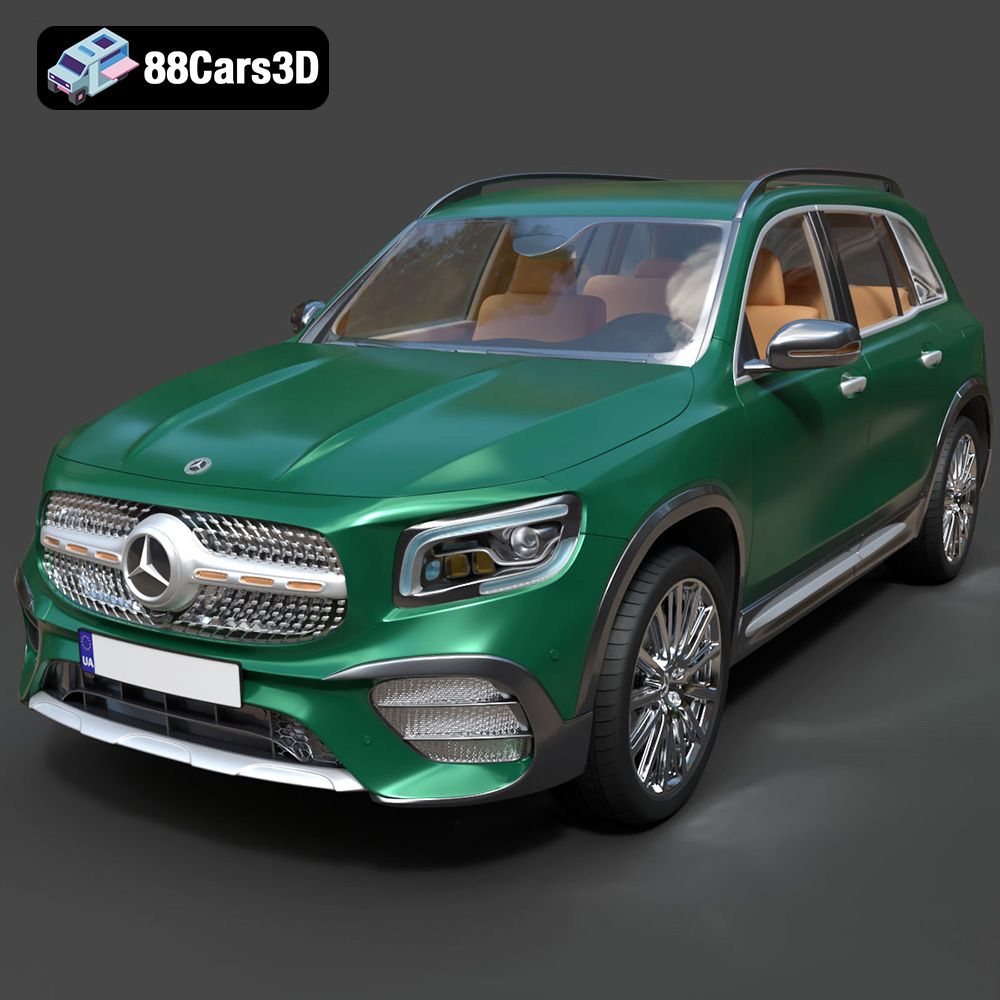
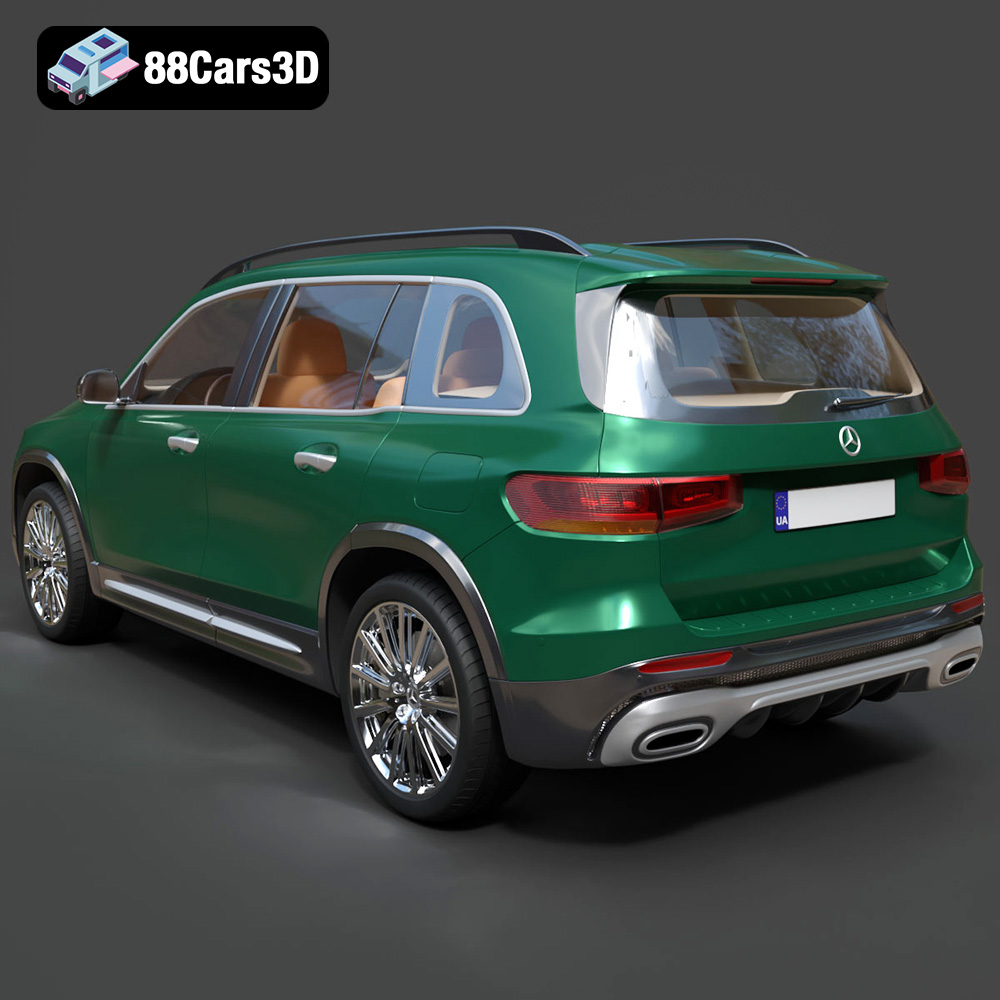
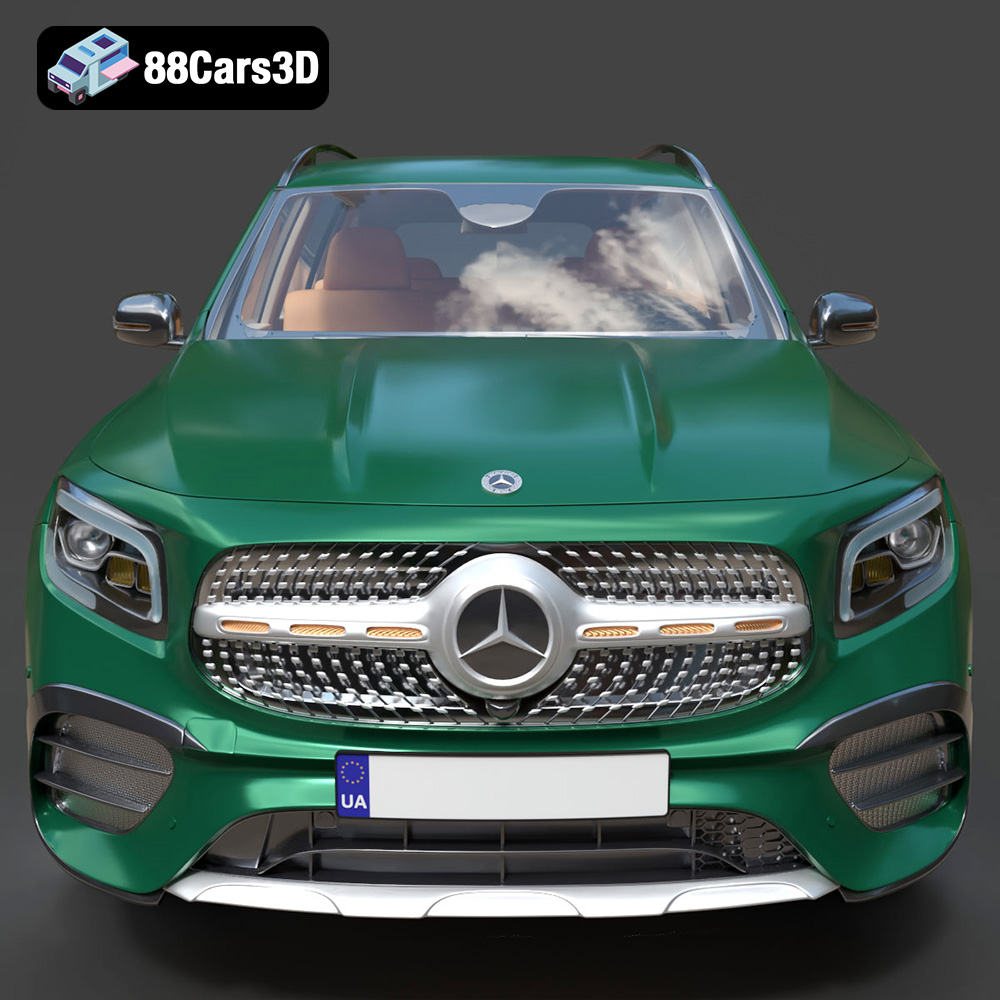
A core commitment at 88cars3d.com is delivering authenticity. The Mercedes-Benz GLB-Class Mk1 AMG Line 2019 3D Model is a prime example of this dedication, capturing every striking curve and sophisticated detail. From its distinctive boxy silhouette to the aggressive AMG Line styling cues, including the signature diamond radiator grille and prominent dual exhaust system, every aspect is meticulously crafted. Such precision ensures that the digital replica is not just a car, but the exact Mercedes-Benz GLB-Class, instantly recognizable and visually convincing.
The models available on 88cars3d.com are not niche assets; they are designed for maximum versatility. The GLB-Class model’s ~250,000 triangles strike an impeccable balance, making it suitable for both demanding high-end rendering and efficient real-time game performance. This optimization is crucial for professionals who need assets that can transition seamlessly between different project types without extensive rework. Whether you’re developing a racing game, creating a brand campaign, or building an AR application, you can rely on the model to perform.
Purchasing a 3D model should be a straightforward experience, and the technical specifications provided by 88cars3d.com ensure clarity. Knowing the exact polycount, confirming PBR texturing, understanding the real-world scale, and having a proper pivot setup are all critical details that inform purchasing decisions and streamline integration. The inclusion of a wide array of file formats – .blend, .fbx, .obj, .glb, .stl, .ply, .unreal, .max – further solidifies the value proposition, ensuring compatibility with virtually any professional pipeline. This commitment to transparency and broad compatibility is a hallmark of a reliable asset provider.
The world of 3D car models is a vibrant and essential component of modern visual media. From powering hyper-realistic automotive renders to driving immersive game experiences and enabling the tangible creation of 3D prints, high-quality digital assets are indispensable. The key takeaways from this exploration emphasize the critical role of precision modeling, versatile file format support, and thoughtful optimization in meeting the diverse demands of creative professionals.
The Mercedes-Benz GLB-Class Mk1 AMG Line 2019 3D Model stands as a testament to these principles. Its meticulous detail, game-ready optimization, and comprehensive file format support make it an exemplary asset for anyone seeking to elevate their projects. Whether you are a seasoned game developer, a visionary architect, an ambitious advertising professional, or an enthusiast venturing into AR/VR, investing in a high-fidelity model like this one from 88cars3d.com ensures that your digital creations are not just visually appealing, but technically robust and future-proof. By choosing expertly crafted 3D car models, you unlock a world of creative possibilities, transforming concepts into compelling realities.
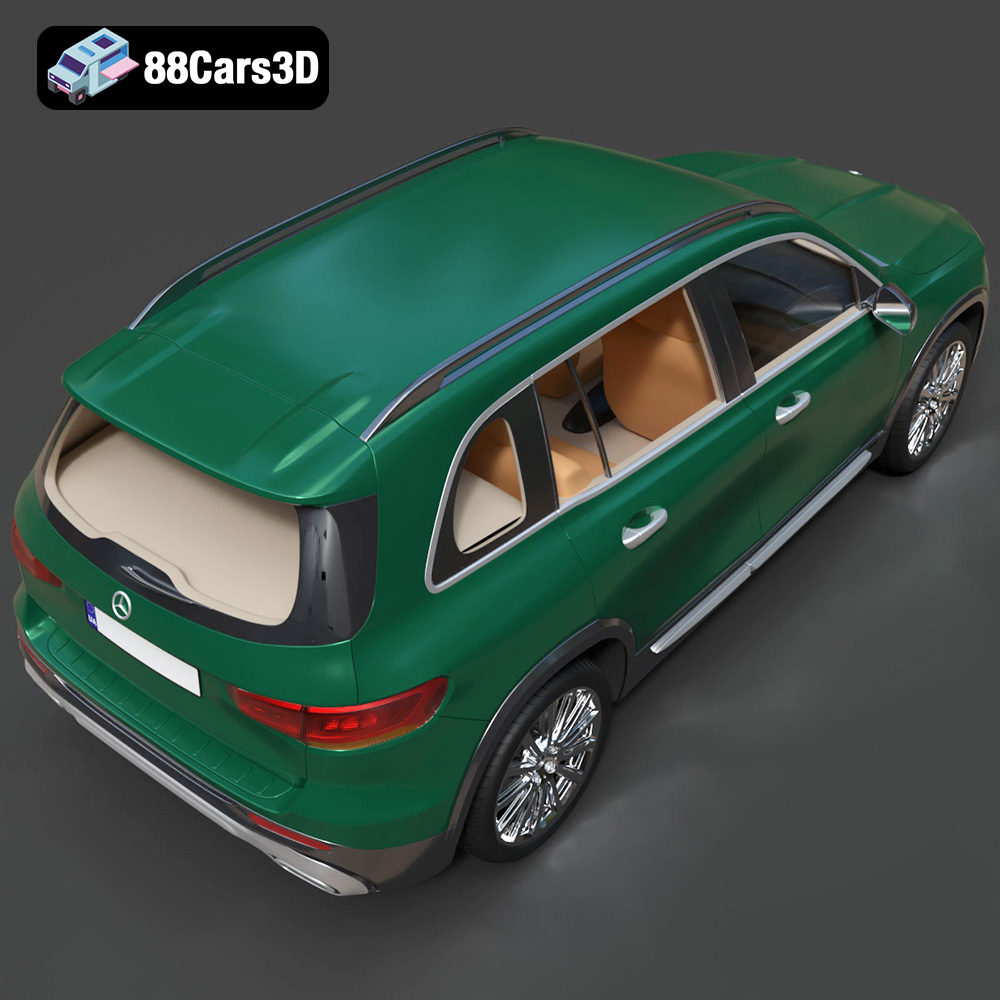
Experience the perfect blend of rugged versatility and premium luxury with our meticulous 3D model of the Mercedes-Benz GLB-Class (Mk1) AMG Line 2019. This compact crossover SUV stands out with its distinctive boxy silhouette, commanding stance, and aggressive AMG Line styling cues, including the signature diamond radiator grille, sporty front aprons, and prominent dual exhaust system. Designed to encapsulate the modern elegance and muscular heritage of the Mercedes-Benz brand, this digital replica captures every striking curve and sophisticated detail. This high-fidelity, game-ready 3D model is meticulously crafted with optimized topology (~250,000 triangles), striking an impeccable balance between exceptional visual realism and efficient real-time performance. Designed for maximum versatility, the model features PBR texturing and precise structural proportions, making it a premium asset for game engines, high-end rendering, and immersive interactive media. Perfect for urban racing games, luxury vehicle configurators, architectural visualizations, and mobile AR experiences.
$39.99
.2019
.blend
.fbx
.glb
.luxury suv
.max
.obj
.ply
.rendering
.stl
.unreal
amg-line
car-3d-model
compact-suv
game asset
game-ready
glb-class
low-poly
mercedes-benz
optimized
VR/AR