Get 20% OFF All Premium 3D & STL Models!

“`html
In the rapidly evolving world of 3D printing, where innovation seems to redefine possibilities daily, one file format has maintained its reign for decades: the STL file. From hobbyists crafting intricate figurines to engineers prototyping complex automotive components, the STL format has become synonymous with 3D printing. But why, in a landscape brimming with newer and arguably more advanced formats, does STL continue to dominate? This comprehensive guide delves into the technical underpinnings of STL, exploring its advantages, limitations, and the reasons behind its enduring popularity. We’ll uncover the intricacies of mesh representation, examine the slicing process, and offer insights into optimizing STL files for flawless 3D prints. For those seeking high-quality 3D printable car models, understanding the nuances of STL is crucial, and platforms like 88cars3d.com provide readily available STL files optimized for a variety of printing applications.
Whether you’re a seasoned 3D printing veteran or just starting your journey, this article will provide a deep dive into the world of STL files. We will explore everything from basic file structure to advanced optimization techniques. Prepare to unlock the secrets behind this ubiquitous file format and learn how to leverage its strengths to achieve unparalleled 3D printing success.
The STL (Stereolithography) file format, conceived in 1987 by 3D Systems, represents the surface geometry of a 3D object using a collection of triangles. At its core, an STL file is a list of these triangles, each defined by the coordinates of its three vertices and a normal vector indicating the triangle’s outward-facing direction. This simplicity is both its strength and, in some cases, its weakness. Let’s examine the structure in more detail.
STL files come in two primary flavors: ASCII and Binary. ASCII STL files are human-readable, listing each triangle’s vertex coordinates and normal vector as plain text. While this format makes it easy to inspect the file content, it’s significantly larger in size compared to its binary counterpart. Binary STL files, on the other hand, encode the same information in a more compact binary format. This results in smaller file sizes and faster processing times, especially for complex models containing a large number of triangles. Most modern slicers and 3D printing workflows prefer binary STL files due to their efficiency.
The accuracy of an STL file depends heavily on the number of triangles used to represent the 3D object. A higher triangle count results in a smoother, more detailed surface, but also increases the file size and processing time. Each triangle is considered a facet of the overall mesh. It is crucial for the facets to create a “watertight” or manifold mesh. This means that every edge of every triangle must be shared by exactly two triangles. Non-manifold meshes can cause significant problems during slicing and printing, leading to errors and incomplete parts. Mesh repair software is often used to correct these issues.
The slicing process is the bridge between the digital world of STL files and the physical realm of 3D printing. Slicing software takes an STL file as input and divides the 3D model into a series of thin, horizontal layers. It then generates a toolpath that instructs the 3D printer on how to deposit material layer by layer, effectively building the object from the ground up. The slicing parameters significantly impact the final print quality, strength, and printing time.
Several crucial slicing parameters influence the outcome of a 3D print. Layer height, measured in microns (µm), determines the thickness of each layer. Smaller layer heights result in smoother surfaces and finer details, but also increase the printing time. Typical layer heights for FDM printing range from 50 µm to 300 µm. Infill density controls the amount of material used inside the model. Higher infill densities increase strength and rigidity but also consume more material and extend the printing time. Print speed affects both print quality and duration. Slower speeds generally produce better results, especially for intricate details, while faster speeds reduce printing time but may compromise accuracy and surface finish. Temperature settings for the nozzle and bed are critical for proper material adhesion and layer bonding. These settings vary depending on the material used and the specific 3D printer.
Popular slicing software options like Cura and PrusaSlicer offer a wide range of customization options. For example, Cura allows you to adjust the “skin thickness” which affects the strength of the outer shell of the print. PrusaSlicer is known for its advanced features such as variable layer height, which allows you to use smaller layer heights for detailed areas and larger layer heights for less critical regions, optimizing both print quality and speed. Using adaptive layer height can significantly improve the look of curved surfaces on models such as those found on 88cars3d.com.
Support structures are temporary scaffolding that provides stability and prevents deformation during the 3D printing process. They are essential for printing models with overhangs, bridges, or complex geometries that would otherwise collapse under their own weight. Generating and managing support structures effectively is a critical skill for achieving successful 3D prints.
The type of support structure used depends on the 3D printing technology. In FDM (Fused Deposition Modeling) printing, supports are typically generated using the same material as the model. Common support types include linear supports, tree supports, and grid supports. Tree supports are particularly effective for complex geometries as they minimize material usage and leave fewer marks on the printed object. In resin printing (SLA/DLP), supports are often thinner and more delicate due to the nature of the resin material. They are typically arranged in a way that minimizes their impact on the surface finish of the printed part.
Removing support structures can be a delicate process. For FDM prints, careful use of pliers, cutters, or a sharp knife is often required. It’s important to avoid damaging the model during removal. Dissolvable support materials, such as HIPS (High Impact Polystyrene) for use with ABS, can be used to simplify the removal process. For resin prints, supports are typically removed using clippers or by carefully snapping them off. Post-processing techniques like sanding or polishing may be necessary to smooth out any remaining marks.
The choice of material is a critical factor in 3D printing, influencing everything from the strength and flexibility of the final part to its appearance and resistance to environmental factors. Selecting the right material is crucial for meeting the specific requirements of your project.
For FDM printing, common filament options include PLA (Polylactic Acid), PETG (Polyethylene Terephthalate Glycol), and ABS (Acrylonitrile Butadiene Styrene). PLA is a biodegradable thermoplastic known for its ease of use and low printing temperature. It’s a great choice for beginners and for printing models that don’t require high strength or heat resistance. PETG offers a good balance of strength, flexibility, and temperature resistance. It’s a popular choice for functional parts and outdoor applications. ABS is a strong, durable plastic that can withstand higher temperatures. It’s often used for automotive parts and other demanding applications. However, ABS requires higher printing temperatures and a heated bed, and it can be prone to warping.
For SLA/DLP printing, resin options include standard resins, tough resins, and flexible resins. Standard resins offer high detail and are suitable for aesthetic models and prototypes. Tough resins are designed for functional parts that require high strength and impact resistance. Flexible resins are used for creating parts that need to bend or stretch, such as gaskets or seals. Each resin type has its own specific printing parameters and post-processing requirements.
While the STL format is widely supported, poorly prepared STL files can lead to printing errors, weak parts, and unsatisfactory results. Optimizing STL files involves several key steps, including mesh repair, orientation optimization, and wall thickness analysis.
As mentioned earlier, non-manifold geometries can cause significant problems during slicing and printing. Mesh repair software, such as Netfabb Basic or Meshmixer, can automatically identify and fix these issues. Common repair operations include closing holes, removing duplicate faces, and unifying normals. When downloading models from marketplaces such as 88cars3d.com, it’s important to check for any known issues and use mesh repair tools if necessary.
The orientation of the model on the print bed can significantly impact its strength, surface finish, and the amount of support required. Orienting the model in a way that minimizes overhangs reduces the need for support structures. Aligning critical features with the Z-axis can improve their strength and accuracy. For example, when printing a car model, orienting it with the wheels facing down can improve the detail and surface finish of the body.
Ensuring adequate wall thickness is crucial for the strength and durability of the printed part. A general rule of thumb is to use a wall thickness of at least two to three times the nozzle diameter. Infill density can be adjusted to balance strength and material usage. For parts that require high strength, a higher infill density is recommended. For purely aesthetic models, a lower infill density can be used to save material and reduce printing time. When working with detailed car models available on 88cars3d.com, careful attention to wall thickness is crucial to maintain the structural integrity of smaller features like mirrors and spoilers.
Even with careful preparation and optimized settings, 3D printing can sometimes present challenges. Understanding common issues and their solutions is essential for achieving consistent and reliable results.
Warping occurs when the printed part detaches from the build plate due to uneven cooling. Improving bed adhesion by using a heated bed, applying adhesive solutions like hairspray or glue, or using a brim or raft can help prevent warping. Layer delamination, where layers separate during printing, can be caused by insufficient bed or nozzle temperature, poor layer bonding, or drafts in the printing environment. Enclosing the printer or adjusting temperature settings can help resolve this issue.
Stringing, the formation of thin strands of plastic between different parts of the print, is often caused by excessive nozzle temperature or retraction settings. Adjusting these settings can minimize stringing. Blobs, small accumulations of plastic on the surface of the print, can be caused by inconsistent extrusion or nozzle oozing. Calibrating the extruder and adjusting retraction settings can help prevent blobs. The Z-seam, the point where each layer starts and ends, can sometimes be visible as a line on the surface of the print. Experimenting with different Z-seam alignment options in the slicing software can minimize its visibility.
While newer file formats like 3MF and AMF offer advantages such as native support for color, materials, and metadata, STL’s simplicity and widespread adoption continue to ensure its relevance in the 3D printing ecosystem. Many software and hardware solutions still rely on STL as the primary input format. The large existing library of STL files and the established workflows built around it create a significant inertia that is difficult to overcome. The continued evolution of slicing software and mesh repair tools ensures that STL files can be optimized and prepared for printing with increasing efficiency and accuracy.
As 3D printing technology advances, STL will likely continue to coexist with newer formats, serving as a reliable and universally compatible option for many applications. Its simplicity, combined with the ongoing development of supporting tools, will ensure its continued role in the 3D printing landscape. For accessing a wide variety of optimized STL files ready for printing, exploring platforms like 88cars3d.com offers a convenient solution for enthusiasts and professionals alike.
The enduring popularity of the STL file format in 3D printing is a testament to its simplicity, versatility, and widespread adoption. While newer file formats may offer advanced features, STL remains the workhorse of the industry, supported by a vast ecosystem of software, hardware, and online resources. By understanding the intricacies of STL file structure, mastering slicing techniques, and optimizing printing parameters, you can unlock the full potential of this ubiquitous file format and achieve stunning 3D printing results.
The key takeaways are:
To take your 3D printing skills to the next level, start experimenting with different slicing parameters, explore various support generation techniques, and practice troubleshooting common printing issues. By mastering these skills, you’ll be well-equipped to tackle even the most challenging 3D printing projects and create stunning, high-quality prints. Happy printing!
“`
Texture: Yes | Material: Yes
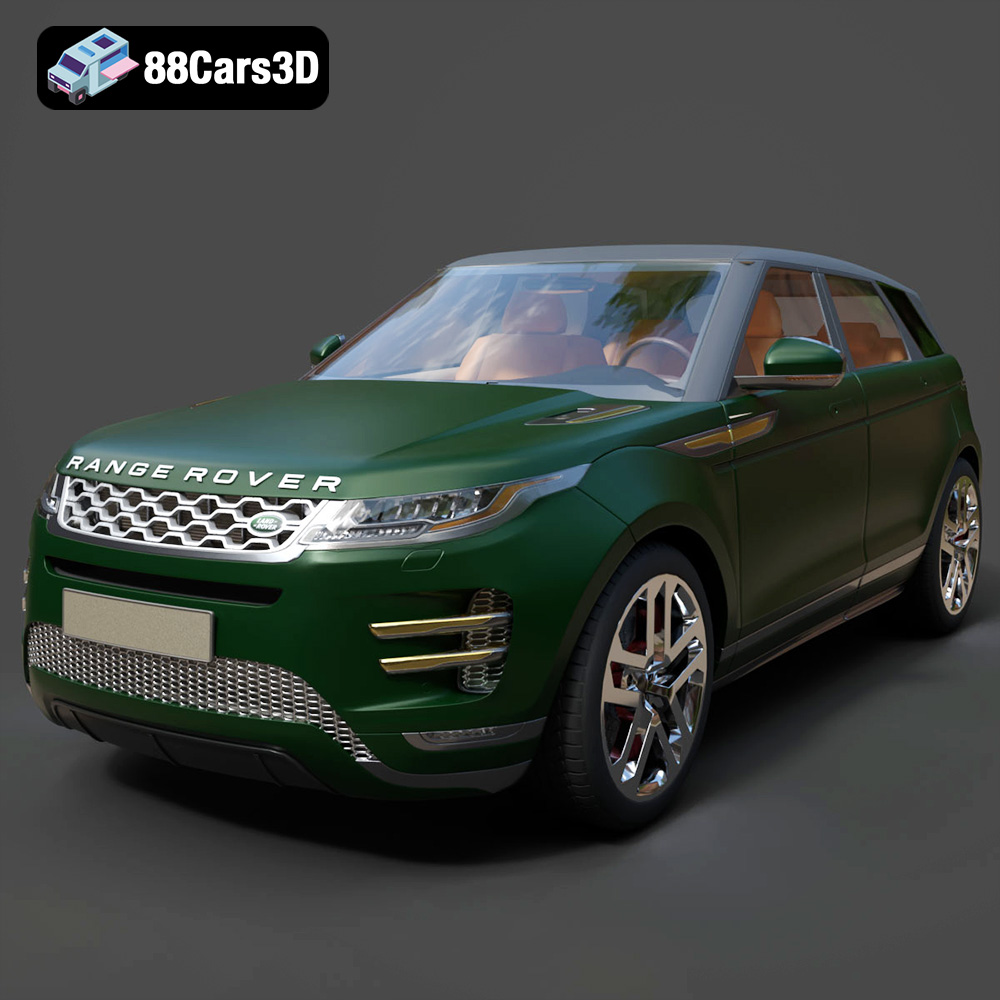
Download the highly detailed, game-ready Range Rover Evoque R-Dynamic 2019 3D Model. Features flush deployable door handles, Matrix LED headlights, and R-Dynamic styling. Includes .blend, .fbx, .obj, .glb, .stl, .ply, .unreal, and .max formats for game development, AR/VR, and rendering.
Price: $19.99

Texture: Yes | Material: Yes
Download the highly detailed, game-ready Ford Mustang Mach 40 3D Model. Features aggressive custom widebody styling, a mid-mounted V8 engine, and classic retro-futuristic design. Includes .blend, .fbx, .obj, .glb, .stl, .ply, .unreal, and .max formats for game development, AR/VR, and rendering.
Price: $19.99
Texture: Yes | Material: Yes
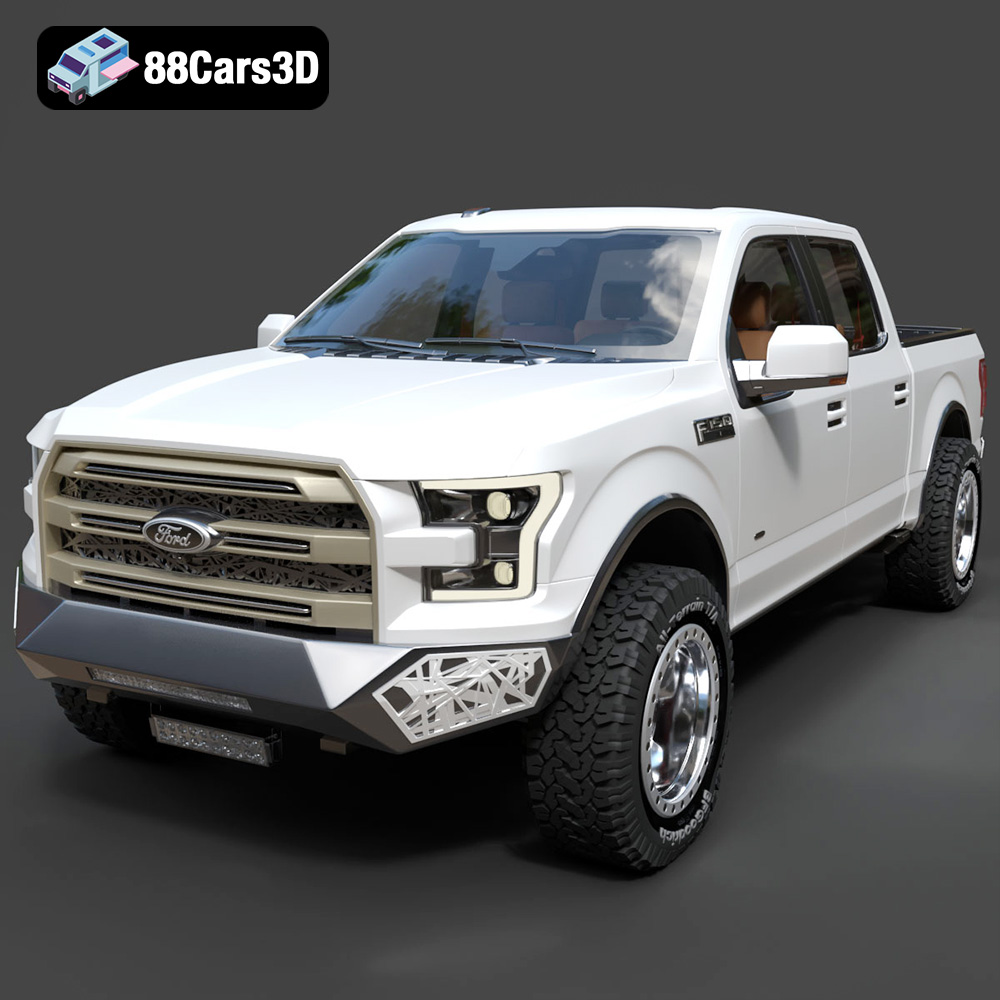
Download the highly detailed, game-ready Ford F150 Raptor With Tuning From ARE 3D Model. Features custom ARE tuning accessories, aggressive off-road suspension, and rugged beadlock wheels. Includes .blend, .fbx, .obj, .glb, .stl, .ply, .unreal, and .max formats for game development, AR/VR, and rendering.
Price: $19.99

Texture: Yes | Material: Yes
Download the highly detailed, game-ready Mercedes-Benz AMG GLE 63 2021 3D Model. Features the iconic Panamericana grille, aggressive aerodynamic body styling, and a meticulously detailed luxurious interior. Includes .blend, .fbx, .obj, .glb, .stl, .ply, .unreal, and .max formats for game development, AR/VR, and rendering.
Price: $19.99
Texture: Yes | Material: Yes
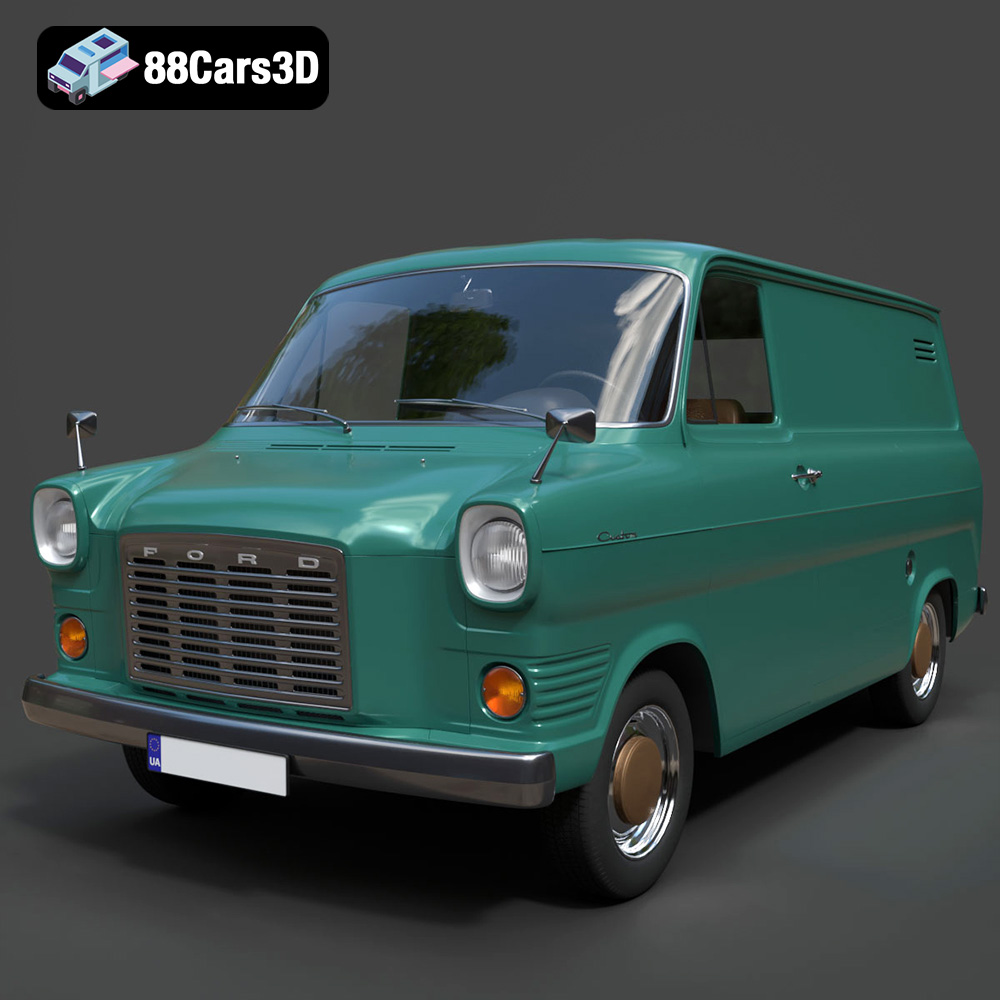
Download the highly detailed, game-ready Ford Transit Mk1 Panel Van 1965 3D Model. Features iconic flat-front styling, vintage steel wheels, and a period-correct cargo bay. Includes .blend, .fbx, .obj, .glb, .stl, .ply, .unreal, and .max formats for game development, AR/VR, and rendering.
Price: $19.99

Texture: Yes | Material: Yes
Download the highly detailed, game-ready BMW X3 2024 3D Model. Features the iconic kidney grille, dynamic SUV proportions, and precise lighting elements. Includes .blend, .fbx, .obj, .glb, .stl, .ply, .unreal, and .max formats for game development, AR/VR, and rendering.
Price: $19.99

Texture: Yes | Material: Yes
Download the highly detailed, game-ready Tesla Model S Plaid 2021 3D Model. Features sleek aerodynamic styling, signature LED lighting, and the revolutionary Yoke steering interior. Includes .blend, .fbx, .obj, .glb, .stl, .ply, .unreal, and .max formats for game development, AR/VR, and rendering.
Price: $19.99

Texture: Yes | Material: Yes
Download the highly detailed, game-ready Rolls-Royce Ghost EWB 2018 3D Model. Features the iconic Pantheon grille, elongated luxury chassis, and elegant exterior lines. Includes .blend, .fbx, .obj, .glb, .stl, .ply, .unreal, and .max formats for game development, AR/VR, and rendering.
Price: $19.99
Texture: Yes | Material: Yes
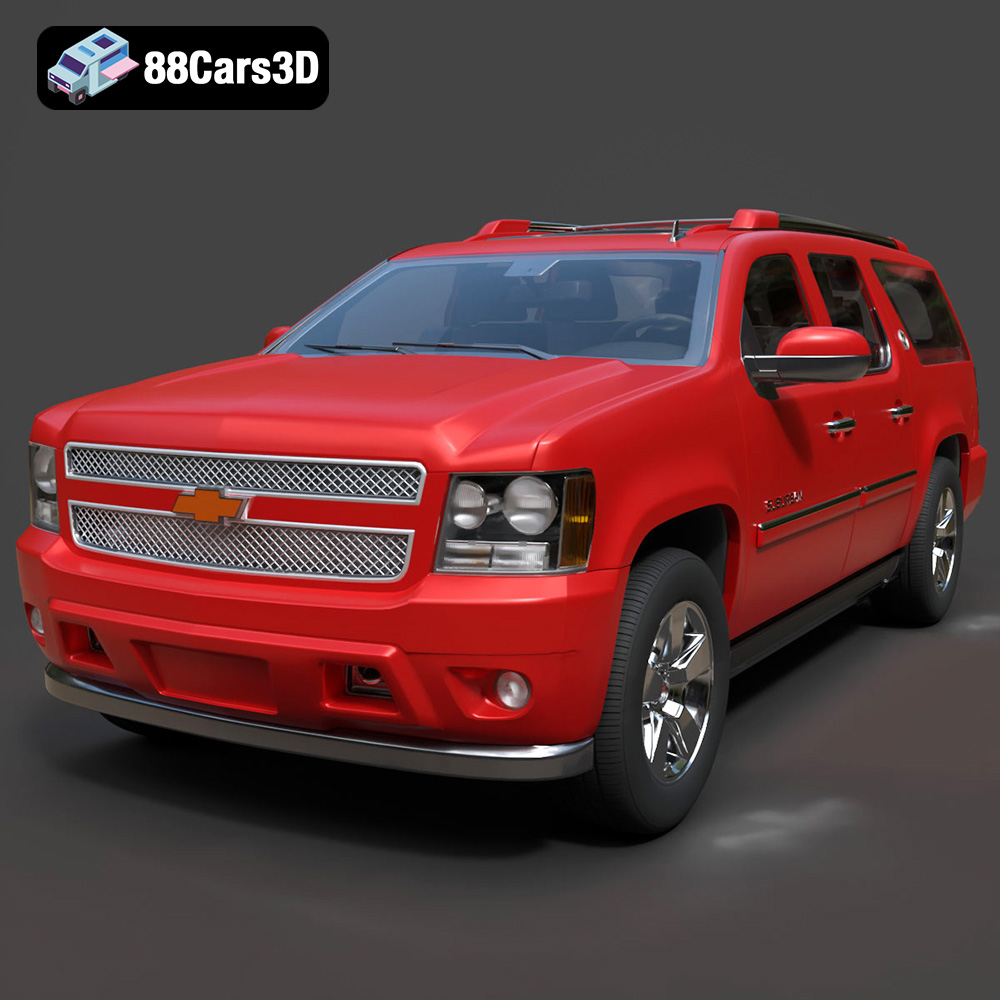
Download the highly detailed, game-ready Chevrolet Suburban 75th Diamond 3D Model. Features the iconic Diamond Edition styling, detailed interior, and accurate full-size SUV proportions. Includes .blend, .fbx, .obj, .glb, .stl, .ply, .unreal, and .max formats for game development, AR/VR, and rendering.
Price: $19.99

Texture: Yes | Material: Yes
Download the highly detailed, game-ready Lamborghini Terzo Millenio 2017 3D Model. Features glowing Y-shaped LED signatures, extreme aerodynamic channels, and an aggressive hypercar stance. Includes .blend, .fbx, .obj, .glb, .stl, .ply, .unreal, and .max formats for game development, AR/VR, and rendering.
Price: $19.99

