Get 20% OFF All Premium 3D & STL Models!

In the rapidly evolving landscape of digital content creation, the demand for meticulously crafted 3D assets is at an all-time high. From the breathtaking realism of cinematic sequences to the immersive environments of cutting-edge game titles and sophisticated AR/VR applications, the foundation of every compelling digital experience lies in the quality of its 3D models. Professionals across various industries, including film, game development, architectural visualization, and product design, understand that the fidelity of their assets directly impacts the final output and, crucially, their project timelines and budgets.
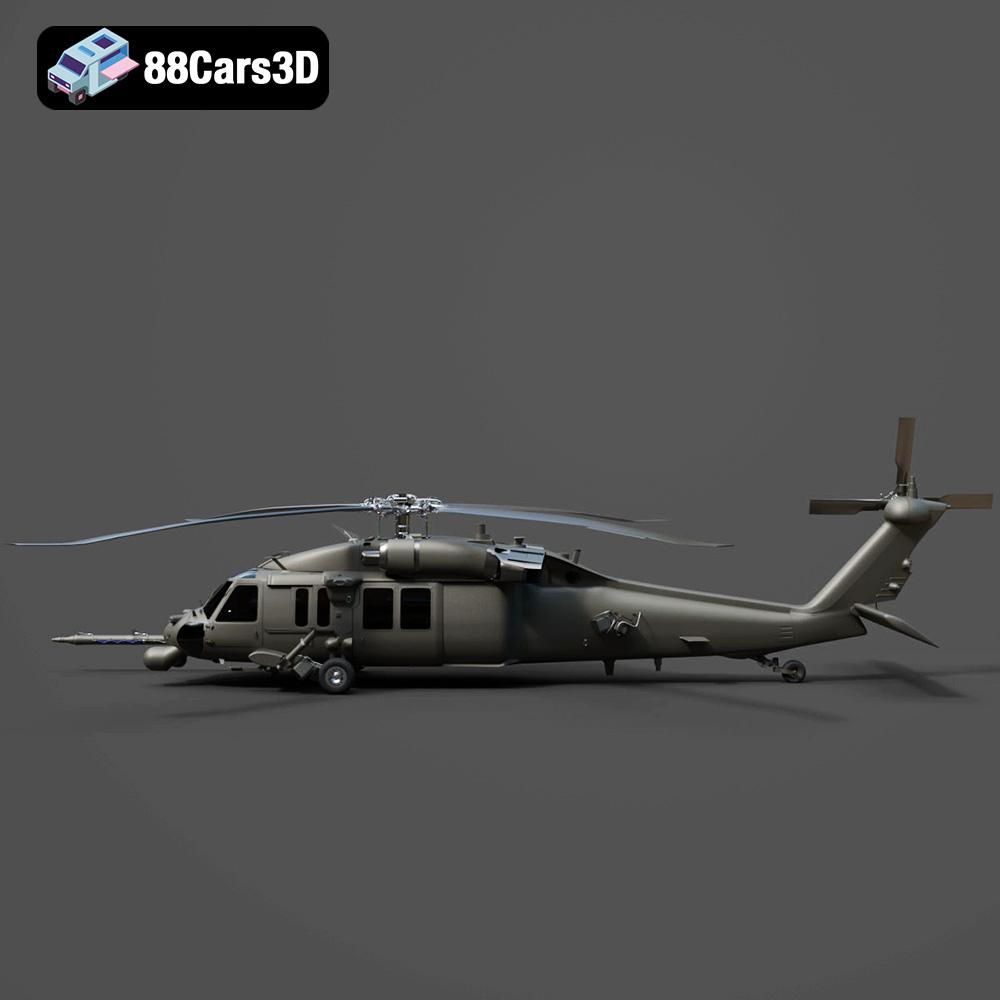
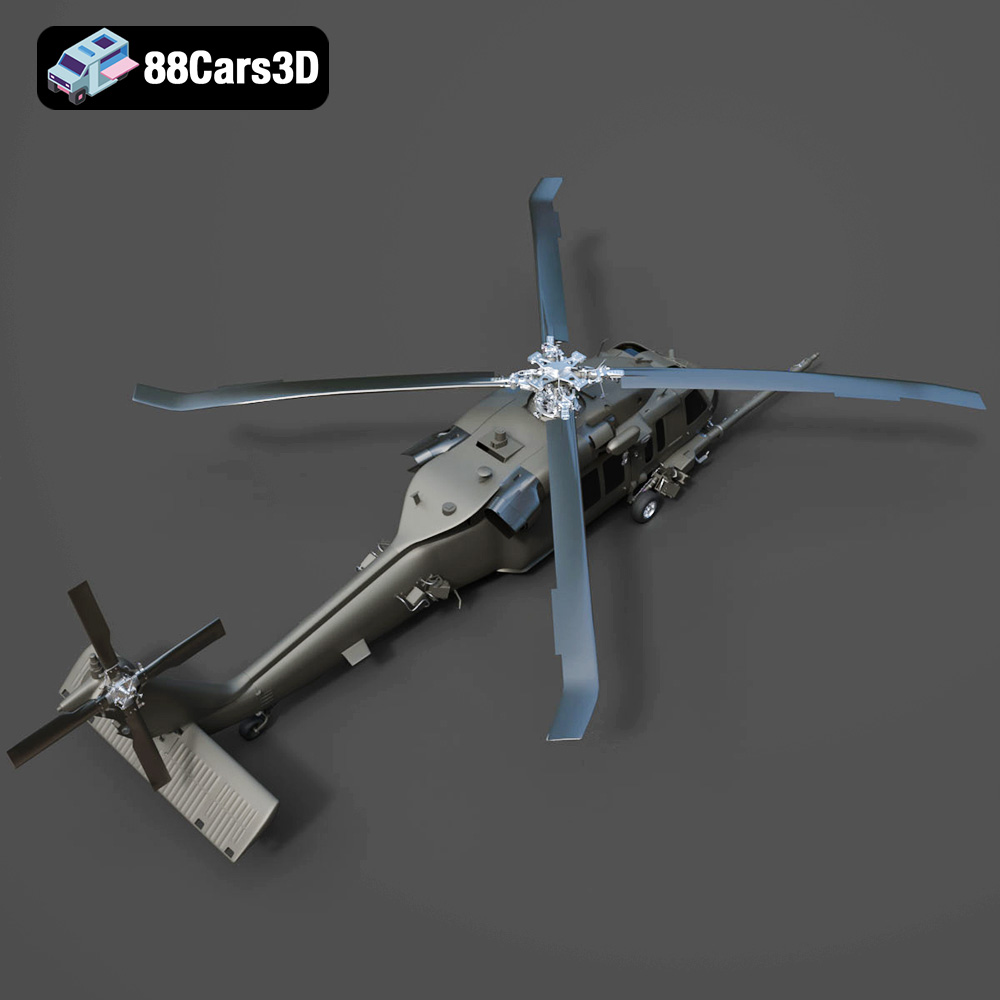
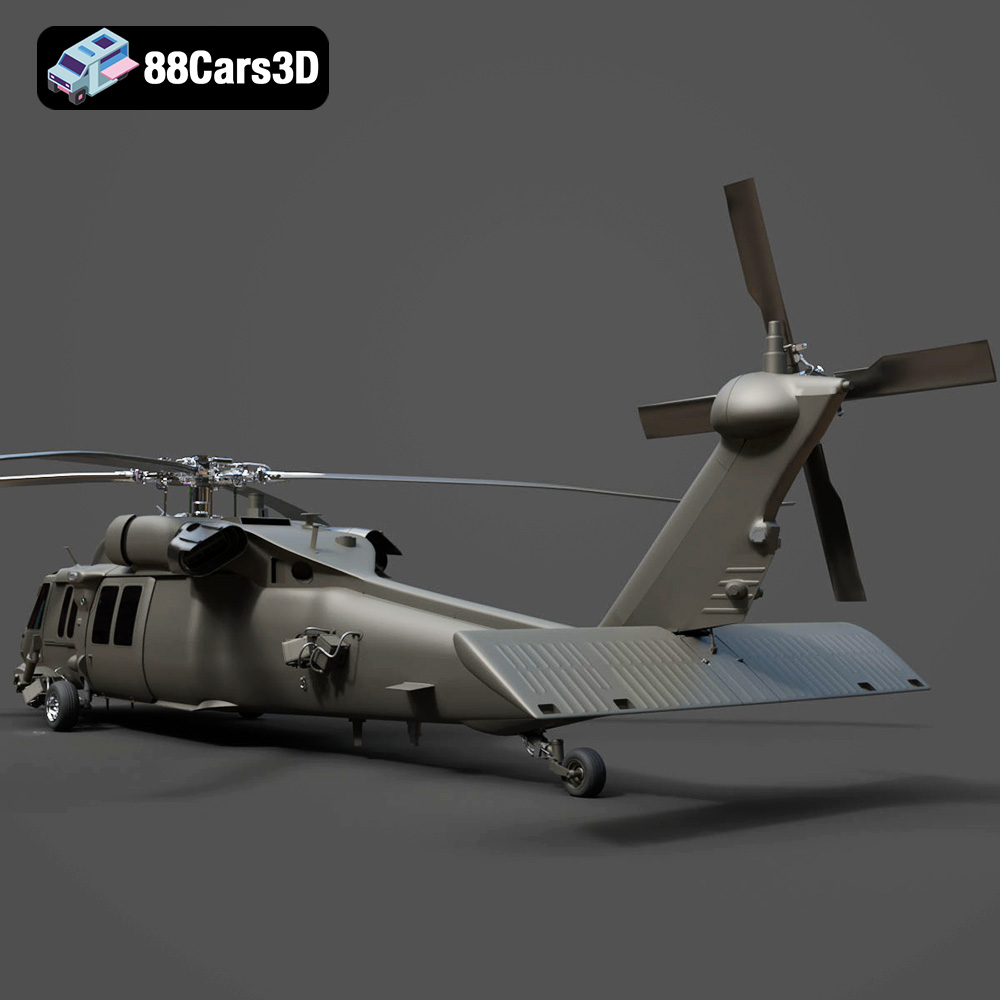
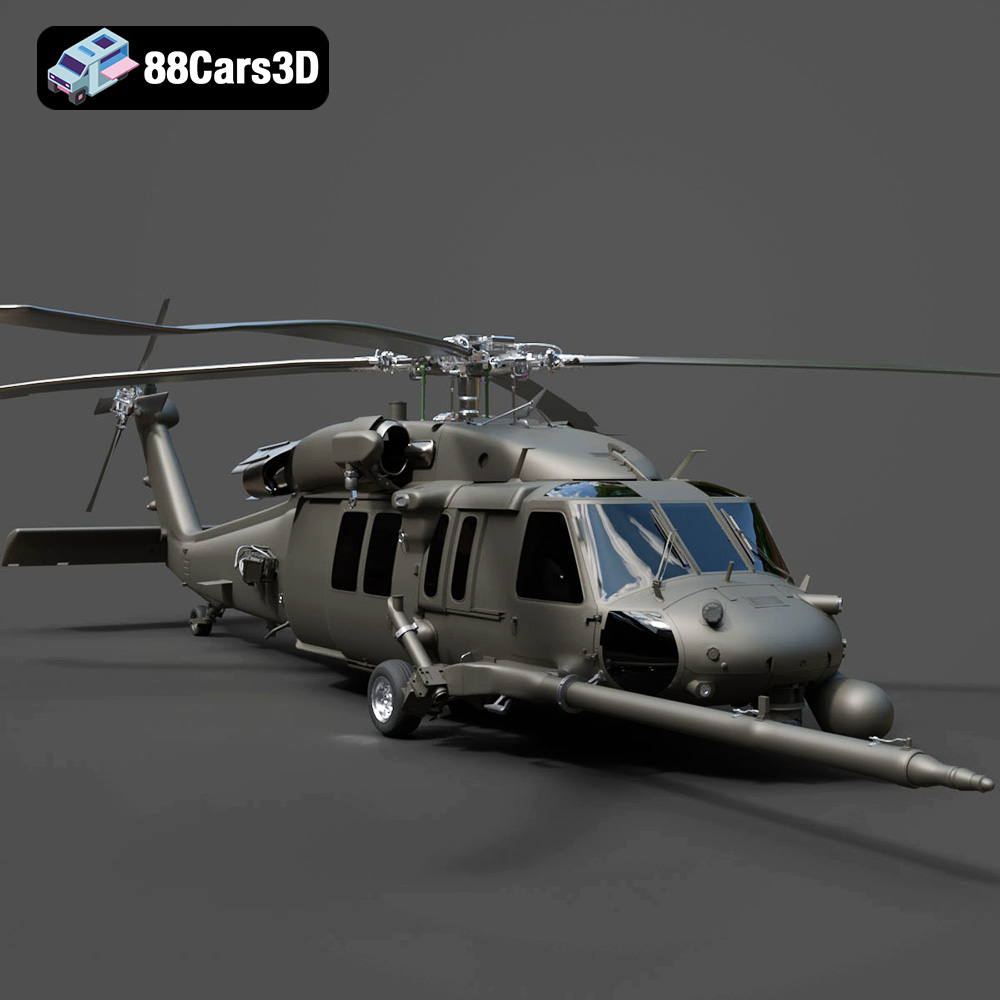
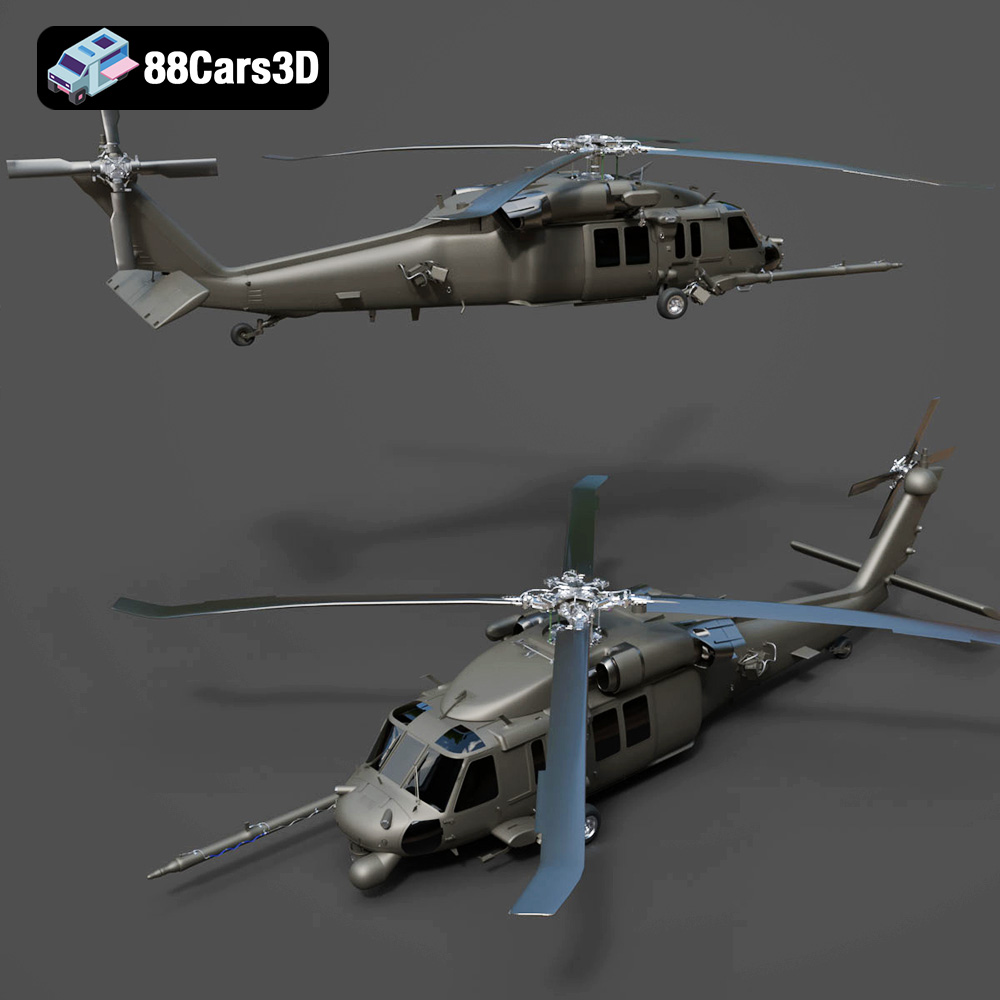
Enter the realm of specialized assets designed to meet these rigorous demands. We’re talking about models that not only look stunning but are also technically robust, optimized for performance, and seamlessly integrate into diverse software pipelines. A prime example of such an asset is the Helicopter UH-40 3D Model. This particular model isn’t just a visual treat; it’s a testament to precision engineering in the digital space, offering incredible detail from its robust exterior aerodynamics to its fully modeled internal layout. Whether you’re a game developer striving for authentic military simulations, a cinematic artist crafting an action sequence, or an AR/VR designer building an interactive experience, this UH-40 model provides the high-fidelity foundation your projects demand.
The versatility and broad utility of a 3D model are often defined by the file formats it supports. Each format is designed with specific use cases in mind, offering unique advantages for different stages of a project lifecycle. Understanding these formats is crucial for any professional navigating the complex world of 3D content creation, ensuring smooth collaboration and optimal performance across various platforms and applications. The Helicopter UH-40 3D Model, for instance, comes equipped with a comprehensive suite of these industry-standard formats, demonstrating its adaptability.
The .blend format is the native file type for Blender, the popular open-source 3D creation suite. When you acquire a .blend file, you’re getting more than just the mesh; you’re receiving a fully editable scene, often complete with materials, lighting setups, and even animation rigs. This format is ideal for users deeply integrated into the Blender ecosystem, allowing for complete control over every aspect of the model. Technical details include custom properties, modifiers, and complex node-based materials, which can be tweaked to perfection for rendering in Cycles or Eevee. Its primary use case is for artists who need to modify, re-texture, animate, or render the model directly within Blender without losing any scene-specific data.
Autodesk’s .fbx (Filmbox) format is arguably the most widely accepted standard for exchanging 3D data between different software applications and game engines. It’s renowned for its ability to store a vast array of information, including geometry (meshes), materials, textures, animations, bones/rigs, lights, and cameras. Its strength lies in its excellent compatibility with engines like Unreal Engine and Unity, making it truly “game-engine ready.” While robust, users should be aware of potential conversion issues related to material definitions or animation curves when moving between disparate software packages, often requiring slight adjustments post-import. For real-time pipelines, .fbx is indispensable.
The .obj (Wavefront OBJ) format is a venerable and universally compatible standard primarily for storing 3D geometry and UV mapping information. It’s a simple, text-based format that is supported by virtually every 3D software application, making it an excellent fallback for cross-software compatibility. While it’s superb for transferring mesh data, it typically stores material information (like texture paths) in an accompanying .mtl file, and it does not natively support animations, rigging, or complex scene data. For raw polygonal data and UVs, .obj remains a reliable and highly compatible choice.
.glb (GL Transmission Format Binary) is quickly becoming the go-to format for efficient transmission and loading of 3D scenes and models in web and AR/VR applications. It’s a binary format that bundles all necessary assets—geometry, materials, textures, and even animations—into a single file. This self-contained nature and optimization for real-time rendering pipelines make it perfect for deployment on platforms like Sketchfab, Facebook 3D posts, or integrated into AR apps. Its compact size and single-file nature streamline workflows for immersive experiences, making it a critical asset for modern digital delivery.
The .stl (STereoLithography) format is the de facto standard for 3D printing. It represents a 3D model as a collection of unconnected triangular facets, without any color, texture, or material information. This simplicity makes it ideal for defining the surface geometry necessary for additive manufacturing processes. While excellent for prototyping and physical reproduction, it’s generally unsuitable for rendering or complex digital scenes due to its lack of higher-level data. For converting your digital UH-40 into a physical model, .stl is the format you’ll need.
The .ply (Polygon File Format or Stanford Triangle Format) is a versatile format capable of storing a wide range of data, including color, transparency, and sometimes even normal information per vertex or face, beyond just geometry. It supports both ASCII and binary representations and is often used in scientific visualization, CAD, and 3D scanning applications where precision mesh data and additional per-vertex attributes are important. While less common in game development or film rendering than .fbx or .obj, it offers a robust solution for detailed polygon meshes suitable for analysis or niche visualization tasks.
While not a universal file extension in the same vein as .fbx or .obj, the term “.unreal” often signifies a 3D model that has been specifically prepared and configured for direct import and optimal use within Unreal Engine. This typically means the asset is delivered with proper scaling, collision meshes, material instances, and possibly even Blueprint scripting ready for immediate integration. Such pre-configured assets save significant time and effort in the setup phase, allowing developers to focus directly on gameplay and interactive elements. The UH-40’s .unreal designation ensures it drops seamlessly into your next Unreal Engine project.
The .max format is the native file type for Autodesk 3ds Max, one of the leading 3D modeling, animation, and rendering software packages. Like .blend, it contains the entire scene data, including geometry, materials (often V-Ray, Corona, or physical materials), lighting setups, cameras, animation keyframes, and modifiers. It offers maximum flexibility for artists working in 3ds Max, allowing for advanced rendering setups, complex animations, and detailed architectural or product visualization. For those whose pipelines revolve around 3ds Max, this format provides the most comprehensive and editable version of the model.
In the competitive world of game development, an asset’s visual fidelity must be balanced with its performance. The Helicopter UH-40 3D Model exemplifies this balance, providing stunning detail without compromising real-time capabilities. Its careful construction makes it an ideal candidate for military simulations, open-world adventures, and flight combat games.
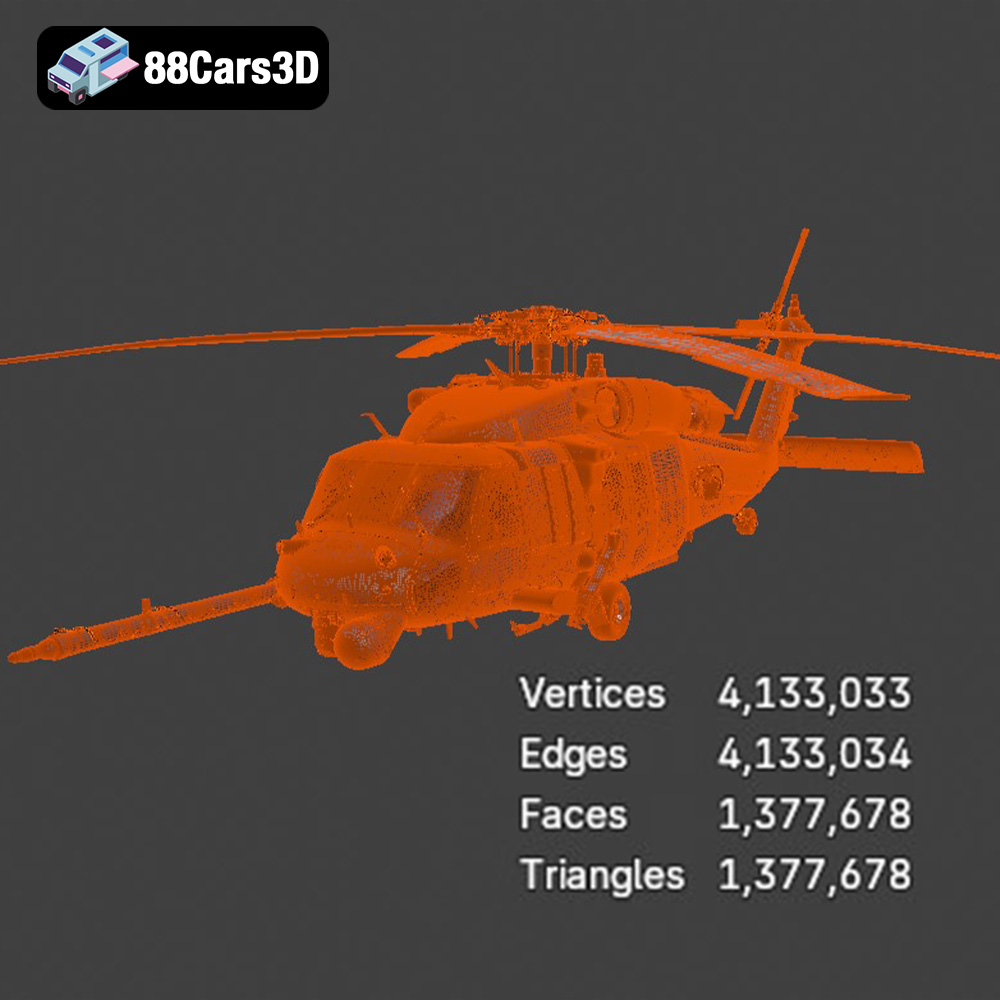
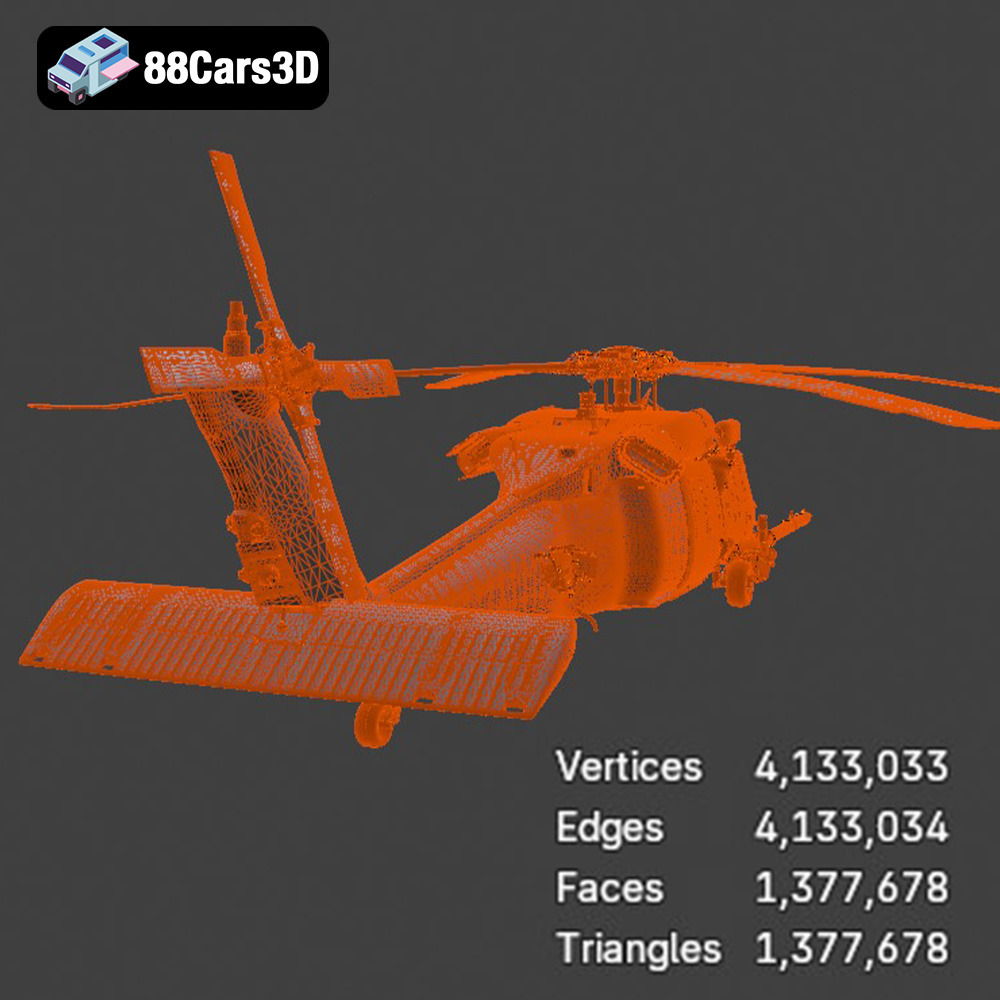
A truly professional game asset like the UH-40 is built with optimized topology. This means clean, quad-based geometry that allows for smooth deformations and efficient rendering. High-quality models typically manage their polygon count meticulously. While the exterior might feature hundreds of thousands of polygons for sharp details and smooth curves, a well-constructed asset also includes multiple Levels of Detail (LODs). These LODs automatically swap in lower-polygon versions of the model as the player moves further away, drastically reducing the rendering burden on the GPU and ensuring stable frame rates, even in complex scenes. For a vehicle like the UH-40, having appropriate LODs is critical for expansive game environments, where it might be seen from a distance or up close in a cinematic.
Modern game engines rely heavily on Physically Based Rendering (PBR) workflows to achieve photorealistic visuals. The UH-40 3D Model embraces this, likely featuring a comprehensive suite of PBR textures (Base Color, Normal, Roughness, Metalness, Ambient Occlusion). These textures are crucial for defining how light interacts with the helicopter’s surface, accurately simulating everything from the subtle reflectivity of painted metal to the intricate grime and wear accumulated through service. High-resolution texture maps ensure that even in close-up shots, details like rivets, panel lines, and weathered paint remain crisp and believable, elevating the visual immersion for players.
The provision of .fbx and dedicated .unreal files for the UH-40 model highlights its readiness for immediate deployment in industry-leading game engines. In Unreal Engine, for example, an .fbx import brings in the mesh, materials, and potentially even skeletal animations with minimal fuss. The “unreal” specific file format often means pre-configured materials, collision meshes, and perhaps even basic control setups, saving developers countless hours of setup time. Similarly, Unity users can easily import the .fbx to integrate the model, configure its PBR materials, and add scripts for flight dynamics, ensuring the helicopter looks and behaves as intended within their interactive environments. These pre-optimized assets from sources like 88cars3d.com significantly accelerate development cycles.
While game development demands real-time performance, other industries prioritize absolute visual fidelity and technical accuracy. The Helicopter UH-40 3D Model, with its detailed structural accuracy and fully modeled interior, shines in these high-end rendering and visualization scenarios.
In film and animation, every frame counts. The UH-40’s precise structural accuracy and comprehensive interior make it perfect for cinematic sequences where close-up shots and dramatic camera movements are common. Artists using 3ds Max or Blender can leverage the .max and .blend files, respectively, to integrate the model into their scenes. They can then utilize powerful renderers like V-Ray, Corona Renderer, or Cycles to produce photorealistic images and animations. The model’s clean geometry and PBR materials translate beautifully into these renderers, allowing for complex lighting scenarios, atmospheric effects, and dynamic camera work to create truly impactful visuals, whether it’s an intense rescue operation or a military convoy scene.
Beyond entertainment, precise 3D models are critical for technical visualization and simulation. The UH-40 3D Model’s robust aerodynamics and detailed internal layout lend themselves well to these applications. Imagine simulating flight dynamics for engineering analysis, or creating detailed training modules for pilots, where every dial and control in the cockpit needs to be accurately represented. For industries that value precision, like aerospace or defense, having an accurate representation of an aircraft allows for detailed studies, virtual walkthroughs, and enhanced training experiences. The .ply format, with its ability to store detailed polygon mesh data, could even be used for advanced computational analysis.
Augmented Reality (AR) and Virtual Reality (VR) are transforming how we interact with digital content, offering immersive experiences that blend digital assets with the real world or create entirely new ones. The UH-40’s availability in the .glb format is a significant advantage here. .glb files are optimized for fast loading and efficient rendering in AR/VR viewers and web browsers, making it straightforward to deploy the helicopter model into interactive 3D presentations, virtual showrooms, or training simulations. Users could virtually walk around, inside, and even interact with the UH-40 in a truly immersive environment, exploring its features from any angle – a powerful tool for education, marketing, and interactive product showcases.
What truly sets a high-quality 3D model apart from a mediocre one are the underlying technical details and the rigorous standards applied during its creation. The Helicopter UH-40 3D Model embodies these professional principles, ensuring it’s not just visually appealing but also a joy to work with.
At its core, a superior 3D model boasts precision modeling. This involves clean geometry with proper edge flow, ensuring smooth surfaces and easy manipulation. Crucially, every polygon contributes to the desired shape without introducing artifacts or unnecessary complexity. Equally vital is professional UV mapping – the process of flattening the 3D surface into a 2D space for texture application. The UH-40 would feature clean, non-overlapping UV islands, maximizing texture resolution and preventing unsightly distortions. This meticulous approach to UVs is essential for applying high-resolution PBR textures and ensuring a consistent visual quality across the entire model, regardless of viewing angle or proximity.
The implementation of a proper Physically Based Rendering (PBR) pipeline is non-negotiable for modern realistic rendering. The UH-40 3D Model likely uses a standard PBR texture set, typically including maps for Base Color (Albedo), Normal, Roughness, Metalness, and Ambient Occlusion. These maps control how light interacts with the model’s surface, defining its color, fine surface details, reflectivity, metallic properties, and areas of self-shadowing. Such a pipeline ensures consistent and accurate material representation across different rendering environments, whether it’s a real-time game engine or a high-fidelity cinematic renderer. This technical adherence is what gives the model its authentic look and feel.
A professional 3D asset should offer a degree of scalability and customization. While the UH-40 3D Model is highly detailed, its clean geometry and layered materials (especially in formats like .blend or .max) allow artists to modify it to suit specific project needs. Perhaps a client requires a different livery, a custom weapon loadout, or specific interior modifications. The organized nature of a high-quality model makes these adjustments feasible without having to rebuild the asset from scratch. This flexibility extends the model’s utility far beyond its initial purpose, making it a valuable long-term investment for any digital production studio.
The versatility of the Helicopter UH-40 3D Model means it finds applications across a spectrum of professional fields. Its robust design and detailed execution address critical needs in visualization, simulation, and interactive content.
The aerospace and defense sectors heavily rely on accurate digital twins for training and simulation. The UH-40, with its precise structural accuracy and fully modeled interior, is an ideal asset for developing realistic flight simulators, tactical training scenarios, or mission rehearsal environments. Trainees can interact with a digital representation that mirrors its real-world counterpart, familiarizing themselves with controls, procedures, and spatial awareness. The immersive quality of such models, particularly when integrated into VR simulations, significantly enhances learning outcomes and operational readiness. This type of high-fidelity asset is crucial for providing a truly realistic experience.
For manufacturers or companies involved with aviation, the UH-40 3D Model can be a powerful tool for product visualization and marketing. Before a physical prototype exists, or for showcasing design iterations, a detailed 3D model allows for stunning renders, interactive configurators, and virtual presentations. Imagine a potential client exploring the UH-40’s interior in a web browser (via .glb) or seeing it integrated into a promotional video. This level of detail elevates marketing materials, providing an engaging and comprehensive view of the product without the need for expensive photoshoots or physical transportation of the aircraft.
Educational institutions and museums can leverage the UH-40 model to create engaging interactive content. Students studying aviation mechanics or history can take a virtual tour of the helicopter, dissect its components, or visualize its operational principles in an accessible digital format. For online courses, interactive 3D models offer a level of engagement far beyond static images or text. The fully modeled interior allows for detailed exploration of the cockpit, cabin, and mechanical systems, fostering a deeper understanding of the aircraft’s design and functionality.
In today’s fast-paced digital production environment, efficiency is paramount. Sourcing high-quality, pre-optimized 3D assets is a strategic decision that can dramatically accelerate project timelines and ensure consistent visual excellence. This is where marketplaces like 88cars3d.com prove invaluable, offering a curated selection of professional-grade models, including the featured Helicopter UH-40 3D Model.
Creating a high-fidelity 3D model like the UH-40 from scratch is an incredibly time-consuming and resource-intensive endeavor, requiring specialized skills in modeling, texturing, rigging, and optimization. By purchasing a pre-optimized model from 88cars3d.com, artists and developers gain immediate access to a production-ready asset. This eliminates weeks or even months of development time, allowing teams to focus their efforts on other critical aspects of their project, such as game mechanics, storytelling, or animation. The investment in a quality asset directly translates into savings in labor and faster time-to-market.
One of the standout features of the Helicopter UH-40 3D Model, and indeed many assets available on 88cars3d.com, is its comprehensive support for multiple industry-standard file formats. This ensures seamless integration into virtually any professional workflow, whether you’re working in Blender, 3ds Max, Unreal Engine, Unity, or even specialized AR/VR development environments. The inclusion of formats like .fbx, .obj, .blend, .max, and .glb means that compatibility issues are minimized, allowing teams to utilize their preferred software without friction. This cross-software compatibility is a cornerstone of modern collaborative pipelines.
88cars3d.com isn’t just about aviation; it’s a comprehensive resource for a wide array of high-quality 3D assets, including a robust selection of 3D car models that excel in automotive rendering and visualization. For studios working on projects that require diverse vehicle types, having a reliable source for both helicopters and detailed 3D car models streamlines the asset acquisition process. Expanding your digital library with high-quality, technically sound assets from a trusted marketplace provides a significant advantage, ensuring your projects always have access to the best possible visual components.
The journey from concept to a stunning digital reality is paved with countless technical decisions, none more critical than the choice of 3D assets. The Helicopter UH-40 3D Model stands as a prime example of what a professional-grade asset should be: precisely detailed, structurally accurate, and meticulously optimized for a broad spectrum of applications. Its robust design caters to the exacting demands of cinematic rendering, the performance needs of game development, and the immersive potential of AR/VR experiences.
By providing a comprehensive suite of file formats, including .blend, .fbx, .obj, .glb, .stl, .ply, .unreal, and .max, this model ensures maximum flexibility and seamless integration into any professional pipeline. Whether you’re crafting a military simulation, producing high-fidelity visualizations, or developing interactive training modules, the UH-40 model is engineered to elevate your project’s visual fidelity and streamline your workflow.
In a world where digital experiences are increasingly expected to be indistinguishable from reality, investing in top-tier assets from trusted sources like 88cars3d.com is not just a luxury—it’s a necessity. The Helicopter UH-40 3D Model is more than just a model; it’s a foundation for unparalleled digital realism and a testament to the power of professional 3D content creation.
Enhance your digital hangar with the detailed Helicopter UH-40 3D Model. Designed to meet the demands of visualizers and developers, this model delivers precise structural accuracy. The exterior captures the robust aerodynamics of the UH-40 aircraft, while the internal layout provides a fully modeled interior, ensuring it stands up to close-up renders and immersive experiences. Built with optimized topology, this model features clean geometry and realistic materials that integrate seamlessly into your workflow. Whether you are crafting cinematic sequences, producing military simulations, or developing interactive applications, this versatile asset elevates the visual fidelity of your projects. Ideal for game development, rendering, AR/VR experiences, and detailed technical visualization, the Helicopter UH-40 3D Model is optimized for performance without sacrificing visual depth. It includes a comprehensive suite of industry-standard file formats.
$39.99
.aircraft
.arvr
.aviation
.blend
.car3dmodel
.fbx
.gameasset
.glb
.helicopter
.max
.military
.obj
.ply
.rendering
.simulation
.stl
.uh40
.unreal