Get 20% OFF All Premium 3D & STL Models!

In the dynamic worlds of game development, automotive rendering, architectural visualization, and immersive AR/VR experiences, the demand for hyper-realistic and performance-optimized 3D assets has never been higher. Every curve, every reflection, and every material nuance contributes to the believability and impact of a digital scene. Creating these assets from scratch, especially complex objects like vehicles, requires an extraordinary investment of time, skill, and resources. This is where professionally crafted 3D car models become not just a convenience, but a critical foundation for success.
Imagine needing to populate a bustling urban street scene, develop a compelling automotive advertisement, or integrate a vehicle into an interactive simulation. The quality of your 3D models directly dictates the final output. Low-polygon models might save on performance but sacrifice visual fidelity, while overly complex ones can cripple even the most powerful hardware. The sweet spot lies in meticulously engineered assets that balance aesthetic precision with technical efficiency.
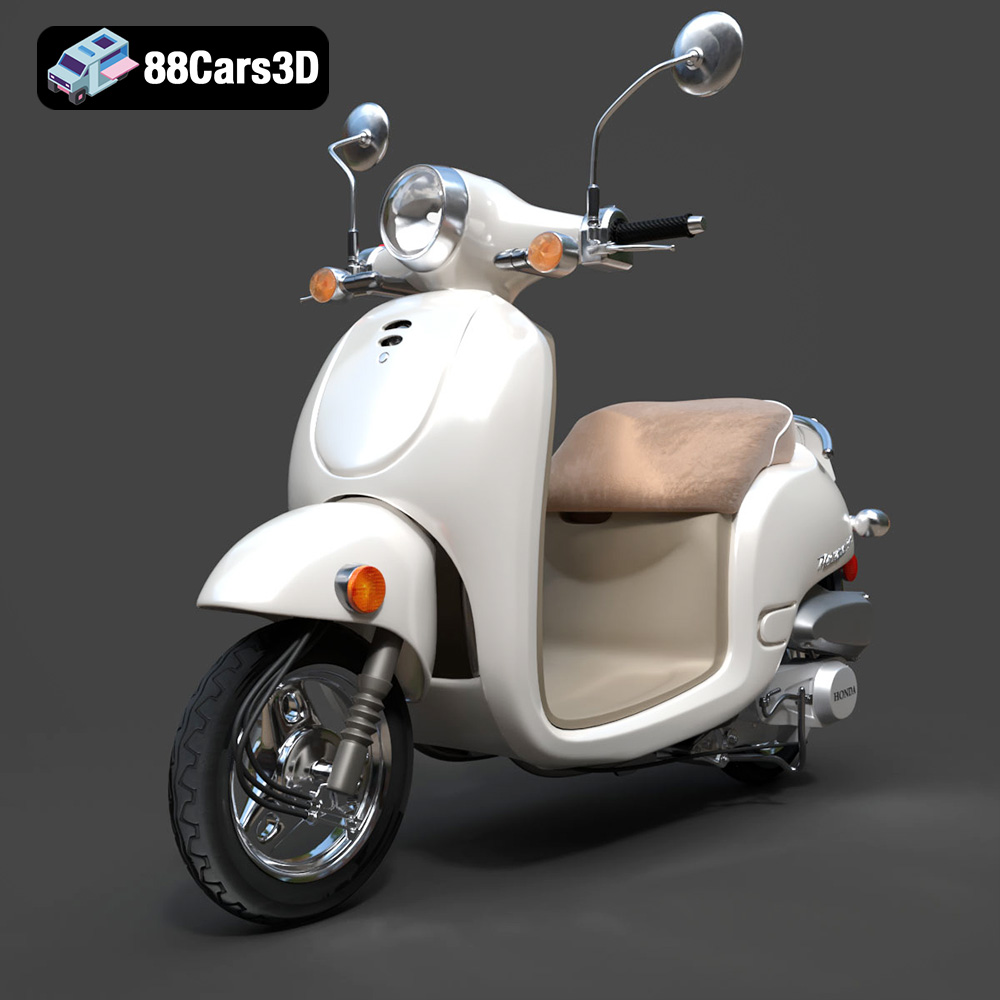
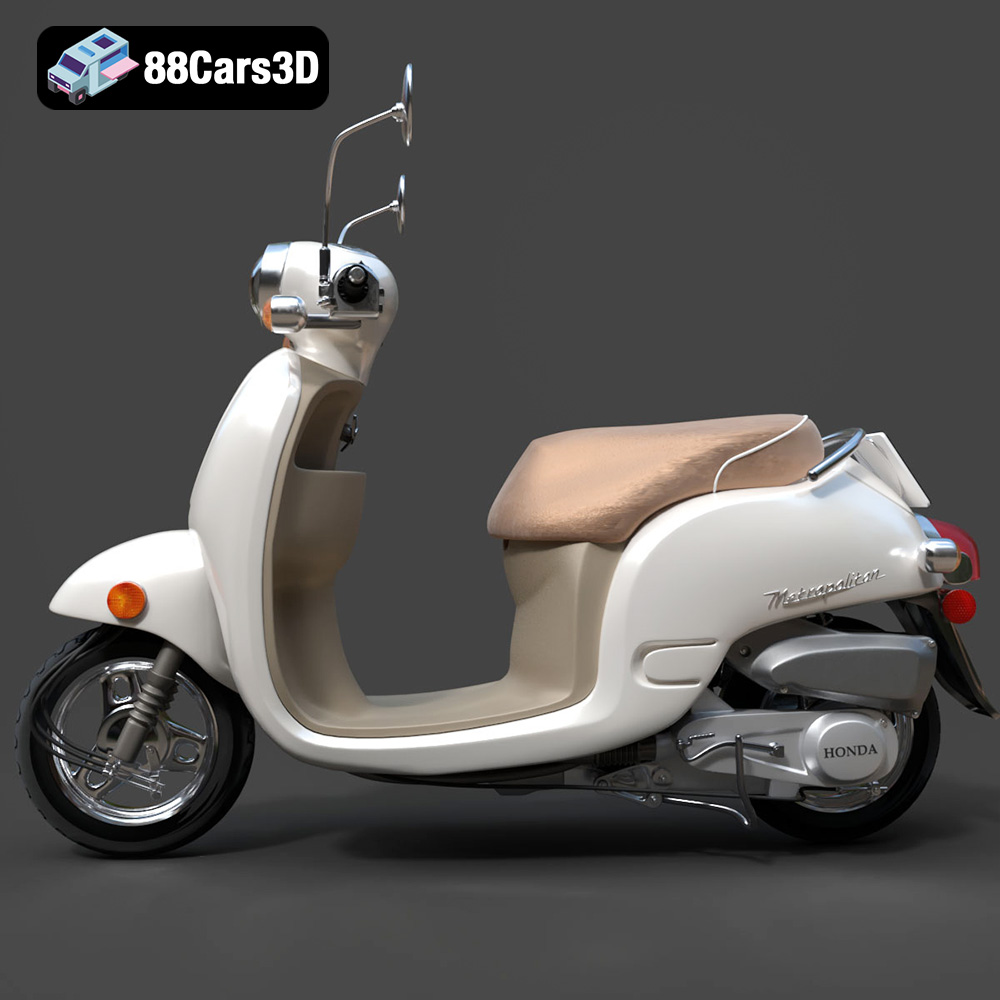
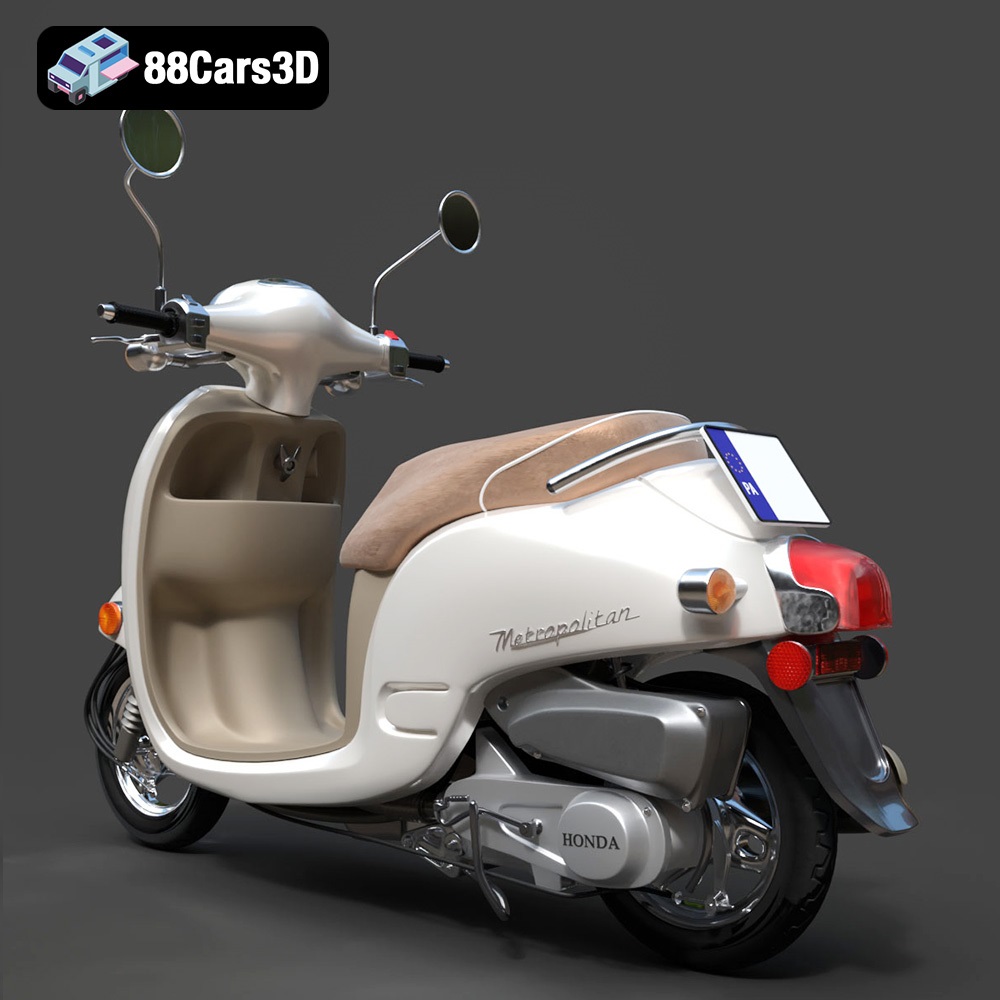
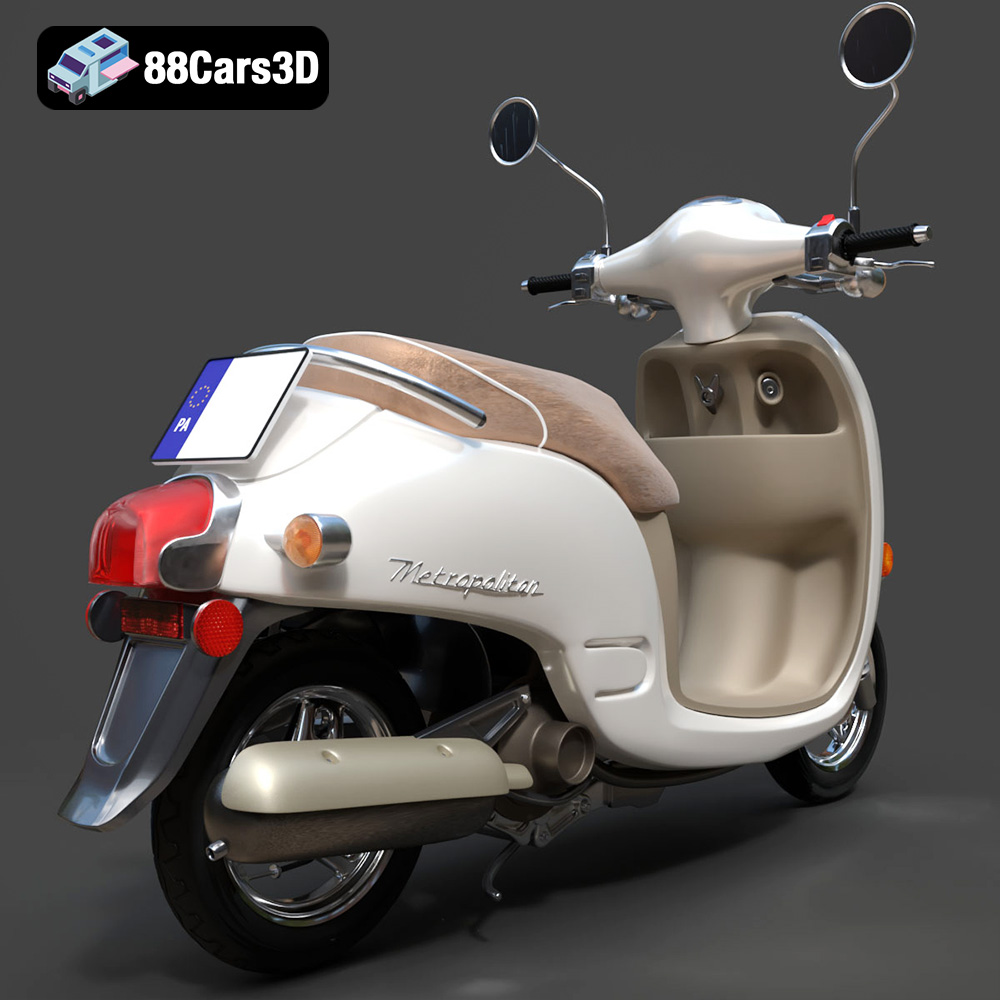
Today, we delve deep into the technical intricacies that define a superior 3D vehicle asset, exploring its role across diverse industries. We’ll examine the crucial file formats that empower different workflows, walk through integration in leading software, and highlight the real-world applications where such assets truly shine. As an exemplary model that embodies these principles, we will frequently reference the Honda Metropolitan 2013 3D Model – an asset that promises true-to-life precision, clean geometry, and professional-grade construction, available through 88cars3d.com.
The choice of a 3D model file format is paramount, dictating compatibility, feature retention, and overall efficiency within a specific pipeline. A comprehensive 3D asset like the Honda Metropolitan 2013 3D Model from 88cars3d.com is provided in a multitude of formats to ensure maximum versatility. Understanding when and why to use each format is crucial for a streamlined workflow, whether you’re working on automotive rendering, developing game assets, or preparing for AR/VR deployment.
The .blend format is the native file type for Blender, a powerful and widely adopted open-source 3D creation suite. When a model is supplied as a .blend file, it typically includes the complete scene: the 3D mesh, materials, textures, lighting setup, cameras, and even animations if present. This makes it an ideal choice for Blender users who need full editability, allowing them to dissect, modify, or extend the model within its native environment. For artists who want to customize every aspect of the Honda Metropolitan 2013 3D Model, from its paint finish to the nuances of its chrome details, the .blend file provides an uncompromised starting point.
.fbx (Filmbox) is a proprietary file format owned by Autodesk, renowned for its robust support for 3D model data, including geometry, materials, animations, and even basic rigging. It’s the go-to format for transferring assets between different 3D software applications and, crucially, for game engines like Unreal Engine and Unity. Its strength lies in its ability to encapsulate a wide range of data while maintaining decent compatibility. When using the Honda Metropolitan 2013 model for game development, an .fbx export ensures that all necessary components, such as LODs (Levels of Detail) and collision meshes, can be correctly imported and configured for real-time pipelines.
The .obj (Wavefront OBJ) format is one of the oldest and most universally supported 3D file formats. It primarily stores geometry (vertices, normals, texture coordinates, and faces) and can reference external material definition files (.mtl) for basic color and texture information. While it doesn’t support advanced features like animation or rigging, its simplicity ensures widespread compatibility across virtually all 3D software. For simple static renders or when needing a fallback option, the .obj version of the Honda Metropolitan 2013 3D Model is an excellent choice for cross-software compatibility.
.glb (GL Transmission Format Binary) is a relatively newer format specifically designed for efficient transmission and loading of 3D scenes and models on the web, in AR (Augmented Reality), and VR (Virtual Reality) applications. It bundles all necessary assets, such as textures and shaders, into a single binary file, making it highly portable and performant for real-time, browser-based display. For developers looking to integrate the Honda Metropolitan 2013 into a web configurator, a mobile AR app, or a lightweight VR experience, the .glb format offers unparalleled optimization and ease of deployment.
The .stl (Stereolithography) format represents a 3D model as a series of connected triangles, defining only the surface geometry without color, texture, or material information. It is the de facto standard for 3D printing, enabling rapid prototyping and physical model creation. If the project requires manufacturing a miniature replica or a component of the Honda Metropolitan 2013, the .stl file is the format chosen for outputting to a 3D printer, ensuring accuracy in physical dimensions.
.ply (Polygon File Format, or Stanford Triangle Format) is another format that stores 3D data, often used for scanned data or models with precise polygonal meshes. It can store not only geometry but also color, transparency, texture coordinates, and other properties. While less common for general animation or game development, it’s favored in scientific, engineering, and CAD applications where precise mesh data for analysis or reverse engineering is crucial. For detailed examination or specific industrial applications of the Honda Metropolitan 2013’s geometry, the .ply format offers a robust data structure.
The .unreal designation often refers to assets that have been specifically pre-configured or optimized for direct import and use within Unreal Engine. This might include correct scaling, material setups using Unreal’s PBR (Physically Based Rendering) system, LODs, collision meshes, and even basic Blueprints for interactive elements. Having a .unreal file for the Honda Metropolitan 2013 significantly reduces the setup time for game developers and real-time visualization artists, allowing for immediate integration into an Unreal project with minimal tweaking.
Similar to .blend for Blender, the .max format is the native file type for Autodesk 3ds Max, a leading software for 3D modeling, animation, and rendering, particularly strong in architectural visualization and high-end automotive rendering. A .max file contains all scene information, including geometry, modifiers, materials, lights, cameras, and animation data. For professionals who operate within the 3ds Max ecosystem, the .max version of the Honda Metropolitan 2013 3D Model provides full creative control and seamless integration into their existing projects, perfect for detailed studio renders or complex animated sequences.
Achieving photorealism in 3D car models goes far beyond just having the correct shape. It demands meticulous attention to geometry, materials, and textures, all working in harmony to fool the eye. The Honda Metropolitan 2013 3D Model exemplifies this dedication to quality, providing an asset that stands up to close inspection.
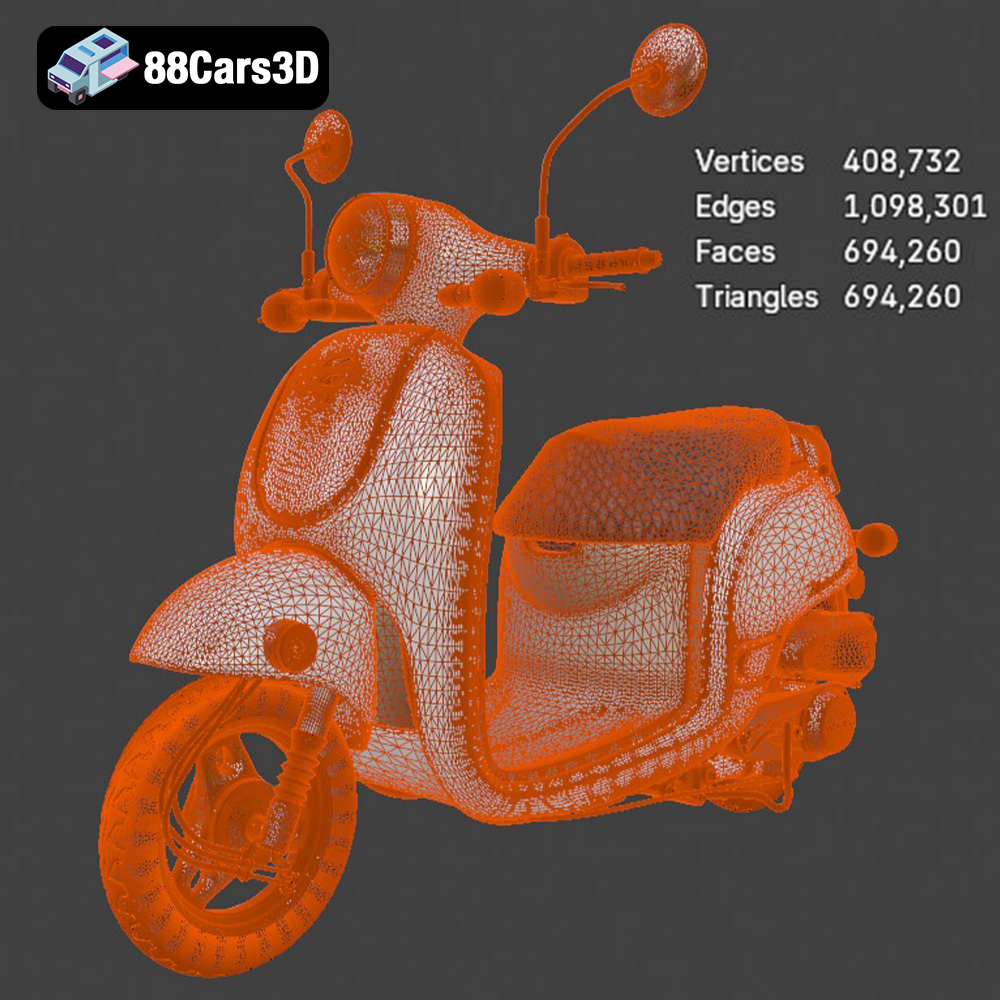
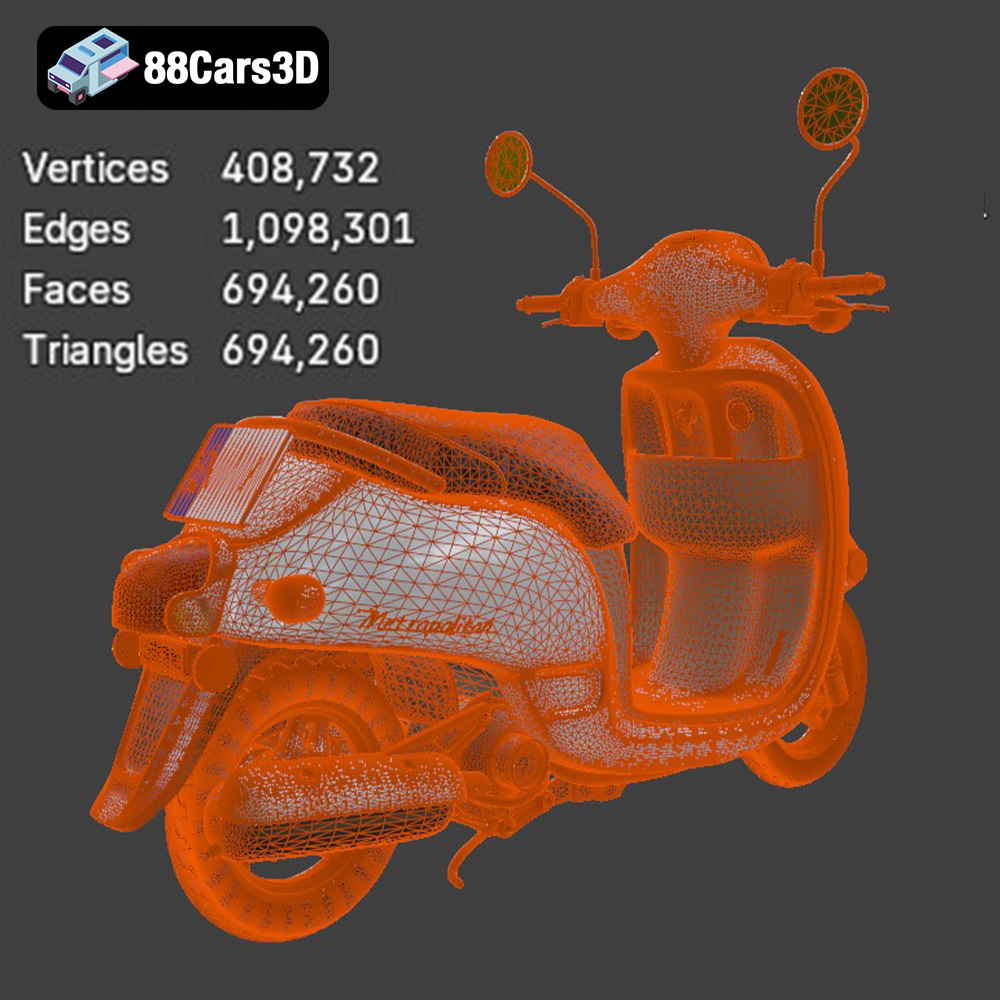
At the heart of any high-quality 3D model is its geometry. “Clean geometry” refers to a mesh that is well-structured, primarily composed of quads (four-sided polygons), with efficient edge flow and minimal triangulation where not explicitly needed. This is critical for several reasons:
Modern rendering relies heavily on Physically Based Rendering (PBR) materials, which simulate how light interacts with surfaces in the real world. This involves defining properties like base color (albedo), metallicness, roughness, normal maps, and ambient occlusion. A truly realistic 3D car model, such as the Honda Metropolitan 2013, will feature expertly crafted PBR materials that accurately represent:
These materials ensure that the model looks striking and consistent across diverse lighting conditions, from a bright outdoor scene to a dimly lit studio setup.
The true value of a versatile 3D asset like the Honda Metropolitan 2013 3D Model lies in its seamless integration into various professional software environments. Artists and developers leverage different tools for specific tasks, and a well-prepared model streamlines these processes significantly.
Autodesk 3ds Max remains a cornerstone in architectural visualization and high-end cinematic rendering. For automotive rendering, it offers robust modeling tools, powerful renderers like V-Ray and Corona, and sophisticated animation capabilities. When working with the .max file of the Honda Metropolitan 2013:
Blender, with its ever-growing feature set, has become a favorite for many artists seeking creative freedom and powerful tools. The .blend file of the Honda Metropolitan 2013 provides a complete, editable scene:
Unreal Engine is the undisputed leader for real-time applications, including game development, virtual production, and interactive experiences. The provided .fbx and .unreal formats of the Honda Metropolitan 2013 are optimized for this environment:
High-quality 3D car models are more than just static images; they are versatile tools that power innovation across numerous industries. The Honda Metropolitan 2013 3D Model, with its detailed construction and multiple format support, is designed to excel in these diverse applications.
For game developers, realism and performance are key. Whether creating an open-world driving game, an urban simulation, or a racing title, detailed vehicle models are essential. The Honda Metropolitan 2013 could be a perfect asset for:
ArchViz artists frequently use vehicles to provide context and scale to architectural renderings. A car or scooter parked outside a building brings life to a scene, indicating human presence and enhancing realism. The Honda Metropolitan 2013 would be ideal for:
The burgeoning fields of Augmented Reality (AR) and Virtual Reality (VR) demand highly optimized yet visually stunning assets. The .glb format, specifically, is a game-changer for these platforms. Imagine:
Beyond digital rendering, the physical world benefits from detailed 3D models. The .stl format enables the Honda Metropolitan 2013 to be brought into tangible existence:
While high-quality 3D car models are detailed, “optimized” means they are structured to deliver maximum visual impact with minimal computational overhead. This balance is crucial for smooth performance in real-time applications and efficient rendering in offline pipelines.
LODs are multiple versions of a single 3D model, each with a progressively lower polygon count. They are essential for game engines and real-time simulations. When the Honda Metropolitan 2013 is far from the camera, a lower-polygon LOD is displayed, saving processing power. As the camera gets closer, higher-detail LODs are swapped in seamlessly. A professionally created asset includes these to ensure performance scalability across different hardware and viewing distances without noticeable pop-in or loss of detail.
Texture maps provide the visual richness of a model, from paint imperfections to tire tread details. Efficient texturing involves:
In scenes with multiple instances of the same model (e.g., a street full of scooters), using instancing features in 3D software or game engines can drastically reduce memory footprint and draw calls. Furthermore, a well-organized scene hierarchy within the provided .blend or .max file, with clearly named objects and layers, makes it easier for artists to work with, modify, and optimize the Honda Metropolitan 2013 asset within larger projects.
The journey from concept to a stunning 3D visualization is paved with technical challenges. Creating high-quality, production-ready 3D car models from scratch is a monumental task, demanding hundreds of hours of expert craftsmanship. However, the availability of meticulously crafted assets, such as the Honda Metropolitan 2013 3D Model, offers a powerful shortcut for professionals across various industries.
By investing in premium 3D car models, artists and developers can significantly reduce production timelines, cut costs, and elevate the visual fidelity of their projects. These assets come ready with clean geometry, expertly designed PBR materials, and comprehensive file format support, ensuring seamless integration into virtually any workflow, from high-end automotive rendering to real-time game development and immersive AR/VR experiences.
Whether you’re populating a detailed architectural visualization, crafting a next-generation game environment, or exploring innovative AR applications, the foundation of a great project often begins with a great asset. The Honda Metropolitan 2013 3D Model is a prime example of such an asset, delivering top-tier realism and versatility. For these and many other professional-grade 3D car models, look no further than 88cars3d.com, where quality and precision are always in the driver’s seat.
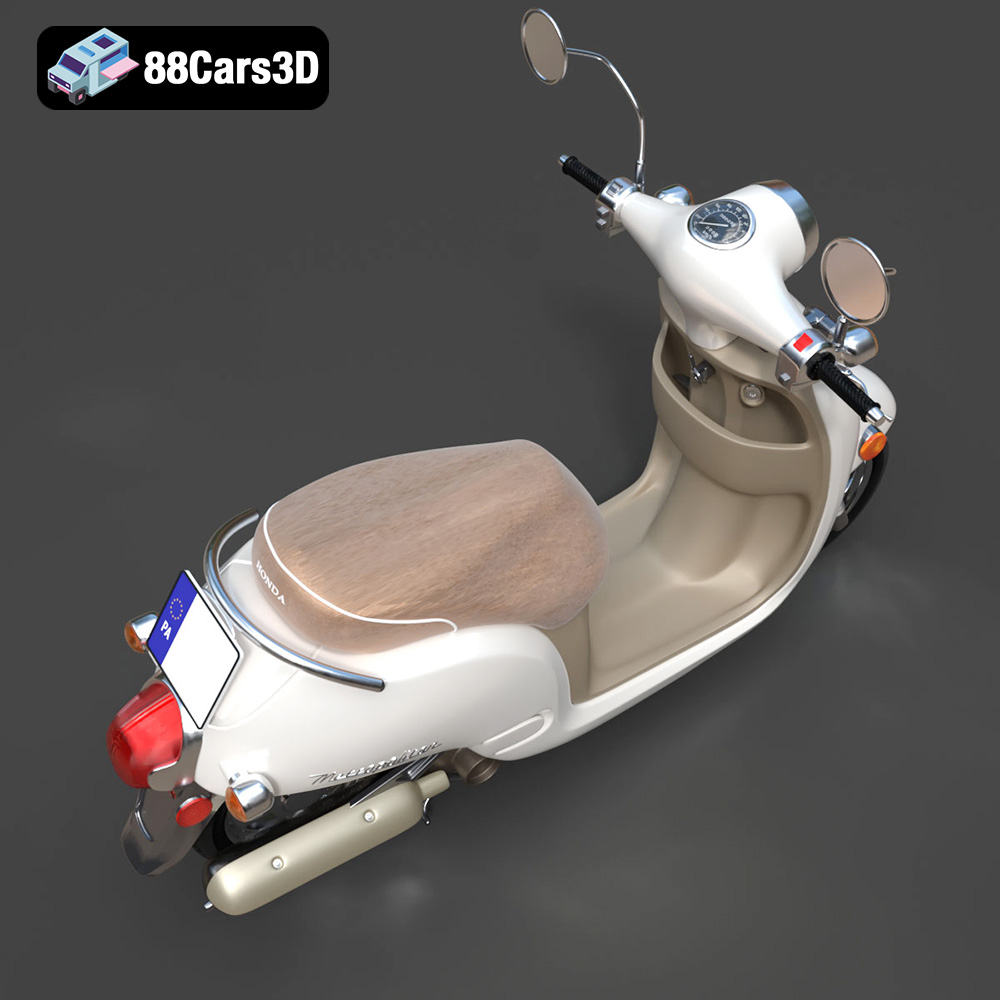
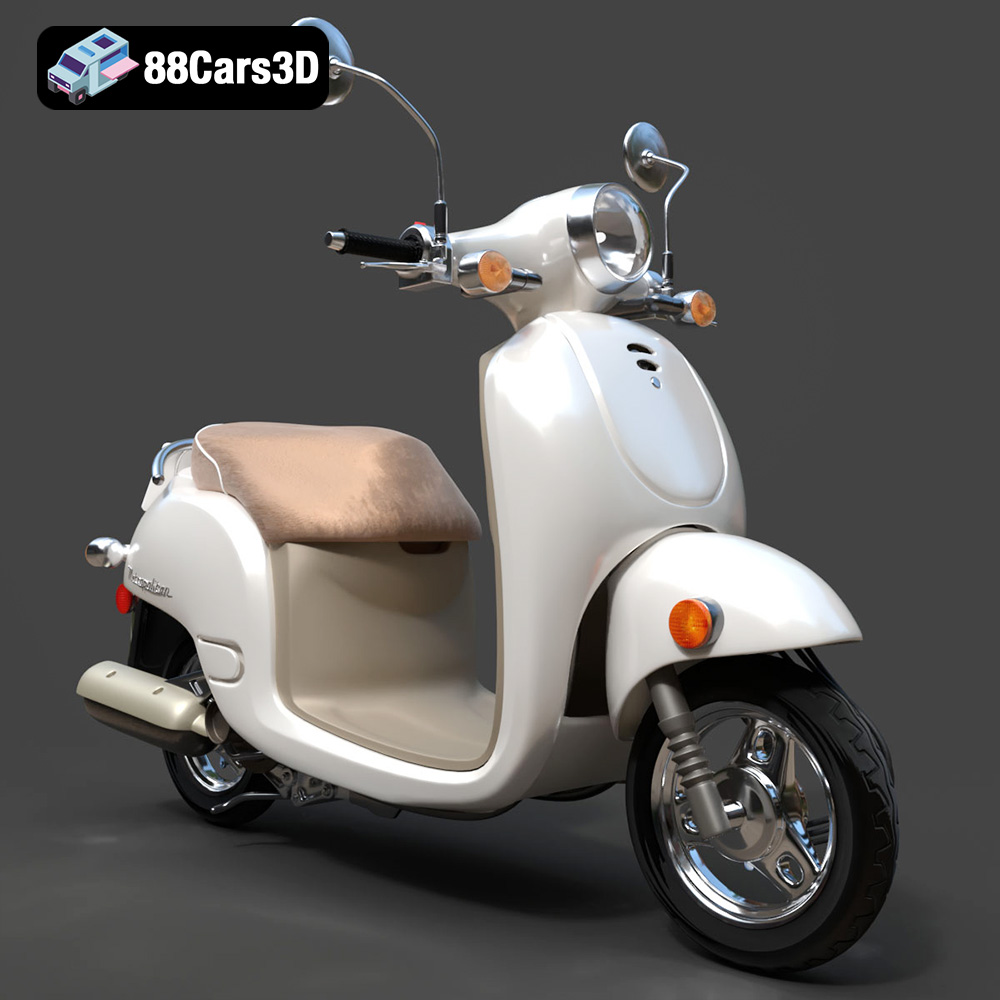
Experience realistic visualization with the Honda Metropolitan 2013 3D Model. This exceptionally detailed asset brings true-to-life precision to your projects, featuring accurate proportions and refined curves that capture the essence of the original vehicle. Built with clean geometry and professional-grade construction, this model is designed for seamless integration into various pipelines. It features realistic materials and expertly crafted surfaces, ensuring striking results under diverse lighting conditions. Every component has been meticulously modeled to provide top-tier realism without compromising performance. Perfect for a wide range of applications, this 3D model excels in game development, architectural visualization, cinematic rendering, and AR/VR experiences. Whether you are building an interactive simulation or producing dynamic promotional animations, this versatile vehicle asset delivers outstanding visual fidelity. The model is delivered in multiple industry-standard file formats to suit any workflow: .blend – Editable Blender file with materials and lighting setup; .fbx – Game-engine ready format for Unreal Engine and Unity; .obj – Standard 3D model format compatible with all major software; .glb – Optimized for AR/VR and web-based visualization; .stl – Suitable for 3D printing and prototyping; .ply – Detailed polygon mesh for analysis and visualization; .unreal – Pre-configured for Unreal Engine use; .max – Editable 3ds Max file for rendering and animation.
$39.99
.arvr
.blend
.car3dmodel
.fbx
.gameasset
.glb
.honda
.max
.metropolitan
.moped
.obj
.ply
.rendering
.scooter
.simulation
.stl
.unreal