Get 20% OFF All Premium 3D & STL Models!

“`html
The allure of classic cars, the sleek lines of modern supercars, and the rugged appeal of off-road vehicles – they all hold a special place in the hearts of automotive enthusiasts. Thanks to the advancements in 3D printing technology, bringing these miniature marvels to life is now within reach for hobbyists and professionals alike. However, transforming a digital STL file into a tangible, realistic car model requires careful planning, meticulous execution, and a solid understanding of the 3D printing process. This comprehensive guide will walk you through every step, from preparing your STL file to applying the finishing touches, ensuring you achieve stunning, showroom-worthy results. We’ll delve into slicing parameters, material selection, support structures, post-processing techniques, and much more, empowering you to create your dream car collection, one 3D print at a time. So, buckle up and get ready to embark on a journey into the world of 3D printed automotive artistry!
The foundation of any successful 3D print lies in the quality of the STL file. STL (Stereolithography) is a file format native to stereolithography CAD software used to describe the surface geometry of a 3D object. A well-prepared STL file is crucial for achieving accurate and detailed car models. Issues like non-manifold geometry, inverted normals, and excessive triangles can lead to printing errors and a subpar final product. Platforms like 88cars3d.com offer print-ready STL files, but understanding the preparation process is still essential for troubleshooting and customization.
An STL file represents a 3D object as a collection of triangles. Each triangle is defined by its three vertices and a normal vector, which indicates the direction the triangle is facing. Mesh topology refers to the way these triangles are connected. A “manifold” mesh is one where every edge is shared by exactly two triangles, creating a closed and watertight surface. Non-manifold geometry, on the other hand, contains gaps, overlaps, or self-intersections, causing problems during slicing and printing. To inspect the mesh, software like Meshmixer or Netfabb can be used. These programs analyze the STL file and highlight any problematic areas. Look for red or orange areas, which often indicate non-manifold edges or inverted normals.
If your STL file contains errors, you’ll need to repair it before printing. Meshmixer offers a powerful “Make Solid” tool that can automatically fix many common issues. Simply import the STL file, select “Make Solid,” and adjust the settings (such as “Solid Type” and “Accuracy”) to find the optimal balance between detail preservation and error correction. Netfabb is another excellent option, offering more advanced repair features like “Close All Holes” and “Remove Self-Intersections.” When dealing with highly complex car models, manual repair might be necessary. This involves identifying and fixing individual errors using tools like vertex merging, edge swapping, and face deletion. Remember to always back up your original STL file before making any modifications.
The slicing process transforms your 3D model into a series of instructions that the 3D printer can understand. Slicing software, such as Cura or PrusaSlicer, divides the model into horizontal layers and generates a G-code file containing commands for the printer’s movements, extrusion rate, and temperature settings. The slicing parameters you choose directly impact the print quality, strength, and overall appearance of your car model. Fine-tuning these settings is critical for achieving the desired level of realism.
Layer height is the thickness of each individual layer. A smaller layer height (e.g., 0.1mm) results in smoother surfaces and finer details, but it also increases the print time significantly. A larger layer height (e.g., 0.2mm) prints faster but can lead to noticeable layer lines, especially on curved surfaces. For car models, a layer height between 0.1mm and 0.15mm is generally recommended to achieve a good balance between detail and speed. Experiment with different layer heights to find the optimal setting for your specific model and printer. For example, for a highly detailed sports car model, opting for 0.08mm layer height might be worthwhile to capture all the intricate design elements, even if it means a longer print time. Conversely, for a larger, less detailed truck model, 0.15mm could suffice.
Infill refers to the internal structure of the 3D print. It determines the model’s strength and weight. Infill density is the percentage of the model’s interior that is filled with material. A higher infill density (e.g., 50%) results in a stronger and heavier model, while a lower infill density (e.g., 15%) saves material and reduces print time. For car models, an infill density of 15-25% is usually sufficient, as the primary focus is often on aesthetics rather than structural integrity. Experiment with different infill patterns to optimize the model’s strength and weight. Common infill patterns include grid, lines, and honeycomb. Gyroid infill is an excellent choice for its isotropic strength and material efficiency. For areas that require more support, such as the roof or chassis, consider increasing the infill density locally using modifiers within your slicing software.
Many car models feature overhangs, which are areas that extend horizontally without any support from the layers below. Without support structures, these overhangs would simply collapse during printing. Support structures act as temporary scaffolding, providing a stable foundation for these overhanging features. The type, density, and placement of support structures are crucial for achieving successful prints and minimizing post-processing effort.
The type of support structures used varies depending on whether you’re using FDM (Fused Deposition Modeling) or resin printing. FDM printing typically uses branching tree-like supports or rectilinear supports. These supports are relatively easy to remove but can leave noticeable marks on the model’s surface. Resin printing, on the other hand, uses thinner, needle-like supports that are more delicate and leave less pronounced marks. However, resin supports require more careful placement and removal to avoid damaging the model. When using FDM, consider using soluble support material (e.g., PVA) for complex geometries, as it can be easily dissolved in water, leaving a clean surface. When using resin, optimize the support density and tip size to minimize the contact area with the model, making removal easier and reducing the risk of surface damage.
Most slicing software offers automatic support generation features. However, manual placement of supports often yields better results, especially for intricate car models. Carefully analyze the model and identify all overhanging areas that require support. Place supports strategically to minimize their impact on the model’s aesthetics. When removing supports, use sharp tools like hobby knives or pliers to carefully cut them away from the model. Be patient and avoid applying excessive force, as this can damage the surface. For FDM prints, you can use sandpaper to smooth out any remaining support marks. For resin prints, consider using a UV curing lamp to further harden the model and make it more resistant to damage during support removal. Some resins are more brittle than others, requiring extra care during this stage.
The choice of material significantly affects the appearance, strength, and durability of your 3D printed car model. Different materials have different properties, such as melting point, flexibility, and surface finish. Similarly, selecting the correct printer settings, such as temperature and print speed, are critical for achieving optimal results.
PLA (Polylactic Acid) is a popular choice for beginners due to its ease of printing and biodegradability. It has a low printing temperature and minimal warping, making it suitable for detailed models. However, PLA is not very heat-resistant and can become brittle over time. PETG (Polyethylene Terephthalate Glycol) is a more durable and heat-resistant alternative to PLA. It has good layer adhesion and flexibility, making it suitable for functional parts. ABS (Acrylonitrile Butadiene Styrene) is a strong and heat-resistant material that is often used in automotive applications. However, ABS is more difficult to print than PLA or PETG, as it requires a heated bed and an enclosure to prevent warping. For car models, PETG offers a good balance of printability, durability, and aesthetic appeal. When printing with ABS, ensure proper ventilation to avoid inhaling harmful fumes. Experiment with different filament colors to achieve the desired look for your car model.
Resin printing, using technologies like SLA (Stereolithography) and DLP (Digital Light Processing), offers superior detail and surface finish compared to FDM printing. Standard resin is a good all-around choice for general-purpose printing. Tough resin is more durable and impact-resistant, making it suitable for functional parts or models that will be handled frequently. Flexible resin is ideal for creating tires or other parts that require some give. Water washable resin simplifies the post-processing cleaning process, as it can be easily cleaned with water instead of isopropyl alcohol. When choosing a resin, consider the desired properties of your car model and the level of detail you want to achieve. For highly detailed models, opt for a high-resolution resin with a small layer height (e.g., 0.025mm). Remember to wear gloves and eye protection when handling resin, as it can be irritating to the skin and eyes.
Post-processing is the final stage in the 3D printing process, where you refine the model’s appearance and prepare it for display or use. This includes removing support structures, sanding down imperfections, painting the model to achieve the desired color and finish, and assembling multiple parts into a complete car model.
Sanding is essential for removing layer lines and other imperfections from the model’s surface. Start with a coarse grit sandpaper (e.g., 220 grit) to remove major imperfections, then gradually move to finer grits (e.g., 400, 600, 800 grit) to achieve a smooth surface. Wet sanding can help to reduce dust and improve the sanding results. For hard-to-reach areas, use small sanding sponges or detail sanding tools. After sanding, clean the model thoroughly to remove any dust or debris. Priming the model with a thin layer of primer helps to create a uniform surface for painting and improves paint adhesion.
Painting is where you can truly bring your 3D printed car model to life. Use high-quality model paints, such as acrylic or enamel paints. Apply thin, even coats to avoid drips and runs. Mask off areas that you don’t want to paint, such as windows or trim. For a professional-looking finish, consider using an airbrush to apply the paint. After the paint has dried, apply a clear coat to protect the paint and add a glossy or matte finish. Details such as headlights, taillights, and emblems can be added using fine-tipped brushes or decals. When downloading models from marketplaces such as 88cars3d.com, you might find detailed instructions or even pre-made decals to enhance realism.
Even with careful planning and execution, 3D printing failures can occur. Understanding the common causes of these failures and how to troubleshoot them is essential for becoming a successful 3D printer.
Warping occurs when the corners of the print lift off the print bed. This is often caused by poor bed adhesion or uneven cooling. To prevent warping, ensure that the print bed is clean and level. Use a bed adhesion agent, such as glue stick or hairspray. Increase the bed temperature and reduce the fan speed during the first few layers. First layer problems can also lead to warping. Ensure that the nozzle is properly calibrated and that the first layer is properly adhered to the bed. Adjust the Z-offset if necessary. For ABS printing, an enclosure is crucial for preventing warping.
Stringing occurs when the nozzle leaks filament while traveling between different parts of the print. This can be caused by high printing temperature, slow retraction speed, or excessive travel distance. Reduce the printing temperature, increase the retraction speed, and enable retraction during travel in your slicing software. Blobs are small clumps of filament that appear on the surface of the print. This can be caused by inconsistent extrusion or sudden changes in printing speed. Calibrate your extruder, optimize your print speed, and ensure that your filament is dry. Over-extrusion occurs when the printer extrudes too much filament. This can lead to a rough surface finish and dimensional inaccuracies. Calibrate your extruder and adjust the flow rate in your slicing software.
3D printing realistic car models from STL files is a rewarding and challenging endeavor. By understanding the principles of STL file preparation, slicing parameters, support structures, material selection, and post-processing techniques, you can create stunning automotive masterpieces that showcase your skills and passion. Remember to experiment with different settings and materials to find what works best for your specific printer and model. Don’t be afraid to troubleshoot and learn from your mistakes. With patience and persistence, you’ll be able to transform digital designs into tangible works of art. The key takeaways are: Always start with a well-prepared STL file, carefully consider your slicing parameters, choose the right material for the job, and pay attention to post-processing details. Now, go forth and unleash your creativity, and start building your dream car collection, one layer at a time! The automotive world awaits your 3D printed creations.
“`
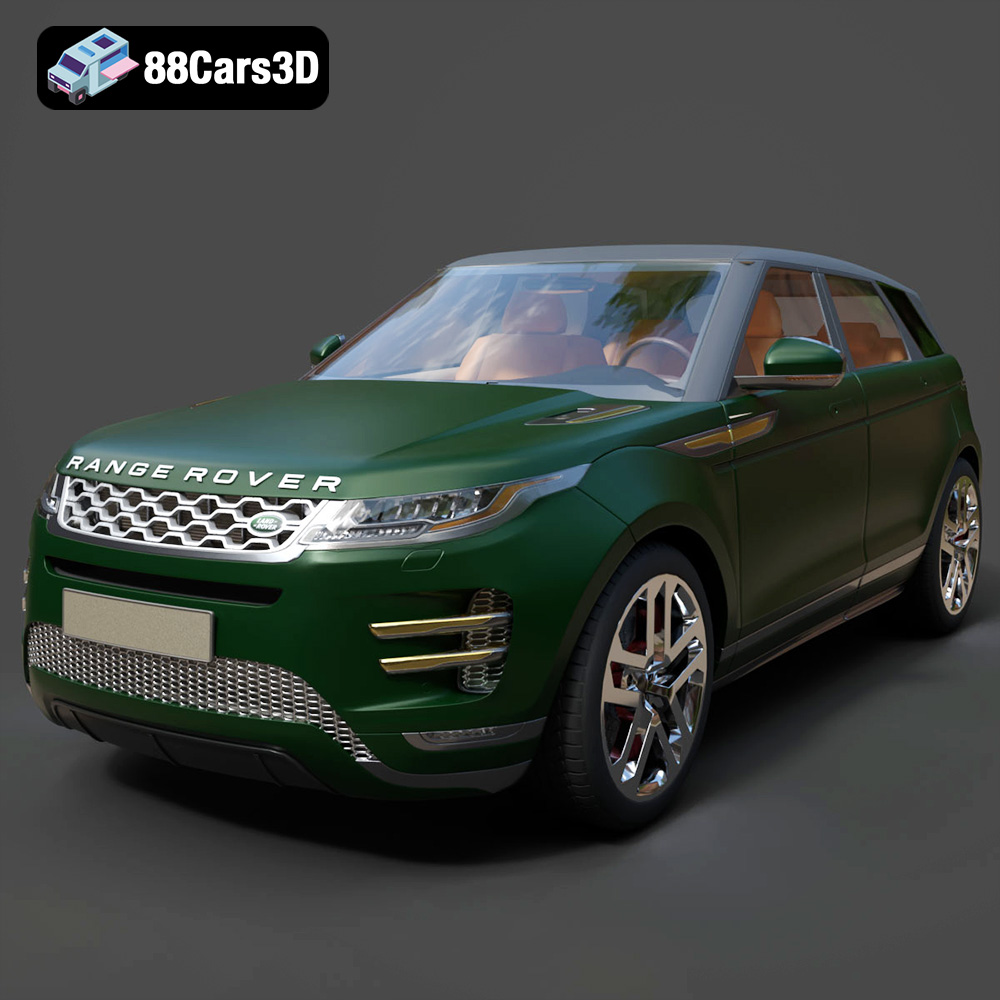
Texture: Yes | Material: Yes
Download the highly detailed, game-ready Range Rover Evoque R-Dynamic 2019 3D Model. Features flush deployable door handles, Matrix LED headlights, and R-Dynamic styling. Includes .blend, .fbx, .obj, .glb, .stl, .ply, .unreal, and .max formats for game development, AR/VR, and rendering.
Price: $19.99

Texture: Yes | Material: Yes
Download the highly detailed, game-ready Ford Mustang Mach 40 3D Model. Features aggressive custom widebody styling, a mid-mounted V8 engine, and classic retro-futuristic design. Includes .blend, .fbx, .obj, .glb, .stl, .ply, .unreal, and .max formats for game development, AR/VR, and rendering.
Price: $19.99
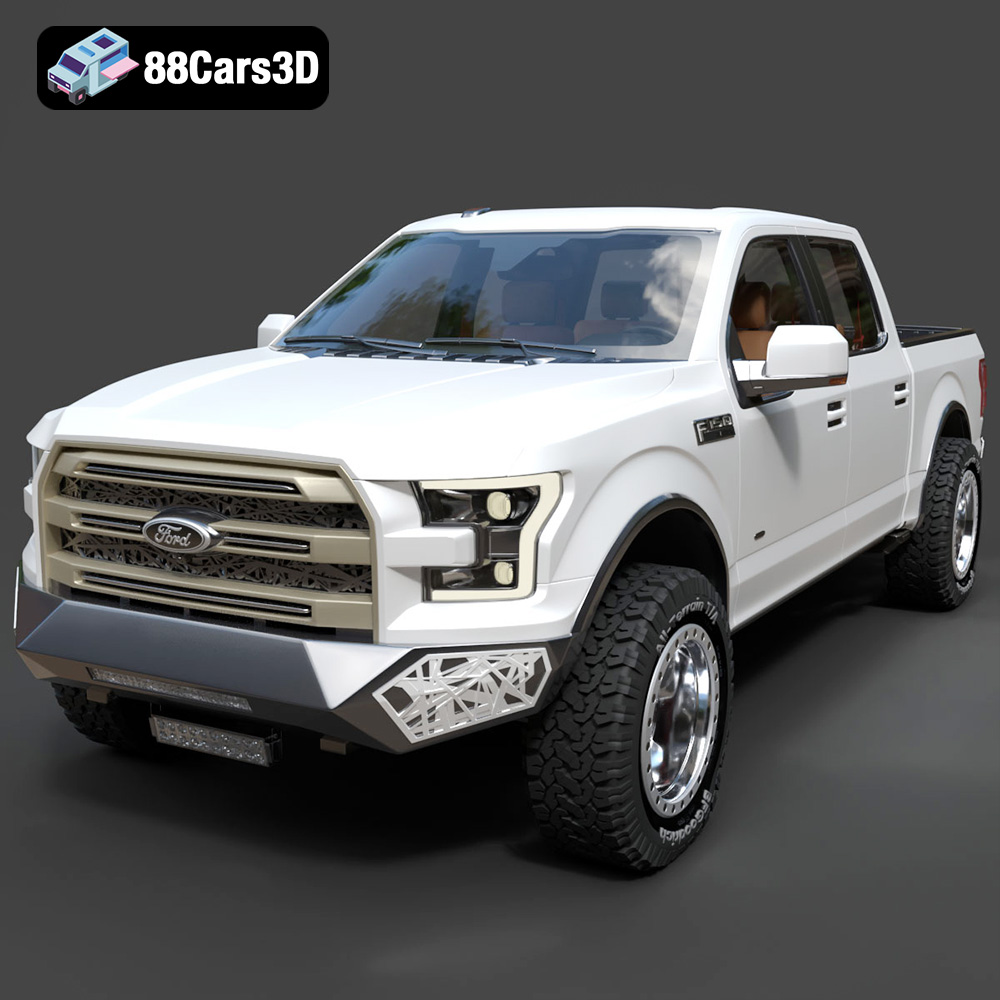
Texture: Yes | Material: Yes
Download the highly detailed, game-ready Ford F150 Raptor With Tuning From ARE 3D Model. Features custom ARE tuning accessories, aggressive off-road suspension, and rugged beadlock wheels. Includes .blend, .fbx, .obj, .glb, .stl, .ply, .unreal, and .max formats for game development, AR/VR, and rendering.
Price: $19.99

Texture: Yes | Material: Yes
Download the highly detailed, game-ready Mercedes-Benz AMG GLE 63 2021 3D Model. Features the iconic Panamericana grille, aggressive aerodynamic body styling, and a meticulously detailed luxurious interior. Includes .blend, .fbx, .obj, .glb, .stl, .ply, .unreal, and .max formats for game development, AR/VR, and rendering.
Price: $19.99
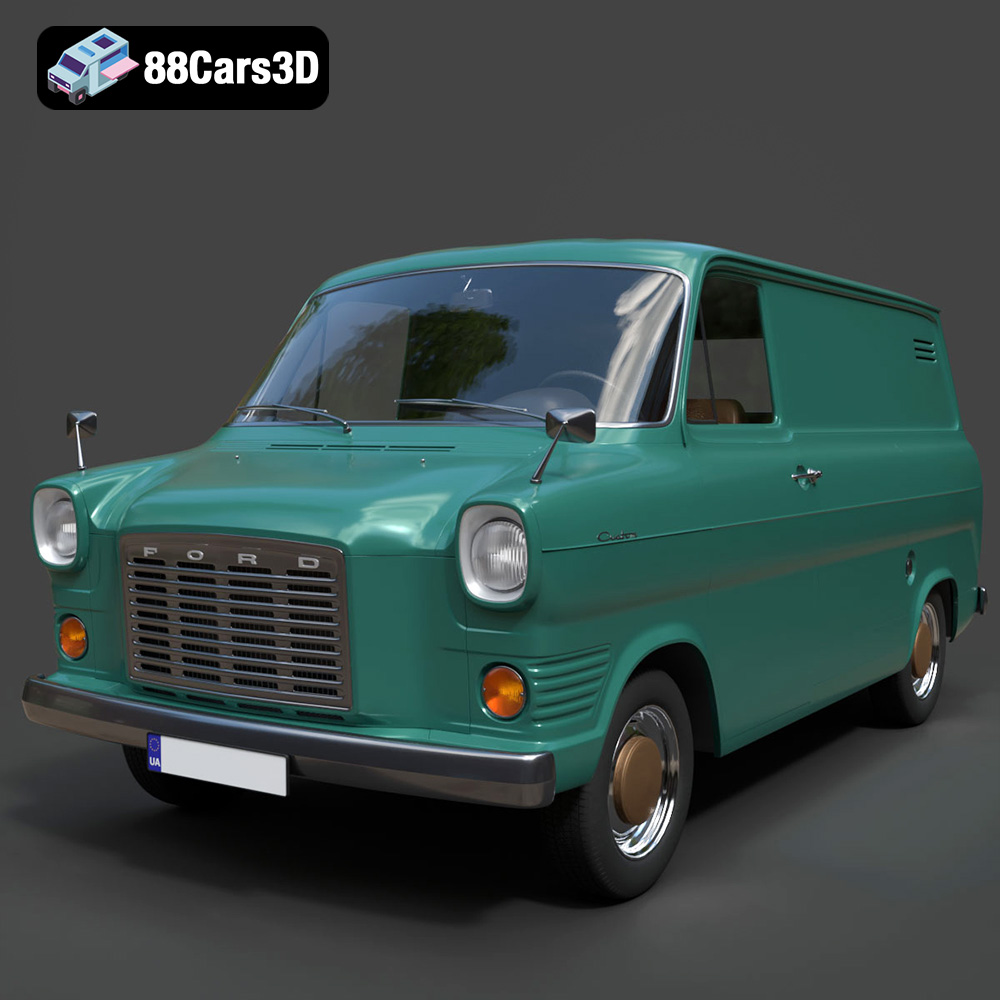
Texture: Yes | Material: Yes
Download the highly detailed, game-ready Ford Transit Mk1 Panel Van 1965 3D Model. Features iconic flat-front styling, vintage steel wheels, and a period-correct cargo bay. Includes .blend, .fbx, .obj, .glb, .stl, .ply, .unreal, and .max formats for game development, AR/VR, and rendering.
Price: $19.99
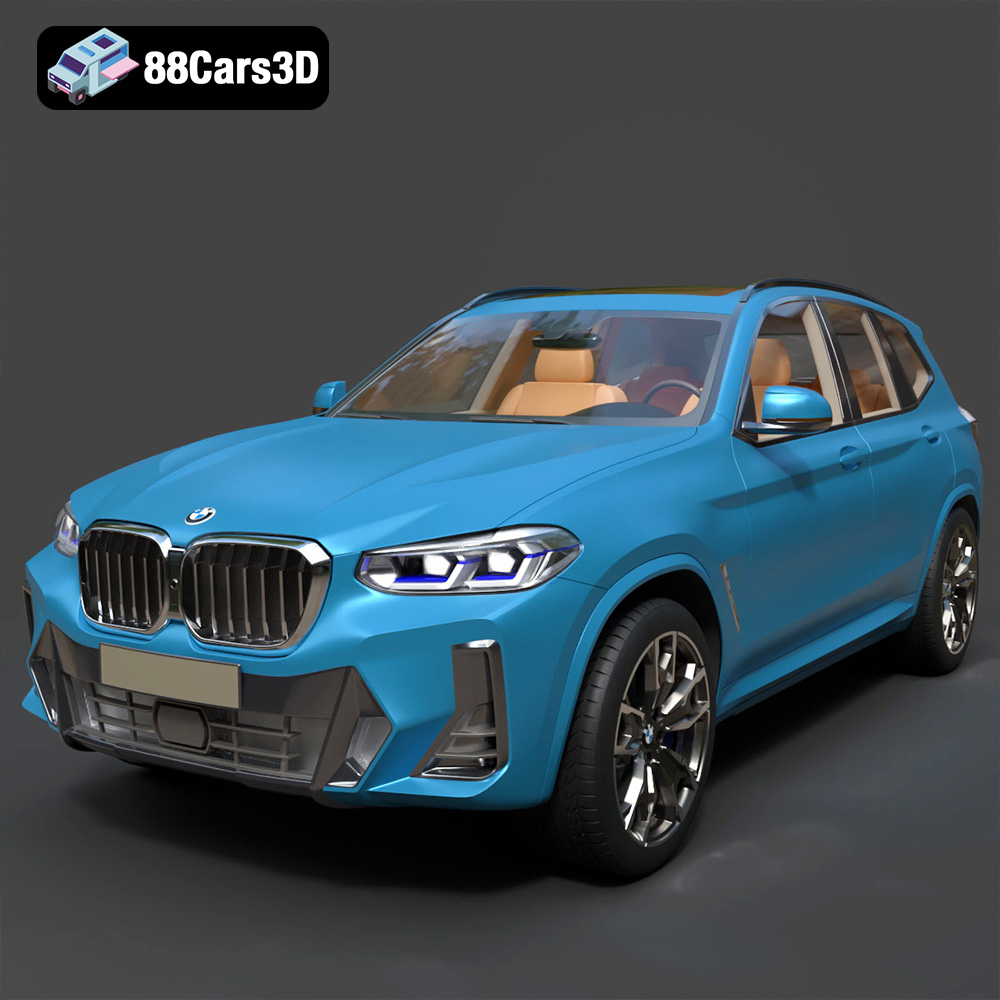
Texture: Yes | Material: Yes
Download the highly detailed, game-ready BMW X3 2024 3D Model. Features the iconic kidney grille, dynamic SUV proportions, and precise lighting elements. Includes .blend, .fbx, .obj, .glb, .stl, .ply, .unreal, and .max formats for game development, AR/VR, and rendering.
Price: $19.99

Texture: Yes | Material: Yes
Download the highly detailed, game-ready Tesla Model S Plaid 2021 3D Model. Features sleek aerodynamic styling, signature LED lighting, and the revolutionary Yoke steering interior. Includes .blend, .fbx, .obj, .glb, .stl, .ply, .unreal, and .max formats for game development, AR/VR, and rendering.
Price: $19.99
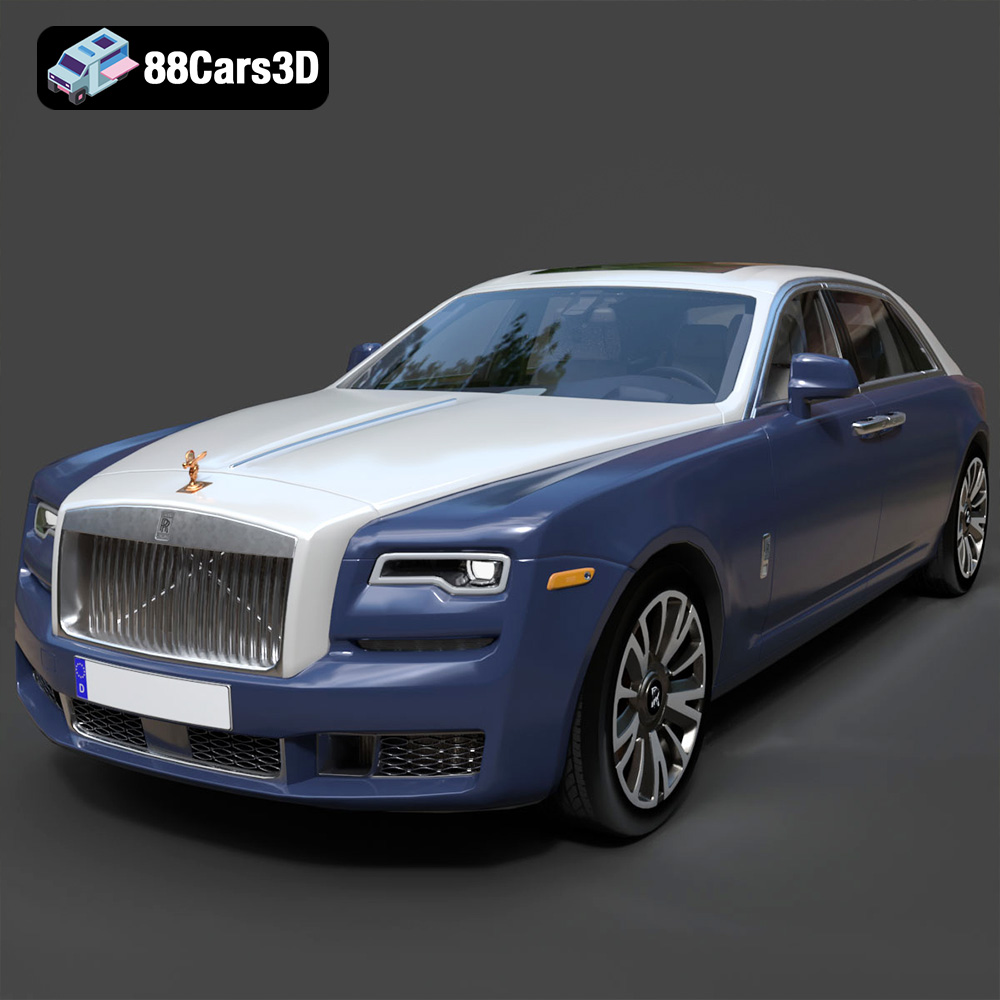
Texture: Yes | Material: Yes
Download the highly detailed, game-ready Rolls-Royce Ghost EWB 2018 3D Model. Features the iconic Pantheon grille, elongated luxury chassis, and elegant exterior lines. Includes .blend, .fbx, .obj, .glb, .stl, .ply, .unreal, and .max formats for game development, AR/VR, and rendering.
Price: $19.99
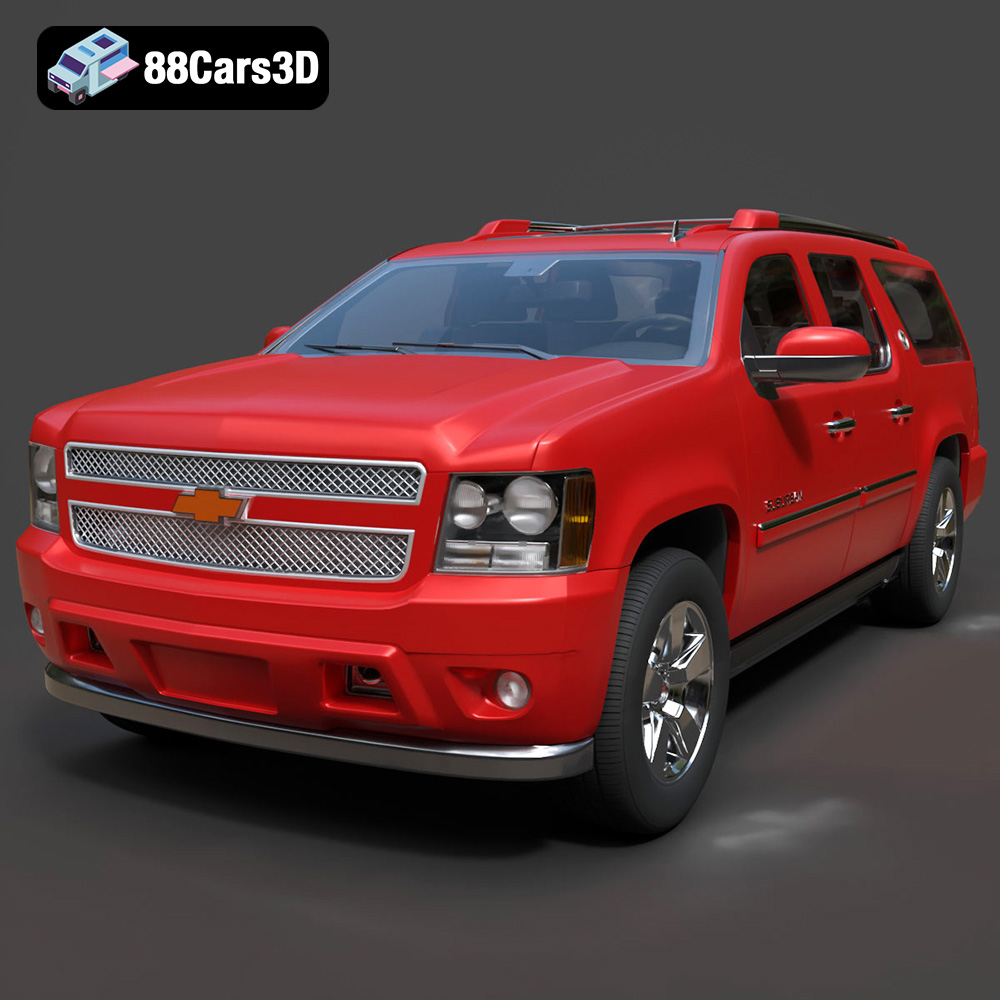
Texture: Yes | Material: Yes
Download the highly detailed, game-ready Chevrolet Suburban 75th Diamond 3D Model. Features the iconic Diamond Edition styling, detailed interior, and accurate full-size SUV proportions. Includes .blend, .fbx, .obj, .glb, .stl, .ply, .unreal, and .max formats for game development, AR/VR, and rendering.
Price: $19.99

Texture: Yes | Material: Yes
Download the highly detailed, game-ready Lamborghini Terzo Millenio 2017 3D Model. Features glowing Y-shaped LED signatures, extreme aerodynamic channels, and an aggressive hypercar stance. Includes .blend, .fbx, .obj, .glb, .stl, .ply, .unreal, and .max formats for game development, AR/VR, and rendering.
Price: $19.99

