Get 20% OFF All Premium 3D & STL Models!

“`html
The allure of recreating iconic automobiles in miniature form through 3D printing is undeniable. Whether you’re a seasoned hobbyist, an automotive enthusiast, or an engineer exploring rapid prototyping, the ability to transform digital STL files into tangible, realistic car models is a captivating prospect. This comprehensive guide will delve into the intricacies of 3D printing realistic car models, covering everything from STL file preparation and slicing parameters to printer settings, material selection, and post-processing techniques. We’ll explore best practices, troubleshooting tips, and real-world examples to help you achieve stunning results. This journey will equip you with the knowledge to overcome common challenges and unlock the full potential of your 3D printer, transforming digital designs into meticulously crafted car models.
The STL (Stereolithography) file format is the cornerstone of 3D printing. It represents the surface geometry of a 3D object using a collection of triangles. Understanding the structure and properties of STL files is crucial for achieving high-quality prints, especially when dealing with the intricate details of car models.
The quality of your final print is directly linked to the mesh density of the STL file. A higher polygon count results in a smoother surface and better representation of curves and complex geometries. However, excessively high resolution can lead to larger file sizes and longer processing times. Platforms like 88cars3d.com offer optimized STL files that strike a balance between detail and printability. When examining an STL file, look for smooth transitions between surfaces and minimal visible faceting. If the model appears blocky, it might be necessary to increase the mesh resolution in a 3D modeling software like Blender or Meshmixer *before* slicing. Bear in mind that while increasing mesh density improves visual fidelity, it also exponentially increases the computational load on your slicer. Carefully consider the trade-off between detail and processing time.
A manifold mesh is a crucial requirement for successful 3D printing. A manifold mesh is a closed, watertight surface, meaning that every edge is shared by exactly two triangles. Non-manifold meshes, on the other hand, contain errors such as holes, self-intersections, or unconnected edges. These errors can cause significant problems during slicing and printing, leading to missing sections, distorted geometries, or even print failures. Fortunately, many software tools can automatically detect and repair non-manifold meshes. Netfabb, Meshmixer, and even some slicer programs have built-in repair functions. Before printing, always run a mesh analysis and repair process to ensure the STL file is manifold. This will save you time, material, and frustration in the long run. Look for errors like “inverted normals,” “open edges,” and “overlapping triangles” in your mesh analysis software.
Slicing is the process of converting the 3D model (STL file) into a series of layers that the 3D printer can understand. The slicing software dictates the print settings, influencing the final quality, strength, and aesthetics of the printed car model. Mastering slicing parameters is essential for achieving realistic details and a smooth surface finish.
Layer height is arguably the most crucial slicing parameter. A smaller layer height results in smoother curves and finer details, leading to a more realistic appearance. However, reducing the layer height also increases the print time significantly. A good starting point for detailed car models is a layer height between 0.1mm and 0.2mm for FDM printing. For resin printing, layer heights can go even lower, often down to 0.025mm or even less, allowing for exceptional detail. For instance, printing a car model at 0.2mm might take 10 hours, whereas printing the same model at 0.1mm could easily double the print time. Experiment to find the optimal balance between detail and print time for your specific printer and material. Remember that the smallest feature you can accurately reproduce is generally limited by the layer height. If you’re aiming for extremely fine details, you’ll need to use a smaller layer height.
Infill refers to the internal structure of the 3D printed object. While a solid infill provides maximum strength and weight, it also consumes more material and increases print time. For car models, a moderate infill density (around 15-25%) is usually sufficient, as the primary goal is often aesthetics rather than structural integrity. Different infill patterns also offer varying levels of strength and printing speed. Gyroid infill is a popular choice for its balance of strength, speed, and material efficiency. Other options include rectilinear, honeycomb, and triangular infill. Consider the specific features of your car model when selecting the infill pattern. For example, if the model has thin walls or overhanging sections, a denser infill might be necessary to provide adequate support. When downloading models from marketplaces such as 88cars3d.com, the designer may recommend specific infill settings for optimal results, so be sure to check the product description.
The choice between FDM (Fused Deposition Modeling) and resin 3D printing significantly impacts the final outcome of your car model. FDM printers extrude molten plastic filament layer by layer, while resin printers use UV light to cure liquid resin. Each technology has its strengths and weaknesses, making them suitable for different types of car models and desired levels of detail.
For FDM printing, nozzle size plays a critical role in determining the level of detail achievable. A smaller nozzle (e.g., 0.25mm) allows for finer lines and sharper corners, but also increases print time and the risk of clogging. A larger nozzle (e.g., 0.4mm) is faster and more reliable but produces less detailed prints. The printing temperature also needs to be carefully calibrated for the specific filament being used. PLA typically prints between 190°C and 220°C, while ABS requires higher temperatures, typically between 230°C and 260°C. Bed adhesion is crucial for preventing warping and ensuring that the print adheres firmly to the build plate. Using a heated bed (around 60°C for PLA and 100°C for ABS) and applying an adhesive such as glue stick or painter’s tape can significantly improve bed adhesion. Always level your print bed accurately before starting a print. A poorly leveled bed is a common cause of print failures. Consider using a raft or brim to further enhance bed adhesion, especially for larger models with small contact areas.
Resin printing excels at producing highly detailed car models with smooth surfaces. However, it requires careful calibration of exposure time and proper support structures. Exposure time determines how long each layer is exposed to UV light, influencing the curing process and the strength of the printed part. Overexposure can lead to excessive curing and loss of detail, while underexposure can result in weak and brittle prints. Support structures are essential for preventing overhangs and unsupported sections from collapsing during printing. Resin printers typically use a “tree-like” support structure that minimizes material consumption and leaves minimal marks on the finished part. After printing, the model needs to be thoroughly cleaned with isopropyl alcohol (IPA) to remove any uncured resin. A dedicated washing station simplifies this process. Finally, the model needs to be post-cured under UV light to fully harden the resin and improve its mechanical properties. When designing or selecting STL files for resin printing, pay close attention to the orientation of the model. Orienting the model at an angle can minimize the need for supports and improve the surface finish.
Support structures are temporary scaffolding used to support overhanging features and bridges during the 3D printing process. Generating effective support structures and removing them cleanly without damaging the printed car model is a crucial skill for achieving successful prints. Incorrectly placed or poorly designed supports can lead to print failures or unsightly blemishes on the final product.
Most slicing software offers both automatic and manual support generation. Automatic support generation is convenient but often produces excessive supports in unnecessary areas. Manual support generation provides more control, allowing you to strategically place supports only where they are needed, minimizing material usage and reducing the risk of damage during removal. When using automatic support generation, carefully review the generated supports and make adjustments as needed. Consider the angles of overhangs and the size of unsupported areas. For complex car models, manual support generation is often the preferred approach. Use the slicing software’s tools to add or remove supports, adjusting their size, density, and placement to optimize support and minimize impact on the final print.
Removing support structures cleanly requires patience and the right tools. Start by using a sharp hobby knife or scalpel to carefully detach the supports from the model. Avoid applying excessive force, which can damage the surface. For delicate areas, consider using a heat gun to soften the supports before removal. Specialized support removal tools, such as pliers and cutters, can also be helpful. After removing the bulk of the supports, use sandpaper or a sanding sponge to smooth out any remaining blemishes. Start with a coarse grit sandpaper and gradually move to finer grits to achieve a smooth finish. For resin prints, soaking the model in warm water can sometimes help to soften the supports and make them easier to remove. Always exercise caution when using sharp tools and wear appropriate safety glasses to protect your eyes. Consider using dissolvable support materials, such as HIPS for FDM printing or specialized resins for resin printing, which can be easily removed by soaking the model in a solvent.
Post-processing is the final stage in the 3D printing workflow, where you refine the printed car model to achieve a realistic and polished appearance. This typically involves sanding, painting, and assembling multiple parts together. Proper post-processing can transform a rough 3D print into a stunning replica of your favorite car.
Sanding is essential for removing layer lines and smoothing out the surface of the 3D printed car model. Start with a coarse grit sandpaper (e.g., 220 grit) to remove major imperfections and then gradually move to finer grits (e.g., 400, 600, 800 grit) to achieve a smooth finish. Wet sanding can help to prevent clogging and produce a smoother surface. After sanding, thoroughly clean the model with a damp cloth to remove any dust or debris. Before painting, apply a primer to the model to improve paint adhesion and create a uniform surface. Several light coats of primer are better than one thick coat. Allow the primer to dry completely before proceeding to the next step.
Painting is where you bring your 3D printed car model to life with vibrant colors and realistic details. Use high-quality acrylic paints designed for model making. Apply thin, even coats of paint, allowing each coat to dry completely before applying the next. Masking tape can be used to create clean lines and separate different colors. Airbrushing provides the best results, allowing for smooth gradients and fine details. However, brush painting can also produce excellent results with practice. After painting, apply a clear coat to protect the paint and add a glossy or matte finish. Decals can be added to replicate logos, stripes, and other details. Finally, consider adding weathering effects to create a more realistic and aged appearance. Dry brushing and washes can be used to highlight panel lines and add depth to the model. High-quality STL files for 3D printable car models, like those found on 88cars3d.com, are designed with these finishing touches in mind.
Even with careful preparation and optimized settings, 3D printing can sometimes present challenges. Understanding common printing issues and knowing how to troubleshoot them is essential for achieving consistent and reliable results. Issues like warping, delamination, stringing, and elephant’s foot can all detract from the final quality of your car model.
Warping occurs when the corners of the print lift off the build plate, especially with materials like ABS that are prone to shrinkage. Improving bed adhesion is the key to preventing warping. Ensure that the print bed is properly leveled and heated to the recommended temperature. Apply an adhesive such as glue stick, hairspray, or painter’s tape to the build plate. Consider using a brim or raft to increase the surface area in contact with the build plate. Enclosing the printer can also help to maintain a consistent temperature and reduce warping. If warping persists, try slowing down the print speed and increasing the bed temperature slightly. Make sure the room isn’t drafty, as this can exacerbate warping.
Stringing, blobs, and zits are all artifacts that can appear on the surface of the print, detracting from its smoothness and detail. Stringing occurs when molten filament leaks from the nozzle while the printer is traveling between different parts of the model. Retraction settings, which control how much filament is pulled back into the nozzle, are crucial for preventing stringing. Increase the retraction distance and speed to minimize leakage. Blobs and zits are caused by inconsistent extrusion or pauses during printing. Adjusting the print speed and flow rate can help to reduce these artifacts. Ensure that the filament is dry and free from moisture, as wet filament can cause erratic extrusion. If the problem persists, try reducing the printing temperature slightly. Inspect your printer’s extruder for any signs of wear or damage, as this can also contribute to extrusion problems.
3D printing realistic car models from STL files is a rewarding but technically demanding process. By understanding the intricacies of STL file preparation, slicing parameters, printer settings, support structures, and post-processing techniques, you can unlock the full potential of your 3D printer and create stunning replicas of your favorite automobiles. Remember that experimentation and patience are key. Don’t be afraid to try different settings, materials, and techniques to find what works best for your specific printer and desired outcome. With the knowledge and skills gained from this comprehensive guide, you’ll be well-equipped to tackle even the most challenging car model projects. Start by exploring online resources like 88cars3d.com for high-quality STL files and continue to refine your techniques through practice and experimentation. The journey to mastering 3D printing is an ongoing process, but the rewards of creating tangible, realistic car models are well worth the effort. So, fire up your 3D printer, grab your favorite STL file, and embark on your next exciting automotive creation!
“`
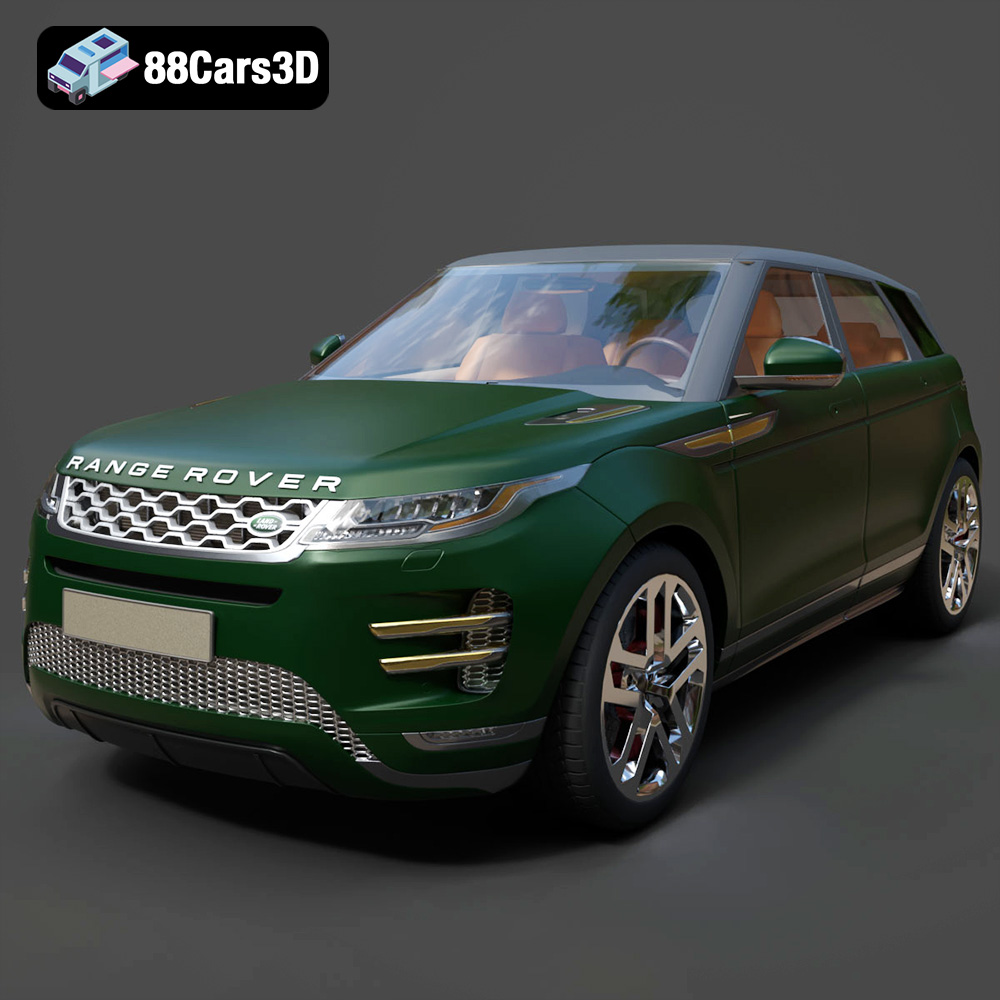
Texture: Yes | Material: Yes
Download the highly detailed, game-ready Range Rover Evoque R-Dynamic 2019 3D Model. Features flush deployable door handles, Matrix LED headlights, and R-Dynamic styling. Includes .blend, .fbx, .obj, .glb, .stl, .ply, .unreal, and .max formats for game development, AR/VR, and rendering.
Price: $19.99
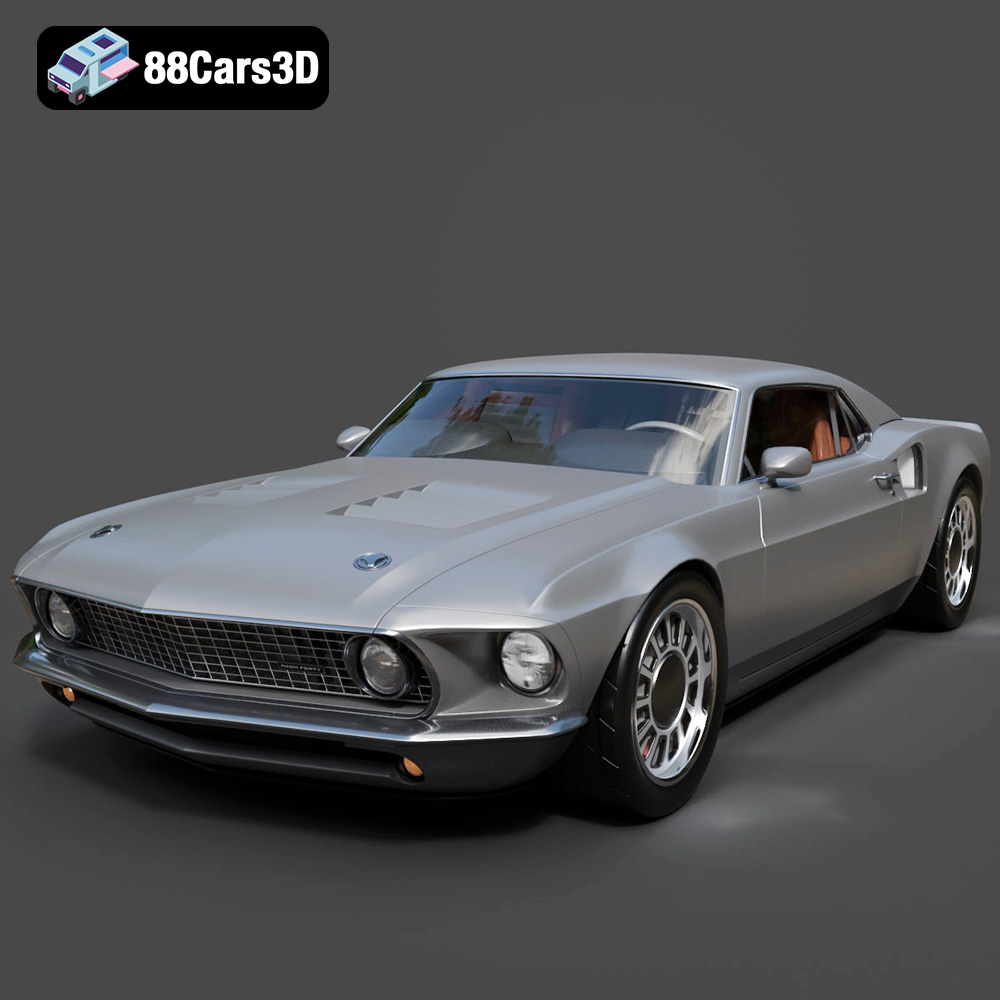
Texture: Yes | Material: Yes
Download the highly detailed, game-ready Ford Mustang Mach 40 3D Model. Features aggressive custom widebody styling, a mid-mounted V8 engine, and classic retro-futuristic design. Includes .blend, .fbx, .obj, .glb, .stl, .ply, .unreal, and .max formats for game development, AR/VR, and rendering.
Price: $19.99
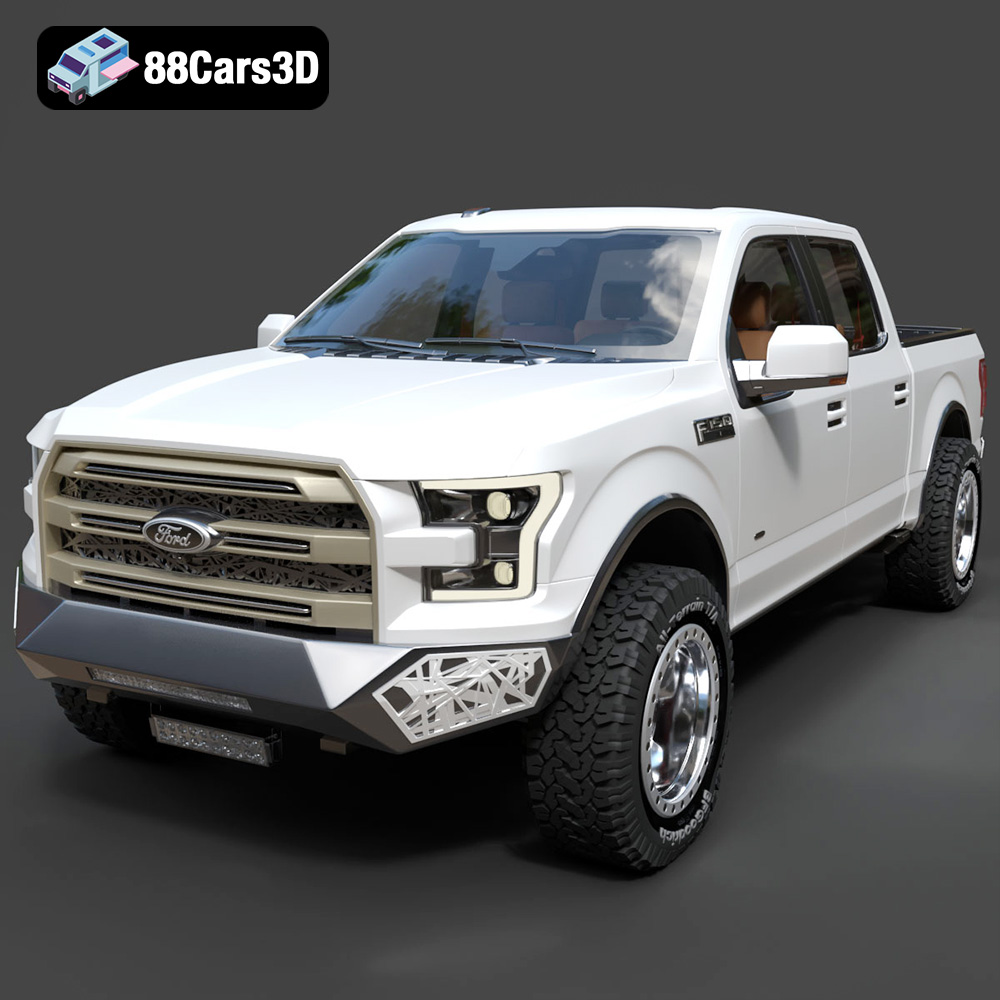
Texture: Yes | Material: Yes
Download the highly detailed, game-ready Ford F150 Raptor With Tuning From ARE 3D Model. Features custom ARE tuning accessories, aggressive off-road suspension, and rugged beadlock wheels. Includes .blend, .fbx, .obj, .glb, .stl, .ply, .unreal, and .max formats for game development, AR/VR, and rendering.
Price: $19.99

Texture: Yes | Material: Yes
Download the highly detailed, game-ready Mercedes-Benz AMG GLE 63 2021 3D Model. Features the iconic Panamericana grille, aggressive aerodynamic body styling, and a meticulously detailed luxurious interior. Includes .blend, .fbx, .obj, .glb, .stl, .ply, .unreal, and .max formats for game development, AR/VR, and rendering.
Price: $19.99
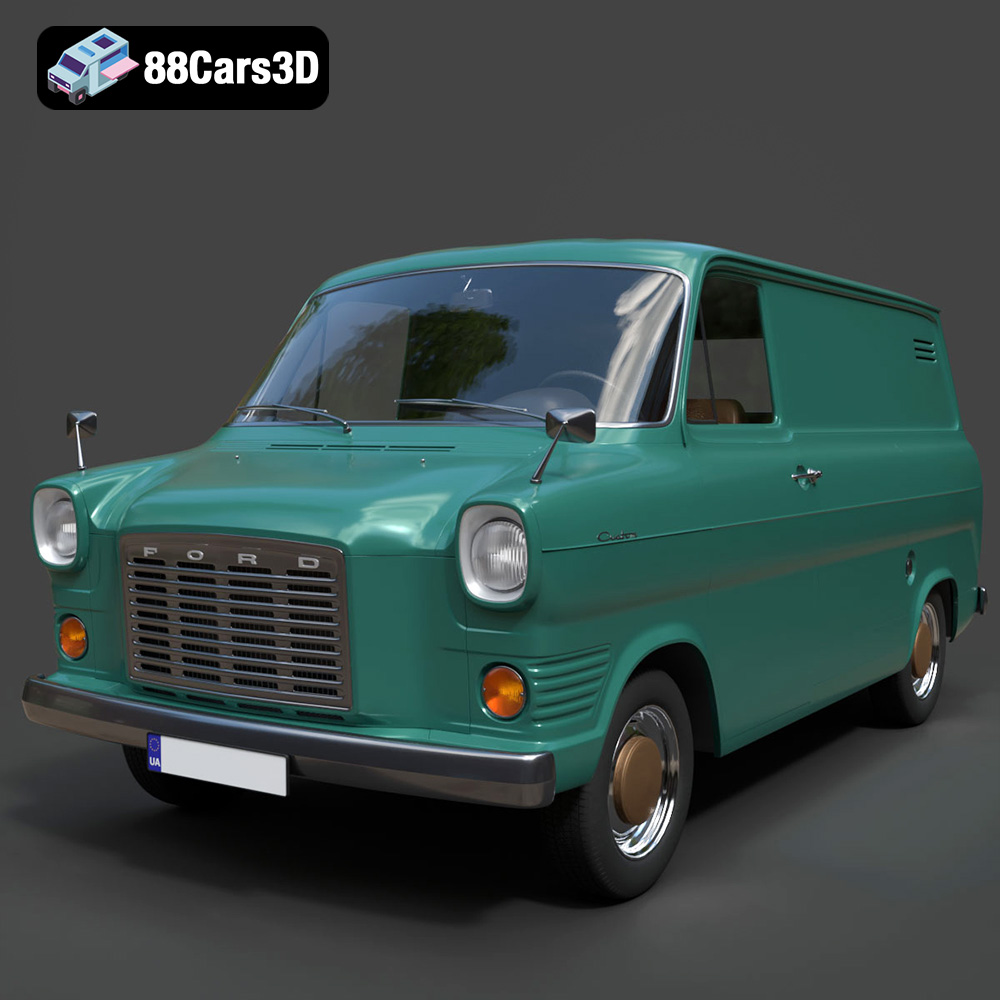
Texture: Yes | Material: Yes
Download the highly detailed, game-ready Ford Transit Mk1 Panel Van 1965 3D Model. Features iconic flat-front styling, vintage steel wheels, and a period-correct cargo bay. Includes .blend, .fbx, .obj, .glb, .stl, .ply, .unreal, and .max formats for game development, AR/VR, and rendering.
Price: $19.99
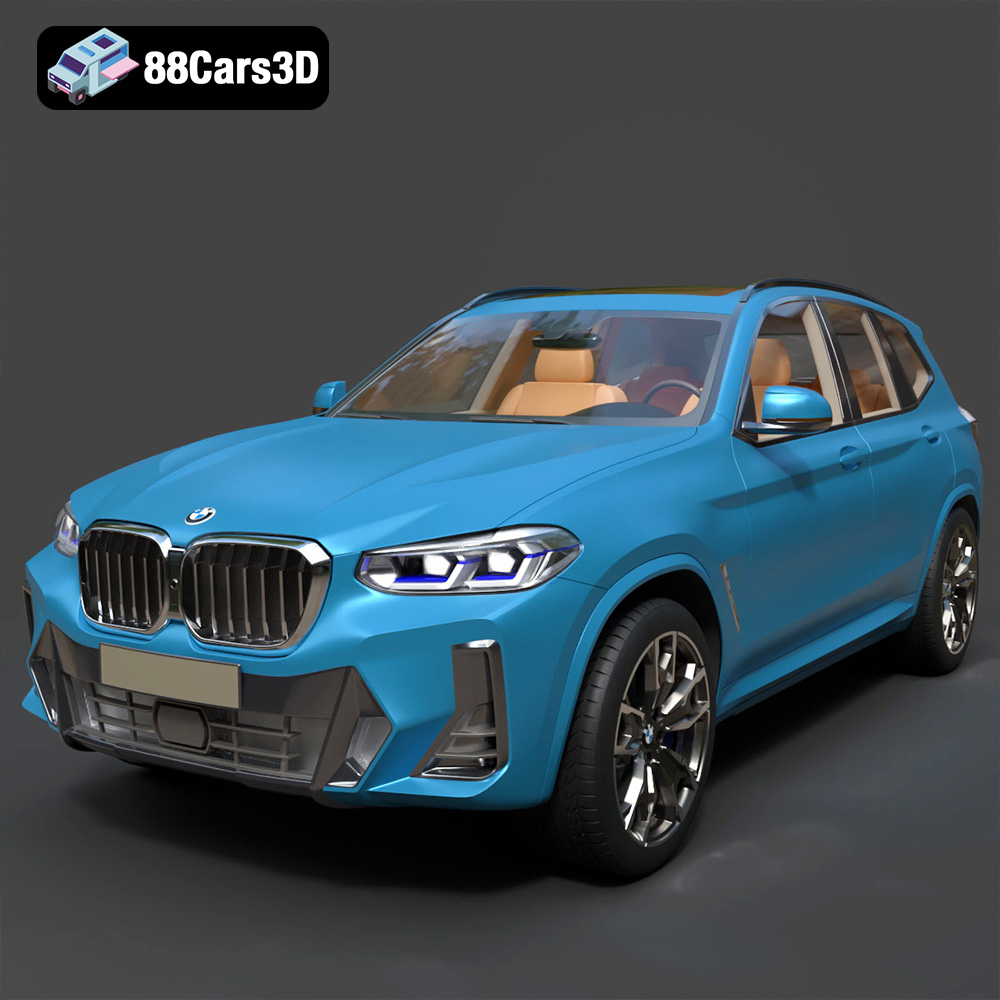
Texture: Yes | Material: Yes
Download the highly detailed, game-ready BMW X3 2024 3D Model. Features the iconic kidney grille, dynamic SUV proportions, and precise lighting elements. Includes .blend, .fbx, .obj, .glb, .stl, .ply, .unreal, and .max formats for game development, AR/VR, and rendering.
Price: $19.99

Texture: Yes | Material: Yes
Download the highly detailed, game-ready Tesla Model S Plaid 2021 3D Model. Features sleek aerodynamic styling, signature LED lighting, and the revolutionary Yoke steering interior. Includes .blend, .fbx, .obj, .glb, .stl, .ply, .unreal, and .max formats for game development, AR/VR, and rendering.
Price: $19.99
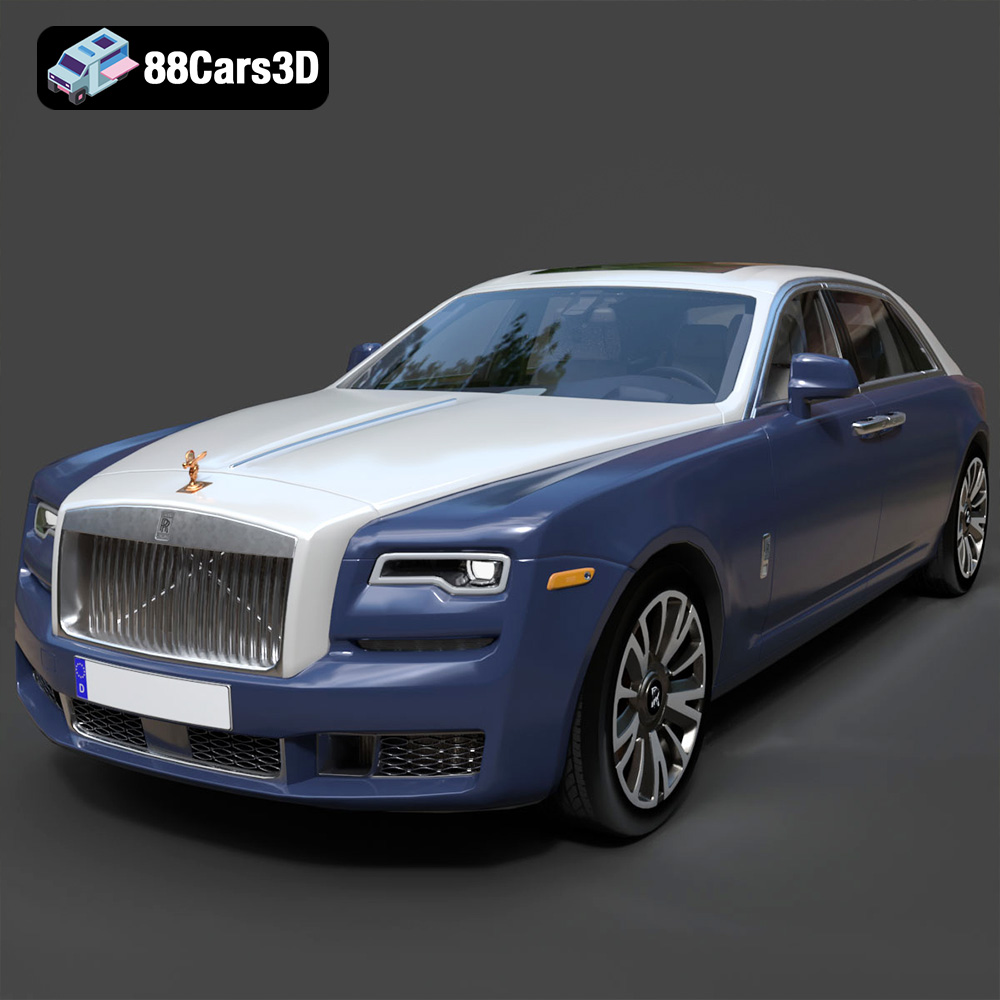
Texture: Yes | Material: Yes
Download the highly detailed, game-ready Rolls-Royce Ghost EWB 2018 3D Model. Features the iconic Pantheon grille, elongated luxury chassis, and elegant exterior lines. Includes .blend, .fbx, .obj, .glb, .stl, .ply, .unreal, and .max formats for game development, AR/VR, and rendering.
Price: $19.99
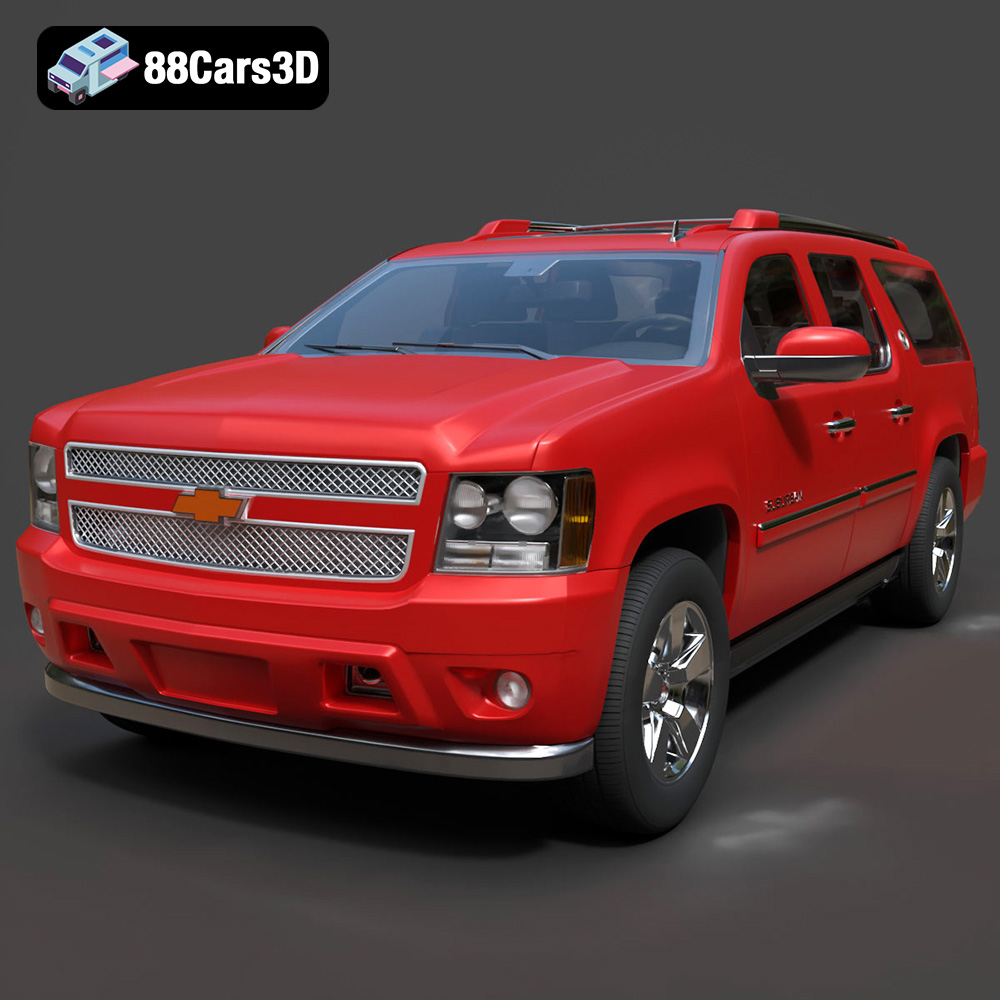
Texture: Yes | Material: Yes
Download the highly detailed, game-ready Chevrolet Suburban 75th Diamond 3D Model. Features the iconic Diamond Edition styling, detailed interior, and accurate full-size SUV proportions. Includes .blend, .fbx, .obj, .glb, .stl, .ply, .unreal, and .max formats for game development, AR/VR, and rendering.
Price: $19.99

Texture: Yes | Material: Yes
Download the highly detailed, game-ready Lamborghini Terzo Millenio 2017 3D Model. Features glowing Y-shaped LED signatures, extreme aerodynamic channels, and an aggressive hypercar stance. Includes .blend, .fbx, .obj, .glb, .stl, .ply, .unreal, and .max formats for game development, AR/VR, and rendering.
Price: $19.99

