Get 20% OFF All Premium 3D & STL Models!

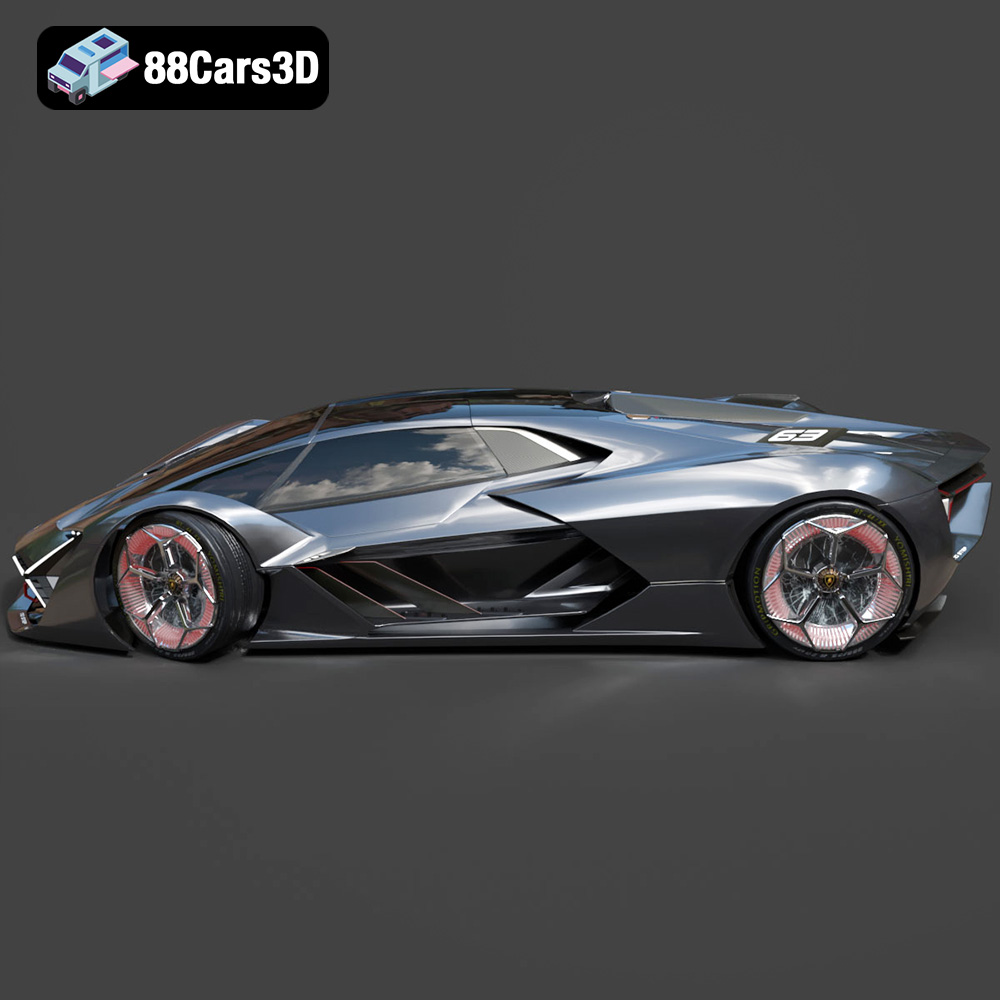
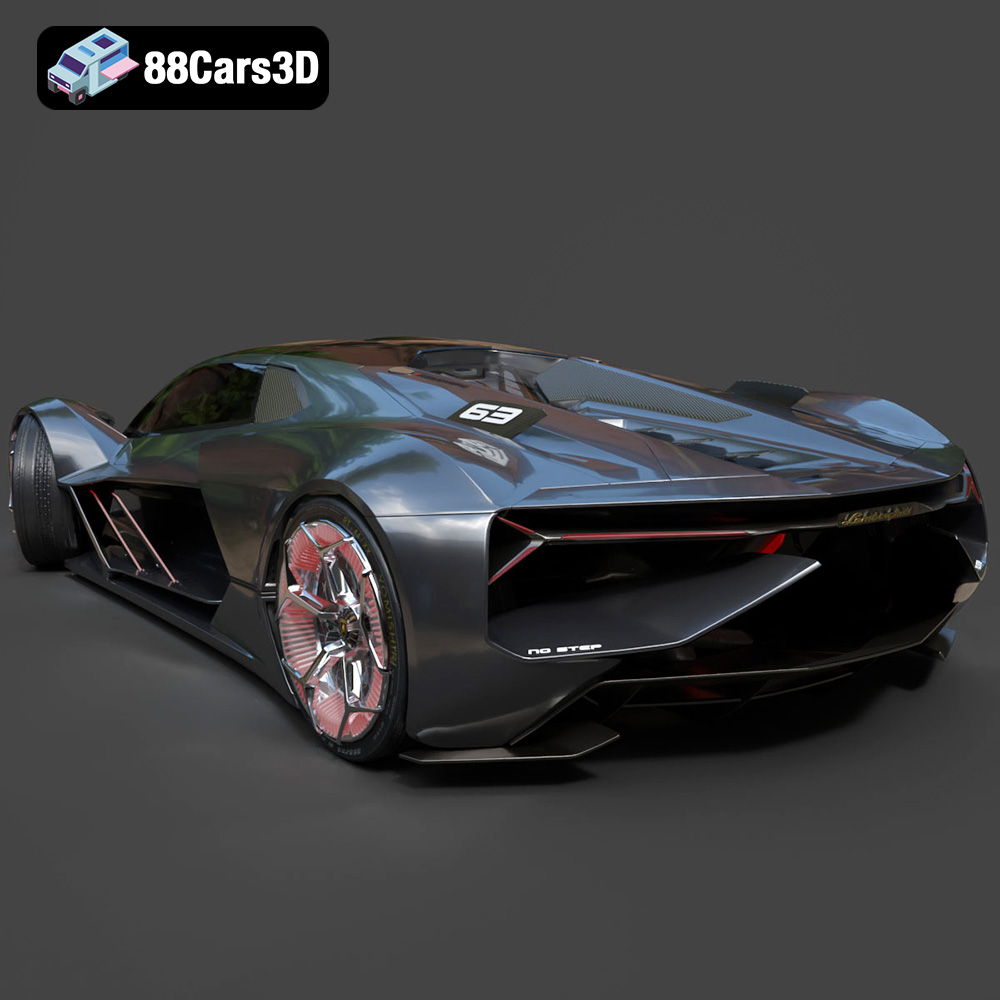
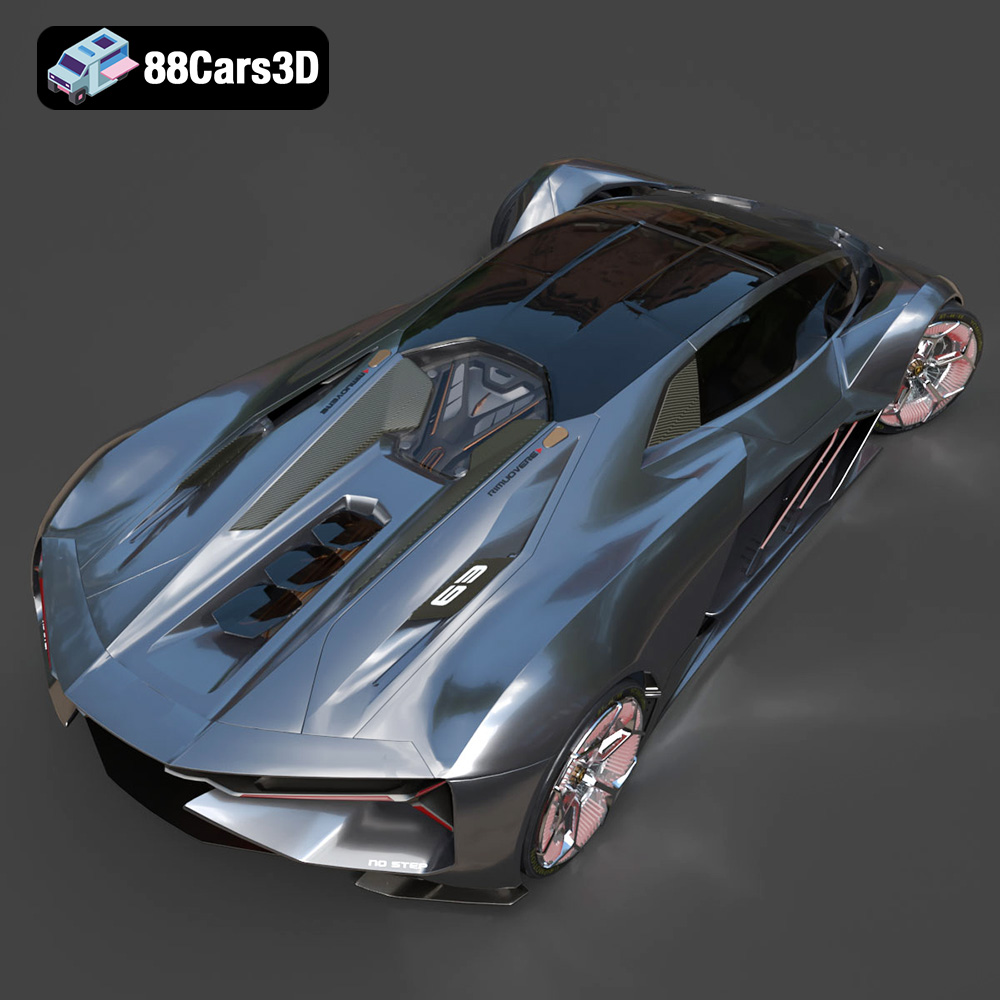
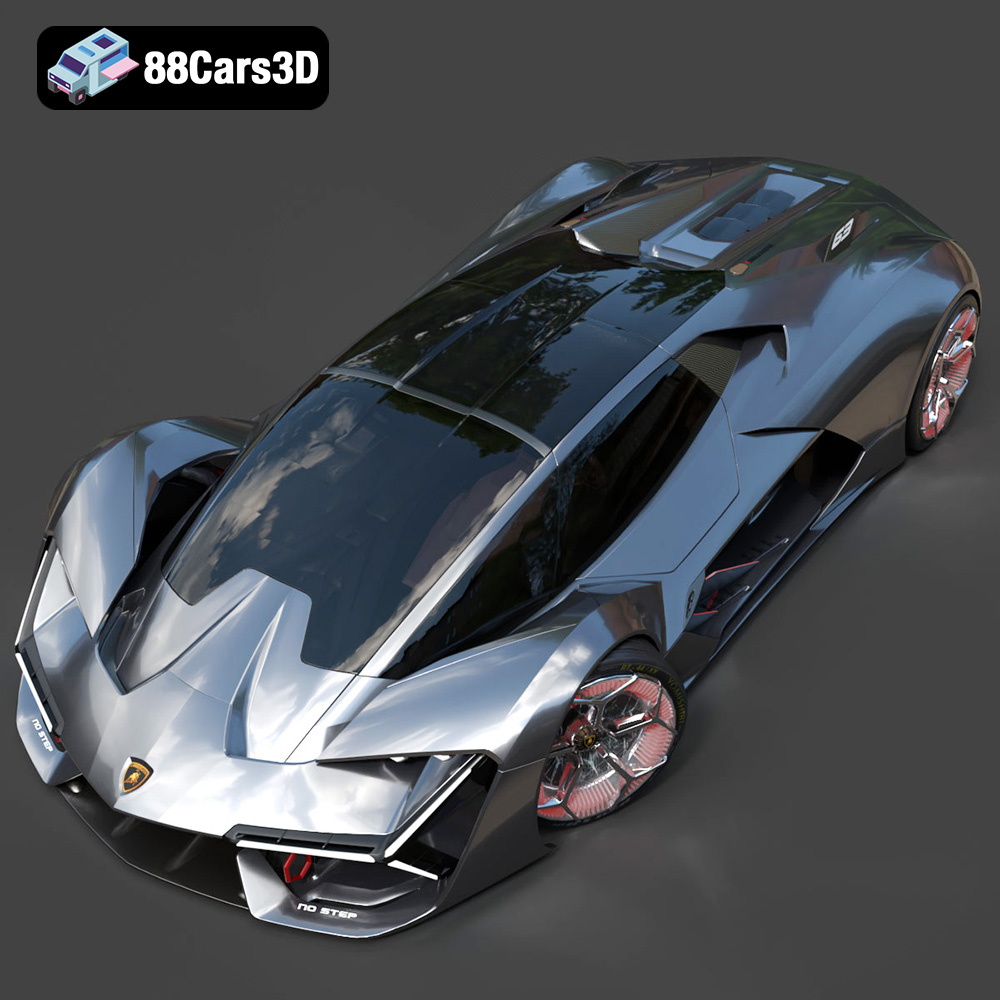
The Lamborghini Terzo Millennio, a collaboration with MIT, is more than just a concept car; it’s a vision of the future. Its radical design and cutting-edge technology make it a highly sought-after subject for 3D printing enthusiasts. This blog post will guide you through the process of 3D printing your own Terzo Millennio model, transforming digital dreams into tangible reality. We’ll cover everything from choosing the right materials and preparing the STL files to optimizing printer settings and post-processing techniques. Let’s dive in and bring this futuristic hypercar to life! Thanks to sites like 88cars3d.com, getting your hands on the digital blueprint has never been easier.
Selecting the appropriate 3D printing technology is the first crucial step. Two primary options are available: Fused Deposition Modeling (FDM) and Stereolithography (SLA) or resin printing.
FDM printing uses thermoplastic filaments, such as PLA or PETG, which are melted and extruded layer by layer. This method is generally more affordable and accessible, making it a great starting point. However, FDM prints typically exhibit layer lines, which can detract from the smooth, futuristic aesthetics of the Terzo Millennio. To mitigate this, aim for smaller layer heights and invest in post-processing techniques like sanding and filling.
SLA or resin printing utilizes liquid resins cured by UV light, resulting in significantly higher resolution and smoother surfaces. This makes it ideal for capturing the intricate details of the Terzo Millennio, such as the Y-shaped headlights and complex aerodynamic elements. Resin printing generally requires more investment in equipment and materials, and resins can be more brittle than FDM filaments, demanding careful handling. However, the unparalleled level of detail makes it a worthwhile choice for this particular model. The recommended layer height of 0.04-0.12mm especially makes resin printing stand out for this model.
Before you even think about hitting “print,” understanding the various file formats associated with 3D models is absolutely essential. Different formats offer different capabilities, and some are better suited for 3D printing than others. Let’s break down the common formats you’ll encounter when working with 3D models of the Lamborghini Terzo Millenio, and why the STL format is king for additive manufacturing.
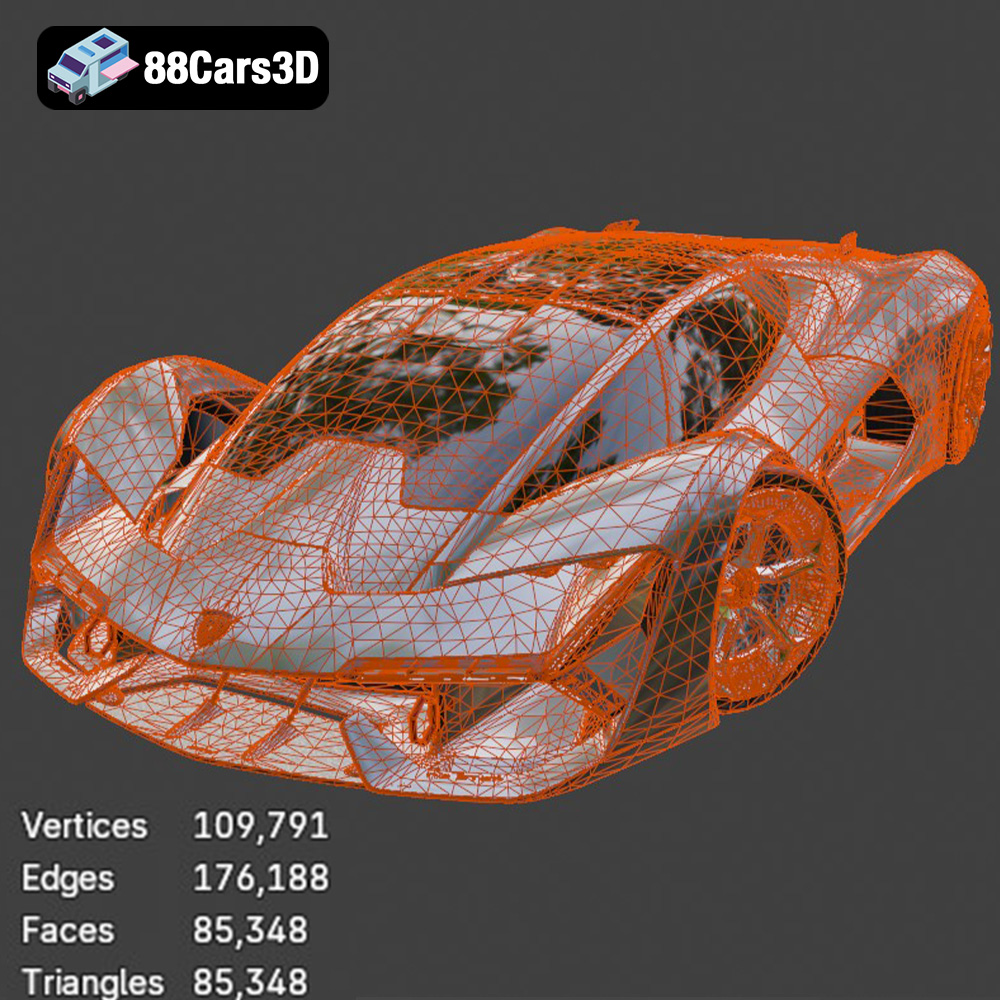
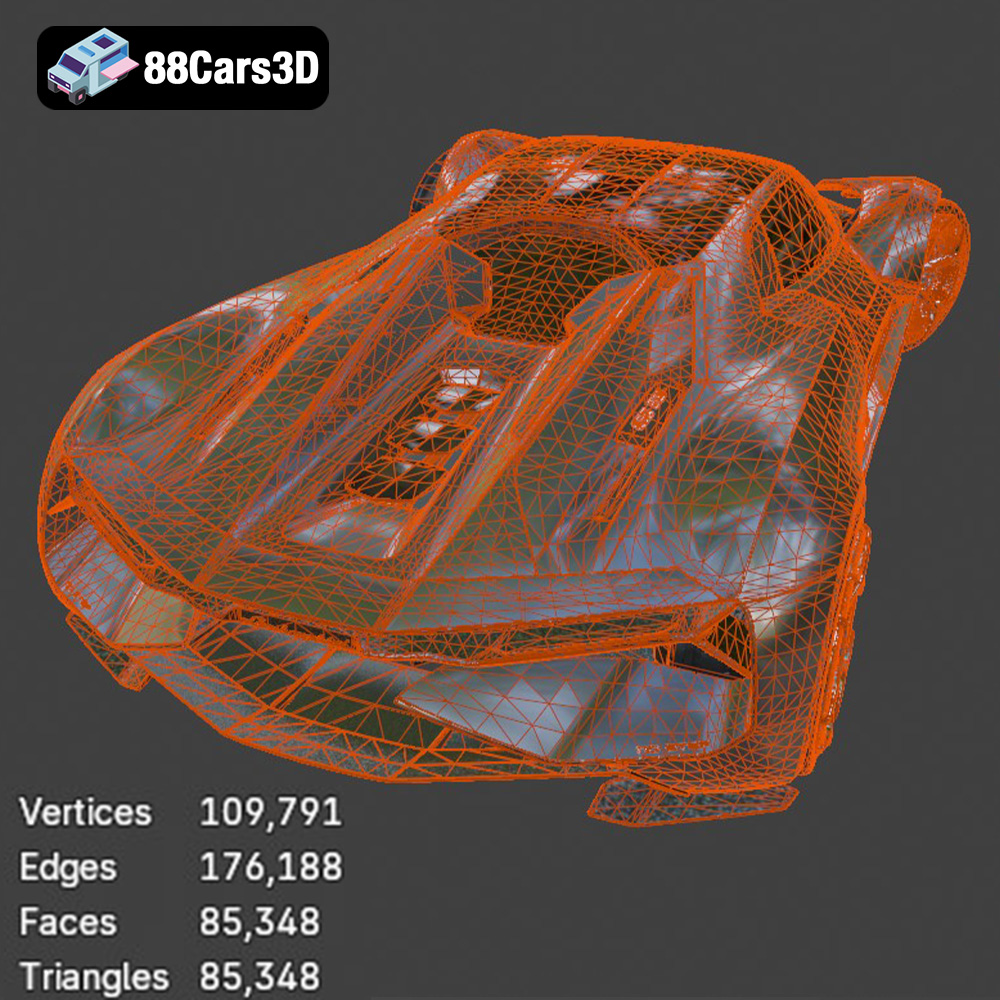
The STL (Stereolithography) file format is the undisputed champion of 3D printing. It represents the surface geometry of a 3D object using a collection of triangles. The smaller the triangles, the higher the resolution and the smoother the curved surfaces appear. However, excessively small triangles can lead to unnecessarily large file sizes and increased processing time in your slicing software. The STL format is widely supported by virtually all 3D printing software and hardware, making it a reliable choice for most projects. Keep in mind that STL files only store the geometry of the model; they do not contain any color or texture information. When preparing your Lamborghini Terzo Millennio model for printing, ensure that the STL file is watertight (no gaps or holes in the mesh) and that the triangle count is appropriate for the desired level of detail. Typically, the 350,000 triangle count mentioned for the game-ready model is excellent for 3D printing as well, balancing detail and file size.
OBJ files, unlike STL, can store color and texture information along with the geometry. This is particularly useful if you plan to create a multi-colored 3D print using specialized printers or if you intend to apply textures during post-processing. However, OBJ files are generally larger than STL files and may not be as universally supported by all slicing software. If you are planning on painting the model post-print, this isn’t something you’ll need to worry about.
PLY files are designed for storing 3D data acquired from 3D scanners. They can represent the geometry, color, and other properties of a scanned object with high precision. While PLY files are suitable for 3D printing, they are often used for more specialized applications, such as reverse engineering or digital archiving. The increased precision typically comes at a cost of increased file size, and for most 3D printing applications, STL will still be the format of choice.
The .blend file format is the native format for Blender, a powerful and free 3D modeling software. If you have access to the .blend file for the Terzo Millennio, you can directly modify the model before exporting it to a printable format like STL. This allows for extensive customization options, such as adding details, modifying the geometry, or separating parts for easier printing.
FBX is a versatile format commonly used in game development and animation. It supports complex scenes with multiple objects, animations, and materials. While some slicing software can import FBX files, it’s often more straightforward to convert the model to STL for 3D printing, as FBX files can sometimes introduce compatibility issues.
GLB is a binary file format that represents 3D models in a compact and efficient manner. It’s often used for displaying 3D models on websites and in augmented reality (AR) applications. While GLB files are not directly used for 3D printing, they can be helpful for previewing the model and ensuring that it looks as expected before you start the printing process.
Similar to .blend files for Blender, .max files are the native format for 3ds Max, another popular 3D modeling software. If you have access to the .max file, you can modify the model in 3ds Max before exporting it to a printable format like STL. This is a great option for advanced users who are familiar with 3ds Max and want to make significant changes to the model.
Once you’ve chosen the right 3D printing technology and understand your file formats, it’s time to prepare your Lamborghini Terzo Millennio model for printing. This involves using slicing software to convert the 3D model into a set of instructions that your 3D printer can understand. Popular slicing software options include Cura, Simplify3D, and PrusaSlicer.
Before slicing, it’s essential to ensure that the 3D model is optimized for 3D printing. This includes checking for any errors in the mesh, such as non-manifold edges or flipped normals, and repairing them using software like MeshMixer or Netfabb. The goal is to ensure a “watertight” model. Additionally, you may want to scale the model to your desired size, keeping in mind the limitations of your 3D printer’s build volume. The 88cars3d.com description suggests scaling the model to 1:12, 1:18, or 1:24 scale.
When slicing the Lamborghini Terzo Millennio model, consider the following strategies:
* **Orientation:** Experiment with different orientations to minimize the need for supports and optimize print time. Angling the frame as suggested can improve structural integrity.
* **Supports:** Add supports to overhangs and intricate details, such as the exhaust, mirrors, and handlebars. Consider using tree supports for easier removal.
* **Infill:** Choose an appropriate infill density to balance print time, material usage, and structural integrity. The suggested 20-30% infill range is a good starting point.
* **Layer Height:** Use a smaller layer height (e.g., 0.1mm) to capture finer details, especially if using FDM printing.
The choice of material significantly impacts the final appearance and durability of your 3D printed Lamborghini Terzo Millennio.
PLA (Polylactic Acid) is a biodegradable thermoplastic known for its ease of use and relatively low printing temperature. It’s an excellent choice for beginners and for creating display models that don’t require high strength or heat resistance. PLA is available in a wide range of colors, allowing you to experiment with different color schemes for your Terzo Millennio.
PETG (Polyethylene Terephthalate Glycol-modified) offers a better balance of strength, durability, and ease of printing compared to PLA. It’s more impact-resistant and less prone to warping, making it a suitable choice for models that may be handled frequently. PETG also exhibits better temperature resistance than PLA.
As mentioned earlier, resin is the ideal material for capturing the intricate details of the Lamborghini Terzo Millennio. Different types of resins are available, each with its own properties. Standard resins are suitable for general-purpose printing, while tough resins offer increased durability and impact resistance. Flexible resins can be used for parts that require some degree of flexibility.
Achieving a successful 3D print requires careful calibration of your printer settings. Here are some recommended settings for printing the Lamborghini Terzo Millennio:
* **Layer Height:** 0.1-0.2mm (smaller layer height for finer details)
* **Nozzle Temperature:** 200-220°C (PLA), 230-250°C (PETG)
* **Bed Temperature:** 60-70°C (PLA), 70-80°C (PETG)
* **Print Speed:** 40-60mm/s
* **Infill Density:** 20-30%
* **Support Structures:** Enabled for overhangs and intricate details
* **Layer Height:** 0.04-0.08mm
* **Exposure Time:** Varies depending on the resin and printer; consult the resin manufacturer’s recommendations.
* **Lift Speed:** Moderate to prevent layer separation.
* **Support Structures:** Enabled for overhangs and intricate details.
Once the printing is complete, the real magic begins. Post-processing is the key to transforming a raw 3D print into a polished masterpiece.
Carefully remove support structures and rafts using pliers or a sharp knife. Take your time to avoid damaging the model.
Sand the model to smooth out layer lines and imperfections. Start with coarse sandpaper and gradually move to finer grits. Use filler primer to fill in any remaining gaps or imperfections.
Apply primer to the model and then paint it with your desired colors. Consider using airbrushing for a smooth and even finish. Add details such as panel lines, decals, and weathering effects to enhance the realism of the model. The 88cars3d.com description suggests authentic factory colors with metallic finishes for maximum realism.
Even with careful preparation, 3D printing can sometimes present challenges. Here are some common issues and their solutions:
* **Warping:** Ensure proper bed adhesion and use a heated bed.
* **Layer Separation:** Increase nozzle temperature and reduce print speed.
* **Stringing:** Reduce nozzle temperature and retraction distance.
* **Elephant’s Foot:** Adjust the initial layer height and bed temperature.
By understanding these common issues and their solutions, you can overcome challenges and achieve successful 3D prints of your Lamborghini Terzo Millennio. Remember that sites like 88cars3d.com offer high-quality models optimized for printing, which can significantly reduce potential issues.
The Lamborghini Terzo Millenio is a futuristic electric concept car representing the pinnacle of hypercar design and innovation. Developed in collaboration with MIT, this visionary masterpiece features an ultra-aerodynamic, aggressive carbon-fiber monocoque, glowing LED Y-shaped signature headlights, and exposed active aerodynamic elements. Its design is characterized by extreme, low-slung proportions and massive air channels sculpted directly into the bodywork to generate unprecedented downforce. This meticulously crafted 3D model features exceptional topology and an optimized triangle count, ensuring it is fully game-ready without sacrificing visual fidelity. The model captures the complex, radical geometry of the concept car, making it the perfect asset for high-end rendering, interactive configurators, and real-time engines. Perfect for futuristic racing games, high-end automotive visualizations, sci-fi cyberpunk environments, and virtual reality showrooms.
$19.99
.blend
.fbx
.glb
.hypercar
.lamborghini
.max
.obj
.ply
.rendering
.stl
.supercar
.unreal
car-3d-model
concept-car
electric-car
game asset
game-ready
low-poly
optimized
terzo-millenio
VR/AR