Get 20% OFF All Premium 3D & STL Models!

“`html
The world of 3D printing relies heavily on file formats to translate digital designs into physical objects. Among the most common are STL, OBJ, and FBX. Each format possesses unique characteristics that make it suitable for different applications. Choosing the right file format can significantly impact the quality, efficiency, and success of your 3D printing project. This comprehensive guide will delve into the intricacies of these three formats, exploring their strengths, weaknesses, and ideal use cases. Whether you’re printing a detailed car model from 88cars3d.com, prototyping a mechanical component, or creating artistic sculptures, understanding these file formats is crucial. By the end of this article, you’ll be equipped with the knowledge to select the optimal format for your specific 3D printing needs, optimize your workflow, and troubleshoot common file-related issues.
STL (Stereolithography) is arguably the most widely used file format in 3D printing. Developed in the late 1980s, it represents the surface geometry of a 3D object as a collection of triangles. This simplicity is both its strength and its limitation. It’s universally compatible with almost all 3D printers and slicing software, making it a reliable choice for many applications. However, STL files only store surface geometry; they lack information about color, texture, materials, or complex metadata.
At its core, an STL file consists of a list of triangles, where each triangle is defined by three vertices and a normal vector. The vertices specify the coordinates of the triangle’s corners, and the normal vector indicates the triangle’s orientation. There are two types of STL files: ASCII and binary. ASCII STL files are human-readable but larger in size, while binary STL files are more compact and efficient for storage and processing. The mesh topology in STL files is crucial for print quality. A well-defined mesh with evenly distributed triangles will result in a smoother surface finish. Conversely, a poorly optimized mesh can lead to faceting, aliasing, and other visual artifacts in the printed object. When dealing with complex shapes, increasing the triangle count can improve accuracy, but it also increases the file size and processing time.
The main advantage of STL is its simplicity and universal compatibility. Virtually every 3D printer and slicing software supports STL files. This makes it a reliable choice for sharing and printing models across different platforms. However, STL’s simplicity also comes with limitations. It doesn’t store color, texture, or material information, which can be a drawback for visually complex models. The file size can also be significant, especially for high-resolution models with a large number of triangles. Furthermore, STL files don’t inherently support units of measurement, so it’s crucial to ensure that the model is scaled correctly before printing. Here are some key considerations:
OBJ (or .OBJ) is a more versatile file format than STL, offering support for color, texture, and material information. It was originally developed by Wavefront Technologies for their Advanced Visualizer animation package but has since become a widely adopted standard in 3D modeling and printing. Unlike STL, OBJ files can store multiple objects within a single file, allowing for more complex assemblies. This makes OBJ a preferred choice when you need to represent the visual appearance of a 3D model accurately.
OBJ files store geometric data, including vertices, faces, and normals, similar to STL. However, they also include optional data such as texture coordinates, material definitions, and group information. Material definitions are typically stored in a separate .MTL file that accompanies the OBJ file. The .MTL file specifies the color, texture, and other material properties of each object in the scene. This allows for a much richer and more realistic representation of the 3D model. The OBJ file references these material definitions, assigning specific materials to different parts of the geometry. When downloading models from marketplaces such as 88cars3d.com, ensure both the .OBJ and .MTL files are present to preserve the visual appearance of the model.
OBJ is a superior choice over STL when you need to preserve color, texture, or material information. For instance, if you’re printing a car model with detailed paintwork or a sculpture with intricate textures, OBJ is the preferred format. It also handles multiple objects within a single file more efficiently than STL. However, OBJ files can be larger than STL files, especially when they include high-resolution textures. Slicing software support for OBJ may vary, so it’s essential to ensure that your chosen slicer can handle OBJ files with materials and textures. Always check your printer’s compatibility with OBJ files before proceeding. Key considerations:
FBX (Filmbox) is a proprietary file format developed by Autodesk. It’s designed to facilitate data exchange between different 3D software packages and is widely used in the game development and animation industries. FBX supports a wide range of data, including geometry, textures, materials, animations, and even camera and lighting information. While not as universally supported as STL, FBX is gaining traction in 3D printing due to its ability to store complex scene data.
FBX goes beyond simple geometry by supporting advanced features like skeletal animations, blend shapes, and deformers. This makes it ideal for representing dynamic objects and characters. It can also store camera and lighting information, which can be useful for visualizing the final printed object. However, most of these advanced features are not directly relevant to 3D printing, as printers primarily focus on static geometry. The key advantage of FBX in the context of 3D printing is its ability to preserve complex scene hierarchies and metadata, which can be useful for organizing and managing large projects.
Although FBX supports animations, most 3D printers cannot print moving parts directly. However, the ability to store animation data can be helpful for visualizing how different parts of an assembly fit together. For example, you could use FBX to represent the motion of a robotic arm or the folding mechanism of a convertible car. This can aid in the design and validation process, even if the animation itself isn’t directly printed. When preparing an FBX file for 3D printing, it’s crucial to ensure that the geometry is properly triangulated and that any unnecessary animation or rigging data is removed. FBX files are also generally larger than STL or OBJ files due to the extra data they contain. Here are some key points:
Regardless of the file format you choose, optimizing your slicing parameters is crucial for achieving high-quality 3D prints. Slicing software converts the 3D model into a series of layers that the printer can understand. The settings you choose in the slicing software can significantly impact the print speed, strength, surface finish, and overall success of the print. Different file formats may require slightly different slicing strategies to achieve optimal results.
Layer height is a critical parameter that determines the resolution of the print. A lower layer height results in a smoother surface finish but increases the print time. Typical layer heights for FDM printing range from 0.1mm to 0.3mm. For resin printing, layer heights can be as low as 0.025mm. Infill density affects the strength and weight of the printed object. A higher infill density results in a stronger but heavier and more material-intensive print. Infill patterns, such as rectilinear, honeycomb, and gyroid, can also impact the strength and print time. Print speed determines how quickly the printer moves during the printing process. A slower print speed generally results in higher quality but increases the overall print time. It’s essential to balance these parameters to achieve the desired print quality and efficiency. For example:
Support structures are necessary for printing overhangs and complex geometries. They provide a temporary foundation for the overhanging parts, preventing them from collapsing during the printing process. The type of support structure, density, and placement can significantly impact the print quality and the ease of support removal. Slicing software like Cura and PrusaSlicer offer various support generation options, including tree supports, linear supports, and grid supports. Tree supports are generally more efficient and easier to remove, but they may not be suitable for all geometries. The support density should be adjusted based on the overhang angle and the material being used. For easily breakable support structures, consider these tips:
Even with the best file preparation and slicing settings, you may encounter issues during the 3D printing process. Understanding common problems associated with each file format can help you diagnose and resolve them quickly. Issues can range from file corruption to mesh errors to slicer incompatibility.
One of the most common issues with STL files is non-manifold geometry. Non-manifold geometry refers to errors in the mesh topology, such as holes, self-intersections, and inverted normals. These errors can prevent the slicing software from generating a proper toolpath, leading to print failures. Mesh repair software like Meshmixer, Netfabb, and Blender can be used to fix these errors. These tools can automatically detect and repair common mesh issues, ensuring that the geometry is valid for 3D printing. For example, Meshmixer’s “Make Solid” tool can automatically close holes and repair non-manifold edges. Always inspect your STL files for errors before sending them to the slicer. You can use online STL viewers or the built-in mesh analysis tools in your slicing software to identify potential problems.
Converting between file formats can sometimes introduce errors or loss of data. For example, converting an OBJ file with textures to an STL file will result in the loss of texture information. When converting between formats, it’s essential to choose the right conversion settings and to verify the integrity of the converted file. Software like Blender, MeshLab, and online file converters can be used to convert between STL, OBJ, and FBX formats. However, it’s crucial to use reputable and reliable conversion tools to avoid introducing errors. Best practices include:
To further illustrate the practical considerations of choosing the right file format, let’s look at some real-world examples and case studies. These examples highlight how the choice of file format can impact the quality, efficiency, and success of 3D printing projects.
When printing car models from platforms like 88cars3d.com, the choice of file format depends on the level of detail and the desired outcome. If you’re simply printing a display model and color isn’t important, STL is a reliable choice due to its universal compatibility. However, if you want to capture the detailed paintwork and textures of the car, OBJ is the preferred format. When printing in OBJ, make sure to include the .MTL file for correct colors and textures. In cases where the model has complex assemblies or internal mechanisms, FBX could be considered to retain the original data structure from the designer, although this is less common for direct printing and more relevant for design collaboration. Always check the file format specifications and recommendations provided by the model vendor on 88cars3d.com.
For prototyping mechanical components, STL is often the preferred choice due to its simplicity and compatibility with CAD software. However, if the component requires specific material properties to be represented (e.g., different colors for different materials), OBJ can be used. The primary focus in prototyping is usually on the geometric accuracy and functionality of the part, rather than its visual appearance. Therefore, STL’s simplicity and wide support make it a practical choice. If you are creating a prototype model where different parts snap together, FBX might be useful for preserving the assembly relationships during the design phase.
Selecting the right file format is a crucial step in the 3D printing process. STL, OBJ, and FBX each offer unique advantages and disadvantages, and the optimal choice depends on the specific requirements of your project. STL is the most universally compatible format, ideal for simple geometries and rapid prototyping. OBJ excels at representing color, texture, and material information, making it suitable for visually complex models. FBX is best for preserving complex scene hierarchies and animation data, though its benefits are less pronounced for static prints. When in doubt, start with STL for its broad compatibility. For color and texture, opt for OBJ. And for complex scenes where retaining the assembly structure is important, consider FBX.
To take your 3D printing skills to the next level, start experimenting with different file formats and slicing parameters. Download models from platforms like 88cars3d.com and try printing them in STL and OBJ to compare the results. Pay close attention to the surface finish, detail, and overall print quality. By understanding the nuances of each file format, you can optimize your workflow, troubleshoot common issues, and consistently produce high-quality 3D prints. Remember to always repair your meshes, optimize your slicing settings, and choose the file format that best suits your needs.
“`
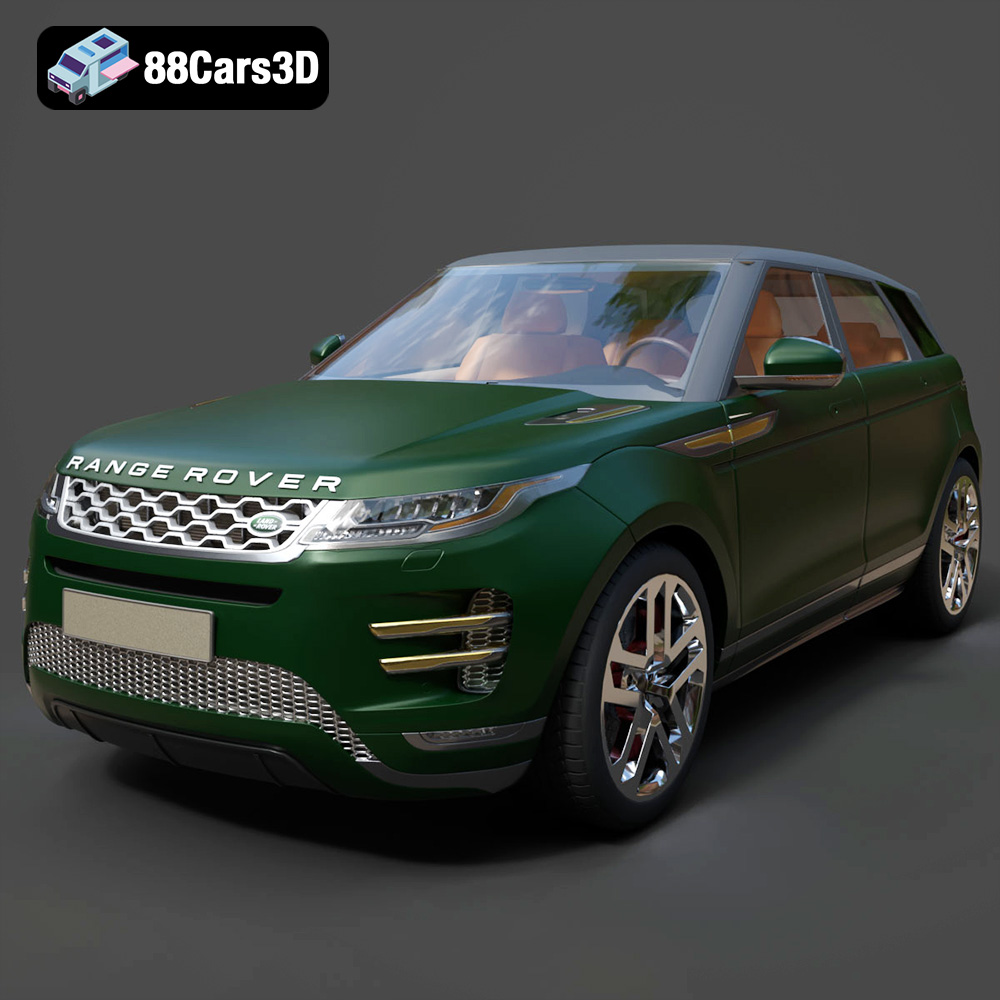
Texture: Yes | Material: Yes
Download the highly detailed, game-ready Range Rover Evoque R-Dynamic 2019 3D Model. Features flush deployable door handles, Matrix LED headlights, and R-Dynamic styling. Includes .blend, .fbx, .obj, .glb, .stl, .ply, .unreal, and .max formats for game development, AR/VR, and rendering.
Price: $19.99

Texture: Yes | Material: Yes
Download the highly detailed, game-ready Ford Mustang Mach 40 3D Model. Features aggressive custom widebody styling, a mid-mounted V8 engine, and classic retro-futuristic design. Includes .blend, .fbx, .obj, .glb, .stl, .ply, .unreal, and .max formats for game development, AR/VR, and rendering.
Price: $19.99
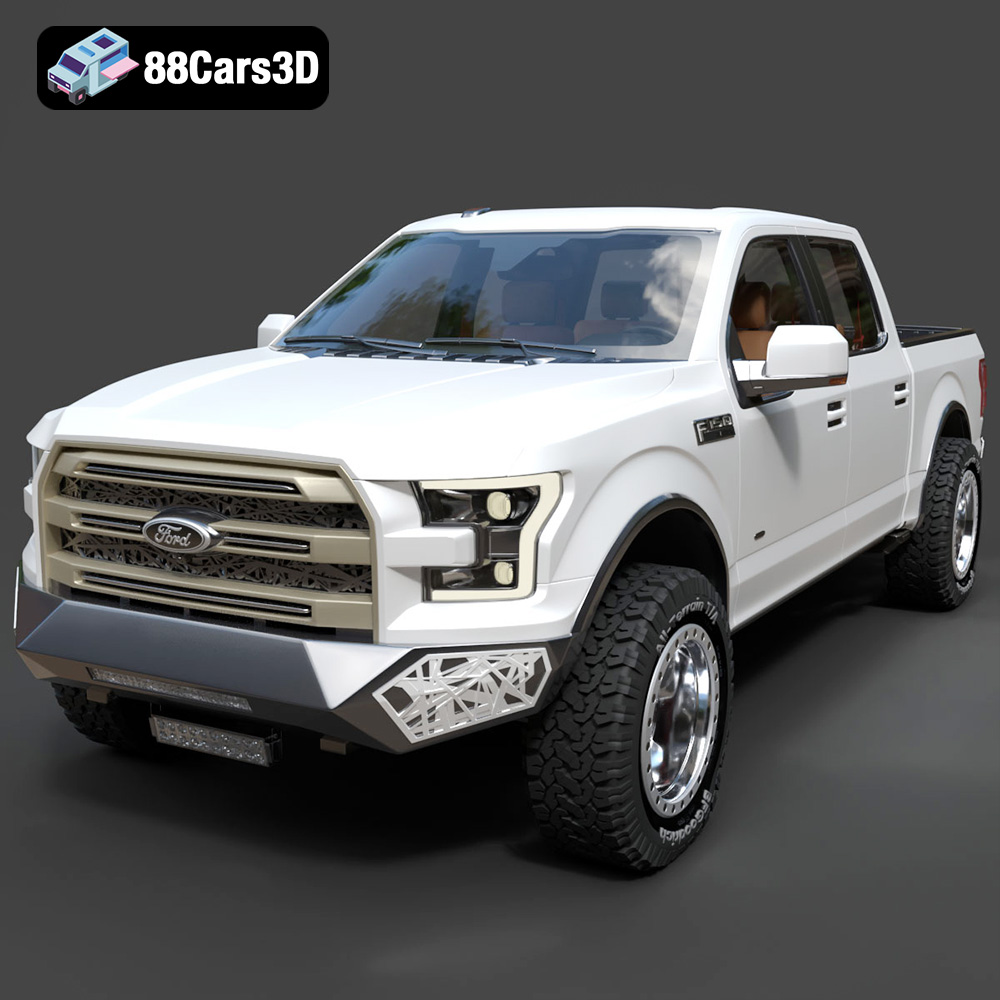
Texture: Yes | Material: Yes
Download the highly detailed, game-ready Ford F150 Raptor With Tuning From ARE 3D Model. Features custom ARE tuning accessories, aggressive off-road suspension, and rugged beadlock wheels. Includes .blend, .fbx, .obj, .glb, .stl, .ply, .unreal, and .max formats for game development, AR/VR, and rendering.
Price: $19.99

Texture: Yes | Material: Yes
Download the highly detailed, game-ready Mercedes-Benz AMG GLE 63 2021 3D Model. Features the iconic Panamericana grille, aggressive aerodynamic body styling, and a meticulously detailed luxurious interior. Includes .blend, .fbx, .obj, .glb, .stl, .ply, .unreal, and .max formats for game development, AR/VR, and rendering.
Price: $19.99
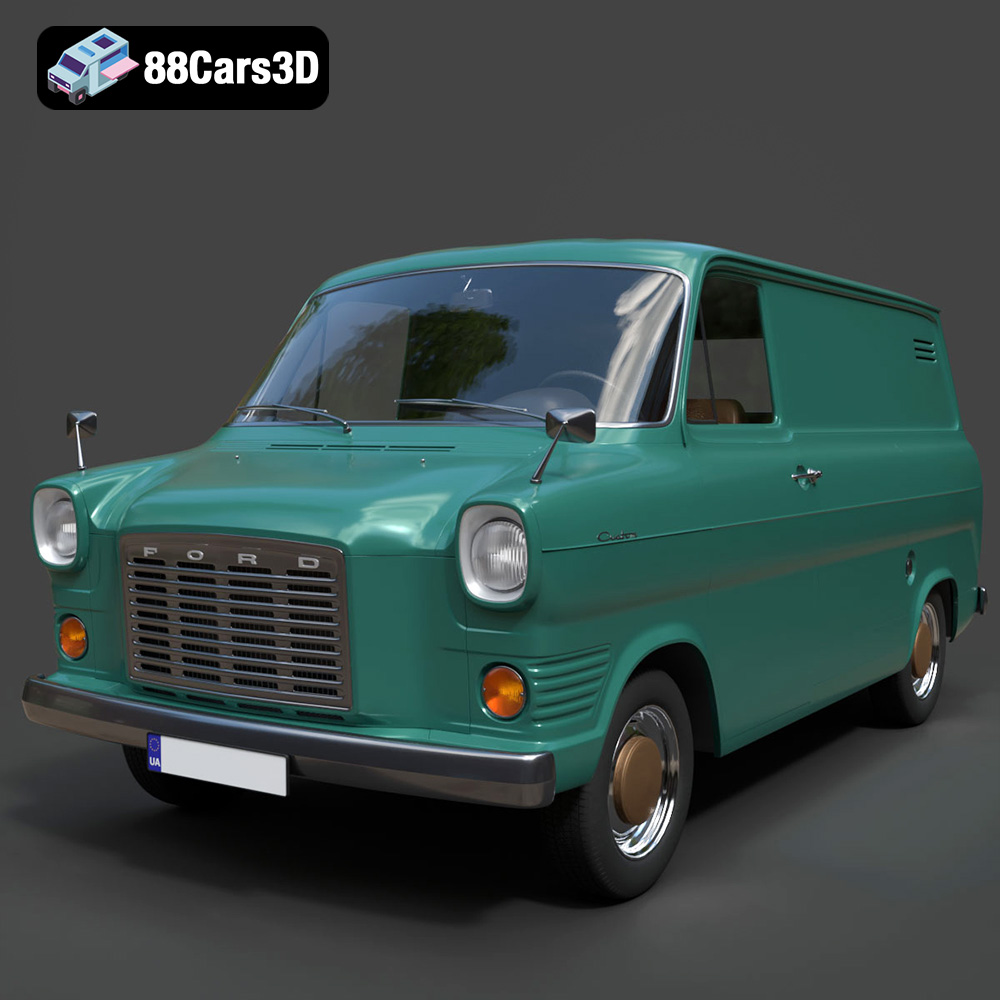
Texture: Yes | Material: Yes
Download the highly detailed, game-ready Ford Transit Mk1 Panel Van 1965 3D Model. Features iconic flat-front styling, vintage steel wheels, and a period-correct cargo bay. Includes .blend, .fbx, .obj, .glb, .stl, .ply, .unreal, and .max formats for game development, AR/VR, and rendering.
Price: $19.99
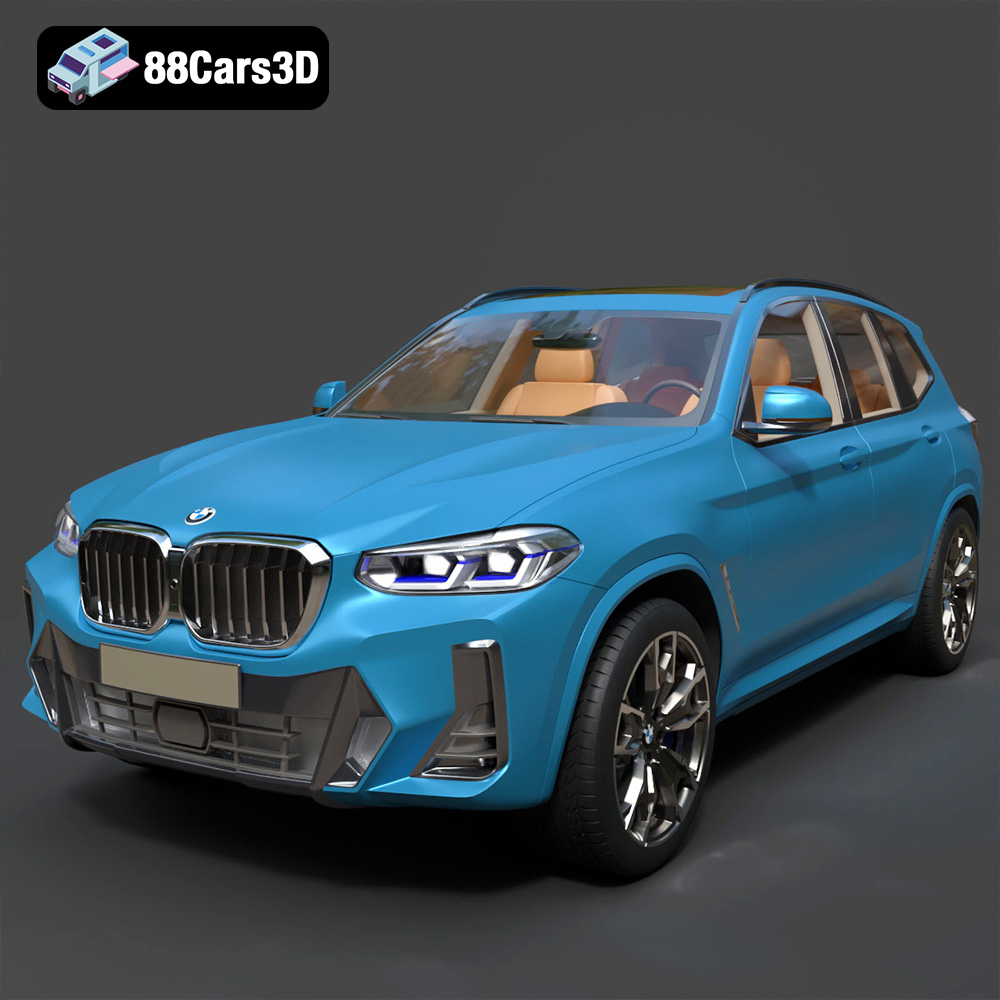
Texture: Yes | Material: Yes
Download the highly detailed, game-ready BMW X3 2024 3D Model. Features the iconic kidney grille, dynamic SUV proportions, and precise lighting elements. Includes .blend, .fbx, .obj, .glb, .stl, .ply, .unreal, and .max formats for game development, AR/VR, and rendering.
Price: $19.99

Texture: Yes | Material: Yes
Download the highly detailed, game-ready Tesla Model S Plaid 2021 3D Model. Features sleek aerodynamic styling, signature LED lighting, and the revolutionary Yoke steering interior. Includes .blend, .fbx, .obj, .glb, .stl, .ply, .unreal, and .max formats for game development, AR/VR, and rendering.
Price: $19.99
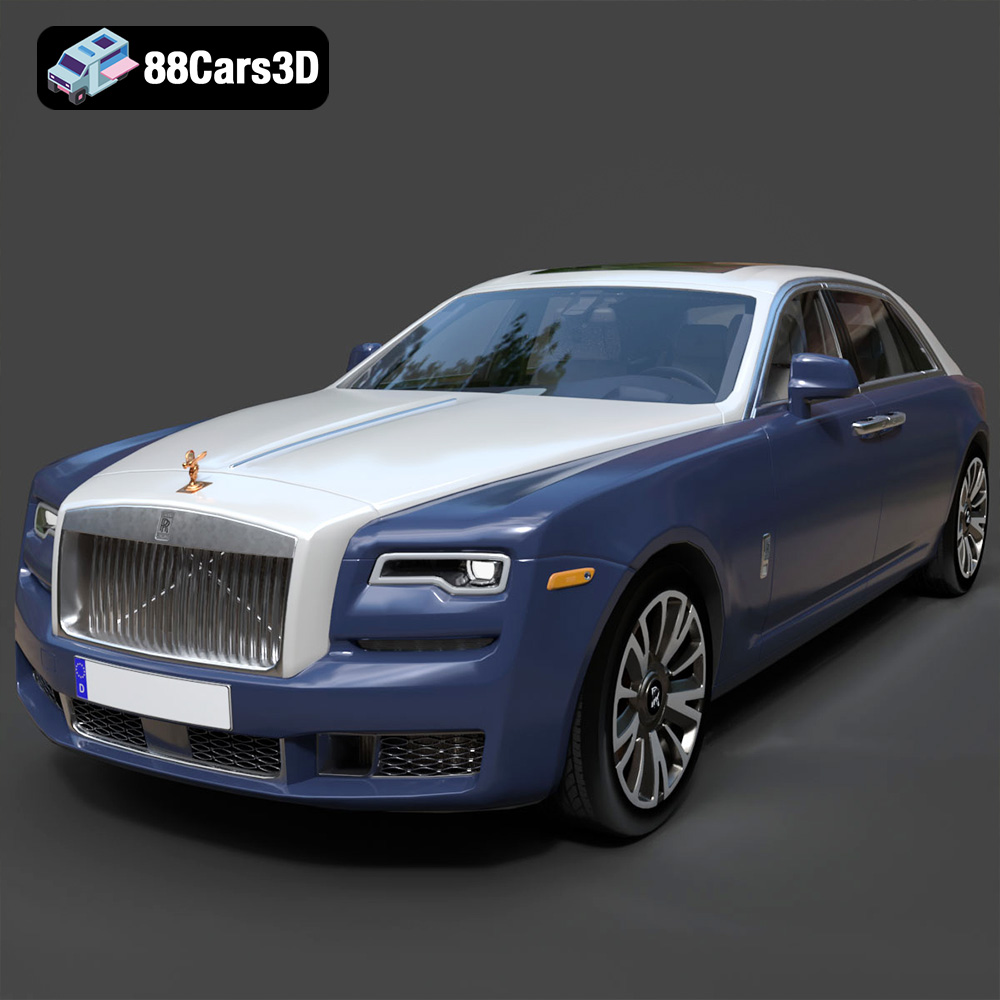
Texture: Yes | Material: Yes
Download the highly detailed, game-ready Rolls-Royce Ghost EWB 2018 3D Model. Features the iconic Pantheon grille, elongated luxury chassis, and elegant exterior lines. Includes .blend, .fbx, .obj, .glb, .stl, .ply, .unreal, and .max formats for game development, AR/VR, and rendering.
Price: $19.99
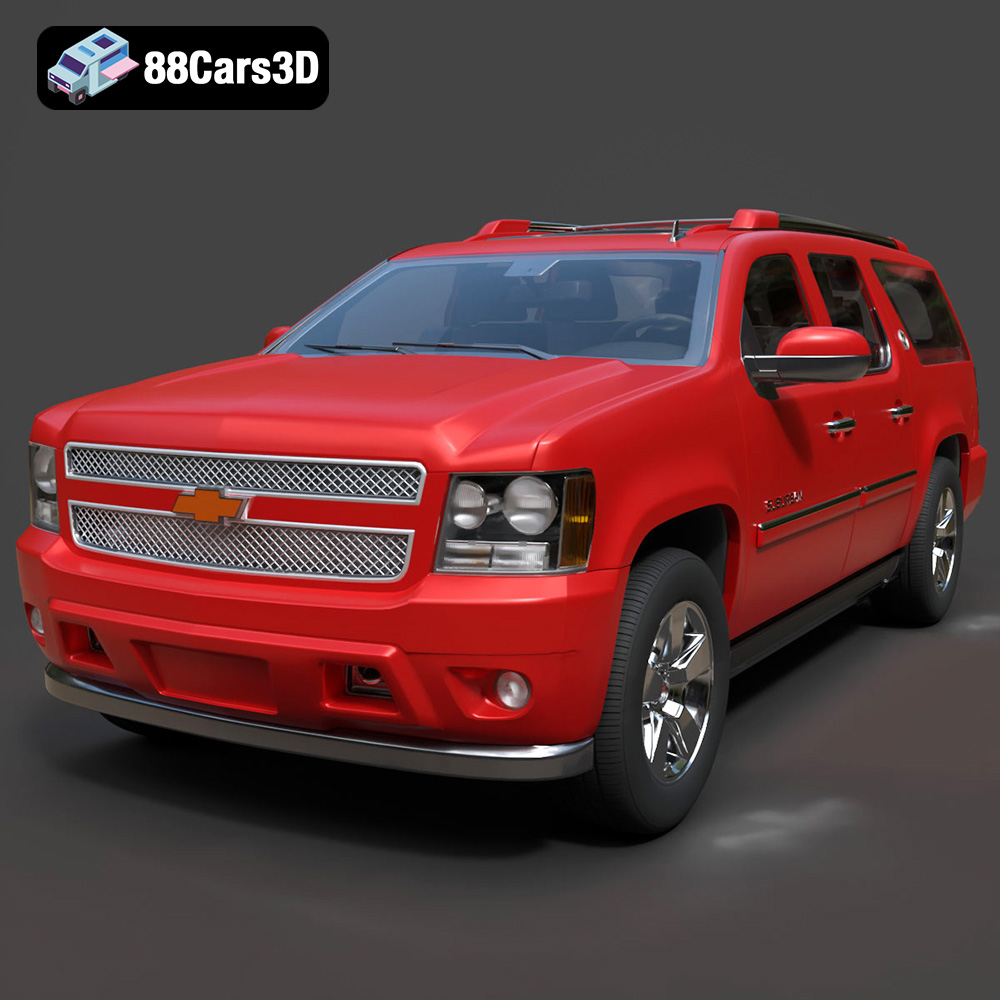
Texture: Yes | Material: Yes
Download the highly detailed, game-ready Chevrolet Suburban 75th Diamond 3D Model. Features the iconic Diamond Edition styling, detailed interior, and accurate full-size SUV proportions. Includes .blend, .fbx, .obj, .glb, .stl, .ply, .unreal, and .max formats for game development, AR/VR, and rendering.
Price: $19.99

Texture: Yes | Material: Yes
Download the highly detailed, game-ready Lamborghini Terzo Millenio 2017 3D Model. Features glowing Y-shaped LED signatures, extreme aerodynamic channels, and an aggressive hypercar stance. Includes .blend, .fbx, .obj, .glb, .stl, .ply, .unreal, and .max formats for game development, AR/VR, and rendering.
Price: $19.99

