Get 20% OFF All Premium 3D & STL Models!

“`html
The world of 3D printing has revolutionized automotive modeling, allowing enthusiasts and professionals alike to create intricate and functional parts for their projects. Whether you’re crafting a detailed scale model or prototyping a replacement component, understanding the nuances of 3D printing wheels, tires, and other car parts in STL format is crucial. This guide will take you through the entire process, from preparing your STL files to optimizing your 3D printer settings and mastering post-processing techniques. We’ll cover both FDM and resin printing, exploring the specific challenges and advantages of each method. By the end of this guide, you’ll have the knowledge and skills to produce high-quality, accurate, and durable 3D printed car parts.
The STL (Stereolithography) file format is the standard for 3D printing, representing the surface geometry of a 3D object as a collection of triangles. A good understanding of STL files is paramount before attempting to print complex car parts. This section covers the structure of STL files, mesh topology, and common issues that can arise during printing. When downloading models from marketplaces such as 88cars3d.com, you can typically expect high-quality, well-prepared STL files, but it’s still essential to understand what makes a good STL file.
STL files come in two main flavors: ASCII and binary. ASCII STL files are human-readable and store triangle data as text, which makes them larger and slower to parse. Binary STL files, on the other hand, store the data in a compact binary format, resulting in smaller file sizes and faster processing. For large and detailed car models, binary STL is generally preferred due to its efficiency. While ASCII files are useful for debugging, the vast majority of 3D printing applications use binary STLs.
The density of the mesh (the number of triangles used to represent the surface) directly impacts the resolution and accuracy of the printed part. Higher mesh density results in smoother curves and finer details, but also increases file size and processing time. For car parts, especially wheels and tires where round surfaces are crucial, a sufficient mesh density is essential to avoid a faceted or jagged appearance. However, excessively high density can lead to performance issues in your slicing software. Finding the right balance is key. A general guideline is to aim for a mesh density where individual triangles are not visible to the naked eye at the intended viewing distance of the final part.
STL files can often contain errors that can cause problems during slicing or printing. These errors include:
Software like Meshmixer, Netfabb, and online services are available to automatically repair these errors. Before printing, always run your STL file through a repair tool to ensure a clean and printable mesh.
Slicing is the process of converting a 3D model into a series of layers that the 3D printer can understand. Slicing parameters significantly influence the quality, strength, and print time of the final product. Mastering these settings is crucial for achieving successful prints, especially when dealing with the complex geometries of wheels, tires, and car parts. Popular slicing software includes Cura, PrusaSlicer, Simplify3D, and others.
Layer height is the thickness of each individual layer of plastic that the printer deposits. Lower layer heights result in smoother surfaces and finer details but increase print time significantly. Higher layer heights, conversely, print faster but result in more visible layer lines. For wheels and tires, where surface finish is important, a lower layer height (e.g., 0.1mm to 0.15mm) is generally recommended. For larger, less detailed car parts, a higher layer height (e.g., 0.2mm to 0.3mm) can be used to reduce print time.
Infill refers to the internal structure of the printed part. The infill pattern and density determine the strength and weight of the part. Common infill patterns include:
For wheels and other load-bearing car parts, a higher infill density (e.g., 50% to 100%) is recommended to ensure sufficient strength. For purely cosmetic parts, a lower infill density (e.g., 15% to 25%) can be used to save material and reduce print time.
Print speed and temperature are critical parameters that affect layer adhesion, surface finish, and overall print quality. Too high of a print speed can lead to poor layer adhesion, warping, and stringing. Too low of a print speed can result in excessive heat buildup and deformation. Similarly, the correct temperature settings are critical for optimal material extrusion and bonding. These will depend heavily on the material you are printing with.
Experimentation and fine-tuning are often necessary to find the optimal settings for your specific printer and filament.
Support structures are essential for printing overhanging features and complex geometries. They provide a temporary base for the printer to build upon, preventing the part from collapsing during the printing process. Generating effective support structures and removing them cleanly without damaging the part is a crucial skill for 3D printing car parts.
There are several types of support structures, each with its own advantages and disadvantages:
The choice of support structure depends on the geometry of the part and the desired balance between support strength, material usage, and ease of removal.
Careful placement of support structures is essential to ensure that all overhanging features are adequately supported while minimizing the amount of material used and the potential for damage during removal. Key considerations include:
Experiment with different support settings in your slicing software to find the optimal configuration for your specific part.
Removing support structures cleanly without damaging the part requires patience and the right tools. Common techniques include:
After removing the supports, use sandpaper or a file to smooth any remaining marks or imperfections.
The orientation of the part on the build plate and ensuring good bed adhesion are critical factors for successful 3D printing. Proper orientation can minimize the need for support structures, improve surface finish, and enhance the strength of the printed part. Strong bed adhesion prevents warping and detachment, ensuring that the print completes successfully.
The orientation of the part on the build plate affects the direction of layer lines, which can impact both the strength and the aesthetics of the final product. For example, printing a wheel standing upright may require more supports, but it could yield a stronger final product because the wheel’s rotational axis is aligned with the layer lines. Consider the following when determining the optimal orientation:
Experiment with different orientations to find the best balance between these factors.
Ensuring good bed adhesion is crucial for preventing warping and detachment. Several techniques can be used to improve bed adhesion:
The choice of bed adhesion technique depends on the material being printed and the size and shape of the part. For ABS, a heated bed and an enclosure are almost essential to prevent warping. For PLA, a heated bed and glue stick are usually sufficient.
Proper first layer calibration is essential for good bed adhesion. The nozzle should be close enough to the build plate to slightly squish the first layer of plastic, creating a strong bond. However, the nozzle should not be so close that it drags on the build plate or prevents the plastic from extruding. Follow these steps:
A well-calibrated first layer is crucial for a successful print.
The choice of material is a critical factor in determining the strength, durability, and appearance of 3D printed car parts. Common materials include PLA, PETG, ABS, and various types of resin, each with its own unique properties and applications.
PLA (Polylactic Acid) is a biodegradable thermoplastic derived from renewable resources. It is easy to print, has low warping, and produces a smooth surface finish. PLA is a good choice for cosmetic parts and prototypes that do not require high heat resistance or strength. However, PLA is not suitable for functional car parts that will be exposed to high temperatures, as it can soften and deform at relatively low temperatures (around 60°C). Consider it for parts such as interior trim or decorative pieces.
PETG (Polyethylene Terephthalate Glycol-modified) is a stronger and more heat-resistant alternative to PLA. It is also more flexible and impact-resistant. PETG is a good choice for functional car parts that require moderate strength and heat resistance, such as brackets, clips, and housings. It is generally more difficult to print than PLA, requiring higher temperatures and slower print speeds. It’s a good all-around material for many car part applications.
ABS (Acrylonitrile Butadiene Styrene) is a high-strength and heat-resistant thermoplastic that is commonly used in automotive manufacturing. It is more durable and impact-resistant than PLA and PETG. ABS is a good choice for functional car parts that require high strength, heat resistance, and durability, such as bumpers, fenders, and engine components. However, ABS is more difficult to print than PLA and PETG, requiring a heated bed, an enclosure, and good ventilation to prevent warping and fumes.
Resin printing offers exceptional detail and smooth surface finish, making it ideal for intricate parts like miniature wheels, detailed emblems, or small, precise components. Resins come in various formulations, including standard, tough, flexible, and high-temperature resins. However, resin-printed parts are generally more brittle and less flexible than parts printed with FDM filaments. Resin printing also requires post-processing steps such as washing and curing. Consider using resin for parts where aesthetics and fine details are paramount.
Post-processing is an essential step in 3D printing, involving a range of techniques to improve the appearance, strength, and functionality of the printed part. Common post-processing techniques include sanding, painting, assembly, and surface coating. Proper post-processing can transform a raw 3D print into a finished product that meets your desired specifications.
Sanding is used to remove layer lines and other imperfections from the surface of the printed part. Start with coarse-grit sandpaper (e.g., 120-grit) to remove major imperfections, then gradually move to finer-grit sandpaper (e.g., 220-grit, 400-grit, 600-grit) to achieve a smooth surface. Wet sanding can help to reduce dust and improve the smoothness of the surface. For resin prints, sanding is also essential to remove support marks and smooth any rough edges.
Painting is used to add color and enhance the appearance of the printed part. Start by applying a primer to the surface to improve adhesion and create a uniform base. Then, apply multiple thin coats of paint, allowing each coat to dry completely before applying the next. Use automotive-grade paints and clear coats for a durable and professional finish. Consider using stencils or masking tape to create intricate designs or patterns. For wheels and tires, you can use specific paints designed for rubber or plastic to achieve a realistic look.
Many 3D printed car parts consist of multiple components that need to be assembled. This may involve gluing, screwing, or snapping parts together. Ensure that the parts fit together properly and that the assembly is strong and durable. Consider using metal inserts or reinforcement structures to improve the strength of the assembly. For functional car parts, ensure that all moving parts operate smoothly and that all connections are secure.
3D printing can be a challenging process, and failures are inevitable. Understanding the common causes of these failures and how to troubleshoot them is essential for achieving successful prints. This section covers common printing failures and provides practical solutions to resolve them.
Warping occurs when the printed part detaches from the build plate during printing, causing it to deform. Common causes of warping include:
To prevent warping, ensure good bed adhesion, maintain a consistent bed temperature, and avoid drafts. Using an enclosure can also help to prevent warping, especially when printing ABS.
Stringing occurs when small strands of plastic are left behind as the nozzle moves between different parts of the print. Blobs are small clumps of plastic that accumulate on the surface of the printed part. Common causes of stringing and blobs include:
To prevent stringing and blobs, optimize retraction settings, reduce printing temperature, and increase travel speed.
Layer delamination occurs when the layers of the printed part do not adhere properly to each other, resulting in a weak and brittle part. Common causes of layer delamination include:
To prevent layer delamination, increase printing temperature, ensure good bed adhesion, and avoid drafts. Using an enclosure can also help to prevent layer delamination.
Platforms like 88cars3d.com offer print-ready STL files that are often tested and optimized to reduce these failures, but understanding these principles is still crucial for successful printing.
3D printing wheels, tires, and car parts in STL format offers incredible potential for customization, prototyping, and creating unique models. By understanding the intricacies of STL files, mastering slicing parameters, utilizing effective support strategies, optimizing print orientation, selecting the right materials, employing post-processing techniques, and troubleshooting common failures, you can unlock the full potential of 3D printing in the automotive realm. Remember to always start with well-prepared STL files, experiment with different settings, and be patient as you hone your skills. With practice and dedication, you’ll be able to create high-quality, accurate, and durable 3D printed car parts that meet your specific needs. Now, take this knowledge and start printing your dream car parts today! Visit 88cars3d.com for a wide selection of high-quality, printable car models in STL format to fuel your next project.
“`
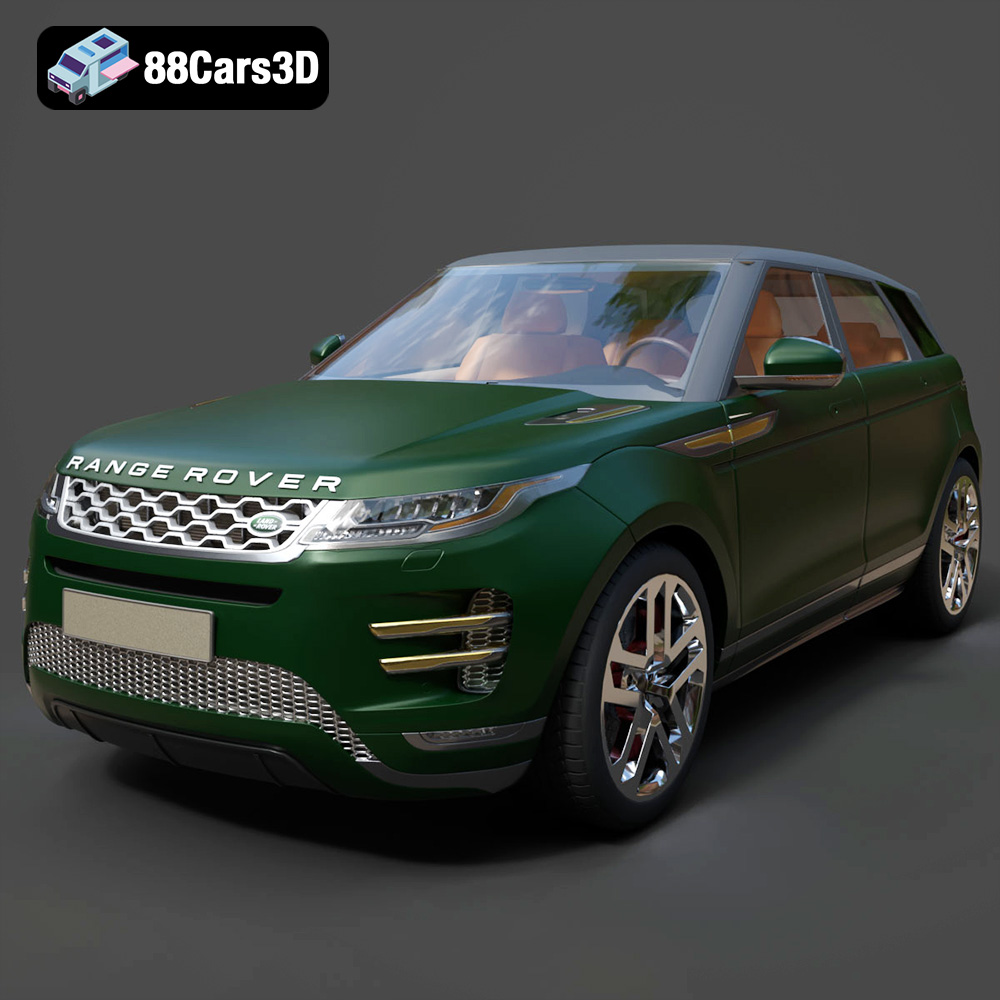
Texture: Yes | Material: Yes
Download the highly detailed, game-ready Range Rover Evoque R-Dynamic 2019 3D Model. Features flush deployable door handles, Matrix LED headlights, and R-Dynamic styling. Includes .blend, .fbx, .obj, .glb, .stl, .ply, .unreal, and .max formats for game development, AR/VR, and rendering.
Price: $19.99

Texture: Yes | Material: Yes
Download the highly detailed, game-ready Ford Mustang Mach 40 3D Model. Features aggressive custom widebody styling, a mid-mounted V8 engine, and classic retro-futuristic design. Includes .blend, .fbx, .obj, .glb, .stl, .ply, .unreal, and .max formats for game development, AR/VR, and rendering.
Price: $19.99
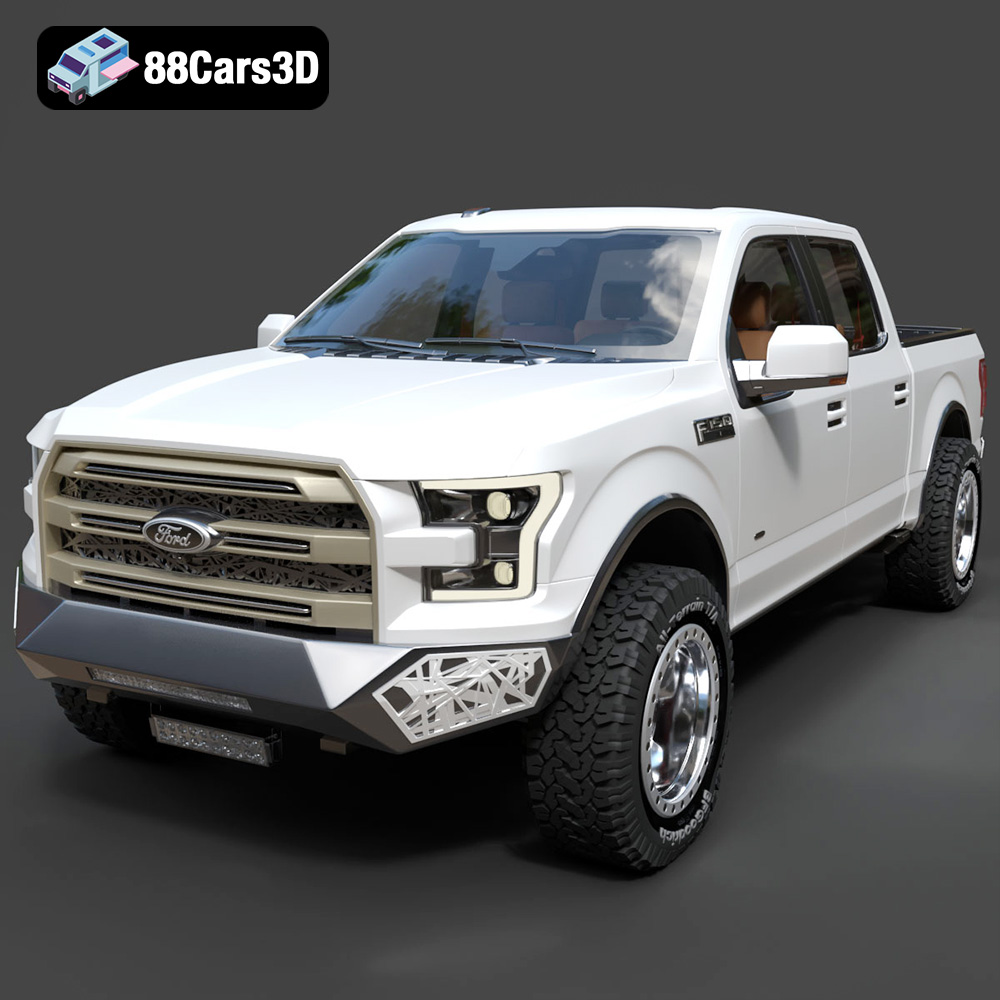
Texture: Yes | Material: Yes
Download the highly detailed, game-ready Ford F150 Raptor With Tuning From ARE 3D Model. Features custom ARE tuning accessories, aggressive off-road suspension, and rugged beadlock wheels. Includes .blend, .fbx, .obj, .glb, .stl, .ply, .unreal, and .max formats for game development, AR/VR, and rendering.
Price: $19.99

Texture: Yes | Material: Yes
Download the highly detailed, game-ready Mercedes-Benz AMG GLE 63 2021 3D Model. Features the iconic Panamericana grille, aggressive aerodynamic body styling, and a meticulously detailed luxurious interior. Includes .blend, .fbx, .obj, .glb, .stl, .ply, .unreal, and .max formats for game development, AR/VR, and rendering.
Price: $19.99
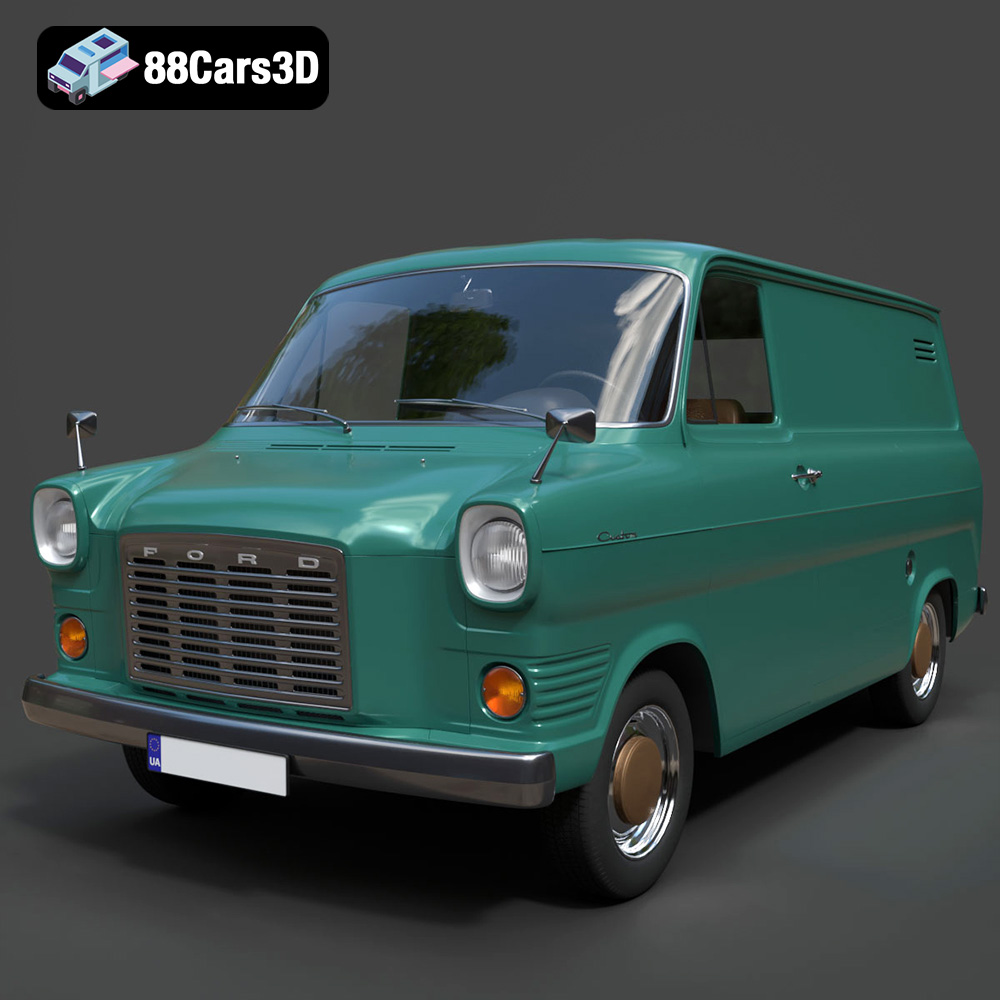
Texture: Yes | Material: Yes
Download the highly detailed, game-ready Ford Transit Mk1 Panel Van 1965 3D Model. Features iconic flat-front styling, vintage steel wheels, and a period-correct cargo bay. Includes .blend, .fbx, .obj, .glb, .stl, .ply, .unreal, and .max formats for game development, AR/VR, and rendering.
Price: $19.99

Texture: Yes | Material: Yes
Download the highly detailed, game-ready BMW X3 2024 3D Model. Features the iconic kidney grille, dynamic SUV proportions, and precise lighting elements. Includes .blend, .fbx, .obj, .glb, .stl, .ply, .unreal, and .max formats for game development, AR/VR, and rendering.
Price: $19.99

Texture: Yes | Material: Yes
Download the highly detailed, game-ready Tesla Model S Plaid 2021 3D Model. Features sleek aerodynamic styling, signature LED lighting, and the revolutionary Yoke steering interior. Includes .blend, .fbx, .obj, .glb, .stl, .ply, .unreal, and .max formats for game development, AR/VR, and rendering.
Price: $19.99

Texture: Yes | Material: Yes
Download the highly detailed, game-ready Rolls-Royce Ghost EWB 2018 3D Model. Features the iconic Pantheon grille, elongated luxury chassis, and elegant exterior lines. Includes .blend, .fbx, .obj, .glb, .stl, .ply, .unreal, and .max formats for game development, AR/VR, and rendering.
Price: $19.99
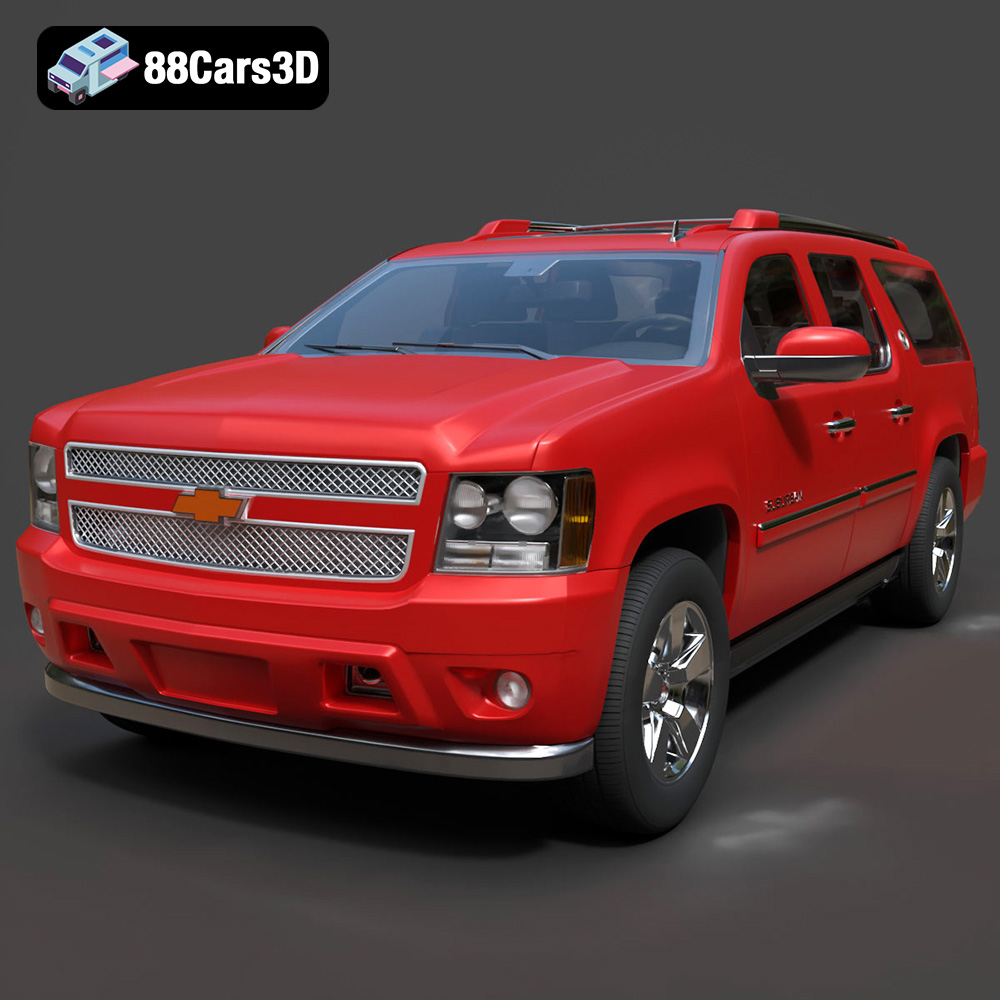
Texture: Yes | Material: Yes
Download the highly detailed, game-ready Chevrolet Suburban 75th Diamond 3D Model. Features the iconic Diamond Edition styling, detailed interior, and accurate full-size SUV proportions. Includes .blend, .fbx, .obj, .glb, .stl, .ply, .unreal, and .max formats for game development, AR/VR, and rendering.
Price: $19.99

Texture: Yes | Material: Yes
Download the highly detailed, game-ready Lamborghini Terzo Millenio 2017 3D Model. Features glowing Y-shaped LED signatures, extreme aerodynamic channels, and an aggressive hypercar stance. Includes .blend, .fbx, .obj, .glb, .stl, .ply, .unreal, and .max formats for game development, AR/VR, and rendering.
Price: $19.99

