Get 20% OFF All Premium 3D & STL Models!

“`html
In the dynamic realm of 3D printing, where innovation constantly reshapes the landscape, one file format has consistently stood the test of time: STL. Short for Stereolithography, STL has become synonymous with 3D printing, serving as the backbone for countless projects, from rapid prototypes to intricate art pieces and, of course, stunning 3D printable car models. But why, in a world teeming with advanced file formats, does STL continue to reign supreme? This comprehensive guide will delve into the technical intricacies of STL files, exploring their structure, strengths, limitations, and the reasons behind their enduring popularity, especially when accessing resources from platforms like 88cars3d.com for your 3D printing needs.
We’ll unpack the technical advantages of STL, compare it to other file formats, and provide practical tips on how to optimize STL files for successful 3D printing. Whether you’re a seasoned 3D printing professional or a hobbyist just starting your journey, this article will equip you with the knowledge you need to master the art of STL and unlock the full potential of your 3D printer.
Understanding the structure of an STL file is crucial for optimizing your 3D printing workflow. At its core, an STL file represents the surface geometry of a 3D object using a collection of triangles. These triangles, defined by their vertices and surface normals, form a mesh that approximates the shape of the intended model. While seemingly simple, this triangular representation has profound implications for both the advantages and limitations of the STL format.
Each triangle in an STL file is defined by three vertices, each specified by its X, Y, and Z coordinates in 3D space. These coordinates are typically stored as floating-point numbers, providing a high degree of precision. In addition to the vertices, each triangle also has a surface normal vector. The normal vector is a unit vector that points perpendicularly outwards from the surface of the triangle. This normal vector is critical because it defines the orientation of the triangle – which side is considered the “outside” and which is the “inside.” Without proper normals, the 3D printer may misinterpret the model’s geometry, leading to printing errors.
STL files come in two primary flavors: ASCII and Binary. ASCII STL files store the triangle data as human-readable text. This makes them easy to inspect and edit manually, but also significantly larger in file size. Binary STL files, on the other hand, store the triangle data in a compact binary format, resulting in much smaller file sizes. For large and complex models, the difference in file size can be substantial. For example, a car model containing millions of triangles might result in an ASCII STL file exceeding hundreds of megabytes, while the equivalent Binary STL file might only be a few dozen megabytes. Generally, Binary STL is preferred for its efficiency. When downloading models from marketplaces such as 88cars3d.com, you’ll usually find the models provided in the binary format.
Despite its relative simplicity, STL boasts several key strengths that have contributed to its lasting popularity. These strengths are deeply intertwined with the fundamental requirements of 3D printing technology and the desire for interoperability across different software and hardware platforms.
The STL format’s simplicity is perhaps its greatest asset. The relatively straightforward structure of triangles makes it easy to implement in software and hardware. Slicing software, which converts 3D models into instructions for 3D printers, can efficiently process STL files due to their simple geometry. This ease of implementation translates into a wide range of software supporting STL, from CAD programs and mesh editors to 3D printer control software. This widespread support lowers the barrier to entry for new users and ensures that STL remains a ubiquitous standard.
STL’s universality is another critical factor in its enduring popularity. Almost every 3D printer and slicing software package supports STL files. This interoperability allows users to seamlessly transfer models between different platforms without worrying about compatibility issues. For example, a user could design a car model in CAD software, export it as an STL file, and then import it into a variety of slicing programs, such as Cura, PrusaSlicer, or Simplify3D, without requiring format conversions or specialized plugins. This universality streamlines the workflow and promotes collaboration across different disciplines. Platforms like 88cars3d.com rely heavily on this universality to ensure their models are accessible to a wide audience.
While STL doesn’t inherently contain information about color, material, or textures, its focus on surface geometry allows for efficient processing by slicing software. Slicers can quickly analyze the triangular mesh and generate toolpaths for the 3D printer. This speed is particularly important for large and complex models, where slicing times can be significant. The computational efficiency of STL contributes to a faster overall workflow, enabling users to iterate quickly on their designs and produce high-quality prints in a reasonable amount of time.
While STL has many strengths, it’s essential to acknowledge its limitations. These limitations have driven the development of alternative file formats that aim to address some of STL’s shortcomings. Understanding these limitations allows users to make informed decisions about which file format is most appropriate for a given application.
One of the most significant limitations of STL is its inability to store color, material, or texture information. STL files only represent the surface geometry of an object, leaving out crucial details that are important for many applications. This limitation means that any color or material assignments must be handled separately, typically within the slicing software. For multi-material 3D printing, where different parts of a model are printed with different materials, STL is inadequate. Alternative formats like AMF (Additive Manufacturing File Format) and 3MF (3D Manufacturing Format) have been developed to address this limitation by incorporating color, material, and texture information directly into the file.
Because STL represents surfaces using triangles, curved surfaces are approximated by a series of flat facets. This facetization can lead to a loss of detail and a “stair-stepping” effect on curved surfaces, especially when printing at low resolutions. The finer the triangular mesh (i.e., the more triangles used to represent the surface), the better the approximation, but this comes at the cost of increased file size and processing time. While techniques like mesh smoothing can help to mitigate the stair-stepping effect, it’s important to be aware of this limitation when working with STL files. This is particularly noticeable when printing car models with complex curves; a poorly optimized STL can result in a faceted, unrealistic appearance. Paying attention to the tessellation settings when exporting to STL can help minimize this.
STL files lack native support for metadata such as manufacturing instructions, tolerances, or build orientation. This information is often critical for ensuring successful 3D printing, especially in industrial applications. While some slicing software allows users to add metadata to STL files, this information is not standardized and may not be recognized by other software. Formats like 3MF address this limitation by providing a standardized way to include metadata within the file, enabling better communication between design and manufacturing.
To achieve high-quality 3D prints with STL files, it’s crucial to optimize them for the printing process. This involves several steps, from ensuring a watertight mesh to selecting appropriate tessellation settings and verifying the file for errors.
A watertight mesh is essential for successful 3D printing. A watertight mesh is one that is completely closed, with no holes or gaps in the surface. Non-watertight meshes can cause problems during slicing, leading to missing sections, incorrect support generation, or even complete failure of the print. To ensure a watertight mesh, you can use mesh editing software like Meshmixer, Netfabb, or Blender. These programs offer tools for identifying and repairing holes, filling gaps, and ensuring that all edges are properly connected. For instance, in Meshmixer, the “Make Solid” tool can automatically repair many common mesh errors.
The tessellation settings determine the density of the triangular mesh used to represent the 3D model. Finer tessellation results in a more accurate representation of curved surfaces but also increases file size and processing time. Coarser tessellation reduces file size but can lead to a loss of detail and a stair-stepping effect on curved surfaces. The optimal tessellation settings depend on the complexity of the model and the desired print quality. When exporting to STL, look for settings related to “deviation,” “angle tolerance,” or “chord height.” Lower values for these settings will result in a finer mesh. For example, when preparing STL files for 3D printable car models from 88cars3d.com, consider the level of detail required. A model with intricate bodywork will benefit from a finer mesh, even if it increases file size.
Even with careful design and export settings, STL files can sometimes contain errors that can cause problems during 3D printing. These errors can include inverted normals, degenerate triangles, or self-intersections. Before printing an STL file, it’s a good practice to run it through a mesh analysis and repair tool. Many slicing programs include built-in mesh repair features, or you can use dedicated mesh repair software like Netfabb Basic. These tools can automatically identify and fix many common mesh errors, ensuring that the file is ready for 3D printing. Some online services also provide mesh repair functionalities.
The suitability of STL files can vary slightly depending on the 3D printing technology being used. While STL is generally compatible with both FDM (Fused Deposition Modeling) and resin-based printing (SLA, DLP, LCD), there are some nuances to consider.
In FDM printing, the model is built layer by layer by extruding molten plastic. When preparing STL files for FDM printing, it’s important to consider the layer height and print orientation. Lower layer heights result in smoother surfaces but also increase printing time. The print orientation can also affect the surface quality and strength of the printed part. Orienting the model in such a way that minimizes the need for support structures can improve surface finish and reduce material waste. Furthermore, with FDM printing, the faceting inherent to STL is more pronounced with thicker layer heights. Choosing the correct orientation is vital; for car models, placing the roof upwards often provides the best surface finish as fewer supports are needed on the visible body panels.
Resin-based 3D printing technologies, such as SLA (Stereolithography), DLP (Digital Light Processing), and LCD (Liquid Crystal Display), offer much higher resolution than FDM printing. This allows for the printing of finer details and smoother surfaces. When preparing STL files for resin printing, it’s important to take advantage of this higher resolution by using finer tessellation settings and minimizing the stair-stepping effect. Resin printing also typically requires more support structures than FDM printing, so it’s important to carefully plan the support placement to minimize the impact on surface finish. With resin printing, the need for very fine layer heights is often paramount, and the inherent faceting of STL is less of a problem because the layers are so thin. Resin printing is excellent for models with lots of fine details, like those found on high-end car models.
Regardless of the 3D printing technology, support structures are often necessary to support overhanging features and prevent collapse during printing. When generating support structures, it’s important to consider the type of material being used, the geometry of the model, and the desired surface finish. Too few supports can lead to print failures, while too many supports can be difficult to remove and can leave behind unsightly marks on the surface of the print. Slicing software like Cura and PrusaSlicer offer a variety of support generation options, allowing you to customize the support density, angle, and placement. For models downloaded from 88cars3d.com, the support structures are often already optimized; however, it is still good practice to examine the support placement prior to printing.
While STL remains the dominant file format in 3D printing, it’s important to be aware of the emerging alternative formats that are gaining traction. These formats address some of STL’s limitations and offer new capabilities for advanced 3D printing applications.
AMF (Additive Manufacturing File Format) is an XML-based file format that was designed specifically for 3D printing. AMF addresses many of the limitations of STL by allowing for the inclusion of color, material, and metadata information within the file. This makes it possible to represent multi-material models and to include manufacturing instructions and other important information directly within the file. AMF also supports curved surfaces, reducing the need for facetization and improving surface quality.
3MF (3D Manufacturing Format) is another modern file format that is gaining popularity in the 3D printing community. 3MF is an open-source format that was designed to be more efficient and extensible than STL. Like AMF, 3MF supports color, material, and metadata information, and it also offers improved support for complex geometries and assemblies. 3MF is backed by a consortium of industry leaders, including Microsoft, HP, and Autodesk, and it is increasingly being adopted by slicing software and 3D printer manufacturers.
OBJ is a widely used file format for representing 3D models, particularly in the fields of computer graphics and animation. While not specifically designed for 3D printing, OBJ files can be used for 3D printing, and they offer some advantages over STL. OBJ files can store color and texture information, and they support more complex geometries than STL. However, OBJ files can be larger and more computationally intensive to process than STL files, and they may not be supported by all slicing software.
STL’s enduring popularity in 3D printing is a testament to its simplicity, universality, and efficiency. While alternative formats like AMF and 3MF offer compelling advantages, STL’s widespread support and ease of use ensure that it will remain a dominant force in the 3D printing world for the foreseeable future. Understanding the intricacies of STL files, from their triangular structure to their limitations and optimization techniques, is essential for anyone involved in 3D printing. As technology advances, the evolution of file formats will continue, bringing new possibilities to the field. But for now, STL remains king, particularly when accessing resources like 3D printable car models from platforms like 88cars3d.com.
To continue your journey in mastering 3D printing with STL files, consider the following actionable steps:
By continuously learning and experimenting, you can unlock the full potential of STL and create stunning 3D prints that push the boundaries of what’s possible.
“`
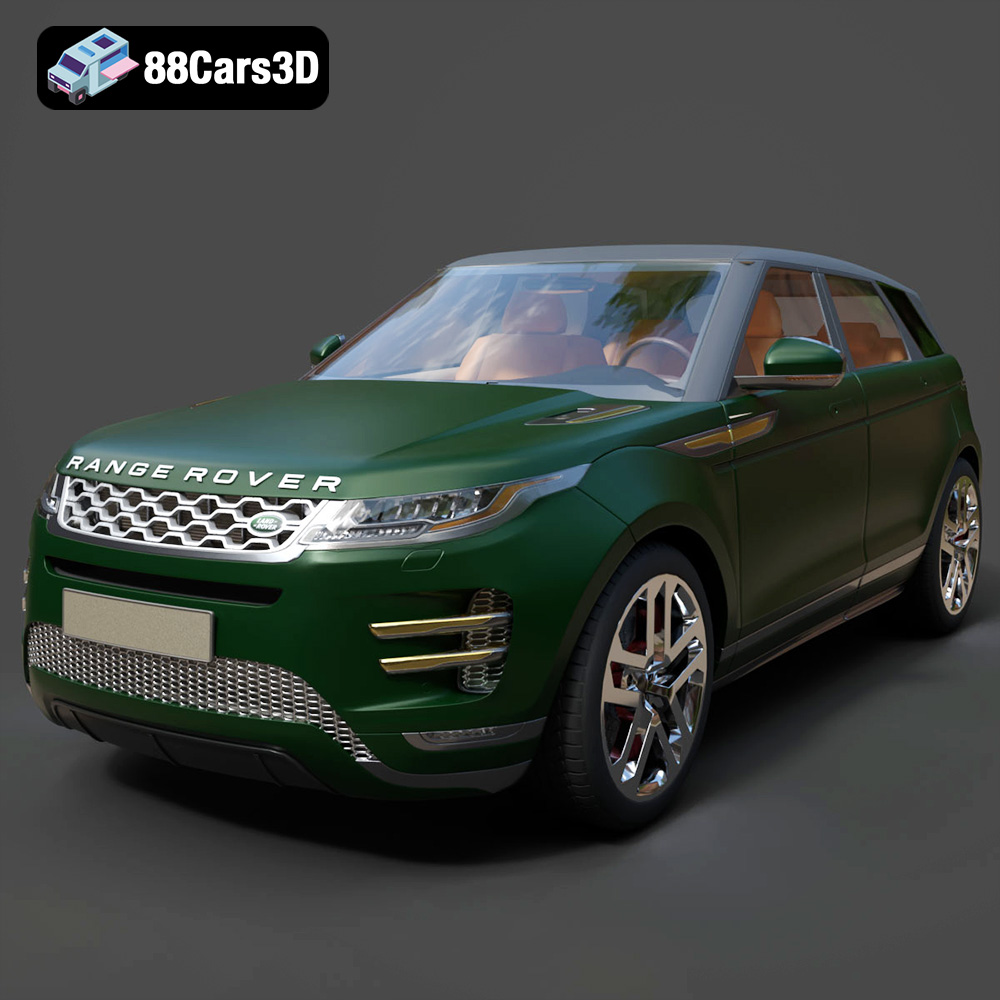
Texture: Yes | Material: Yes
Download the highly detailed, game-ready Range Rover Evoque R-Dynamic 2019 3D Model. Features flush deployable door handles, Matrix LED headlights, and R-Dynamic styling. Includes .blend, .fbx, .obj, .glb, .stl, .ply, .unreal, and .max formats for game development, AR/VR, and rendering.
Price: $19.99

Texture: Yes | Material: Yes
Download the highly detailed, game-ready Ford Mustang Mach 40 3D Model. Features aggressive custom widebody styling, a mid-mounted V8 engine, and classic retro-futuristic design. Includes .blend, .fbx, .obj, .glb, .stl, .ply, .unreal, and .max formats for game development, AR/VR, and rendering.
Price: $19.99
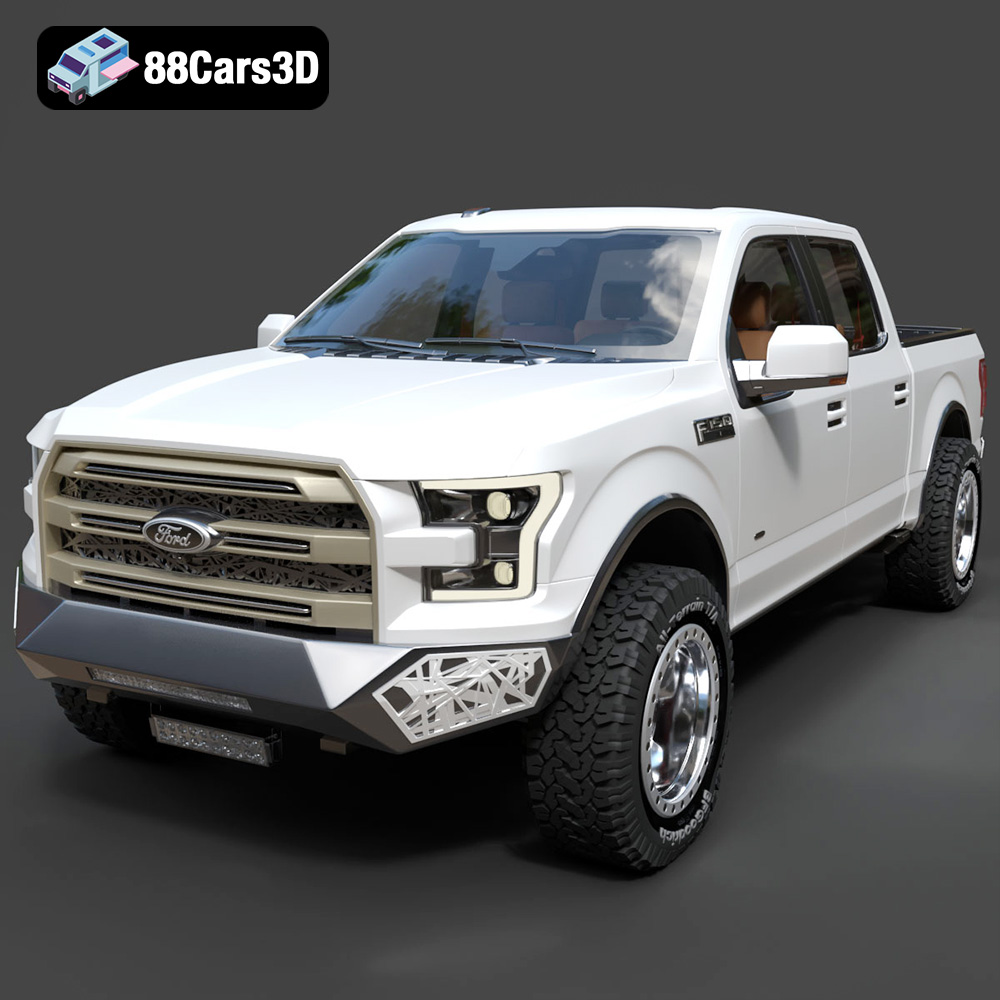
Texture: Yes | Material: Yes
Download the highly detailed, game-ready Ford F150 Raptor With Tuning From ARE 3D Model. Features custom ARE tuning accessories, aggressive off-road suspension, and rugged beadlock wheels. Includes .blend, .fbx, .obj, .glb, .stl, .ply, .unreal, and .max formats for game development, AR/VR, and rendering.
Price: $19.99

Texture: Yes | Material: Yes
Download the highly detailed, game-ready Mercedes-Benz AMG GLE 63 2021 3D Model. Features the iconic Panamericana grille, aggressive aerodynamic body styling, and a meticulously detailed luxurious interior. Includes .blend, .fbx, .obj, .glb, .stl, .ply, .unreal, and .max formats for game development, AR/VR, and rendering.
Price: $19.99
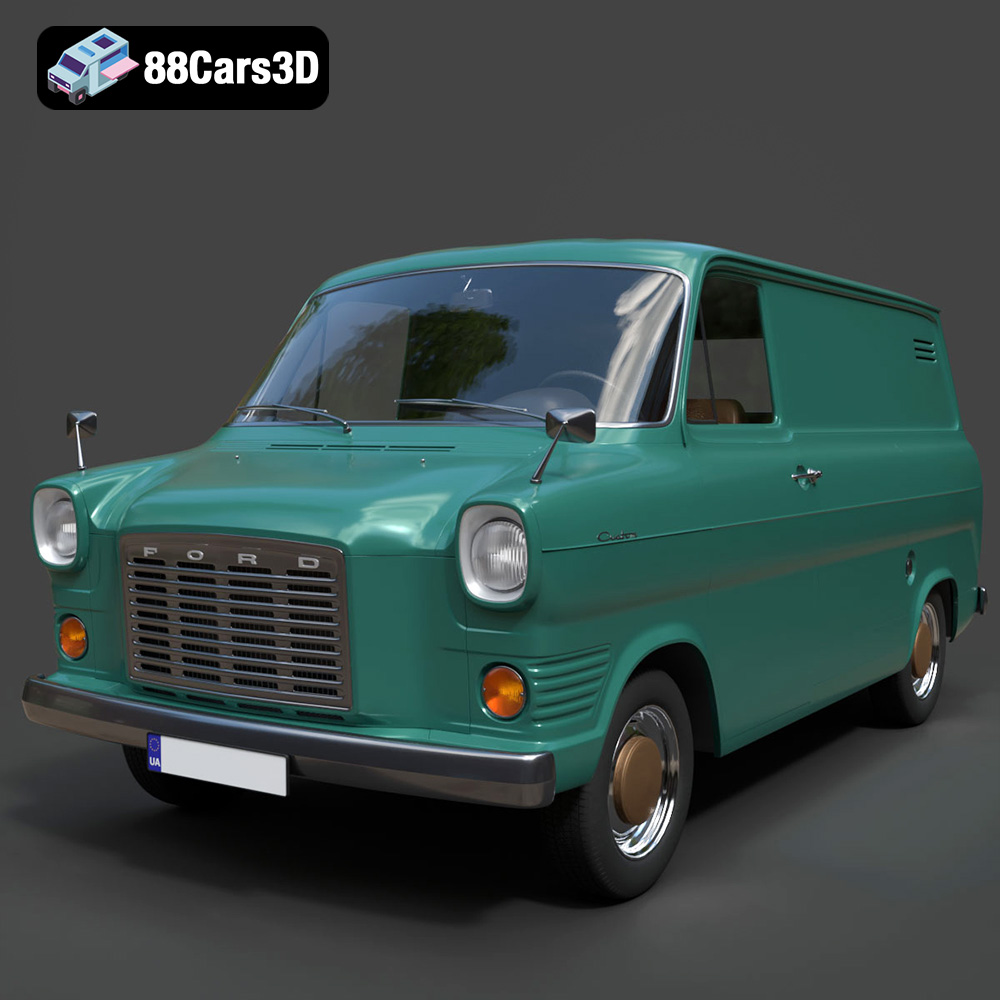
Texture: Yes | Material: Yes
Download the highly detailed, game-ready Ford Transit Mk1 Panel Van 1965 3D Model. Features iconic flat-front styling, vintage steel wheels, and a period-correct cargo bay. Includes .blend, .fbx, .obj, .glb, .stl, .ply, .unreal, and .max formats for game development, AR/VR, and rendering.
Price: $19.99

Texture: Yes | Material: Yes
Download the highly detailed, game-ready BMW X3 2024 3D Model. Features the iconic kidney grille, dynamic SUV proportions, and precise lighting elements. Includes .blend, .fbx, .obj, .glb, .stl, .ply, .unreal, and .max formats for game development, AR/VR, and rendering.
Price: $19.99

Texture: Yes | Material: Yes
Download the highly detailed, game-ready Tesla Model S Plaid 2021 3D Model. Features sleek aerodynamic styling, signature LED lighting, and the revolutionary Yoke steering interior. Includes .blend, .fbx, .obj, .glb, .stl, .ply, .unreal, and .max formats for game development, AR/VR, and rendering.
Price: $19.99

Texture: Yes | Material: Yes
Download the highly detailed, game-ready Rolls-Royce Ghost EWB 2018 3D Model. Features the iconic Pantheon grille, elongated luxury chassis, and elegant exterior lines. Includes .blend, .fbx, .obj, .glb, .stl, .ply, .unreal, and .max formats for game development, AR/VR, and rendering.
Price: $19.99
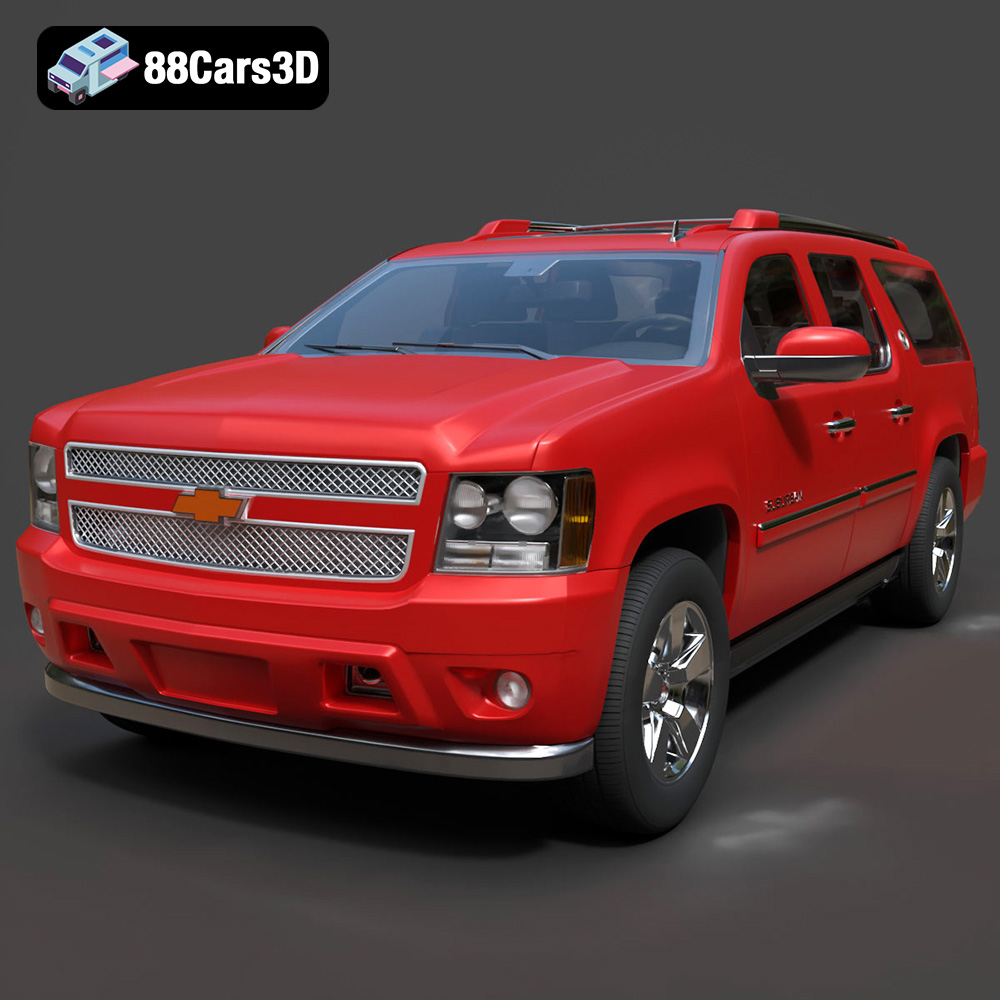
Texture: Yes | Material: Yes
Download the highly detailed, game-ready Chevrolet Suburban 75th Diamond 3D Model. Features the iconic Diamond Edition styling, detailed interior, and accurate full-size SUV proportions. Includes .blend, .fbx, .obj, .glb, .stl, .ply, .unreal, and .max formats for game development, AR/VR, and rendering.
Price: $19.99

Texture: Yes | Material: Yes
Download the highly detailed, game-ready Lamborghini Terzo Millenio 2017 3D Model. Features glowing Y-shaped LED signatures, extreme aerodynamic channels, and an aggressive hypercar stance. Includes .blend, .fbx, .obj, .glb, .stl, .ply, .unreal, and .max formats for game development, AR/VR, and rendering.
Price: $19.99

