Get 20% OFF All Premium 3D & STL Models!

“`html
In the dynamic world of 3D printing, where innovation is the only constant, one file format has consistently reigned supreme: the STL (Stereolithography) file. From hobbyists creating intricate figurines to engineers prototyping complex mechanical parts, STL has become the de facto standard for representing 3D models. But why, in a landscape teeming with newer and arguably more advanced formats, does STL continue to hold its throne? This article delves into the technical intricacies of the STL format, explores its strengths and weaknesses, and explains why it remains the go-to choice for countless 3D printing applications, particularly when accessing printable car models from platforms like 88cars3d.com. We’ll cover everything from its simple structure and widespread compatibility to essential file preparation and optimization techniques that ensure successful prints. You’ll learn how to make the most of STL files, regardless of your printer type or skill level.
The enduring appeal of STL lies in its remarkable simplicity. At its heart, an STL file is a list of triangles that approximate the surface geometry of a 3D object. Each triangle is defined by the coordinates of its three vertices and a normal vector indicating its orientation. This straightforward structure makes STL files relatively easy to generate, parse, and process. This inherent simplicity is the cornerstone of its widespread adoption across various 3D printing software and hardware.
While triangles may seem like a crude way to represent complex curves and surfaces, they can achieve a high degree of accuracy with sufficient density. The more triangles used to define a surface, the smoother and more detailed the resulting 3D print will be. However, increasing the triangle count also increases the file size and processing time, so a balance must be struck between accuracy and efficiency. STL files offer a good compromise, especially for models with predominantly flat or gently curved surfaces, making them ideal for many automotive designs found on sites like 88cars3d.com.
STL files come in two primary flavors: ASCII and Binary. ASCII STL files are human-readable text files that list the coordinates and normals of each triangle in plain text. While easy to inspect and edit manually, ASCII files are significantly larger than their binary counterparts. Binary STL files, on the other hand, store the same information in a compact binary format, resulting in smaller file sizes and faster processing times. For large and complex models, binary STL is almost always the preferred choice due to its superior efficiency.
Once you have an STL file, the next step is to prepare it for 3D printing using a slicing software. Slicing is the process of converting the 3D model into a series of 2D layers that the 3D printer can understand and execute. The slicing software takes the STL file as input and generates a G-code file, which contains the specific instructions for the printer’s motors, heaters, and other components. Understanding the slicing process is critical for achieving optimal print quality and efficiency. This is especially true when printing detailed printable car models.
The slicing software offers a multitude of parameters that can be adjusted to fine-tune the printing process. Some of the most important parameters include layer height, infill density, print speed, and temperature. Layer height determines the thickness of each layer, with thinner layers generally resulting in smoother surfaces and finer details. Infill density controls the amount of material used to fill the interior of the model, affecting its strength and weight. Print speed determines how quickly the printer moves, and temperature controls the temperature of the nozzle and bed. Experimenting with these parameters is essential for finding the optimal settings for your specific printer and material.
Many 3D models, particularly those with overhangs or intricate features, require support structures to be printed successfully. Support structures are temporary structures that provide a foundation for the model during printing. The slicing software automatically generates these supports based on the geometry of the model and the chosen printing parameters. The key is to generate enough support to prevent sagging or collapse during printing, while minimizing the amount of material used and the difficulty of removing the supports after printing. Advanced slicing software allows for manual placement and fine-tuning of supports.
The choice of material is a critical factor in the success of any 3D printing project. Different materials have different properties, such as strength, flexibility, heat resistance, and chemical resistance. The most common materials for FDM printing are PLA (Polylactic Acid) and ABS (Acrylonitrile Butadiene Styrene). PLA is a biodegradable thermoplastic that is easy to print and produces relatively strong and rigid parts. ABS is a more durable and heat-resistant plastic, but it requires higher printing temperatures and is more prone to warping. Other popular materials include PETG (Polyethylene Terephthalate Glycol), Nylon, and TPU (Thermoplastic Polyurethane).
PLA is an excellent choice for beginners due to its ease of printing and relatively low printing temperatures (typically around 200-220°C). It also has minimal warping, making it suitable for printing larger parts without an enclosed build chamber. However, PLA is not as heat-resistant as other materials and can become brittle over time. It’s a great material for prototyping and creating decorative objects, and is often used for initial prints of printable car models before using more durable materials.
ABS is a more challenging material to print than PLA, requiring higher printing temperatures (typically around 230-260°C) and a heated bed to prevent warping. It also emits fumes during printing, so good ventilation is essential. However, ABS produces parts that are stronger, more durable, and more heat-resistant than PLA. It is often used for functional parts and components that need to withstand higher temperatures or stresses. Consider ABS if you plan on using your 3D printed car model outdoors or in a hot environment.
While STL files are compatible with both FDM (Fused Deposition Modeling) and Resin printing technologies, the printing process and the resulting parts are significantly different. FDM printing involves extruding molten plastic through a nozzle to build up the object layer by layer. Resin printing, on the other hand, uses a light source to cure liquid resin, creating solid layers. Understanding the pros and cons of each technology is crucial for choosing the right method for your specific application.
FDM printing is the most common and affordable 3D printing technology. FDM printers are relatively inexpensive and can print a wide variety of materials. They are also relatively easy to use and maintain. However, FDM prints typically have a lower resolution and surface finish than resin prints, and they can be more prone to warping and layer adhesion issues. FDM is a good choice for larger parts and prototypes where high resolution is not critical.
Resin printing offers significantly higher resolution and surface finish than FDM printing. Resin printers can produce parts with intricate details and smooth surfaces, making them ideal for miniatures, jewelry, and other applications where aesthetics are paramount. However, resin printers are typically more expensive than FDM printers, and they require the use of liquid resin, which can be messy and toxic. Resin prints also require post-processing, such as washing and curing, to remove uncured resin and fully harden the part. Resin printing excels when printing detailed car models where surface finish is very important.
Even with the best 3D printer and slicing software, a poorly prepared STL file can lead to printing failures. Common issues include non-manifold geometry, holes, and self-intersections. Fortunately, various software tools are available to repair and optimize STL files before printing, ensuring a smooth and successful printing process. These repairs are crucial, especially when printing models sourced online.
Software like Meshmixer, Netfabb, and Blender offer powerful tools for repairing and editing STL files. These tools can automatically detect and fix common mesh errors, such as holes, non-manifold edges, and self-intersections. They can also be used to smooth surfaces, reduce the polygon count, and add thickness to thin walls. Using these tools to clean up your STL files before printing can significantly improve the print quality and reduce the risk of failures.
Proper print orientation is crucial for maximizing print quality and minimizing support material. Consider the geometry of the model and orient it in a way that minimizes overhangs and maximizes bed adhesion. Adding a brim or raft to the base of the model can also improve bed adhesion, especially for materials like ABS that are prone to warping. Experiment with different orientations and bed adhesion methods to find what works best for your printer and material. Ensure the first layer adheres well to the print bed for stability.
Even with careful preparation and the right settings, 3D printing can sometimes be frustrating. Common issues include warping, stringing, layer adhesion problems, and nozzle clogging. Understanding the causes of these problems and knowing how to troubleshoot them is essential for becoming a successful 3D printer.
Warping occurs when the corners or edges of the print lift off the bed during printing. This is often caused by uneven cooling and shrinkage of the material. To prevent warping, ensure that your bed is properly leveled and heated. You can also use a bed adhesive, such as hairspray or glue stick, to improve bed adhesion. Enclosing the printer in a chamber can also help to maintain a more consistent temperature and reduce warping. For larger models, consider using a brim or raft to increase the contact area with the print bed.
Stringing occurs when the nozzle oozes material during travel moves, leaving thin strands of plastic between different parts of the print. This can be caused by excessive printing temperature, insufficient retraction, or a slow travel speed. To reduce stringing, try lowering the printing temperature, increasing the retraction distance and speed, and increasing the travel speed. You can also enable coasting, which stops extruding material just before the end of a move, reducing pressure in the nozzle.
While newer 3D file formats continue to emerge, the STL format has maintained its position as the workhorse of 3D printing. Its simplicity, widespread compatibility, and the extensive ecosystem of tools built around it ensure its continued relevance. By understanding the intricacies of the STL format, mastering slicing techniques, and choosing the right materials, you can unlock the full potential of 3D printing. Whether you’re a hobbyist printing figurines or an engineer prototyping complex parts, a solid understanding of STL is essential for achieving successful results. Start exploring the world of printable car models on platforms like 88cars3d.com and put your newfound knowledge to the test! Remember to always check for mesh errors and optimize your printing parameters for the best possible outcome.
“`
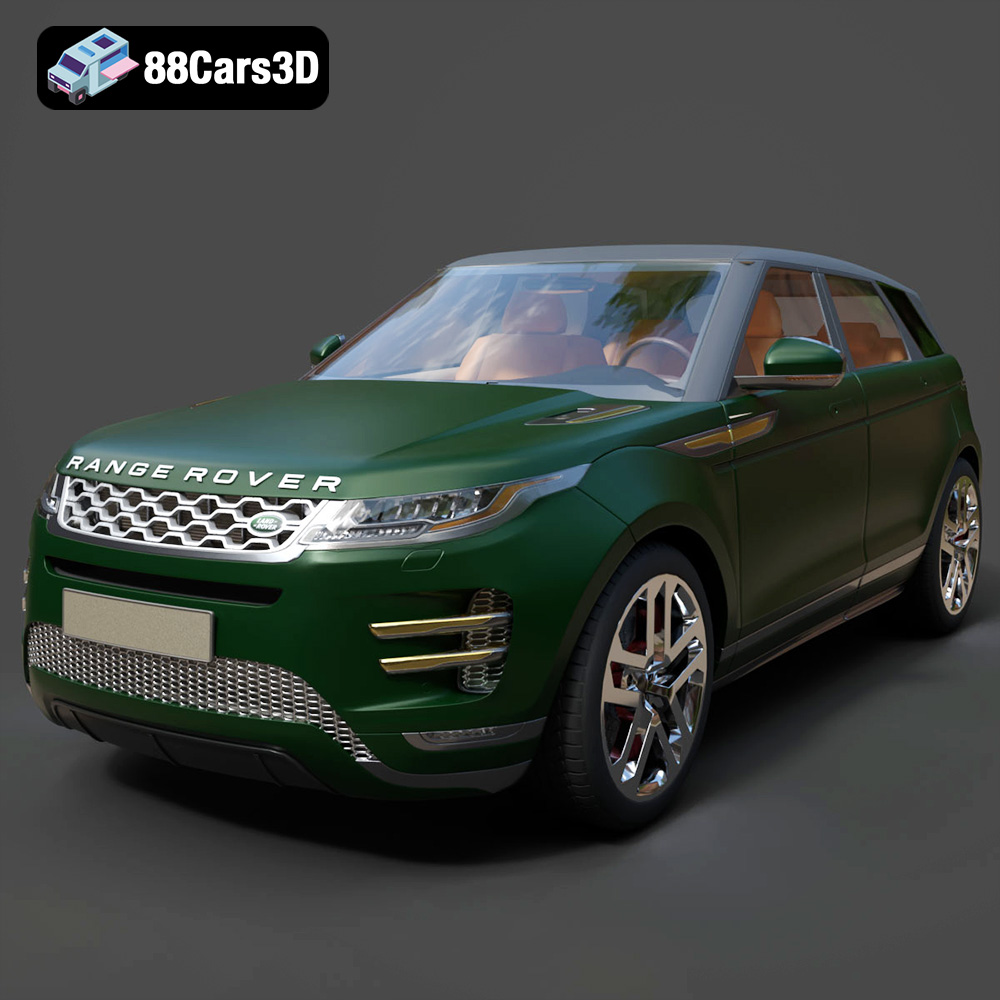
Texture: Yes | Material: Yes
Download the highly detailed, game-ready Range Rover Evoque R-Dynamic 2019 3D Model. Features flush deployable door handles, Matrix LED headlights, and R-Dynamic styling. Includes .blend, .fbx, .obj, .glb, .stl, .ply, .unreal, and .max formats for game development, AR/VR, and rendering.
Price: $19.99

Texture: Yes | Material: Yes
Download the highly detailed, game-ready Ford Mustang Mach 40 3D Model. Features aggressive custom widebody styling, a mid-mounted V8 engine, and classic retro-futuristic design. Includes .blend, .fbx, .obj, .glb, .stl, .ply, .unreal, and .max formats for game development, AR/VR, and rendering.
Price: $19.99
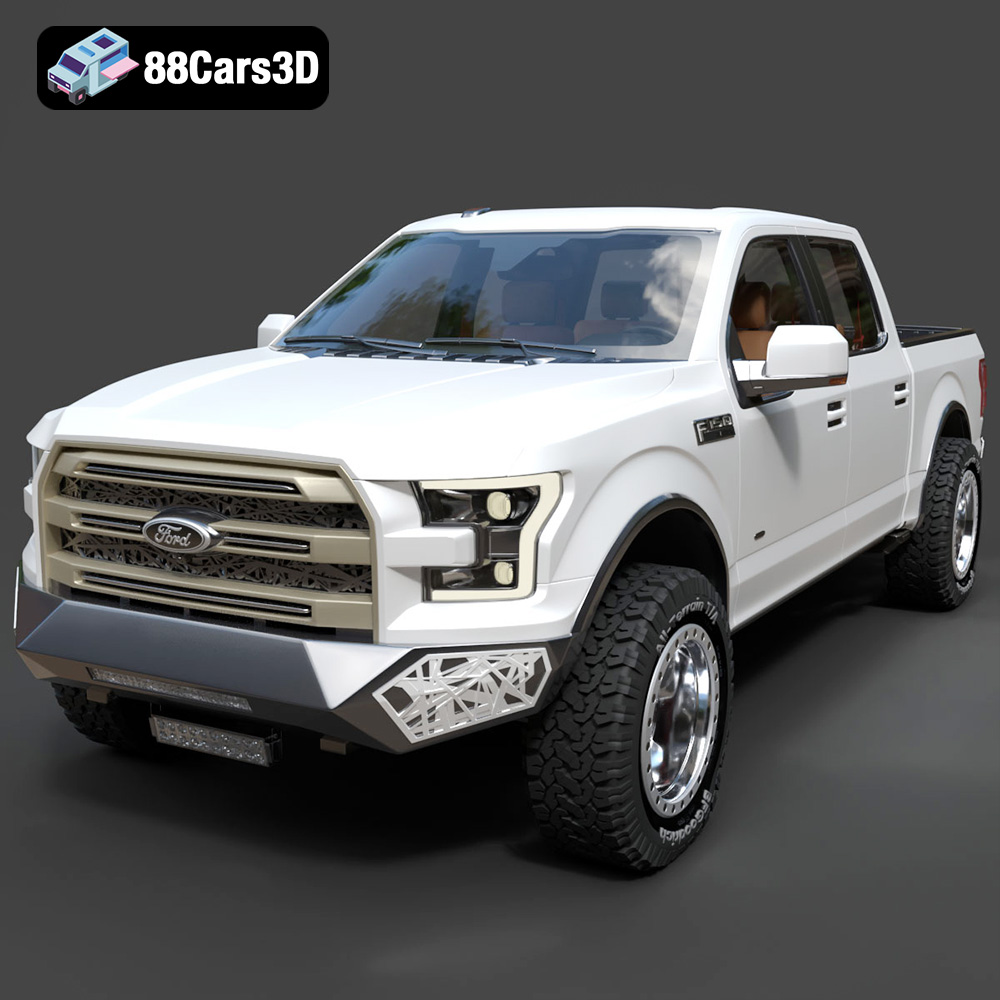
Texture: Yes | Material: Yes
Download the highly detailed, game-ready Ford F150 Raptor With Tuning From ARE 3D Model. Features custom ARE tuning accessories, aggressive off-road suspension, and rugged beadlock wheels. Includes .blend, .fbx, .obj, .glb, .stl, .ply, .unreal, and .max formats for game development, AR/VR, and rendering.
Price: $19.99

Texture: Yes | Material: Yes
Download the highly detailed, game-ready Mercedes-Benz AMG GLE 63 2021 3D Model. Features the iconic Panamericana grille, aggressive aerodynamic body styling, and a meticulously detailed luxurious interior. Includes .blend, .fbx, .obj, .glb, .stl, .ply, .unreal, and .max formats for game development, AR/VR, and rendering.
Price: $19.99
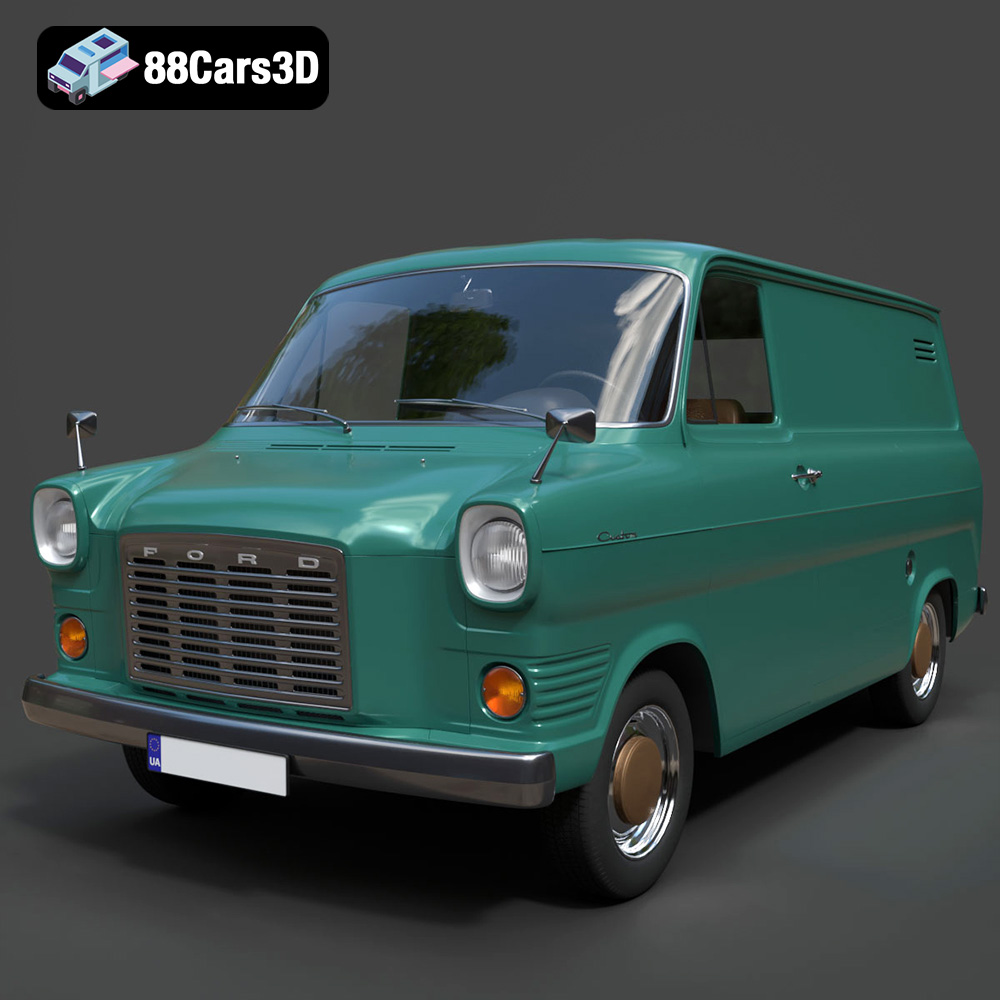
Texture: Yes | Material: Yes
Download the highly detailed, game-ready Ford Transit Mk1 Panel Van 1965 3D Model. Features iconic flat-front styling, vintage steel wheels, and a period-correct cargo bay. Includes .blend, .fbx, .obj, .glb, .stl, .ply, .unreal, and .max formats for game development, AR/VR, and rendering.
Price: $19.99

Texture: Yes | Material: Yes
Download the highly detailed, game-ready BMW X3 2024 3D Model. Features the iconic kidney grille, dynamic SUV proportions, and precise lighting elements. Includes .blend, .fbx, .obj, .glb, .stl, .ply, .unreal, and .max formats for game development, AR/VR, and rendering.
Price: $19.99

Texture: Yes | Material: Yes
Download the highly detailed, game-ready Tesla Model S Plaid 2021 3D Model. Features sleek aerodynamic styling, signature LED lighting, and the revolutionary Yoke steering interior. Includes .blend, .fbx, .obj, .glb, .stl, .ply, .unreal, and .max formats for game development, AR/VR, and rendering.
Price: $19.99

Texture: Yes | Material: Yes
Download the highly detailed, game-ready Rolls-Royce Ghost EWB 2018 3D Model. Features the iconic Pantheon grille, elongated luxury chassis, and elegant exterior lines. Includes .blend, .fbx, .obj, .glb, .stl, .ply, .unreal, and .max formats for game development, AR/VR, and rendering.
Price: $19.99
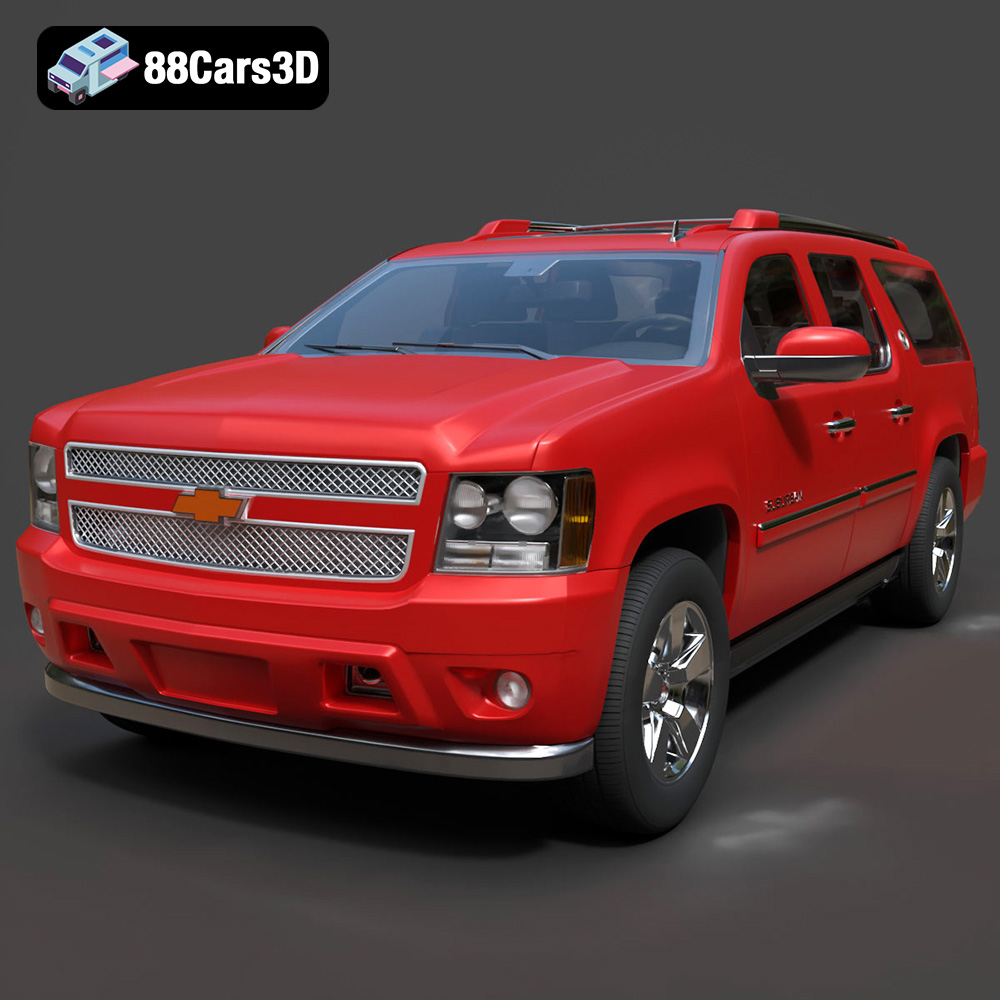
Texture: Yes | Material: Yes
Download the highly detailed, game-ready Chevrolet Suburban 75th Diamond 3D Model. Features the iconic Diamond Edition styling, detailed interior, and accurate full-size SUV proportions. Includes .blend, .fbx, .obj, .glb, .stl, .ply, .unreal, and .max formats for game development, AR/VR, and rendering.
Price: $19.99

Texture: Yes | Material: Yes
Download the highly detailed, game-ready Lamborghini Terzo Millenio 2017 3D Model. Features glowing Y-shaped LED signatures, extreme aerodynamic channels, and an aggressive hypercar stance. Includes .blend, .fbx, .obj, .glb, .stl, .ply, .unreal, and .max formats for game development, AR/VR, and rendering.
Price: $19.99

