Get 20% OFF All Premium 3D & STL Models!

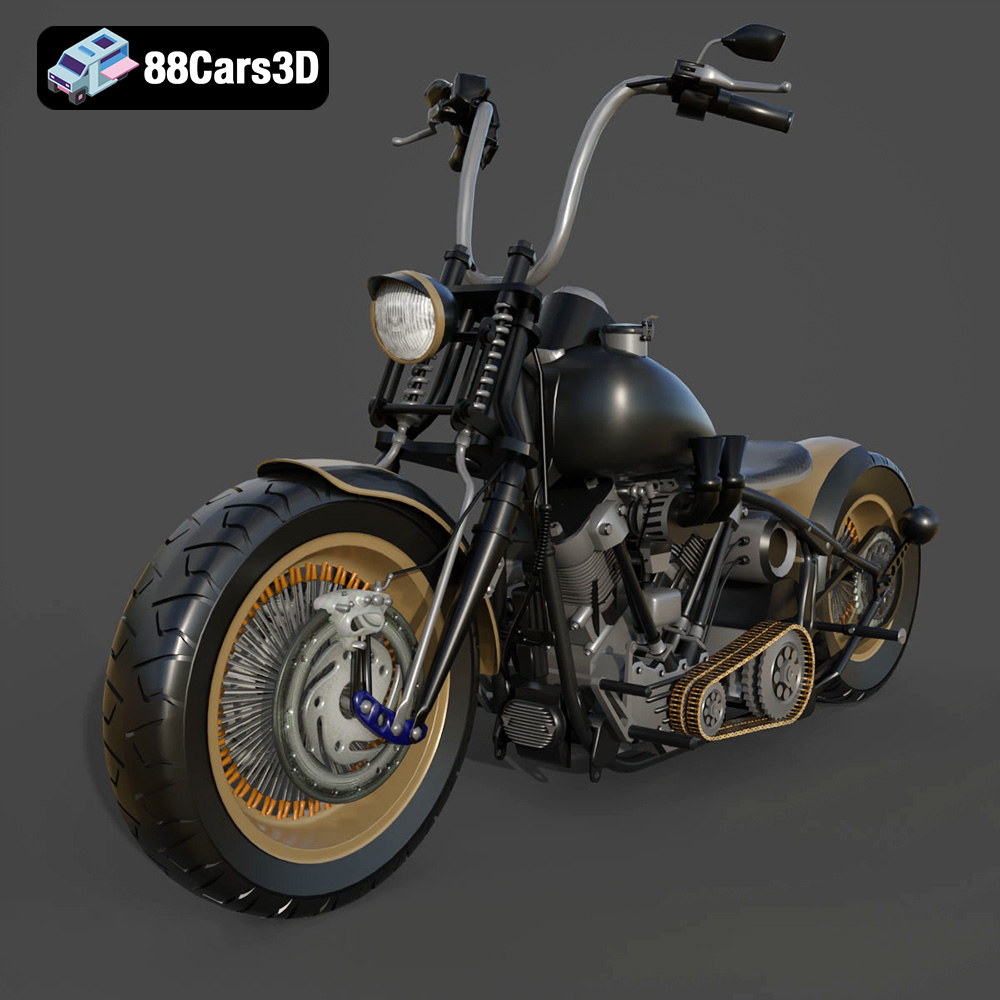
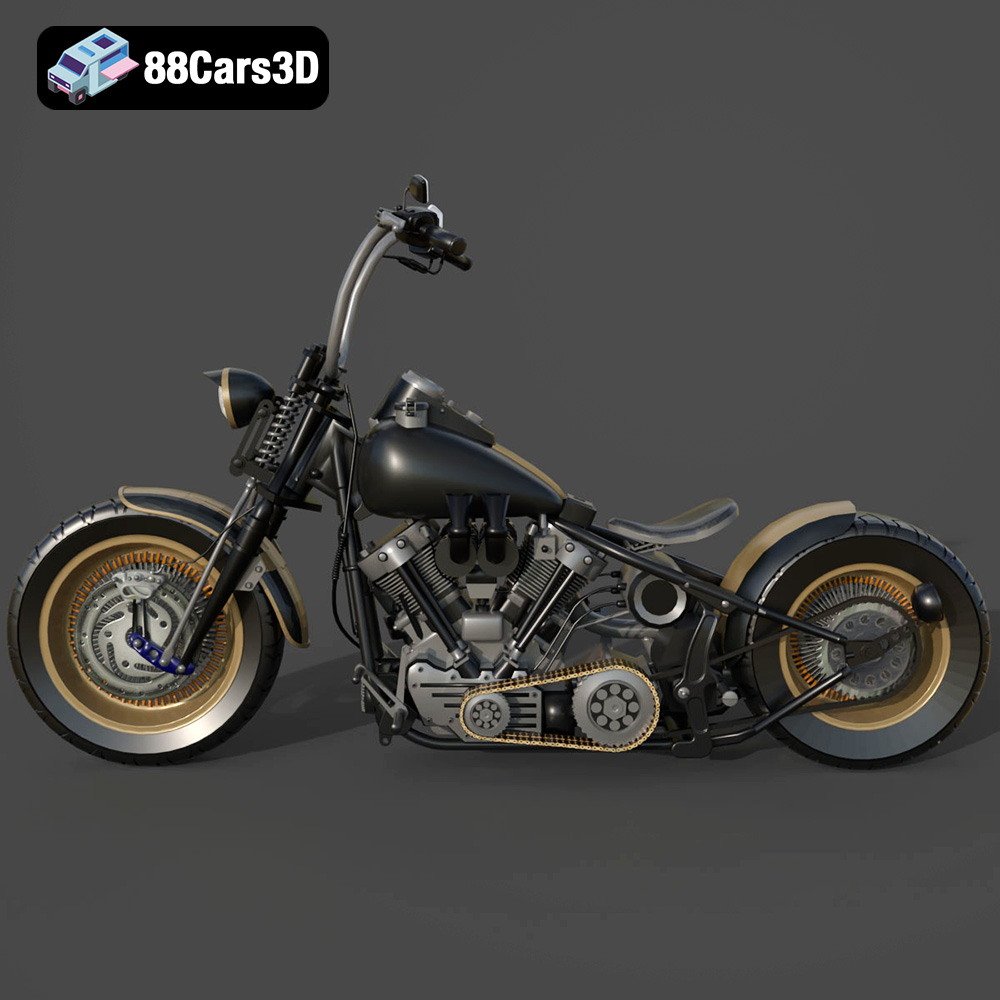
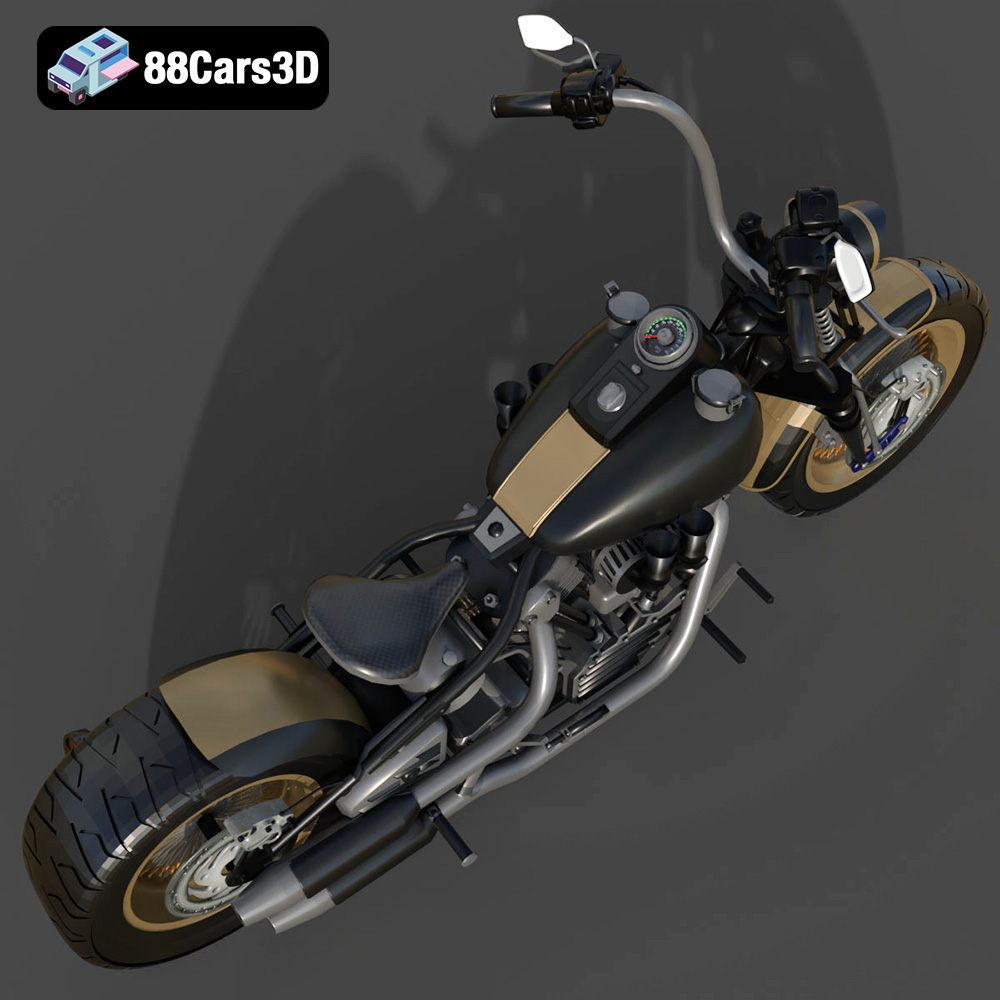
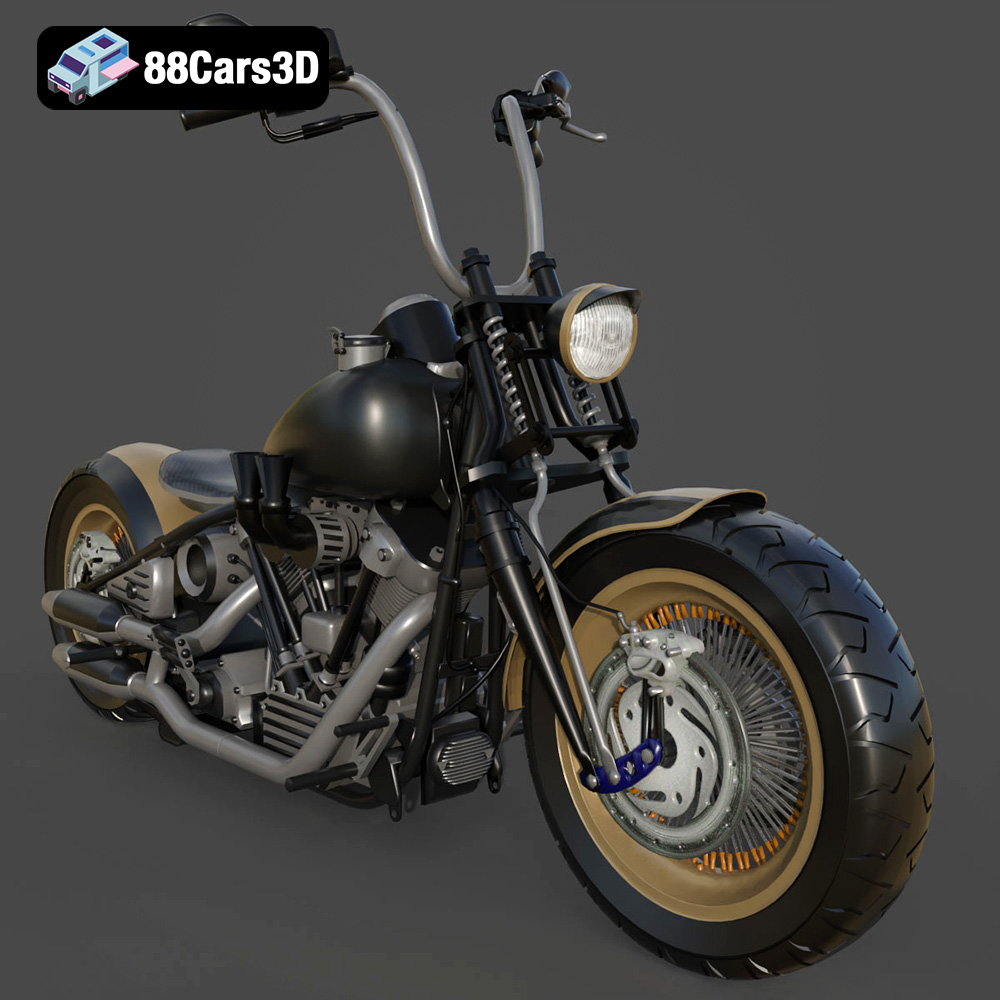
The Harley Davidson Knucklehead is a symbol of American motorcycle history. Its distinctive design and powerful presence have made it a favorite among collectors and enthusiasts alike. Now, thanks to the availability of high-quality 3D models at marketplaces like 88cars3d.com, you can bring this classic motorcycle to life through 3D printing. This guide will provide you with a comprehensive overview of how to successfully 3D print the Harley Davidson Knucklehead model, covering everything from pre-print preparation to post-processing techniques.
Before you dive into the 3D printing process, it’s crucial to understand the different file formats available for the Harley Davidson Knucklehead model and how they relate to 3D printing. While the model might be available in various formats, the .stl file is the most important one for additive manufacturing.
The Harley Davidson Knucklehead 3D model from 88cars3d.com comes in multiple formats, each designed for specific purposes:
* **.stl:** This is the industry standard for 3D printing. STL (Stereolithography) files represent the model’s surface geometry as a collection of triangles. It’s a simple, mesh-only format, meaning it doesn’t contain color, texture, or material information. However, its simplicity makes it universally compatible with slicing software and 3D printers.
* **.obj:** OBJ (Object) files are another common format, offering more versatility than STL. OBJ files can store color and texture information, allowing for the possibility of colored 3D prints (though this depends on your printer’s capabilities).
* **.ply:** PLY (Polygon File Format) is designed for storing data acquired from 3D scanning devices. It’s a precision mesh format that can handle high-detail models, making it suitable for applications where accuracy is paramount.
* **.blend:** This is the native file format for Blender, a popular open-source 3D modeling software. It contains the complete Blender scene, including the model, materials, lighting, and other settings. It’s ideal if you want to modify the model before printing.
* **.fbx:** FBX (Filmbox) is a proprietary format developed by Autodesk for interoperability between 3D content creation tools. It supports various data types, including geometry, textures, materials, and animations.
* **.glb:** GLB (GL Transmission Format Binary) is a binary file format representing 3D models, designed for efficient transmission and loading in web browsers and applications. It’s often used for AR/VR applications.
* **.max:** Native file format for 3ds Max, a professional 3D modeling, rendering and animation software.
While other formats offer additional features, the STL file is the most reliable and widely supported format for 3D printing. When preparing the Harley Davidson Knucklehead model for printing, you will primarily work with the STL file within your slicing software.
Slicing software takes the STL file and converts it into a series of instructions (G-code) that your 3D printer can understand. Most slicing software packages, such as Cura, PrusaSlicer, Simplify3D, and others, have excellent compatibility with STL files. While some slicing programs can import .obj or other formats, it’s often best to use the .stl file for direct printing.
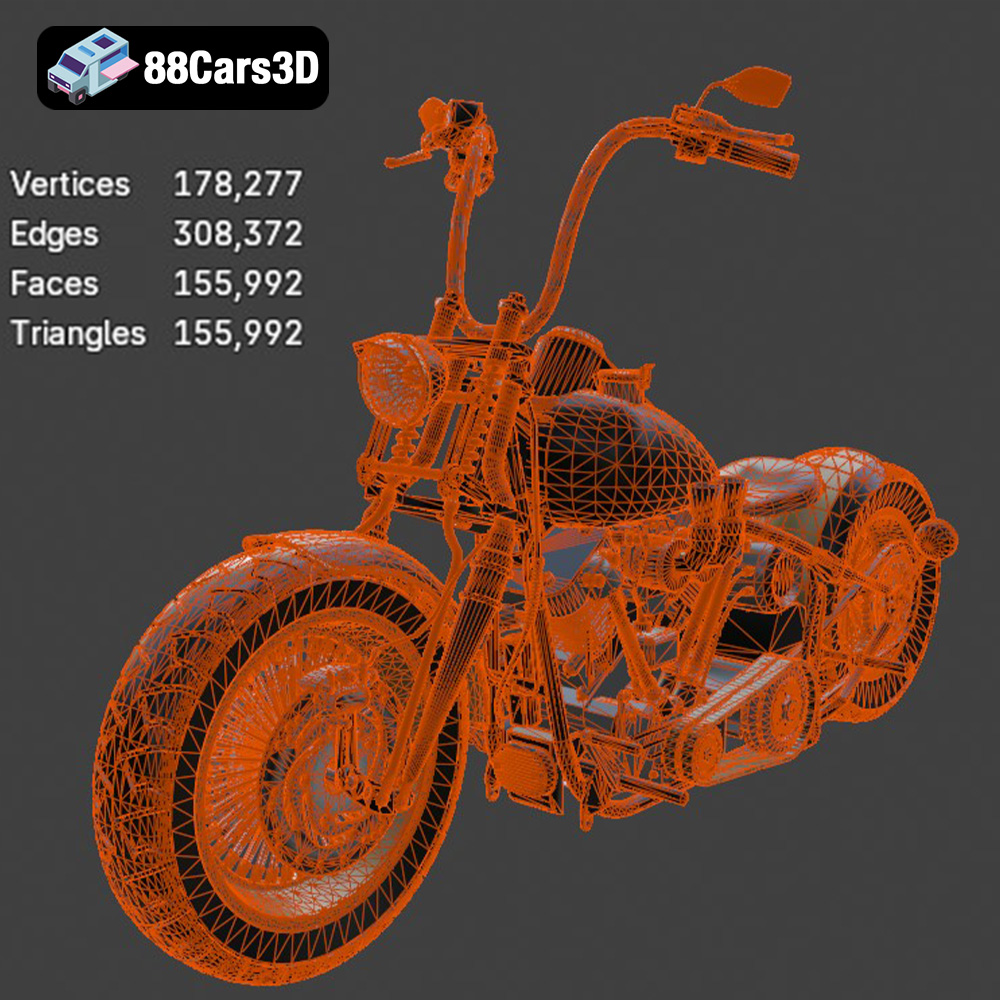
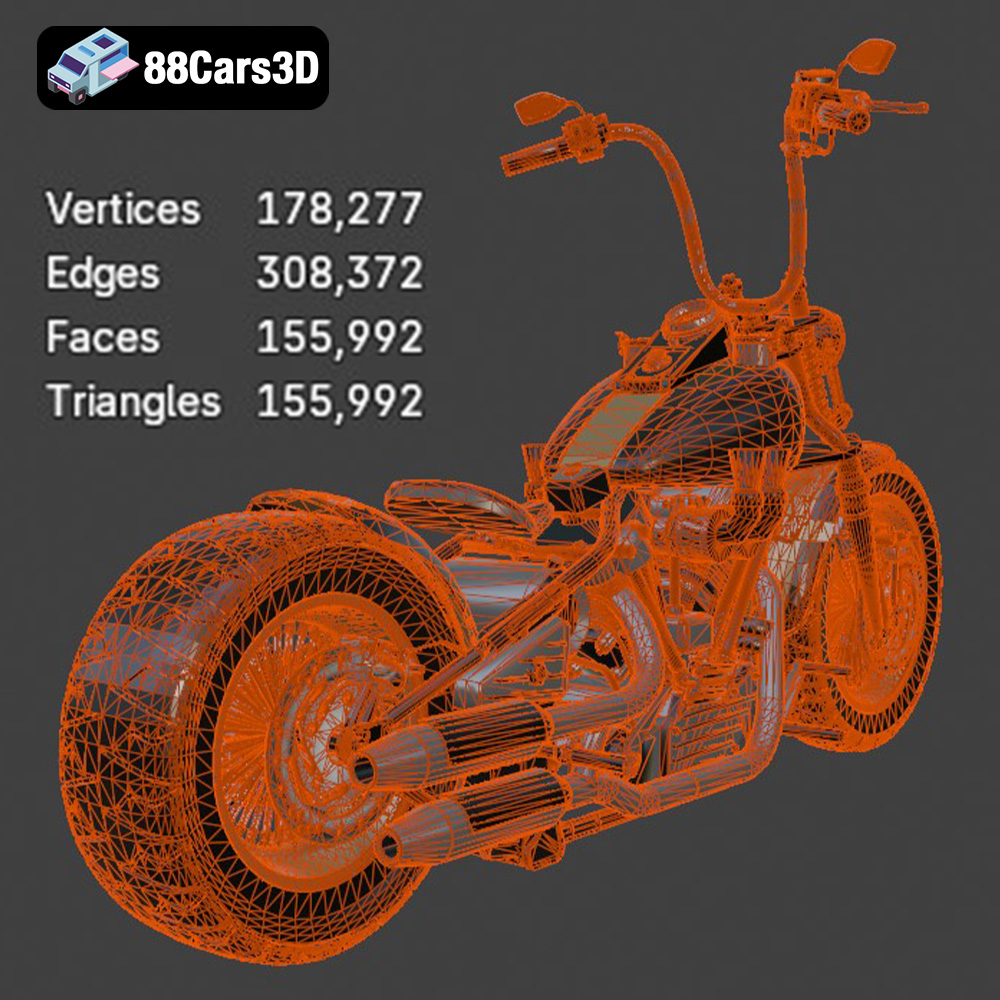
The quality of the STL file is crucial for a successful 3D print. A high-quality STL file will have a dense mesh with small triangles, resulting in a smoother surface finish on the printed model. However, a very dense mesh can increase file size and processing time. Conversely, a low-quality STL file with large triangles will result in a faceted, less detailed print. When downloading the Harley Davidson Knucklehead model, ensure that the STL file is of sufficient quality to capture the intricate details of the motorcycle. If you have the original .blend file, you can adjust the export settings in Blender to increase the mesh density before exporting to STL.
Once you have the STL file for the Harley Davidson Knucklehead, you need to prepare it for printing using slicing software. This involves several steps to ensure a successful and high-quality print.
* **Model Repair:** Before slicing, it’s essential to check the STL file for any errors or imperfections. Use a mesh repair tool like MeshMixer or the built-in repair functions in your slicing software to fix any holes, non-manifold edges, or flipped normals. A flawed model can lead to printing failures.
* **Orientation:** The orientation of the model on the build plate significantly impacts the print quality, support structure, and overall success. Consider the following:
* Minimize the need for supports, especially on intricate details.
* Orient the model to reduce the visibility of layer lines on critical surfaces.
* Place the largest, flattest surface on the build plate for better adhesion.
* For the Harley Davidson Knucklehead, consider printing the frame and body components separately to optimize orientation and detail.
* **Scaling:** Decide on the desired size of your 3D printed Harley Davidson Knucklehead. You can scale the model within your slicing software. Keep in mind that scaling affects the level of detail that can be captured. Smaller prints may lose some finer details.
* **Slicing Parameters:** These settings determine how the model is sliced into layers and printed. Key parameters include:
* **Layer Height:** Smaller layer heights (e.g., 0.1mm – 0.15mm) produce smoother surfaces and capture finer details, but they increase print time. Larger layer heights (e.g., 0.2mm – 0.3mm) are faster but result in more visible layer lines.
* **Infill Density:** Infill refers to the internal structure of the printed part. Higher infill densities (e.g., 20-50%) provide greater strength and rigidity but increase print time and material usage. Lower infill densities (e.g., 10-20%) are suitable for purely aesthetic models.
* **Wall Thickness:** The number of perimeters or walls around the model’s outer surface. Increasing wall thickness improves strength and surface finish.
* **Print Speed:** Adjust the print speed based on your printer and material. Slower speeds generally result in better print quality.
* **Support Structures:** Add support structures to overhangs and bridging sections to prevent them from collapsing during printing. Choose support settings that balance support strength with ease of removal.
The choice of material significantly impacts the appearance, strength, and durability of your 3D printed Harley Davidson Knucklehead. Consider the following options:
* **Pros:** PLA is a biodegradable thermoplastic derived from renewable resources. It’s easy to print, produces good surface quality, and has minimal warping.
* **Cons:** PLA is not as strong or heat-resistant as other materials.
* **Recommendation:** PLA is a good choice for purely aesthetic models of the Harley Davidson Knucklehead, where strength is not a primary concern.
* **Pros:** PETG offers a good balance of strength, flexibility, and heat resistance. It’s more durable than PLA and relatively easy to print.
* **Cons:** PETG can be more prone to stringing than PLA.
* **Recommendation:** PETG is a versatile option for the Harley Davidson Knucklehead, providing a good balance of properties for both aesthetic and functional parts.
* **Pros:** ABS is a strong, heat-resistant plastic commonly used in injection molding.
* **Cons:** ABS is more challenging to print than PLA and PETG, requiring a heated bed and enclosure to prevent warping. It also emits fumes during printing.
* **Recommendation:** ABS is suitable for parts that require high strength and heat resistance, but it’s best left to experienced 3D printer users.
* **Pros:** Resin printing offers exceptional detail and smooth surfaces, ideal for intricate models like the Harley Davidson Knucklehead.
* **Cons:** Resin printers are generally more expensive than filament printers, and resin materials can be brittle and require careful handling.
* **Recommendation:** If you want the highest level of detail and surface finish, resin printing is an excellent option, especially for smaller-scale models of the Knucklehead.
Achieving a successful 3D print of the Harley Davidson Knucklehead requires careful attention to printer settings.
* **Nozzle Temperature:** Follow the manufacturer’s recommendations for your chosen material. PLA typically prints around 200-220°C, PETG around 230-250°C, and ABS around 230-260°C.
* **Bed Temperature:** PLA typically prints on an unheated bed or a bed heated to 50-60°C. PETG requires a bed temperature of 70-80°C, and ABS requires 100-110°C.
* **Print Speed:** Start with a moderate print speed (e.g., 40-60mm/s) and adjust as needed. Slower speeds generally improve print quality, especially for intricate details.
* **Support Settings:** Choose appropriate support settings in your slicing software. Consider using tree supports or lightweight supports to minimize material usage and simplify removal.
* **Bed Adhesion:** Ensure good bed adhesion to prevent warping or detachment during printing. Use a clean build plate, apply a bed adhesive (e.g., glue stick, hairspray), and level the bed properly.
* **Retraction Settings:** Fine-tune retraction settings to minimize stringing and oozing.
* **Cooling:** Proper cooling is essential for PLA to prevent warping and maintain dimensional accuracy. Ensure adequate fan cooling.
* **First Layer Settings:** Optimize the first layer settings to ensure proper adhesion. Use a slightly slower print speed and a slightly higher flow rate for the first layer.
Once the Harley Davidson Knucklehead is printed, post-processing can enhance its appearance and durability.
* **Support Removal:** Carefully remove support structures using pliers, cutters, or a deburring tool. Be gentle to avoid damaging the model.
* **Sanding:** Sand the printed parts to smooth out layer lines and imperfections. Start with coarse sandpaper (e.g., 220 grit) and gradually move to finer grits (e.g., 400, 600, 800 grit) for a smooth finish.
* **Priming:** Apply a primer to the sanded parts to create a smooth, uniform surface for painting.
* **Painting:** Use acrylic paints or spray paints to color the Harley Davidson Knucklehead model. Consider using masking tape to create intricate designs and details.
* **Clear Coating:** Apply a clear coat to protect the paint and add a glossy or matte finish.
* **Assembly:** If you printed the model in multiple parts, assemble them using glue or fasteners.
* **Detailing:** Add additional details, such as chrome accents, decals, or weathering effects, to enhance the realism of the model.
Even with careful preparation, you may encounter some common 3D printing issues:
* **Warping:** Warping occurs when the printed part detaches from the build plate due to uneven cooling. Solutions include using a heated bed, improving bed adhesion, and reducing print speed.
* **Stringing:** Stringing is the formation of thin strands of plastic between parts of the model. Solutions include adjusting retraction settings, lowering nozzle temperature, and increasing travel speed.
* **Layer Separation:** Layer separation occurs when layers of the print do not adhere properly. Solutions include increasing nozzle temperature, decreasing print speed, and ensuring proper bed adhesion.
* **Support Failure:** Support failure can cause overhangs to collapse. Solutions include increasing support density, adjusting support angles, and using stronger support materials.
By following these tips and troubleshooting techniques, you can overcome common challenges and achieve a stunning 3D printed Harley Davidson Knucklehead. Remember to visit 88cars3d.com for high-quality 3D models that are optimized for 3D printing.
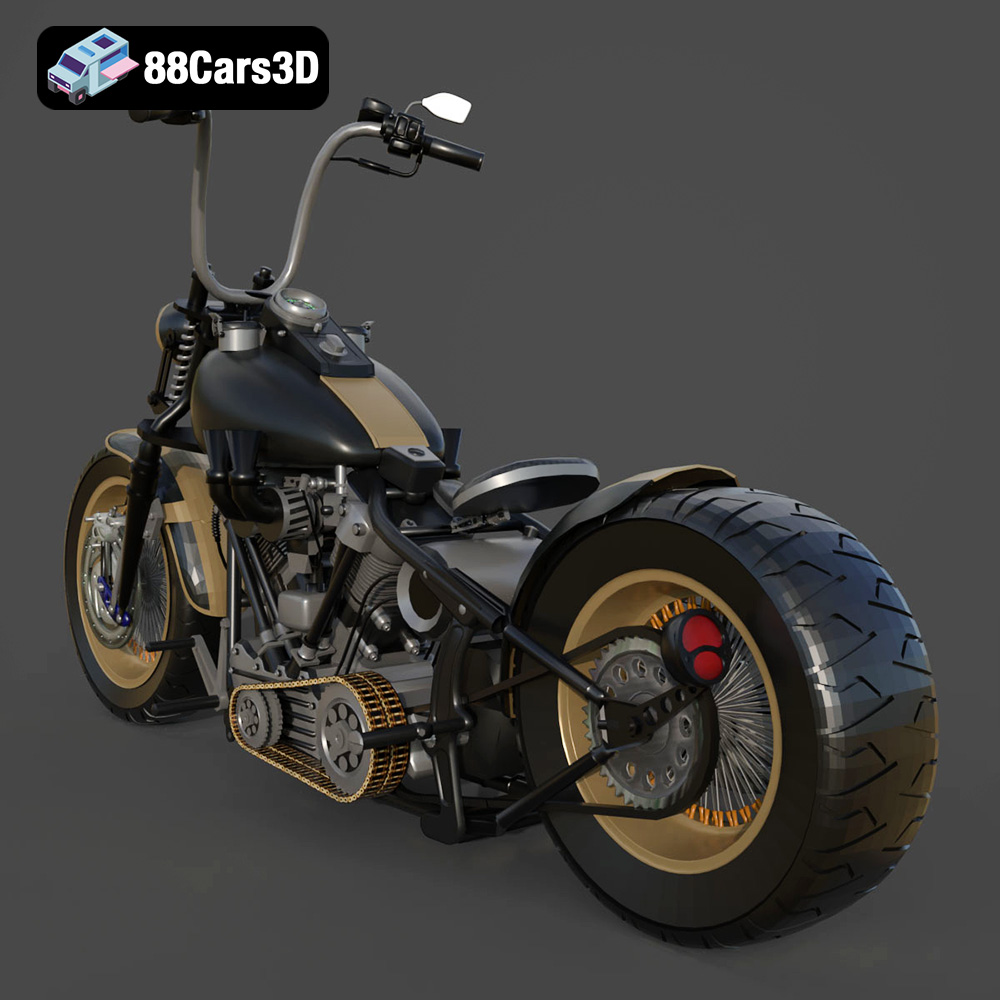
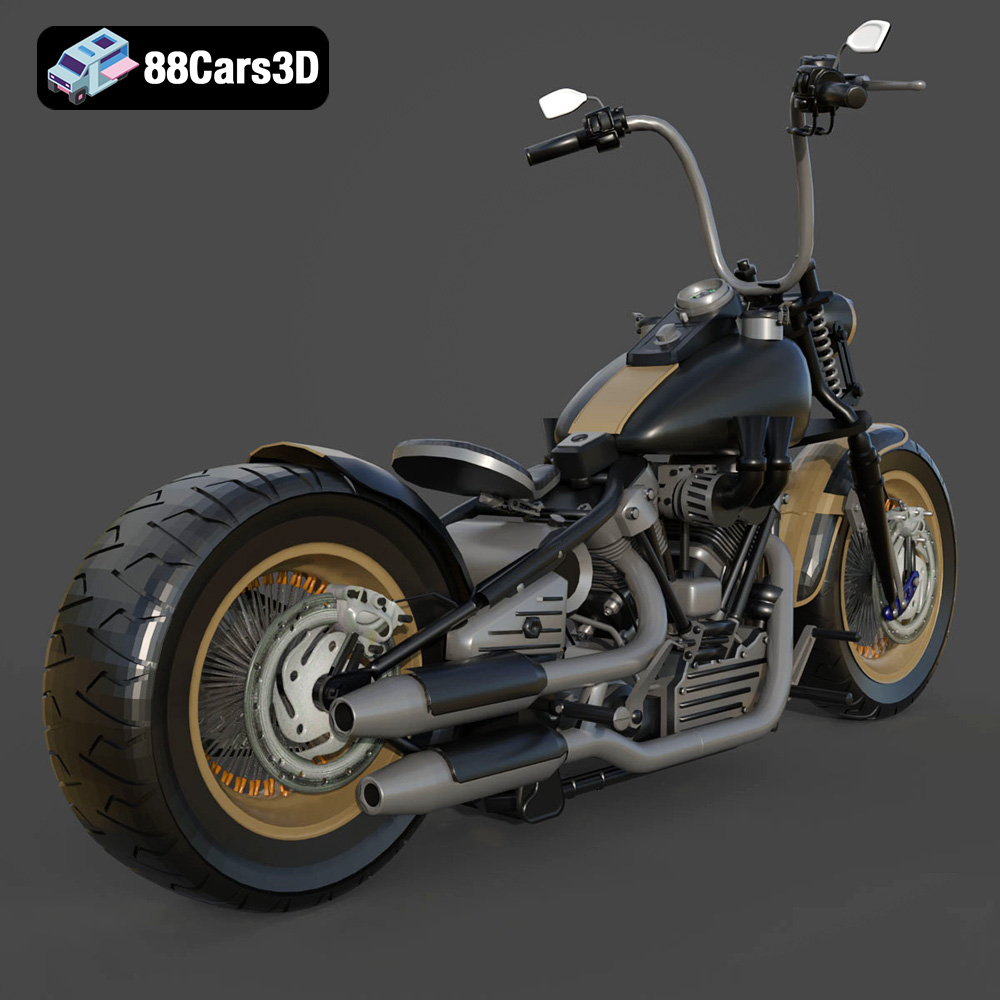
Experience the iconic design of the classic American motorcycle with the Harley Davidson Knucklehead 3D model. Designed for exceptional realism, this asset perfectly replicates the legendary engine, sweeping lines, and mechanical intricacies that make this vintage bike a timeless masterpiece.
$39.99
.arvr
.blend
.car3dmodel
.classicmotorcycle
.cruiser
.fbx
.gameasset
.glb
.harleydavidson
.knucklehead
.max
.motorcycle
.obj
.ply
.rendering
.simulation
.stl
.unreal