Get 20% OFF All Premium 3D & STL Models!

“`html
The world of 3D printing has revolutionized model making and automotive prototyping, enabling enthusiasts and professionals alike to create intricate and functional car parts. At the heart of this process lies the STL (Stereolithography) file format, the standard for representing 3D surface geometry. Whether you’re aiming to reproduce detailed wheels, realistic tires, or complex body panels, understanding the nuances of STL files and 3D printing techniques is crucial. This comprehensive guide will walk you through every step, from preparing your STL files to post-processing your printed parts, ensuring you achieve professional-quality results. We’ll cover specific software settings, material considerations, and troubleshooting tips to optimize your 3D printing journey, especially when working with high-quality printable car models often found on platforms like 88cars3d.com.
In this guide, you’ll learn about:
The STL file format is a cornerstone of 3D printing, representing the surface geometry of a 3D object using a mesh of triangles. While relatively simple, a deep understanding of its structure is crucial for successful 3D printing, especially when dealing with the intricate designs of wheels, tires, and car parts. A well-prepared STL file translates to a smoother printing process and a higher-quality final product. Poorly constructed STL files can lead to errors, artifacts, and even failed prints.
The density of the triangle mesh directly impacts the resolution and smoothness of your printed car parts. A higher triangle count results in a more detailed and accurate representation of the original model, but it also increases file size and processing time. For car parts, particularly wheels and tires with curved surfaces, a higher triangle count is generally preferable to minimize faceting. However, balance is key; excessively high triangle counts can overwhelm your slicer and printer. Aim for a mesh density that captures the necessary details without sacrificing performance. A good starting point is to visually inspect the model in your 3D software. If the surfaces appear smooth and well-defined, the mesh density is likely sufficient. If you see noticeable facets, increase the resolution slightly and re-export the STL file.
A manifold mesh is a closed, watertight surface, essential for 3D printing. Non-manifold geometry, on the other hand, contains errors such as holes, self-intersections, and disconnected edges. These errors can confuse your slicer software and lead to incomplete or incorrect prints. Before attempting to print any car part, it’s crucial to ensure that the STL file is manifold. Software like Meshmixer, Netfabb, and Blender offer tools for identifying and repairing non-manifold geometry. Typically, these tools can automatically fill holes, merge vertices, and remove self-intersections. Regularly checking and repairing your STL files, especially when downloading models from marketplaces such as 88cars3d.com, will save you significant time and frustration in the long run. A common repair workflow involves importing the STL into Meshmixer, using the “Analysis” tool to identify errors, and then using the “Make Solid” tool to automatically correct them.
Slicing is the process of converting a 3D model (STL file) into a set of instructions (G-code) that your 3D printer can understand. The slicing parameters you choose directly influence the print quality, strength, and overall success of your 3D printed car parts. Understanding the key parameters and how they interact is essential for achieving optimal results. This section will focus on settings within popular slicing software like Cura and PrusaSlicer.
Layer height is one of the most critical slicing parameters. It determines the thickness of each layer of plastic deposited during the printing process. Lower layer heights (e.g., 0.1mm or 0.05mm) result in smoother surfaces and finer details, ideal for printing intricate car parts like detailed wheels or body panels. However, lower layer heights also increase print time significantly. Higher layer heights (e.g., 0.2mm or 0.3mm) offer faster printing but sacrifice surface quality. For printing car tires, a slightly higher layer height might be acceptable as the detail requirements aren’t as stringent as for the wheels themselves. Experimentation is key to finding the optimal balance between detail and print speed for each specific car part. As a general guideline, start with a layer height of 0.1mm for parts requiring high detail, and 0.2mm for less critical components. When printing wheels, consider using adaptive layer height features in PrusaSlicer to dynamically adjust layer height based on curvature, allowing for finer details in curved areas and faster printing on flat surfaces.
Infill density refers to the amount of material used inside the 3D printed object. A higher infill density results in a stronger and more rigid part, but also increases print time and material consumption. The infill pattern also plays a crucial role in the part’s structural integrity. Common infill patterns include rectilinear, grid, honeycomb, and gyroid. For car parts that need to withstand stress, such as chassis components or suspension parts, a higher infill density (e.g., 50-75%) and a strong infill pattern like honeycomb or gyroid are recommended. For purely aesthetic parts like body panels, a lower infill density (e.g., 15-25%) and a faster pattern like rectilinear may suffice. Wheels benefit from a higher infill density, especially around the axle hole, to prevent cracking under load. When printing tires with flexible materials like TPU, infill density affects the tire’s stiffness; lower densities result in softer tires. Experimenting with different infill patterns can also affect the sound and vibration dampening properties of printed parts. Some slicers, like Cura, allow you to specify different infill settings for different regions of the model, enabling you to optimize strength and weight distribution.
Support structures are temporary structures that provide support to overhanging parts of your 3D model during printing. They are essential for printing complex geometries, such as those often found in car models, particularly wheels with intricate spoke designs or body panels with overhangs. Generating and removing support structures effectively is crucial for achieving successful prints and preserving the aesthetic quality of your car parts.
There are several types of support structures, each with its own advantages and disadvantages. Tree supports, available in Cura, are efficient and use less material, making them ideal for complex geometries with numerous overhangs. Linear supports, on the other hand, provide more robust support but consume more material and can be more difficult to remove. Scaffold supports are another option, offering a balance between material usage and support strength. The choice of support type depends on the specific geometry of the car part and the material being used. For delicate wheel spokes, tree supports are often preferred as they minimize the risk of damage during removal. For large, flat overhangs on body panels, linear or scaffold supports may be more suitable. Experiment with different support types in your slicer software to determine which works best for your specific needs. Some slicers offer customizable support settings, allowing you to adjust the density, angle, and placement of supports for optimal performance.
Optimizing support settings is crucial for easy removal and minimizing surface damage to your printed car parts. Key parameters to consider include support density, support interface thickness, and support Z distance. Lowering the support density reduces the amount of material used for the supports, making them easier to break away. Increasing the support interface thickness creates a stronger connection between the supports and the part, but can also make removal more difficult. The support Z distance (or air gap) determines the distance between the top of the support and the bottom of the overhanging surface. A larger Z distance makes removal easier but can also result in sagging or warping of the overhanging surface. A smaller Z distance provides better support but can make removal more challenging. Experiment with these settings to find the optimal balance between support strength and ease of removal. Using dissolvable support materials, such as HIPS with ABS or PVA with PLA, can significantly simplify the support removal process. These materials can be dissolved in a solvent, leaving behind a clean, support-free part. When working with STL files downloaded from sources like 88cars3d.com, check the product descriptions for recommended support settings.
The choice of material is a critical factor in determining the functionality, durability, and aesthetic appeal of your 3D printed car parts. Different materials possess unique properties that make them suitable for different applications. This section will explore the properties of PLA, PETG, TPU, and resin, and discuss their suitability for printing various car components.
PLA (Polylactic Acid) is a biodegradable thermoplastic known for its ease of printing and excellent surface finish. It’s a popular choice for beginners due to its low printing temperature and minimal warping. PLA is ideal for printing aesthetic car parts that don’t require high strength or heat resistance, such as body panels, interior trim, and display models. However, PLA is not suitable for functional car parts that will be exposed to high temperatures or stress, as it can soften and deform under these conditions. PLA is also brittle and prone to cracking under impact. When printing with PLA, use a bed temperature of 60-70°C and a nozzle temperature of 200-220°C. Proper cooling is essential to prevent warping and ensure good layer adhesion. PLA-based filaments are available in a wide range of colors and finishes, making them a versatile choice for decorative car parts. Remember that prolonged exposure to direct sunlight can degrade PLA over time.
PETG (Polyethylene Terephthalate Glycol-modified) offers a good balance of strength, durability, and heat resistance. It’s a stronger and more flexible alternative to PLA, making it suitable for printing functional car parts that require moderate stress resistance, such as wheels, suspension components, and engine bay parts. PETG also has better heat resistance than PLA, making it less prone to softening in hot environments. PETG can be more challenging to print than PLA, as it requires higher printing temperatures and is more prone to stringing. When printing with PETG, use a bed temperature of 70-80°C and a nozzle temperature of 230-250°C. Good bed adhesion is crucial to prevent warping. Enclosures can help maintain consistent temperatures and improve print quality. PETG is also resistant to many chemicals, making it a good choice for parts that will be exposed to automotive fluids. If you’re aiming to print wheels that can withstand some load and wear, PETG is a good option. You can also anneal PETG parts after printing to further improve their strength and heat resistance.
TPU (Thermoplastic Polyurethane) is a flexible material that’s ideal for printing car tires and other flexible components. TPU’s flexibility allows it to deform and return to its original shape, making it resistant to impacts and vibrations. TPU comes in a range of hardnesses, from very soft and flexible to relatively rigid. Softer TPUs are ideal for printing tires that need to grip the road surface, while harder TPUs can be used for printing flexible suspension components or bumpers. TPU can be challenging to print, as it’s prone to stringing and requires precise retraction settings. Direct-drive extruders are generally recommended for printing TPU, as they provide better control over the filament. When printing with TPU, use a bed temperature of 40-60°C and a nozzle temperature of 210-230°C. Slow printing speeds are essential to prevent jams and ensure good layer adhesion. Experiment with different retraction settings to minimize stringing. The infill density of TPU tires affects their stiffness; lower densities result in softer, more compliant tires. Consider printing tires with no infill for maximum flexibility. TPU parts also exhibit good abrasion resistance, making them suitable for applications where wear and tear are a concern.
Resin 3D printing, using technologies like SLA (Stereolithography) and DLP (Digital Light Processing), offers exceptional detail and smooth surface finishes, making it ideal for printing intricate car parts such as badges, emblems, and detailed interior components. Resin printing uses liquid photopolymer resins that are cured by UV light. Resin parts are generally more brittle than FDM-printed parts, but they can be incredibly detailed and require minimal post-processing. Resin printers are generally more expensive than FDM printers, and resin printing requires more specialized post-processing steps, such as washing and curing. However, the superior detail and surface finish often justify the extra effort. When selecting a resin, consider its hardness, impact resistance, and UV resistance. Some resins are specifically formulated for automotive applications and offer improved durability and chemical resistance. Always wear gloves and eye protection when working with resin, as it can be harmful to skin and eyes. Proper ventilation is also essential. Use appropriate supports and carefully orient your parts to minimize stress during printing. Resin parts often require sanding and painting to achieve a perfect finish. Resin printing is particularly well-suited for replicating small, intricate details that would be difficult or impossible to achieve with FDM printing. Platforms like 88cars3d.com often highlight which models are best suited for resin printing due to their complexity and detail.
Proper printer calibration and regular maintenance are essential for achieving consistent, high-quality 3D prints, particularly when printing intricate car parts. A well-calibrated and maintained printer will produce more accurate and reliable results, reducing the likelihood of failed prints and ensuring that your printed car parts meet your expectations. This section will cover key aspects of printer calibration and maintenance for both FDM and resin printers.
Bed leveling is the process of ensuring that the print bed is perfectly level and that the nozzle is at the correct distance from the bed. An unlevel bed or an incorrect nozzle height can lead to poor bed adhesion, warping, and failed prints. Most FDM printers have manual or automatic bed leveling systems. Manual bed leveling involves adjusting screws or knobs to level the bed using a piece of paper or a feeler gauge. Automatic bed leveling systems use sensors to map the bed surface and compensate for any unevenness. Regardless of the type of bed leveling system you use, it’s essential to check and adjust the bed level regularly. Proper bed adhesion is also crucial for preventing warping and ensuring that the first layer sticks to the bed. Several factors can affect bed adhesion, including bed temperature, bed surface material, and the use of adhesion aids such as glue sticks, hairspray, or specialized bed adhesion sheets. For PLA, a bed temperature of 60-70°C and a clean glass or PEI bed surface are often sufficient. For PETG, a bed temperature of 70-80°C and a PEI or BuildTak bed surface are recommended. For ABS, a bed temperature of 100-110°C, an enclosed printer, and an ABS slurry or glue stick are often necessary to prevent warping. Always clean the bed surface with isopropyl alcohol before each print to remove any grease or debris. Regular maintenance, such as cleaning the nozzle and lubricating the lead screws, will also contribute to consistent bed adhesion.
Maintaining the resin tank and build plate is crucial for successful resin printing. The resin tank contains the liquid resin and is exposed to UV light during printing. Over time, the resin tank can become cloudy or damaged, affecting print quality. Regularly inspect the resin tank for any signs of damage and replace it as needed. The build plate is where the printed parts are attached during printing. It’s essential to keep the build plate clean and level. After each print, remove the printed part and thoroughly clean the build plate with isopropyl alcohol. Scrape off any remaining resin with a plastic scraper to avoid damaging the build plate surface. Level the build plate according to the manufacturer’s instructions. Proper leveling is essential for ensuring that the first layer of the print adheres to the build plate. Filter the resin in the tank regularly to remove any cured resin particles or debris. Use a fine-mesh filter to remove even the smallest particles. Store the resin in a dark, airtight container when not in use to prevent it from curing prematurely. Regular maintenance of the resin tank and build plate will help ensure consistent print quality and extend the life of your resin printer.
Even with careful preparation and optimal settings, 3D printing can sometimes present challenges. Understanding common printing issues and their solutions is essential for achieving successful and high-quality results. This section will cover some of the most common 3D printing problems and provide troubleshooting tips for both FDM and resin printers.
Warping occurs when the corners or edges of a 3D printed part lift off the print bed during printing. This is often caused by uneven cooling and thermal contraction of the plastic. To prevent warping, ensure proper bed adhesion, use an enclosed printer (especially for ABS), and reduce the cooling fan speed. Stringing occurs when thin strands of plastic are left between different parts of the print. This is usually caused by excessive nozzle temperature, insufficient retraction, or slow travel speeds. To prevent stringing, lower the nozzle temperature, increase the retraction distance and speed, and increase the travel speed. Layer delamination occurs when the layers of a 3D printed part separate from each other. This is often caused by insufficient layer adhesion, low printing temperature, or improper cooling. To prevent layer delamination, increase the printing temperature, reduce the cooling fan speed, and ensure proper bed adhesion. When printing larger car body components, consider using a brim or raft to improve bed adhesion and reduce warping. For materials prone to warping like ABS, preheating the build chamber can also make a significant difference.
Resin curing issues occur when the resin does not cure properly during printing, resulting in soft, sticky, or incomplete prints. This can be caused by insufficient exposure time, low lamp intensity, or expired resin. To address resin curing issues, increase the exposure time, check the lamp intensity, and use fresh resin. Support failures occur when the support structures fail to adequately support the overhanging parts of the print, resulting in sagging or deformation. This can be caused by insufficient support density, weak support structures, or improper print orientation. To prevent support failures, increase the support density, use stronger support structures, and orient the part to minimize the need for supports. Layer separation occurs when the layers of a resin printed part separate from each other. This can be caused by insufficient exposure time, low lift speed, or improper resin viscosity. To prevent layer separation, increase the exposure time, reduce the lift speed, and use a resin with the appropriate viscosity. Always check that your resin is well mixed before printing and that your printer is properly calibrated according to the manufacturer’s instructions. If you are encountering recurring issues, consult the printer’s manual or online forums for troubleshooting advice.
Mastering the art of 3D printing wheels, tires, and car parts in STL format requires a comprehensive understanding of various technical aspects, from STL file preparation to material selection and printer calibration. This guide has provided a detailed roadmap to help you navigate the complexities of 3D printing and achieve professional-quality results. By paying close attention to slicing parameters, support structures, material properties, and printer maintenance, you can overcome common challenges and unlock the full potential of your 3D printer. Remember to experiment with different settings and techniques to find what works best for your specific printer, materials, and car part designs. Platforms like 88cars3d.com offer print-ready STL files designed to minimize these challenges, allowing you to focus on the creative aspects of model making and automotive prototyping.
Take these actionable steps to improve your 3D printing process:
By following these guidelines and continuously refining your skills, you can transform your 3D printer into a powerful tool for creating stunning and functional car parts. Happy printing!
“`

Texture: Yes | Material: Yes
Download the highly detailed, game-ready Ducati 1299 Panigale S 2017 3D Model. Features signature aerodynamic fairings, detailed Superquadro engine components, and aggressive Italian styling. Includes .blend, .fbx, .obj, .glb, .stl, .ply, .unreal, and .max formats for game development, AR/VR, and rendering.
Price: $19.99
Texture: Yes | Material: Yes
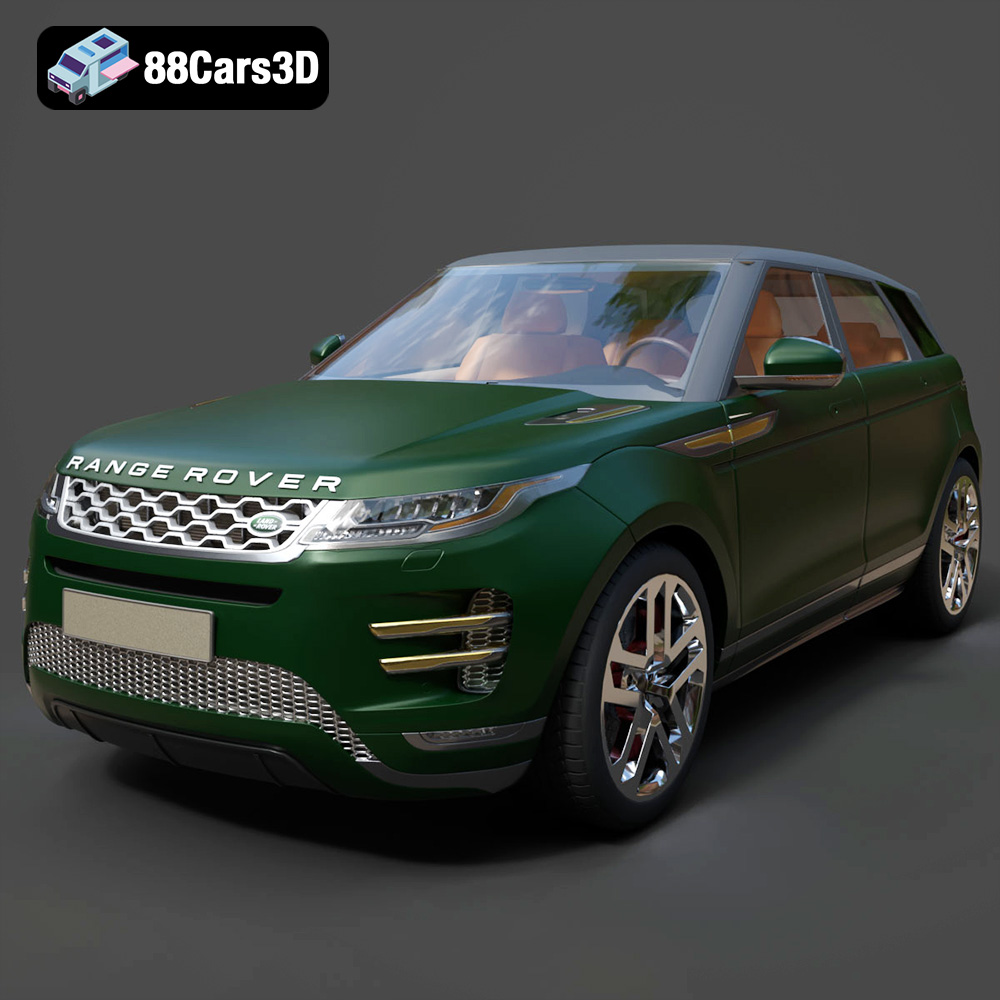
Download the highly detailed, game-ready Range Rover Evoque R-Dynamic 2019 3D Model. Features flush deployable door handles, Matrix LED headlights, and R-Dynamic styling. Includes .blend, .fbx, .obj, .glb, .stl, .ply, .unreal, and .max formats for game development, AR/VR, and rendering.
Price: $19.99

Texture: Yes | Material: Yes
Download the highly detailed, game-ready Ford Mustang Mach 40 3D Model. Features aggressive custom widebody styling, a mid-mounted V8 engine, and classic retro-futuristic design. Includes .blend, .fbx, .obj, .glb, .stl, .ply, .unreal, and .max formats for game development, AR/VR, and rendering.
Price: $19.99
Texture: Yes | Material: Yes
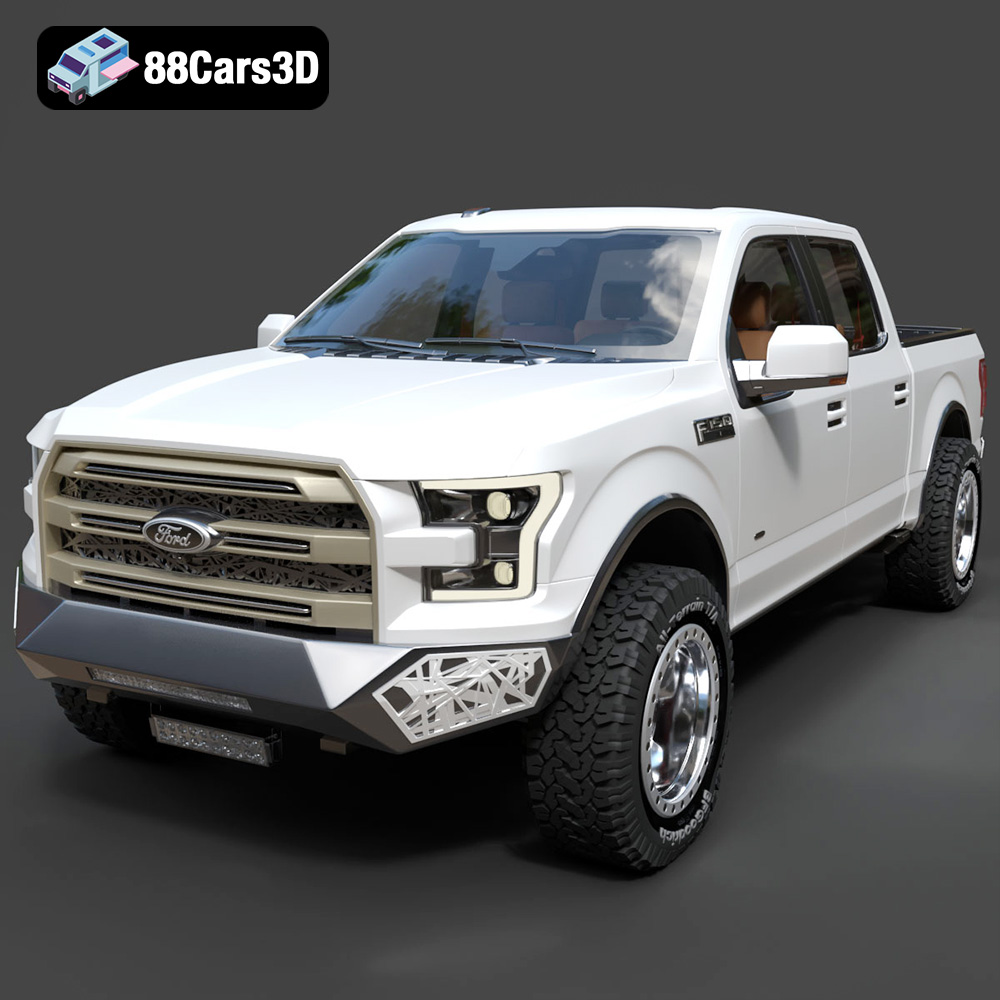
Download the highly detailed, game-ready Ford F150 Raptor With Tuning From ARE 3D Model. Features custom ARE tuning accessories, aggressive off-road suspension, and rugged beadlock wheels. Includes .blend, .fbx, .obj, .glb, .stl, .ply, .unreal, and .max formats for game development, AR/VR, and rendering.
Price: $19.99

Texture: Yes | Material: Yes
Download the highly detailed, game-ready Mercedes-Benz AMG GLE 63 2021 3D Model. Features the iconic Panamericana grille, aggressive aerodynamic body styling, and a meticulously detailed luxurious interior. Includes .blend, .fbx, .obj, .glb, .stl, .ply, .unreal, and .max formats for game development, AR/VR, and rendering.
Price: $19.99
Texture: Yes | Material: Yes
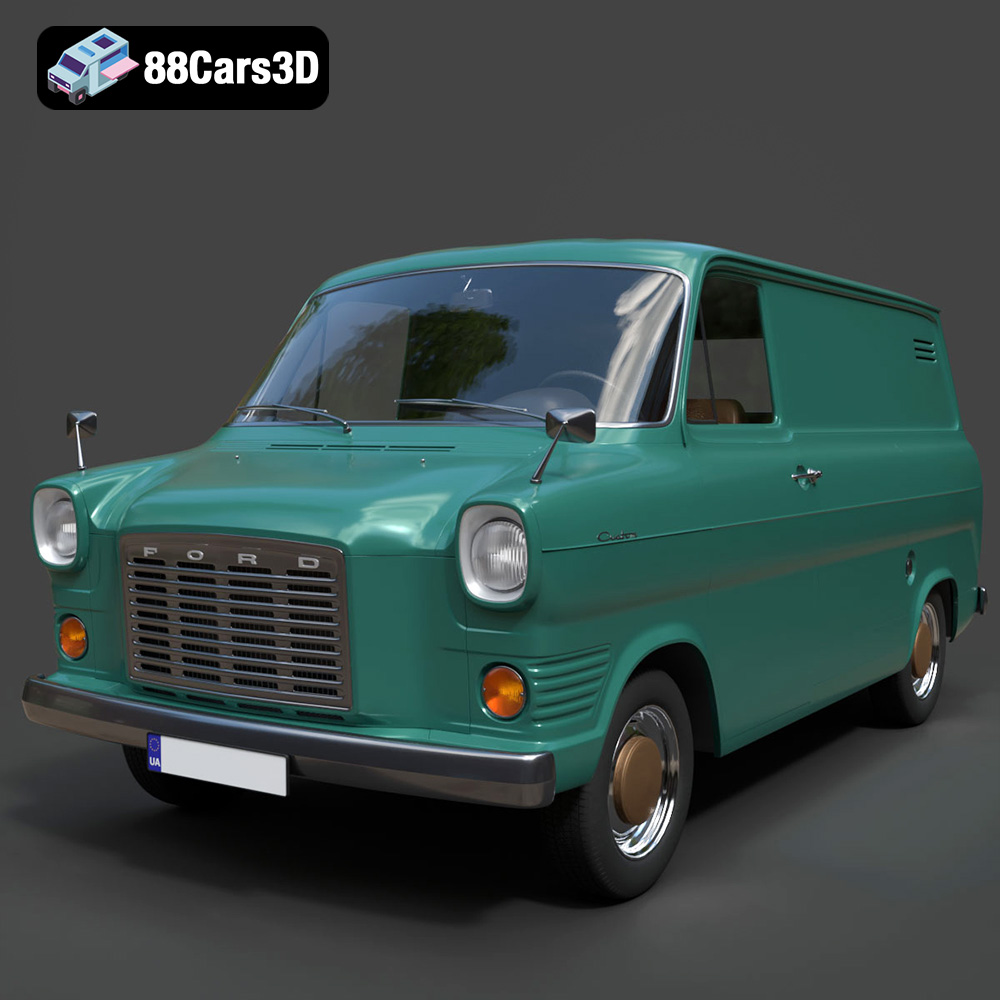
Download the highly detailed, game-ready Ford Transit Mk1 Panel Van 1965 3D Model. Features iconic flat-front styling, vintage steel wheels, and a period-correct cargo bay. Includes .blend, .fbx, .obj, .glb, .stl, .ply, .unreal, and .max formats for game development, AR/VR, and rendering.
Price: $19.99

Texture: Yes | Material: Yes
Download the highly detailed, game-ready BMW X3 2024 3D Model. Features the iconic kidney grille, dynamic SUV proportions, and precise lighting elements. Includes .blend, .fbx, .obj, .glb, .stl, .ply, .unreal, and .max formats for game development, AR/VR, and rendering.
Price: $19.99

Texture: Yes | Material: Yes
Download the highly detailed, game-ready Tesla Model S Plaid 2021 3D Model. Features sleek aerodynamic styling, signature LED lighting, and the revolutionary Yoke steering interior. Includes .blend, .fbx, .obj, .glb, .stl, .ply, .unreal, and .max formats for game development, AR/VR, and rendering.
Price: $19.99

Texture: Yes | Material: Yes
Download the highly detailed, game-ready Rolls-Royce Ghost EWB 2018 3D Model. Features the iconic Pantheon grille, elongated luxury chassis, and elegant exterior lines. Includes .blend, .fbx, .obj, .glb, .stl, .ply, .unreal, and .max formats for game development, AR/VR, and rendering.
Price: $19.99
Texture: Yes | Material: Yes
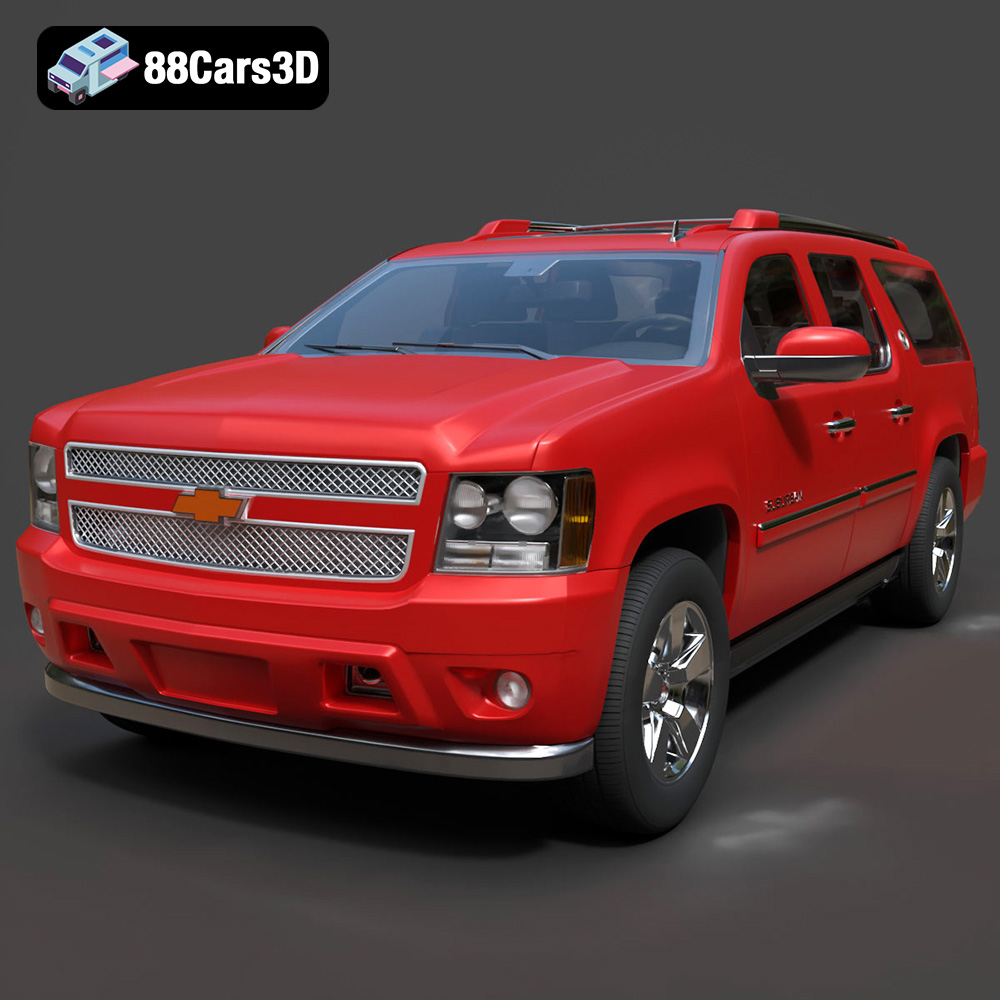
Download the highly detailed, game-ready Chevrolet Suburban 75th Diamond 3D Model. Features the iconic Diamond Edition styling, detailed interior, and accurate full-size SUV proportions. Includes .blend, .fbx, .obj, .glb, .stl, .ply, .unreal, and .max formats for game development, AR/VR, and rendering.
Price: $19.99

