Get 20% OFF All Premium 3D & STL Models!

“`html
The allure of classic and modern automobiles transcends generations. For hobbyists and collectors, the opportunity to bring these iconic vehicles to life in miniature form is incredibly appealing. Thanks to advancements in 3D printing technology and the availability of high-quality STL files, this dream is now a tangible reality. This comprehensive guide delves into the intricacies of 3D printing car models, covering everything from selecting the right STL files and optimizing printer settings to mastering post-processing techniques. Whether you’re a seasoned 3D printing enthusiast or just starting your journey, this guide provides the knowledge and insights needed to create stunning, collectible car models.
We’ll explore the critical aspects of STL file structure, the nuances of slicing software parameters, and the best strategies for generating and removing support structures. Furthermore, we’ll discuss material selection, printer calibration, and common troubleshooting tips to ensure printing success. Get ready to transform your passion for cars into a rewarding 3D printing experience, culminating in a collection of meticulously crafted miniature masterpieces.
The STL (Stereolithography) file format is the cornerstone of 3D printing. It represents the surface geometry of a 3D object using a collection of triangles. Understanding the structure and characteristics of STL files is crucial for successful 3D printing, particularly when dealing with intricate car models.
The quality of an STL file is directly related to the density of the triangular mesh. A higher density mesh results in a smoother surface finish and greater detail, but also increases file size and processing time. For car models, striking a balance between detail and file size is essential. Aim for STL files with a good level of detail around curved surfaces and sharp edges, as these are the areas most susceptible to visual artifacts.
When downloading models from marketplaces such as 88cars3d.com, pay close attention to the preview images and descriptions to assess the level of detail. Look for models that explicitly mention optimized mesh density for 3D printing.
A “manifold” mesh is a closed, watertight surface. Non-manifold geometry, such as holes, intersecting faces, or flipped normals, can cause significant printing problems. Before printing any STL file, it’s imperative to check for and repair these errors. Software like Meshmixer, Netfabb, and even some slicers have built-in repair tools. Typically, these tools can automatically identify and fix common mesh errors. However, for complex issues, manual intervention may be required.
Tip: Always run a mesh analysis and repair tool before slicing. Meshmixer’s “Make Solid” tool is particularly useful for converting non-manifold meshes into printable solids.
Slicing software is the bridge between your STL file and your 3D printer. It converts the 3D model into a series of 2D layers that the printer can understand and execute. The slicing parameters you choose have a profound impact on the print quality, strength, and overall success of your 3D printed car model.
Layer height is arguably the most critical slicing parameter. It determines the thickness of each printed layer. Lower layer heights (e.g., 0.1mm or 0.05mm) result in smoother surfaces and finer details, but also increase print time significantly. Higher layer heights (e.g., 0.2mm or 0.3mm) are faster to print but produce less refined surfaces. For car models, a layer height of 0.1mm to 0.15mm is generally recommended for a good balance between quality and speed. Print speed should be adjusted according to the chosen layer height and material. Slower speeds (e.g., 30-40mm/s) are often necessary for intricate details and to prevent warping or layer adhesion issues.
Infill refers to the internal structure of the 3D printed object. Infill density is the percentage of the model’s interior that is filled with material. Higher infill densities (e.g., 50-100%) provide greater strength and rigidity, but also increase material consumption and print time. For car models, an infill density of 15-25% is usually sufficient, as the primary focus is often on aesthetics rather than structural integrity. The infill pattern also plays a role. Common patterns include grid, honeycomb, and gyroid. Gyroid infill offers a good balance of strength and material efficiency.
Example: A 1/24 scale car model with an infill density of 20% and a gyroid pattern will be strong enough to handle and display without being excessively heavy or resource-intensive.
Support structures are temporary scaffolding that is printed to support overhanging features and complex geometries. They prevent these features from collapsing during printing and ensure that the model adheres properly to the build plate. Generating and removing support structures effectively is a crucial skill for 3D printing car models.
Slicing software offers various support generation options, including tree supports, linear supports, and hybrid approaches. Tree supports are often preferred for car models because they use less material and are easier to remove. They branch out from the build plate like a tree, providing support only where needed. The angle of the overhang is a critical parameter to consider when generating supports. Features with overhangs exceeding 45 degrees typically require support. Adjust support density and placement carefully to minimize material usage and ensure easy removal without damaging the model’s surface.
Platforms like 88cars3d.com often optimize their models to minimize the need for support structures, but even well-designed models may still require some support, especially for intricate details.
Removing support structures can be a delicate process. Use sharp tools like flush cutters or a hobby knife to carefully snip away the supports. Avoid pulling or tearing them, as this can damage the model’s surface. For difficult-to-reach areas, consider using needle-nose pliers or specialized support removal tools. After removing the bulk of the supports, sanding or filing may be necessary to smooth out any remaining imperfections.
Tip: Soaking the model in warm water for a few minutes can soften the supports, making them easier to remove. This is particularly effective for PLA and PVA supports.
The choice of material has a significant impact on the appearance, durability, and overall quality of your 3D printed car model. Several materials are commonly used, each with its own advantages and disadvantages.
PLA is a biodegradable thermoplastic derived from renewable resources. It is easy to print, has low warping, and produces good surface detail. PLA is an excellent choice for beginners and for models where high strength and heat resistance are not required. However, PLA is relatively brittle and can deform under high temperatures. Recommended printing temperature for PLA is 190-220°C, with a bed temperature of 60-70°C.
PETG combines the ease of printing of PLA with improved strength and heat resistance. It is more durable and flexible than PLA, making it a good choice for models that need to withstand some wear and tear. PETG can be slightly more prone to stringing than PLA, so careful tuning of retraction settings is often necessary. Recommended printing temperature for PETG is 220-250°C, with a bed temperature of 70-80°C.
ABS is a strong, heat-resistant thermoplastic commonly used in automotive and industrial applications. It is more durable and impact-resistant than PLA and PETG, but it is also more difficult to print. ABS is prone to warping and requires a heated bed and a well-enclosed printer to maintain a stable printing environment. Recommended printing temperature for ABS is 230-260°C, with a bed temperature of 90-110°C.
Post-processing is the final stage in the 3D printing process, where you refine and enhance the appearance of your car model. This can involve sanding, painting, assembly, and other finishing techniques.
Sanding is used to remove layer lines and other imperfections from the surface of the model. Start with coarse-grit sandpaper (e.g., 120-grit) to remove large imperfections, then gradually move to finer-grit sandpaper (e.g., 400-grit, 600-grit, and 800-grit) to achieve a smooth finish. Wet sanding can help to prevent the sandpaper from clogging and produce an even smoother surface.
Painting is a great way to add color and detail to your car model. Use acrylic paints or model paints designed for plastic surfaces. Apply multiple thin coats of paint, allowing each coat to dry completely before applying the next. Consider using primer to improve paint adhesion and create a uniform base color. Clear coat can be applied after painting to protect the finish and add a glossy sheen. Consider using stencils or masking tape to create intricate designs and patterns.
Example: For a classic car model, consider using metallic paints to replicate the original chrome trim and accents. Detailing brushes can be used to add fine details like door handles and emblems.
Many car models are designed as multi-part assemblies. Use adhesives like super glue or epoxy to join the parts together. Pay attention to alignment and fit to ensure a seamless final assembly. Adding small details like mirrors, windshield wipers, and license plates can greatly enhance the realism of your model. 3D printing separate components with different materials or colors, allows for stunning results.
Even with careful planning and execution, 3D printing can sometimes present challenges. Understanding common printing issues and how to troubleshoot them is essential for achieving consistent results.
Warping occurs when the corners of the model lift off the build plate during printing. This is often caused by poor bed adhesion or uneven cooling. To improve bed adhesion, ensure that the build plate is clean and level. Use a bed adhesion agent like hairspray or glue stick. Increasing the bed temperature and printing with a brim or raft can also help to prevent warping. For materials like ABS, an enclosed printer is essential to maintain a stable printing environment and prevent warping.
Stringing occurs when small strands of filament are left behind between different parts of the model. Blobs are small clumps of filament that accumulate on the surface of the model. Stringing and blobs are often caused by incorrect retraction settings, excessive printing temperature, or slow travel speeds. Adjusting these parameters in your slicing software can help to eliminate these issues. Ensure filament is dry and stored properly as moisture can also cause these issues.
Layer shifting occurs when one or more layers of the model are misaligned. This is often caused by loose belts, stepper motor issues, or obstructions on the build plate. Check and tighten the belts on your 3D printer. Ensure that the stepper motors are functioning correctly and that there are no obstructions on the build plate that could cause the printer to skip steps.
3D printing car models is a rewarding hobby that combines technical skill with artistic expression. By understanding the fundamentals of STL files, slicing parameters, support structures, material selection, and post-processing techniques, you can create stunning, collectible replicas of your favorite automobiles. Remember to start with simple models and gradually work your way up to more complex designs. Experiment with different materials and settings to find what works best for your printer and your desired aesthetic. Platforms like 88cars3d.com offer a wealth of high-quality, print-ready STL files, providing a solid foundation for your 3D printing journey.
The world of 3D printable car models is vast and ever-evolving. With dedication, practice, and a passion for automobiles, you can transform your 3D printer into a miniature manufacturing powerhouse, creating a collection of meticulously crafted masterpieces that will be the envy of every car enthusiast. So, fire up your 3D printer, select your favorite STL file, and embark on this exciting adventure today!
“`
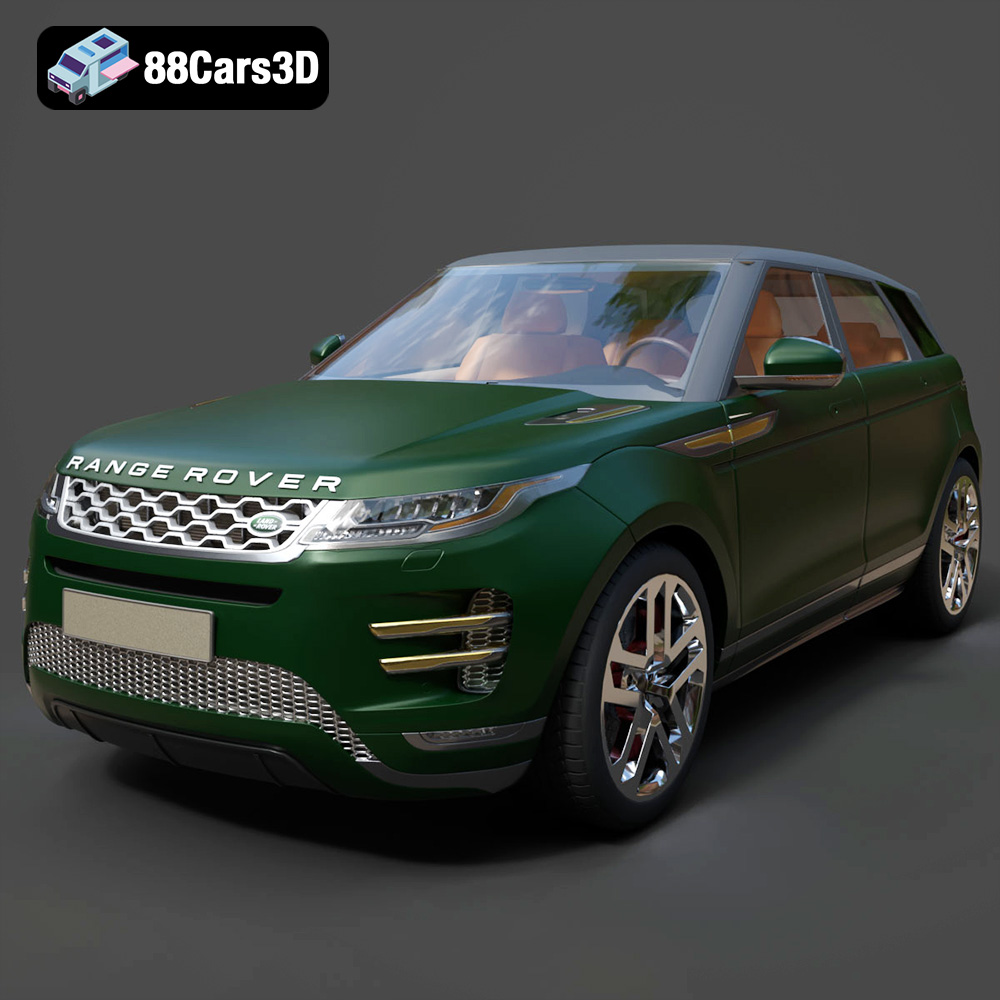
Texture: Yes | Material: Yes
Download the highly detailed, game-ready Range Rover Evoque R-Dynamic 2019 3D Model. Features flush deployable door handles, Matrix LED headlights, and R-Dynamic styling. Includes .blend, .fbx, .obj, .glb, .stl, .ply, .unreal, and .max formats for game development, AR/VR, and rendering.
Price: $19.99
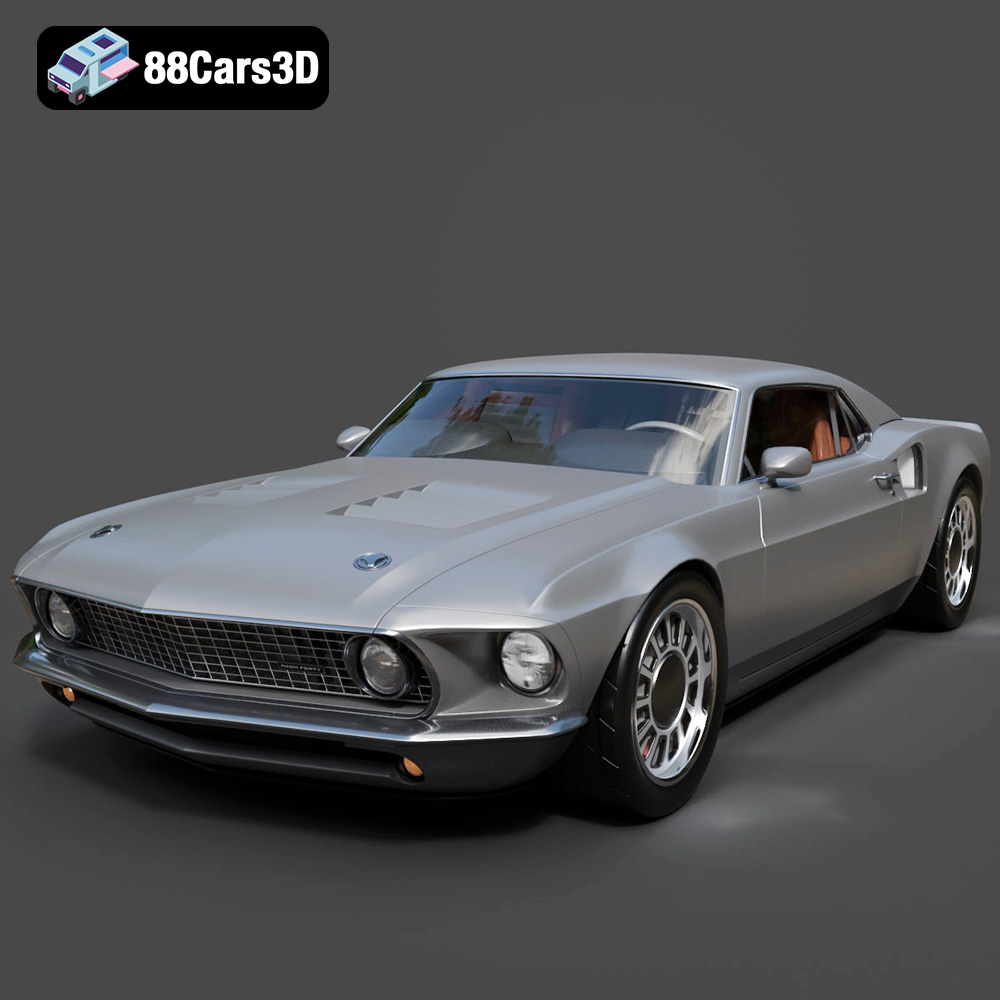
Texture: Yes | Material: Yes
Download the highly detailed, game-ready Ford Mustang Mach 40 3D Model. Features aggressive custom widebody styling, a mid-mounted V8 engine, and classic retro-futuristic design. Includes .blend, .fbx, .obj, .glb, .stl, .ply, .unreal, and .max formats for game development, AR/VR, and rendering.
Price: $19.99
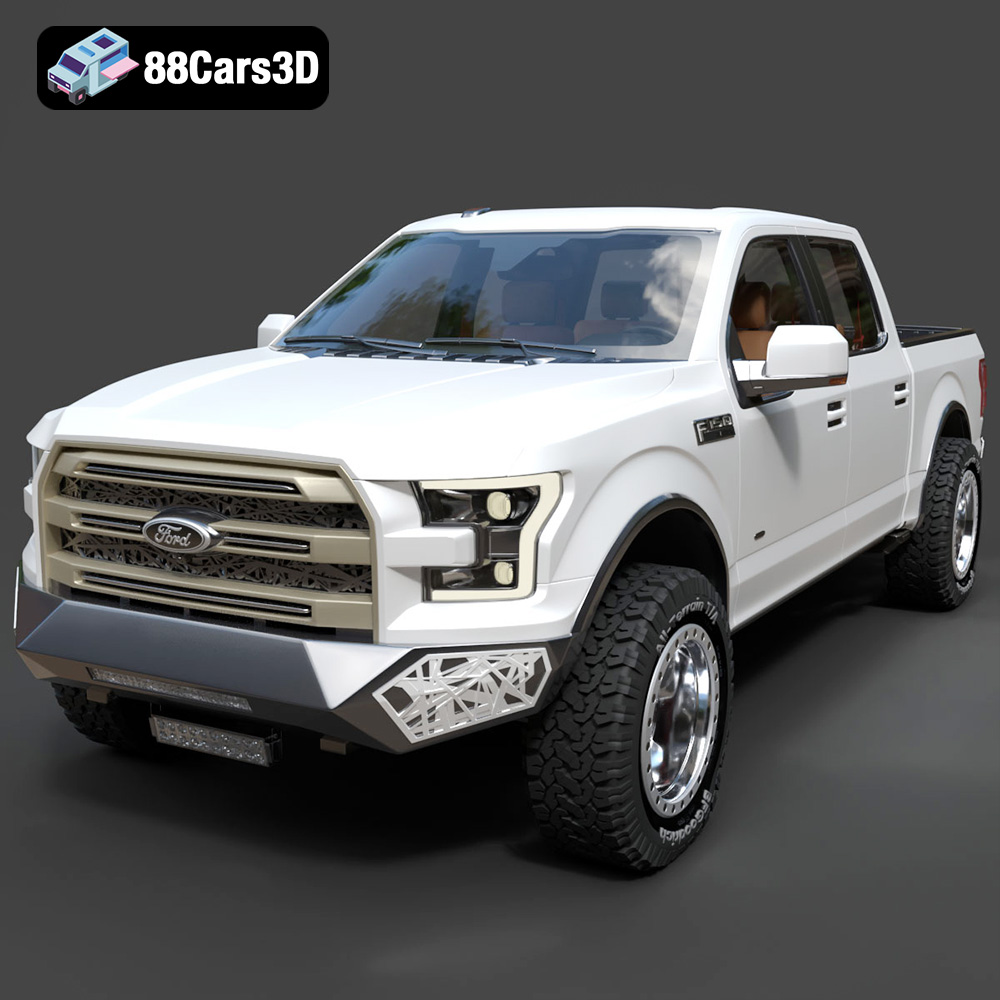
Texture: Yes | Material: Yes
Download the highly detailed, game-ready Ford F150 Raptor With Tuning From ARE 3D Model. Features custom ARE tuning accessories, aggressive off-road suspension, and rugged beadlock wheels. Includes .blend, .fbx, .obj, .glb, .stl, .ply, .unreal, and .max formats for game development, AR/VR, and rendering.
Price: $19.99

Texture: Yes | Material: Yes
Download the highly detailed, game-ready Mercedes-Benz AMG GLE 63 2021 3D Model. Features the iconic Panamericana grille, aggressive aerodynamic body styling, and a meticulously detailed luxurious interior. Includes .blend, .fbx, .obj, .glb, .stl, .ply, .unreal, and .max formats for game development, AR/VR, and rendering.
Price: $19.99
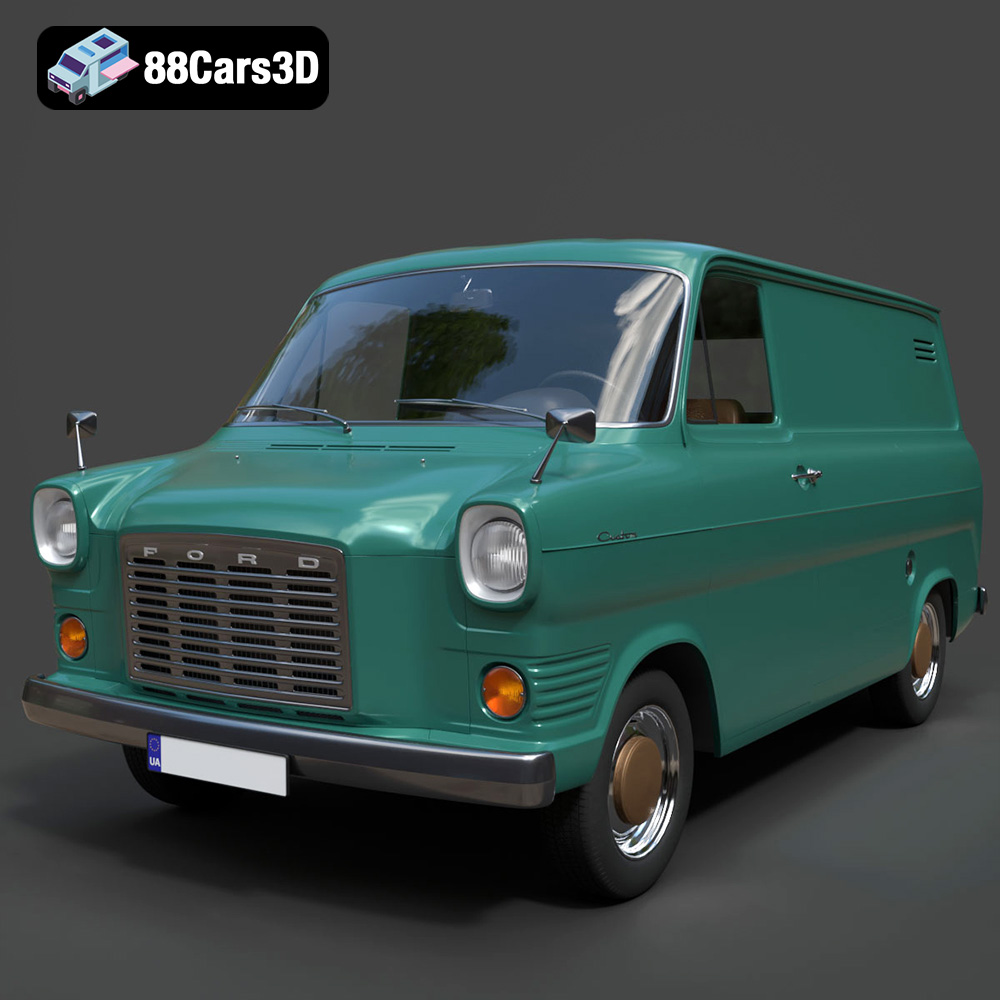
Texture: Yes | Material: Yes
Download the highly detailed, game-ready Ford Transit Mk1 Panel Van 1965 3D Model. Features iconic flat-front styling, vintage steel wheels, and a period-correct cargo bay. Includes .blend, .fbx, .obj, .glb, .stl, .ply, .unreal, and .max formats for game development, AR/VR, and rendering.
Price: $19.99
Texture: Yes | Material: Yes
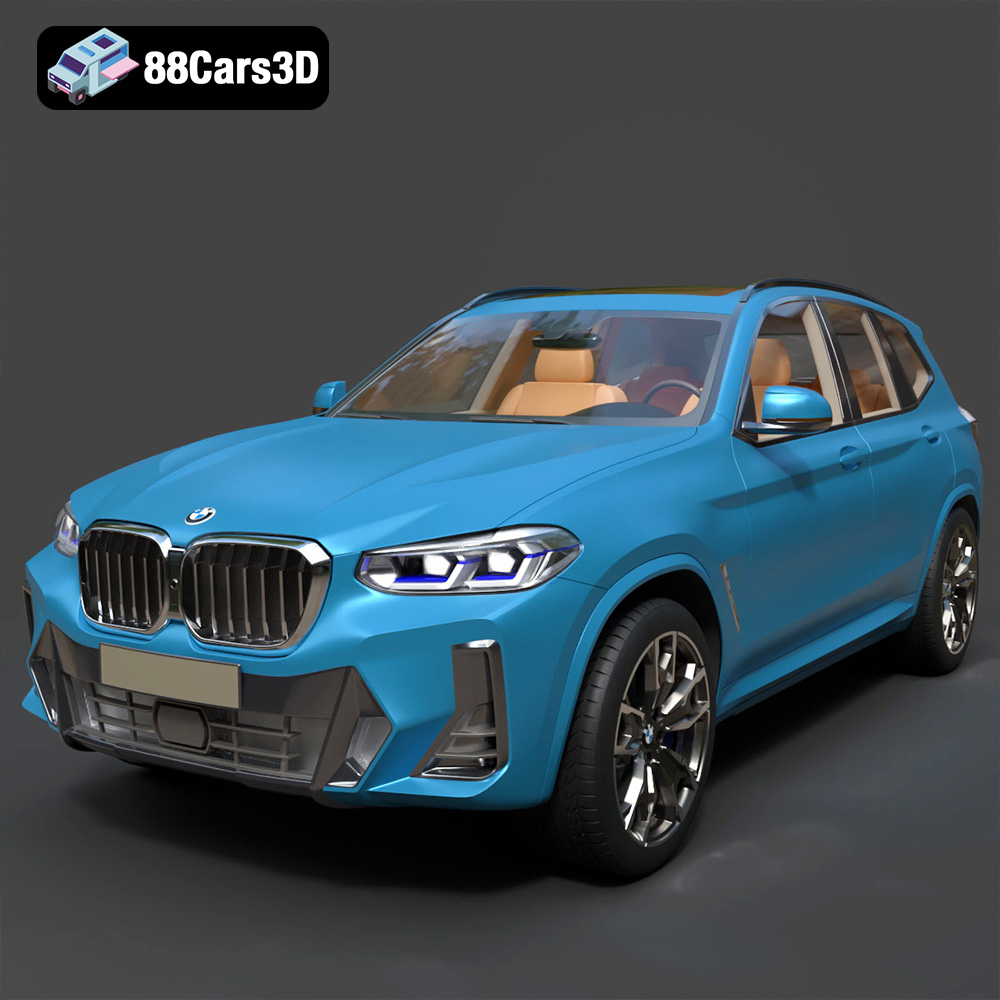
Download the highly detailed, game-ready BMW X3 2024 3D Model. Features the iconic kidney grille, dynamic SUV proportions, and precise lighting elements. Includes .blend, .fbx, .obj, .glb, .stl, .ply, .unreal, and .max formats for game development, AR/VR, and rendering.
Price: $19.99

Texture: Yes | Material: Yes
Download the highly detailed, game-ready Tesla Model S Plaid 2021 3D Model. Features sleek aerodynamic styling, signature LED lighting, and the revolutionary Yoke steering interior. Includes .blend, .fbx, .obj, .glb, .stl, .ply, .unreal, and .max formats for game development, AR/VR, and rendering.
Price: $19.99
Texture: Yes | Material: Yes
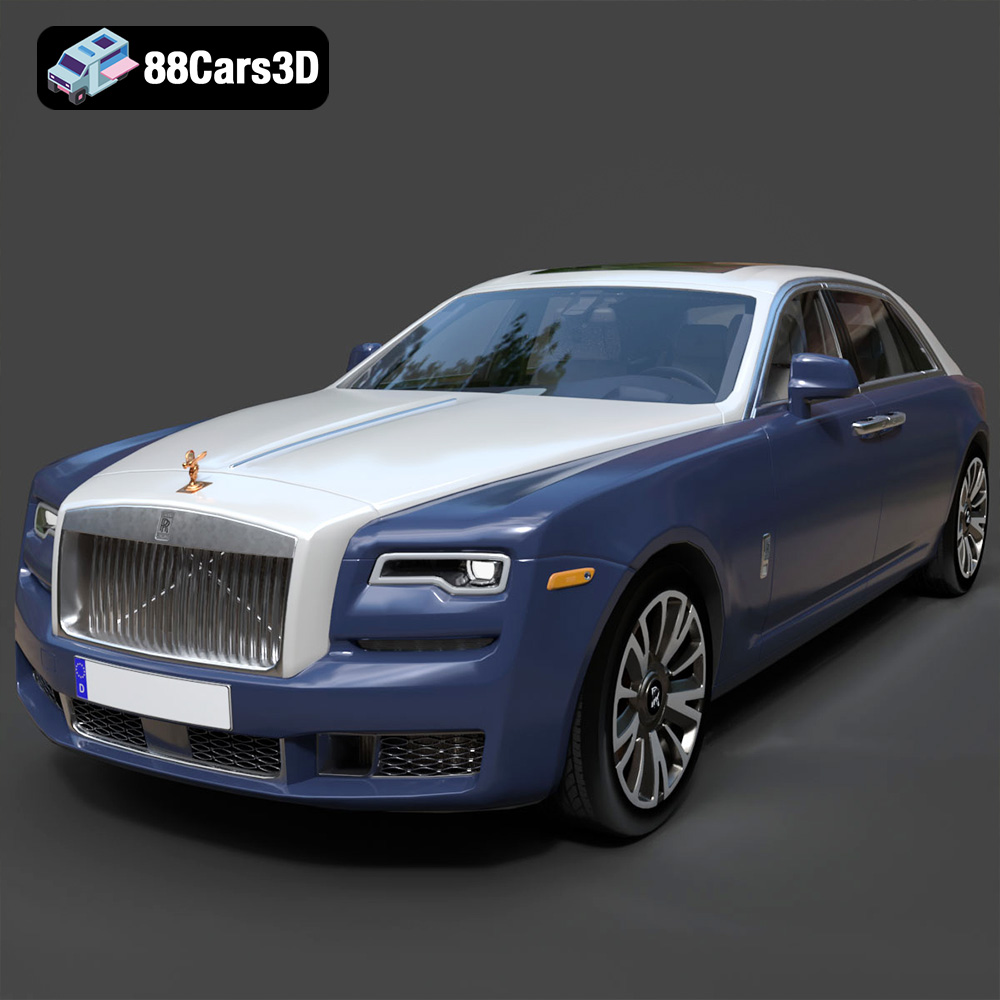
Download the highly detailed, game-ready Rolls-Royce Ghost EWB 2018 3D Model. Features the iconic Pantheon grille, elongated luxury chassis, and elegant exterior lines. Includes .blend, .fbx, .obj, .glb, .stl, .ply, .unreal, and .max formats for game development, AR/VR, and rendering.
Price: $19.99
Texture: Yes | Material: Yes
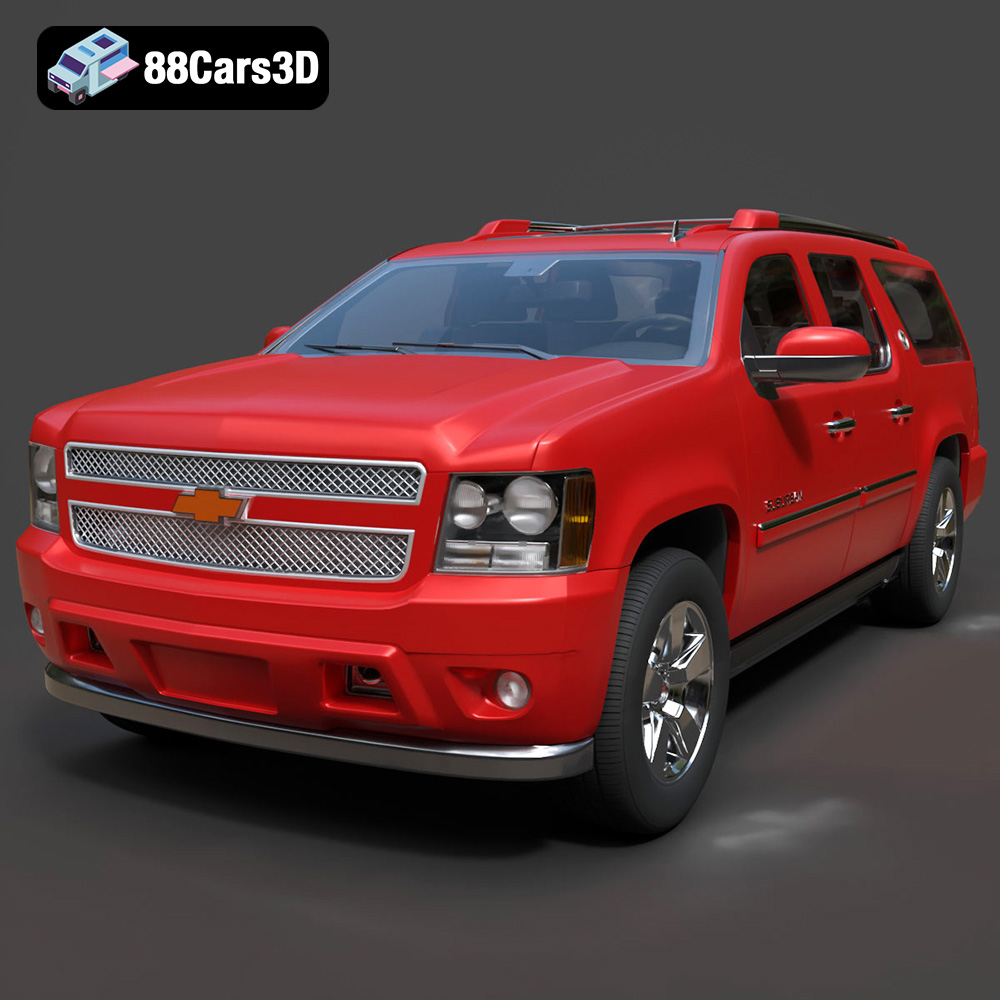
Download the highly detailed, game-ready Chevrolet Suburban 75th Diamond 3D Model. Features the iconic Diamond Edition styling, detailed interior, and accurate full-size SUV proportions. Includes .blend, .fbx, .obj, .glb, .stl, .ply, .unreal, and .max formats for game development, AR/VR, and rendering.
Price: $19.99

Texture: Yes | Material: Yes
Download the highly detailed, game-ready Lamborghini Terzo Millenio 2017 3D Model. Features glowing Y-shaped LED signatures, extreme aerodynamic channels, and an aggressive hypercar stance. Includes .blend, .fbx, .obj, .glb, .stl, .ply, .unreal, and .max formats for game development, AR/VR, and rendering.
Price: $19.99

