Get 20% OFF All Premium 3D & STL Models!

“`html
3D printing has revolutionized the world of model making, offering enthusiasts and professionals alike the ability to create intricate and highly detailed replicas with unprecedented ease. However, not all 3D printers are created equal, and choosing the right one for your model-making needs is crucial for achieving optimal results. This article delves into the key features that matter most when selecting a 3D printer specifically for crafting stunningly accurate and visually appealing models, particularly focusing on car models that are available as STL files on platforms like 88cars3d.com. From understanding the nuances of FDM versus resin printing to mastering slicing parameters and post-processing techniques, we’ll cover everything you need to know to make an informed decision and elevate your model-making game.
The two dominant 3D printing technologies for model making are Fused Deposition Modeling (FDM) and Stereolithography (SLA), often referred to as resin printing. Each has its strengths and weaknesses, making them suitable for different types of models and user preferences.
FDM printers work by extruding molten plastic filament, layer by layer, to build a three-dimensional object. Common materials include PLA, PETG, and ABS. FDM excels at producing larger models quickly and cost-effectively. For instance, if you’re printing a 1/10 scale car model downloaded from 88cars3d.com, FDM would be a good starting point. Layer heights typically range from 0.1mm to 0.3mm, offering a decent level of detail. Infill percentage (the density of the material inside the model) can be adjusted to control the strength and weight of the print; a higher infill percentage like 20-30% is generally recommended for structural integrity. Print speeds usually fall between 40-60 mm/s for optimal balance of speed and quality. Adhesion to the print bed is crucial in FDM, therefore a heated bed is practically mandatory. Use of adhesives such as glue sticks or specialized build plate surfaces is also highly recommended.
Resin printers use a liquid resin that is cured layer by layer by a UV light source. SLA, DLP, and MSLA are common resin printing technologies. This results in incredibly fine details and smooth surfaces, ideal for intricate models with complex geometries. Layer heights in resin printing can go as low as 0.025mm (25 microns), achieving stunning levels of detail. Resin printing is particularly suitable for smaller scale models or parts that require exceptional surface finish. A typical exposure time for each layer can range from 2 to 8 seconds depending on the resin used and the printer’s light source. Support structures are almost always required in resin printing and need to be carefully placed to minimize their impact on the finished model. After printing, parts must be washed in isopropyl alcohol (IPA) to remove uncured resin and then post-cured under UV light to achieve full hardness.
Resolution, measured in microns (µm), and layer height, measured in millimeters (mm), are key factors that determine the level of detail a 3D printer can achieve. Lower layer heights and higher resolutions result in smoother surfaces and more intricate details, which are crucial for creating realistic and visually appealing models.
X/Y resolution refers to the smallest movement the print head or UV light source can make in the horizontal plane. In FDM printing, this is determined by the nozzle size. A smaller nozzle (e.g., 0.25mm) allows for finer details but can increase print time. In resin printing, the X/Y resolution is determined by the pixel size of the LCD screen or the precision of the laser. Resin printers typically offer significantly higher X/Y resolution than FDM printers, allowing for incredibly detailed surface textures. For car models with intricate panel lines or small details, a resin printer with an X/Y resolution of 50 microns or less is highly recommended.
Z resolution, or layer height, is the thickness of each layer of material deposited during the printing process. Lower layer heights result in smoother surfaces and less visible layer lines. In FDM printing, layer heights typically range from 0.05mm to 0.3mm. While lower layer heights improve surface finish, they also increase print time significantly. A good starting point for printing car models with FDM is 0.1mm to 0.15mm layer height. In resin printing, layer heights can go as low as 0.025mm (25 microns), resulting in extremely smooth surfaces and almost invisible layer lines. However, using the lowest possible layer height is not always necessary; a layer height of 0.05mm to 0.1mm can often provide an excellent balance between detail and print time for resin-printed models.
The build volume of a 3D printer refers to the maximum size of an object that can be printed in a single run. It’s essential to consider the size of the models you intend to create when choosing a 3D printer. Larger build volumes offer more flexibility and allow you to print larger, more complex models in one piece, reducing the need for assembly.
When selecting a printer, consider the scale of the car models you’re interested in printing. If you primarily work with 1/24 or 1/18 scale models, a smaller build volume may suffice. However, if you want to print larger 1/10 or 1/8 scale models, or even full-scale components, you’ll need a printer with a significantly larger build volume. Check the specifications on platforms like 88cars3d.com, to understand the dimensions of the models you intend to print. FDM printers generally offer larger build volumes than resin printers. A typical FDM printer might have a build volume of 200mm x 200mm x 250mm, while a resin printer might have a build volume of 120mm x 70mm x 150mm. However, larger resin printers are becoming increasingly available.
Even if a model exceeds the printer’s build volume in one dimension, it may still be possible to print it by strategically orienting it on the build plate or splitting it into multiple parts that can be assembled later. Slicing software like Cura and PrusaSlicer offer tools for scaling, rotating, and cutting models. Splitting a model into multiple parts can also improve print quality by reducing the need for support structures and allowing for more optimal print orientations for each individual part. Ensure that split parts have a flat surface for easy adhesion during assembly. Dowels can also be added to the parts, to provide strong, invisible, and precise alignment of split parts.
Slicing software is an essential tool for preparing 3D models for printing. It converts the 3D model into a series of layers that the printer can understand and generates the necessary instructions for the printer’s movements, temperature settings, and material extrusion. Mastering slicing parameters is crucial for achieving optimal print quality.
Several key parameters in slicing software significantly impact the final print quality. Layer height, as discussed earlier, affects the smoothness of the surface and the level of detail. Infill density determines the amount of material inside the model, affecting its strength and weight. Support structures are necessary for printing overhangs and complex geometries, preventing them from collapsing during the printing process. For FDM printing of car models, a layer height of 0.1mm to 0.15mm, an infill density of 20-30%, and a print speed of 40-60 mm/s are good starting points. For resin printing, a layer height of 0.05mm to 0.1mm, a normal exposure time of 2-8 seconds, and a light-off delay of 0.5-1 second are recommended. When generating supports, consider the type of support material, support density, and support placement. Too few supports can lead to print failures, while too many supports can be difficult to remove and leave unsightly marks on the model.
Popular slicing software options include Cura, PrusaSlicer, and Simplify3D, each offering a range of features and customization options. Cura is a free and open-source slicer that is easy to use and offers a wide range of advanced settings. PrusaSlicer is another excellent free option known for its precise and customizable support generation. Simplify3D is a commercial slicer that offers advanced features such as variable layer height and optimized toolpaths. Experiment with different slicing software and settings to find the optimal configuration for your specific printer and model. Most slicing software packages will let you save your configuration as a profile, so you do not have to repeatedly re-enter settings for models that use the same resin, or the same FDM filament.
The material used for 3D printing significantly impacts the final appearance, strength, and durability of the model. Choosing the right filament or resin is crucial for achieving the desired results. Different materials offer different properties, such as flexibility, heat resistance, and impact strength.
For FDM printing, common materials include PLA, PETG, and ABS. PLA is a biodegradable plastic that is easy to print and offers good detail. PETG is more durable and heat-resistant than PLA, making it suitable for functional parts. ABS is a strong and impact-resistant plastic that is commonly used for automotive parts. When printing car models, PLA is a good starting point for beginners due to its ease of use and low warping. PETG is a good choice for parts that require more durability or heat resistance, such as engine components or interior trim. ABS can be used for exterior body panels that require high impact resistance.
For resin printing, a wide range of resins are available, each offering different properties. Standard resins are suitable for general-purpose printing and offer good detail. Tough resins are more impact-resistant and durable, making them suitable for functional parts. Flexible resins are flexible and elastic, allowing for the creation of flexible parts. When printing car models with resin, standard resins are a good choice for most parts, such as body panels and interior details. Tough resins can be used for parts that require more durability, such as suspension components or chassis parts. Flexible resins can be used for tires or rubber seals.
Successful 3D printing relies heavily on proper bed adhesion and effective support structures. Poor bed adhesion can cause the model to detach from the build plate during printing, resulting in a failed print. Inadequate support structures can lead to sagging or collapsing overhangs and complex geometries.
For FDM printing, ensuring good bed adhesion is crucial. Techniques include using a heated bed, applying a layer of glue stick or hairspray to the build plate, and using a brim or raft to increase the contact area between the model and the build plate. The ideal bed temperature will vary from material to material. Typical PLA prints use 60-70 degrees Celsius. Using a heated bed is recommended for both FDM and resin printing, although for different reasons. In FDM, it promotes adhesion, while in resin, it helps to keep the resin at an optimal viscosity. For resin printing, ensuring good bed adhesion involves leveling the build plate properly, using a resin with good adhesion properties, and increasing the exposure time for the first few layers. Some resins require specialized build plates that have been roughened or coated, to allow reliable adhesion. Also, remember to clean the build plate with IPA between each print!
Support structures are essential for printing overhangs and complex geometries. The goal is to generate supports that are strong enough to support the model during printing but also easy to remove without damaging the finished part. Slicing software offers various support generation options, including tree supports, linear supports, and custom supports. Experiment with different support types and settings to find the optimal configuration for your specific model. After printing, carefully remove the supports using tools such as pliers, knives, or sandpaper. For resin prints, consider using warm water to soften the supports before removal. Some resins are also designed to be dissolved using special solvents, which is useful for models with complex, hard-to-reach support structures. Careful positioning of the model in the slicer and generation of supports will help ensure the printed model comes out as expected, when downloading models from marketplaces such as 88cars3d.com.
Post-processing is the final stage of the 3D printing process, involving a series of steps to refine the appearance and functionality of the printed model. Post-processing techniques can include removing support structures, sanding, painting, and assembling multiple parts.
Sanding is used to remove layer lines and other imperfections from the surface of the model. Start with coarse sandpaper (e.g., 220 grit) and gradually move to finer grits (e.g., 400, 600, 800 grit) to achieve a smooth finish. For FDM prints, consider using a filler primer to fill in any remaining imperfections before sanding. For resin prints, wet sanding can help to prevent the sandpaper from clogging. For even smoother finishes, consider using polishing compounds and a buffing wheel.
Painting is used to add color and realism to the model. Start by applying a primer to the surface of the model to improve adhesion. Then, apply multiple thin coats of paint, allowing each coat to dry completely before applying the next. Use masking tape to create clean lines and sharp edges. Detailing techniques can include adding weathering effects, applying decals, and using washes to highlight recessed areas. For car models, consider using automotive paints and clear coats to achieve a professional-looking finish. After painting, platforms like 88cars3d.com offer print-ready STL files, ensuring a high-quality base for your detailed paintwork.
Choosing the right 3D printer for model making involves considering several key factors, including printing technology (FDM vs. resin), resolution, build volume, slicing software, material selection, bed adhesion, support structures, and post-processing techniques. By understanding these features and how they impact the final print quality, you can make an informed decision and select a 3D printer that meets your specific needs and budget. Whether you’re a hobbyist creating miniature replicas or a professional designing prototypes, the right 3D printer can empower you to bring your ideas to life with stunning detail and accuracy. Start by exploring different printer models and comparing their specifications. Experiment with different slicing parameters and materials to find the optimal settings for your specific models. And don’t be afraid to invest in post-processing tools and techniques to achieve a professional-looking finish. With the right tools and knowledge, you can unlock the full potential of 3D printing and create breathtaking models that impress and inspire.
“`

Texture: Yes | Material: Yes
Download the highly detailed, game-ready Ducati 1299 Panigale S 2017 3D Model. Features signature aerodynamic fairings, detailed Superquadro engine components, and aggressive Italian styling. Includes .blend, .fbx, .obj, .glb, .stl, .ply, .unreal, and .max formats for game development, AR/VR, and rendering.
Price: $19.99
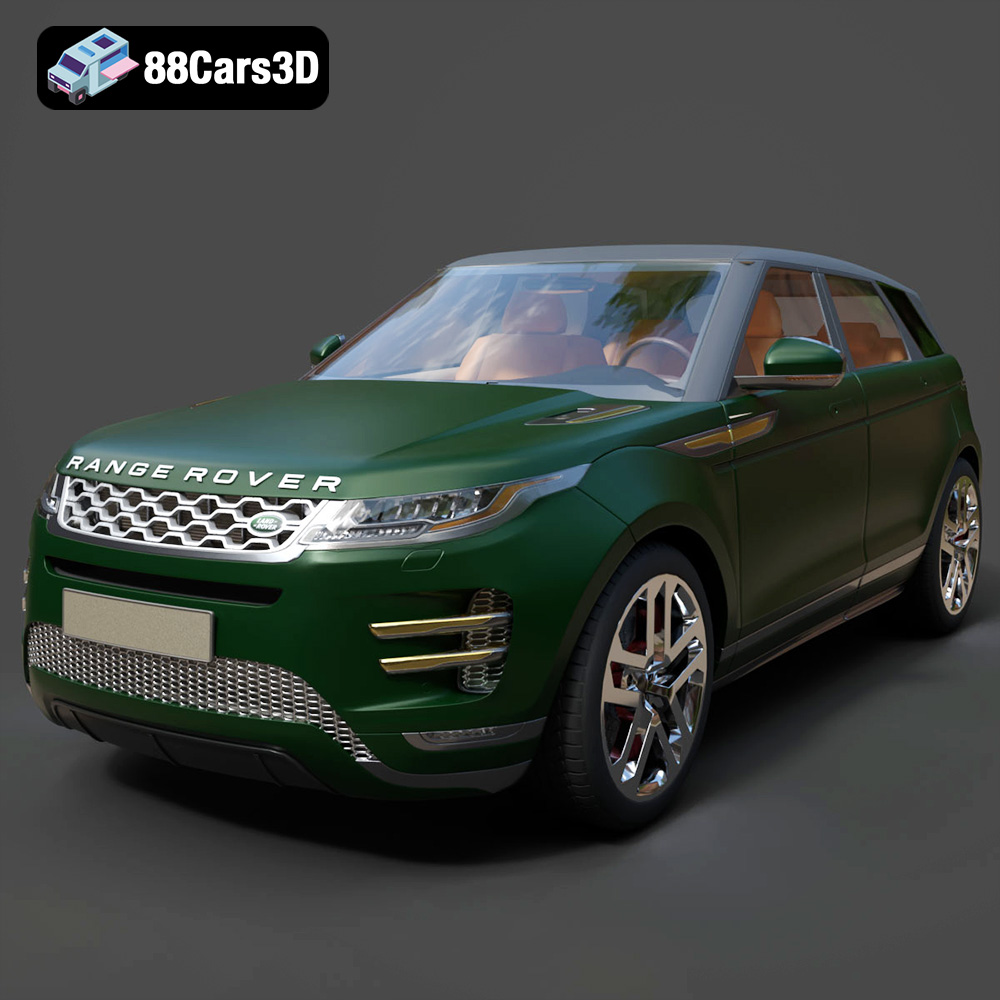
Texture: Yes | Material: Yes
Download the highly detailed, game-ready Range Rover Evoque R-Dynamic 2019 3D Model. Features flush deployable door handles, Matrix LED headlights, and R-Dynamic styling. Includes .blend, .fbx, .obj, .glb, .stl, .ply, .unreal, and .max formats for game development, AR/VR, and rendering.
Price: $19.99

Texture: Yes | Material: Yes
Download the highly detailed, game-ready Ford Mustang Mach 40 3D Model. Features aggressive custom widebody styling, a mid-mounted V8 engine, and classic retro-futuristic design. Includes .blend, .fbx, .obj, .glb, .stl, .ply, .unreal, and .max formats for game development, AR/VR, and rendering.
Price: $19.99
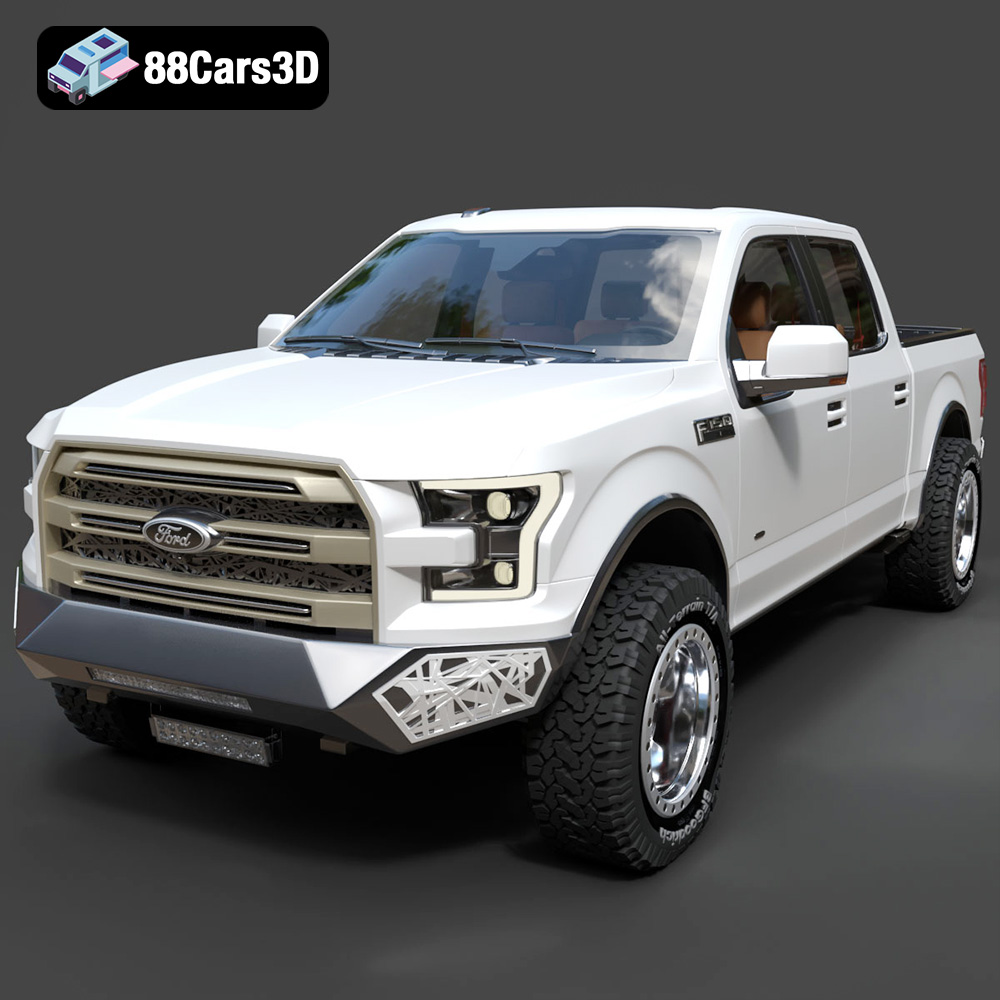
Texture: Yes | Material: Yes
Download the highly detailed, game-ready Ford F150 Raptor With Tuning From ARE 3D Model. Features custom ARE tuning accessories, aggressive off-road suspension, and rugged beadlock wheels. Includes .blend, .fbx, .obj, .glb, .stl, .ply, .unreal, and .max formats for game development, AR/VR, and rendering.
Price: $19.99

Texture: Yes | Material: Yes
Download the highly detailed, game-ready Mercedes-Benz AMG GLE 63 2021 3D Model. Features the iconic Panamericana grille, aggressive aerodynamic body styling, and a meticulously detailed luxurious interior. Includes .blend, .fbx, .obj, .glb, .stl, .ply, .unreal, and .max formats for game development, AR/VR, and rendering.
Price: $19.99
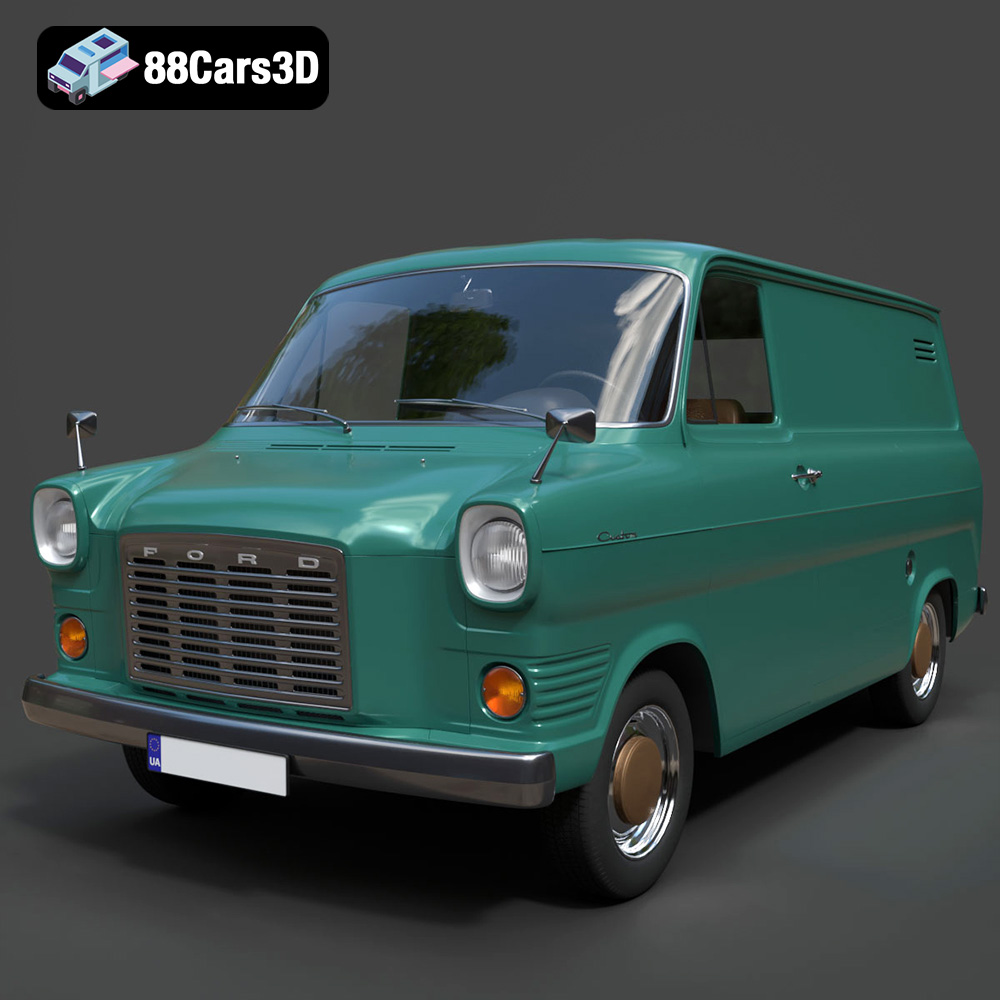
Texture: Yes | Material: Yes
Download the highly detailed, game-ready Ford Transit Mk1 Panel Van 1965 3D Model. Features iconic flat-front styling, vintage steel wheels, and a period-correct cargo bay. Includes .blend, .fbx, .obj, .glb, .stl, .ply, .unreal, and .max formats for game development, AR/VR, and rendering.
Price: $19.99
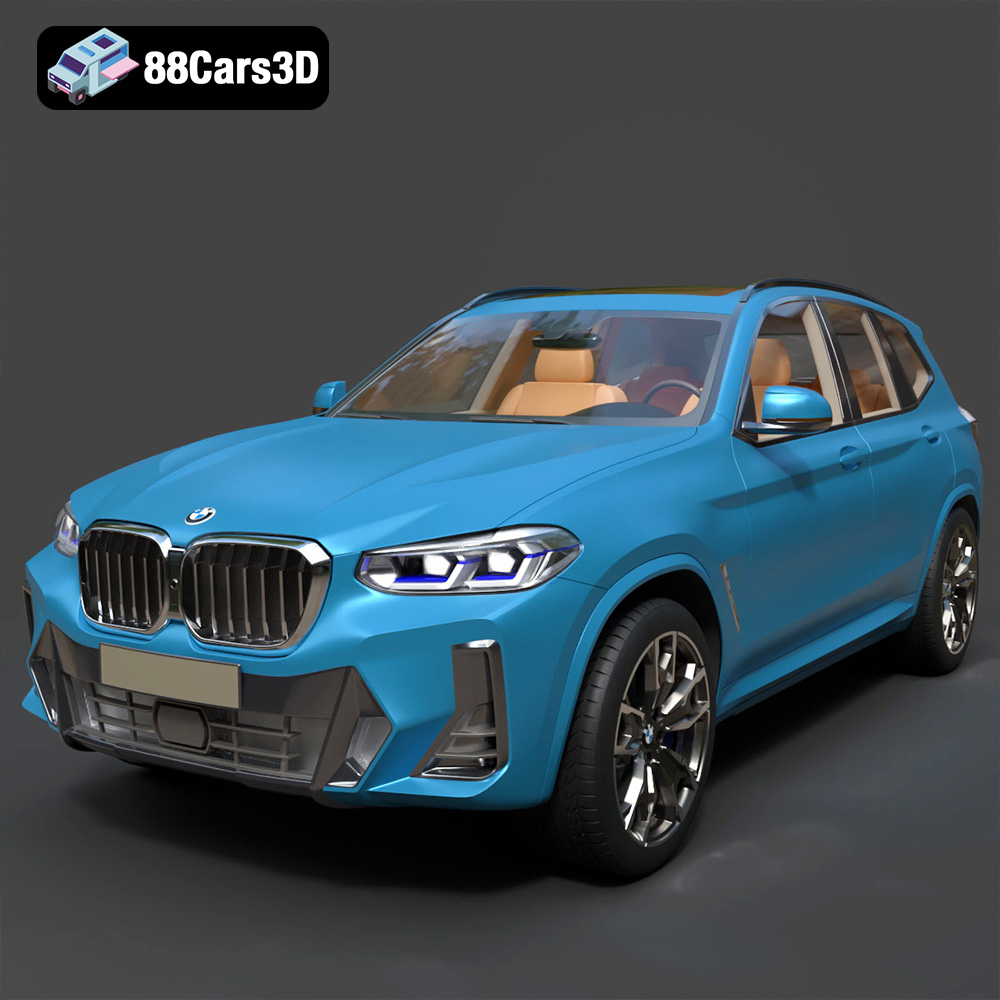
Texture: Yes | Material: Yes
Download the highly detailed, game-ready BMW X3 2024 3D Model. Features the iconic kidney grille, dynamic SUV proportions, and precise lighting elements. Includes .blend, .fbx, .obj, .glb, .stl, .ply, .unreal, and .max formats for game development, AR/VR, and rendering.
Price: $19.99

Texture: Yes | Material: Yes
Download the highly detailed, game-ready Tesla Model S Plaid 2021 3D Model. Features sleek aerodynamic styling, signature LED lighting, and the revolutionary Yoke steering interior. Includes .blend, .fbx, .obj, .glb, .stl, .ply, .unreal, and .max formats for game development, AR/VR, and rendering.
Price: $19.99
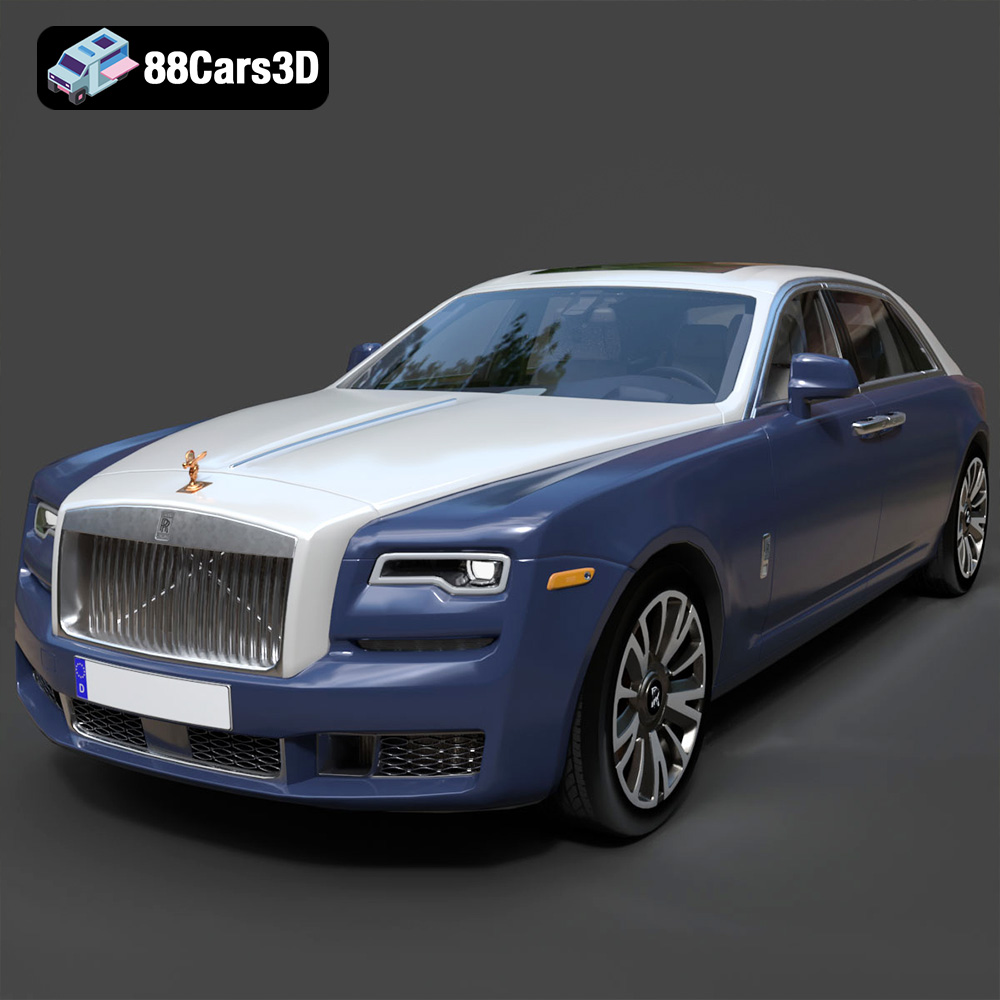
Texture: Yes | Material: Yes
Download the highly detailed, game-ready Rolls-Royce Ghost EWB 2018 3D Model. Features the iconic Pantheon grille, elongated luxury chassis, and elegant exterior lines. Includes .blend, .fbx, .obj, .glb, .stl, .ply, .unreal, and .max formats for game development, AR/VR, and rendering.
Price: $19.99
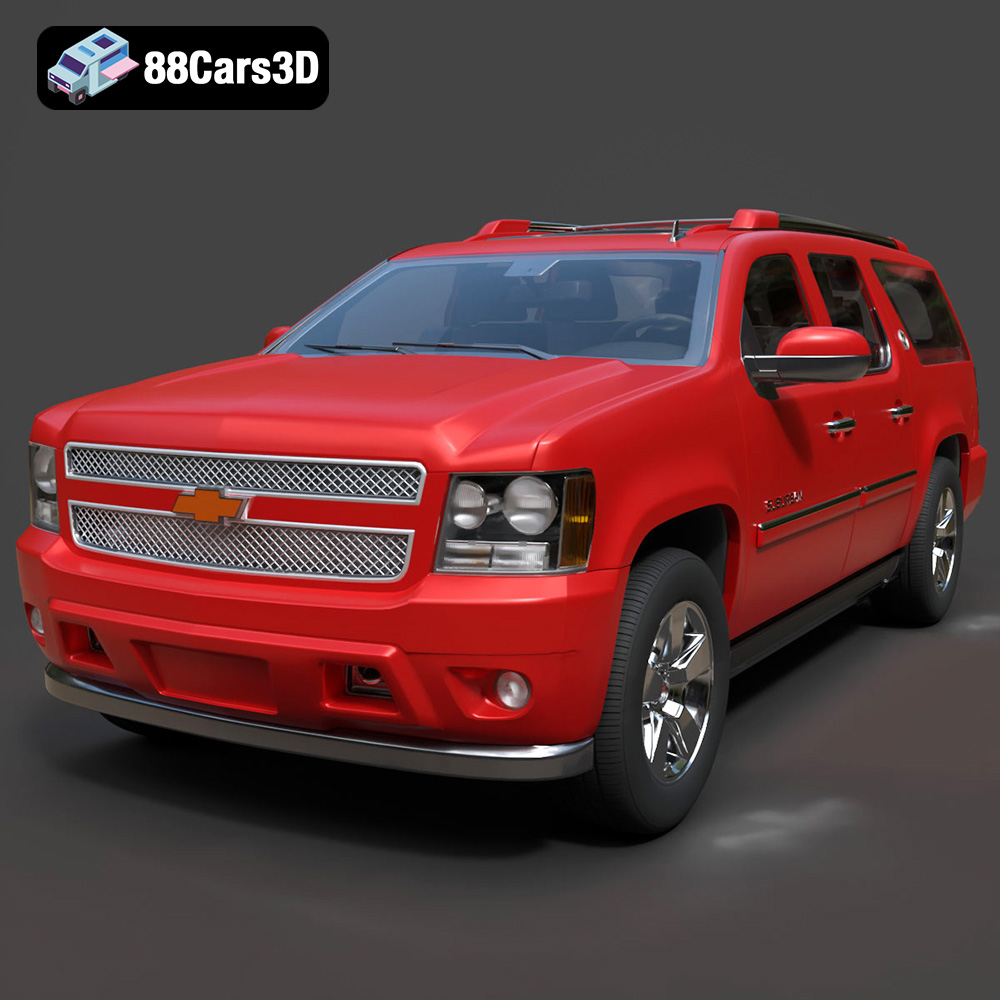
Texture: Yes | Material: Yes
Download the highly detailed, game-ready Chevrolet Suburban 75th Diamond 3D Model. Features the iconic Diamond Edition styling, detailed interior, and accurate full-size SUV proportions. Includes .blend, .fbx, .obj, .glb, .stl, .ply, .unreal, and .max formats for game development, AR/VR, and rendering.
Price: $19.99

