Get 20% OFF All Premium 3D & STL Models!

“`html
The world of 3D printing opens up incredible possibilities, especially for automotive enthusiasts looking to create detailed models. Whether you’re aiming for a display piece, a prototype, or even a functional part, the key to a successful print lies in understanding two crucial factors: wall thickness and support structures. Neglecting these can lead to warped prints, structural weaknesses, or even complete print failures. This comprehensive guide will delve into the intricacies of these parameters, providing you with the knowledge to confidently print stunning vehicle models. We’ll cover everything from STL file considerations to advanced slicing techniques, empowering you to get the most out of your 3D printer and achieve professional-quality results. We’ll also look at how platforms like 88cars3d.com can streamline your model acquisition process.
In this guide, you’ll learn how to:
Wall thickness, as the name suggests, refers to the thickness of the outer shell of your 3D printed model. It’s a critical parameter that directly impacts the strength, weight, and appearance of the final product. Too thin, and your model will be fragile and prone to breakage. Too thick, and you’ll waste material and increase printing time unnecessarily. Finding the sweet spot is key, and it largely depends on the material you’re using and the intended use of the model.
Every material has a minimum wall thickness that’s required for structural integrity. For PLA, a common FDM printing material, this is typically around 0.8mm to 1.2mm when using a standard 0.4mm nozzle. For more demanding applications or larger models, consider increasing this to 1.6mm or even 2mm. Resin printing, on the other hand, can achieve finer details and thinner walls, often down to 0.4mm or even less. However, resin prints can be more brittle, so careful consideration is needed. When downloading models from marketplaces such as 88cars3d.com, be sure to check if they specify a recommended minimum wall thickness for optimal results.
The chosen material dictates the optimal wall thickness. PLA, known for its ease of printing, is suitable for moderate wall thicknesses. PETG offers greater flexibility and impact resistance, often requiring slightly thicker walls for equivalent strength. ABS, while offering high strength and heat resistance, can be more prone to warping, so careful calibration and potentially increased wall thickness are necessary. Resin printing offers a different set of considerations. Standard resins can be more brittle, requiring careful selection of wall thickness to balance detail with durability. Engineering resins offer higher strength and flexibility, allowing for thinner walls without sacrificing structural integrity.
Support structures are temporary scaffolding that provides support for overhanging features during 3D printing. Without them, gravity would cause these features to collapse mid-print, resulting in a failed or severely deformed model. Vehicle models, with their complex curves and intricate details, often require extensive support structures. Mastering support settings is crucial for achieving clean, accurate, and structurally sound prints.
There are several types of support structures available, each with its own advantages and disadvantages. Tree supports, for instance, are branching structures that minimize material usage and contact area, making them easier to remove and reducing the risk of surface damage. Linear supports, on the other hand, provide more robust support for large, flat overhangs. Grid supports offer a good balance between strength and material usage. The choice depends on the specific geometry of your model and the desired level of support. In slicing software like Cura or PrusaSlicer, you can often customize the type, density, and placement of support structures to fine-tune the printing process.
Proper support placement is essential for successful printing. Supports should be strategically positioned to provide adequate support for all overhanging features, while minimizing their impact on the visible surfaces of the model. Over-supporting can lead to difficult removal and potential damage, while under-supporting can result in print failures. Density refers to the spacing between the support structures. Higher density provides more support but also increases material usage and removal difficulty. Lower density reduces material usage but may compromise the stability of overhanging features. Experimentation and careful observation are key to finding the optimal balance for your specific model and printer.
Slicing software acts as the translator between your 3D model and your 3D printer. It takes the STL file and converts it into a series of instructions that the printer can understand, including layer height, print speed, temperature, and support settings. Fine-tuning these parameters is crucial for achieving optimal print quality, especially for complex vehicle models with intricate details.
Layer height determines the resolution of your 3D print. Lower layer heights result in smoother surfaces and finer details, but they also increase printing time significantly. Higher layer heights, on the other hand, reduce printing time but compromise surface quality. A common starting point for FDM printing is a layer height of 0.2mm, but you can experiment with lower values (e.g., 0.1mm or 0.05mm) for particularly detailed areas. Resin printing typically uses much lower layer heights, often in the range of 0.025mm to 0.05mm, to achieve extremely high resolution.
Print speed and temperature are closely related parameters that affect the flow of material during printing. Too high a print speed can lead to under-extrusion and poor layer adhesion, while too low a speed can result in stringing and blobs. Similarly, too high a temperature can cause warping and overheating, while too low a temperature can lead to poor adhesion and layer separation. The optimal settings depend on the material you’re using and the capabilities of your printer. As a general guideline, start with the recommended settings for your material and then fine-tune them based on your observations.
The choice of material profoundly influences the final product’s appearance, strength, and functionality. Several materials are suitable for 3D printing vehicle models, each with its own strengths and weaknesses. Understanding these characteristics allows for informed decisions aligned with project requirements.
PLA (Polylactic Acid) is a popular choice for 3D printing due to its ease of use, biodegradability, and relatively low printing temperature. It’s ideal for creating visually appealing models with intricate details. PLA is well-suited for hobbyists and beginners. However, PLA is not as strong or heat-resistant as other materials, making it less suitable for functional parts or models that will be exposed to high temperatures.
ABS (Acrylonitrile Butadiene Styrene) is a stronger and more heat-resistant material than PLA. It’s often used for creating functional parts and models that require greater durability. ABS requires higher printing temperatures and a heated bed to prevent warping, making it more challenging to print than PLA. However, the increased strength and heat resistance make it a worthwhile choice for demanding applications. Enclosures are generally recommended when printing with ABS to maintain a stable temperature.
Resin printing offers unparalleled detail and precision compared to FDM printing. Resin is ideal for creating highly detailed vehicle models with smooth surfaces and intricate features. Resin printers are generally more expensive than FDM printers, and the resin itself can be costly. Resin printing also requires careful handling and post-processing, including washing and curing. However, the exceptional level of detail makes it a popular choice for creating display models and prototypes.
Even with careful planning and meticulous settings, printing issues can still arise. Recognizing these issues and understanding how to address them is key to achieving consistent and high-quality prints. Let’s explore some common problems encountered when printing vehicle models and effective troubleshooting strategies.
Warping, the lifting of the model’s corners from the print bed, is a common issue, especially when printing with ABS. This is usually due to uneven cooling, causing the material to contract and pull away from the bed. Solutions include using a heated bed, applying adhesive to the bed surface, enclosing the printer to maintain a consistent temperature, and increasing the brim size. Also, ensure your bed is properly leveled before each print.
Stringing occurs when thin strands of filament are left between different parts of the print. This is usually caused by excessive retraction distance or temperature. Try increasing the retraction distance, decreasing the printing temperature, and increasing travel speed. Also, ensure that the filament is dry, as moisture can contribute to stringing. Consider using a filament dryer if you suspect moisture is the issue.
Removing support structures can sometimes be challenging, especially in tight spaces or when the supports are strongly adhered to the model. Using the correct support settings (density, type) from the start is crucial. Employ tools like flush cutters, pliers, and specialized support removal tools. Soaking the print in warm water can also soften the supports and make them easier to remove. Be patient and avoid applying excessive force, which can damage the model.
Once your vehicle model is printed, post-processing techniques can elevate the final product from a raw print to a polished masterpiece. These techniques involve refining the surface, removing imperfections, and adding finishing touches to enhance the model’s appearance and durability.
Sanding is a crucial step for smoothing out layer lines and imperfections on 3D printed models. Start with coarse sandpaper (e.g., 180-grit) to remove major imperfections, then gradually move to finer grits (e.g., 400-grit, 600-grit, 800-grit) to achieve a smooth surface. Wet sanding can help to minimize dust and improve the finish. Take your time and be careful not to sand too aggressively, which can remove too much material and alter the model’s shape.
Painting is a great way to add color, depth, and realism to your vehicle model. Start with a primer to create a uniform base for the paint. Use acrylic paints for their durability and ease of use. Apply thin, even coats and allow each coat to dry completely before applying the next. Use masking tape to create clean lines and sharp details. Consider using weathering techniques, such as dry brushing and washes, to add realism and character to your model.
By mastering wall thickness and support settings, along with fine-tuning slicing parameters and post-processing techniques, you can unlock the full potential of 3D printing and create stunning vehicle models. Platforms like 88cars3d.com provide access to a wide range of high-quality, print-ready STL files, making the process even easier. Remember to experiment, be patient, and enjoy the creative process.
Mastering the art of 3D printing vehicle models boils down to a keen understanding of wall thickness and support structures. We’ve explored the critical balance between structural integrity and material efficiency when setting wall thicknesses. Choosing the right material, whether it’s PLA for ease, ABS for strength, or resin for unmatched detail, complements this decision. Proper support generation, removal, and the fine-tuning of slicing parameters ensures the intended design translates accurately. Furthermore, learning to troubleshoot common printing issues and applying professional post-processing techniques transforms a simple print into a captivating replica. Remember, each print is a learning opportunity. Document your settings, observe the results, and refine your approach. Armed with the knowledge shared, venture forth and bring your dream car models to life with confidence and precision. Happy printing!
“`

Texture: Yes | Material: Yes
Download the highly detailed, game-ready Ducati 1299 Panigale S 2017 3D Model. Features signature aerodynamic fairings, detailed Superquadro engine components, and aggressive Italian styling. Includes .blend, .fbx, .obj, .glb, .stl, .ply, .unreal, and .max formats for game development, AR/VR, and rendering.
Price: $19.99
Texture: Yes | Material: Yes
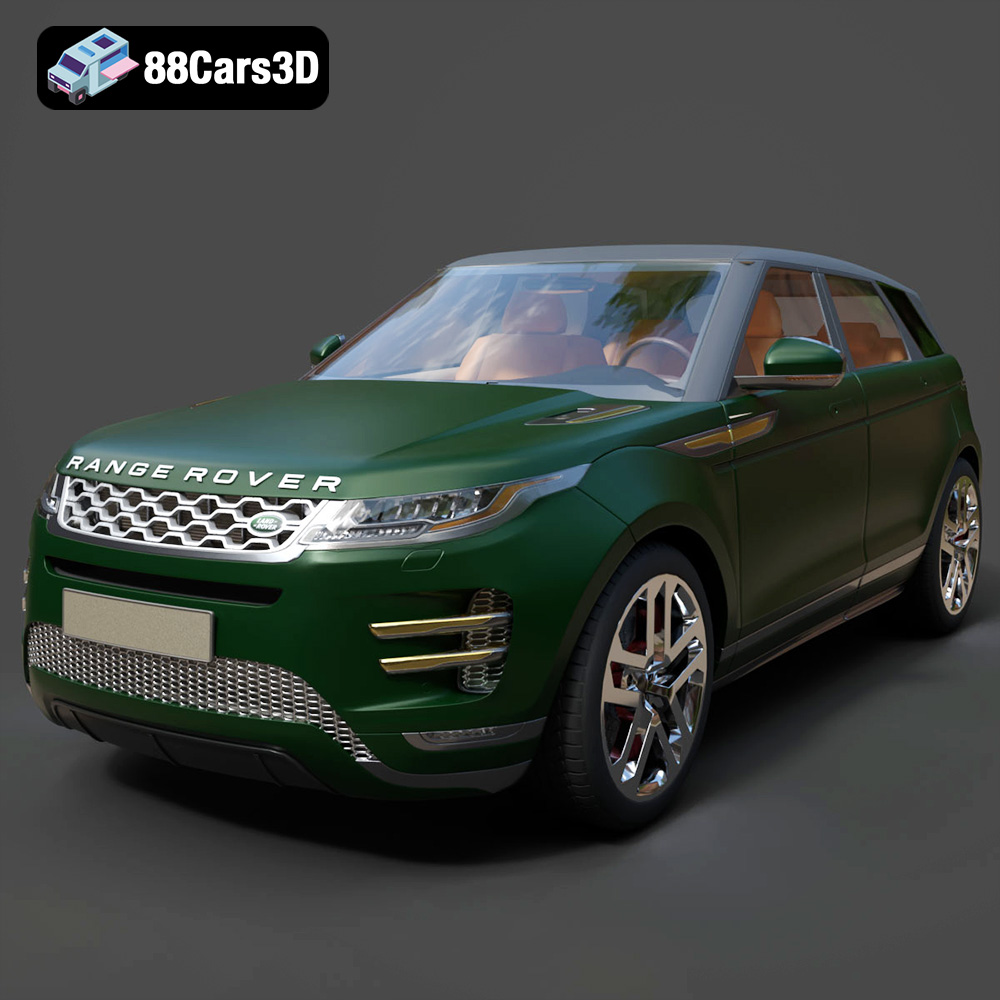
Download the highly detailed, game-ready Range Rover Evoque R-Dynamic 2019 3D Model. Features flush deployable door handles, Matrix LED headlights, and R-Dynamic styling. Includes .blend, .fbx, .obj, .glb, .stl, .ply, .unreal, and .max formats for game development, AR/VR, and rendering.
Price: $19.99

Texture: Yes | Material: Yes
Download the highly detailed, game-ready Ford Mustang Mach 40 3D Model. Features aggressive custom widebody styling, a mid-mounted V8 engine, and classic retro-futuristic design. Includes .blend, .fbx, .obj, .glb, .stl, .ply, .unreal, and .max formats for game development, AR/VR, and rendering.
Price: $19.99
Texture: Yes | Material: Yes
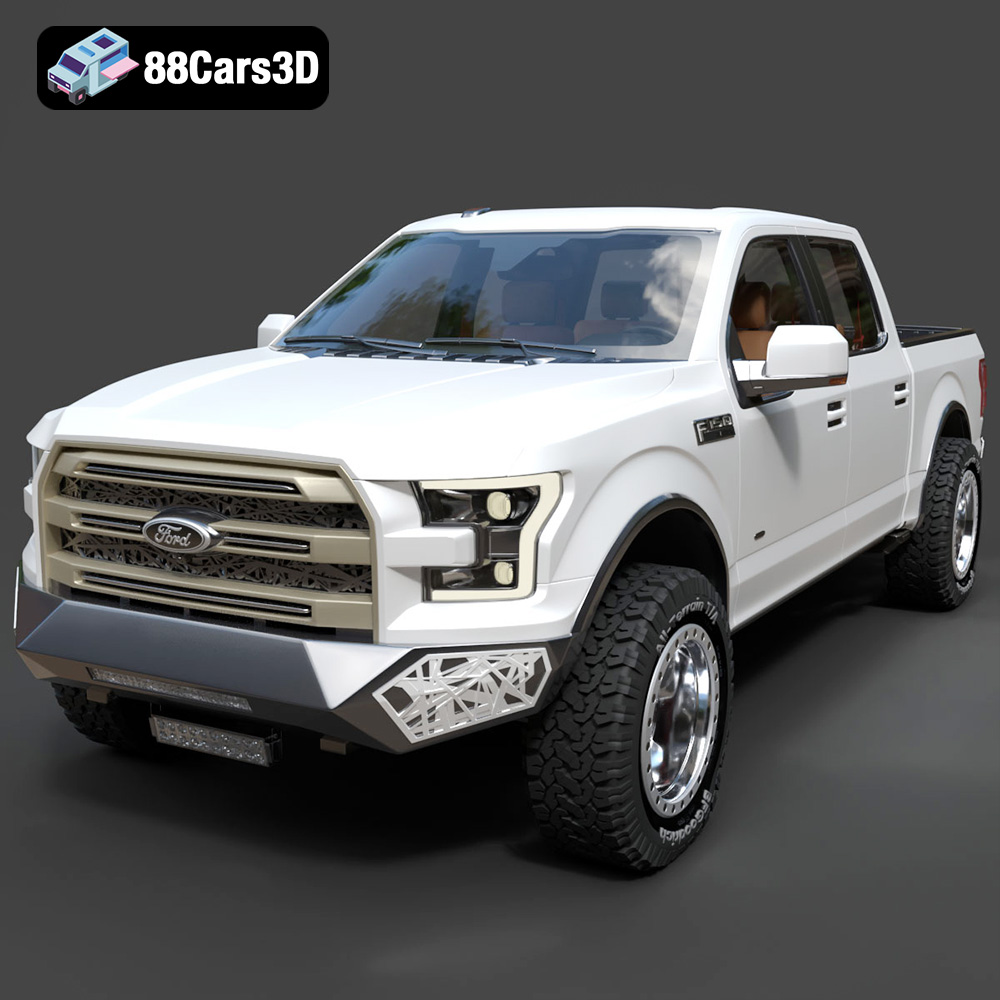
Download the highly detailed, game-ready Ford F150 Raptor With Tuning From ARE 3D Model. Features custom ARE tuning accessories, aggressive off-road suspension, and rugged beadlock wheels. Includes .blend, .fbx, .obj, .glb, .stl, .ply, .unreal, and .max formats for game development, AR/VR, and rendering.
Price: $19.99

Texture: Yes | Material: Yes
Download the highly detailed, game-ready Mercedes-Benz AMG GLE 63 2021 3D Model. Features the iconic Panamericana grille, aggressive aerodynamic body styling, and a meticulously detailed luxurious interior. Includes .blend, .fbx, .obj, .glb, .stl, .ply, .unreal, and .max formats for game development, AR/VR, and rendering.
Price: $19.99
Texture: Yes | Material: Yes
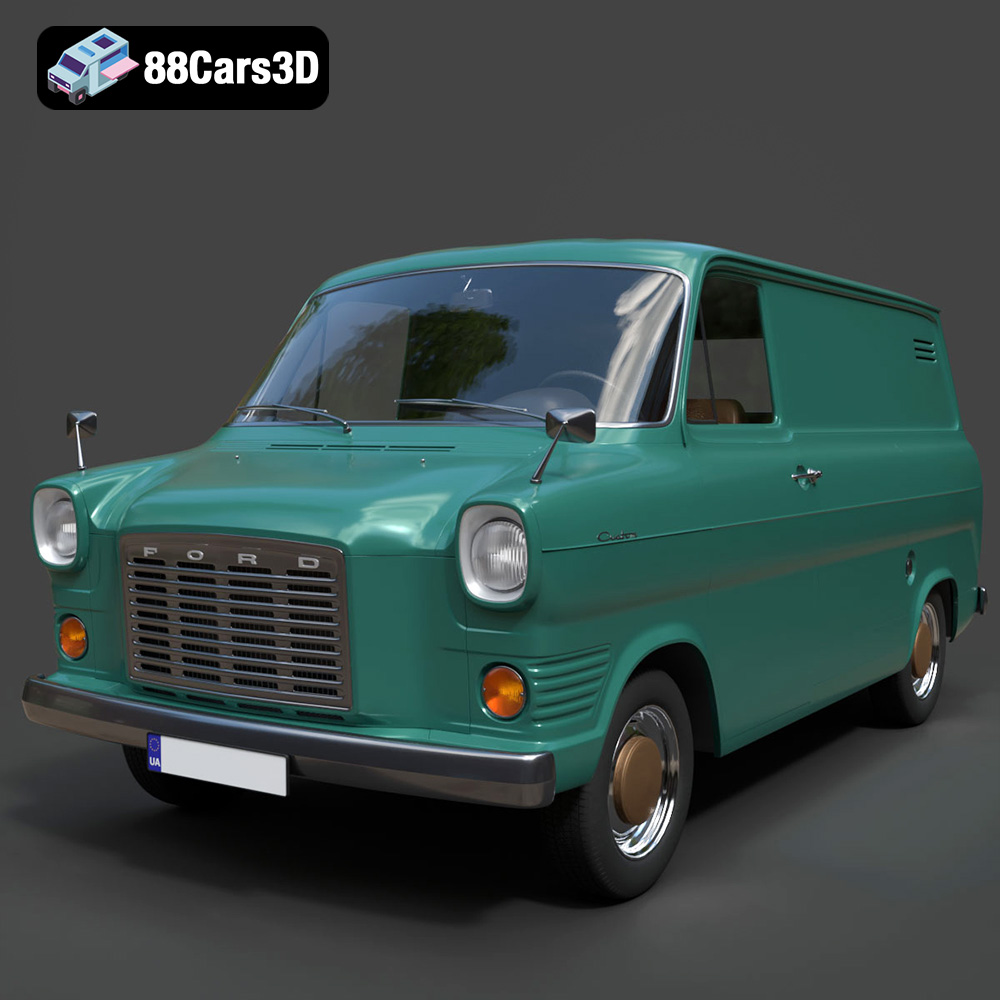
Download the highly detailed, game-ready Ford Transit Mk1 Panel Van 1965 3D Model. Features iconic flat-front styling, vintage steel wheels, and a period-correct cargo bay. Includes .blend, .fbx, .obj, .glb, .stl, .ply, .unreal, and .max formats for game development, AR/VR, and rendering.
Price: $19.99

Texture: Yes | Material: Yes
Download the highly detailed, game-ready BMW X3 2024 3D Model. Features the iconic kidney grille, dynamic SUV proportions, and precise lighting elements. Includes .blend, .fbx, .obj, .glb, .stl, .ply, .unreal, and .max formats for game development, AR/VR, and rendering.
Price: $19.99

Texture: Yes | Material: Yes
Download the highly detailed, game-ready Tesla Model S Plaid 2021 3D Model. Features sleek aerodynamic styling, signature LED lighting, and the revolutionary Yoke steering interior. Includes .blend, .fbx, .obj, .glb, .stl, .ply, .unreal, and .max formats for game development, AR/VR, and rendering.
Price: $19.99

Texture: Yes | Material: Yes
Download the highly detailed, game-ready Rolls-Royce Ghost EWB 2018 3D Model. Features the iconic Pantheon grille, elongated luxury chassis, and elegant exterior lines. Includes .blend, .fbx, .obj, .glb, .stl, .ply, .unreal, and .max formats for game development, AR/VR, and rendering.
Price: $19.99
Texture: Yes | Material: Yes
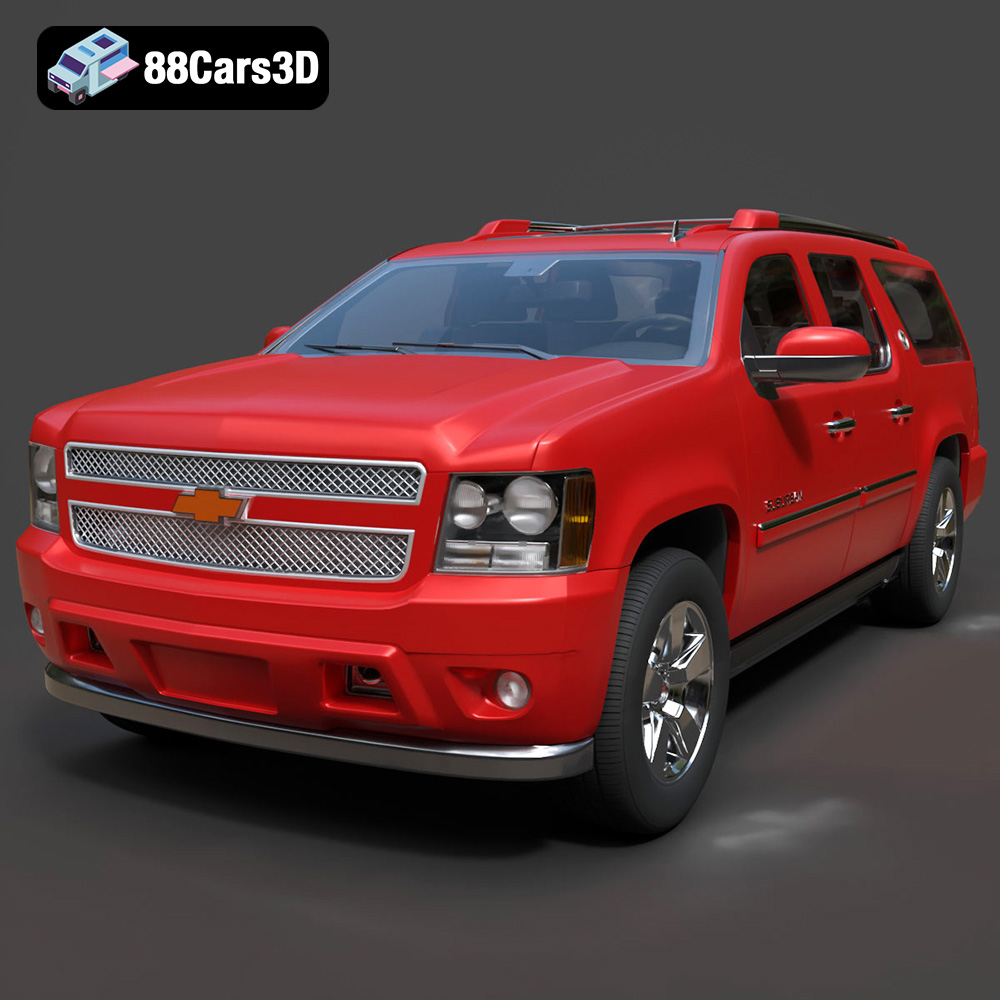
Download the highly detailed, game-ready Chevrolet Suburban 75th Diamond 3D Model. Features the iconic Diamond Edition styling, detailed interior, and accurate full-size SUV proportions. Includes .blend, .fbx, .obj, .glb, .stl, .ply, .unreal, and .max formats for game development, AR/VR, and rendering.
Price: $19.99

