Get 20% OFF All Premium 3D & STL Models!

“`html
3D printing has revolutionized the way we create, prototype, and manufacture. Whether you’re a hobbyist printing figurines, an engineer creating functional prototypes, or a designer bringing your visions to life, understanding the nuances of your 3D printer is crucial. Two of the most important aspects to consider are the nozzle size and the bed size. These parameters directly impact the print quality, speed, and the types of objects you can create. This comprehensive guide will walk you through the factors to consider when selecting the right nozzle and bed size for your specific needs, particularly when printing detailed models such as those available on platforms like 88cars3d.com.
In this post, we will cover:
By the end of this guide, you’ll be equipped with the knowledge to make informed decisions about nozzle and bed size, enabling you to achieve optimal results for every 3D printing project.
The nozzle is a critical component of your 3D printer, acting as the gateway through which molten filament is extruded to create your 3D printed object. The size of the nozzle orifice directly influences the resolution, print speed, and overall strength of your printed parts. A larger nozzle will deposit more material at a faster rate, while a smaller nozzle allows for finer details and smoother surfaces. However, the optimal nozzle size depends on the specific requirements of your project. For example, printing detailed automotive models downloaded from 88cars3d.com often requires a smaller nozzle for intricate details.
The print resolution, particularly the layer height, is heavily influenced by the nozzle size. A general rule of thumb is that the layer height should not exceed 80% of the nozzle diameter. For instance, with a 0.4mm nozzle (the most common size), you can typically achieve a layer height of up to 0.32mm. Using a smaller nozzle, such as a 0.25mm, allows for finer layer heights (e.g., 0.1mm or 0.15mm), resulting in smoother surfaces and more detailed prints. However, smaller layer heights increase print time significantly. Choosing the right balance depends on the desired level of detail and acceptable print time. For high-resolution prints, consider a 0.25mm nozzle with a layer height of 0.1mm. For faster prints with reasonable detail, a 0.4mm nozzle with a layer height of 0.2mm is a good starting point.
Larger nozzles enable faster print speeds because they can extrude more material per unit of time. A 0.8mm nozzle, for instance, can deposit twice as much material as a 0.4mm nozzle in the same amount of time (assuming the printer’s hot end can maintain the required temperature). This can significantly reduce print times for large, less detailed objects. However, using a larger nozzle also means sacrificing fine details. The optimal print speed also depends on the material being used; some materials require slower printing speeds to prevent warping or poor adhesion. Experimentation is key to finding the sweet spot between speed and quality. As a starting point, a 0.4mm nozzle can often print at speeds of 40-60mm/s, while a 0.8mm nozzle might handle speeds of 60-80mm/s, depending on the printer and material.
The bed size of your 3D printer dictates the maximum dimensions of the objects you can print. Selecting the right bed size depends on the scale of your projects. For smaller, intricate models, a smaller bed might suffice, while larger prints require a more substantial build volume. It’s also crucial to consider the frequency with which you’ll be printing larger objects, as purchasing a larger printer solely for occasional large prints might not be the most cost-effective solution.
Before selecting a bed size, analyze the typical size of the objects you intend to print. If you primarily print small components or models (e.g., 100mm x 100mm x 100mm or smaller), a smaller bed size, such as 200mm x 200mm x 200mm, might be adequate. However, if you plan to print larger objects or multiple smaller objects simultaneously, a larger bed size (e.g., 300mm x 300mm x 400mm or larger) is necessary. Consider future projects as well; it’s often better to slightly overestimate your needs than to be limited by a bed that’s too small. For printing larger automotive models, a bed size of at least 250mm x 250mm is often recommended. Note that the printable area can sometimes be slightly smaller than the stated bed dimensions due to the printer’s mechanical limitations.
The orientation of your print on the bed can significantly impact the required bed size. Optimizing the orientation to minimize the footprint of the object on the bed can allow you to print larger objects on a smaller printer. Slicing software like Cura and PrusaSlicer offer tools to rotate and position your models effectively. However, be mindful of the impact of orientation on support structures; certain orientations might require more support material, potentially increasing print time and material usage. Experiment with different orientations to find the optimal balance between bed utilization, support structure requirements, and print quality. Sometimes, dividing a large model into smaller parts that can be printed separately and then assembled can be a viable alternative to printing the entire model at once.
The choice of materials you intend to use also influences the optimal nozzle and bed size. Some materials, like flexible filaments (TPU), are more challenging to print and might require a smaller nozzle and slower print speeds to prevent clogging or extrusion issues. Other materials, such as ABS, are prone to warping and require a heated bed to ensure proper adhesion. Understanding the specific requirements of each material is crucial for successful 3D printing. When downloading models from marketplaces such as 88cars3d.com, check the recommended materials and printer settings for optimal results.
Certain materials are more abrasive than others and can wear down your nozzle over time. Carbon fiber-filled filaments, for instance, are highly abrasive and require hardened steel or ruby nozzles to prevent premature wear. Flexible filaments, such as TPU, often require a shorter, more constrained filament path to prevent buckling and ensure consistent extrusion. The nozzle temperature also plays a critical role; each material has an optimal temperature range, and exceeding this range can lead to issues like stringing or warping. Refer to the material manufacturer’s recommendations for the optimal nozzle temperature and print settings. As a general guideline, PLA typically prints well with a nozzle temperature of 200-220°C, while ABS requires a higher temperature of 230-250°C. PETG usually prints between 220-240°C.
A heated bed is essential for printing materials like ABS, which are prone to warping due to thermal contraction during cooling. The heated bed helps maintain a consistent temperature across the first layer, ensuring proper adhesion and preventing warping. The optimal bed temperature depends on the material being used; ABS typically requires a bed temperature of 100-110°C, while PLA generally prints well with a bed temperature of 60-70°C. PETG can be printed with or without a heated bed, but a temperature of 70-80°C is often recommended. Bed adhesion can be further improved by using adhesion aids such as hairspray, glue sticks, or specialized bed adhesion coatings. Regularly cleaning the print bed with isopropyl alcohol is also crucial for maintaining good adhesion. Additionally, ensuring the bed is properly leveled is paramount to consistent first-layer adhesion.
Optimizing your 3D printing setup involves fine-tuning various parameters to achieve the best possible print quality, speed, and reliability. This includes calibrating your printer, adjusting slicer settings, and implementing effective support structures. Experimentation is key to finding the optimal settings for your specific printer, materials, and print jobs.
Regular calibration is essential for maintaining the accuracy and reliability of your 3D printer. This includes calibrating the extruder (E-steps), leveling the bed, and adjusting the Z-offset. The extruder calibration ensures that the correct amount of filament is extruded, while bed leveling ensures that the first layer is printed evenly across the entire bed. The Z-offset determines the distance between the nozzle and the bed; setting it too high can lead to poor adhesion, while setting it too low can cause the nozzle to scratch the bed. Routine maintenance, such as cleaning the nozzle, lubricating moving parts, and tightening belts, is also crucial for preventing problems and extending the lifespan of your printer. For example, checking and tightening the X and Y axis belts every few months can prevent print inaccuracies.
Slicing software offers a wide range of settings that can be adjusted to optimize your prints. These include layer height, infill density, print speed, temperature, and support settings. Experimenting with different settings can significantly impact the print quality and strength. For example, increasing the infill density can improve the strength of the printed part, while reducing the layer height can improve surface finish. Adjusting the print speed can also affect the print quality; slower speeds often result in smoother surfaces and better adhesion. Support structures are necessary for printing overhanging features, and the type and density of supports can be adjusted to balance support strength with ease of removal. Features like adaptive layer height, available in some slicers, can automatically adjust the layer height based on the geometry of the model, allowing for both high detail and faster print times.
Even with careful planning and optimization, 3D printing is not without its challenges. Common issues related to nozzle and bed size include clogging, poor adhesion, warping, and stringing. Understanding the causes of these issues and implementing appropriate solutions is crucial for successful 3D printing.
Nozzle clogging is a common issue that can be caused by a variety of factors, including debris in the filament, incorrect temperature settings, or a partially blocked nozzle. If you suspect a clogged nozzle, try performing a “cold pull” by heating the nozzle to the printing temperature, then allowing it to cool down slightly before pulling the filament out. This can often remove any debris that is lodged in the nozzle. If the cold pull doesn’t work, you may need to disassemble the hot end and manually clean the nozzle with a thin wire or needle. Ensuring you use high-quality filament and filtering your filament for dust can help prevent clogs in the first place. Increasing the nozzle temperature slightly can also help prevent clogging, especially when printing with materials like PETG.
Poor bed adhesion and warping are common issues, particularly when printing with materials like ABS. Ensure that the bed is properly leveled and clean. Using adhesion aids such as hairspray, glue sticks, or specialized bed adhesion coatings can significantly improve adhesion. A heated bed is essential for preventing warping, and the optimal bed temperature should be adjusted based on the material being used. Enclosing the printer can also help maintain a consistent temperature and prevent drafts, which can contribute to warping. For larger prints, adding a “brim” or “raft” to the first layer can provide a larger surface area for adhesion and further reduce the risk of warping. Also, make sure the cooling fan is not directed at the print during the first few layers, as this can cause the print to cool too quickly and detach from the bed.
Choosing the right nozzle and bed size is paramount for achieving successful and high-quality 3D prints. The nozzle size directly impacts the resolution, print speed, and material compatibility, while the bed size dictates the maximum dimensions of the objects you can print. Understanding the interplay between these parameters and the specific requirements of your projects is crucial for optimizing your 3D printing setup. Remember to consider the typical size of your prints, the materials you intend to use, and the level of detail you require. Platforms like 88cars3d.com offer print-ready STL files designed to work optimally with a range of nozzle sizes and printer settings, so always refer to their recommendations for the best results.
By carefully selecting the appropriate nozzle and bed size, calibrating your printer, and fine-tuning your slicer settings, you can significantly improve the quality, speed, and reliability of your 3D printing projects. Don’t be afraid to experiment with different settings and materials to find the optimal configuration for your specific needs. Happy printing!
“`

Texture: Yes | Material: Yes
Download the highly detailed, game-ready Ducati 1299 Panigale S 2017 3D Model. Features signature aerodynamic fairings, detailed Superquadro engine components, and aggressive Italian styling. Includes .blend, .fbx, .obj, .glb, .stl, .ply, .unreal, and .max formats for game development, AR/VR, and rendering.
Price: $19.99
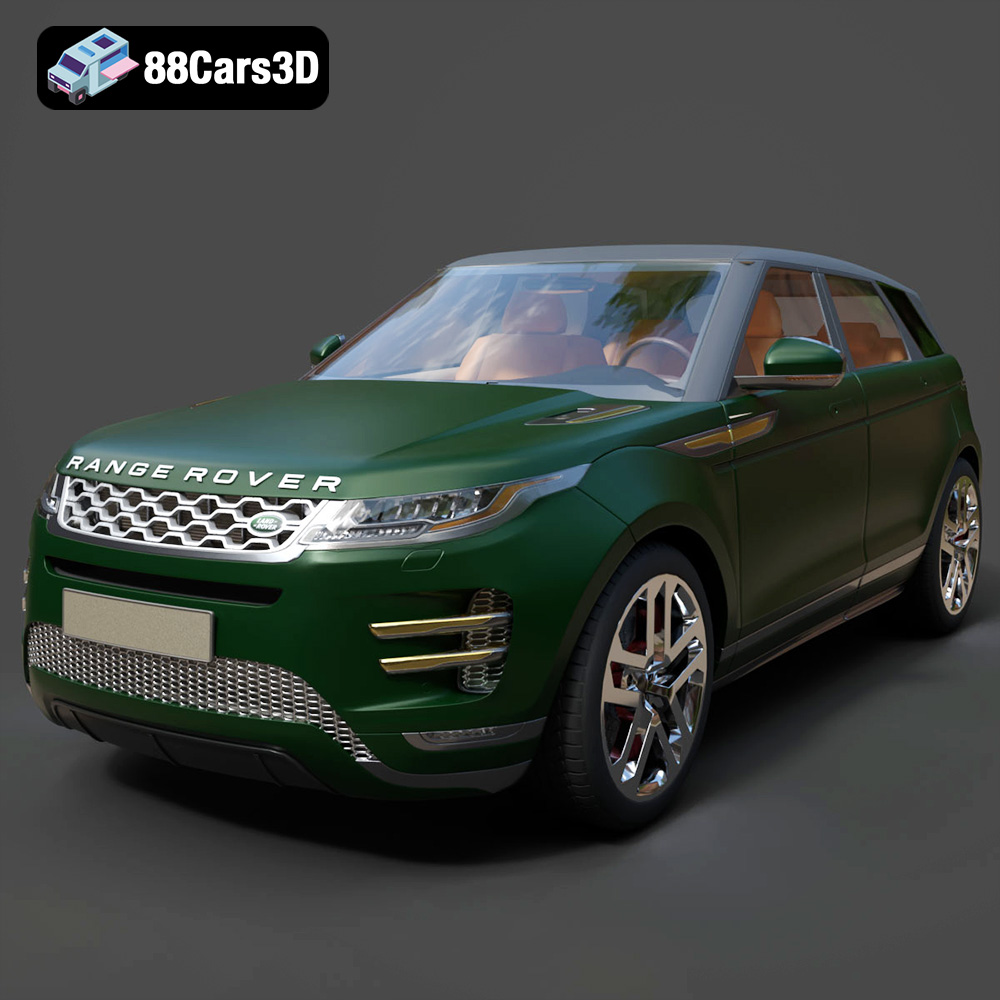
Texture: Yes | Material: Yes
Download the highly detailed, game-ready Range Rover Evoque R-Dynamic 2019 3D Model. Features flush deployable door handles, Matrix LED headlights, and R-Dynamic styling. Includes .blend, .fbx, .obj, .glb, .stl, .ply, .unreal, and .max formats for game development, AR/VR, and rendering.
Price: $19.99

Texture: Yes | Material: Yes
Download the highly detailed, game-ready Ford Mustang Mach 40 3D Model. Features aggressive custom widebody styling, a mid-mounted V8 engine, and classic retro-futuristic design. Includes .blend, .fbx, .obj, .glb, .stl, .ply, .unreal, and .max formats for game development, AR/VR, and rendering.
Price: $19.99
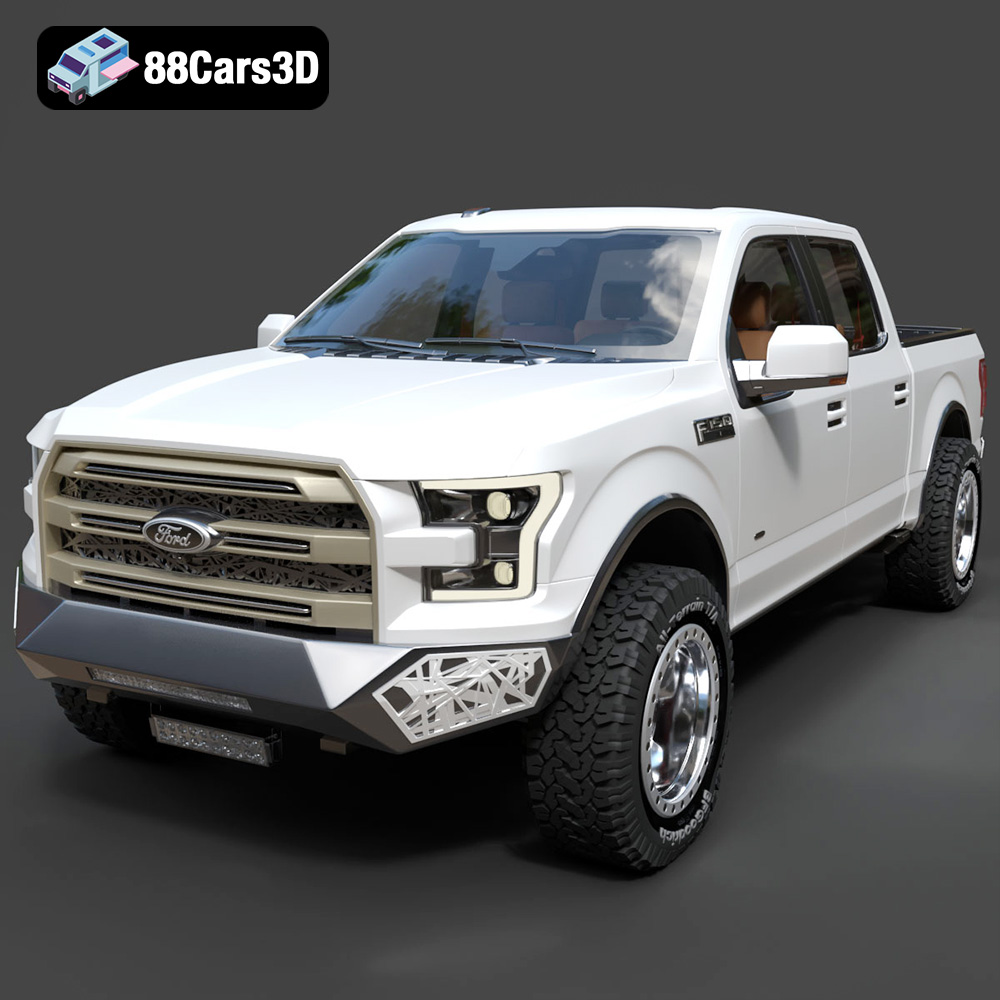
Texture: Yes | Material: Yes
Download the highly detailed, game-ready Ford F150 Raptor With Tuning From ARE 3D Model. Features custom ARE tuning accessories, aggressive off-road suspension, and rugged beadlock wheels. Includes .blend, .fbx, .obj, .glb, .stl, .ply, .unreal, and .max formats for game development, AR/VR, and rendering.
Price: $19.99

Texture: Yes | Material: Yes
Download the highly detailed, game-ready Mercedes-Benz AMG GLE 63 2021 3D Model. Features the iconic Panamericana grille, aggressive aerodynamic body styling, and a meticulously detailed luxurious interior. Includes .blend, .fbx, .obj, .glb, .stl, .ply, .unreal, and .max formats for game development, AR/VR, and rendering.
Price: $19.99
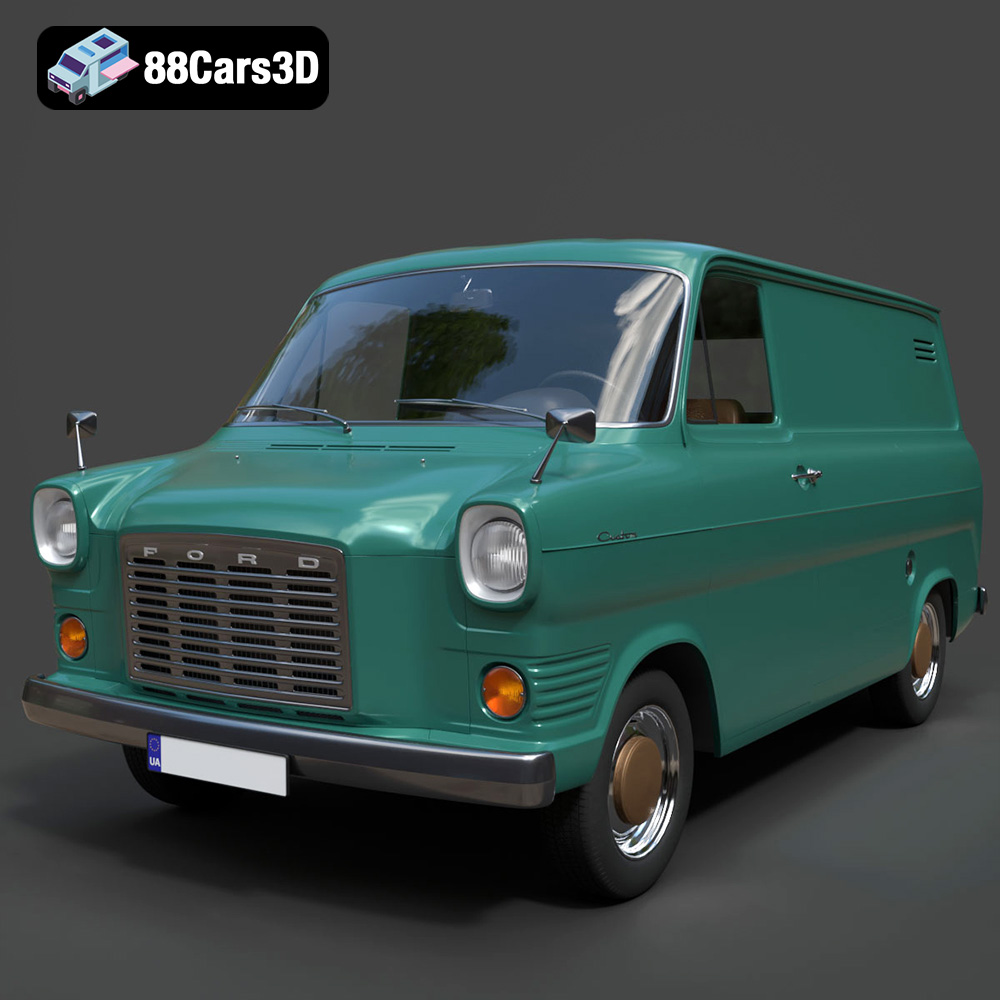
Texture: Yes | Material: Yes
Download the highly detailed, game-ready Ford Transit Mk1 Panel Van 1965 3D Model. Features iconic flat-front styling, vintage steel wheels, and a period-correct cargo bay. Includes .blend, .fbx, .obj, .glb, .stl, .ply, .unreal, and .max formats for game development, AR/VR, and rendering.
Price: $19.99
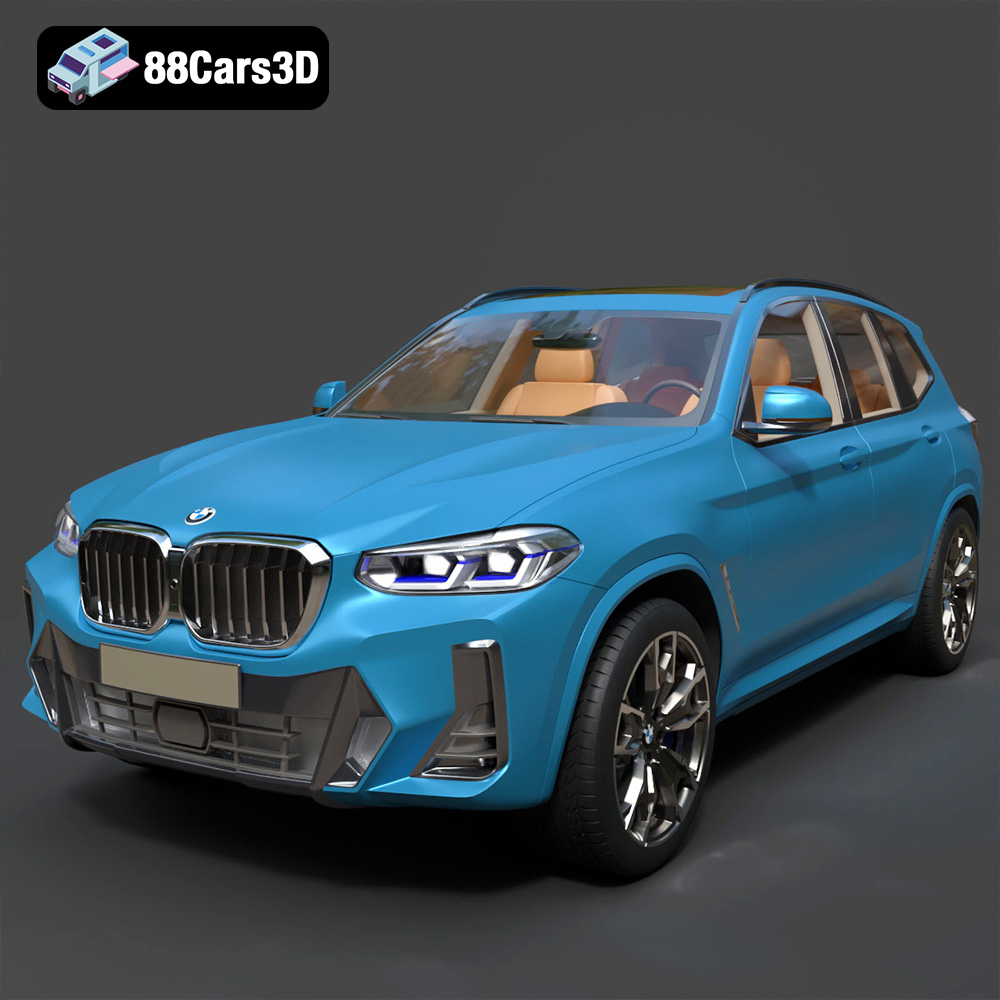
Texture: Yes | Material: Yes
Download the highly detailed, game-ready BMW X3 2024 3D Model. Features the iconic kidney grille, dynamic SUV proportions, and precise lighting elements. Includes .blend, .fbx, .obj, .glb, .stl, .ply, .unreal, and .max formats for game development, AR/VR, and rendering.
Price: $19.99

Texture: Yes | Material: Yes
Download the highly detailed, game-ready Tesla Model S Plaid 2021 3D Model. Features sleek aerodynamic styling, signature LED lighting, and the revolutionary Yoke steering interior. Includes .blend, .fbx, .obj, .glb, .stl, .ply, .unreal, and .max formats for game development, AR/VR, and rendering.
Price: $19.99
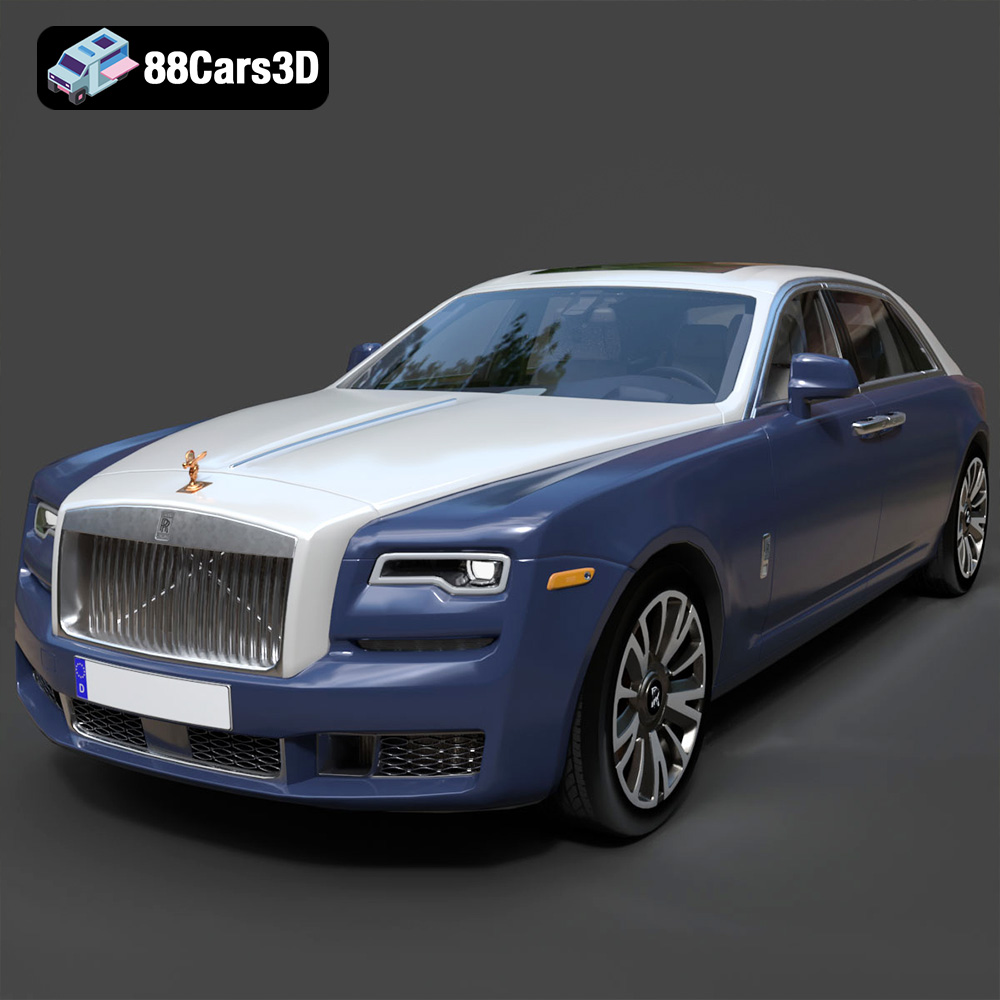
Texture: Yes | Material: Yes
Download the highly detailed, game-ready Rolls-Royce Ghost EWB 2018 3D Model. Features the iconic Pantheon grille, elongated luxury chassis, and elegant exterior lines. Includes .blend, .fbx, .obj, .glb, .stl, .ply, .unreal, and .max formats for game development, AR/VR, and rendering.
Price: $19.99
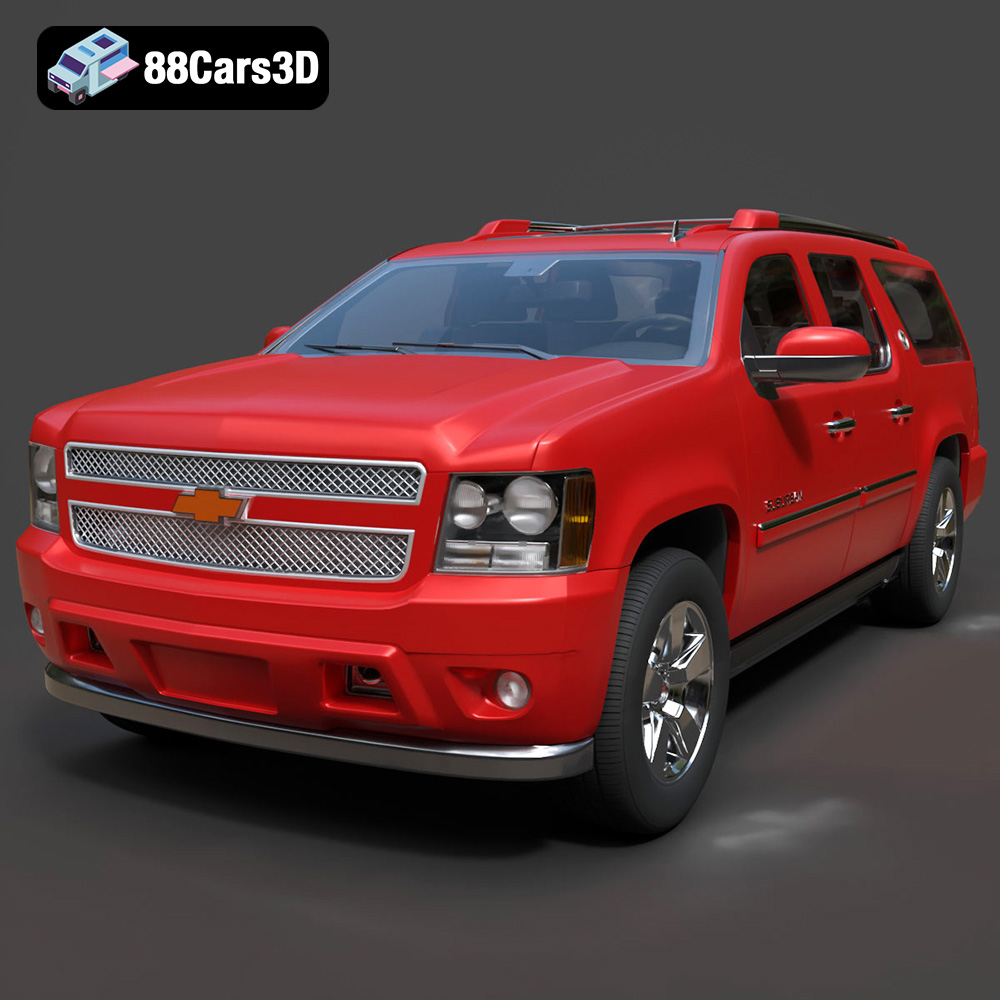
Texture: Yes | Material: Yes
Download the highly detailed, game-ready Chevrolet Suburban 75th Diamond 3D Model. Features the iconic Diamond Edition styling, detailed interior, and accurate full-size SUV proportions. Includes .blend, .fbx, .obj, .glb, .stl, .ply, .unreal, and .max formats for game development, AR/VR, and rendering.
Price: $19.99

