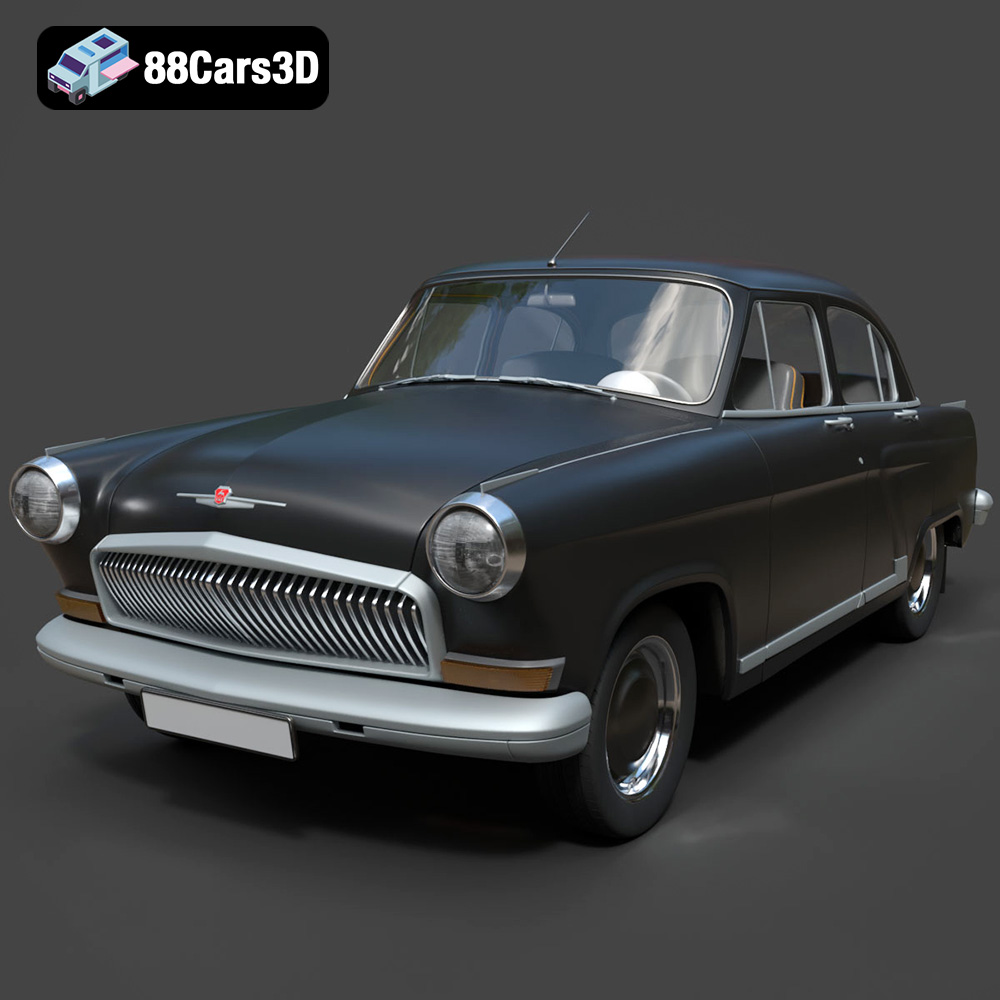
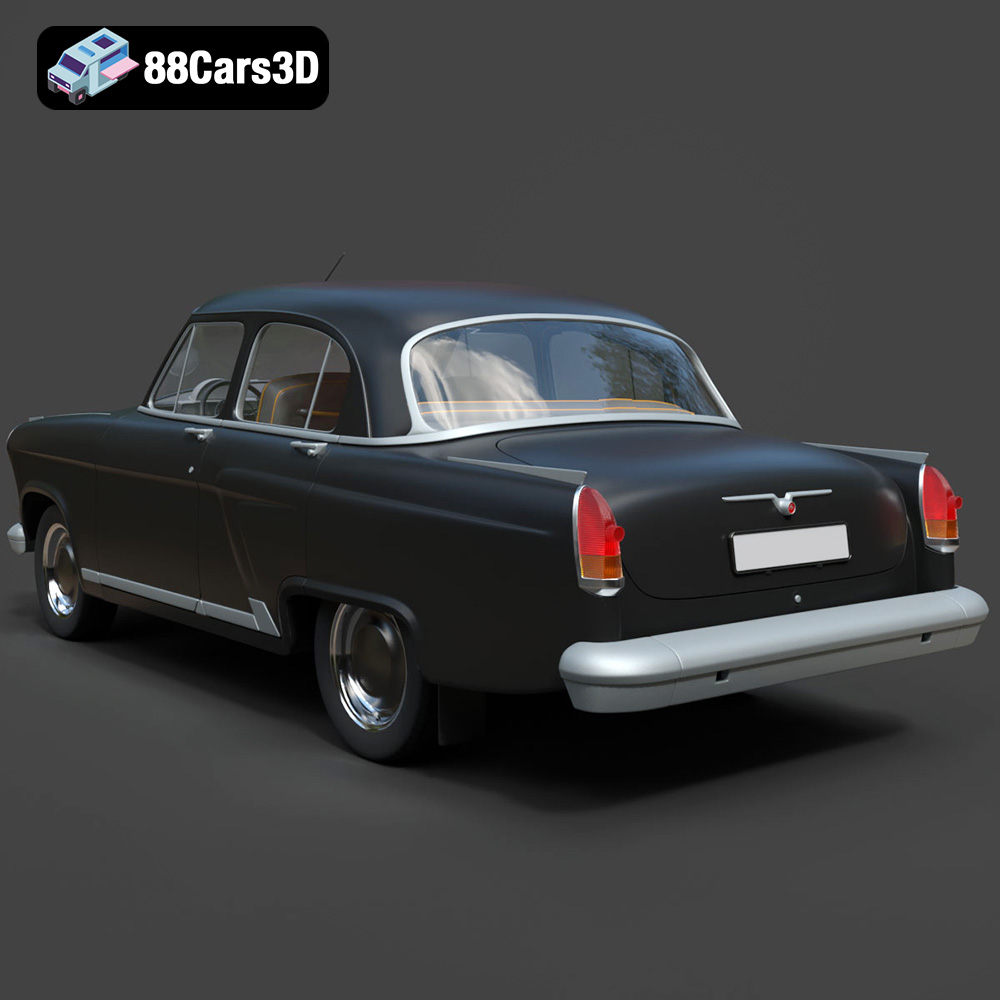
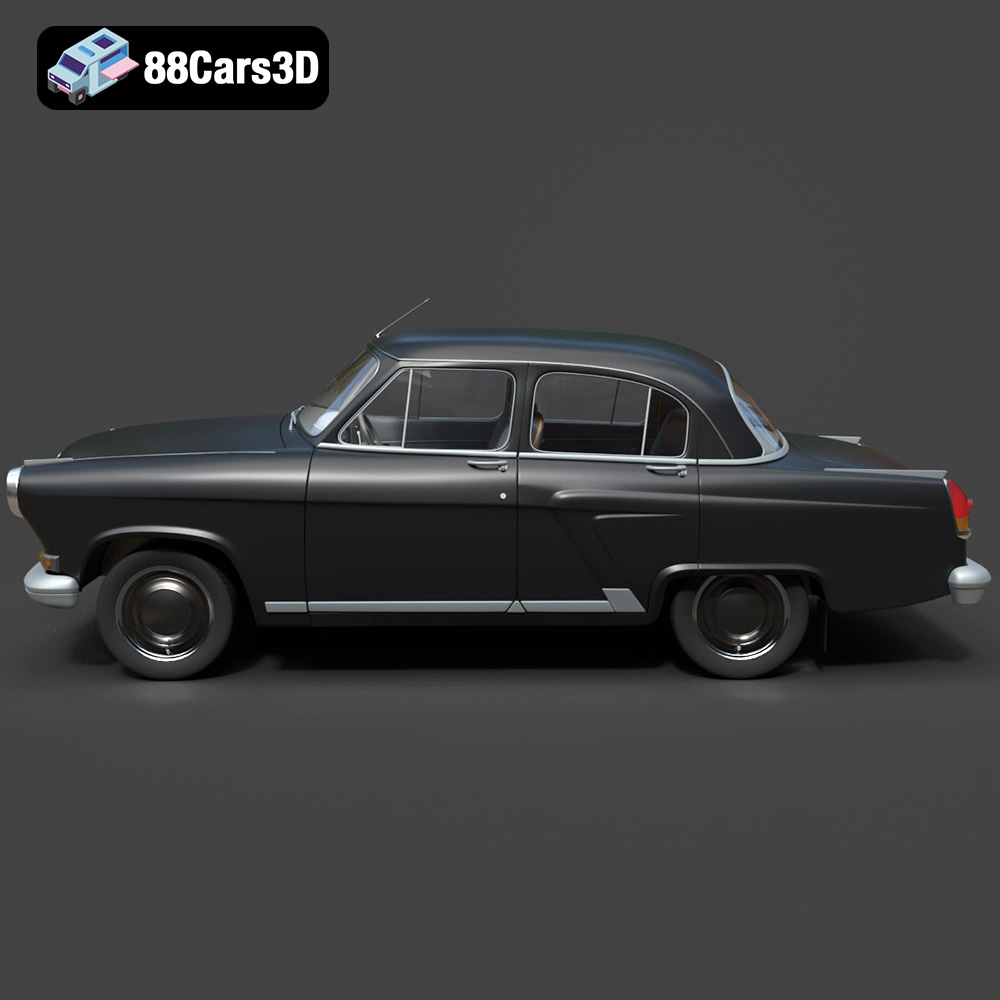
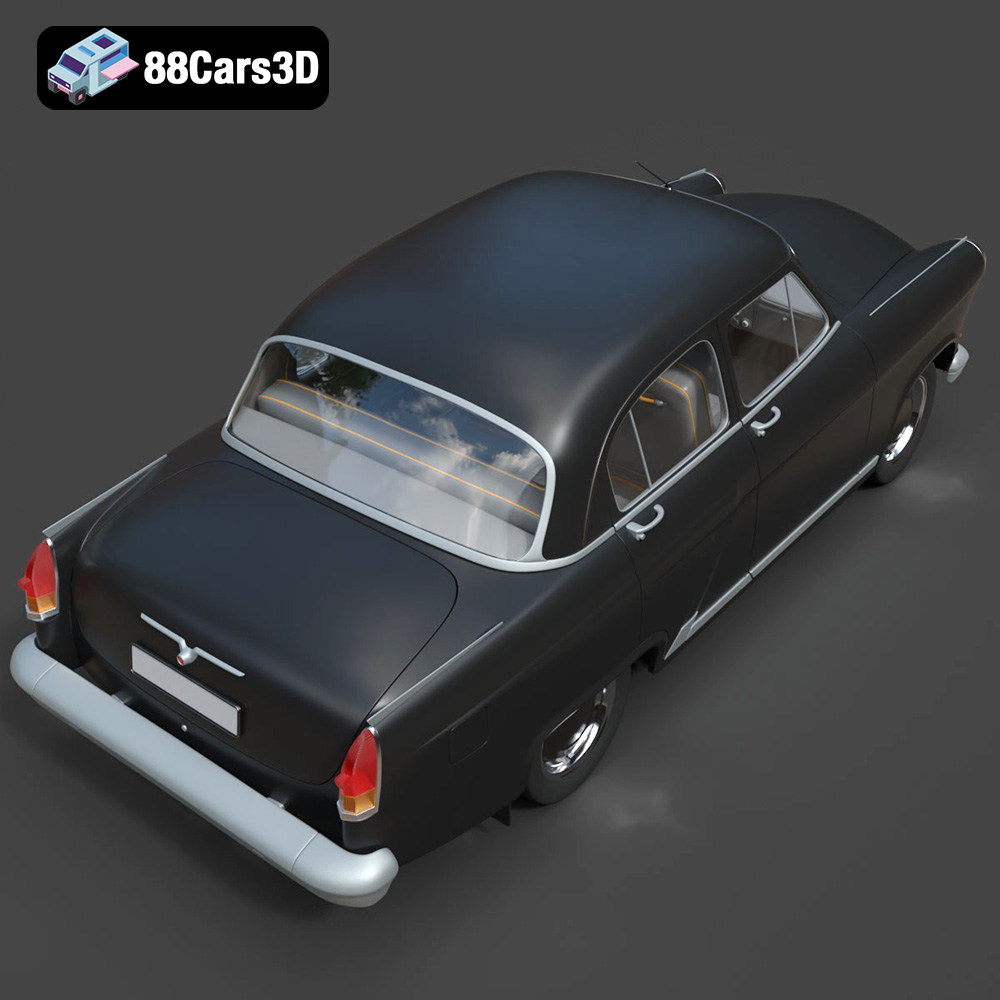
Get 20% OFF All Premium 3D & STL Models!

In the dynamic world of digital visualization, the demand for authentic and high-quality assets is paramount. From blockbuster game titles and cinematic sequences to sophisticated architectural walkthroughs and immersive AR/VR experiences, precision and realism define excellence. Automotive models, in particular, stand as a cornerstone of many such projects, requiring meticulous attention to detail to truly capture the essence and engineering marvel of their real-world counterparts. A well-crafted 3D car model is more than just a mesh; it’s a digital sculpture, reflecting hours of dedication to form, texture, and functionality.
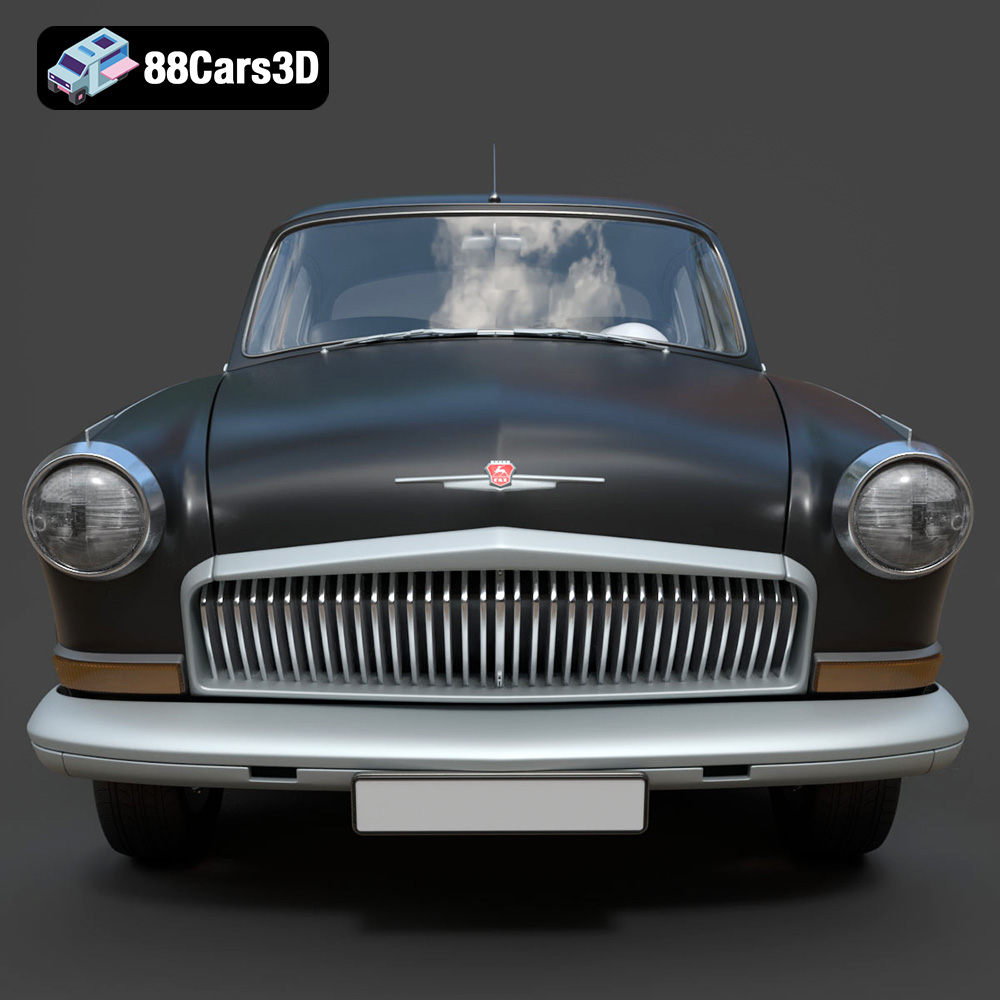
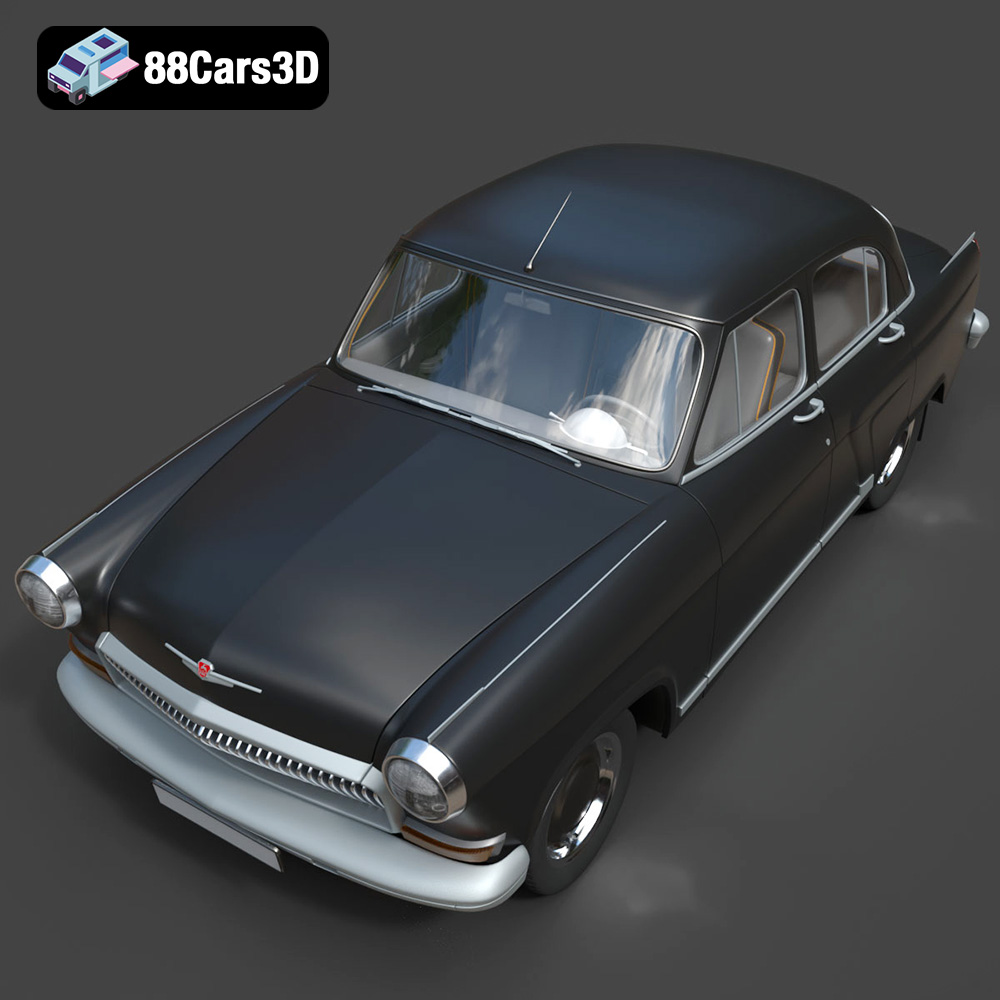
Today, we’re exploring the critical elements that transform a mere digital object into a professional-grade asset, exemplified by products like the GAZ 21-001 3D Model. This iconic classic vehicle, renowned for its timeless design, presents unique challenges and opportunities for 3D artists. Whether you’re a seasoned professional seeking to enrich your scenes or an emerging developer striving for photorealistic renders, understanding the nuances of 3D car models and their applications is crucial for achieving unparalleled visual fidelity and performance.
The automotive industry has always been at the forefront of design and engineering innovation. In the digital realm, this translates into an ever-increasing expectation for realism and accuracy in 3D car models. Artists and developers are constantly pushing the boundaries to create vehicles that not only look authentic but also behave realistically within simulated environments. This drive is fueled by advances in rendering technology, real-time engines, and the widespread adoption of immersive experiences.
Realism in 3D automotive design extends beyond surface aesthetics. It encompasses accurate proportions, intricate mechanical details, physically-based materials, and believable lighting interactions. For a vehicle like the GAZ 21-001, capturing its historical design nuances, from the distinctive grille to the subtle body curves, is essential. Any deviation can break immersion, especially in high-stakes projects like film production or automotive configurators where exact replicas are expected. High-quality 3D car models must exhibit clean, optimized geometry that supports detailed texturing and sub-division without introducing artifacts or performance bottlenecks.
The journey from an initial concept or a physical vehicle to a fully functional 3D model is a complex one. It involves extensive research, blueprint analysis, and often photogrammetry or laser scanning for modern vehicles. For classics like the GAZ 21-001, historical references become critical. Artists translate these references into 3D using sophisticated modeling techniques, ensuring every bolt, rivet, and panel gap is accounted for. This meticulous process ensures that the digital asset is not merely a representation, but a functional, accurate digital twin, ready for integration into diverse workflows, from advertising campaigns to immersive driving simulations. The goal is to provide a foundation that empowers users to customize and integrate the model seamlessly, without having to start from scratch.
Choosing the right file format is a foundational decision in any 3D project, directly impacting compatibility, workflow efficiency, and the final quality of your asset. Different formats are optimized for distinct purposes, from fully editable scene files to lightweight real-time assets. When sourcing high-quality 3D car models, such as those available on 88cars3d.com, understanding the implications of each format is crucial. The GAZ 21-001 3D Model, for instance, is offered in a comprehensive suite of formats, catering to a broad spectrum of professional needs.
The .blend format is native to Blender, the powerful open-source 3D creation suite. A .blend file typically encapsulates an entire scene, including not just the mesh data of the GAZ 21-001, but also its materials, textures, lighting setup, camera configurations, animations, and even physics simulations. This makes it an incredibly versatile format for Blender users, providing a fully editable and ready-to-render environment straight out of the box. Artists can easily inspect the model’s construction, modify materials, adjust lighting, or integrate it into existing Blender projects. Its comprehensive nature makes it ideal for those who primarily work within the Blender ecosystem and require maximum flexibility for customization and further development.
.fbx (Filmbox) is a proprietary file format owned by Autodesk, but it has become an undisputed industry standard for exchanging 3D data between various applications. It supports geometry, materials, textures, animations, rigging, and even scene hierarchy. For the GAZ 21-001, an .fbx file is “game-engine ready,” making it ideal for real-time pipelines in Unreal Engine, Unity, and other platforms. Its robust support for skeletal animation and PBR (Physically Based Rendering) materials ensures that models translate faithfully across different software, maintaining visual integrity. The emphasis on real-time performance often means carefully optimized geometry and UVs within the .fbx package.
.obj (Wavefront Object) is another widely adopted universal format, highly prized for its simplicity and broad compatibility. It primarily stores geometry data (vertices, faces, normals, UV coordinates) and can reference external .mtl (material) files for basic material properties and texture maps. While .obj doesn’t support advanced features like animation or rigging, its widespread support across virtually all 3D software makes it an excellent choice for straightforward mesh exchange. For the GAZ 21-001, the .obj format provides a clean, raw mesh that can be imported into any major 3D application for rendering, sculpting, or re-texturing, serving as a reliable backbone for cross-software workflows.
.glb (GLB, GL Transmission Format Binary) is an increasingly popular format, particularly optimized for AR/VR and web-based visualization. It’s a binary version of glTF, designed for efficient transmission and loading of 3D scenes and models. A .glb file is a self-contained asset, embedding textures, animations, and PBR materials directly within a single file. For the GAZ 21-001, this format would be perfect for deploying interactive 3D viewers on websites, showcasing the classic car in augmented reality apps, or integrating it into lightweight VR experiences without requiring complex setups or external dependencies. Its efficiency makes it a go-to for modern, interactive digital display.
.stl (STereoLithography) is the de facto standard for 3D printing. It represents a 3D model as a collection of triangular facets, defining only the surface geometry without color, texture, or material information. For designers looking to physically manifest the GAZ 21-001, an .stl file is indispensable for sending the model to a 3D printer for prototyping, creating scaled replicas, or even producing molds. It’s a precision mesh format, focusing solely on the geometric integrity required for manufacturing.
.ply (Polygon File Format) is another format for storing 3D data, particularly known for its ability to store various properties like color, transparency, and normal vectors for each vertex or face. It’s often used for scanned data and is a “precision mesh format for CAD or analysis.” While less common for general asset exchange than .fbx or .obj, its comprehensive data storage makes it valuable for scientific visualization, point cloud data, and specific engineering applications where detailed attribute per polygon is necessary for the GAZ 21-001’s geometry.
The .unreal format signifies an “engine-ready asset for real-time environments,” specifically tailored for Unreal Engine. This isn’t a standalone file extension in the traditional sense, but rather a descriptor implying that the provided assets (often a collection of .fbx, textures, and engine-specific configuration files) are pre-configured, imported, and optimized within an Unreal Engine project structure. This means materials are set up, collision meshes might be generated, and the asset is ready for immediate drag-and-drop use within Unreal Engine, saving significant setup time for game developers and real-time visualization artists.
Finally, .max is the native file format for Autodesk 3ds Max. Similar to .blend for Blender, a .max file contains a complete 3ds Max scene, including geometry, materials, lighting, cameras, animation, and any applied modifiers or plugins. This provides maximum editability for users working within 3ds Max, allowing for advanced rendering setups, intricate animation sequences, or detailed modifications to the GAZ 21-001 model’s structure. It’s the ultimate format for artists who require full control over every aspect of the asset within a professional production environment.
The GAZ 21-001 3D Model exemplifies what a premium 3D car model should offer. It’s not just a digital representation; it’s a meticulously crafted asset designed to meet the rigorous demands of professional production environments. The essence of the iconic classic vehicle is captured with unwavering accuracy, making it an invaluable addition to any digital library.
One of the standout features of this model is its commitment to “precision and realism.” This translates into “realistic materials” that accurately interact with light, mimicking the reflectivity of chrome, the subtle sheen of aged paint, and the texture of tires. The “accurate proportions” ensure that the GAZ 21-001 stands as a true digital twin, capable of holding up under the scrutiny of close-up shots. Every curve, panel line, and emblem has been carefully observed and replicated, reflecting the “professional detailing” that distinguishes superior assets from generic ones. This attention to material definition and surface characteristics is crucial for achieving photorealistic automotive rendering.
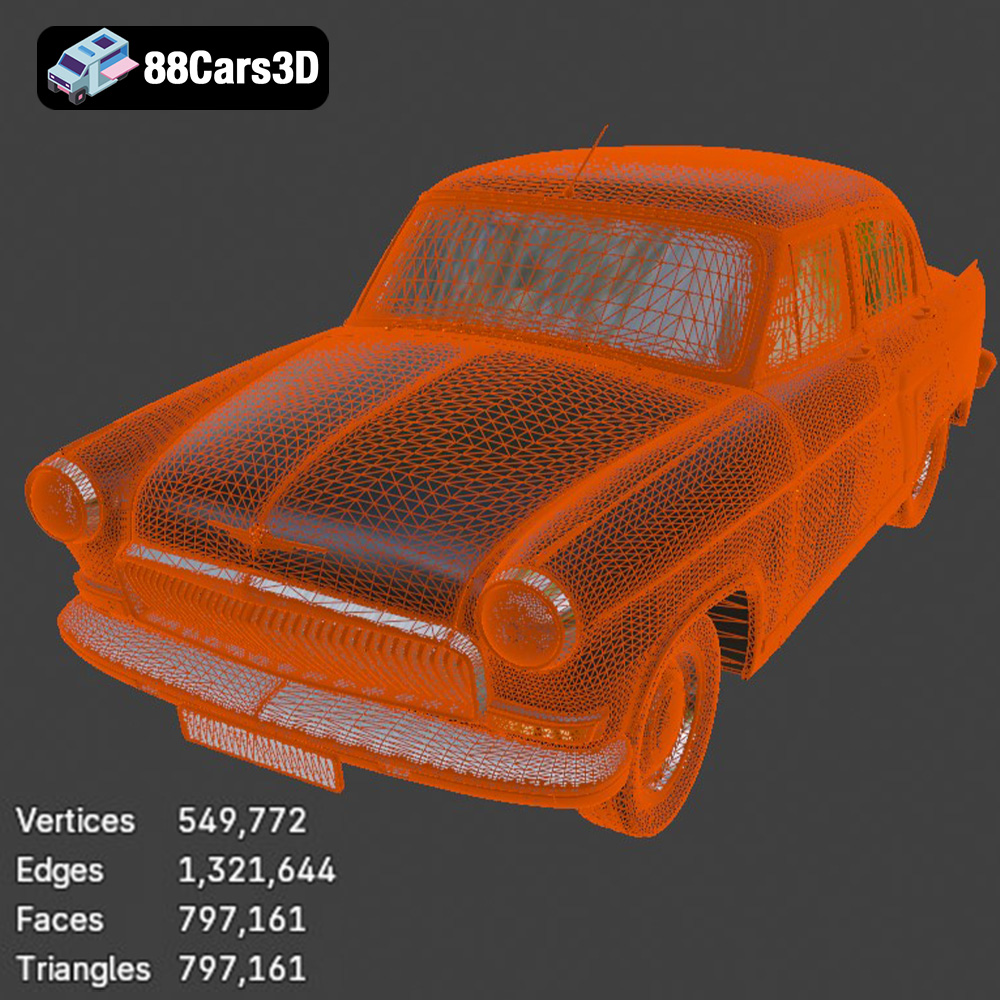
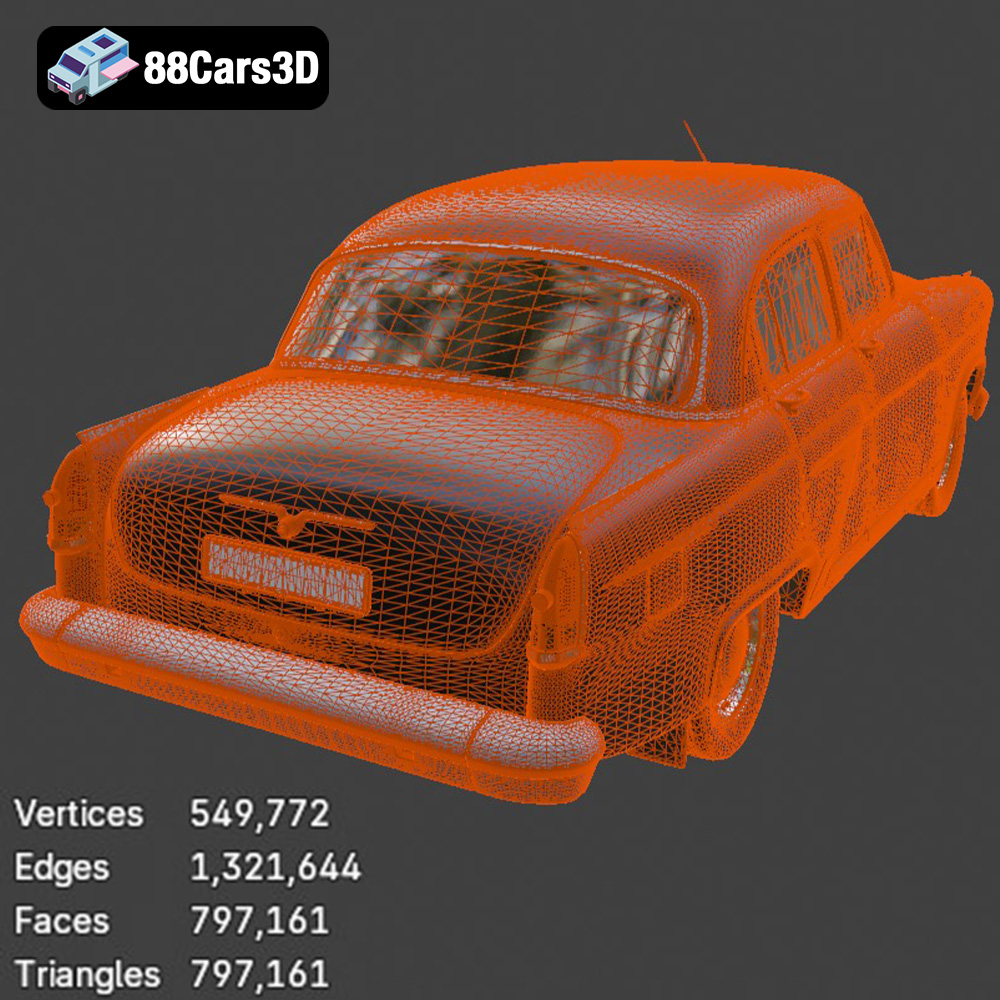
Beneath the beautiful exterior lies “clean geometry for optimal performance.” This means the model’s mesh is efficiently constructed, balancing detail with polygon count. “Carefully planned topology” is vital; it ensures smooth deformations if the model were to be animated and facilitates effortless UV unwrapping for texture application. This optimized structure makes the GAZ 21-001 3D Model “ideal for close-up shots as well as dynamic background placement.” Whether it’s a hero asset under intense scrutiny or part of a bustling urban scene, its performance and visual integrity remain uncompromised, a hallmark of professionally built 3D car models.
The versatility of the GAZ 21-001 3D Model is another key advantage. Its robust construction and comprehensive format support make it “perfect for diverse applications.” From the high demands of “film production” where every frame counts, to the interactive nature of “game development” and “AR/VR experiences,” and the precision required for “architectural rendering” and “visual simulations,” this model delivers. This adaptability stems from its high fidelity and the availability of multiple file formats, allowing seamless integration into virtually any digital workflow, catering to artists and developers across various industries.
A high-quality 3D asset like the GAZ 21-001 3D Model gains its true value through seamless integration into professional pipelines. Understanding how to leverage its provided formats and features within industry-standard software is key to maximizing efficiency and creative output.
For game developers and real-time visualization specialists, the GAZ 21-001 3D Model’s “.fbx” and “.unreal” formats are indispensable. In Unreal Engine, importing the optimized .fbx file allows artists to quickly establish PBR materials using the engine’s powerful material editor. The clean topology means efficient LOD (Level of Detail) generation, crucial for maintaining performance across various viewing distances. Collision meshes can be easily generated, enabling realistic interactions within game environments. Similarly, in Unity, the .fbx format provides a robust foundation for importing the vehicle, setting up its materials, and integrating it into gameplay logic or interactive experiences. The pre-configured “.unreal” asset streamlines this even further, offering a ready-to-use package that drastically cuts down setup time, allowing developers to focus on game mechanics or interactive features rather than asset preparation.
For artists focused on high-fidelity offline rendering, the “.max” and “.blend” files offer unparalleled control. In 3ds Max, artists can open the .max file to access the complete scene, including V-Ray or Corona Renderer ready materials and lighting setups. This allows for immediate rendering of photorealistic stills or complex animations. The clean mesh enables further detailing using modifiers or even dynamic simulations for realistic physics. Similarly, Blender users benefit from the .blend file, which includes all materials, textures, and lighting configured for Cycles or Eevee rendering. Artists can easily modify the scene, create custom camera paths, or integrate the GAZ 21-001 into elaborate architectural visualization scenes or product presentations, leveraging Blender’s versatile toolset for stunning visual output.
The GAZ 21-001 3D Model also shines in emerging fields like AR/VR and 3D printing. For Augmented Reality and Virtual Reality experiences, the “.glb” format is ideal. Its optimized, self-contained nature ensures quick loading and smooth performance on mobile devices and VR headsets. Developers can embed the GAZ 21-001 into web-based AR applications or integrate it into Unity/Unreal projects for immersive virtual showrooms or interactive historical tours. For 3D printing, the “.stl” format provides a watertight mesh, perfectly prepared for physical output. Engineers and hobbyists can create scaled models, prototypes, or even components of larger physical dioramas. The precision of the .stl file ensures that the printed object accurately reflects the intricate design of the classic GAZ 21-001, making it a valuable asset for both digital and physical applications.
The versatility of a high-quality 3D car model like the GAZ 21-001 opens up a plethora of creative and professional applications. Its accurate representation allows it to seamlessly fit into diverse projects, enriching narratives and enhancing visual experiences.
Imagine a film set in a post-war Eastern European city. The GAZ 21-001, an emblematic vehicle of that era, becomes an essential prop. Instead of sourcing and transporting a physical classic car, filmmakers can integrate the 3D model into VFX shots, digital matte paintings, or even full CG sequences. Its realistic materials and accurate proportions ensure it blends flawlessly with live-action footage. In architectural visualization, the model can populate street scenes around historical buildings, lending authenticity and a sense of period correctness to renderings. Architects and urban planners can visualize how the car would interact with their designs, adding a layer of realism to their presentations.
Game developers often seek to create immersive worlds with a strong sense of place and time. Integrating authentic 3D car models like the GAZ 21-001 allows for the creation of rich, believable environments. Whether it’s a racing game featuring classic vehicles, an open-world RPG set in a historical period, or a simulation game focused on vehicle restoration, the GAZ 21-001 can serve as a central asset. Its optimized geometry ensures smooth performance within game engines, while its detailed design provides a high level of visual fidelity for players, enhancing the overall gaming experience by providing true-to-life automotive diversity and historical accuracy.
Beyond entertainment, accurate 3D car models serve significant roles in education and prototyping. Automotive design students can dissect and study the GAZ 21-001’s construction in a virtual environment, understanding its engineering and aesthetic principles without needing access to a physical vehicle. For historical preservation projects, a highly detailed 3D model acts as a digital twin, archiving the vehicle’s form for future generations. Furthermore, designers can use the .stl format for rapid prototyping, creating physical models to test scale, form, and even custom modifications before committing to physical production. This blend of historical accuracy and modern application makes quality 3D car models an invaluable educational and design tool.
In the fast-paced world of 3D production, time is money. Investing in high-quality 3D car models is not just about acquiring assets; it’s about making a strategic decision that impacts project timelines, budget, and final output quality. The GAZ 21-001 3D Model stands as a testament to this principle.
Creating a detailed, production-ready 3D car model from scratch is an incredibly time-consuming and resource-intensive endeavor. It requires specialized skills in modeling, texturing, UV mapping, and optimization. By leveraging a pre-built, professional-grade asset like the GAZ 21-001 3D Model, artists and studios can save hundreds of hours of labor. This allows them to allocate their resources to other critical aspects of a project, such as scene composition, animation, or interactive elements. The immediate availability of multiple file formats further streamlines this, reducing conversion and preparation time significantly.
When seeking 3D car models, quality and reliability are paramount. Marketplaces like 88cars3d.com specialize in providing assets that adhere to rigorous professional standards. This commitment means that every model, including the GAZ 21-001, features clean geometry, accurate proportions, realistic materials, and optimized topology. These are not merely decorative elements but robust, functional components engineered for seamless integration into diverse professional workflows. Choosing assets from reputable sources like 88cars3d.com ensures that artists receive models that are production-ready, minimizing potential headaches and rework down the line.
A well-curated digital asset library is a cornerstone of any successful 3D studio. Investing in high-quality, versatile 3D car models ensures that your assets remain relevant and useful across future projects and evolving technologies. The comprehensive file format support of the GAZ 21-001 3D Model, ranging from native software files to engine-ready and web-optimized formats, makes it a future-proof investment. As rendering technologies advance and new platforms emerge, having a robust base model that can be easily adapted will save immense effort and cost, ensuring your creative toolkit remains cutting-edge and efficient.
The journey through the intricate world of 3D car models reveals a landscape where precision, versatility, and technical understanding are paramount. From selecting the appropriate file format to integrating assets into complex pipelines, every decision impacts the final outcome. The GAZ 21-001 3D Model stands as a prime example of a meticulously crafted asset, offering unparalleled realism, optimized performance, and broad compatibility across a spectrum of professional applications. Whether for automotive rendering, game asset development, or advanced visualization, its detailed construction and multiple format options provide artists and developers with a powerful tool to elevate their projects.
By investing in high-quality 3D car models from trusted sources like 88cars3d.com, you are not just acquiring a digital object; you are gaining a significant advantage in efficiency, quality, and creative potential. It empowers you to create stunning visuals, build immersive experiences, and bring classic automotive artistry to life in the digital realm with confidence and precision.
Experience precision and realism with the GAZ 21-001 3D Model. This meticulously modeled digital asset delivers an accurate representation of the iconic classic vehicle, offering realistic materials, accurate proportions, and professional detailing suitable for a wide variety of digital projects. Key features include clean geometry for optimal performance, realistic materials that accurately reflect light and environment, and professional construction that ensures seamless integration into any scene. The model’s topology is carefully planned, making it ideal for close-up shots as well as dynamic background placement. Perfect for diverse applications, this model excels in game development, architectural rendering, AR/VR experiences, film production, and visual simulations. Whether you are building an interactive environment or producing realistic still visualizations, this asset provides the necessary fidelity and ease of use. Available file formats include: .blend – Editable Blender file with materials and lighting setup; .fbx – Game-engine ready format for Unreal Engine and Unity; .obj – Standard 3D model format compatible with all major software; .glb – Optimized for AR/VR and web-based visualization; .stl – Suitable for 3D printing and prototyping; .ply – Detailed polygon mesh for analysis and visualization; .unreal – Pre-configured for Unreal Engine use; .max – Editable 3ds Max file for rendering and animation. Tags: .gaz, .21001, .sedan, .classiccar, .vintagecar, .car3dmodel, .rendering, .simulation, .gameasset, .arvr, .blend, .fbx, .obj, .glb, .stl, .ply, .unreal, .max
$39.99
.21001
.arvr
.blend
.car3dmodel
.classiccar
.fbx
.gameasset
.gaz
.glb
.max
.obj
.ply
.rendering
.sedan
.simulation
.stl
.unreal
.vintagecar