Get 20% OFF All Premium 3D & STL Models!

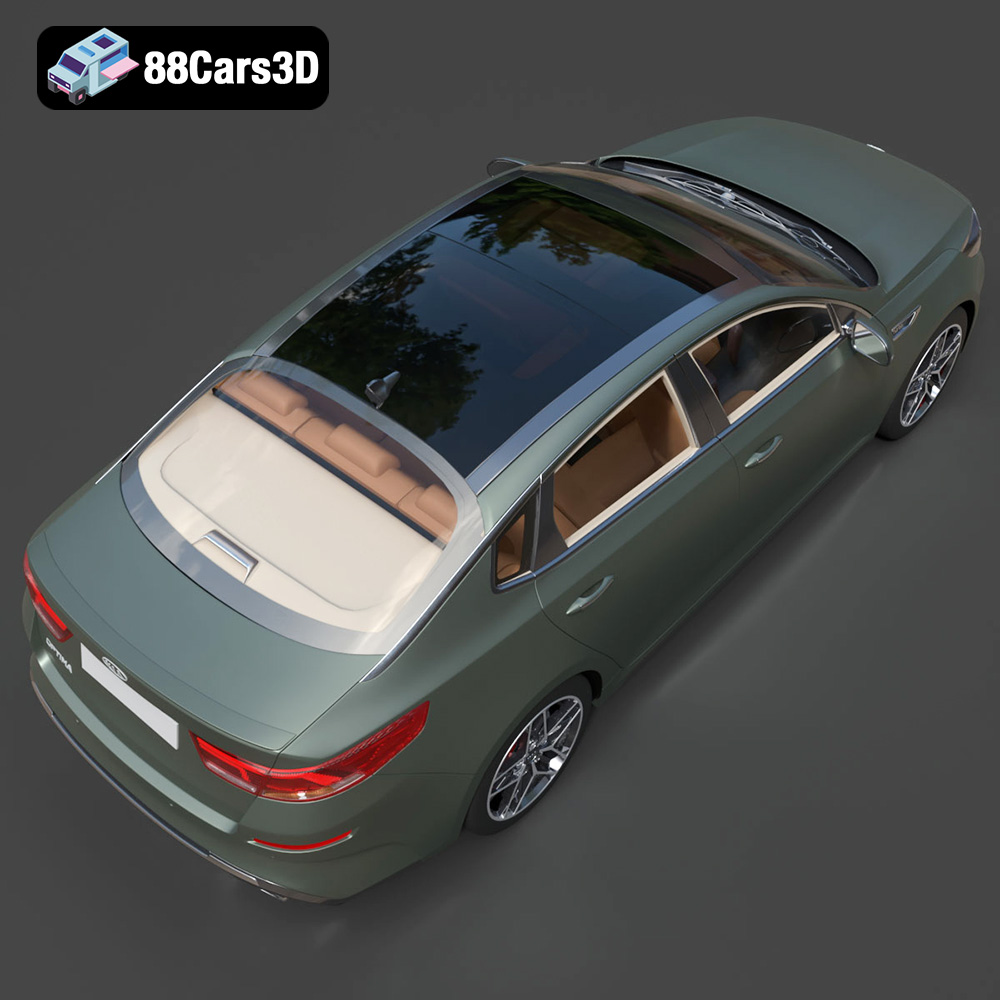
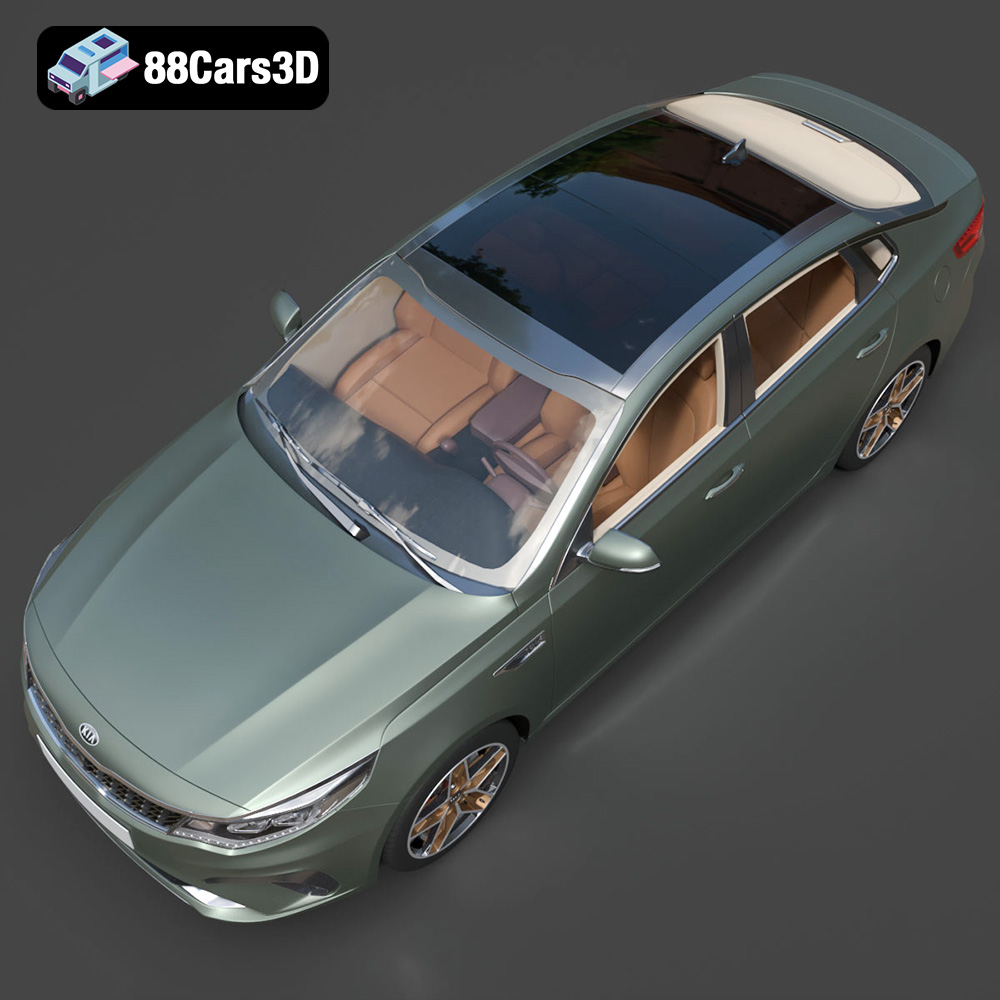
The Kia Optima 2019, a stylish and practical sedan, can now grace your desk or become a centerpiece in your model collection thanks to the power of 3D printing. With a high-quality 3D model from a marketplace like 88cars3d.com, you can bring this vehicle to life. This article provides a detailed guide on successfully 3D printing the Kia Optima 2019, covering everything from pre-print preparation to post-processing techniques. We’ll delve into optimal printer settings, material recommendations, and troubleshooting tips to ensure a rewarding additive manufacturing experience.
Before diving into the 3D printing process, meticulous preparation is key to achieving a high-quality result. This involves inspecting the model, choosing the right orientation, and preparing it in your slicing software.
* **Mesh Analysis:** Begin by loading the STL file into a mesh analysis tool like MeshLab or Netfabb. Look for non-manifold edges, holes, or self-intersections. These imperfections can lead to printing errors and a flawed final product.
* **Repairing Imperfections:** Use the repair tools within the software to automatically fix any identified issues. If automatic repair isn’t sufficient, you might need to use 3D modeling software like Blender or Meshmixer to manually correct the geometry.
* **Scaling:** Consider the desired size of your 3D printed Kia Optima 2019. Scale the model appropriately in your slicing software. Keep in mind that smaller models may require finer details and more precise printer settings. Larger models, while easier to print in some respects, will consume more material and take longer.
* **Minimizing Support Structures:** The orientation of the model on the print bed significantly impacts the amount of support material needed. Position the Kia Optima 2019 to minimize overhangs, which require support structures. Orienting the car with the roof facing upwards often works well, as it reduces the need for supports on the more complex body panels.
* **Surface Finish Considerations:** The orientation also affects the surface finish of the printed model. Surfaces that are printed directly on the build plate will typically be smoother than those that are printed on top of support structures. Think about which areas of the Kia Optima 2019 you want to have the best surface finish and orient the model accordingly.
* **Structural Integrity:** If the 3D printed Kia Optima 2019 is intended to be functional or handle stress, consider orienting it to maximize its structural integrity. For example, printing with the strongest axis aligned along the direction of stress.
Choosing the correct file format is paramount when preparing your Kia Optima 2019 3D model for printing. Different formats offer varying degrees of compatibility, detail, and features.
The STL (stereolithography) format is the undisputed king of 3D printing. This file format represents the 3D model’s surface as a collection of interconnected triangles, effectively creating a mesh. Its simplicity and widespread support across slicing software make it the go-to choice for most 3D printing applications. When downloading your Kia Optima 2019 model from 88cars3d.com, the STL file will be the format you use most often for printing.
STL files are mesh-only, meaning they don’t contain any information about color, texture, or materials. They focus solely on the geometric representation of the object. This keeps the file size relatively small and makes them easy to process by slicing software. However, the lack of color information means that the 3D printed Kia Optima 2019 will need to be painted or otherwise colored after printing.
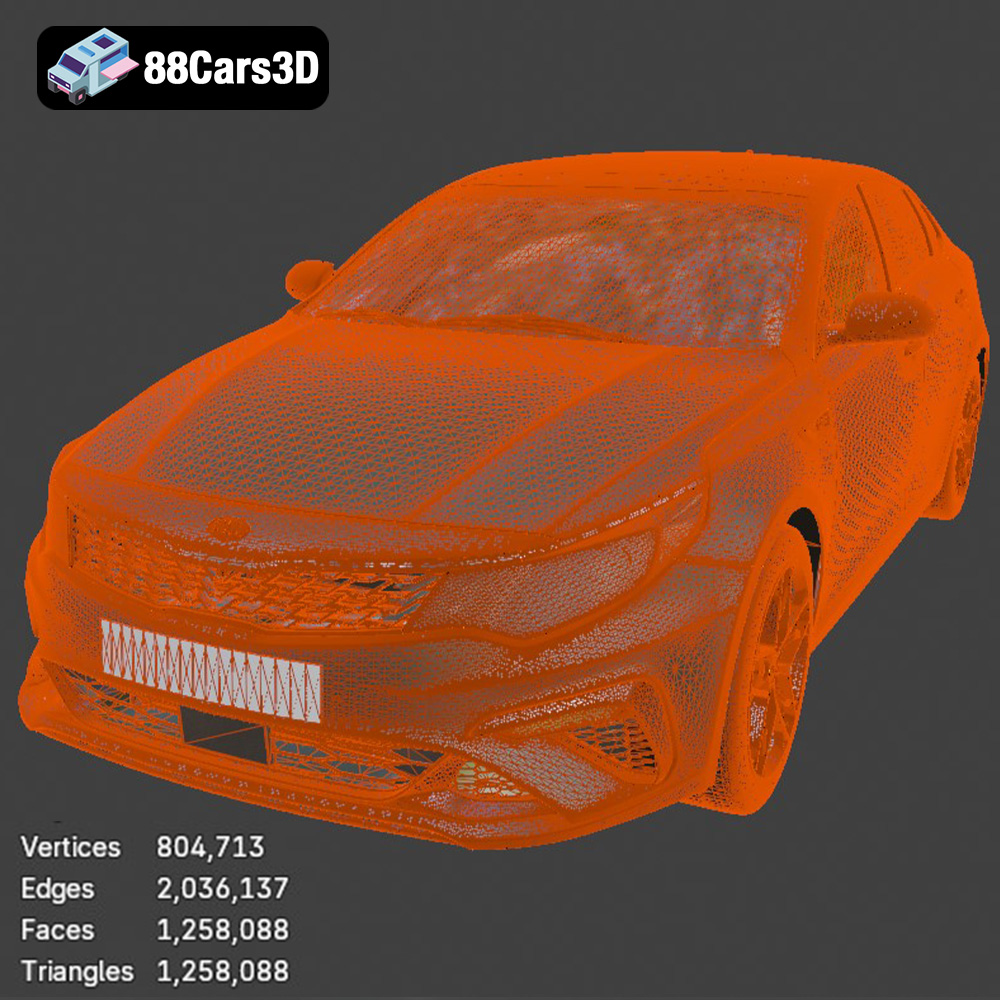
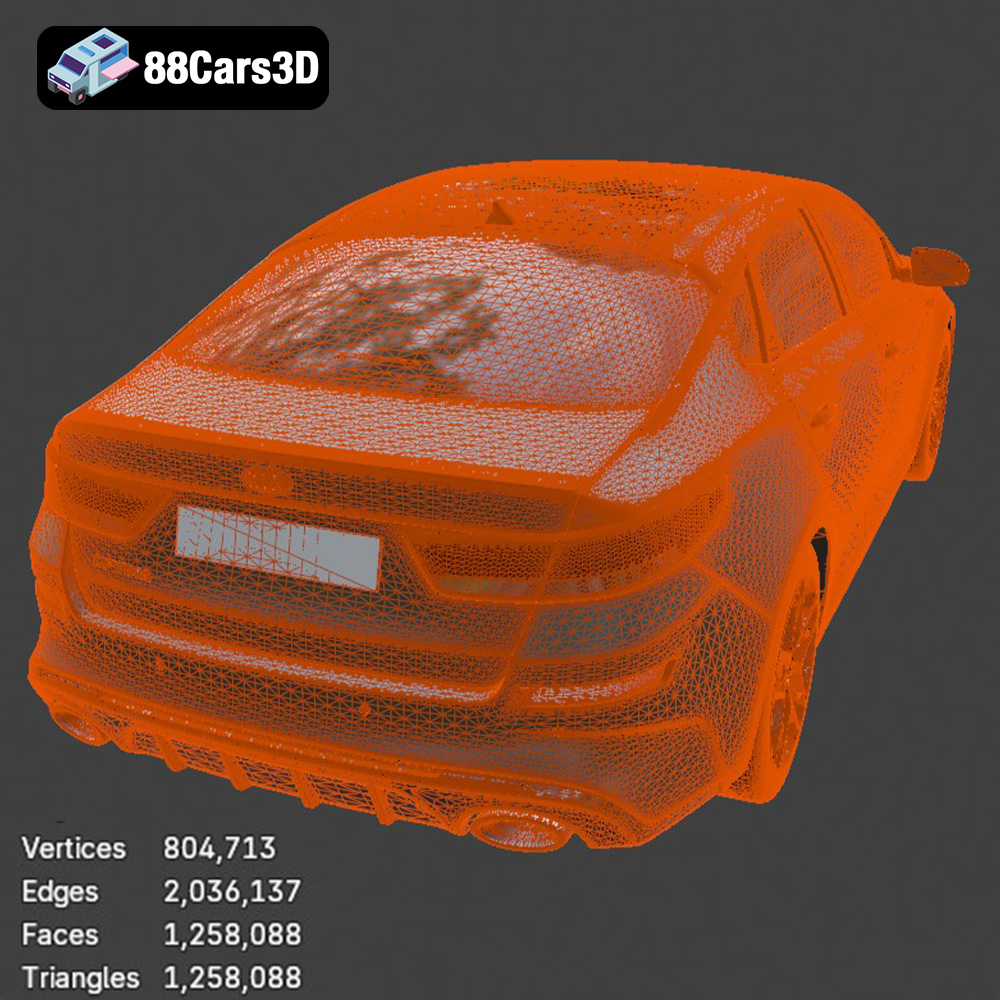
The quality of an STL file is directly related to the density of the triangle mesh. A higher triangle count results in a smoother, more detailed representation of the model. However, it also increases the file size and processing time. When downloading or generating STL files, be sure to strike a balance between detail and practicality. Most slicing software will allow you to adjust the mesh resolution during import.
STL is compatible with virtually all 3D printing slicing software, including Cura, Simplify3D, PrusaSlicer, and many others. This universality ensures that you can seamlessly integrate the Kia Optima 2019 STL file into your preferred workflow.
OBJ files, while also widely supported, differ from STL files in that they can store color and texture information. This makes them suitable for applications where a 3D printed model needs to have pre-defined colors or patterns. However, the OBJ format is less optimized for 3D printing than STL and may require additional processing in slicing software.
The PLY format is designed for storing 3D data acquired from 3D scanners. It’s capable of representing extremely detailed meshes and is often used in applications like reverse engineering and digital archiving. While PLY files can be 3D printed, their high complexity can pose challenges for slicing software and printers with limited processing power.
BLENDER files are native to the Blender 3D creation suite. The Kia Optima 2019 model available on 88cars3d.com is often provided in this format. This is extremely useful as it enables you to modify the model before exporting it to STL for 3D printing. You can adjust the model’s geometry, add details, or simplify it for easier printing.
FBX (Filmbox) is a proprietary format developed by Autodesk. It’s primarily used for exchanging 3D data between different software applications, particularly in the gaming and animation industries. FBX files can contain information about geometry, materials, textures, and animations. While some slicing software supports importing FBX files, it’s generally recommended to convert them to STL for 3D printing.
GLB is a binary file format that represents 3D models in a way that is efficient for transmission and loading. GLB files are commonly used for displaying 3D models on the web and in augmented reality (AR) applications. While not directly used for 3D printing, GLB files can be useful for previewing the Kia Optima 2019 model in AR before committing to printing it.
Like Blender files, MAX files are native to 3ds Max. This is also helpful, as it enables you to modify the model before exporting it to STL for 3D printing. You can adjust the model’s geometry, add details, or simplify it for easier printing.
The choice of material is crucial for the success of your 3D printed Kia Optima 2019. Different materials offer varying properties in terms of strength, flexibility, heat resistance, and aesthetics.
* **Ease of Use:** PLA is a popular thermoplastic known for its ease of use and biodegradability. It prints at relatively low temperatures and doesn’t require a heated bed on some printers.
* **Aesthetics:** PLA produces parts with a smooth surface finish, making it a good choice for visually appealing models. However, PLA is less heat-resistant and less durable than some other materials.
* **Cost:** PLA is one of the most affordable 3D printing materials, making it a budget-friendly option for printing the Kia Optima 2019.
* **Strength and Durability:** PETG offers a good balance of strength, flexibility, and heat resistance. It’s more durable than PLA and can withstand higher temperatures.
* **Ease of Printing:** PETG is relatively easy to print, although it may require a slightly higher printing temperature than PLA. It also exhibits good layer adhesion.
* **Applications:** PETG is a versatile material suitable for a wide range of applications, including functional parts and models that need to withstand some wear and tear.
* **High Detail:** Resin printing (SLA/DLP) offers the highest level of detail and precision. It’s ideal for printing intricate parts and models with fine features.
* **Surface Finish:** Resin prints have a smooth surface finish and require minimal post-processing.
* **Limitations:** Resin printing can be more expensive than FDM printing, and the available build volume is typically smaller. Resin materials can also be more brittle than thermoplastics. Support removal can be more involved, but results in a smoother, more detailed print.
Achieving a successful 3D print of the Kia Optima 2019 depends heavily on choosing the right printer settings. These settings control various aspects of the printing process, including layer height, infill density, print speed, and support structures.
* **Detail vs. Print Time:** Layer height determines the resolution of the print. Lower layer heights (e.g., 0.1mm) produce finer details but increase print time. Higher layer heights (e.g., 0.2mm) print faster but may sacrifice some detail.
* **Recommended Range:** For the Kia Optima 2019, a layer height of 0.1mm to 0.15mm is a good starting point. This provides a good balance between detail and print time.
* **Resin Printers:** Resin printers typically offer much finer layer heights than FDM printers. A layer height of 0.025mm to 0.05mm is common for resin printing.
* **Strength vs. Material Usage:** Infill density determines the amount of material used inside the model. Higher infill densities increase strength but also increase material consumption and print time.
* **Recommended Range:** For a display model of the Kia Optima 2019, an infill density of 15% to 25% is usually sufficient. For functional parts or models that need to be more durable, a higher infill density may be necessary.
* **Infill Pattern:** The infill pattern can also affect the strength and weight of the model. Common infill patterns include rectilinear, grid, and honeycomb.
* **Quality vs. Print Time:** Print speed affects the quality of the print. Slower print speeds generally produce better results, especially for intricate details.
* **Recommended Range:** For PLA, a print speed of 40mm/s to 60mm/s is a good starting point. For PETG, a print speed of 30mm/s to 50mm/s may be necessary.
* **First Layer Speed:** It’s often beneficial to reduce the print speed for the first layer to ensure good adhesion to the build plate.
* **Types of Supports:** Support structures are necessary for printing overhangs and complex geometries. Common types of supports include tree supports and linear supports.
* **Support Placement:** Carefully consider the placement of support structures to minimize their impact on the surface finish of the model. Place supports in areas that are less visible or easier to clean up.
* **Support Density:** Adjust the density of the support structures to balance strength and ease of removal.
After the 3D printing process is complete, some post-processing is typically required to refine the appearance and functionality of the Kia Optima 2019 model.
* **Gentle Removal:** Carefully remove support structures using pliers, cutters, or a sharp knife. Be gentle to avoid damaging the model.
* **Soluble Supports:** If you used soluble support material (e.g., PVA), dissolve it in water according to the manufacturer’s instructions.
* **Smoothing Surfaces:** Sanding is used to smooth out the surface finish of the 3D printed model. Start with coarse sandpaper and gradually move to finer grits.
* **Wet Sanding:** Wet sanding can help to prevent the sandpaper from clogging and produce a smoother finish.
* **Priming:** Apply a primer to the model to prepare it for painting. Primer helps to fill in small imperfections and provides a good surface for the paint to adhere to.
* **Painting Techniques:** Use spray paint or acrylic paints to color the Kia Optima 2019 model. Apply multiple thin coats for best results.
* **Clear Coat:** Apply a clear coat to protect the paint and add a glossy finish.
* **Multi-Part Models:** If the Kia Optima 2019 model consists of multiple parts, assemble them using glue or other fasteners.
* **Alignment:** Ensure that the parts are properly aligned before gluing them together.
Even with careful preparation and the right settings, 3D printing can sometimes present challenges. Here are some common issues and their solutions:
* **Warping:** Warping occurs when the corners of the print lift off the build plate. This can be caused by poor bed adhesion, drafts, or incorrect temperature settings. Ensure that the build plate is clean and level, use a heated bed if necessary, and avoid drafts.
* **Stringing:** Stringing occurs when thin strands of filament are left between different parts of the print. This can be caused by excessive retraction, high printing temperature, or poor cooling. Adjust the retraction settings in your slicing software, lower the printing temperature, and improve cooling.
* **Layer Separation:** Layer separation occurs when the layers of the print don’t adhere properly. This can be caused by low printing temperature, poor layer adhesion, or insufficient cooling. Increase the printing temperature, ensure that the layers are properly compressed, and improve cooling.
Before starting a print, it’s helpful to estimate the print time and material cost.
* **Slicing Software Estimates:** Most slicing software provides estimates of print time and material usage based on the chosen settings.
* **Material Cost Calculation:** Calculate the material cost by multiplying the amount of filament used by the price per kilogram.
* **Adjusting Settings:** Adjust the settings to reduce print time or material usage if necessary. For example, you can reduce the infill density or increase the layer height.
3D printing the Kia Optima 2019 model from 88cars3d.com offers a rewarding experience for hobbyists and professionals alike. By carefully preparing the model, selecting the right material, and optimizing printer settings, you can achieve a high-quality print that showcases the intricate details of this iconic sedan. Remember to pay attention to post-processing techniques to further enhance the appearance and durability of your 3D printed creation. With patience and attention to detail, you can overcome common printing challenges and bring the Kia Optima 2019 to life in stunning three-dimensional form. This is additive manufacturing at its finest. Happy printing!
Experience precision and realism with the Kia Optima 2019 3D model. Designed to replicate the authentic proportions and dynamic styling of the actual vehicle, this model provides exceptional accuracy for various professional projects.
This model boasts clean geometry, realistic materials, and an optimized topology that ensures seamless integration into your workflow. It is meticulously crafted to meet industry standards with professional-grade surfacing.
Perfect for a wide range of applications, the Kia Optima 2019 3D model is ready to be utilized in game development, architectural rendering, AR/VR experiences, film production, and automotive visualization.
$39.99
.arvr
.blend
.car3dmodel
.familycar
.fbx
.gameasset
.glb
.kia
.max
.obj
.optima
.ply
.rendering
.sedan
.simulation
.stl
.unreal