Get 20% OFF All Premium 3D & STL Models!

In the dynamic realm of digital design, the demand for photorealistic and versatile 3D models continues to grow exponentially. From blockbuster video games to immersive architectural visualizations, accurate automotive representations are no longer a luxury but a fundamental necessity. Crafting a truly convincing digital vehicle requires meticulous attention to detail, optimized geometry, and a deep understanding of various production pipelines.
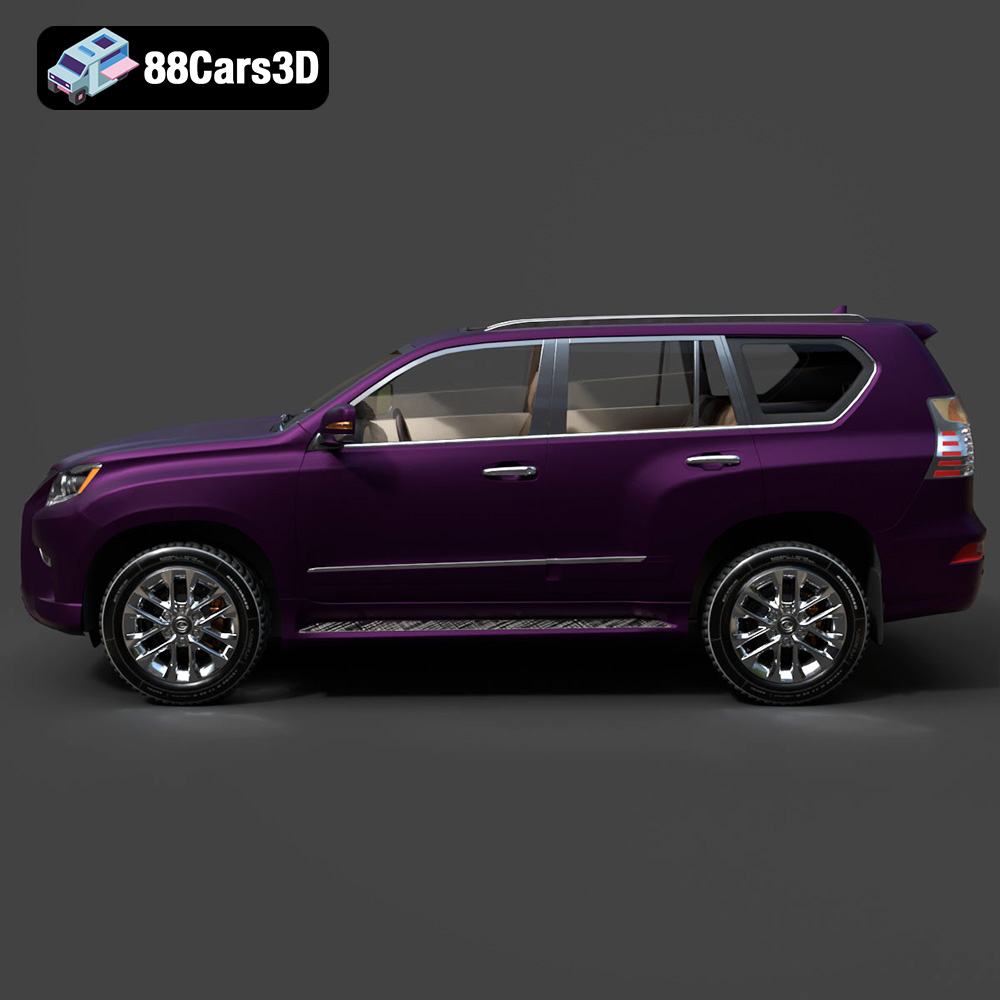
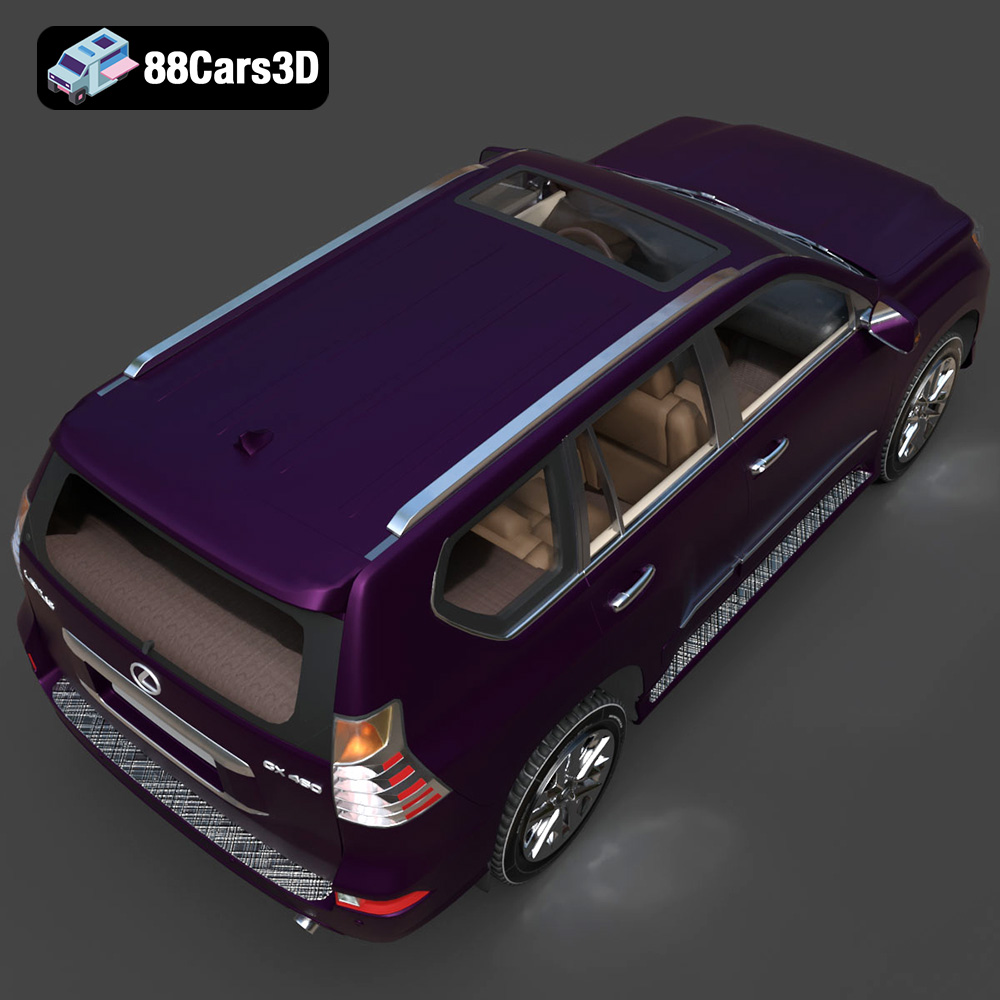
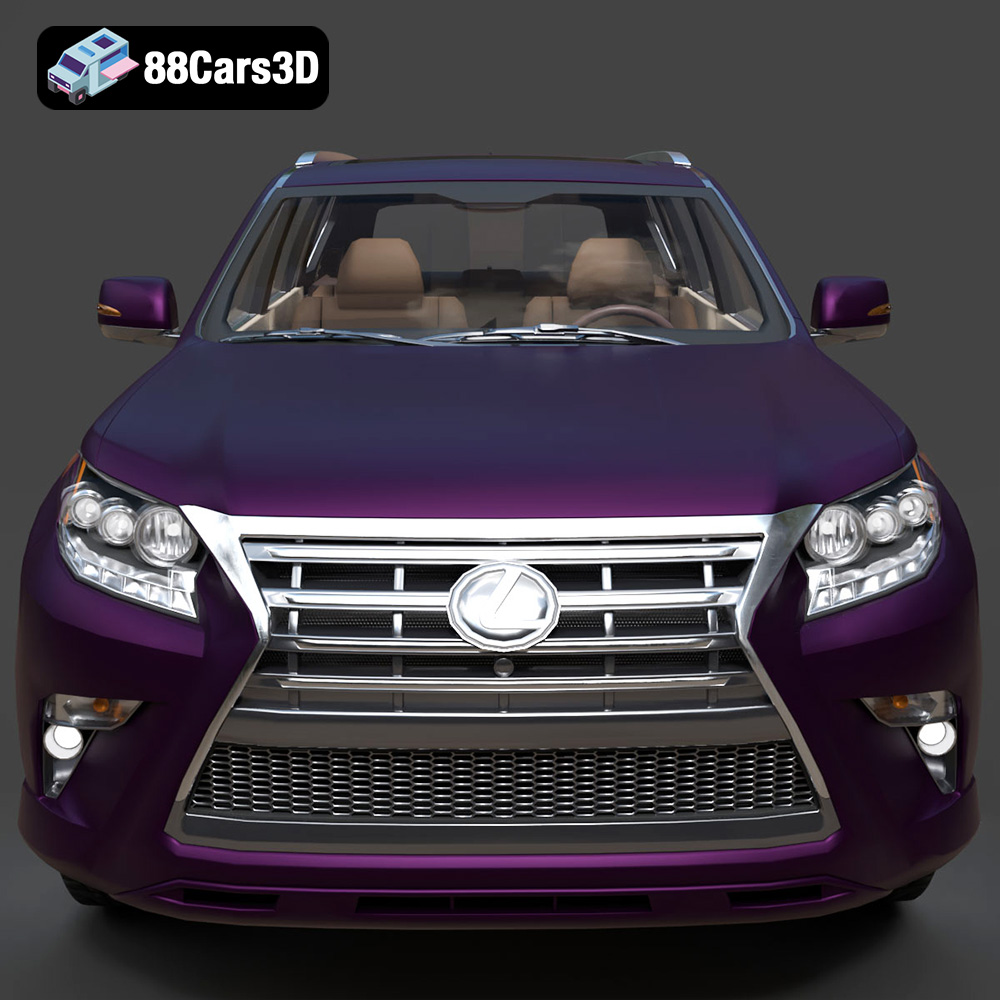
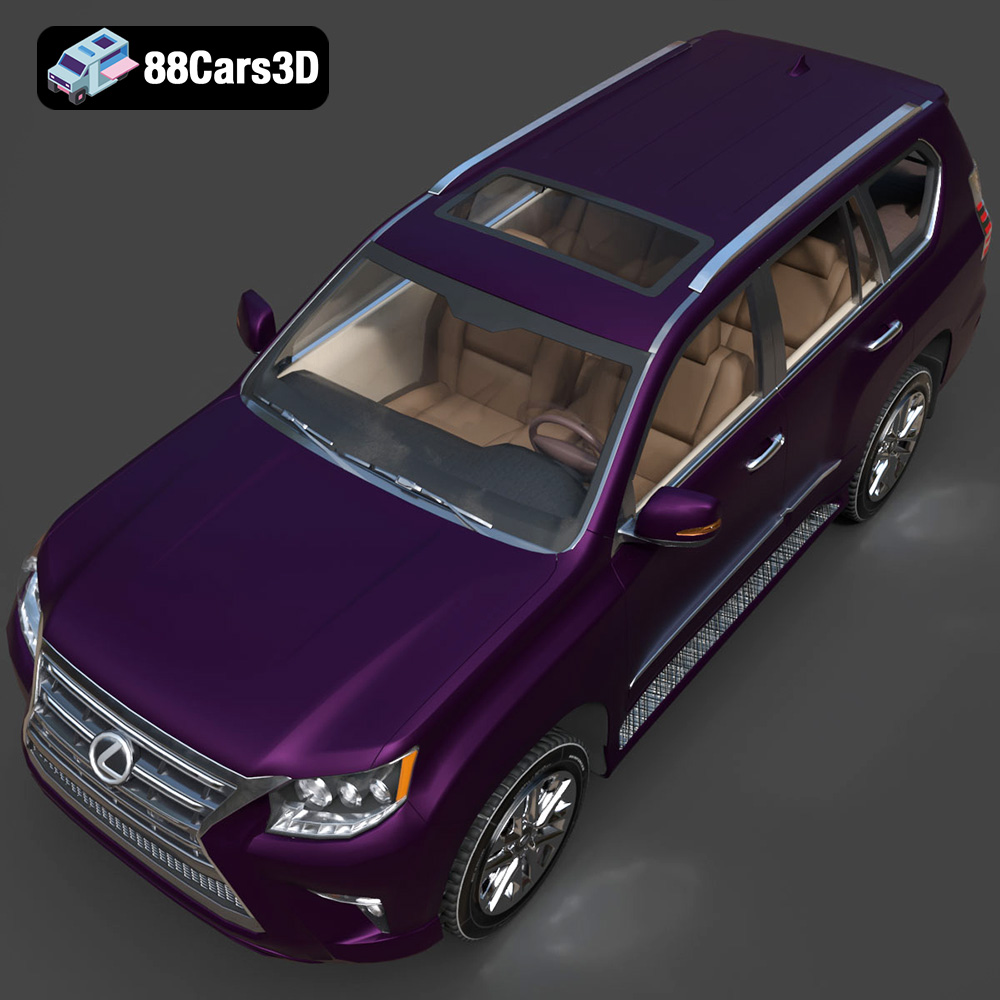
Today, we’re going to explore what makes a premium 3D car model stand out, using the exquisite Lexus GX460 2014 3D Model as our prime example. This asset, available on 88cars3d.com, encapsulates the essence of what professionals seek: an exceptional balance of realism, performance, and broad compatibility, ready to elevate any project to new heights. Join us as we journey through the technical intricacies and creative possibilities that such a high-fidelity model offers.
At the heart of every successful automotive visualization, simulation, or game lies a robust and accurate 3D model. These aren’t just pretty pictures; they are complex data sets that dictate how a vehicle looks, behaves, and interacts within a digital environment. Investing in high-quality 3D car models saves invaluable time and resources while guaranteeing a superior end product.
For designers, architects, and marketers, visualizing a vehicle with absolute precision is paramount. A high-fidelity model, like the Lexus GX460 2014, ensures that every curve, panel gap, and material finish is faithfully replicated. This allows for stunning photorealistic renderings that can be indistinguishable from actual photographs, crucial for product showcases, advertising campaigns, and client presentations. The ability to manipulate lighting, environments, and camera angles around a perfectly detailed model provides unparalleled creative control and accuracy.
Time is money in any professional production. Starting a project with a pre-built, optimized 3D model drastically accelerates the workflow. Instead of spending weeks on modeling, texturing, and rigging, artists can immediately focus on scene composition, animation, and rendering. The Lexus GX460 2014 3D Model arrives fully textured and ready for deployment, minimizing setup time and maximizing productivity across diverse platforms from Unreal Engine to 3ds Max.
High-quality 3D car models serve as a critical bridge between conceptual ideas and tangible realities. They enable engineers to conduct simulations, designers to iterate on aesthetics, and marketing teams to create compelling pre-launch visuals. Whether it’s testing aerodynamics in a virtual wind tunnel, evaluating ergonomic designs in VR, or preparing for 3D printing a prototype, the accuracy of the underlying 3D asset is the foundation for reliable and insightful results.
The versatility of a 3D model is often determined by the range and quality of its supported file formats. Each format caters to specific software, engines, or applications, offering unique advantages. The Lexus GX460 2014 3D Model exemplifies this versatility by offering a comprehensive suite of industry-standard formats, ensuring it fits seamlessly into almost any professional workflow.
The .blend format is native to Blender, the powerful open-source 3D creation suite. When you receive a .blend file, you’re not just getting the model; you’re often getting a complete scene, including materials, textures, lighting setups, and sometimes even camera animations. This makes it an ideal choice for Blender users who want full editability, the ability to tweak shaders, modify geometry, or re-render using Cycles or Eevee with the provided ready-to-use scene. The Lexus GX460 2014 .blend file provides a fantastic starting point for any Blender-centric project, offering a pre-configured environment that saves substantial setup time.
The .fbx (Filmbox) format is a widely adopted proprietary file format for 3D content, developed by Autodesk. It’s renowned for its excellent interoperability, especially when transferring models, animations, and skeletal data between different 3D software packages and game engines like Unreal Engine and Unity. For game developers and real-time visualization artists, .fbx is often the go-to choice due to its robust support for mesh data, materials, textures, and even animation. An .fbx version of the Lexus GX460 2014 ensures smooth integration into your game development pipeline, ready for asset optimization like LOD generation and collision mesh setup.
The .obj (Wavefront OBJ) format is one of the oldest and most universally supported 3D file formats. It’s a simple, text-based format primarily used for exchanging static 3D geometry data. While it might not carry advanced features like rigging or animation, its widespread compatibility across virtually all 3D software makes it invaluable. For basic mesh transfer, rendering in niche applications, or as a reliable fallback, the .obj version of the Lexus GX460 2014 provides a solid foundation that can be imported and manipulated in almost any 3D package.
.glb is the binary version of the GL Transmission Format (.gltf), an open standard for 3D scenes and models. Designed for efficiency and portability, .glb files embed all assets (geometry, textures, animations) into a single file, making them highly optimized for web-based 3D, augmented reality (AR), and virtual reality (VR) applications. Its compact size and single-file nature are perfect for fast loading times and seamless integration into browsers and mobile AR/VR experiences. The Lexus GX460 2014 .glb file is ideal for interactive product viewers on websites or for deploying in AR apps.
The .stl (Stereolithography) format is the de facto standard for 3D printing. It represents a 3D model as a series of connected triangles (a triangulated surface). Unlike other formats, .stl files typically do not carry color or texture information, focusing solely on the geometry of the object’s surface. For anyone looking to physically manifest the Lexus GX460 2014 as a scale model or prototype, the .stl file is essential, providing the necessary manifold geometry for additive manufacturing processes.
The .ply (Polygon File Format) is another common format for storing 3D data. It can store a wider range of properties than .stl, including color, transparency, surface normals, and texture coordinates, often used for data from 3D scanners. Its capability to store highly detailed point cloud or polygon mesh data makes it valuable for engineering analysis, reverse engineering, and applications requiring precise geometric information. The .ply version of the Lexus GX460 2014 would be beneficial for specific CAD workflows or for scientific visualization where mesh integrity and data attributes are critical.
The inclusion of a .unreal file (often a .uasset or pre-configured asset package) signifies a model specifically optimized and prepared for direct import into Unreal Engine. This typically means the model has appropriate material setups, often includes LODs (Levels of Detail), and might have collision meshes already generated, saving significant time for Unreal Engine developers. The Lexus GX460 2014’s .unreal file is a testament to its production-readiness, allowing for immediate integration into real-time environments without extensive configuration.
The .max format is the native file type for Autodesk 3ds Max, a leading software for 3D modeling, animation, and rendering in architectural visualization, product design, and visual effects. A .max file of the Lexus GX460 2014 means users of 3ds Max can access the model in its native environment, complete with layered scenes, modifiers, advanced materials (e.g., V-Ray, Corona), and potential animation setups. This offers the highest level of flexibility for 3ds Max artists to customize, animate, and render the vehicle with unparalleled control.
Photorealistic automotive rendering is an art form that blends technical skill with an aesthetic eye. A high-quality model like the Lexus GX460 2014 simplifies this process by providing a strong foundation of accurate geometry and expertly crafted materials, allowing artists to focus on scene composition and lighting.
For many professionals, 3ds Max coupled with render engines like V-Ray or Corona is the gold standard for automotive rendering. The Lexus GX460 2014 3D Model, available in .max format, integrates seamlessly into this workflow. Artists can leverage its clean geometry and PBR (Physically Based Rendering) materials to achieve stunning realism. Scene setup typically involves establishing an HDRI (High Dynamic Range Image) for realistic environment lighting, adding studio lights for accentuation, and carefully adjusting camera settings to mimic real-world photography. The model’s intricate exterior curves and detailed interior elements truly shine under these conditions, allowing for close-up shots that highlight its luxury and powerful stance.
Blender has emerged as a powerhouse for 3D artists, offering both ray-traced (Cycles) and real-time (Eevee) rendering capabilities. The .blend file for the Lexus GX460 2014 3D Model comes with pre-configured materials and potentially a lighting setup, making it incredibly easy to jump straight into rendering. Artists can quickly experiment with different material variations using Blender’s node-based shader editor, adjust vehicle paint, interior leather, or tire textures. Cycles delivers uncompromising realism for static shots, while Eevee enables rapid iterative design and even real-time animations, making the Lexus GX460 ideal for quick concepts or dynamic video presentations.
No render is truly finished without a touch of post-production. After rendering the Lexus GX460 2014, artists often use image editing software to fine-tune colors, add cinematic effects like depth of field or motion blur, and composite the vehicle into different backgrounds. Render passes (like diffuse, specular, reflection) provided by advanced renderers can be combined and adjusted for maximum impact, bringing out the subtle nuances of the car’s design and making it pop in any digital scene.
Game development and real-time visualization demand highly optimized assets that maintain visual fidelity while adhering to strict performance budgets. The Lexus GX460 2014 3D Model is designed with these requirements in mind, offering formats and structures perfect for interactive environments.
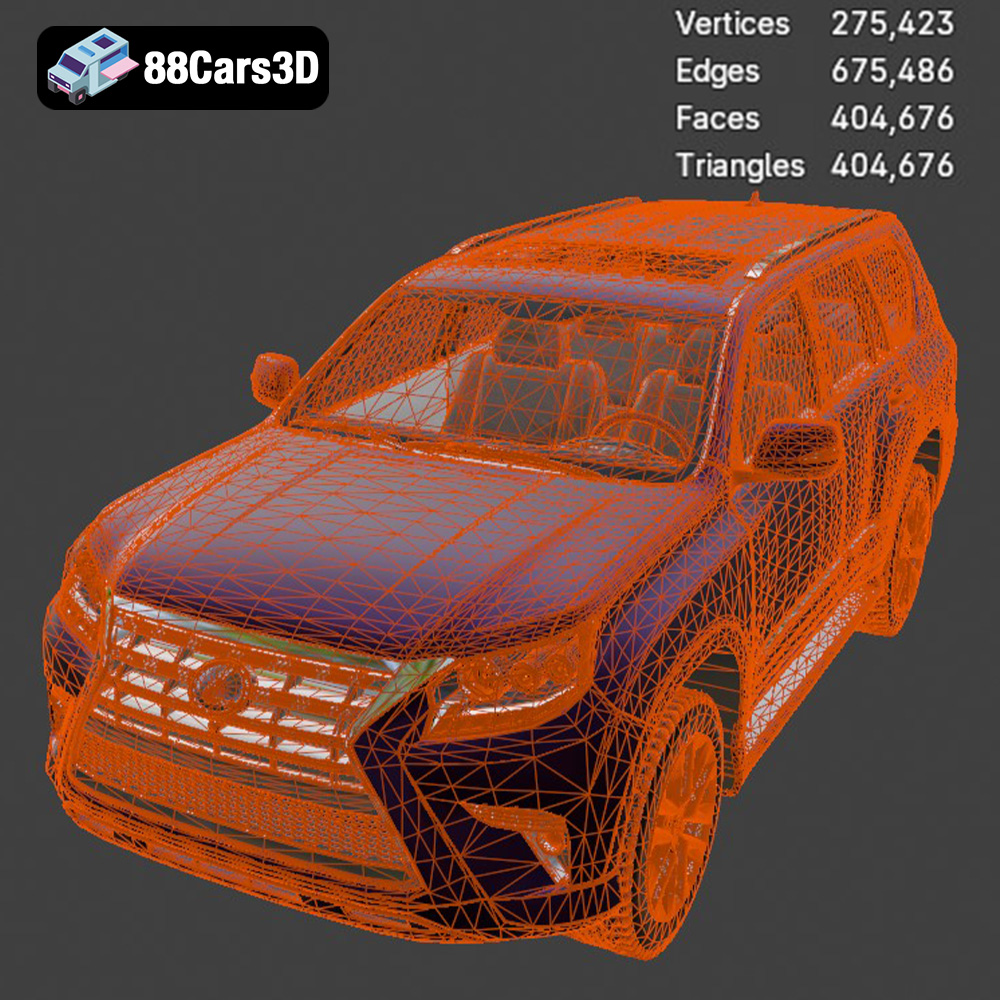
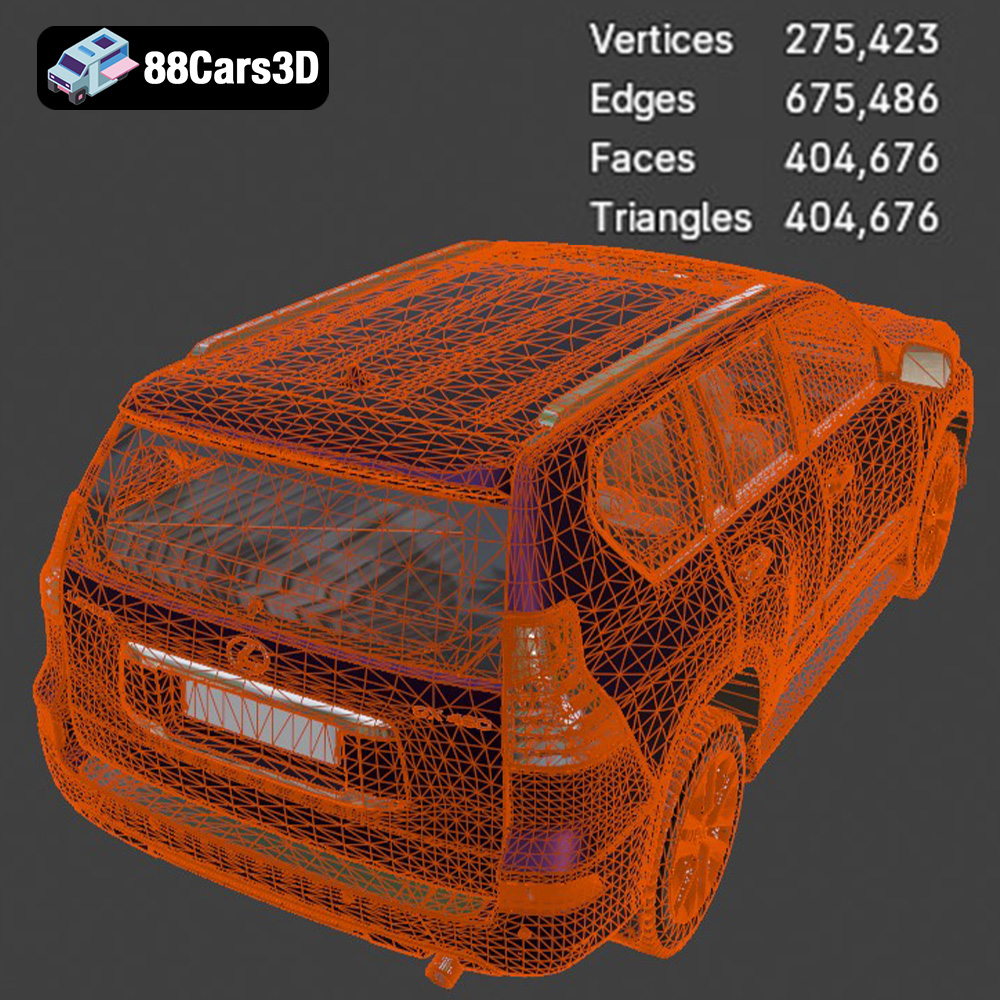
For game developers, the .fbx and .unreal formats of the Lexus GX460 2014 are invaluable. The model features an optimized polygon count, which is crucial for maintaining high frame rates in game engines. Professional game assets often utilize LODs (Levels of Detail), where progressively simpler versions of the model are swapped in as the camera moves further away. The model’s clean UV mapping is essential for baking ambient occlusion, lightmaps, and other texture data, ensuring consistent lighting and performance. Integrating the Lexus GX460 into Unreal Engine or Unity means instant access to a ready-to-drive vehicle for racing games, open-world simulations, or virtual showrooms.
Augmented Reality (AR) and Virtual Reality (VR) experiences are pushing the boundaries of interactive visualization. Performance is king in AR/VR, where high frame rates are necessary to prevent motion sickness. The .glb format of the Lexus GX460 2014 is specifically optimized for these applications, offering a lightweight, single-file solution that loads quickly and renders efficiently on various devices, from standalone VR headsets to mobile AR platforms. Imagine showcasing the Lexus GX460 in a virtual showroom, allowing users to walk around it, change colors, or even step inside the meticulously modeled interior.
Beyond entertainment, high-fidelity 3D car models are critical for professional simulations and training. From driver training simulators to automotive engineering analyses, accurate vehicle representations are essential for realistic behavior and feedback. The detailed geometry and realistic proportions of the Lexus GX460 2014 make it an excellent candidate for such applications, providing a solid base for physics simulations, virtual maintenance training, or testing autonomous driving algorithms in a controlled digital environment.
The utility of a high-quality 3D car model extends far beyond purely digital realms. With advancements in additive manufacturing, these models can transcend the screen and become physical objects, unlocking new possibilities for prototyping, education, and display.
The .stl format included with the Lexus GX460 2014 3D Model is specifically designed for 3D printing. Before printing, the model might require scaling to the desired physical dimensions and ensuring it is “manifold” – meaning it has a completely closed surface without any holes or intersecting geometry – which is crucial for successful fabrication. This allows designers to create highly detailed physical prototypes, scale models for display, or even functional parts for research. The precision of the digital model translates directly into the accuracy of the printed object, making it invaluable for educational tools or high-end collectibles.
The .ply format offers a more detailed representation of the mesh, often including additional data like vertex colors or normals, making it suitable for more advanced technical analysis. Engineers and product developers might use the .ply version of the Lexus GX460 2014 for reverse engineering purposes, measuring surface deviations, or performing intricate geometric analyses. This can be particularly useful in automotive design for evaluating complex surfaces or comparing digital designs against physical scans, ensuring optimal form and function.
In the competitive world of 3D production, the quality of your assets directly impacts the quality and efficiency of your work. Opting for professional-grade 3D car models is a strategic decision that offers numerous advantages.
Building a complex 3D car model like the Lexus GX460 2014 from scratch can take hundreds of hours for an experienced artist, a significant investment in both time and salary. Purchasing a pre-made, high-quality asset from a reputable source like 88cars3d.com dramatically reduces production costs and accelerates project timelines. It allows artists and studios to immediately integrate a professional-grade vehicle into their scenes, focusing on creative execution rather than foundational modeling.
When sourcing 3D assets, quality and compatibility are paramount. The Lexus GX460 2014 3D Model boasts “meticulous attention to detail,” “clean geometry,” and “realistic materials.” This commitment to quality ensures that the model will look exceptional in diverse rendering engines and perform optimally in real-time applications. Furthermore, the inclusion of multiple industry-standard file formats (.blend, .fbx, .obj, .glb, .stl, .ply, .unreal, .max) guarantees maximum compatibility across various software and pipelines, eliminating conversion headaches and workflow disruptions.
88cars3d.com provides a curated marketplace for premium 3D models, catering to a wide array of professional needs. Whether you’re working on an advertising campaign requiring a sleek sports car, a game needing a robust SUV, or an architectural visualization showcasing luxury vehicles, a reliable source for high-quality 3D car models is indispensable. The Lexus GX460 2014 is just one example of the detailed and versatile assets available to elevate your projects.
High-quality 3D car models are indispensable tools in today’s digital landscape, driving innovation across automotive rendering, game development, AR/VR experiences, and even 3D printing. The precision, versatility, and efficiency they offer are critical for professionals aiming to produce outstanding results.
The Lexus GX460 2014 3D Model stands as a testament to what a meticulously crafted digital asset can achieve. Its exceptional realism, optimized performance, and comprehensive file format support ensure it seamlessly integrates into any demanding production environment, from the intricate rendering studios of 3ds Max and Blender to the real-time worlds of Unreal Engine. By leveraging such expertly prepared assets from 88cars3d.com, artists and developers can unlock new creative possibilities and deliver projects that truly captivate and impress.
Discover the exceptional realism and precision of the Lexus GX460 2014 3D Model. Crafted with meticulous attention to detail, this digital asset perfectly replicates the powerful stance and luxurious design of the iconic SUV, making it an outstanding addition to your digital library. Designed for optimal performance, this model features clean geometry, realistic materials, and an optimized polygon count. Every exterior curve and interior element has been modeled to deliver professional quality results. The asset is fully textured and ready for immediate deployment in your chosen software. Whether you are developing an immersive video game, creating photorealistic architectural visualizations, producing interactive AR/VR experiences, or conducting automotive simulations, this versatile 3D model adapts seamlessly to any demanding production environment. This comprehensive package includes multiple industry-standard file formats to ensure maximum compatibility: .blend – Editable Blender file with materials and lighting setup; .fbx – Game-engine ready format for Unreal Engine and Unity; .obj – Standard 3D model format compatible with all major software; .glb – Optimized for AR/VR and web-based visualization; .stl – Suitable for 3D printing and prototyping; .ply – Detailed polygon mesh for analysis and visualization; .unreal – Pre-configured for Unreal Engine use; .max – Editable 3ds Max file for rendering and animation.
$39.99
.arvr
.blend
.car3dmodel
.fbx
.gameasset
.glb
.gx460
.lexus
.luxury
.max
.obj
.offroad
.ply
.rendering
.simulation
.stl
.unreal
SUV