Get 20% OFF All Premium 3D & STL Models!

In the rapidly evolving world of digital content creation, the demand for exceptionally detailed and technically robust 3D models is greater than ever. From cinematic renders that captivate audiences to immersive game environments and cutting-edge AR/VR experiences, the quality of a 3D asset directly impacts the final product’s realism and performance. Automotive design, in particular, requires an unparalleled level of precision, artistry, and technical optimization to truly shine. Whether you’re a game developer crafting an open-world racing title, an architect visualizing a luxurious penthouse with a stunning vehicle in the driveway, or a marketing professional creating a brand campaign, the foundational element is always a superior 3D model.
Today, we’re going to take a closer look at what makes a 3D car model truly professional-grade, using the exquisite Lexus LS 500 2018 3D Model as our prime example. This model, available at 88cars3d.com, encapsulates the pinnacle of Japanese luxury and meticulous digital craftsmanship, offering a comprehensive solution for a myriad of applications. We’ll explore the technical nuances that elevate such models, discuss critical file formats, delve into specific professional workflows, and understand how a high-quality asset can transform your projects.
The automotive industry has always been at the forefront of design and engineering innovation, and its digital representation is no exception. Consumers and professionals alike expect photorealistic renderings that blur the lines between virtual and reality. This pursuit of realism extends beyond static images to dynamic animations, interactive configurators, and real-time simulations. Achieving this level of fidelity demands more than just aesthetic appeal; it requires deep technical understanding of geometry, materials, lighting, and performance optimization.
Creating a premium 3D car model is a complex journey that marries artistic interpretation with engineering precision. It involves meticulous attention to every curve, panel gap, and material finish. Digital artists must translate the original vehicle’s design language—its proportions, character lines, and intricate details—into a lightweight, accurate, and versatile digital asset. This process requires not only artistic skill but also a solid grasp of 3D software, rendering engines, and real-time optimization techniques.
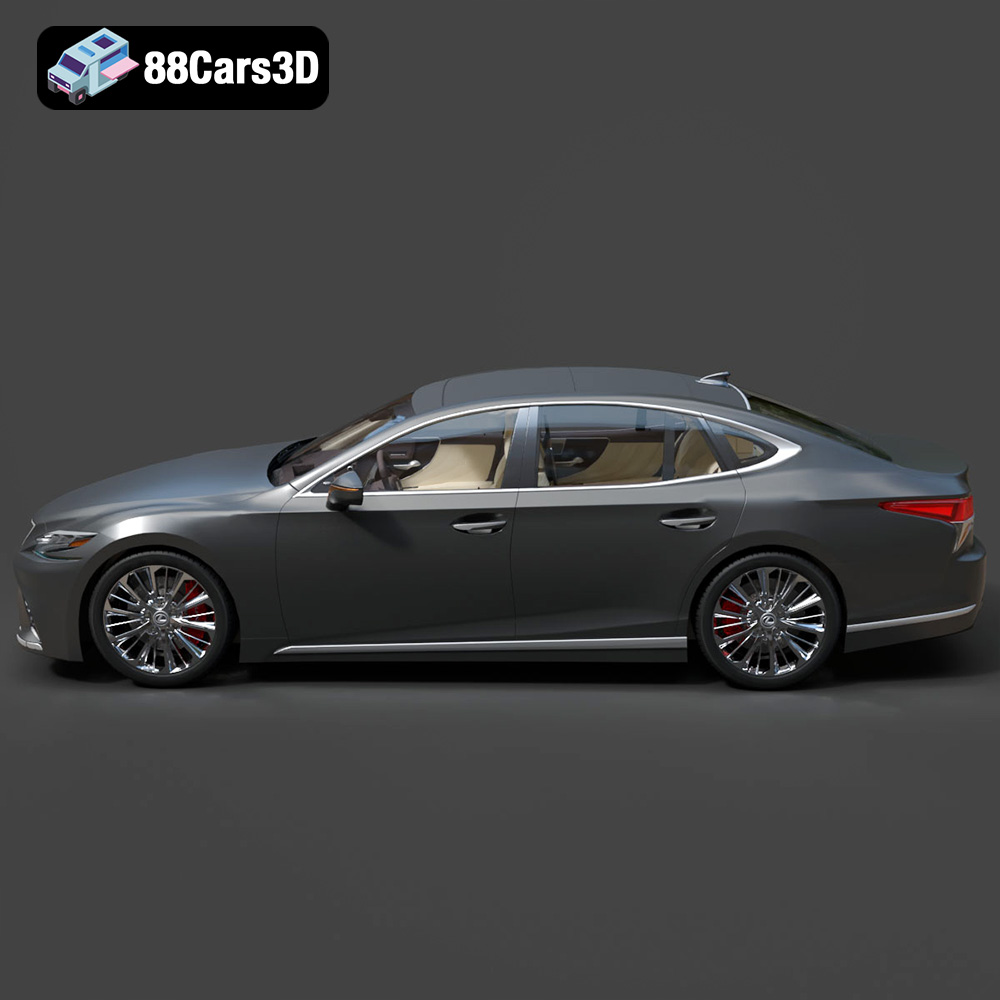
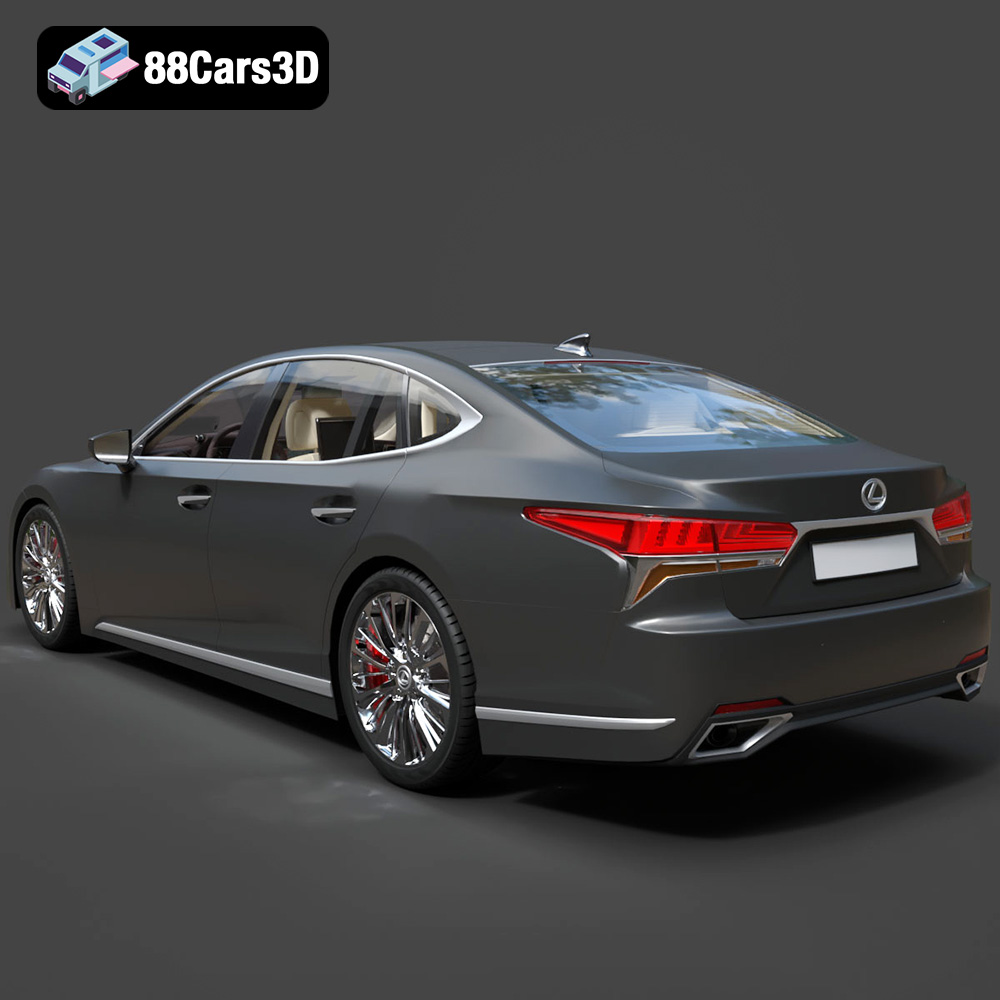
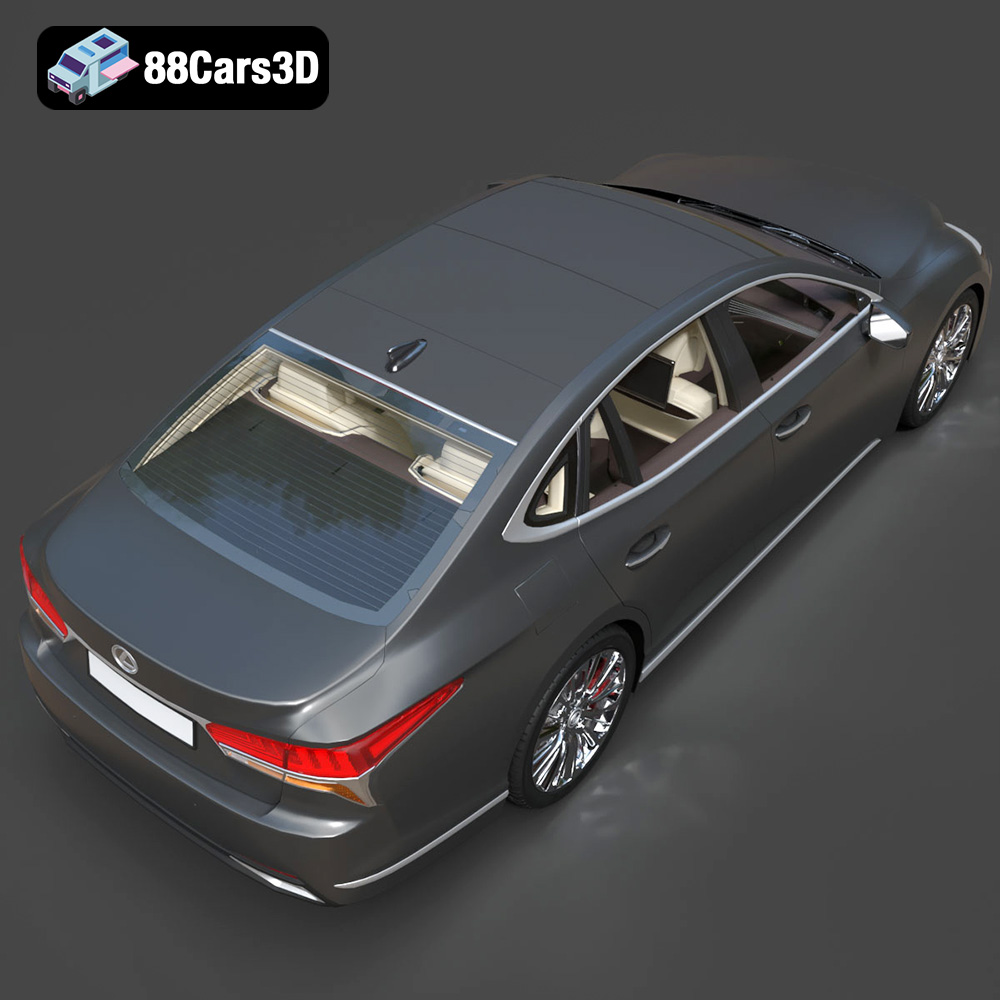
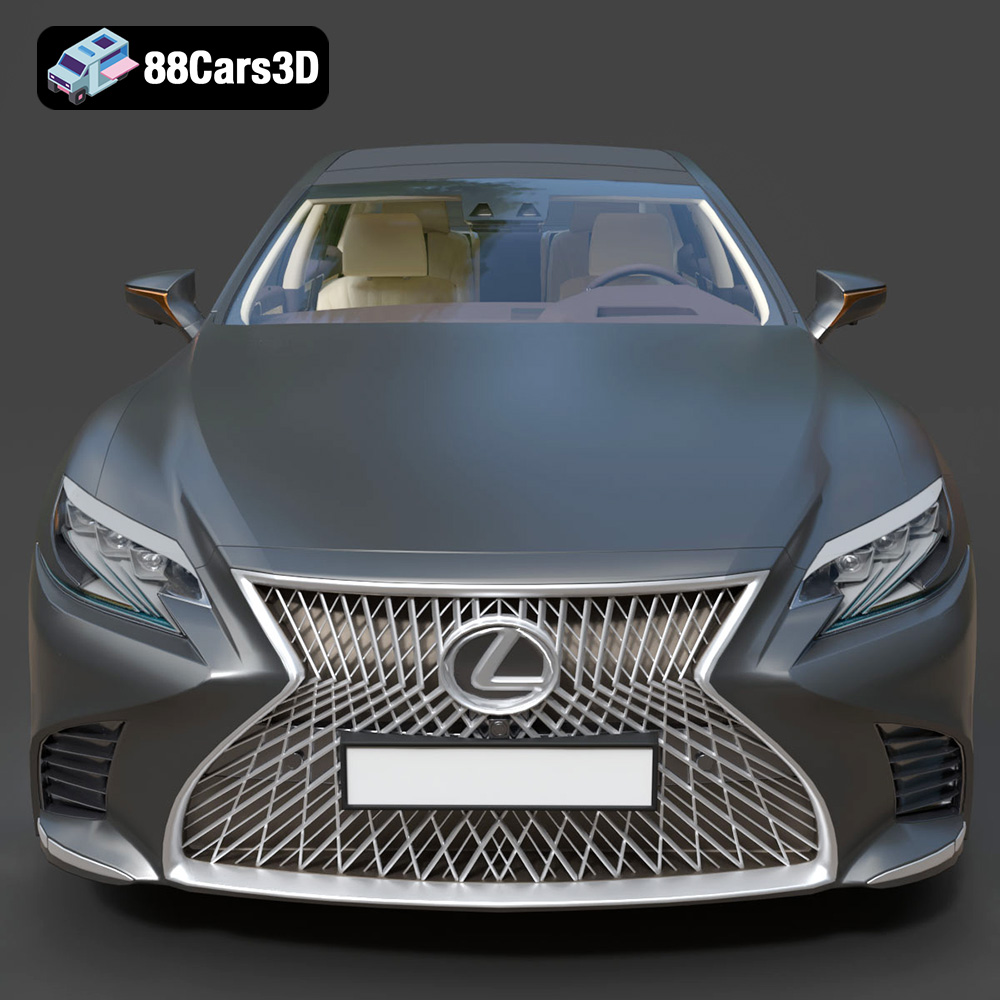
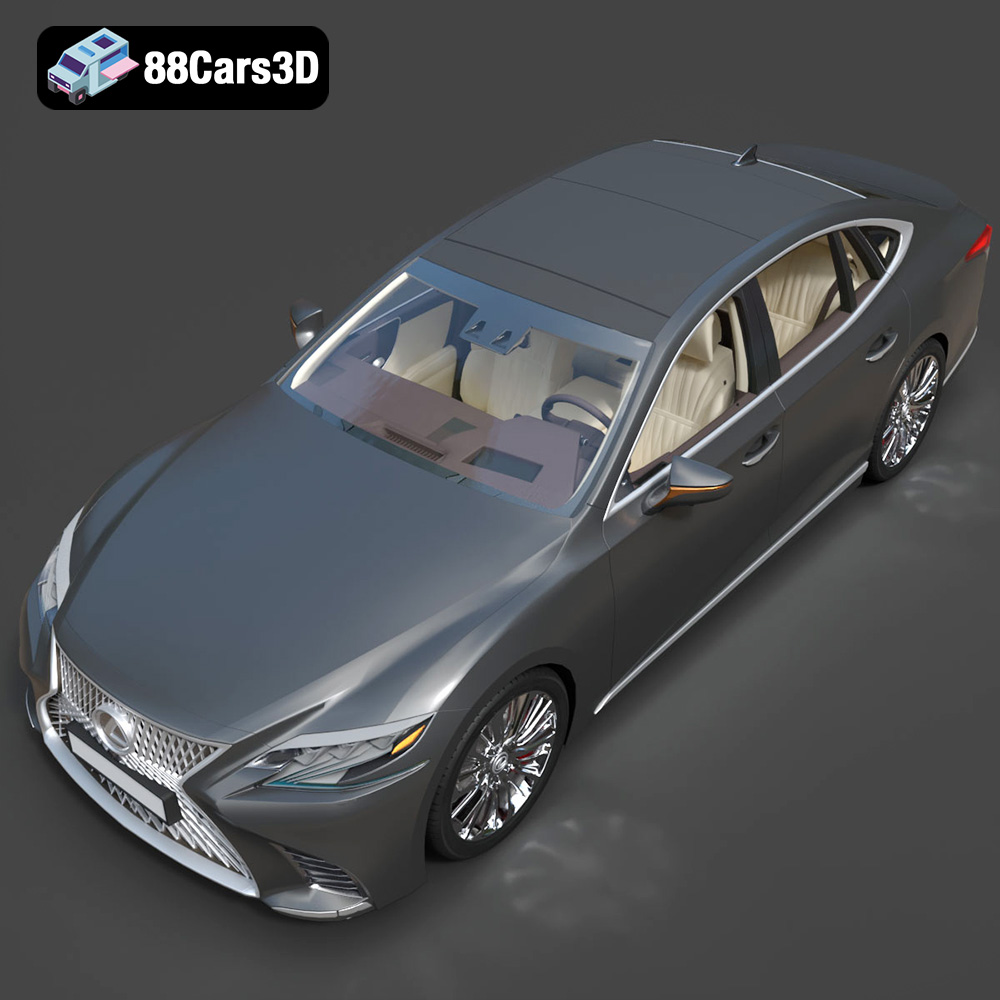
The 2018 Lexus LS 500 is a masterpiece of automotive design, known for its striking spindle grille, elegant coupe-like silhouette, and the famed Takumi craftsmanship. Capturing this essence in a 3D model requires exceptional skill. The Lexus LS 500 2018 3D Model is an excellent demonstration of this, providing an asset that is not only visually stunning but also technically optimized for a broad range of professional uses. Its detailed exterior, complete with accurately modeled multi-link suspension and signature LED lighting, combined with a luxurious, optimized interior, makes it a standout choice for high-fidelity projects. From its game-ready topology to its precise real-world scale, every aspect is designed to meet the rigorous demands of professional production pipelines.
Choosing the correct 3D model file format is a critical decision that impacts workflow, compatibility, performance, and the final output quality. Different formats are designed for specific purposes, offering unique advantages depending on your project’s requirements. The Lexus LS 500 2018 3D Model, for instance, is offered in a wide array of formats, ensuring maximum flexibility for artists and developers across various platforms. Understanding these formats is key to a smooth and efficient production pipeline.
The .blend format is native to Blender, the popular open-source 3D creation suite. A .blend file typically contains an entire scene, including mesh data, materials, textures, animations, lights, cameras, and even custom scripts. This makes it a powerful format for artists working entirely within the Blender ecosystem, allowing for full editability and easy project sharing among Blender users. For those who prefer to work in Blender, having the Lexus LS 500 2018 3D Model in its native .blend format ensures all its intricate details, materials, and any pre-set animations are directly accessible and fully customizable.
Autodesk’s .fbx (Filmbox) format is one of the most widely supported and versatile 3D file formats, particularly in game development and real-time visualization. It excels at transferring 3D models, animation data, cameras, and lights between different software applications like 3ds Max, Maya, Unity, and Unreal Engine. FBX files can store complex hierarchies, bone rigs, skinning data, and blend shapes, making them ideal for animated characters and vehicles. When using the Lexus LS 500 2018 3D Model in .fbx, you benefit from its ability to preserve the model’s separate components (wheels, doors, suspension) and pivot setups, crucial for interactive animations in real-time environments.
The .obj (Wavefront OBJ) format is a simple, universal 3D data format that is supported by nearly every 3D application. It stores geometric data, including vertex positions, UV coordinates, normals, and material group information. While it doesn’t support animation or advanced scene data, its widespread compatibility makes it an excellent choice for basic mesh transfer when you need to move a static model between different software packages without losing fundamental structural information. For the Lexus LS 500 2018 3D Model, the .obj version ensures broad accessibility for rendering and visualization tasks across diverse platforms.
.glb (GL Transmission Format Binary) is an increasingly popular format, especially for web-based 3D, augmented reality (AR), and virtual reality (VR) applications. It’s a binary version of glTF, which packages all necessary assets—geometry, textures, animations, and materials—into a single, self-contained file. This makes .glb highly efficient for streaming and loading in browser environments and mobile devices, requiring fewer HTTP requests. Its compact size and optimized structure are perfect for showcasing the Lexus LS 500 2018 3D Model in virtual showrooms or interactive AR experiences, offering fast loading times and consistent visual quality.
The .stl (Stereolithography) format is the de facto standard for 3D printing. It represents a 3D model as a series of connected triangles, describing only the surface geometry of an object without color, texture, or other CAD attributes. While it lacks visual fidelity, its simplicity is perfect for manufacturing. When preparing the Lexus LS 500 2018 3D Model for 3D printing, the .stl format is essential, allowing hobbyists and professionals to produce physical replicas at recommended scales like 1:12, 1:18, or 1:24, capturing its intricate physical form.
The .ply (Polygon File Format or Stanford Triangle Format) is a versatile format often used to store 3D data from 3D scanners. It can store not only vertex positions and faces but also color, normals, texture coordinates, and other properties per vertex or face. While not as common for general asset distribution as FBX or OBJ, .ply is valuable for applications requiring precise geometric data or when integrating scanned automotive components into a digital workflow. It’s a robust option for the Lexus LS 500 2018 3D Model if detailed mesh analysis or specific rendering pipelines are required.
The .unreal file often refers to assets packaged specifically for direct import and use within Unreal Engine, or an Unreal Engine project file containing the asset with all its materials, textures, and blueprints pre-configured. This format drastically streamlines the workflow for Unreal Engine developers, as it bypasses the need for manual setup of materials, collisions, and other engine-specific parameters. For the game-ready Lexus LS 500 2018 3D Model, an .unreal variant means it’s ready to drop into your project, pre-optimized for real-time rendering, ensuring immediate integration into your virtual worlds and simulations.
The .max format is the native file type for Autodesk 3ds Max, a leading software for 3D modeling, animation, and rendering. Like .blend files, .max files contain all scene data, including geometry, materials, lighting, cameras, animation keyframes, and plugins. This format is crucial for artists who intend to extensively modify, animate, or render the Lexus LS 500 2018 3D Model within 3ds Max, leveraging its powerful toolset for architectural visualization, product design, and cinematic production. It ensures full control over every aspect of the model for high-end rendering projects.
The difference between an average 3D model and a truly exceptional one lies in its technical foundation. For the Lexus LS 500 2018 3D Model, this foundation is meticulously engineered to ensure both stunning visual fidelity and optimal performance across various applications. This is where the ‘science’ of 3D modeling truly comes into play.
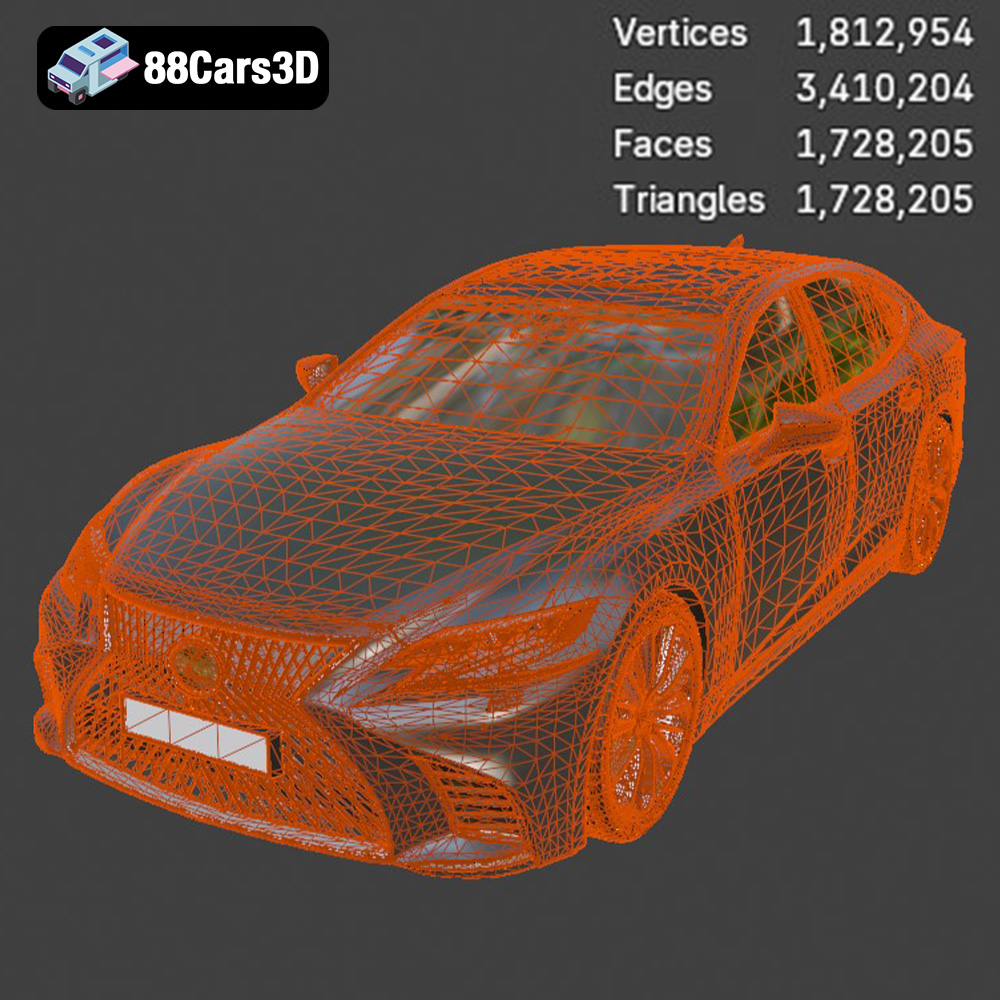
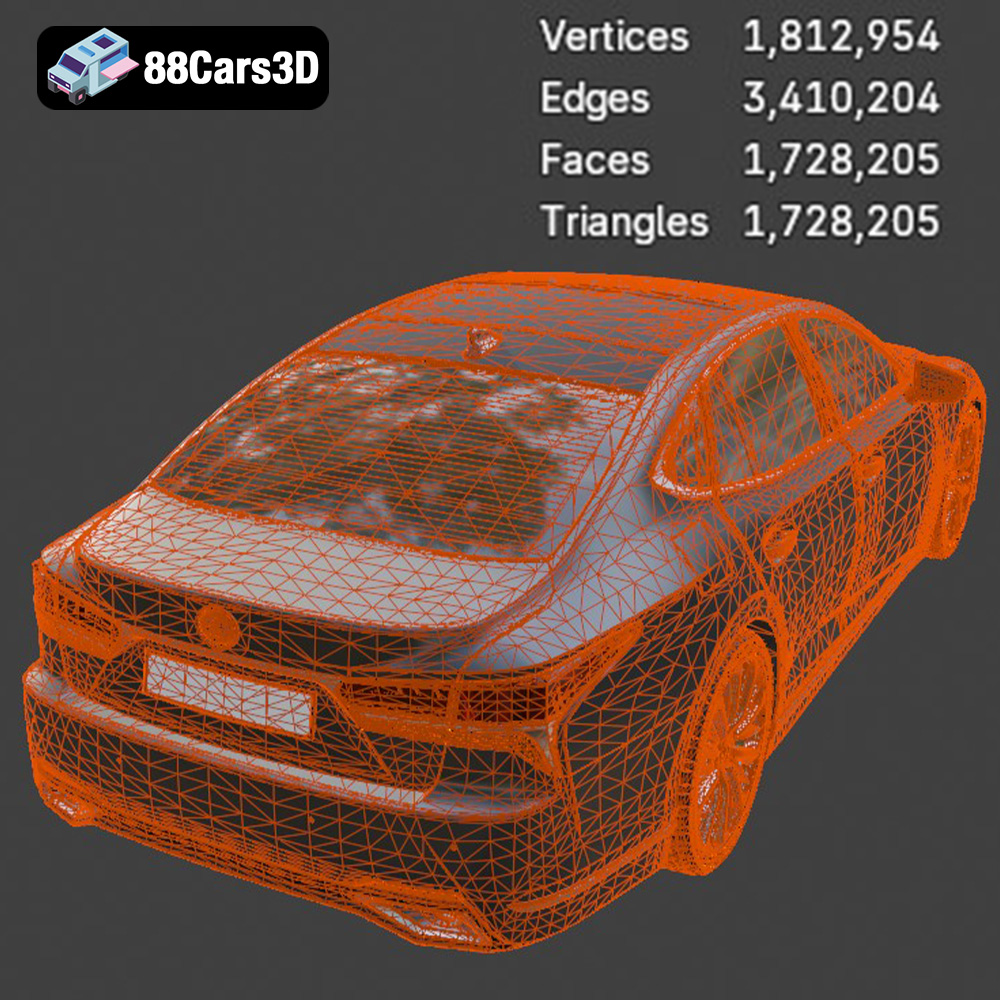
At the heart of any 3D model is its geometry – the collection of vertices, edges, and faces that define its shape. The Lexus LS 500 2018 3D Model boasts an optimized topology with approximately 200,000 triangles. This polycount strikes a perfect balance: it’s high enough to capture the intricate curves and subtle design elements of the luxury sedan, such as the complex spindle grille and the elegant body lines, without being excessively heavy for real-time engines like Unreal and Unity. Clean, quad-based topology (converted to triangles for game engines) is crucial for smooth subdivisions, distortion-free deformation during animation, and efficient UV mapping. This optimization means the model will render beautifully without bogging down your scene or requiring extensive rework.
Visual realism is significantly enhanced by high-resolution textures and accurately crafted materials. The Lexus LS 500 is renowned for its Takumi craftsmanship, evident in its luxurious interior and exquisite exterior finishes. A premium 3D model replicates this with detailed PBR (Physically Based Rendering) materials that accurately simulate metallic paints, reflective chrome, soft leathers, intricate stitching, and fine interior details. The high-resolution textures ensure that even up close, elements like the digital instrument cluster, infotainment screen, and quilted leather seating retain their sharpness and depth, providing an immersive experience for first-person views in gaming or VR simulations.
For dynamic projects, a static model is often insufficient. The Lexus LS 500 2018 3D Model is designed for animation, featuring separate components such as wheels, doors, suspension, and steering. Crucially, it comes with proper pivot setups for steering, wheel rotation, and suspension travel. This means that animators can immediately begin creating realistic driving sequences, opening doors, or simulating suspension dynamics without the tedious task of manually setting up pivots and hierarchies. This “game-ready” aspect significantly accelerates production timelines for game developers and cinematic artists alike.
The versatility of a high-quality 3D car model, like the Lexus LS 500 2018, truly shines when integrated into diverse professional pipelines. Its technical advantages translate directly into efficiency and superior output across various industries.
For high-end architectural visualization and product advertising, 3ds Max remains a dominant force, especially when paired with powerful renderers like V-Ray or Corona. The Lexus LS 500 2018 3D Model, supplied in .max format, is a perfect fit for these demanding workflows. Artists can import the model, leverage its clean geometry and PBR materials, and then craft exquisite studio lighting setups or realistic environmental scenes. The model’s accurate real-world scale and detailed components allow for precise placement within architectural contexts, from luxury driveways to grand showroom floors. The ability to customize body colors, material finishes, and lighting environments ensures that the vehicle seamlessly integrates into any aesthetic vision, creating truly photorealistic results for brand campaigns and lifestyle scenes.
Game developers require assets that are not only visually appealing but also highly optimized for real-time performance. With its ~200,000 triangle polycount and game-ready structure, the Lexus LS 500 2018 3D Model is tailor-made for engines like Unreal and Unity. The availability in .fbx and .unreal formats means easy import, with pivot points and separate components ready for physics and animation systems. For open-world games, racing titles, or even interactive car configurators within games, this model provides the visual fidelity necessary for modern titles without compromising frame rates. Its interior optimization also supports compelling first-person POV experiences, adding depth to player immersion.
Augmented Reality (AR) and Virtual Reality (VR) are transforming how we interact with digital content. For virtual showrooms, automotive configurators, or even educational simulations, high-quality 3D car models are indispensable. The Lexus LS 500 2018 3D Model’s optimization and availability in .glb format make it ideal for AR/VR applications. Its efficient geometry and pre-optimized textures ensure smooth performance on mobile devices and VR headsets. Users can virtually walk around the car, open its doors, explore its detailed interior, and even change its color in real-time, offering an unparalleled level of interaction and engagement for potential buyers or enthusiasts.
Beyond digital screens, the Lexus LS 500 2018 3D Model extends its utility to the physical realm through 3D printing. Providing the model in .stl format allows hobbyists and designers to create tangible replicas. For achieving the finest details, resin printing is recommended, with precise settings for layer height (0.04–0.12 mm) and wall thickness (1.2–2.0 mm). Specific print orientations and support requirements for intricate parts like the grille and exhaust ensure structural integrity and successful output. Post-processing, including sanding, priming, and applying authentic factory colors with metallic finishes, can elevate a 3D print into a stunning display piece, showcasing the model’s design in a physical form.
The true power of a versatile 3D asset lies in its ability to be adapted and customized to fit specific project needs. The Lexus LS 500 2018 3D Model offers ample opportunities for tailoring, significantly extending its value.
Artists and designers are rarely restricted to a single look for a vehicle. The Lexus LS 500 2018 3D Model allows for easy customization of its visual properties. Changing body colors to match factory options or creating unique custom metallic and pearl finishes is straightforward, enhancing creative freedom. Tire textures can be modified to reflect different variants (e.g., street vs. performance), and material finishes can be adjusted between matte, gloss, or chrome to achieve desired reflections and light interactions. Furthermore, adapting the lighting setup for various environments—be it a bright daylight scene, a dramatic night driving scenario, or a controlled studio shot—can completely alter the mood and presentation of the vehicle, making it suitable for any narrative or promotional content.
Consider the application in virtual showrooms. An automotive manufacturer or a luxury car dealership could utilize this Lexus LS 500 2018 3D Model to create an immersive online experience. Customers could virtually “walk around” the car, interact with its features, view the interior from any angle, and even change exterior colors and wheel options in real-time, all from the comfort of their home. This level of interactive configurator, built on a robust 3D model, offers a powerful marketing and sales tool, providing an engaging alternative to traditional dealerships and showcasing the vehicle’s features in detail.
Beyond typical applications, a high-quality 3D car model unlocks numerous creative possibilities. In film and advertising, it can serve as a hero asset for CGI sequences, seamlessly integrating into live-action footage. For architectural visualization, placing the Lexus LS 500 2018 in a luxurious home’s driveway or a high-rise garage adds a touch of aspirational realism to property renderings. In simulation, it can be used for advanced driver-assistance system (ADAS) testing, traffic simulations, or even virtual training scenarios. The precision and optimization of the model make it a valuable resource for expanding the scope and impact of diverse digital projects.
In professional production environments, time is money. Sourcing pre-optimized, game-ready 3D models like the Lexus LS 500 2018 from reputable marketplaces significantly reduces development time and costs. Instead of spending weeks on modeling, texturing, and optimizing a vehicle from scratch, artists can focus on scene composition, animation, and unique project elements. A model with clean geometry, proper UVs, and pre-configured pivots is a plug-and-play solution that accelerates workflows and ensures a consistent standard of quality across projects. This efficiency is invaluable for meeting tight deadlines and maintaining high production values.
Investing in premium 3D assets is an investment in efficiency and quality. Websites like 88cars3d.com specialize in providing high-quality 3D car models that meet the rigorous standards of professional production. When you acquire a model like the Lexus LS 500 2018 3D Model from 88cars3d.com, you are not just getting a mesh; you are receiving a meticulously crafted, technically sound asset that has been prepared for multiple applications and software environments. This translates into tangible savings in development costs, reduced troubleshooting, and the assurance of a superior final product. It empowers creators to deliver exceptional results with greater speed and confidence.
High-quality 3D models are enduring assets. With proper care and updates, they can be repurposed and re-integrated into new projects for years to come. A well-constructed model, compatible with various file formats and optimized for current and future real-time rendering technologies, forms a valuable part of any digital asset library. Choosing versatile and technically robust models ensures that your creative investments continue to pay dividends as technology and project requirements evolve.
The world of 3D visualization is a dynamic space where technical precision meets artistic expression. The demand for high-quality 3D car models that are both visually stunning and technically robust is a cornerstone of modern digital content creation across industries. The Lexus LS 500 2018 3D Model stands as a shining example of such an asset, meticulously crafted for versatility and performance. Its optimized geometry, high-resolution textures, animation readiness, and broad file format compatibility (from .blend and .max for detailed design to .fbx and .unreal for game development, and .glb for AR/VR) make it an indispensable tool for professionals. By understanding the intricacies of these assets and leveraging platforms like 88cars3d.com for reliable resources, artists and developers can unlock unparalleled creative potential and elevate their projects to new heights of realism and engagement.
The 2018 Lexus LS 500 is the pinnacle of Japanese luxury, featuring a striking spindle grille, elegant coupe-like silhouette, and a powerful twin-turbo V6 engine. Known for its meticulous Takumi craftsmanship, whisper-quiet ride, and aggressive yet refined styling, the LS 500 represents the intersection of executive comfort and cutting-edge automotive design. From its complex front fascia to the dual exhaust outlets, every curve is captured to convey its dynamic road presence. This highly detailed, game-ready 3D model boasts optimized topology (approximately 200,000 triangles), ensuring top-tier visual fidelity without sacrificing real-time performance. Designed with clean geometry and high-resolution textures, it delivers photorealistic results ideal for modern game development, immersive AR/VR experiences, high-end animation, and architectural visualization.
$39.99
.2018
.blend
.fbx
.glb
.lexus
.max
.obj
.ply
.rendering
.stl
.unreal
car-3d-model
executive-car
game asset
game-ready
low-poly
ls-500
luxury-sedan
optimized
VR/AR