Get 20% OFF All Premium 3D & STL Models!

“`html
The world of 3D printing has opened up incredible possibilities for automotive enthusiasts, hobbyists, and even professionals. Creating detailed car models, prototypes, and custom parts is now more accessible than ever. However, the success of your automotive 3D print hinges on selecting the right material. The vast array of resins and filaments available can be overwhelming, so this guide will break down the best options for your specific needs, whether you’re printing a display model from 88cars3d.com, a functional prototype, or a durable replacement part. We’ll cover the properties of various materials, their ideal applications in the automotive context, and provide actionable tips for achieving optimal print results. From understanding the nuances of FDM filaments to mastering the art of resin printing, this guide will equip you with the knowledge to confidently choose the best material for your next automotive 3D printing project.
Before diving into specific materials, it’s crucial to define your project requirements. Consider the intended use of the printed part. Is it a purely aesthetic model meant for display? Does it need to withstand high temperatures under the hood? Will it be subjected to mechanical stress or require a smooth, paintable surface? Answering these questions will narrow down your material choices significantly. Remember to always check the manufacturer’s data sheets for precise specifications regarding temperature resistance, tensile strength, and other relevant properties.
Each material possesses a unique set of properties that make it suitable for different applications. Understanding these properties is vital for making informed decisions. Tensile strength dictates the material’s resistance to stretching forces, while flexural modulus indicates its stiffness. Heat deflection temperature (HDT) measures the temperature at which a material begins to deform under load. Chemical resistance determines its ability to withstand exposure to various fluids and chemicals. Finally, consider the ease of printing; some materials require specialized equipment or more advanced printing techniques.
Fused Deposition Modeling (FDM) 3D printing is a popular choice for its affordability and ease of use. Filament-based printers work by extruding heated plastic through a nozzle, layer by layer, to create the desired object. The most common filaments include PLA, PETG, ABS, and more specialized options like nylon and carbon fiber-reinforced composites. Each filament type has unique properties that make it suitable for different automotive applications. FDM is generally a great place to start if you are new to 3D printing because the equipment is relatively inexpensive.
PLA (Polylactic Acid) is a biodegradable thermoplastic derived from renewable resources like cornstarch or sugarcane. It’s known for its ease of printing, minimal warping, and relatively low printing temperature. PLA is an excellent choice for aesthetic models and decorative parts that won’t be exposed to high temperatures. However, its low heat resistance (HDT around 50-60°C) makes it unsuitable for functional automotive parts that will be placed under the hood or in direct sunlight. Consider PLA for interior trim pieces or dashboard accessories, but avoid using it for structural components or anything exposed to engine heat.
PETG (Polyethylene Terephthalate Glycol-modified) offers a significant upgrade in strength and durability compared to PLA. It boasts higher impact resistance, better heat resistance (HDT around 70-80°C), and good chemical resistance. PETG is a versatile material suitable for a wider range of automotive applications, including brackets, housings, and other parts that require moderate strength and temperature resistance. It’s also less prone to warping than ABS, making it easier to print on most FDM printers. Because of its higher melting temperature, it is more durable than PLA and can also be used outdoors.
ABS (Acrylonitrile Butadiene Styrene) is a robust thermoplastic known for its high strength, impact resistance, and excellent heat resistance (HDT around 80-100°C). It’s commonly used in the automotive industry for injection-molded parts, making it a suitable choice for 3D-printed replacement parts or functional prototypes. However, ABS is more challenging to print than PLA or PETG. It’s prone to warping and requires a heated bed and often an enclosed printer to maintain a consistent temperature throughout the printing process. Adequate ventilation is also necessary due to the fumes emitted during printing. ABS can be difficult to work with but is a very common material.
Stereolithography (SLA) and Digital Light Processing (DLP) 3D printing, often referred to as resin printing, offer unparalleled detail and surface finish. Resin printers use a light source (laser or projector) to cure liquid resin layer by layer. This process allows for intricate designs and smooth surfaces, making it ideal for creating highly detailed automotive models and prototypes. However, resin prints generally have lower strength and heat resistance compared to FDM prints, and they require post-processing, including washing and curing. Note that resin printing is generally much more expensive, but also creates a higher quality product.
Standard resin is the most common and affordable type of resin used in SLA/DLP 3D printing. It’s known for its ability to capture fine details and produce smooth surfaces, making it perfect for printing highly detailed automotive models, miniatures, and figurines. When downloading models from marketplaces such as 88cars3d.com, standard resin can beautifully showcase the intricate designs. However, standard resin is relatively brittle and has low impact resistance and heat resistance. It’s not suitable for functional parts or anything that will be subjected to stress or high temperatures. It can be a great material for initial printing and prototypes, but not for long-term use.
Tough resin is formulated to provide significantly increased strength and impact resistance compared to standard resin. It’s designed to withstand more stress and is less prone to cracking or breaking. This makes it a better choice for functional prototypes or parts that require some degree of durability. However, tough resin may not capture the same level of fine detail as standard resin, and it can be more challenging to print. Also, parts printed with tough resin will require more supports and care when removing them.
High-temperature resin is specifically formulated to withstand elevated temperatures without deforming or losing its structural integrity. It typically has a heat deflection temperature (HDT) of 200°C or higher, making it suitable for applications where heat resistance is critical. This type of resin is often used for creating molds for injection molding or for printing parts that will be exposed to high temperatures in industrial settings. However, high-temperature resin can be more expensive and may require specialized printing equipment and techniques.
Choosing the right material is only half the battle. Optimizing print settings is crucial for achieving the desired results in automotive 3D printing. Layer height, print speed, infill density (for FDM), and support structures all play a significant role in the strength, appearance, and overall success of your print. Careful consideration of these parameters can make a substantial difference in the final product.
Layer height directly affects the resolution and surface finish of your print. Lower layer heights result in smoother surfaces and finer details, but they also increase print time. Higher layer heights allow for faster printing but may compromise surface quality. For aesthetic models, especially when printing detailed car models from 88cars3d.com, consider using lower layer heights (e.g., 0.1mm or less for FDM, 25-50 microns for resin). For functional parts, you can often get away with slightly higher layer heights (e.g., 0.2mm for FDM, 50-100 microns for resin) to reduce print time without significantly sacrificing strength.
Support structures are necessary for printing overhangs and complex geometries. The type of support structure (e.g., tree supports, linear supports) and its density can significantly impact print quality and ease of removal. When generating supports, consider the material you are using and the geometry of the part. For FDM printing, soluble support materials can be used for complex geometries, but this requires a dual-extruder printer. For resin printing, carefully position the model to minimize the number of supports needed and use sharp tools to remove them without damaging the part. Also, consider the brittleness of your material when removing supports.
Infill density determines the internal strength and weight of your FDM print. Higher infill densities result in stronger, heavier parts, while lower infill densities result in weaker, lighter parts. The infill pattern also affects the strength and printing time. Common infill patterns include rectilinear, grid, honeycomb, and gyroid. For functional automotive parts, consider using higher infill densities (e.g., 50-100%) and stronger infill patterns like gyroid or honeycomb. For aesthetic models, lower infill densities (e.g., 10-20%) may suffice to save material and printing time.
Post-processing is an essential step in 3D printing, especially for automotive applications where appearance and durability are crucial. Post-processing techniques can improve surface finish, remove imperfections, and enhance the overall aesthetic appeal of your printed parts. Common post-processing methods include sanding, painting, coating, and assembly.
Sanding is a fundamental post-processing technique used to smooth out layer lines and imperfections on 3D-printed parts. Start with coarse sandpaper (e.g., 220 grit) to remove large imperfections and gradually move to finer grits (e.g., 400, 600, 800 grit) to achieve a smooth surface. Wet sanding can help to reduce dust and improve the final finish. For resin prints, be extra careful not to remove too much material, as they tend to be more fragile. For FDM prints, consider using filler primer to fill in any remaining imperfections before painting.
Painting and coating can significantly enhance the appearance and durability of your 3D-printed automotive parts. Use a primer to prepare the surface for painting and ensure proper adhesion. Choose paints and coatings that are compatible with the material you are using and that can withstand the intended environment. Automotive-grade paints and clear coats are recommended for parts that will be exposed to the elements. For resin prints, UV-resistant coatings can help to prevent yellowing over time.
Even with the best materials and optimized print settings, 3D printing can sometimes be challenging. Common issues include warping, bed adhesion problems, stringing, and layer separation. Understanding the causes of these issues and how to address them can save you time, frustration, and wasted material. Each issue usually has a specific cause, so troubleshooting can be difficult.
Warping occurs when the corners or edges of a print lift off the build plate during printing. This is often caused by uneven cooling, which creates stress within the part. To prevent warping, ensure that your build plate is clean and level. Use a heated bed and an enclosure to maintain a consistent temperature throughout the printing process. Applying an adhesive like glue stick or hairspray to the build plate can also improve bed adhesion. For materials like ABS, a raft or brim can provide a larger surface area for adhesion.
Stringing occurs when small strands of filament are left between different parts of the print. This is often caused by excessive nozzle temperature or retraction settings. Blobs, on the other hand, are small accumulations of plastic on the surface of the print. To prevent stringing and blobs, reduce the nozzle temperature and increase the retraction distance and speed. Also, ensure that the filament is dry and properly stored. For resin printing, excessive exposure time can also lead to blobs and other imperfections.
Choosing the right resin or filament is a critical decision when 3D printing automotive models and parts. By understanding the properties of different materials, optimizing print settings, and mastering post-processing techniques, you can achieve exceptional results. Whether you’re creating a detailed display model or a functional prototype, selecting the appropriate material will significantly impact the success of your project. Platforms like 88cars3d.com offer print-ready STL files that are designed to work well with a variety of materials, allowing you to focus on the printing process and achieve stunning results. Remember to experiment with different materials and settings to find what works best for your specific printer and application. With the knowledge gained from this guide, you’re well-equipped to embark on your next automotive 3D printing adventure.
“`

Texture: Yes | Material: Yes
Download the highly detailed, game-ready Ducati 1299 Panigale S 2017 3D Model. Features signature aerodynamic fairings, detailed Superquadro engine components, and aggressive Italian styling. Includes .blend, .fbx, .obj, .glb, .stl, .ply, .unreal, and .max formats for game development, AR/VR, and rendering.
Price: $19.99
Texture: Yes | Material: Yes
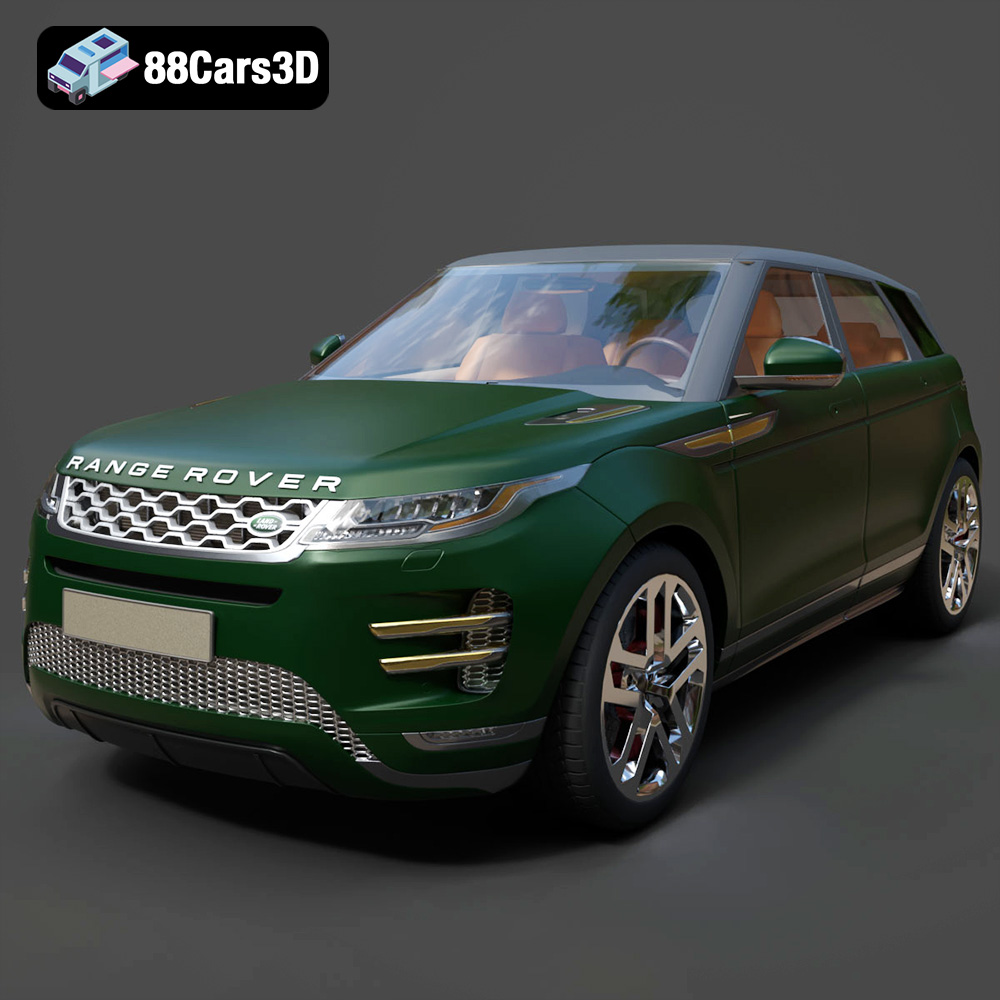
Download the highly detailed, game-ready Range Rover Evoque R-Dynamic 2019 3D Model. Features flush deployable door handles, Matrix LED headlights, and R-Dynamic styling. Includes .blend, .fbx, .obj, .glb, .stl, .ply, .unreal, and .max formats for game development, AR/VR, and rendering.
Price: $19.99

Texture: Yes | Material: Yes
Download the highly detailed, game-ready Ford Mustang Mach 40 3D Model. Features aggressive custom widebody styling, a mid-mounted V8 engine, and classic retro-futuristic design. Includes .blend, .fbx, .obj, .glb, .stl, .ply, .unreal, and .max formats for game development, AR/VR, and rendering.
Price: $19.99
Texture: Yes | Material: Yes
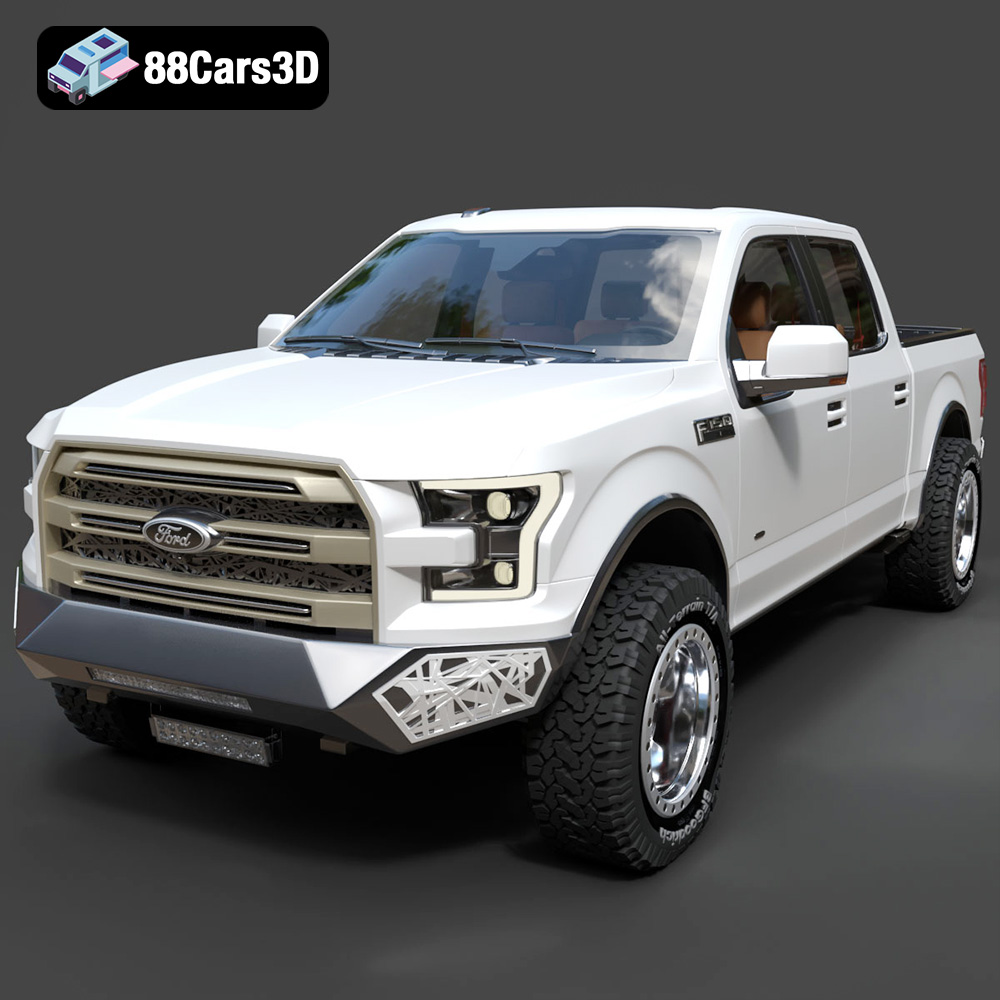
Download the highly detailed, game-ready Ford F150 Raptor With Tuning From ARE 3D Model. Features custom ARE tuning accessories, aggressive off-road suspension, and rugged beadlock wheels. Includes .blend, .fbx, .obj, .glb, .stl, .ply, .unreal, and .max formats for game development, AR/VR, and rendering.
Price: $19.99

Texture: Yes | Material: Yes
Download the highly detailed, game-ready Mercedes-Benz AMG GLE 63 2021 3D Model. Features the iconic Panamericana grille, aggressive aerodynamic body styling, and a meticulously detailed luxurious interior. Includes .blend, .fbx, .obj, .glb, .stl, .ply, .unreal, and .max formats for game development, AR/VR, and rendering.
Price: $19.99
Texture: Yes | Material: Yes
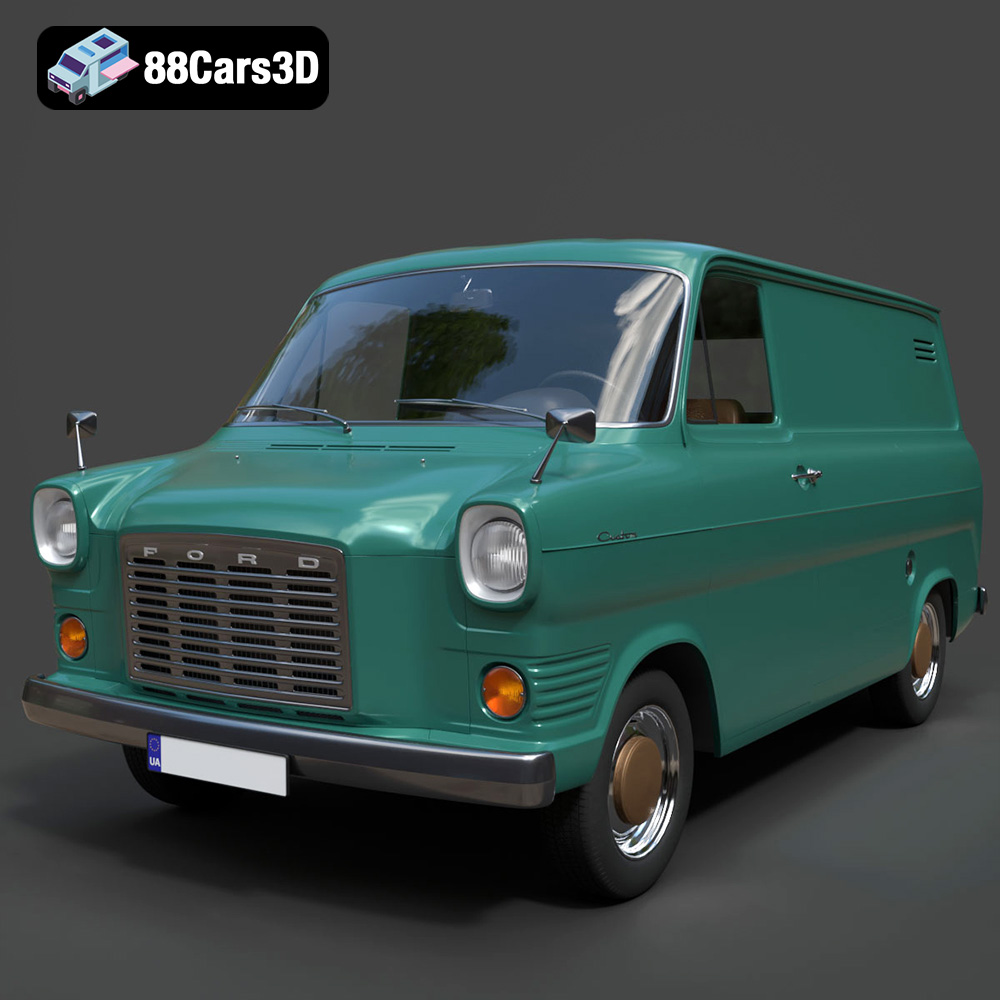
Download the highly detailed, game-ready Ford Transit Mk1 Panel Van 1965 3D Model. Features iconic flat-front styling, vintage steel wheels, and a period-correct cargo bay. Includes .blend, .fbx, .obj, .glb, .stl, .ply, .unreal, and .max formats for game development, AR/VR, and rendering.
Price: $19.99

Texture: Yes | Material: Yes
Download the highly detailed, game-ready BMW X3 2024 3D Model. Features the iconic kidney grille, dynamic SUV proportions, and precise lighting elements. Includes .blend, .fbx, .obj, .glb, .stl, .ply, .unreal, and .max formats for game development, AR/VR, and rendering.
Price: $19.99

Texture: Yes | Material: Yes
Download the highly detailed, game-ready Tesla Model S Plaid 2021 3D Model. Features sleek aerodynamic styling, signature LED lighting, and the revolutionary Yoke steering interior. Includes .blend, .fbx, .obj, .glb, .stl, .ply, .unreal, and .max formats for game development, AR/VR, and rendering.
Price: $19.99

Texture: Yes | Material: Yes
Download the highly detailed, game-ready Rolls-Royce Ghost EWB 2018 3D Model. Features the iconic Pantheon grille, elongated luxury chassis, and elegant exterior lines. Includes .blend, .fbx, .obj, .glb, .stl, .ply, .unreal, and .max formats for game development, AR/VR, and rendering.
Price: $19.99
Texture: Yes | Material: Yes
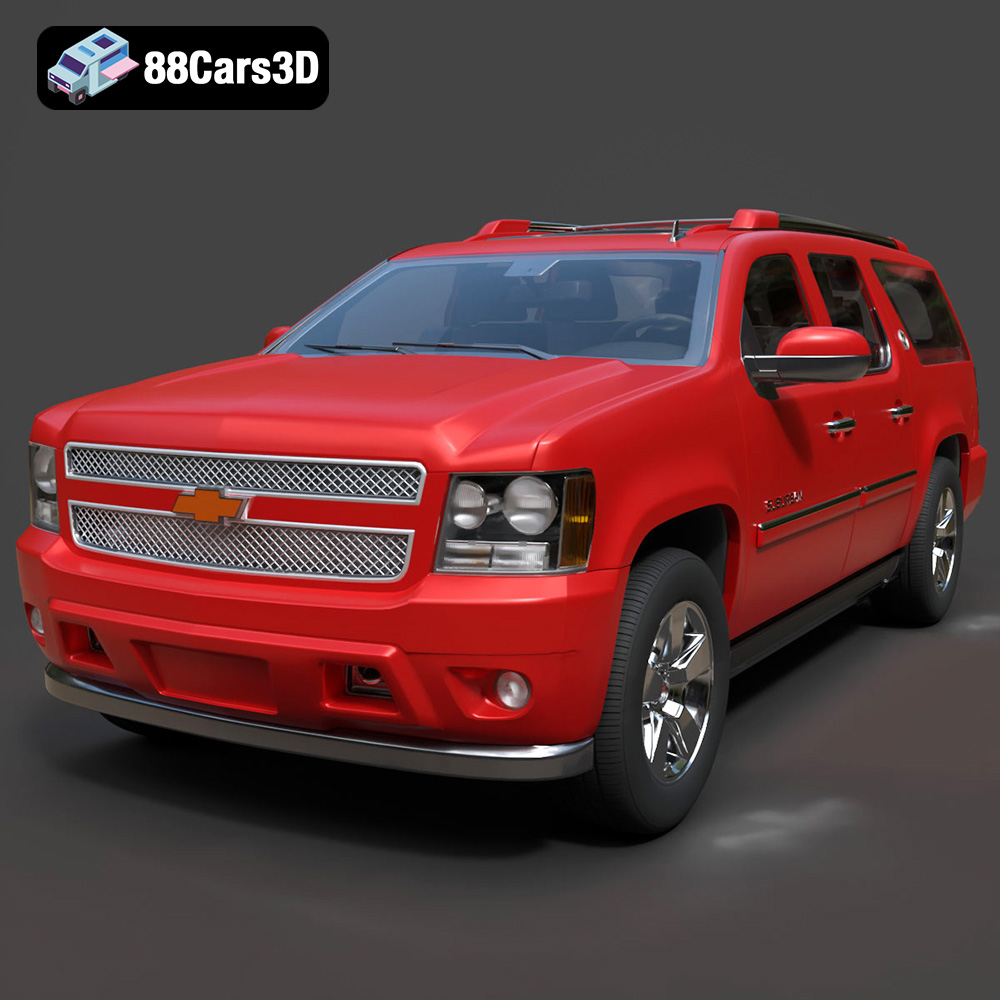
Download the highly detailed, game-ready Chevrolet Suburban 75th Diamond 3D Model. Features the iconic Diamond Edition styling, detailed interior, and accurate full-size SUV proportions. Includes .blend, .fbx, .obj, .glb, .stl, .ply, .unreal, and .max formats for game development, AR/VR, and rendering.
Price: $19.99

