Get 20% OFF All Premium 3D & STL Models!

“`html
The world of 3D printing offers incredible opportunities for automotive enthusiasts, model makers, and anyone looking to bring their digital car designs to life. When it comes to printing car STL files, two primary technologies dominate the landscape: Fused Deposition Modeling (FDM) and Stereolithography (SLA), commonly known as resin printing. Both have their strengths and weaknesses, and the “better” choice depends heavily on the specific project requirements. This comprehensive guide will delve into the technical intricacies of both FDM and resin printing, providing you with the knowledge to make an informed decision for your next automotive 3D printing endeavor. We’ll explore everything from STL file preparation and optimal printer settings to post-processing techniques and material considerations. Whether you’re aiming for intricate details, robust functional parts, or cost-effective prototypes, understanding the nuances of each technology is crucial. And remember, platforms like 88cars3d.com offer print-ready STL files optimized for both FDM and resin printing, allowing you to focus on the fun part: bringing your dream car to life.
FDM, or Fused Deposition Modeling, is the most common type of 3D printing. It works by extruding a thermoplastic filament through a heated nozzle, layer by layer, onto a build platform. The filament melts and solidifies, creating the desired 3D object. FDM printers are generally more affordable and easier to operate than resin printers, making them a popular choice for hobbyists and beginners.
FDM’s strength lies in its material versatility. A wide range of filaments are available, including PLA, ABS, PETG, nylon, and even carbon fiber-infused materials. PLA is a biodegradable and easy-to-print option, ideal for prototyping and non-functional models. ABS offers greater durability and heat resistance, suitable for parts that may experience stress or high temperatures. PETG combines the best of both worlds, offering good strength, flexibility, and ease of printing. Filament prices vary depending on the material, but PLA is typically the most affordable. For printing car models, PETG is often a good balance of strength and ease of use. Consider using a higher infill percentage (20-30%) for structural components to ensure they can withstand handling.
Achieving optimal results with FDM printing requires careful attention to printer settings. Layer height is a critical parameter that affects both print quality and print time. A smaller layer height (e.g., 0.1mm) will produce smoother surfaces but increase print time significantly. For car models, a layer height of 0.15-0.2mm is a good compromise. Print speed also plays a role. Slower speeds generally result in better quality, especially for intricate details. A speed of 40-60 mm/s is recommended. Bed adhesion is crucial to prevent warping and ensure the print adheres to the build plate. Using a heated bed and applying an adhesive like glue stick or hairspray can significantly improve bed adhesion, especially with materials like ABS. Furthermore, ensure proper nozzle temperature (typically 200-220°C for PLA and 230-250°C for ABS/PETG) and bed temperature (60°C for PLA, 80-100°C for ABS/PETG). Finally, consider using support structures for overhangs and complex geometries. Software like Cura and PrusaSlicer offer advanced support generation options.
Resin printing, particularly SLA and DLP, utilizes liquid photopolymer resins that are cured by a light source, typically a UV laser or projector. This process allows for incredibly fine details and smooth surfaces, making it ideal for intricate models and miniatures. While resin printers are generally more expensive than FDM printers, the superior print quality often justifies the investment, especially when high precision is required.
The primary advantage of resin printing is its ability to produce parts with exceptional detail and a smooth surface finish. Layer heights as low as 0.025mm are achievable, resulting in almost invisible layer lines. This makes resin printing perfect for car models with intricate details, such as grilles, emblems, and interior components. The smooth surface finish also reduces the amount of post-processing required. However, resin parts tend to be more brittle than FDM parts, especially before post-curing.
Different types of resins are available, each with its own properties. Standard resins are generally affordable and easy to print with, but they may be brittle. Tough resins offer improved strength and impact resistance. Flexible resins can be used for parts that require some degree of flexibility. For car models, a tough resin is often the best choice. Exposure settings are critical for successful resin printing. The correct exposure time depends on the resin type, layer height, and printer. Overexposure can lead to parts being fused to the build plate or losing fine details, while underexposure can result in incomplete or fragile prints. Experimentation is key to finding the optimal exposure settings for your specific resin and printer. After printing, resin parts require post-processing. This involves washing the parts in isopropyl alcohol (IPA) to remove uncured resin and then curing them under UV light to fully harden the resin. Proper ventilation is essential when working with resins and IPA. Support removal can also be more challenging with resin prints due to the fine details.
Regardless of whether you choose FDM or resin printing, proper STL file preparation is essential for successful results. STL files represent the 3D model as a mesh of triangles. Issues with the mesh, such as non-manifold edges, holes, or intersecting faces, can lead to printing errors. Tools like Meshmixer, Netfabb, and Blender can be used to repair and optimize STL files.
Mesh repair involves identifying and correcting errors in the STL file. Non-manifold edges are edges that are connected to more than two faces, while holes are gaps in the mesh. Meshmixer’s “Make Solid” tool can automatically repair many common mesh errors. Netfabb offers more advanced mesh repair features. Optimizing the mesh involves reducing the number of triangles without sacrificing detail. This can improve print performance and reduce file size. Blender’s “Decimate” modifier can be used to reduce the polygon count of the mesh. Always inspect the repaired and optimized STL file carefully before printing to ensure that no details have been lost. When downloading models from marketplaces such as 88cars3d.com, you can be more confident that the STL files have been professionally prepared and optimized for 3D printing.
The orientation of the model on the build platform can significantly impact print quality, print time, and the amount of support material required. For FDM printing, orienting the model to minimize overhangs is generally desirable. For resin printing, orienting the model at an angle can reduce the peeling forces during printing and improve surface finish. Support structures are necessary for overhangs and complex geometries. FDM supports are typically generated using the slicing software, such as Cura or PrusaSlicer. Resin supports can be generated using the printer’s software or third-party tools like Chitubox or Lychee Slicer. Consider the placement and density of supports carefully to minimize their impact on the final print. Easily removable supports are key to a smooth post-processing workflow.
To help you make an informed decision, let’s compare FDM and resin printing side-by-side, specifically in the context of printing car STL files:
For a detailed scale model car with intricate details like badges, grilles, and interior features, resin printing is the clear choice. The higher resolution will capture the fine details and produce a smoother surface finish. On the other hand, if you are printing a larger car model for functional testing or prototyping, FDM printing with a durable material like PETG would be more suitable. Consider a case where you need to print a custom dashboard component for a classic car restoration project. FDM with ABS would be ideal due to its strength, heat resistance, and ability to be easily painted. Another example would be printing a miniature Formula 1 car to display on your desk. Resin printing would perfectly capture the aerodynamic curves and small details, making it a stunning display piece. Platforms like 88cars3d.com often cater to both needs, offering models optimized for either printing method.
Regardless of your choice between FDM and resin, carefully optimizing your printer settings is crucial for achieving the best possible results. Here’s a summary of essential settings:
Choosing between FDM and resin printing for your car STL files depends on your specific needs and priorities. If you prioritize detail, surface finish, and intricate geometries, resin printing is the clear winner. However, if you need strong, durable, and cost-effective parts, FDM printing is a better choice. Carefully consider the pros and cons of each technology, taking into account the material options, printer settings, and post-processing requirements. Remember that proper STL file preparation and printer calibration are essential for achieving the best possible results, regardless of the printing technology you choose. Don’t hesitate to experiment with different settings and materials to find what works best for your specific project. Finally, high-quality STL files from reputable sources will save you countless hours of troubleshooting and rework. With the right knowledge and tools, you can bring your automotive dreams to life with the power of 3D printing. Now, it’s time to choose your printer, select your STL file, and start printing!
“`

Texture: Yes | Material: Yes
Download the highly detailed, game-ready Ducati 1299 Panigale S 2017 3D Model. Features signature aerodynamic fairings, detailed Superquadro engine components, and aggressive Italian styling. Includes .blend, .fbx, .obj, .glb, .stl, .ply, .unreal, and .max formats for game development, AR/VR, and rendering.
Price: $19.99
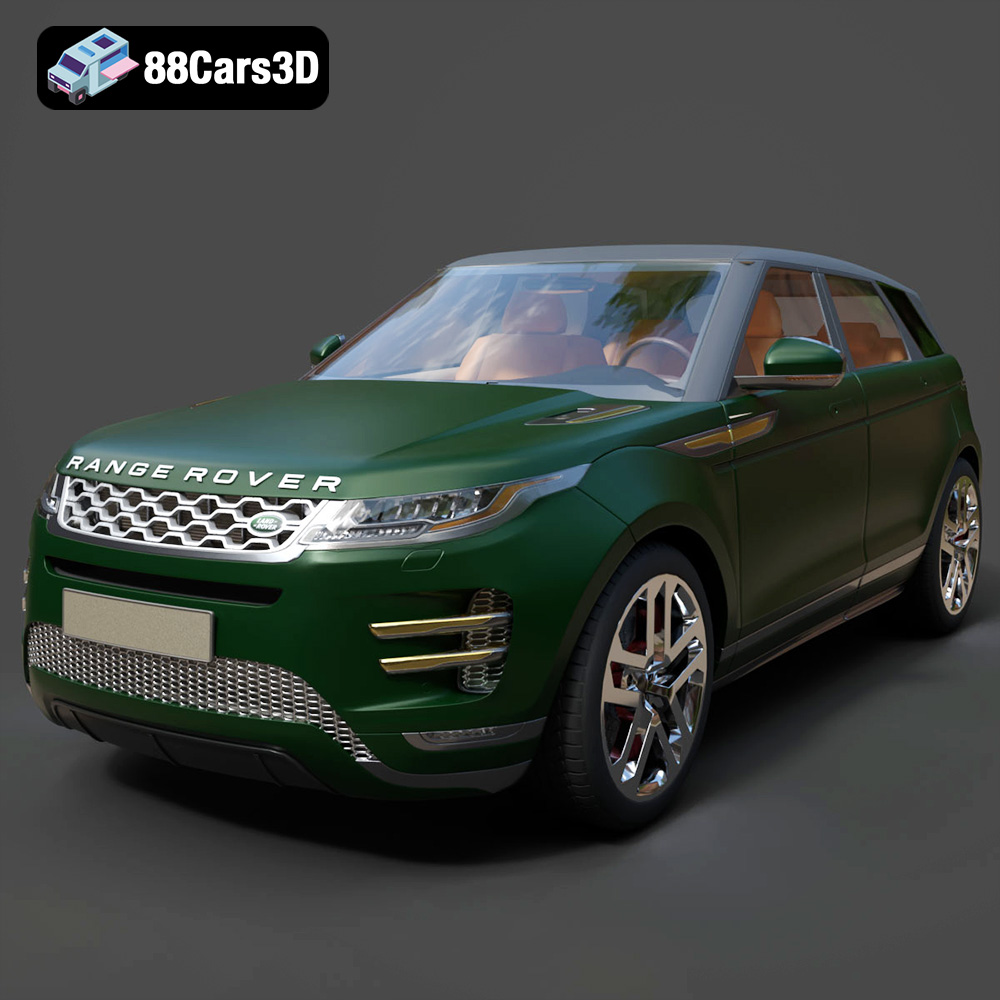
Texture: Yes | Material: Yes
Download the highly detailed, game-ready Range Rover Evoque R-Dynamic 2019 3D Model. Features flush deployable door handles, Matrix LED headlights, and R-Dynamic styling. Includes .blend, .fbx, .obj, .glb, .stl, .ply, .unreal, and .max formats for game development, AR/VR, and rendering.
Price: $19.99
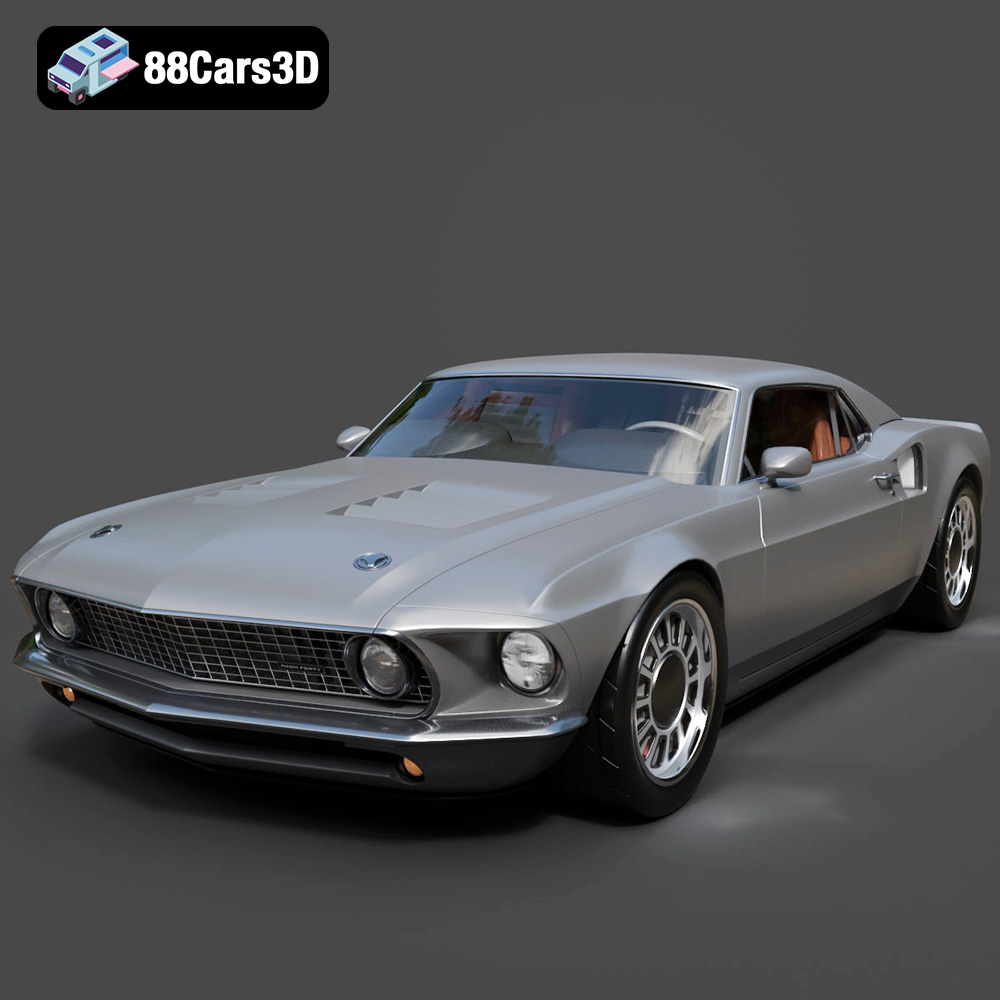
Texture: Yes | Material: Yes
Download the highly detailed, game-ready Ford Mustang Mach 40 3D Model. Features aggressive custom widebody styling, a mid-mounted V8 engine, and classic retro-futuristic design. Includes .blend, .fbx, .obj, .glb, .stl, .ply, .unreal, and .max formats for game development, AR/VR, and rendering.
Price: $19.99
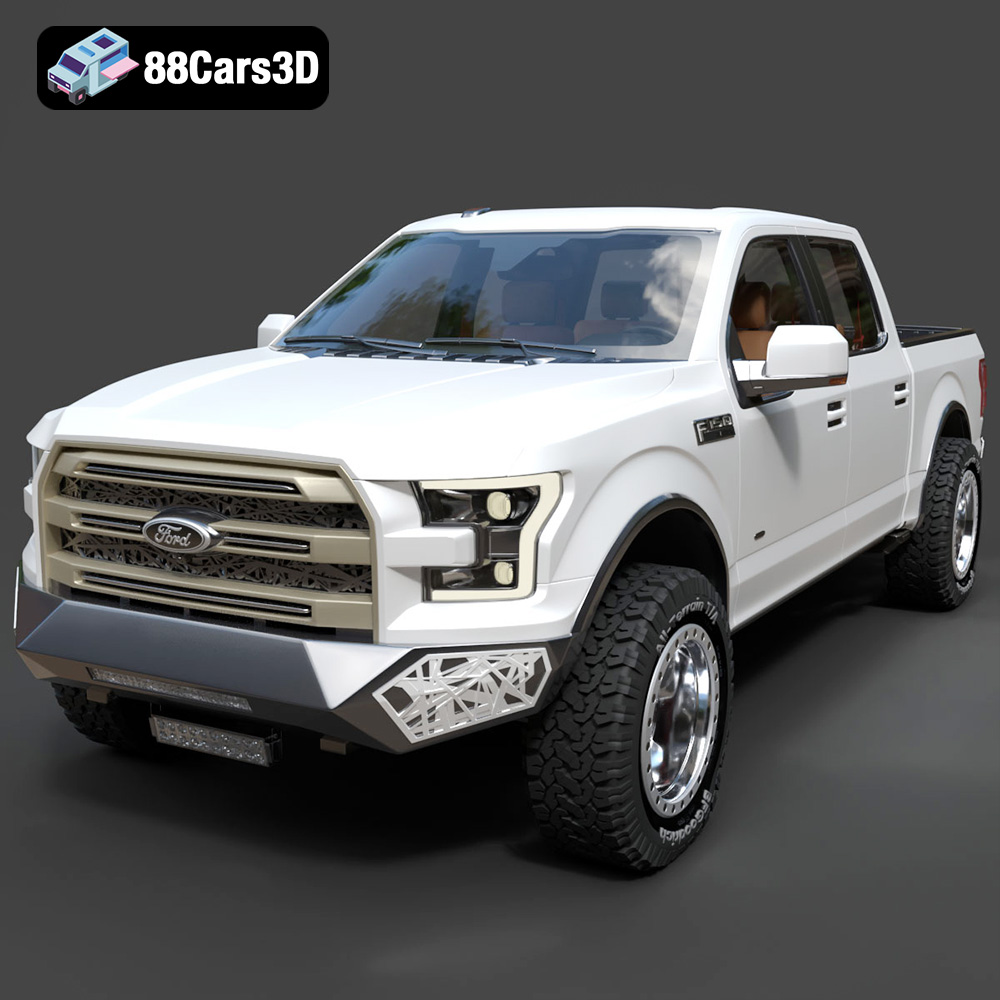
Texture: Yes | Material: Yes
Download the highly detailed, game-ready Ford F150 Raptor With Tuning From ARE 3D Model. Features custom ARE tuning accessories, aggressive off-road suspension, and rugged beadlock wheels. Includes .blend, .fbx, .obj, .glb, .stl, .ply, .unreal, and .max formats for game development, AR/VR, and rendering.
Price: $19.99

Texture: Yes | Material: Yes
Download the highly detailed, game-ready Mercedes-Benz AMG GLE 63 2021 3D Model. Features the iconic Panamericana grille, aggressive aerodynamic body styling, and a meticulously detailed luxurious interior. Includes .blend, .fbx, .obj, .glb, .stl, .ply, .unreal, and .max formats for game development, AR/VR, and rendering.
Price: $19.99
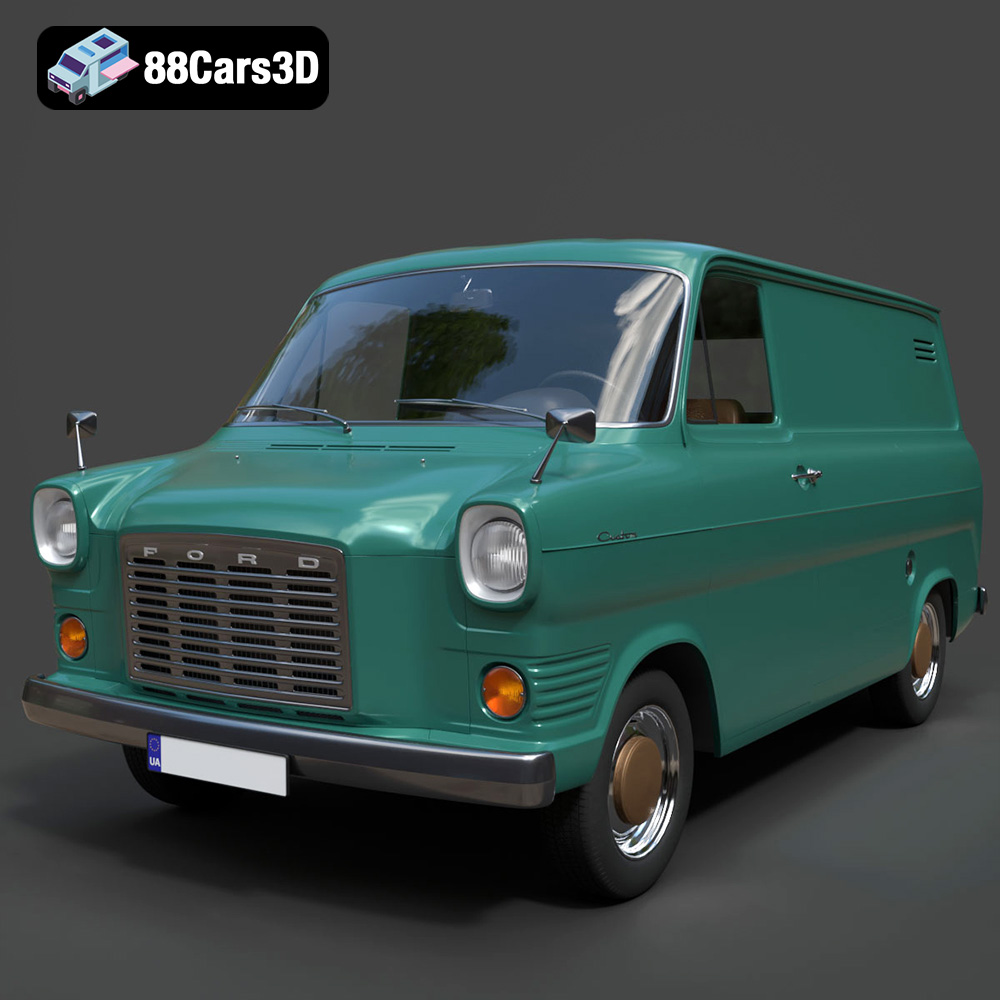
Texture: Yes | Material: Yes
Download the highly detailed, game-ready Ford Transit Mk1 Panel Van 1965 3D Model. Features iconic flat-front styling, vintage steel wheels, and a period-correct cargo bay. Includes .blend, .fbx, .obj, .glb, .stl, .ply, .unreal, and .max formats for game development, AR/VR, and rendering.
Price: $19.99
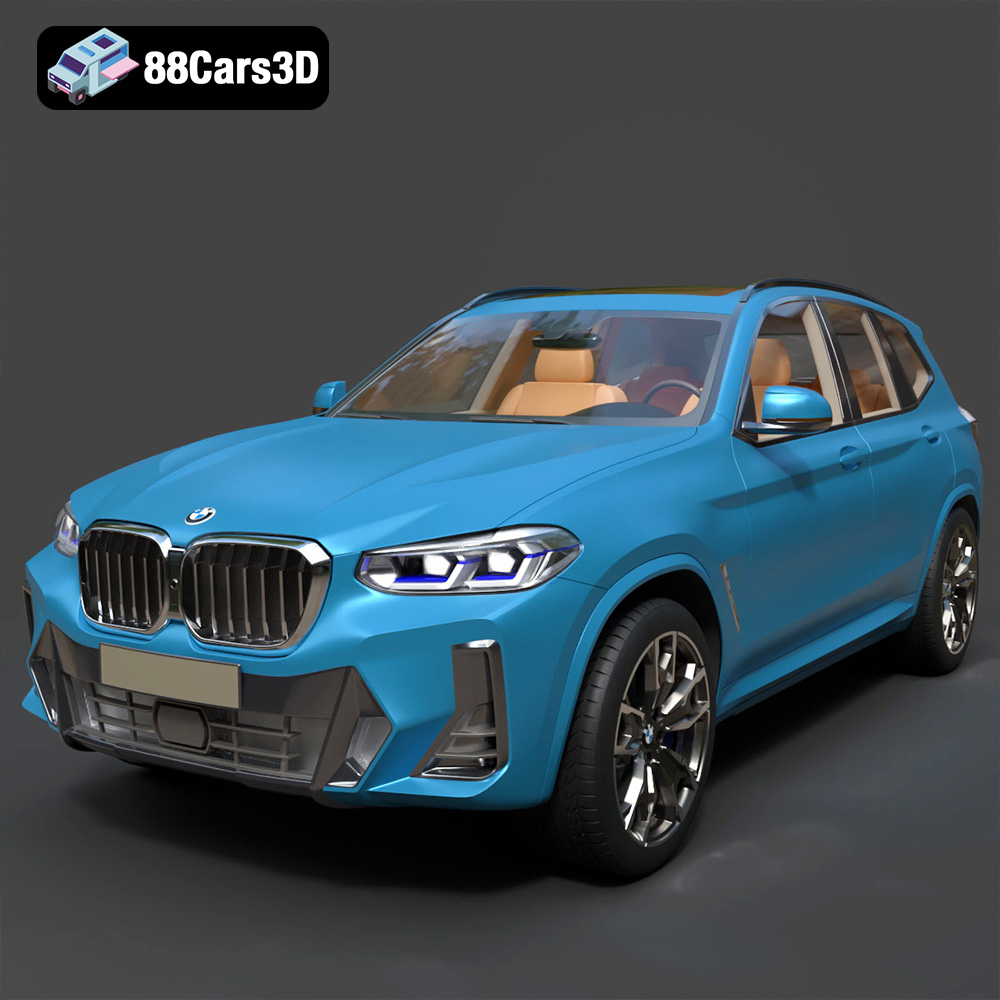
Texture: Yes | Material: Yes
Download the highly detailed, game-ready BMW X3 2024 3D Model. Features the iconic kidney grille, dynamic SUV proportions, and precise lighting elements. Includes .blend, .fbx, .obj, .glb, .stl, .ply, .unreal, and .max formats for game development, AR/VR, and rendering.
Price: $19.99

Texture: Yes | Material: Yes
Download the highly detailed, game-ready Tesla Model S Plaid 2021 3D Model. Features sleek aerodynamic styling, signature LED lighting, and the revolutionary Yoke steering interior. Includes .blend, .fbx, .obj, .glb, .stl, .ply, .unreal, and .max formats for game development, AR/VR, and rendering.
Price: $19.99
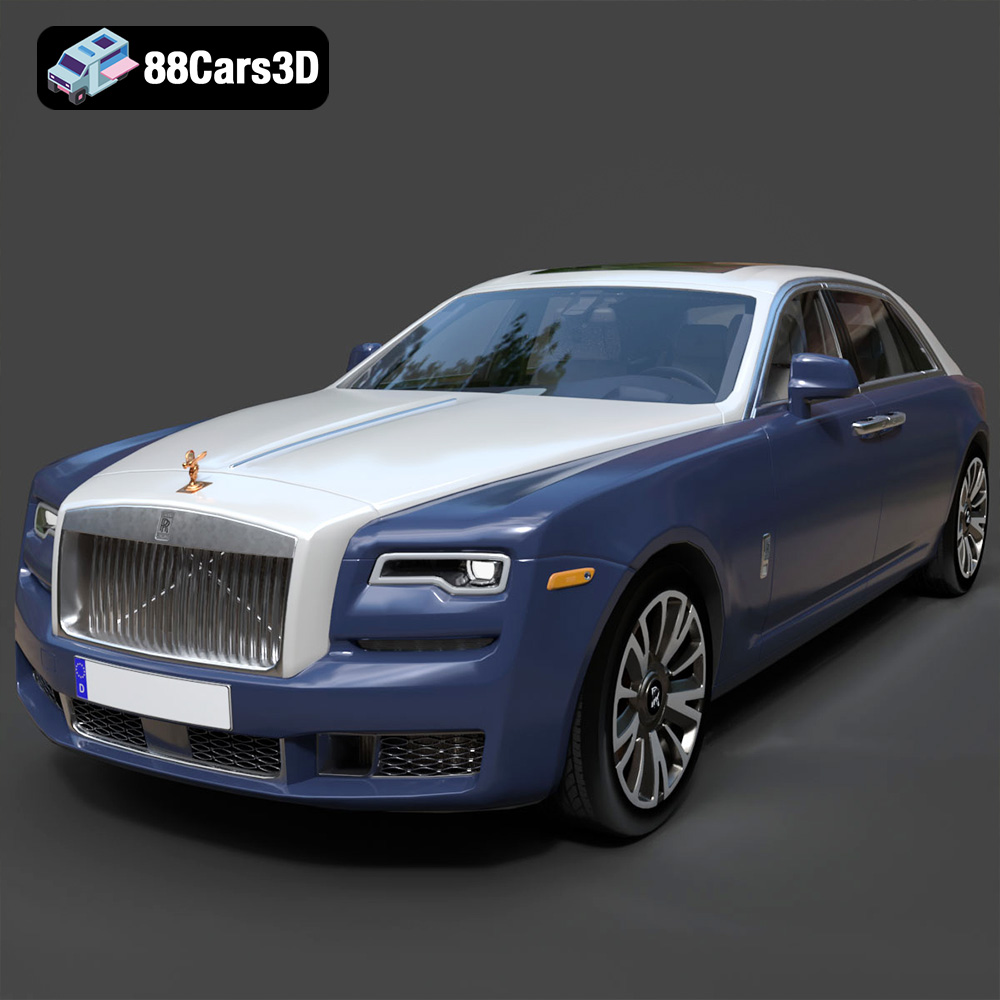
Texture: Yes | Material: Yes
Download the highly detailed, game-ready Rolls-Royce Ghost EWB 2018 3D Model. Features the iconic Pantheon grille, elongated luxury chassis, and elegant exterior lines. Includes .blend, .fbx, .obj, .glb, .stl, .ply, .unreal, and .max formats for game development, AR/VR, and rendering.
Price: $19.99
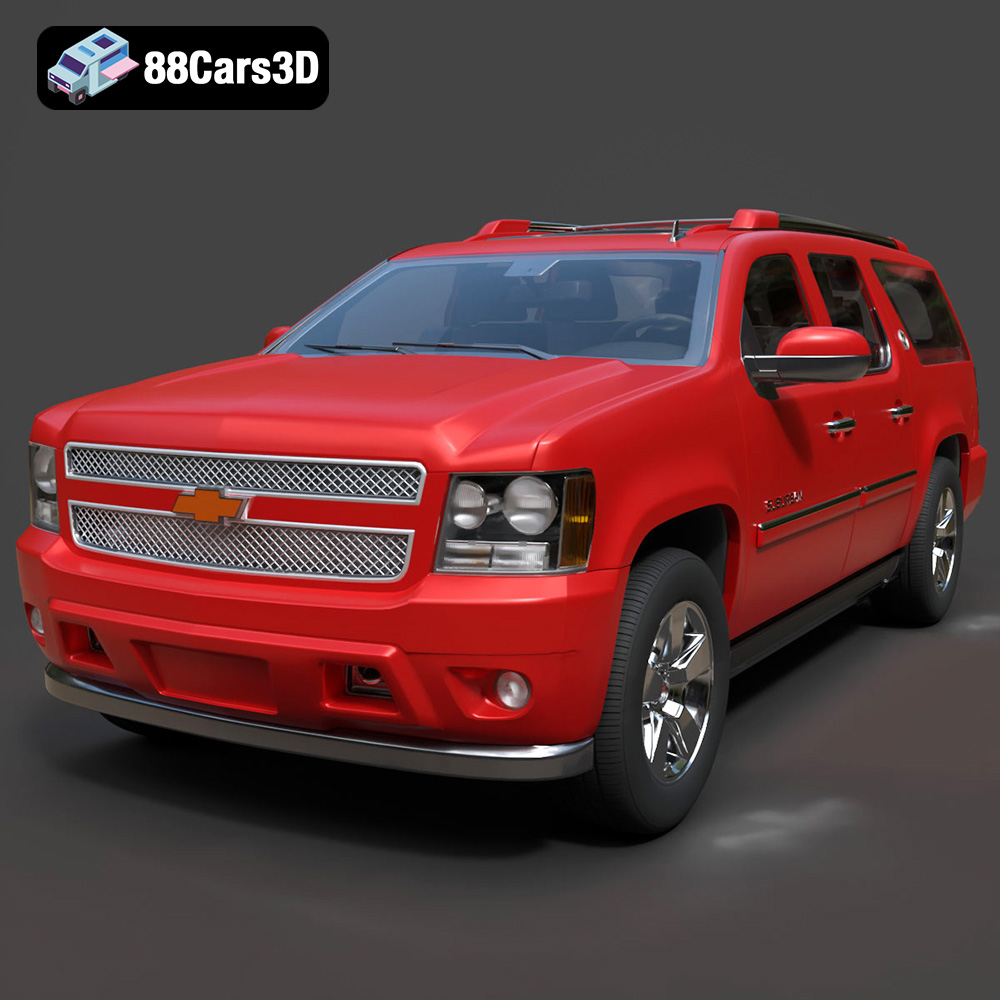
Texture: Yes | Material: Yes
Download the highly detailed, game-ready Chevrolet Suburban 75th Diamond 3D Model. Features the iconic Diamond Edition styling, detailed interior, and accurate full-size SUV proportions. Includes .blend, .fbx, .obj, .glb, .stl, .ply, .unreal, and .max formats for game development, AR/VR, and rendering.
Price: $19.99

