Get 20% OFF All Premium 3D & STL Models!

“`html
For automotive enthusiasts and model collectors, the allure of owning meticulously crafted replicas of iconic vehicles is undeniable. But what if you could go beyond static displays and bring these dream cars to life through the power of 3D printing? The world of printable car STL files has exploded, offering hobbyists and collectors unprecedented access to detailed models ready for the printer bed. This comprehensive guide will delve into the technical aspects of selecting, preparing, and printing high-quality car models, covering everything from STL file structure to advanced slicing techniques and post-processing methods. Whether you’re a seasoned 3D printing veteran or just starting your journey, this guide will equip you with the knowledge and skills to create stunning, museum-worthy automotive masterpieces. We’ll explore best practices for FDM and resin printing, discuss support structures, and even touch upon common troubleshooting tips to ensure a smooth and successful printing experience.
The foundation of any successful 3D printed car model lies in the quality of the STL file. STL, or Stereolithography, is a file format that represents the surface geometry of a 3D object using a collection of triangles. The denser the mesh (more triangles), the smoother and more detailed the final print will be. However, excessively dense meshes can lead to larger file sizes and increased processing times. Understanding the nuances of STL files and mesh topology is crucial for optimizing your prints.
Mesh density directly impacts the print resolution. For car models, particularly those with intricate details, a balance must be struck. A lower density mesh will result in visible facets, diminishing the realism. A higher density mesh, while desirable, can overwhelm your slicer and printer. The ideal density depends on the scale of the model and the capabilities of your printer. Experiment with different levels of detail in your 3D modeling software before exporting to STL. Consider using adaptive meshing techniques that concentrate detail in areas requiring it, such as grills and emblems.
A manifold mesh is a closed, watertight surface. Non-manifold geometry, such as holes or intersecting faces, can cause serious issues during slicing and printing, often leading to failed prints. Before printing any STL file, it’s essential to check for and correct these errors. Software like MeshMixer and Netfabb are invaluable tools for this purpose. They can automatically detect and repair common mesh errors, ensuring a clean and printable model. Specifically, look for issues like flipped normals, degenerate faces, and open edges. Remember to always ‘heal’ your mesh before slicing!
Slicing is the process of converting a 3D model into a series of layers that your 3D printer can understand. The slicer software takes the STL file and generates G-code, which contains the instructions for the printer’s movements, temperature settings, and extrusion parameters. Mastering slicing techniques is paramount to achieving high-quality car model prints. The choice of slicer software is also important; popular options include Cura, PrusaSlicer, Simplify3D, and Chitubox (for resin printing).
Layer height is a critical parameter that affects both print quality and print time. Lower layer heights (e.g., 0.1mm or 0.05mm) result in smoother surfaces and finer details but increase print time significantly. Higher layer heights (e.g., 0.2mm or 0.3mm) print faster but sacrifice detail. For car models, consider using variable layer heights, focusing on finer layers for visible surfaces and coarser layers for internal structures. Print speed also plays a role; slower speeds generally improve print quality but extend the printing process. Experiment to find the sweet spot between speed and quality, usually around 40-60 mm/s for FDM printers and dependent on resin and layer height for resin printers.
Infill refers to the internal structure of the 3D printed object. It’s not only wasteful but can also warp the print if it’s too dense. Common infill patterns include grid, honeycomb, gyroid, and rectilinear. The choice of pattern and density depends on the desired strength and weight of the model. For car models, a density of 15-25% is usually sufficient for structural integrity without adding excessive weight or print time. Gyroid infill is a good choice for its isotropic strength. Consider increasing the infill percentage in areas that will be subjected to stress, such as axle mounts.
FDM (Fused Deposition Modeling) and resin printing (SLA/DLP/LCD) are the two primary 3D printing technologies available to hobbyists. Each has its strengths and weaknesses, making them suitable for different types of car model projects. FDM printing is generally more affordable and versatile, while resin printing excels at producing highly detailed parts with smooth surfaces. Platforms like 88cars3d.com offer models optimized for both technologies.
FDM printing involves extruding molten plastic through a nozzle onto a build platform. Common materials include PLA, PETG, and ABS. PLA is easy to print and biodegradable, making it a popular choice for beginners. PETG offers improved strength and heat resistance. ABS is known for its durability but requires a heated bed and enclosed chamber to prevent warping. Nozzle size also plays a role; smaller nozzles (e.g., 0.25mm or 0.4mm) can produce finer details. Bed adhesion is crucial; use a heated bed, appropriate bed adhesive (e.g., glue stick, hairspray), and a well-leveled bed. A raft or brim can also improve adhesion.
Resin printing uses a light source to cure liquid resin layer by layer. This technology allows for incredibly fine details and smooth surfaces, making it ideal for intricate car models. However, resin printing requires more post-processing, including washing and curing. Different types of resins are available, each with varying properties such as strength, flexibility, and temperature resistance. When printing car models, consider using a resin specifically formulated for high detail. Layer heights in resin printing can go as low as 0.02mm, resulting in virtually invisible layer lines. Proper support placement is critical; use a slicer like Chitubox to automatically generate supports, but manually adjust them to ensure they provide adequate support without marring visible surfaces.
Support structures are temporary structures that are printed to support overhanging parts of a model during the printing process. They are essential for printing complex geometries, such as those found in car models, but can be challenging to remove without damaging the print. Effective support generation and removal are crucial skills for any 3D printing enthusiast. The key is to balance the need for adequate support with the ease of removal.
Slicer software offers various support generation options, including tree supports, linear supports, and grid supports. Tree supports are often preferred for their ease of removal and minimal contact with the model. Linear supports are simple and strong but can be more difficult to remove. Grid supports provide maximum support but can leave more noticeable marks. Adjust the support density and overhang angle settings in your slicer to optimize support generation. Consider using support interface layers to improve adhesion between the supports and the model, making them easier to remove cleanly.
Careful support removal is essential to avoid damaging the printed model. Use specialized tools such as flush cutters, hobby knives, and needle-nose pliers to carefully remove the supports. Heat guns can also be helpful for softening the supports, making them easier to remove. After removing the supports, sand the areas where the supports were attached to smooth out any imperfections. Start with coarse sandpaper (e.g., 220 grit) and gradually move to finer grits (e.g., 400, 600, 800 grit) for a smooth finish. For resin prints, consider using a UV flashlight to cure any remaining resin in hard-to-reach areas after support removal.
Post-processing is the final stage in the 3D printing process, where you refine and enhance the printed object to achieve a professional finish. This can involve sanding, filling, priming, painting, and assembly. Proper post-processing can transform a rough 3D print into a stunning, museum-worthy car model. When downloading models from marketplaces such as 88cars3d.com, remember that post-processing is often required to achieve the best results.
Sanding is used to smooth out layer lines and imperfections on the surface of the print. Start with coarse sandpaper to remove major imperfections and gradually move to finer grits to achieve a smooth finish. For larger gaps or imperfections, use a filler such as automotive body filler or epoxy putty. Apply the filler to the area, let it cure, and then sand it smooth. Wet sanding can also be used to further refine the surface finish.
Priming provides a uniform surface for painting and helps the paint adhere better to the plastic. Apply several thin coats of primer, allowing each coat to dry completely before applying the next. Choose a primer that is compatible with the type of plastic you are using. After priming, paint the model using your desired colors. Automotive-grade paints are a good choice for car models, as they provide a durable and realistic finish. Apply several thin coats of paint, allowing each coat to dry completely before applying the next. After painting, add details such as decals, emblems, and chrome trim to enhance the realism of the model. Clear coating the model after painting will protect the paint and give it a glossy finish.
3D printing can be a rewarding but sometimes frustrating experience. Common issues such as warping, layer adhesion problems, and stringing can plague even experienced users. Understanding the causes of these problems and how to fix them is crucial for achieving successful car model prints. Consistent printer maintenance and careful attention to detail are key to preventing these issues. Luckily many resources exist online to help diagnose and fix these issues.
Warping occurs when the corners of the print lift off the build platform during printing, often due to uneven cooling. To prevent warping, ensure that your bed is properly leveled and heated to the appropriate temperature. Use a bed adhesive such as glue stick or hairspray to improve adhesion. Enclosing the printer can also help to maintain a more consistent temperature and prevent warping. For ABS prints, a heated enclosure is essential. Another trick is to increase the brim width which adds more surface area to stick to the print bed.
Layer adhesion problems occur when the layers of the print do not stick together properly, resulting in weak or delaminated prints. This can be caused by low printing temperatures, insufficient extrusion, or poor cooling. Increase the printing temperature and extrusion multiplier to improve layer adhesion. Adjust the cooling fan speed to prevent overcooling. Stringing occurs when the printer extrudes plastic while moving between different parts of the print, leaving thin strands of plastic behind. Increase the retraction distance and speed to minimize stringing. Lowering the printing temperature can also help. Regularly cleaning your nozzle and ensuring it is properly tightened will also mitigate stringing problems.
3D printing car models is a fulfilling hobby that combines technical skill with artistic expression. By understanding the intricacies of STL files, mastering slicing techniques, and employing effective post-processing methods, you can create stunning replicas that will impress even the most discerning collector. Remember to experiment with different materials, settings, and techniques to find what works best for your printer and your desired outcome. And don’t be afraid to seek out resources and communities for help and inspiration. Whether you are replicating a classic roadster or a modern supercar, the possibilities are endless. Now armed with the knowledge of STL files, slicing, and best practices for FDM and resin printing, your journey to creating stunning 3D printed car models is ready to begin. Visit 88cars3d.com to find high-quality, print-ready STL files and start bringing your automotive dreams to life. Happy printing!
“`

Texture: Yes | Material: Yes
Download the highly detailed, game-ready Ducati 1299 Panigale S 2017 3D Model. Features signature aerodynamic fairings, detailed Superquadro engine components, and aggressive Italian styling. Includes .blend, .fbx, .obj, .glb, .stl, .ply, .unreal, and .max formats for game development, AR/VR, and rendering.
Price: $19.99
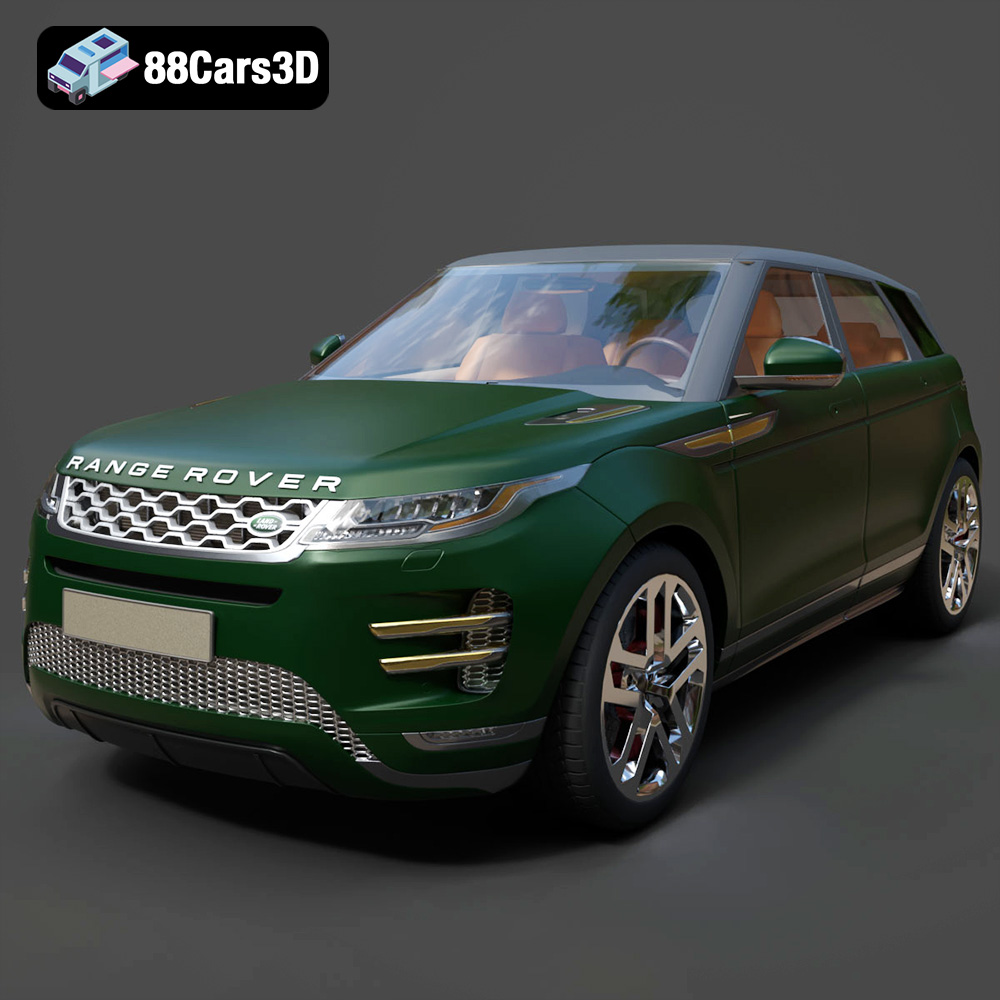
Texture: Yes | Material: Yes
Download the highly detailed, game-ready Range Rover Evoque R-Dynamic 2019 3D Model. Features flush deployable door handles, Matrix LED headlights, and R-Dynamic styling. Includes .blend, .fbx, .obj, .glb, .stl, .ply, .unreal, and .max formats for game development, AR/VR, and rendering.
Price: $19.99

Texture: Yes | Material: Yes
Download the highly detailed, game-ready Ford Mustang Mach 40 3D Model. Features aggressive custom widebody styling, a mid-mounted V8 engine, and classic retro-futuristic design. Includes .blend, .fbx, .obj, .glb, .stl, .ply, .unreal, and .max formats for game development, AR/VR, and rendering.
Price: $19.99
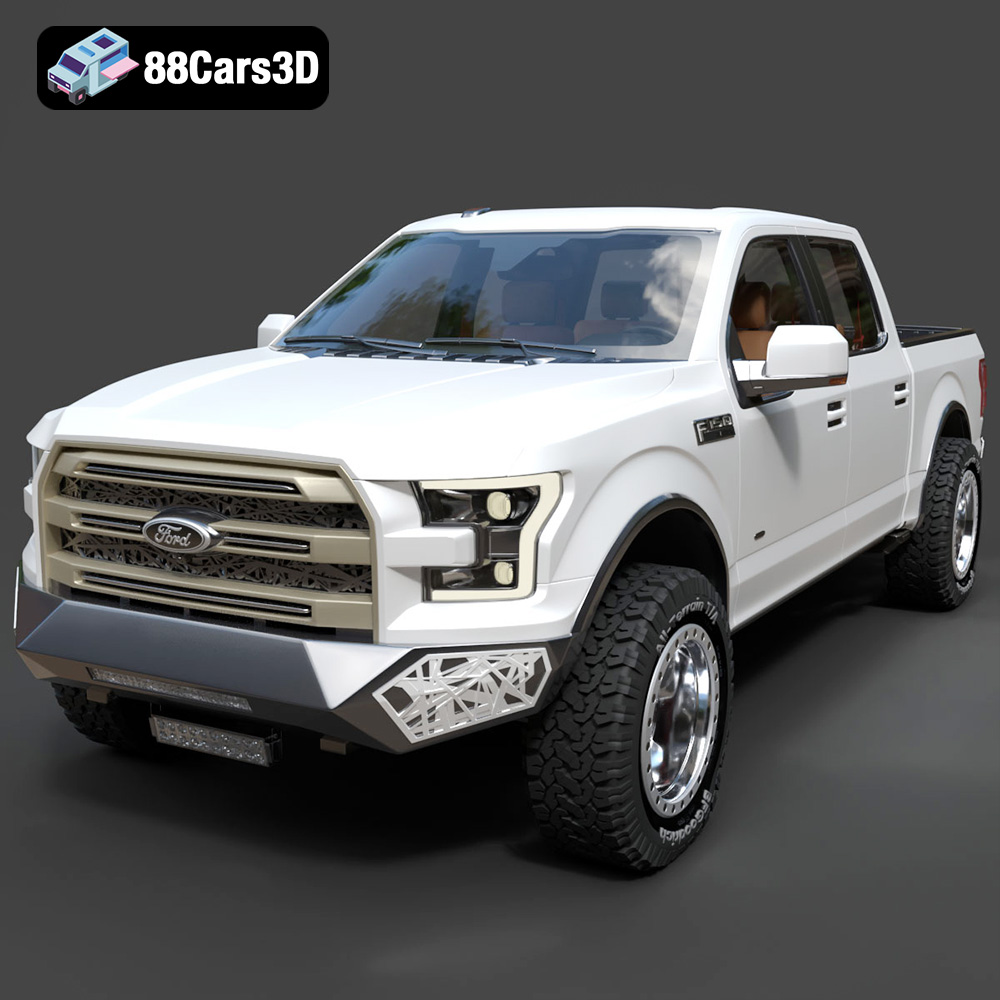
Texture: Yes | Material: Yes
Download the highly detailed, game-ready Ford F150 Raptor With Tuning From ARE 3D Model. Features custom ARE tuning accessories, aggressive off-road suspension, and rugged beadlock wheels. Includes .blend, .fbx, .obj, .glb, .stl, .ply, .unreal, and .max formats for game development, AR/VR, and rendering.
Price: $19.99

Texture: Yes | Material: Yes
Download the highly detailed, game-ready Mercedes-Benz AMG GLE 63 2021 3D Model. Features the iconic Panamericana grille, aggressive aerodynamic body styling, and a meticulously detailed luxurious interior. Includes .blend, .fbx, .obj, .glb, .stl, .ply, .unreal, and .max formats for game development, AR/VR, and rendering.
Price: $19.99
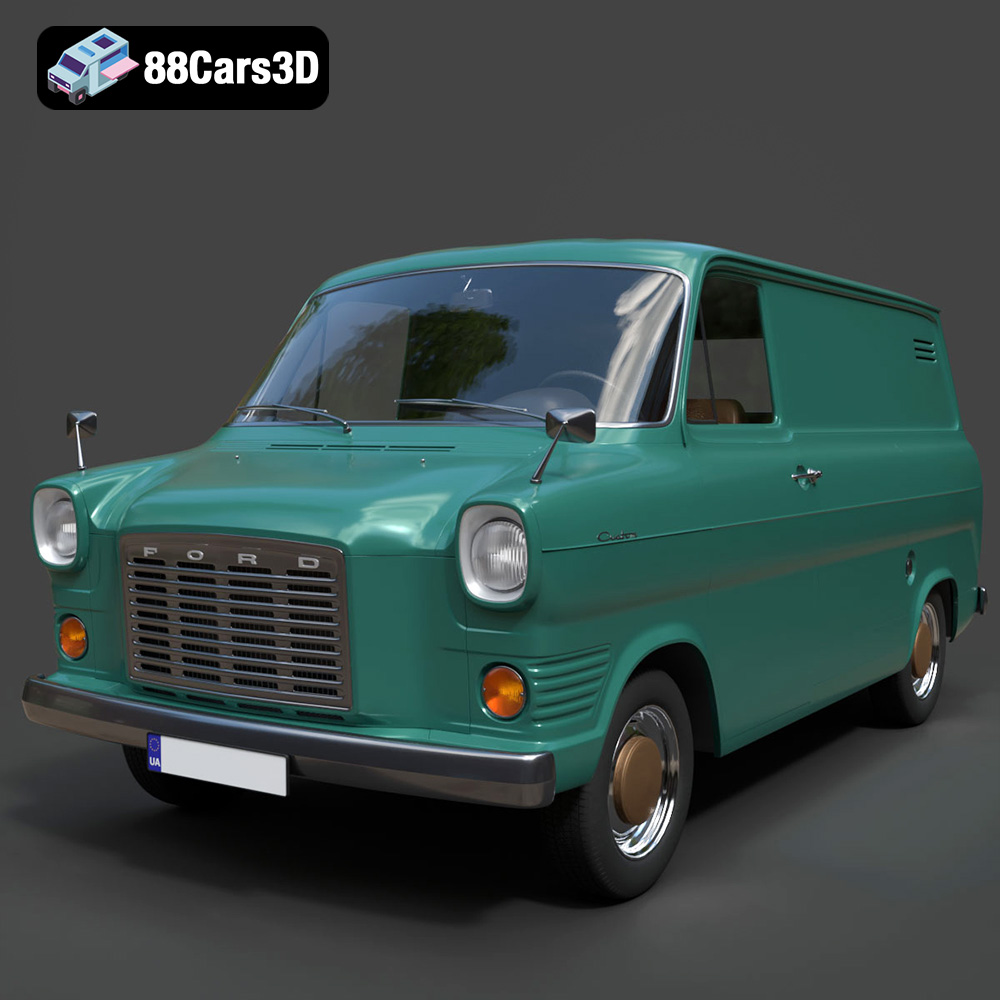
Texture: Yes | Material: Yes
Download the highly detailed, game-ready Ford Transit Mk1 Panel Van 1965 3D Model. Features iconic flat-front styling, vintage steel wheels, and a period-correct cargo bay. Includes .blend, .fbx, .obj, .glb, .stl, .ply, .unreal, and .max formats for game development, AR/VR, and rendering.
Price: $19.99

Texture: Yes | Material: Yes
Download the highly detailed, game-ready BMW X3 2024 3D Model. Features the iconic kidney grille, dynamic SUV proportions, and precise lighting elements. Includes .blend, .fbx, .obj, .glb, .stl, .ply, .unreal, and .max formats for game development, AR/VR, and rendering.
Price: $19.99

Texture: Yes | Material: Yes
Download the highly detailed, game-ready Tesla Model S Plaid 2021 3D Model. Features sleek aerodynamic styling, signature LED lighting, and the revolutionary Yoke steering interior. Includes .blend, .fbx, .obj, .glb, .stl, .ply, .unreal, and .max formats for game development, AR/VR, and rendering.
Price: $19.99
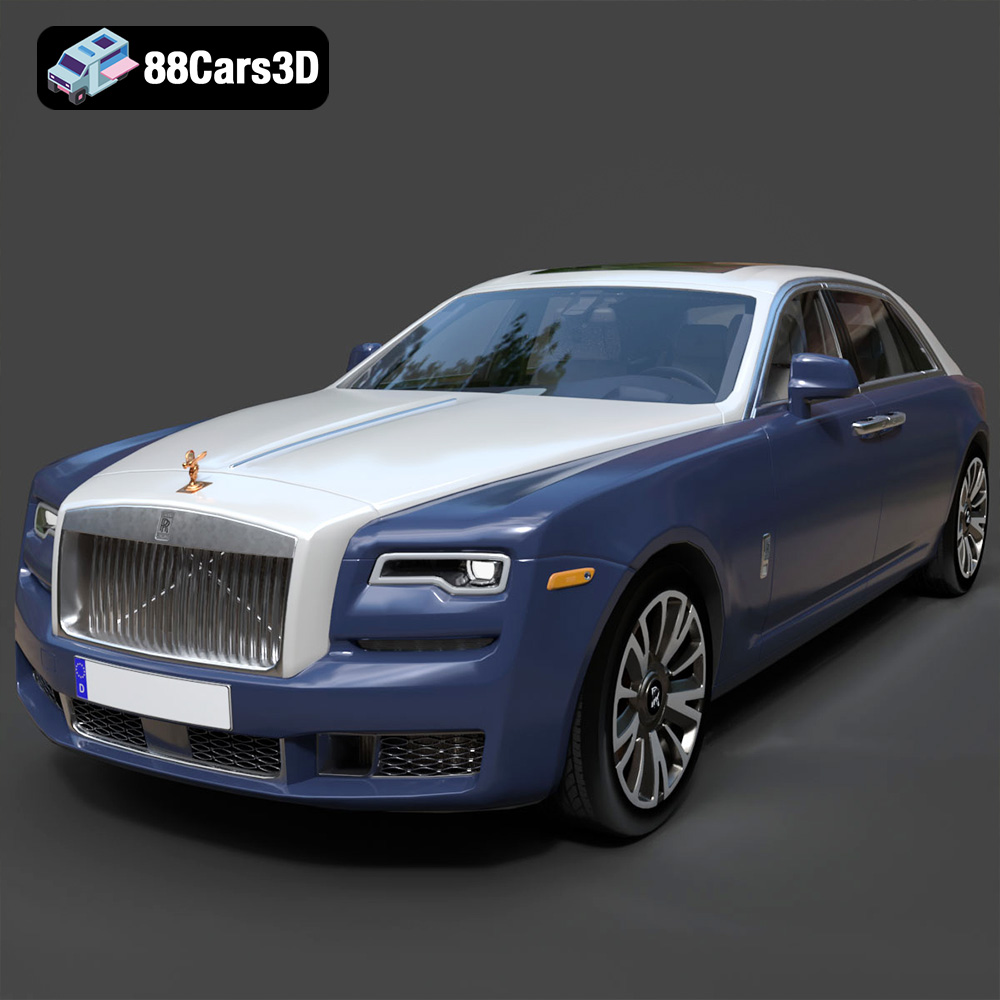
Texture: Yes | Material: Yes
Download the highly detailed, game-ready Rolls-Royce Ghost EWB 2018 3D Model. Features the iconic Pantheon grille, elongated luxury chassis, and elegant exterior lines. Includes .blend, .fbx, .obj, .glb, .stl, .ply, .unreal, and .max formats for game development, AR/VR, and rendering.
Price: $19.99
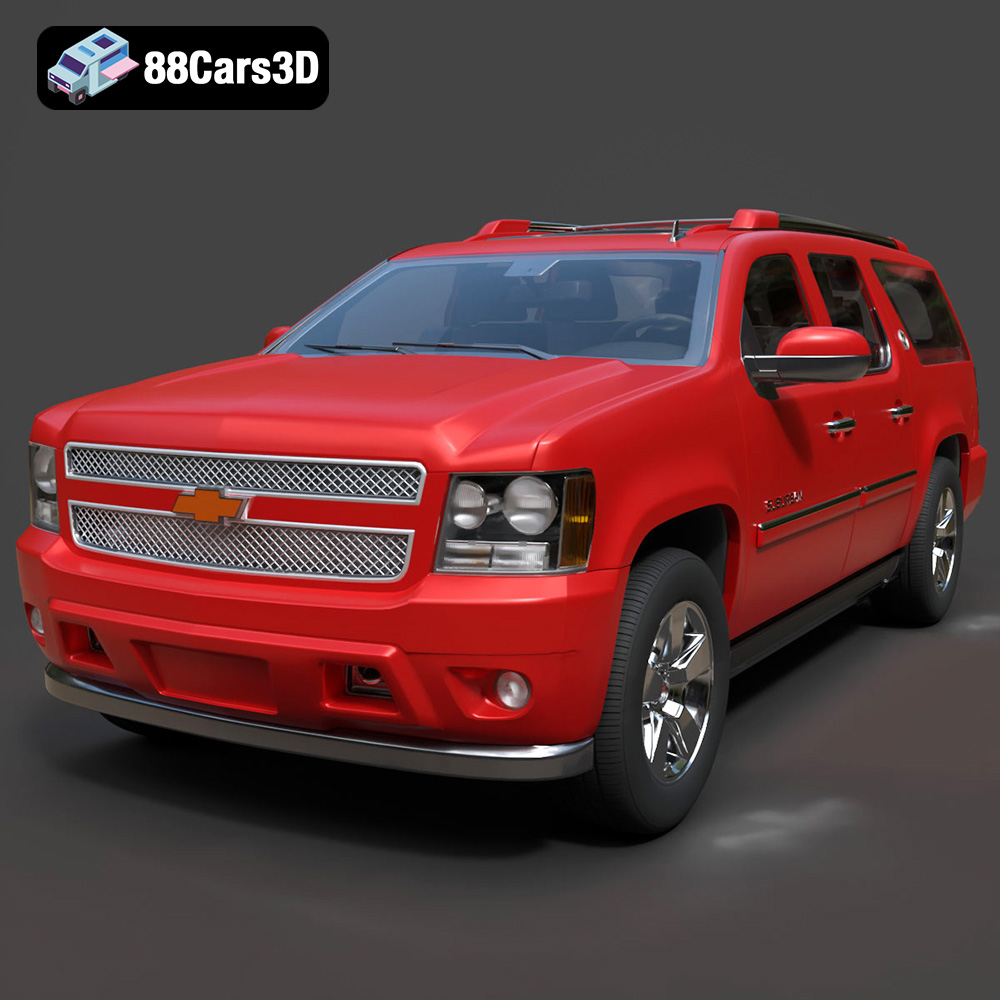
Texture: Yes | Material: Yes
Download the highly detailed, game-ready Chevrolet Suburban 75th Diamond 3D Model. Features the iconic Diamond Edition styling, detailed interior, and accurate full-size SUV proportions. Includes .blend, .fbx, .obj, .glb, .stl, .ply, .unreal, and .max formats for game development, AR/VR, and rendering.
Price: $19.99

