Get 20% OFF All Premium 3D & STL Models!

“`html
In the rapidly evolving landscape of 3D printing, file formats come and go, promising enhanced features and greater compatibility. Yet, one format steadfastly maintains its reign: the STL (Stereolithography) file. For enthusiasts and professionals alike, STL has become synonymous with 3D printing. But why, in a world of increasingly sophisticated technologies, does this relatively simple format continue to dominate? This comprehensive guide will delve into the technical intricacies of STL files, explore their advantages and limitations, and explain why they remain the go-to choice for 3D printing, especially within the vibrant community surrounding printable car models and additive manufacturing.
We’ll cover the core structure of STL files, examine their compatibility across different 3D printers and software, discuss how to optimize STL files for printing, and explore common issues and solutions. Whether you are a seasoned 3D printing expert or just starting your journey, this deep dive into STL files will provide you with a thorough understanding of why this format is the bedrock of 3D printing.
The fundamental reason for STL’s popularity is its simplicity. STL files represent 3D models as a collection of triangles, defining the surface geometry but lacking information about color, texture, or material properties. This simplicity translates to broad compatibility and ease of processing.
An STL file comprises a list of triangular facets, each defined by three vertices and a normal vector indicating the facet’s orientation. This basic structure makes STL files relatively small in size and easy to parse by 3D printing software. The lack of color and texture data keeps the file size manageable, which is particularly beneficial when dealing with complex models containing thousands or even millions of triangles.
Because of its simple structure, almost every 3D printer and slicing software supports STL files. Regardless of whether you use FDM (Fused Deposition Modeling) or resin-based printing, the slicer can typically process an STL file directly. This universality ensures that models designed for one printer can be easily adapted for use on another, fostering a collaborative and accessible 3D printing ecosystem. Platforms like 88cars3d.com rely on this interoperability to ensure their printable car models can be enjoyed by users with a wide range of 3D printing setups.
While the basic concept of STL is straightforward, understanding its underlying structure and potential issues related to mesh topology is critical for successful 3D printing. A well-formed STL file will translate into a clean and accurate printed model, whereas a faulty file can lead to unexpected printing failures or defects.
STL files exist in two formats: ASCII and binary. ASCII STL files store the triangle data as human-readable text, which can be helpful for debugging or manual editing. However, ASCII files are considerably larger than their binary counterparts. Binary STL files represent the data in a compressed, binary format, resulting in smaller file sizes and faster processing. For example, a complex car model might take up 50MB as an ASCII STL but only 15MB as a binary STL. It’s generally recommended to use binary STL for efficient file storage and processing.
STL files are susceptible to several mesh-related problems, including:
Mesh repair software like Meshmixer, Netfabb, and online services are essential for identifying and fixing these issues. Typically, these tools can automatically detect and repair non-manifold edges, flip inverted normals, and remove self-intersections, ensuring a printable STL file. When downloading models from marketplaces such as 88cars3d.com, you can often expect a high degree of mesh integrity, but it’s always a good practice to verify the file before printing.
Slicing is the process of converting an STL file into a series of layers that the 3D printer can understand. The slicing software generates toolpaths based on the model’s geometry and specified printing parameters. Careful selection of these parameters is crucial for achieving optimal print quality, strength, and speed.
Layer height directly impacts the resolution and surface finish of the printed model. A smaller layer height (e.g., 0.1mm) results in smoother surfaces and finer details but increases the printing time. A larger layer height (e.g., 0.3mm) is faster but produces more visible layer lines. For detailed car models, a layer height between 0.1mm and 0.2mm is often a good balance between quality and speed. For example, printing a car body at 0.1mm might take 12 hours, while printing at 0.2mm reduces the time to 7 hours.
Infill refers to the internal structure of the 3D printed part. Infill density, expressed as a percentage, determines the amount of material used inside the model. A higher infill density increases strength and weight but also consumes more material and increases printing time. Common infill patterns include rectilinear, grid, honeycomb, and gyroid, each offering different strength and material usage characteristics. For decorative car models, a lower infill density (e.g., 15-20%) may be sufficient. For functional parts that require strength, a higher density (e.g., 50-75%) may be necessary. Using a gyroid infill provides excellent strength-to-weight ratio.
Support structures are temporary scaffolding used to support overhanging features and prevent collapses during printing. They are essential for printing complex geometries, but their removal can be challenging and may leave blemishes on the finished model.
There are various types of support structures, including:
Tree supports are particularly useful for intricate car models because they can reach complex overhangs with minimal impact on the surface finish. Rafts are essential for materials like ABS that are prone to warping.
Slicing software offers a wide range of settings for customizing support structures, including:
A support interface with a small gap (e.g., 0.1mm) between the support and the model is often recommended to facilitate clean removal. After printing, supports can be removed using pliers, knives, or dissolving agents (for soluble support materials).
The choice of material and proper printer calibration are crucial factors that influence the success of a 3D printing project. Different materials have different properties, and understanding these properties is vital for selecting the right material for the intended application. Furthermore, a well-calibrated printer ensures accurate and consistent prints.
FDM printing offers a range of materials, each with its own advantages and disadvantages:
For printing car models, PLA is a good choice for decorative parts, while PETG or ABS might be preferred for functional components that require higher strength and temperature resistance.
Resin printing (SLA and DLP) offers higher resolution and smoother surface finishes compared to FDM. Resin printers use liquid photopolymer resins that are cured by UV light. Resin printing is ideal for intricate details and small parts. There are various types of resins available, including:
Resin printing requires careful post-processing, including washing the printed part in isopropyl alcohol (IPA) and curing it under UV light to fully harden the resin. It also requires using appropriate personal protective equipment (PPE) due to the potentially harmful nature of uncured resins.
Regular printer calibration is essential for accurate 3D printing. Key calibration steps include:
Calibration cubes and other test prints can be used to fine-tune these settings. A properly calibrated printer will produce dimensionally accurate parts with consistent layer adhesion and minimal warping.
Post-processing is the final stage in the 3D printing workflow, transforming a raw printed part into a finished product. Techniques like sanding, painting, and assembly can significantly enhance the appearance and functionality of 3D printed models.
Sanding is used to remove layer lines and smooth the surface of 3D printed parts. Start with coarse sandpaper (e.g., 150 grit) to remove major imperfections, then gradually move to finer grits (e.g., 400 grit, 600 grit, 800 grit) to achieve a smooth finish. Wet sanding can help to reduce dust and improve the smoothness of the surface. For resin prints, sanding is often easier due to the finer layer resolution. A primer coat can help to fill in any remaining imperfections and provide a better surface for painting.
Painting is used to add color and detail to 3D printed models. Acrylic paints are a popular choice for their ease of use and wide range of colors. Apply thin, even coats of paint to avoid obscuring fine details. Masking tape can be used to create sharp lines and intricate patterns. Airbrushing provides a more uniform and professional finish. After painting, a clear coat can protect the paint and add gloss or matte finish.
Many 3D printed models consist of multiple parts that need to be assembled. Use glue, screws, or other fasteners to join the parts together. Consider designing interlocking features or alignment pins to simplify the assembly process. For functional models, you may need to integrate hardware components such as LEDs, motors, or sensors. Ensure that the model is designed with appropriate mounting points and wire channels for these components.
Even with careful planning and preparation, 3D printing can sometimes encounter problems. Understanding common issues and their solutions is crucial for a successful printing experience.
Warping occurs when the corners of the printed part lift off the build plate, due to uneven cooling and thermal contraction. To prevent warping:
Stringing occurs when thin strands of filament are drawn between different parts of the model, due to excessive oozing from the nozzle. Blobs are small accumulations of material on the surface of the print. To prevent stringing and blobs:
Layer shifting occurs when the printer suddenly shifts the position of the print head, resulting in misaligned layers. Print failure can occur due to various reasons, such as insufficient bed adhesion, nozzle clogging, or power outages. To prevent layer shifting and print failures:
By understanding and addressing these common issues, you can significantly improve the reliability and success rate of your 3D printing projects. Platforms like 88cars3d.com offer print-ready STL files, reducing the likelihood of mesh-related errors and ensuring a smoother printing process.
Despite the emergence of newer file formats, STL remains the dominant force in 3D printing due to its simplicity, universality, and broad compatibility. While it lacks advanced features like color and material information, its streamlined structure makes it easy to process and adapt for various 3D printers and software. Understanding the intricacies of STL files, from their basic structure to potential mesh issues and slicing parameters, is crucial for achieving optimal print quality and minimizing printing errors.
As you continue your 3D printing journey, remember to prioritize proper file preparation, material selection, printer calibration, and post-processing techniques. By mastering these essential aspects, you can unlock the full potential of 3D printing and bring your creative visions to life with stunning accuracy and detail. Whether you’re creating intricate car models from platforms like 88cars3d.com or prototyping functional parts for engineering applications, the principles outlined in this guide will serve as a valuable resource for years to come. Experiment with different materials, optimize your printer settings, and embrace the iterative process of 3D printing to continuously improve your skills and push the boundaries of what’s possible.
“`

Texture: Yes | Material: Yes
Download the highly detailed, game-ready Ducati 1299 Panigale S 2017 3D Model. Features signature aerodynamic fairings, detailed Superquadro engine components, and aggressive Italian styling. Includes .blend, .fbx, .obj, .glb, .stl, .ply, .unreal, and .max formats for game development, AR/VR, and rendering.
Price: $19.99
Texture: Yes | Material: Yes
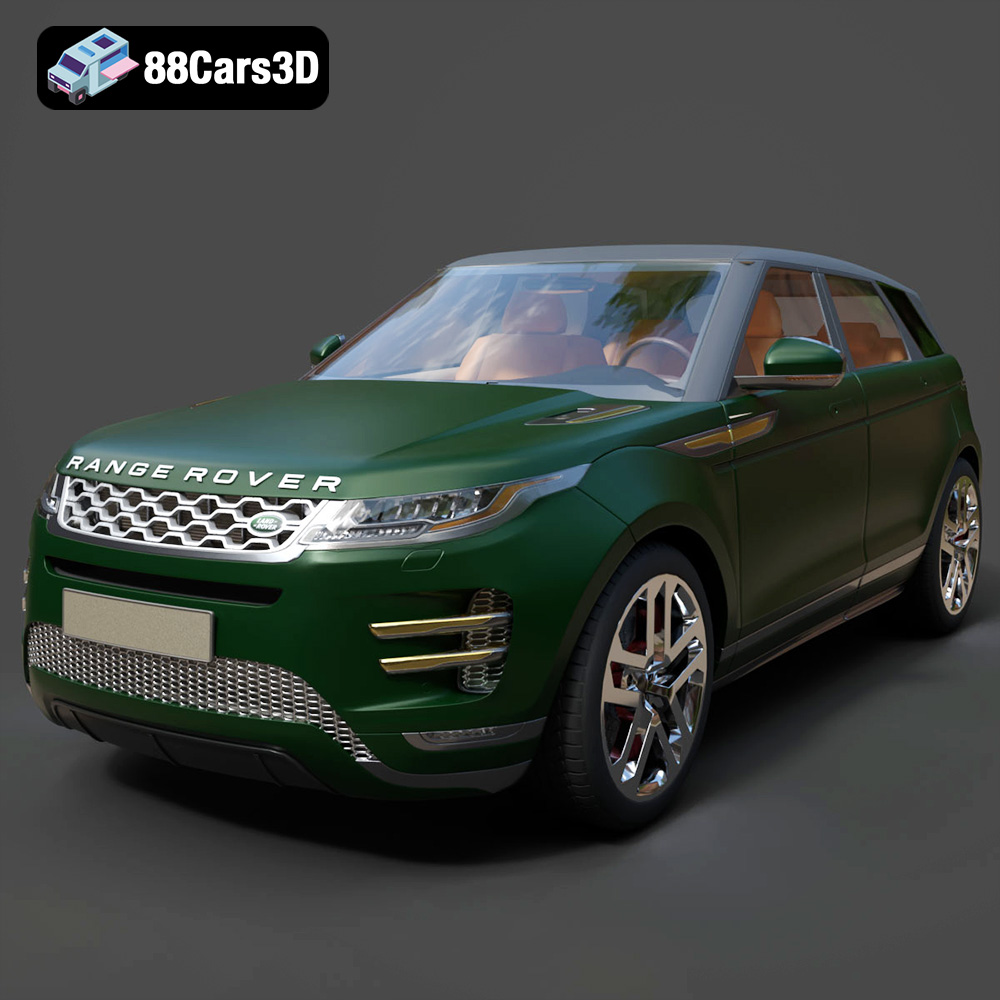
Download the highly detailed, game-ready Range Rover Evoque R-Dynamic 2019 3D Model. Features flush deployable door handles, Matrix LED headlights, and R-Dynamic styling. Includes .blend, .fbx, .obj, .glb, .stl, .ply, .unreal, and .max formats for game development, AR/VR, and rendering.
Price: $19.99

Texture: Yes | Material: Yes
Download the highly detailed, game-ready Ford Mustang Mach 40 3D Model. Features aggressive custom widebody styling, a mid-mounted V8 engine, and classic retro-futuristic design. Includes .blend, .fbx, .obj, .glb, .stl, .ply, .unreal, and .max formats for game development, AR/VR, and rendering.
Price: $19.99
Texture: Yes | Material: Yes
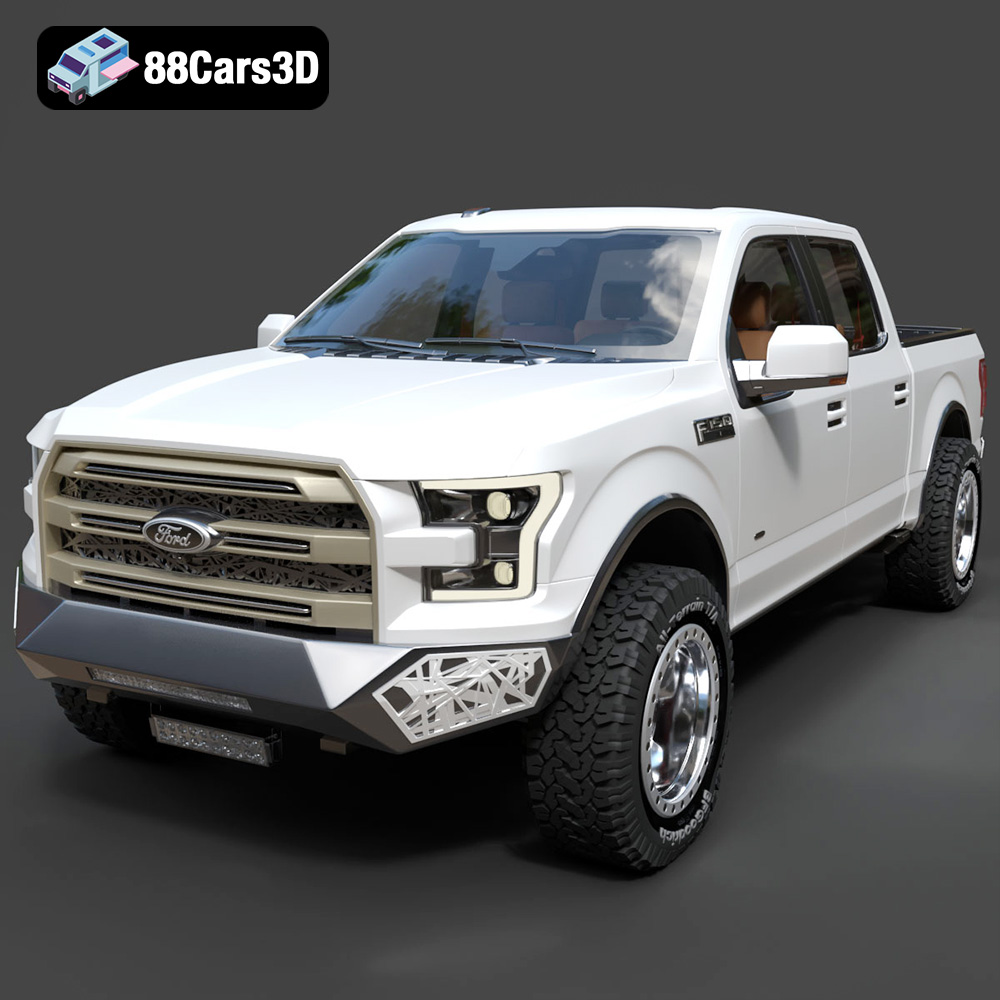
Download the highly detailed, game-ready Ford F150 Raptor With Tuning From ARE 3D Model. Features custom ARE tuning accessories, aggressive off-road suspension, and rugged beadlock wheels. Includes .blend, .fbx, .obj, .glb, .stl, .ply, .unreal, and .max formats for game development, AR/VR, and rendering.
Price: $19.99

Texture: Yes | Material: Yes
Download the highly detailed, game-ready Mercedes-Benz AMG GLE 63 2021 3D Model. Features the iconic Panamericana grille, aggressive aerodynamic body styling, and a meticulously detailed luxurious interior. Includes .blend, .fbx, .obj, .glb, .stl, .ply, .unreal, and .max formats for game development, AR/VR, and rendering.
Price: $19.99
Texture: Yes | Material: Yes
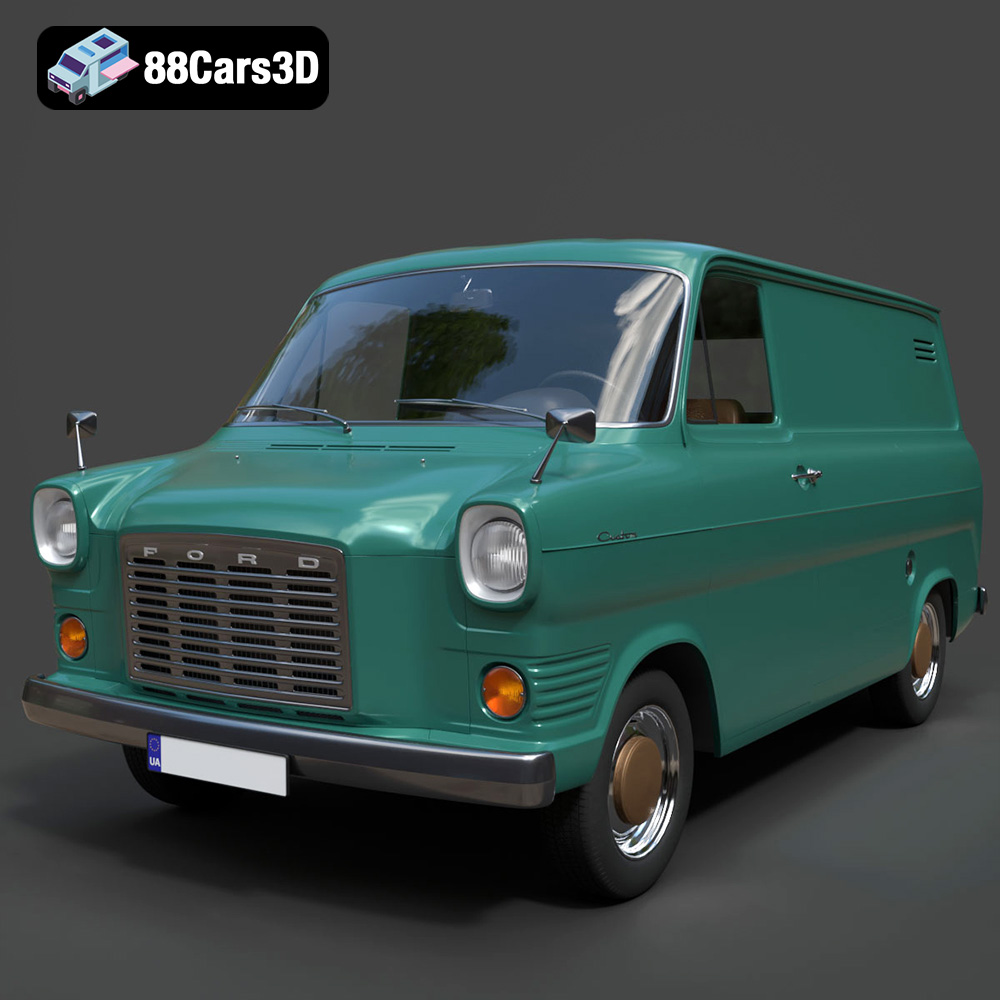
Download the highly detailed, game-ready Ford Transit Mk1 Panel Van 1965 3D Model. Features iconic flat-front styling, vintage steel wheels, and a period-correct cargo bay. Includes .blend, .fbx, .obj, .glb, .stl, .ply, .unreal, and .max formats for game development, AR/VR, and rendering.
Price: $19.99

Texture: Yes | Material: Yes
Download the highly detailed, game-ready BMW X3 2024 3D Model. Features the iconic kidney grille, dynamic SUV proportions, and precise lighting elements. Includes .blend, .fbx, .obj, .glb, .stl, .ply, .unreal, and .max formats for game development, AR/VR, and rendering.
Price: $19.99

Texture: Yes | Material: Yes
Download the highly detailed, game-ready Tesla Model S Plaid 2021 3D Model. Features sleek aerodynamic styling, signature LED lighting, and the revolutionary Yoke steering interior. Includes .blend, .fbx, .obj, .glb, .stl, .ply, .unreal, and .max formats for game development, AR/VR, and rendering.
Price: $19.99

Texture: Yes | Material: Yes
Download the highly detailed, game-ready Rolls-Royce Ghost EWB 2018 3D Model. Features the iconic Pantheon grille, elongated luxury chassis, and elegant exterior lines. Includes .blend, .fbx, .obj, .glb, .stl, .ply, .unreal, and .max formats for game development, AR/VR, and rendering.
Price: $19.99
Texture: Yes | Material: Yes
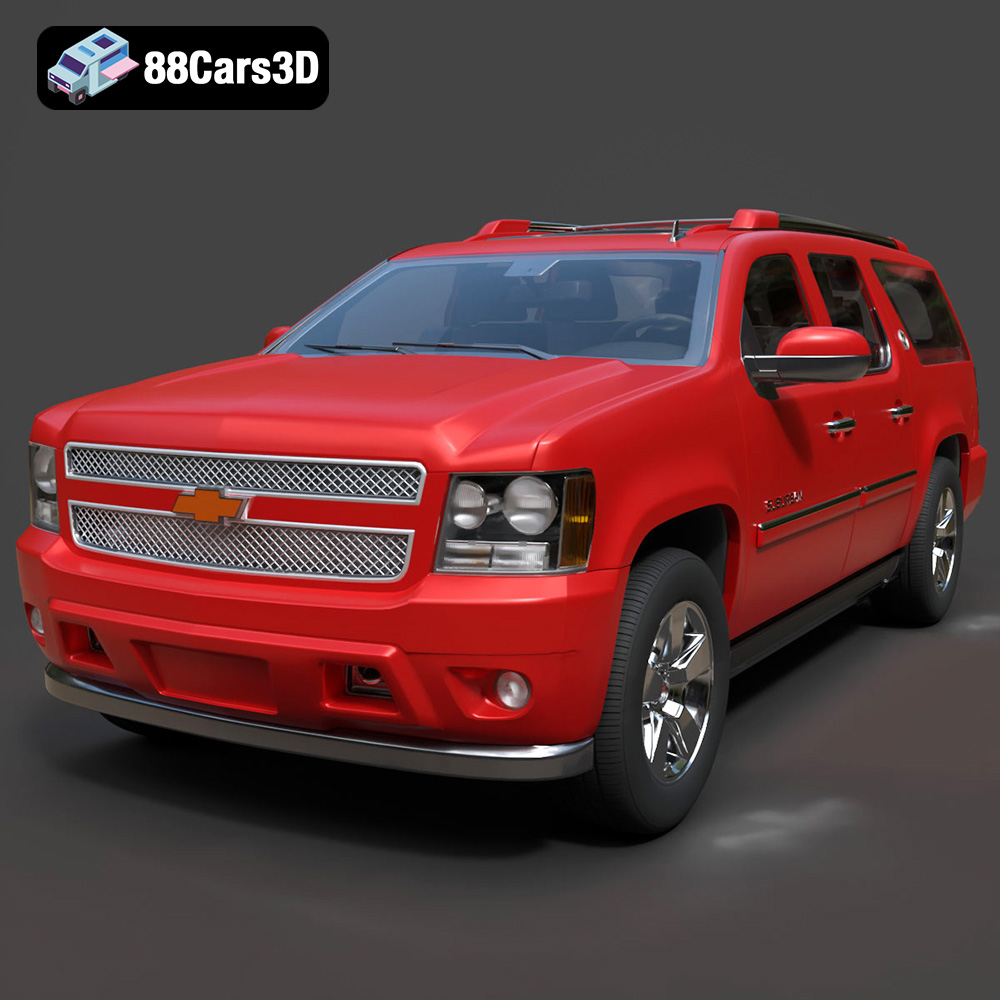
Download the highly detailed, game-ready Chevrolet Suburban 75th Diamond 3D Model. Features the iconic Diamond Edition styling, detailed interior, and accurate full-size SUV proportions. Includes .blend, .fbx, .obj, .glb, .stl, .ply, .unreal, and .max formats for game development, AR/VR, and rendering.
Price: $19.99

