Get 20% OFF All Premium 3D & STL Models!

In the dynamic world of digital content creation, the demand for high-quality, meticulously detailed 3D assets is ever-growing. From hyper-realistic game environments to captivating architectural visualizations and groundbreaking AR/VR experiences, the foundation of any stunning project lies in the fidelity of its models. For automotive and motorsport enthusiasts, the allure of iconic vehicles translates directly into the digital realm, where precision and performance are paramount. This is especially true for legendary machines like the Yamaha R1, a superbike revered for its aggressive styling, cutting-edge engineering, and unparalleled track dominance.
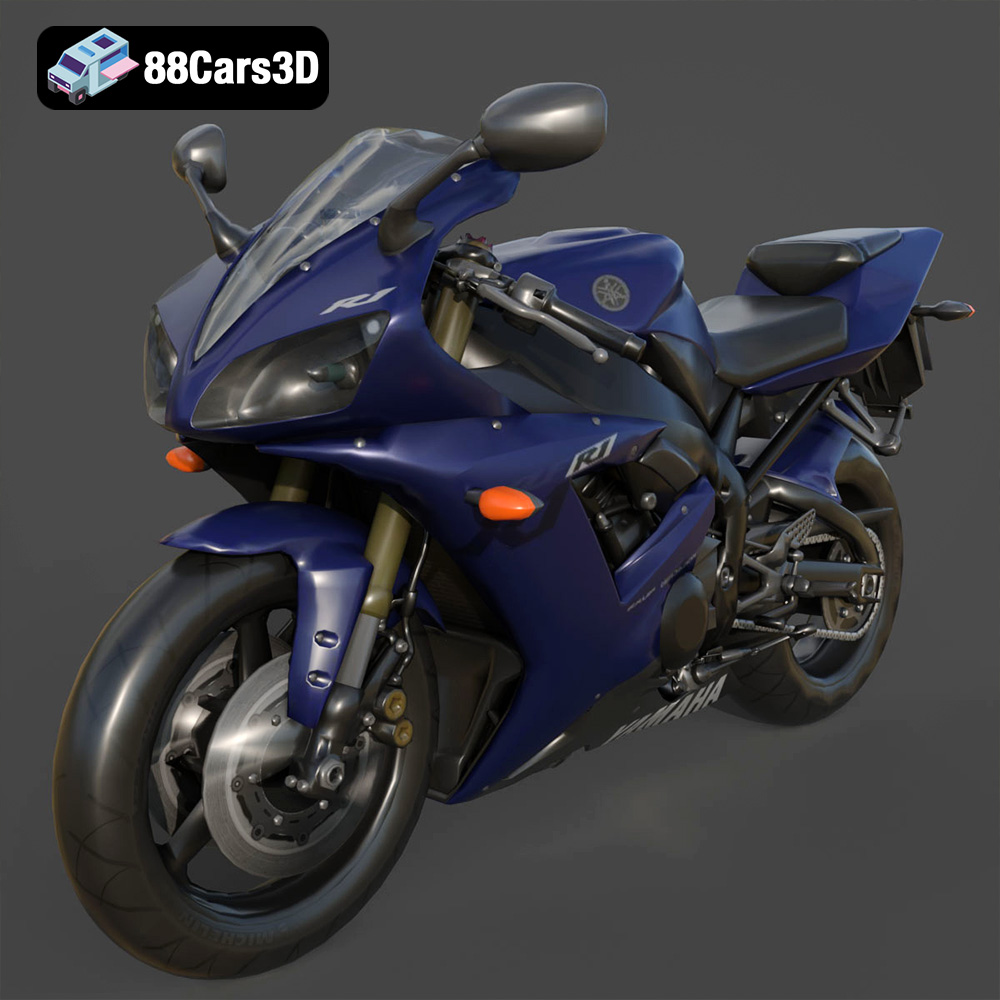
Creating such a complex vehicle from scratch requires immense skill, time, and a deep understanding of 3D pipelines. This is where a curated marketplace like 88cars3d.com becomes an invaluable resource, offering professional-grade 3D models that empower creators to focus on their vision rather than the arduous process of modeling. Take, for instance, the Yamaha R1 3D Model Download STL FBX OBJ GLB Blend – a prime example of an asset engineered to meet the stringent demands of various industries. This model doesn’t just look the part; it’s technically optimized for seamless integration, whether you’re building the next-gen racing simulator, a virtual showroom, or a striking promotional render.
The journey from a real-world vehicle to a production-ready 3D model is a blend of artistic vision and rigorous technical execution. It demands an eye for detail, an understanding of physical design, and a command of complex software. For a superbike like the Yamaha R1, this means capturing not just its silhouette, but the intricate details of its engineering – from the distinctive Deltabox frame to the crossplane engine’s architecture.
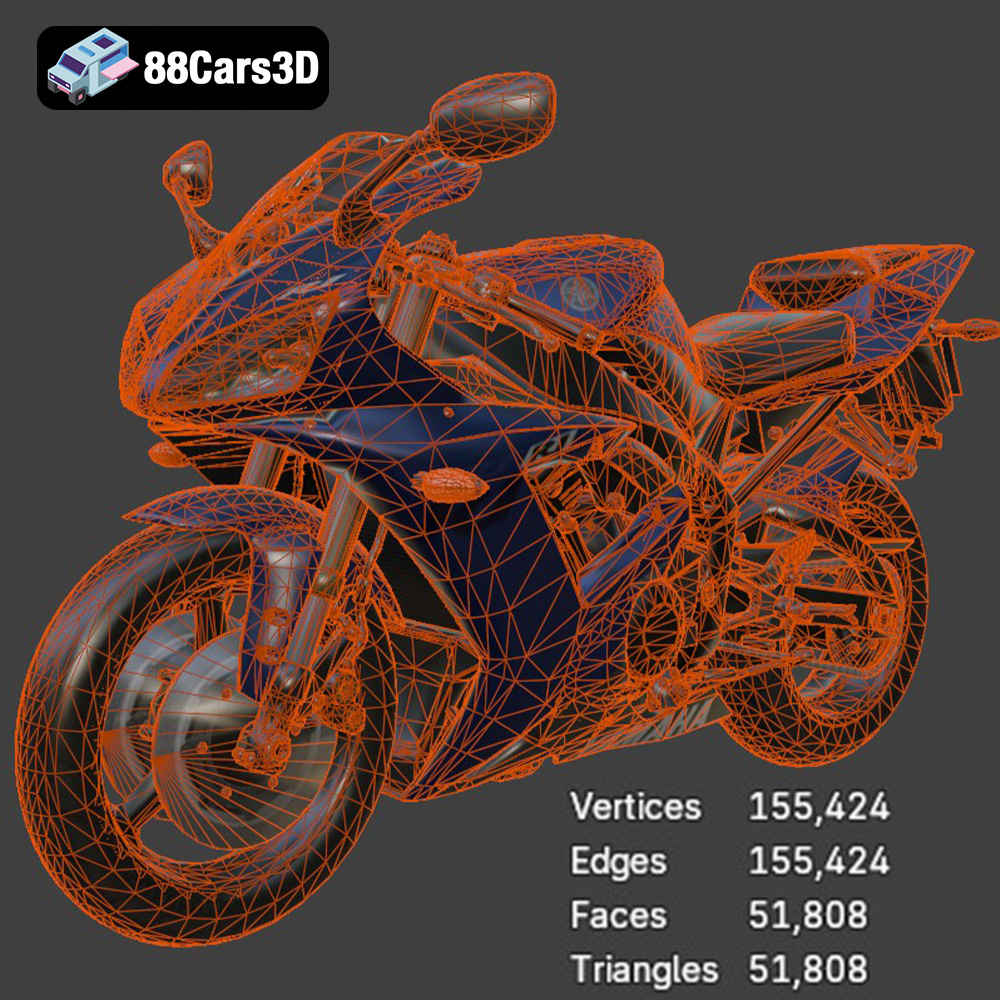
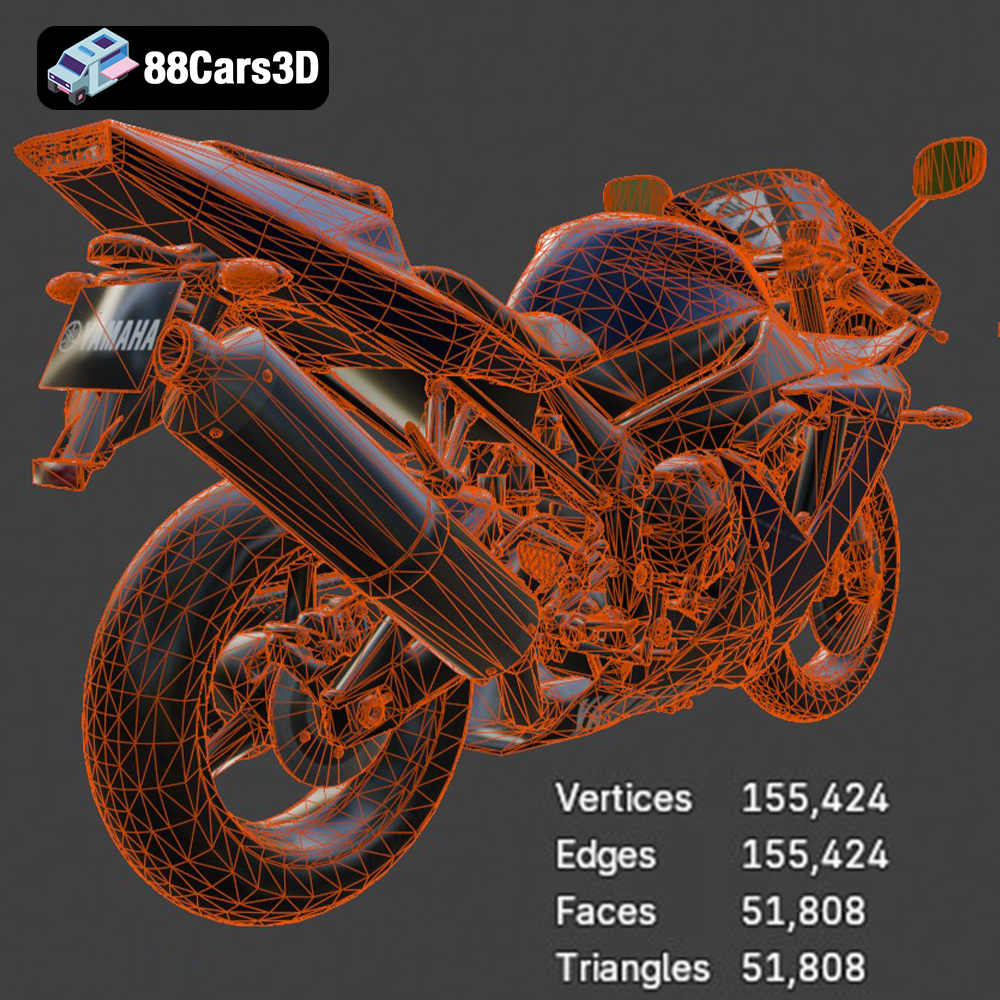
A truly exceptional 3D model strikes a delicate balance between visual fidelity and performance efficiency. In real-time applications like games or AR/VR, excessive polygon counts can cripple frame rates, while overly simplified models lose critical realism. The challenge lies in optimizing the mesh, carefully selecting where detail is most crucial, and leveraging techniques like normal mapping to convey complex surfaces without adding geometry. This ensures that the model looks stunning up close and performs smoothly within demanding environments. Professional 3D vehicle models are often built with clean topology, proper UV unwrapping, and PBR (Physically Based Rendering) ready materials, making them versatile across different rendering engines and platforms.
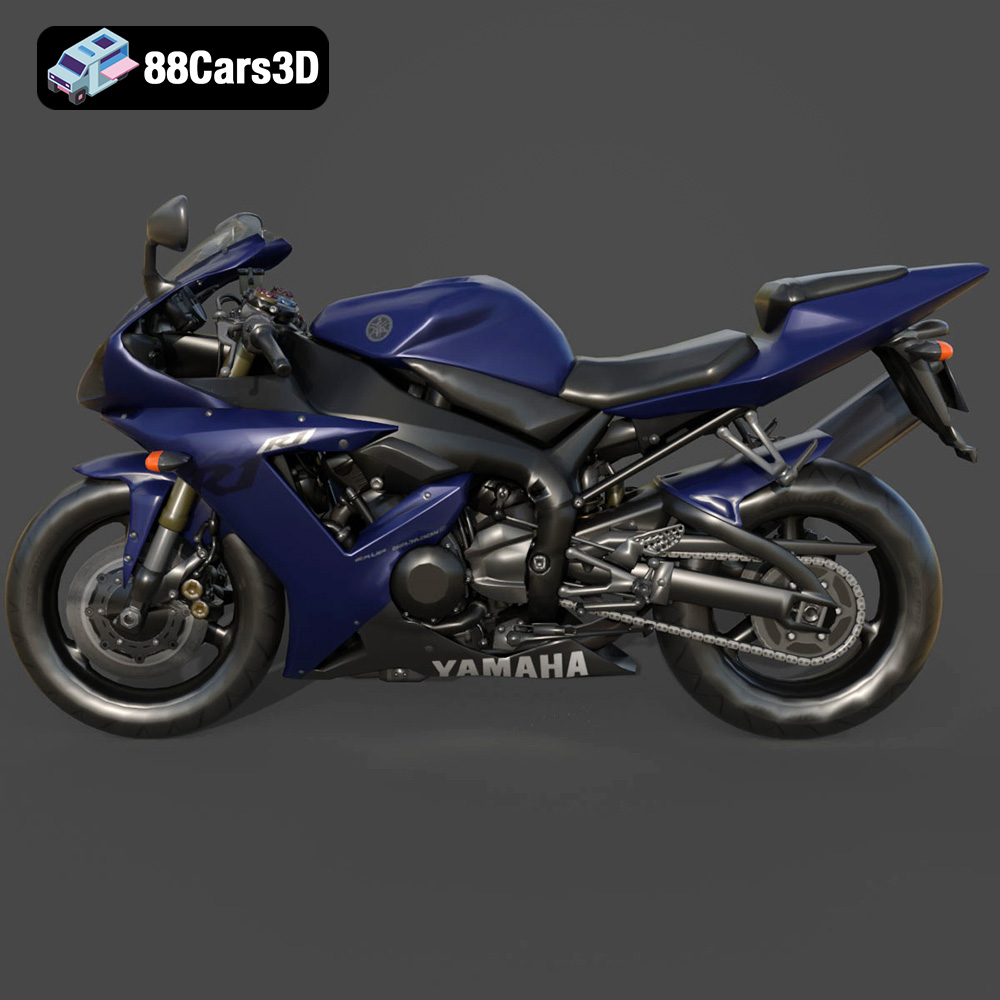
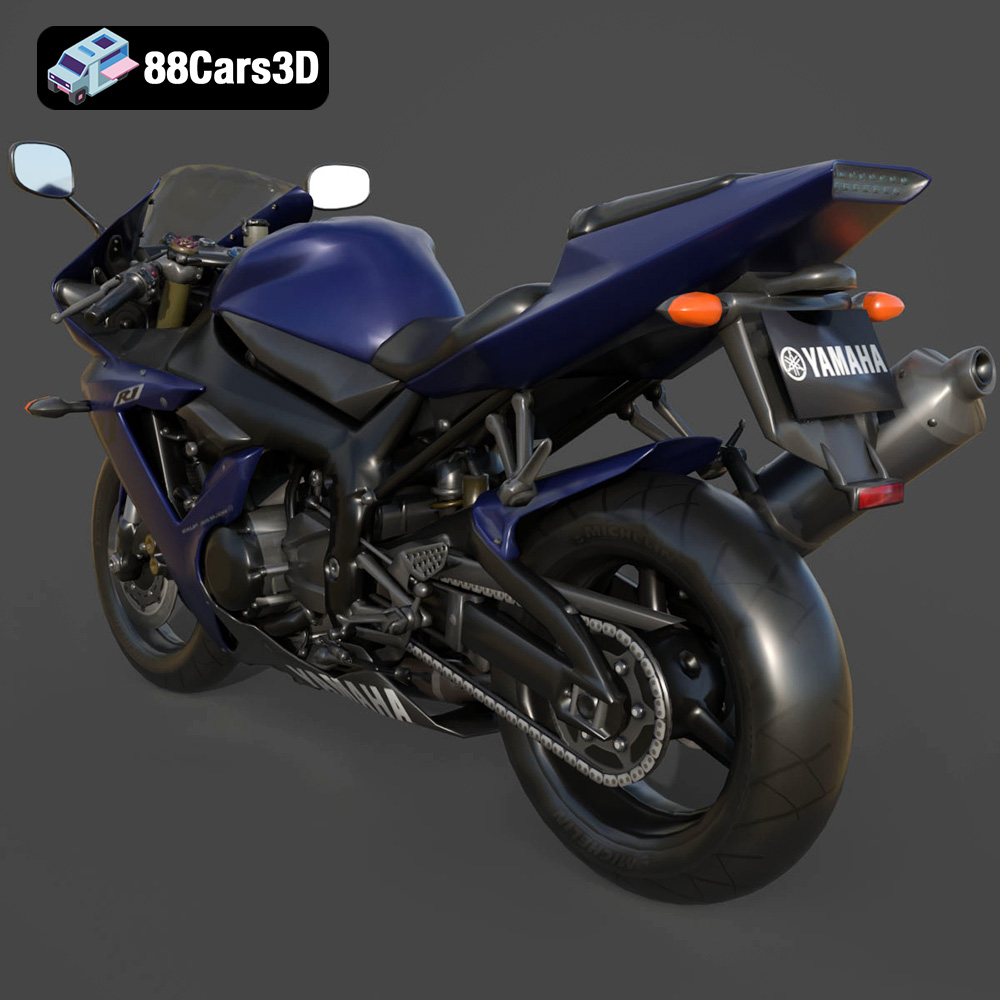
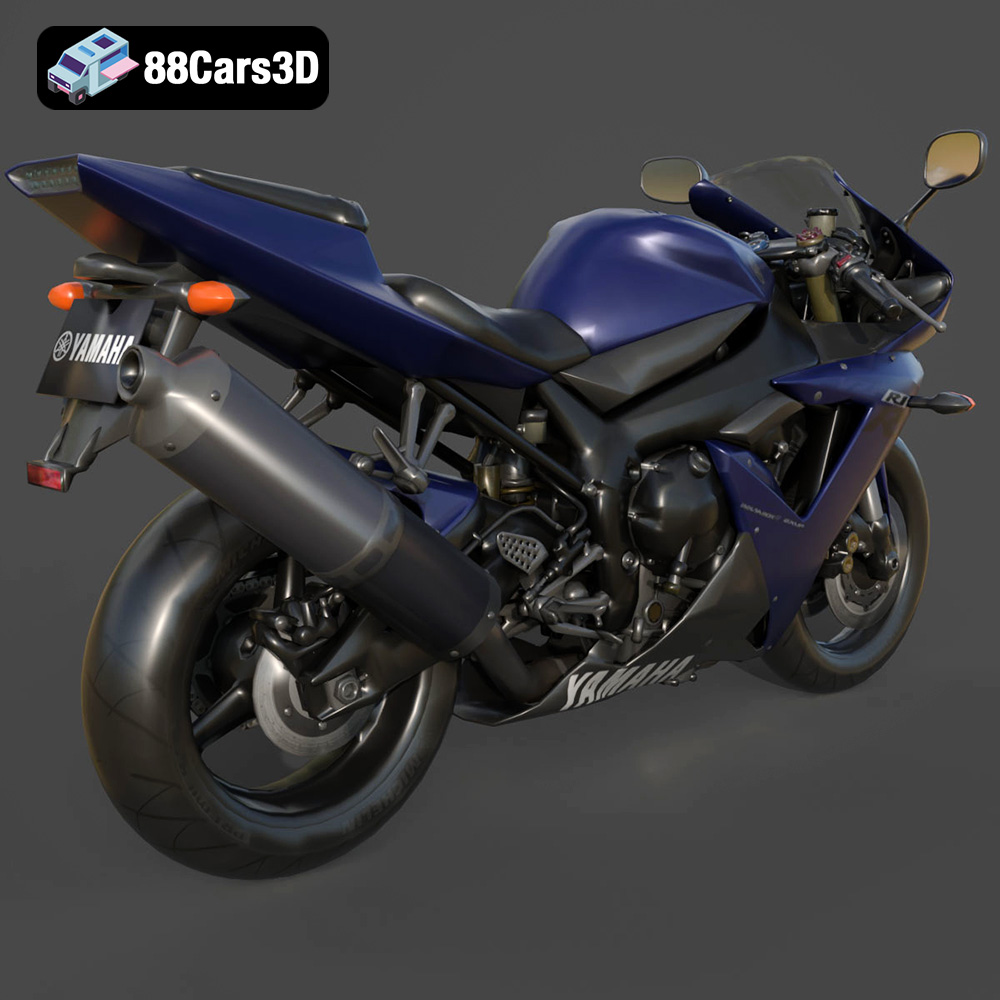
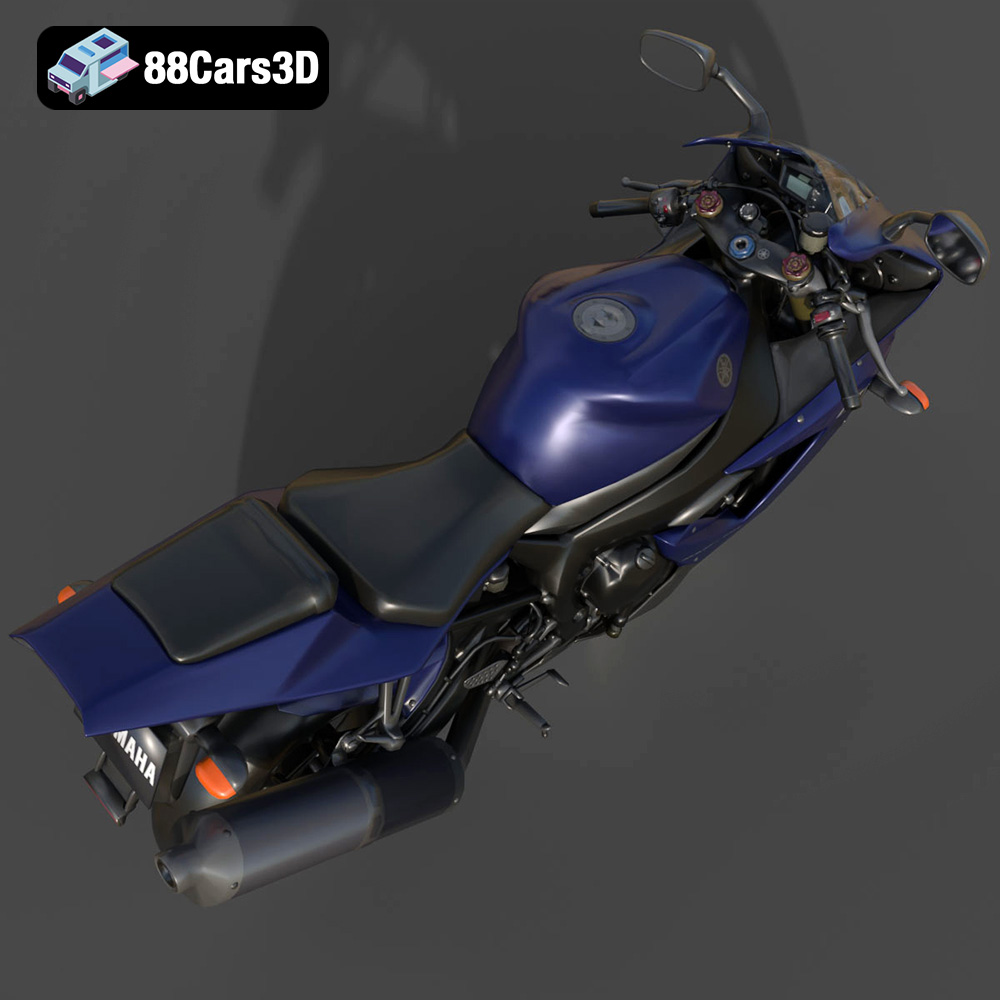
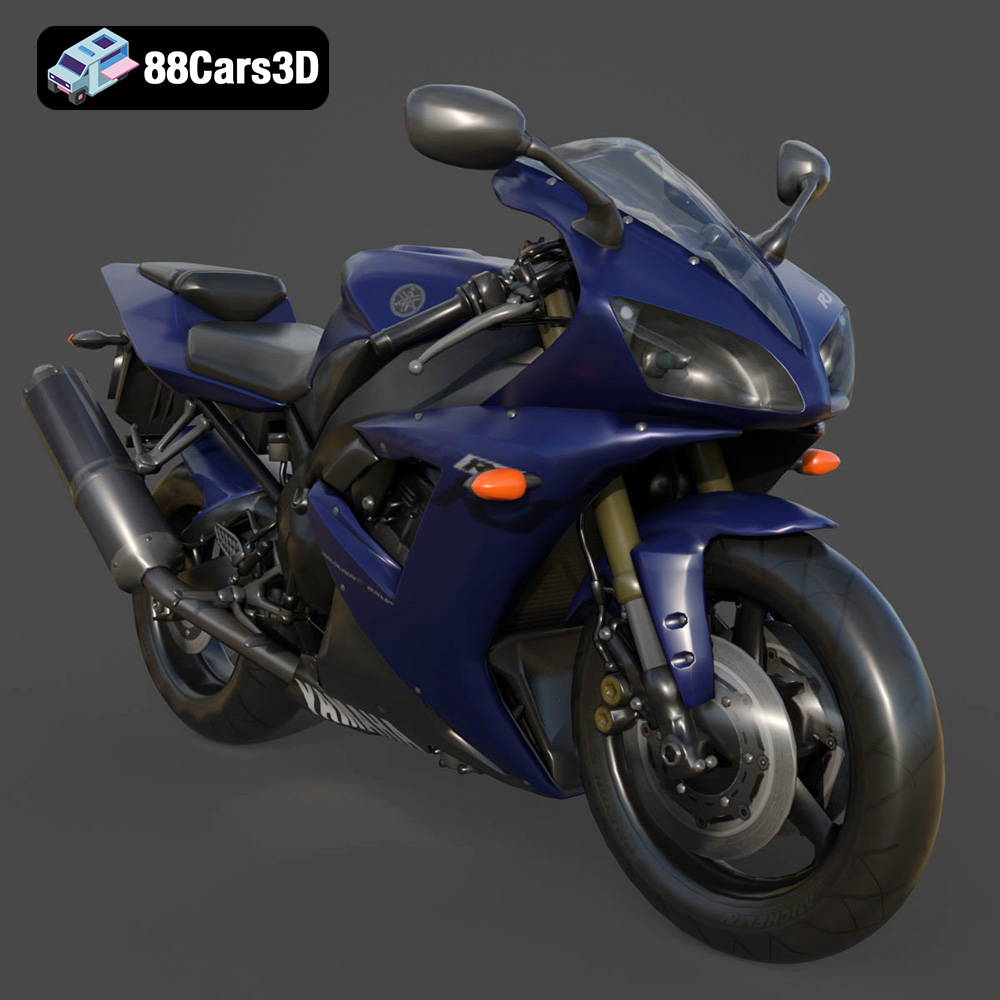
The featured Yamaha R1 3D Model epitomizes this balance. It boasts an optimized topology of approximately 180,000 triangles, a figure meticulously chosen to deliver high visual realism without bogging down real-time engines. Every curve of its aggressive aerodynamic fairing, the precise modeling of its twin-eye LED headlights, and the intricate details of its exhaust system are faithfully reproduced. This level of detail extends to the cockpit, with an ergonomic track-focused rider saddle, detailed clip-on handlebars, and a high-resolution digital TFT instrument cluster representation. Such meticulous attention ensures that whether the model is viewed in a cinematic close-up or from a first-person perspective in a game, its authenticity shines through. The separate wheels, suspension, and steering components are not just aesthetic; they are functionally prepared for animation, offering unparalleled control for dynamic scenes.
Navigating the landscape of 3D modeling involves understanding a variety of file formats, each tailored for specific workflows, software, and end-use applications. Choosing the right format is critical for maintaining asset integrity, ensuring compatibility, and optimizing performance. The Yamaha R1 3D Model from 88cars3d.com offers a comprehensive suite of formats, catering to virtually any professional pipeline.
The native file format for Blender, .blend files, are comprehensive packages that store not only the mesh data but also materials, textures, lighting setups, animations, cameras, and even entire scene configurations. For artists working primarily in Blender, this format provides maximum flexibility for customization and further development. It allows for direct manipulation of the model’s topology, shaders, and rigging, making it ideal for those who wish to delve deep into the asset’s structure or integrate it into an existing Blender-centric project. Its self-contained nature ensures that all associated assets are properly linked and readily accessible.
Developed by Autodesk, the Filmbox (.fbx) format has become an industry standard for interoperability, particularly between different 3D software applications and game engines. It’s renowned for its robust support for mesh geometry, materials, textures, animations, and skeletal data. For game developers using Unreal Engine or Unity, .fbx is often the go-to choice due to its efficient handling of complex animated assets and its ability to accurately transfer data across platforms. Its binary nature makes it relatively lightweight and fast to import, ensuring a smooth transition of the Yamaha R1 model into a real-time environment while preserving crucial elements like pivot points and material assignments.
The Wavefront Object (.obj) format is one of the oldest and most universally supported 3D file formats. It’s a simple, text-based format primarily used for exchanging raw polygonal mesh data, including vertices, faces, normals, and UV coordinates. While it doesn’t typically store advanced features like animation or rigging, its widespread compatibility makes it an excellent choice for basic model exchange between almost any 3D software. When using the Yamaha R1 .obj file, you can be confident that the core geometry and UVs will transfer seamlessly, though material definitions might need re-establishing in the target application using an accompanying .mtl file.
GL Transmission Format (.glb) is the binary version of glTF, an open standard for 3D scenes and models. It’s specifically designed for efficient transmission and loading of 3D models in web browsers, AR (Augmented Reality), and VR (Virtual Reality) applications. A .glb file packages all necessary data – geometry, materials, textures, and even animations – into a single, compact file, reducing the number of requests needed to load a 3D asset. For showcasing the Yamaha R1 in a web-based configurator or an interactive AR experience, the .glb format provides an optimal, performant solution.
Stereolithography (.stl) is the de facto standard format for 3D printing. It represents a 3D model as a series of connected triangles, describing the surface geometry without color, texture, or other CAD attributes. While simple, its ubiquity in the additive manufacturing world makes it indispensable. The Yamaha R1 model’s .stl output is perfect for hobbyists or professionals looking to bring the digital model into the physical world, allowing for scale models, prototypes, or display pieces. It’s crucial to consider print settings like scale, layer height, and support structures, as detailed in the product description, to achieve a high-quality physical rendition.
The Polygon File Format (.ply), sometimes known as the Stanford Triangle Format, is primarily used to store 3D data from 3D scanners, particularly for mesh data with properties like color, transparency, and even specific normal directions per vertex or face. It’s more versatile than .stl for carrying complex information beyond just geometry and is often favored in scientific, engineering, and CAD applications where precise mesh data with additional attributes is required for analysis or reverse engineering. For detailed inspection or conversion to CAD-friendly formats, the .ply version of the Yamaha R1 model offers a robust solution.
While often not a standalone “file format” in the traditional sense, “unreal” typically refers to an asset specifically prepped and sometimes packaged for direct import into Unreal Engine. This might involve an .fbx file with optimized settings, material instances, and collision meshes specifically configured for the engine’s requirements. This provides a streamlined workflow, ensuring that the Yamaha R1 3D Model seamlessly integrates into your Unreal Engine project with minimal setup, leveraging the engine’s powerful rendering capabilities and physically accurate lighting.
The native file format for Autodesk 3ds Max, .max files, are comprehensive project files, much like .blend for Blender. They contain the complete scene, including geometry, materials, textures, lights, cameras, animations, and modifiers. For professionals working in architectural visualization, cinematic rendering, or complex animation, the .max format offers the highest level of control and flexibility within the 3ds Max environment. The Yamaha R1 .max file allows artists to modify any aspect of the model, integrate it into complex scenes, and leverage 3ds Max’s extensive toolset for high-end rendering and animation.
For game developers, the quality of vehicle assets can make or break the immersive experience. A meticulously crafted model like the Yamaha R1 3D Model from 88cars3d.com provides a solid foundation for creating compelling racing titles, open-world adventures, or realistic simulators.
The “game-ready” designation isn’t just a marketing term; it signifies a model built from the ground up with real-time performance in mind. The Yamaha R1’s approximately 180,000 triangles represent a sweet spot, providing sufficient detail for close-up shots and high-definition displays while remaining performant enough for crowded scenes or fast-paced action. This optimization extends beyond mere poly count; it includes clean, quad-based topology for efficient deformation, proper UV mapping to avoid texture stretching, and often, the inclusion of Level of Detail (LOD) meshes for seamless scaling of detail based on distance, though not explicitly mentioned, it’s a common practice for such assets. The real-world scale accuracy is also crucial for consistent physics and interaction within game engines.
A static model, no matter how beautiful, has limited utility in interactive experiences. The Yamaha R1 3D Model is designed with animation in mind, featuring separate components for wheels, suspension, and steering. This pre-setup is a massive time-saver for game developers. Proper pivot points for each movable part enable straightforward rigging, allowing for realistic wheel rotation, suspension compression, and handlebar steering. These capabilities are essential for creating dynamic gameplay, responsive vehicle controls, and engaging cutscenes, elevating the overall player experience.
The inclusion of .fbx and .unreal formats directly addresses the needs of the two leading game engines: Unreal Engine and Unity. Importing the .fbx file into either engine typically involves straightforward steps: importing the mesh, setting up materials using the provided textures (often PBR-ready), and configuring collision meshes. For Unreal Engine specifically, an optimized .unreal asset can mean even less setup, as materials, textures, and even simple physics assets might be pre-configured, making it a plug-and-play solution for rapid prototyping or direct project integration. This streamlines the workflow, allowing developers to quickly get the Yamaha R1 onto the track or into their virtual world.
Beyond games, high-fidelity 3D models like the Yamaha R1 are indispensable tools for professional rendering and visualization artists. They enable the creation of stunning marketing materials, virtual showrooms, and cinematic sequences that blur the line between digital and reality.
With the .max and .blend file formats, artists have full access to the Yamaha R1 model within their preferred professional rendering software. In 3ds Max, this means leveraging powerful rendering engines like V-Ray or Corona to create physically accurate lighting and photorealistic materials. Artists can modify material finishes (matte, gloss, metallic), change body colors to specific factory or custom hues, and experiment with intricate studio lighting setups to highlight the bike’s aggressive lines and intricate details. Similarly, in Blender, the Cycles or Eevee render engines can produce breathtaking results, allowing artists to compose dynamic shots, create complex environments, and even animate the bike with precision for compelling visual narratives.
The application of such a detailed 3D motorcycle model extends directly to brand visualization and marketing campaigns. Imagine a virtual showroom where customers can explore the Yamaha R1 from every angle, customize its colors and accessories in real-time, or even place it in their driveway using augmented reality. For launch campaigns, high-resolution renders can be used for brochures, advertisements, and social media content, eliminating the need for expensive physical photoshoots. The accuracy and visual fidelity of the 88cars3d.com Yamaha R1 3D Model make it an ideal asset for showcasing the product in the most appealing and interactive way possible.
From a lifestyle shot with dynamic lighting on a scenic mountain road to a dramatic studio render highlighting the engine’s complexity, the Yamaha R1 3D Model provides the canvas. Artists can adapt lighting for different environments, swap out tire textures for street or track variants, and meticulously position cameras to achieve truly striking imagery. The detailed geometry of components like the inverted front fork suspension and the rear monoshock assembly ensures that even extreme close-ups maintain a high level of realism, crucial for automotive enthusiasts and brand representatives alike.
The versatility of professional 3D models extends into emerging technologies, driving innovation in augmented reality, virtual reality, and additive manufacturing. The Yamaha R1 3D Model is perfectly positioned for these applications.
For AR/VR experiences, models need to be highly optimized and delivered efficiently. The .glb format, included with the Yamaha R1 model, is explicitly designed for this. Imagine an AR app where users can virtually “park” the R1 in their living room, walk around it, and inspect its features, or a VR experience that places them on the track, virtually riding the superbike. The optimized polycount and real-world scale accuracy are crucial for these immersive applications, ensuring smooth performance on mobile devices for AR or maintaining high frame rates in VR headsets. These experiences can be powerful tools for sales, training, and pure entertainment, offering a new dimension of interaction with the product.
The inclusion of .stl and .ply formats opens up the exciting possibility of physical replication through 3D printing. Hobbyists, designers, and engineers can download the Yamaha R1 3D Model and print it at various scales (1:12, 1:18, 1:24 are recommended). This allows for the creation of display models, prototypes, or custom parts. The product description provides excellent guidance on print settings, recommending resin printing for fine details and specific layer heights, wall thicknesses, and infill percentages. Crucially, it highlights the need for supports for detailed parts and suggests optimal print orientation for structural integrity. Post-processing, including sanding, priming, and painting with authentic factory colors, can bring the printed model to life with stunning realism.
The true value of a premium 3D asset lies not just in its initial appearance, but in the depth of its detail and the flexibility it offers for adaptation. The Yamaha R1 3D Model from 88cars3d.com excels in both these areas, offering an unparalleled foundation for creative projects.
The product description highlights several key engineering elements that have been faithfully reproduced. The “accurate Yamaha R1 Deltabox frame geometry and proportions” ensure the model’s structural integrity matches its real-world counterpart. The “detailed engine block featuring the 998cc inline-4 crossplane design” speaks to the level of intricate modeling, capturing the heart of the superbike. Even the “precision-modeled titanium-style exhaust system and sleek muffler” and “lightweight magnesium-style multi-spoke wheels” demonstrate an unwavering commitment to authenticity. These details are not merely cosmetic; they contribute to the overall realism and allow for convincing close-up renders and animations, reflecting the model’s high-quality craftsmanship.
Professional workflows often require significant customization, and this Yamaha R1 3D Model is built with that in mind. Artists have the freedom to “change body/tank colors” to any desired hue, whether it’s an authentic factory finish or a wild custom design. The ability to “modify tire textures” allows for adapting the bike for various scenarios, from slick track tires to more textured street variants. Furthermore, “adjust material finishes” means artists can toggle between matte, gloss, or metallic looks to achieve the perfect aesthetic. Finally, the capacity to “adapt lighting for different environments” ensures the model can be seamlessly integrated into any scene, from a bright outdoor setting to a dramatic studio interior, allowing its inherent quality to shine under any conditions.
In the competitive world of 3D content creation, access to high-quality, technically sound assets is a game-changer. The Yamaha R1 3D Model Download STL FBX OBJ GLB Blend stands as a testament to meticulous craftsmanship and thoughtful optimization, designed to meet the rigorous demands of game development, cinematic rendering, AR/VR experiences, and even 3D printing. Its comprehensive file format support ensures compatibility across virtually all major 3D software and game engines, offering unparalleled flexibility to professionals.
From its optimized 180,000-triangle geometry to its accurately modeled Deltabox frame and crossplane engine, every detail contributes to a visually stunning and performant asset. Whether you’re a game developer seeking a high-performance vehicle, a visualization artist crafting a brand campaign, or an enthusiast looking to 3D print a replica, this model provides the perfect foundation. It’s more than just a 3D car model; it’s a versatile tool that empowers creativity and elevates production quality.
By investing in such premium 3D vehicle models, creators can significantly accelerate their workflows, achieve superior visual results, and deliver truly immersive experiences. For this exceptional Yamaha R1 and a wide array of other high-quality 3D car models and vehicle assets, visit 88cars3d.com – your trusted source for professional-grade digital content.
Experience the thrill of the track with this meticulously crafted 3D model of the legendary Yamaha R1. Known for its superbike heritage and uncompromising performance, the R1 features aggressive aerodynamic styling, a commanding Deltabox frame, and the iconic 998cc inline-4 crossplane engine. This model perfectly captures the essence of the real-world machine, highlighting key visual elements like the distinctive twin-eye LED headlights, dynamic fairing vents, and a high-performance exhaust system. Engineered with exceptional attention to detail, this 3D model boasts a highly optimized topology of approximately 180,000 triangles, making it fully game-ready without sacrificing visual fidelity. The clean mesh structure and detailed textures ensure seamless integration into real-time rendering engines and complex animation pipelines. Whether you are developing a high-speed racing simulation, an immersive virtual showroom, or a high-end cinematic render, this asset delivers unparalleled realism and performance. Perfect for next-gen racing games, mobile AR configurators, brand visualizations, and high-fidelity studio rendering.
$19.99
.blend
.fbx
.glb
.max
.motorcycle
.obj
.ply
.rendering
.sportbike
.stl
.superbike
.unreal
.yamaha
game asset
game-ready
low-poly
motorcycle-3d-model
optimized
r1
VR/AR
yamaha-r1