Get 20% OFF All Premium 3D & STL Models!

In the dynamic world of digital content creation, from cinematic rendering to immersive game development and sophisticated product visualization, the quality of your 3D assets is paramount. A truly exceptional 3D model doesn’t just represent an object; it embodies its essence, structure, and material properties with stunning accuracy. This meticulous attention to detail is what separates good projects from great ones, transforming mere visuals into captivating experiences.
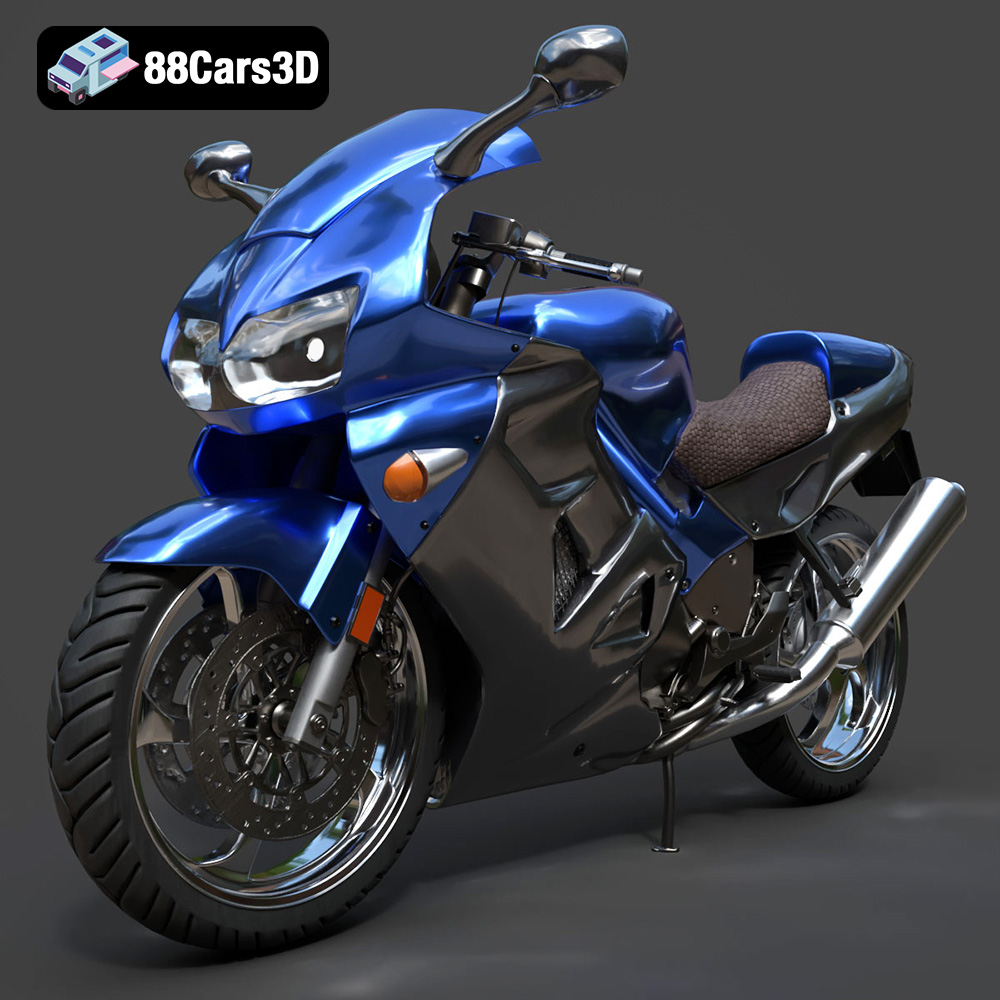
For enthusiasts and professionals alike, the allure of a finely crafted vehicle model is undeniable. Whether it’s the sleek lines of a sportbike or the robust presence of a classic car, these assets serve as the foundation for countless digital narratives. This is where models like the Honda VFR 801 3D Model from 88cars3d.com shine. Designed with unmatched realism and engineering precision, it offers creators an unparalleled starting point for projects demanding the highest visual fidelity. This article will delve into the technical intricacies of high-quality 3D vehicle models, explore their diverse applications, and demonstrate how a premium asset like the Honda VFR 801 can revolutionize your creative workflow.
The versatility of a professional 3D model isn’t just about its visual quality, but also its adaptability across various software and platforms. This adaptability is largely dictated by the file formats it supports. Understanding these formats is crucial for any 3D artist, designer, or developer looking to integrate assets seamlessly into their pipeline. A comprehensive asset, such as the Honda VFR 801 3D Model, typically provides a suite of formats, each optimized for specific applications.
The .blend format is the native file type for Blender, a powerful and increasingly popular open-source 3D creation suite. When you receive a .blend file, you’re getting a fully editable Blender scene, often complete with materials, lighting setups, and even camera configurations. This format is ideal for users who primarily work in Blender, offering maximum flexibility for modifications, animations, and custom rendering. It retains all scene data, including modifiers, constraints, and intricate material node networks, allowing for deep customization without loss of quality.
.fbx (Filmbox) is arguably the most widely adopted format for exchanging 3D data between different software applications and game engines. Developed by Autodesk, it supports geometry, materials, textures, animations, and more. It’s particularly favored in game development for engines like Unreal and Unity, making it an essential format for creating game assets. While not as editable as a native .blend or .max file, its robust support for crucial data makes it excellent for moving assets into real-time pipelines with minimal setup.
The .obj (Wavefront OBJ) format is a simple, universal geometry definition file. It’s excellent for basic mesh data and UV coordinates, making it compatible with virtually every 3D software package on the market. While it doesn’t support advanced features like animation or complex material definitions (it typically links to an accompanying .mtl file for basic material properties), its widespread compatibility makes it a safe choice for cross-software transfers. For static renders or base meshes, .obj remains a steadfast and reliable option.
.glb (GL Transmission Format Binary) is an increasingly important format, especially in the realm of AR (Augmented Reality), VR (Virtual Reality), and browser-based 3D experiences. It’s a binary version of the glTF format, designed for efficient transmission and loading of 3D scenes and models. .glb files encapsulate all necessary data—mesh, materials, textures, animations—into a single, compact file, making them perfect for real-time web viewers and mobile AR applications where performance and file size are critical.
.stl (Stereolithography) is the de facto standard for 3D printing. It describes only the surface geometry of a 3D object using a collection of interconnected triangles. While it contains no color or texture information, its simplicity and widespread adoption by 3D printing software and hardware make it indispensable for prototyping and physical fabrication. If your project involves bringing a digital model like the Honda VFR 801 into the physical world, an .stl file is what you’ll need.
.ply (Polygon File Format or Stanford Triangle Format) is a versatile format often used for storing 3D data from 3D scanners. It can store a wider range of properties than .obj or .stl, including color, transparency, and even confidence values for each vertex or face. This makes it valuable for scientific visualization, CAD applications, and situations where precise mesh data, potentially with additional attributes, is required for analysis or detailed rendering.
The .unreal format (or assets packaged specifically for Unreal Engine) signifies an asset that has been pre-configured and optimized for direct import and use within Unreal Engine. This often means textures are correctly set up, materials are compatible with Unreal’s Physically Based Rendering (PBR) system, and the mesh may already have appropriate LODs (Levels of Detail) and collision meshes. This dramatically reduces setup time for game developers and real-time visualization specialists, allowing for immediate integration of models like the Honda VFR 801.
.max is the native file format for Autodesk 3ds Max, another industry-leading 3D modeling, animation, and rendering software. Similar to .blend, a .max file provides a complete scene, offering full editability of geometry, materials, lights, cameras, and animation data. It’s the go-to for professionals working within the 3ds Max ecosystem, particularly in architectural visualization, product design, and high-end cinematic rendering.
Creating a truly professional 3D car model, or in this case, a motorcycle model like the Honda VFR 801, is an art form rooted in technical precision. It goes far beyond simply replicating shapes; it involves a deep understanding of geometry, materials, and optimization techniques. When you acquire a premium asset from a reputable source like 88cars3d.com, you’re investing in a foundation built on these crucial principles.
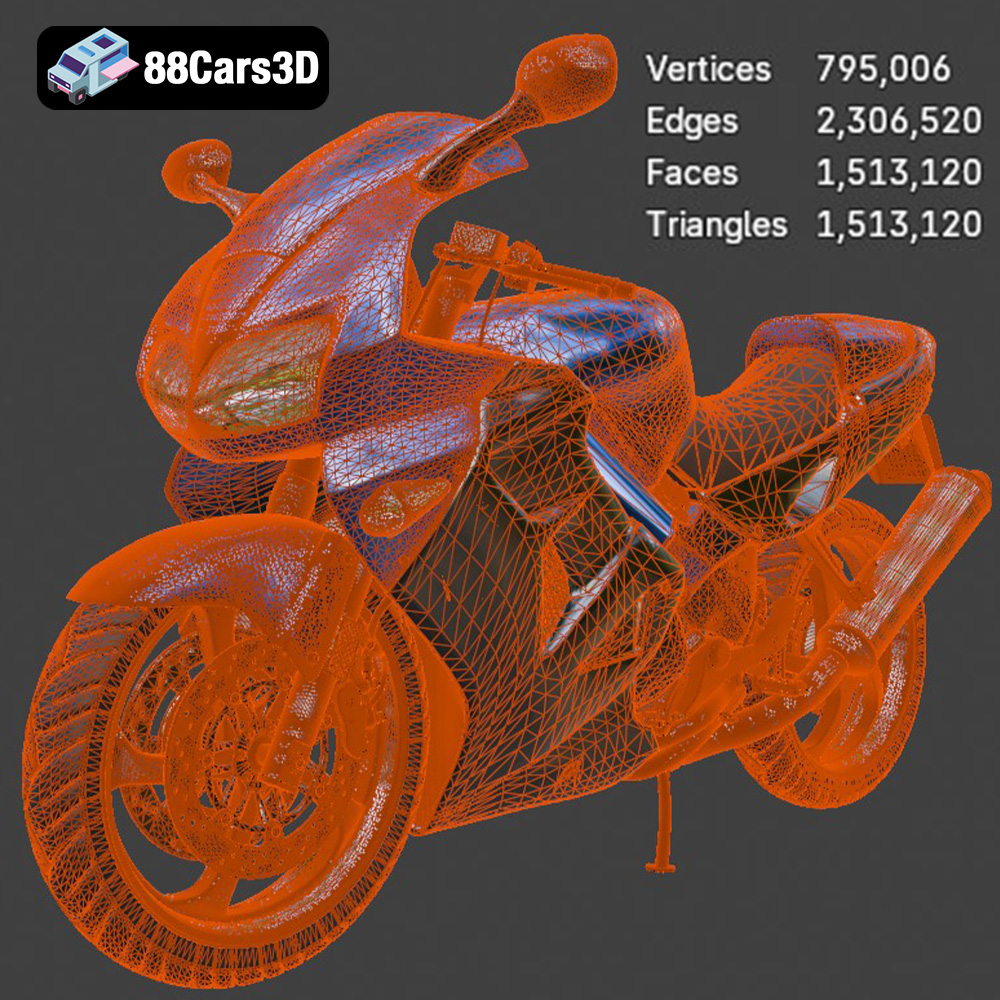
The backbone of any high-quality 3D model is its topology. Clean polygon geometry means a mesh that is well-structured, with efficiently distributed polygons that allow for smooth deformation during animation and flawless subdivision for high-resolution renders. The Honda VFR 801 3D Model, with its “clean polygon geometry” and “topology fully optimized for smooth rendering and seamless subdivision,” exemplifies this. This meticulous construction prevents unsightly artifacts, pinching, or stretching, ensuring that every curve and panel of the motorcycle looks perfect from any angle, even when heavily subdivided for extreme close-ups.
Beyond the mesh, materials and textures breathe life into a 3D model. Realistic materials simulate how light interacts with different surfaces – the subtle reflections on polished chrome, the matte finish of plastic, the sheen of painted metal, or the texture of a seat. This is achieved through PBR (Physically Based Rendering) workflows, utilizing diffuse, specular, normal, roughness, and metallic maps. The “realistic materials” and “exceptional detailing” of the Honda VFR 801 3D Model ensure that its digital representation is indistinguishable from its real-world counterpart under various lighting conditions, making it perfect for photorealistic automotive rendering.
For professional applications, accurate scaling is non-negotiable. A 3D model must adhere to real-world dimensions to be useful in simulations, architectural visualizations, or manufacturing workflows. High-quality models are typically built using precise blueprints and reference images, ensuring that every component of the vehicle, from the frame to the smallest bolt, is scaled correctly. This “accurate scaling” is a hallmark of the Honda VFR 801 3D Model, guaranteeing seamless integration into any scene without needing tedious adjustments, saving valuable production time.
The true power of a versatile 3D asset lies in its ability to adapt and enhance a multitude of professional projects. The Honda VFR 801 3D Model is not just a static object; it’s a dynamic tool ready to be deployed across various industries, thanks to its robust construction and multiple file formats.
For advertising agencies, automotive designers, or product visualization studios, the Honda VFR 801 is an invaluable asset. Using software like 3ds Max or Blender, artists can place the motorcycle in intricate scenes, experiment with different paint finishes, and create stunning photorealistic renders. The .max and .blend files, complete with materials and lighting setups, provide a perfect starting point. Imagine showcasing the VFR 801 against a dramatic urban backdrop or a winding country road, highlighting its design and performance without the need for expensive photoshoots or physical prototypes. The optimized topology ensures that even the most complex reflections and refractions are rendered flawlessly.
The gaming industry demands highly optimized assets that balance visual quality with real-time performance. The Honda VFR 801 3D Model, provided in game-engine-ready .fbx and pre-configured .unreal formats, is perfect for integration into racing games, open-world adventures, or virtual simulations. Its clean geometry and optimized materials ensure smooth framerates, while the “exceptional detailing” maintains visual fidelity even at high speeds. Developers can quickly implement it, add custom physics, and even build entire virtual environments around this iconic sportbike, significantly cutting down on asset creation time and allowing more focus on gameplay mechanics.
As AR and VR technologies become more prevalent, the need for optimized 3D content grows. The .glb format of the Honda VFR 801 3D Model is specifically designed for these immersive applications, enabling high-quality visualization on web browsers and mobile devices. Imagine a potential buyer exploring the VFR 801 in their driveway via an AR app, or a visitor to a virtual showroom inspecting every angle of the motorcycle in a VR headset. The compact and efficient nature of .glb ensures quick loading times and smooth interaction, delivering a rich, interactive experience without compromising visual quality.
Beyond digital screens, the Honda VFR 801 3D Model can also bridge the gap into the physical world. With its .stl and .ply formats, designers and engineers can utilize the model for 3D printing. This is invaluable for creating physical prototypes, scale models for display, or even functional components if integrated into a larger design process. The clean mesh ensures printability, making it a powerful tool for design validation and tangible product presentation, allowing for a tactile appreciation of its intricate design.
The practical application of a high-quality asset like the Honda VFR 801 3D Model extends across numerous professional scenarios, demonstrating its immense value and versatility.
Consider an architectural firm tasked with visualizing a new urban development. While the focus is on buildings, adding life to the scene through vehicles significantly enhances realism. Instead of generic placeholder models, integrating the highly detailed Honda VFR 801 3D Model immediately elevates the visual quality. A project manager uses the .max file to place the motorcycle prominently on a digital street, perhaps parked outside a cafe, adding a touch of sophisticated urban lifestyle. The realistic materials catch the virtual sunlight, casting accurate shadows and reflections that blend seamlessly with the architectural elements. This small detail, made powerful by the quality of the VFR 801, transforms a sterile architectural render into a vibrant, believable environment, impressing clients and conveying the envisioned atmosphere more effectively.
An automotive manufacturer wants to launch an interactive online configurator for a new line of motorcycles, allowing customers to customize colors, accessories, and components in real-time. Developing highly detailed 3D models for every variant is time-consuming and expensive. By leveraging the Honda VFR 801’s “clean polygon geometry” and “realistic materials” as a base (or a similar model from 88cars3d.com), developers can significantly speed up the process. Using the .fbx or .glb format, the model is integrated into a web-based configurator. Users can click through different paint schemes, see optional luggage, or switch out exhaust pipes, with each change instantly reflected on the high-fidelity model. The optimized topology ensures smooth performance in a browser, providing an engaging and intuitive shopping experience that drives sales and brand engagement.
A game development studio is crafting a cutting-edge motorcycle racing simulator. The key to success lies in hyper-realistic visuals and physics. The Honda VFR 801 3D Model, provided in its .unreal format, is the perfect starting point. Artists import the model directly into Unreal Engine, where its pre-configured materials and LODs are immediately ready. The development team focuses on applying advanced physics, realistic tire deformation, and dynamic lighting without needing to spend weeks optimizing the base model. The model’s “optimized for smooth rendering” ensures that even with dozens of motorcycles on screen and complex environmental effects, the game maintains a high framerate, delivering an immersive and visually stunning racing experience that captivates players.
In the fast-paced world of 3D production, time is a precious commodity. Investing in high-quality 3D assets is not merely an expenditure; it’s a strategic decision that offers significant returns, especially when sourcing from trusted marketplaces like 88cars3d.com. The Honda VFR 801 3D Model exemplifies how a premium asset can maximize your project’s potential.
Creating a highly detailed, topologically clean, and multi-format 3D model from scratch is an extremely labor-intensive process, often requiring hundreds of hours of a skilled artist’s time. By purchasing a ready-to-use asset like the Honda VFR 801, you bypass this entire creation phase. This translates into immediate time savings, allowing your team to focus on creative direction, scene assembly, animation, or game development. The availability of diverse file formats, including .blend, .max, .fbx, and .unreal, further accelerates workflows by minimizing conversion and setup time across different software platforms.
High-quality 3D assets are a long-term investment. A model built with clean geometry and PBR materials, like the Honda VFR 801 3D Model, will remain relevant and usable for years to come, even as rendering technologies evolve. Its “seamless subdivision” capabilities mean it can be adapted for increasingly high-resolution demands. Whether you need it for a current rendering project, a future game update, or an AR/VR experience years down the line, its foundational quality ensures it will integrate smoothly. This durability protects your creative investment and provides a robust library of assets for future endeavors.
The journey from concept to compelling visual reality is paved with countless decisions, and few are as critical as the quality of your core 3D assets. As we have explored, a professional-grade model is far more than just a digital representation; it is a meticulously crafted tool designed to meet the rigorous demands of modern creative industries. From the precision of its geometry and the realism of its materials to its adaptability across numerous file formats, a premium asset unlocks unparalleled potential.
The Honda VFR 801 3D Model stands as a prime example of such an indispensable asset. Its “unmatched realism” and “engineering precision” make it a versatile foundation for everything from stunning automotive rendering and immersive game environments to cutting-edge AR/VR experiences and even physical 3D prints. By choosing high-quality 3D models from trusted sources like 88cars3d.com, creators not only save invaluable time but also elevate the overall fidelity and impact of their projects. Embrace the power of professional 3D car models and motorcycle assets to transform your digital visions into breathtaking realities.
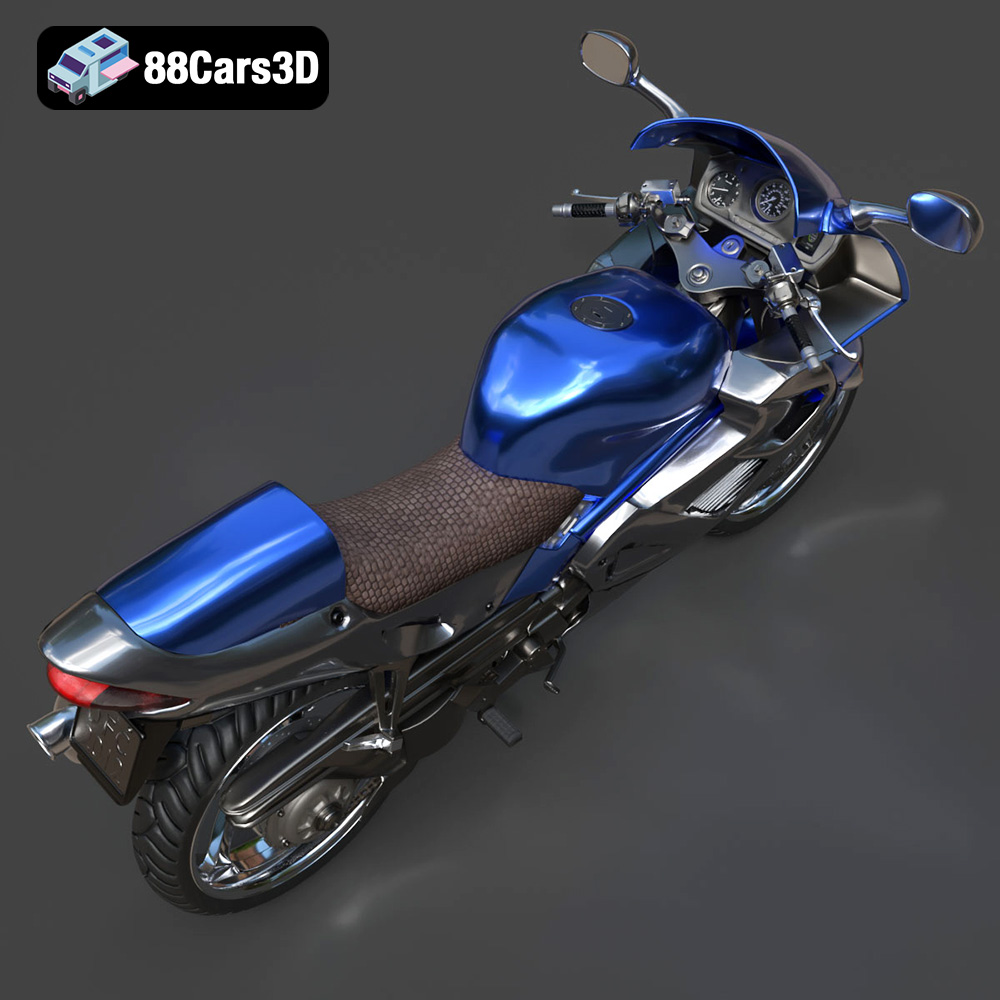
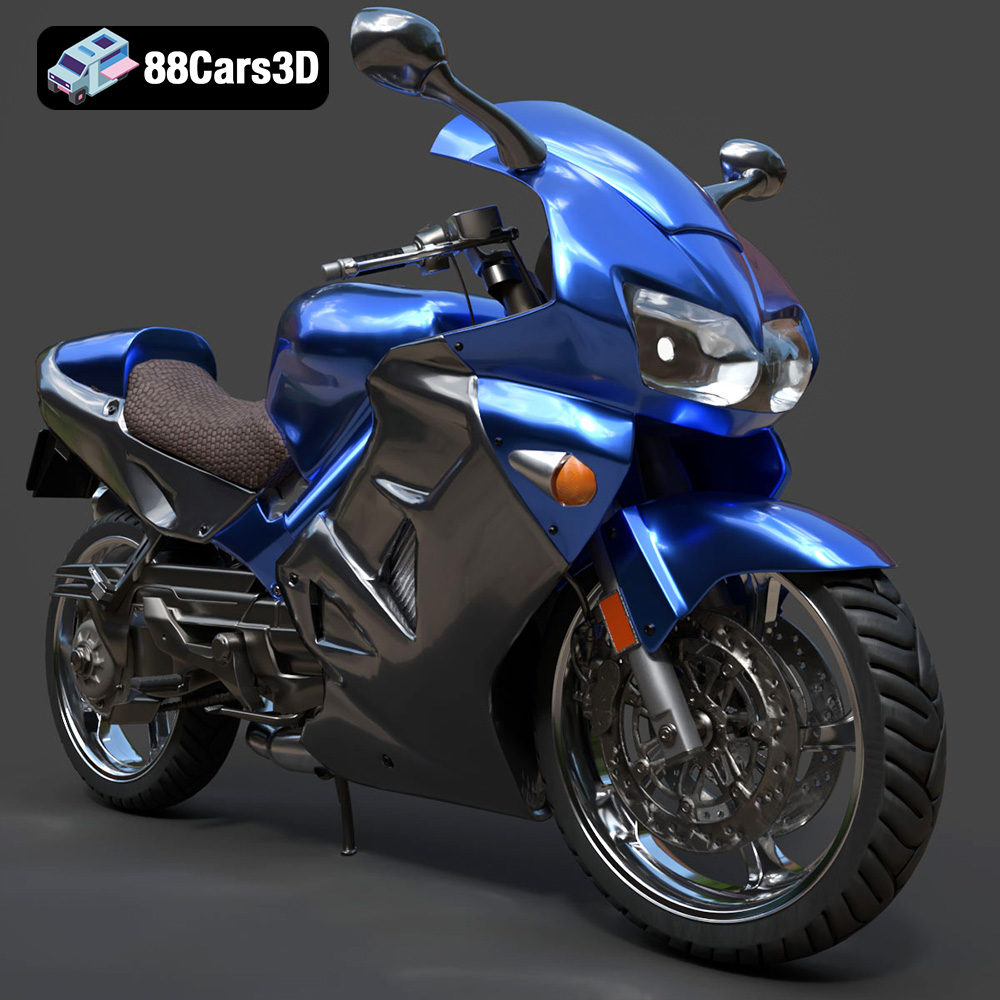
Experience unmatched realism with the Honda VFR 801-002 3D Model. Constructed with meticulous attention to detail, this professional 3D asset captures the dynamic essence and engineering precision of the iconic Honda VFR. It is designed to elevate your visual projects with accurate scaling and true-to-life aesthetics. Key features include clean polygon geometry, realistic materials, and exceptional detailing. The topology is fully optimized for smooth rendering and seamless subdivision, ensuring professional-grade results whether utilized for static imagery or dynamic animations. This versatile 3D model is ideal for a wide range of applications. From digital rendering and simulation to game development and immersive AR/VR experiences, it integrates seamlessly into your existing pipeline to deliver outstanding visual fidelity.
$39.99
.arvr
.blend
.car3dmodel
.fbx
.gameasset
.glb
.honda
.max
.motorcycle
.obj
.ply
.rendering
.simulation
.sportbike
.stl
.twowheeler
.unreal
.vfr