Get 20% OFF All Premium 3D & STL Models!

In the fast-evolving landscape of digital content creation, the demand for realistic and technically sound 3D assets has never been higher. From cinematic automotive rendering to immersive game development and sophisticated AR/VR experiences, the quality of your 3D models dictates the caliber of your final output. Among the most complex and sought-after assets are high-fidelity 3D car models, which require meticulous attention to detail, optimized geometry, and versatile file formats.
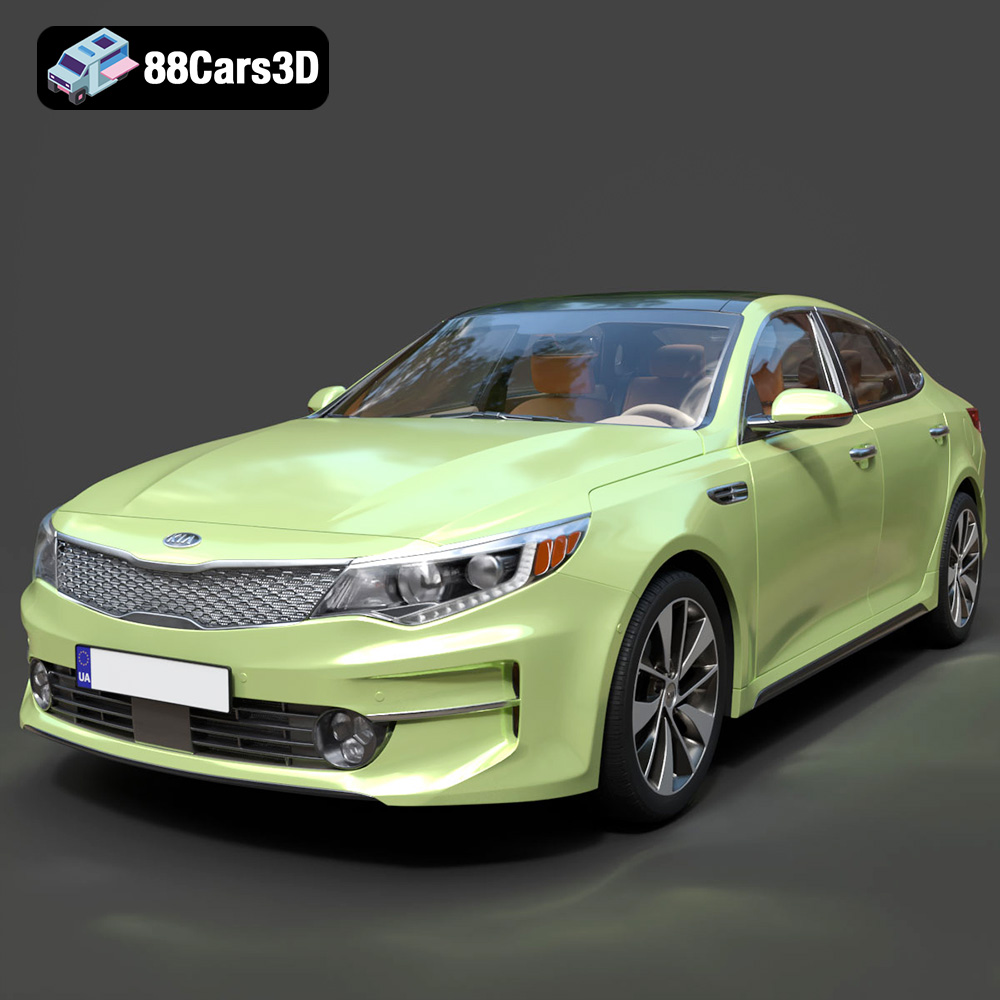
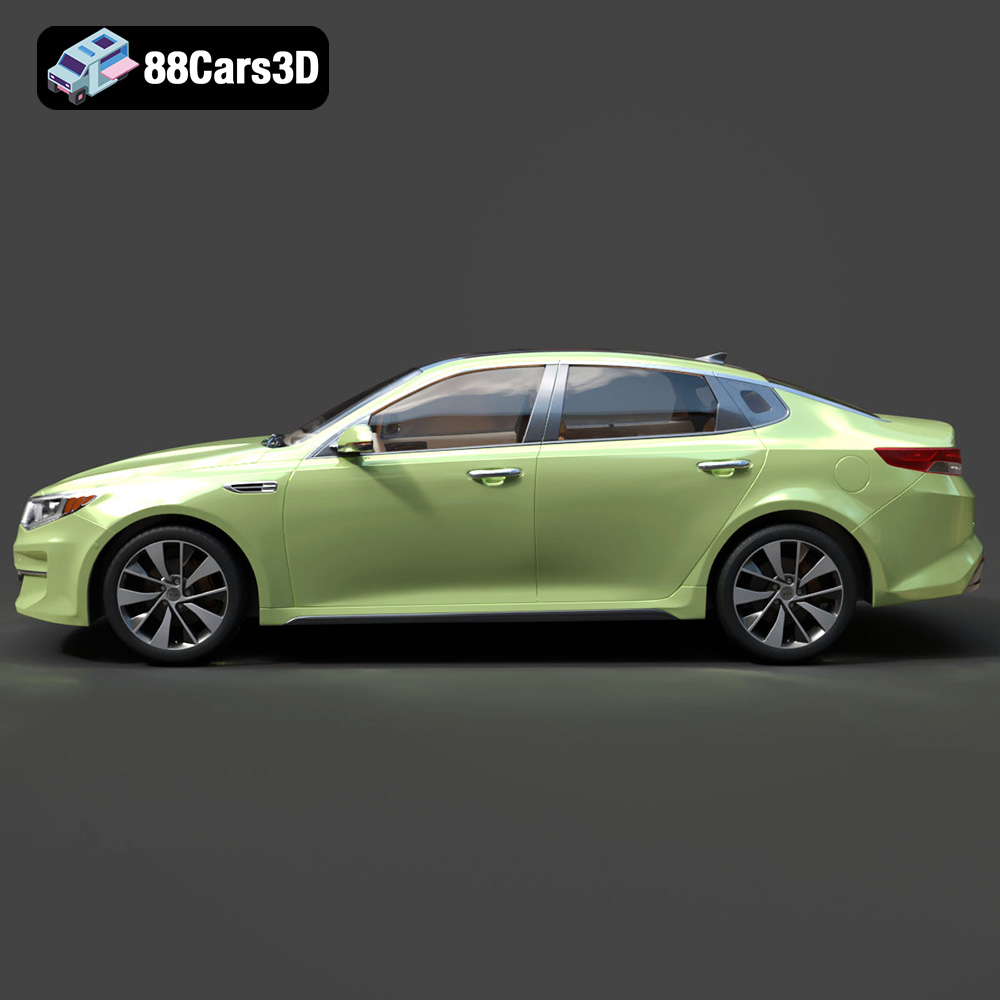
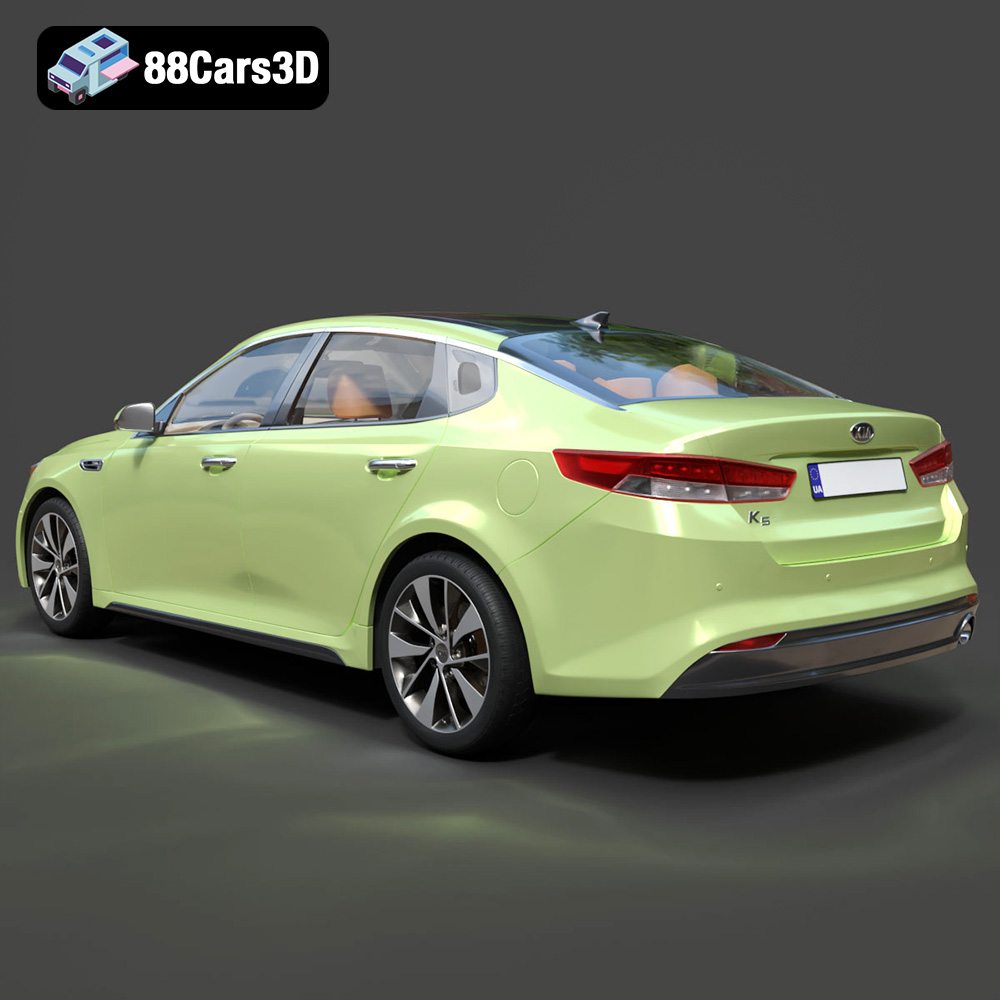
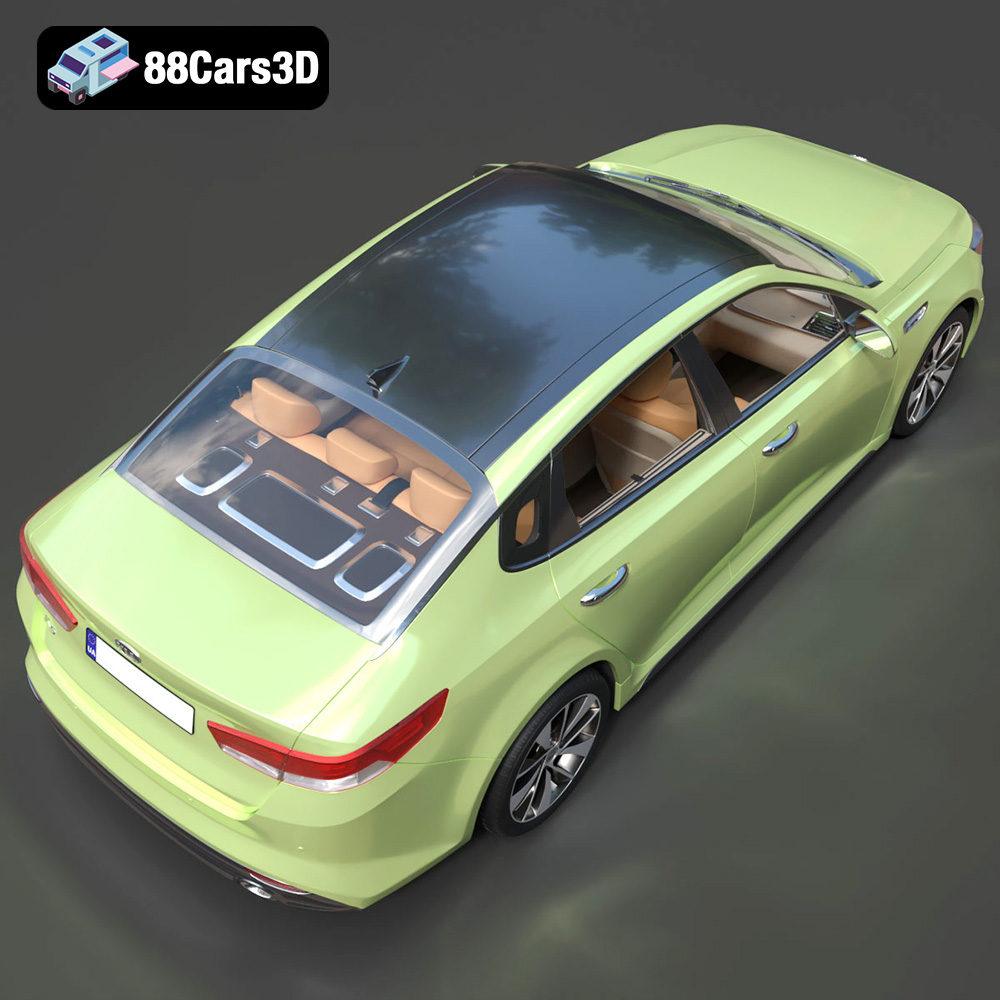
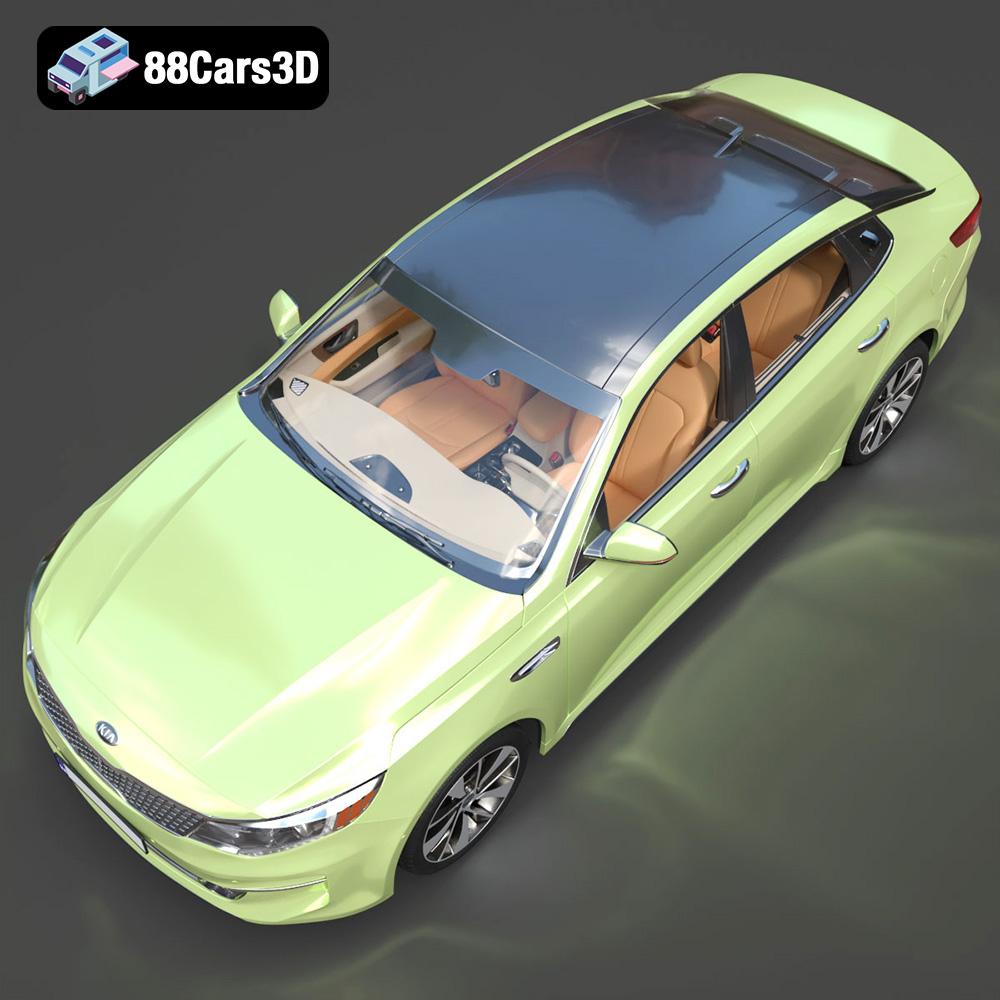
Imagine needing a vehicle that can stand up to extreme close-ups in a product visualization, seamlessly integrate into a real-time game environment, or provide the foundation for a compelling virtual reality demo. This is where models like the Kia K5 MX 2016 3D Model truly shine. Engineered for exceptional realism and precision, this asset captures every sleek exterior line and a fully modeled interior, making it an outstanding digital asset for even the most demanding projects. Its clean geometry, professional-grade polygon structuring, and realistic materials are designed for seamless integration and impressive performance across a multitude of platforms. Let’s delve into the technical depths of what makes a premium 3D car model indispensable in today’s digital pipelines.
When working with 3D models, especially complex assets like vehicles, understanding the various file formats is paramount. Each format serves a distinct purpose, optimized for specific software, workflows, or end-use applications. The Kia K5 MX 2016 3D Model exemplifies a comprehensive package by offering a diverse range of industry-standard formats, ensuring maximum compatibility and utility for professionals.
The .blend format is the native file type for Blender, an incredibly versatile open-source 3D creation suite. When you receive a .blend file, you’re not just getting a mesh; you’re often getting a complete scene. This includes the model with its materials, textures, lighting setups, cameras, and even animations. For the Kia K5 MX 2016, the .blend file provides a fully editable Blender scene, allowing artists to dive deep into the model’s construction, modify its materials, tweak the lighting, or integrate it into larger Blender-based projects with ease. It’s ideal for those who prefer an all-in-one package and want full creative control within Blender’s powerful environment.
.fbx (Filmbox) is arguably one of the most widely adopted 3D file formats for data exchange across different software applications and game engines. Developed by Autodesk, it supports geometry, materials, textures, animations, and rigs, making it incredibly versatile. For real-time pipelines like Unreal Engine and Unity, the .fbx format is often the go-to choice. Its robust nature ensures that the Kia K5 MX 2016 3D Model, when provided as .fbx, retains its critical data — clean mesh, UVs, and PBR material assignments — for smooth import and immediate use in game development or interactive visualization projects.
The .obj (Wavefront OBJ) format is a truly universal 3D model format, renowned for its simplicity and broad compatibility. It primarily stores geometric data like vertices, normals, UVs, and faces, often accompanied by a separate .mtl (material) file for basic material properties. While it might not carry complex animations or rigging information, its widespread support makes it an excellent choice for cross-software compatibility. Artists working with less common 3D applications or needing a clean base mesh to start from will find the .obj version of the Kia K5 MX 2016 invaluable.
.glb (GLB/glTF Binary) is a relatively newer format rapidly gaining traction, particularly for AR (Augmented Reality), VR (Virtual Reality), and web-based 3D applications. It’s an optimized, self-contained binary version of the glTF (GL Transmission Format) standard, which means it bundles all necessary data – geometry, materials, textures, and even animations – into a single file. This efficiency makes it perfect for quick loading and deployment in interactive web viewers or mobile AR experiences. The .glb version of the Kia K5 MX 2016 ensures that the model is ready for lightweight, performant display in modern browser environments or cutting-edge immersive applications.
The .stl (Stereolithography) format is the standard for 3D printing and rapid prototyping. It describes only the surface geometry of a 3D object using a collection of triangular facets. While it doesn’t contain color or texture information, its simplicity makes it universally compatible with 3D printers and slicing software. For projects requiring a physical prototype of the Kia K5 MX 2016, or for educational purposes where a tangible model is beneficial, the .stl file provides a direct path from digital to physical.
.ply (Polygon File Format or Stanford Triangle Format) is a precision mesh format often used for storing 3D data from 3D scanners, CAD software, or for applications requiring a highly detailed polygonal representation. It supports color, transparency, and sometimes even scalar data at each vertex, making it suitable for scientific visualization, analysis, or when intricate surface data needs to be preserved. The .ply version of the Kia K5 MX 2016 can be crucial for highly detailed technical reviews or integration into specialized engineering tools.
While often a wrapper for .fbx or asset files, a dedicated .unreal or engine-ready package specifically for Unreal Engine signifies a model that has been pre-configured and optimized within the engine itself. This might include correct material setup, collision meshes, LODs (Levels of Detail), and blueprint integration. For the Kia K5 MX 2016, an .unreal file means less setup time and a more streamlined workflow for developers, allowing them to drag-and-drop a polished, engine-optimized asset directly into their project.
Finally, the .max format is the native file type for Autodesk 3ds Max, a leading software for 3D modeling, animation, and rendering in architectural visualization, product design, and cinematic production. Similar to .blend, a .max file contains the complete scene, including the Kia K5 MX 2016 model, its materials, textures, lighting, cameras, and potentially render settings. It offers full editability within 3ds Max, making it invaluable for artists who rely on Max for their high-end rendering and animation tasks, ensuring they have full control over every aspect of the asset.
The inclusion of such a comprehensive array of formats with the Kia K5 MX 2016 3D Model underlines its versatility, catering to diverse professional needs and ensuring that every user can integrate this asset seamlessly into their specific workflow, regardless of their preferred software or target platform. This flexibility is a hallmark of high-quality 3D car models available on marketplaces like 88cars3d.com.
Automotive rendering is a specialized field that demands an exceptional understanding of materials, lighting, and composition. The goal is to produce photorealistic images that are often indistinguishable from actual photography. A model like the Kia K5 MX 2016, with its “clean geometry and professional-grade polygon structuring,” provides an ideal foundation for such demanding visualization tasks.
At the heart of modern photorealistic rendering lies Physically Based Rendering (PBR). This methodology ensures that materials behave realistically under various lighting conditions by accurately simulating how light interacts with surfaces. The Kia K5 MX 2016 3D Model includes “realistic materials and textures designed for seamless integration,” indicating that it adheres to PBR principles. This typically means the model comes with a suite of texture maps – albedo (base color), roughness, metallic, normal, and perhaps ambient occlusion – that are crucial for achieving lifelike car paint, intricate tire textures, and authentic interior surfaces. When imported into renderers like V-Ray, Corona, Arnold, or Cycles (in Blender), these PBR textures allow artists to achieve stunning visual fidelity with minimal tweaking.
Even the most detailed 3D car models will look flat without proper lighting. Automotive rendering heavily relies on High Dynamic Range Images (HDRIs) for realistic global illumination and reflections, combined with targeted area lights to highlight specific design features. A well-constructed 3D model, such as the Kia K5 MX 2016, which is built with “meticulous attention to detail,” will interact correctly with these lighting setups, displaying accurate reflections, refractions through glass, and subtle surface imperfections. Professionals often use 3ds Max or Blender (with its provided .max and .blend files) to set up sophisticated studio lighting or integrate the vehicle into a realistic outdoor environment, leveraging the model’s clean mesh and accurate UVs for flawless texture projection and reflection mapping.
Consider a scenario where an automotive company needs high-quality visuals for an upcoming marketing campaign without the logistical complexities and costs of a physical photoshoot. A high-fidelity 3D model of the Kia K5 MX 2016 becomes an indispensable asset. Artists can render the car in countless virtual environments, from a sleek urban backdrop to a scenic mountain road, experiment with different paint colors, wheel options, and interior trims—all digitally. This flexibility not only saves time and money but also allows for creative freedom that traditional photography often cannot match. The precision of the model ensures that every curve, every shadow, and every reflection contributes to a believable and captivating visual story.
While photorealistic rendering focuses on static images or pre-rendered animations, real-time applications like video games and AR/VR experiences demand a different set of optimizations. Performance is key, and every polygon, every texture, and every shader must be carefully managed. The Kia K5 MX 2016 3D Model is described as “game-engine ready,” signifying its suitability for these demanding interactive platforms.
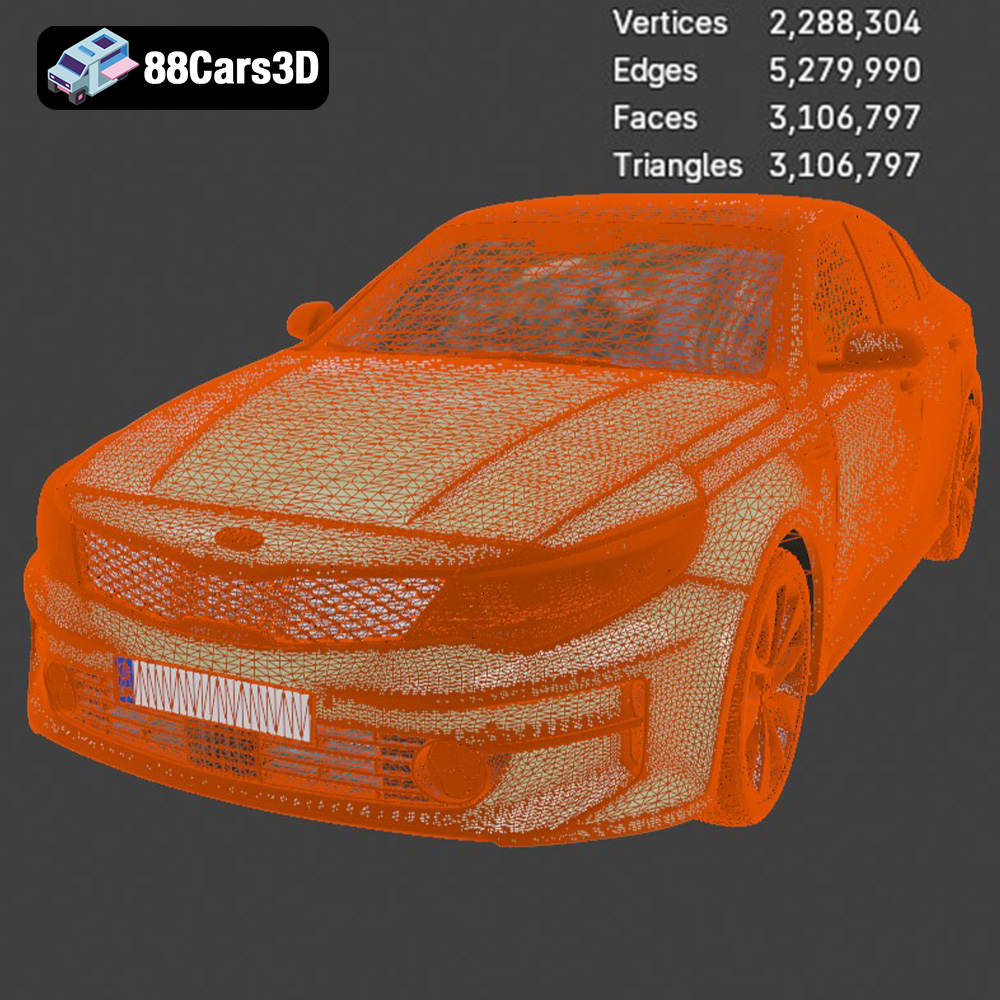
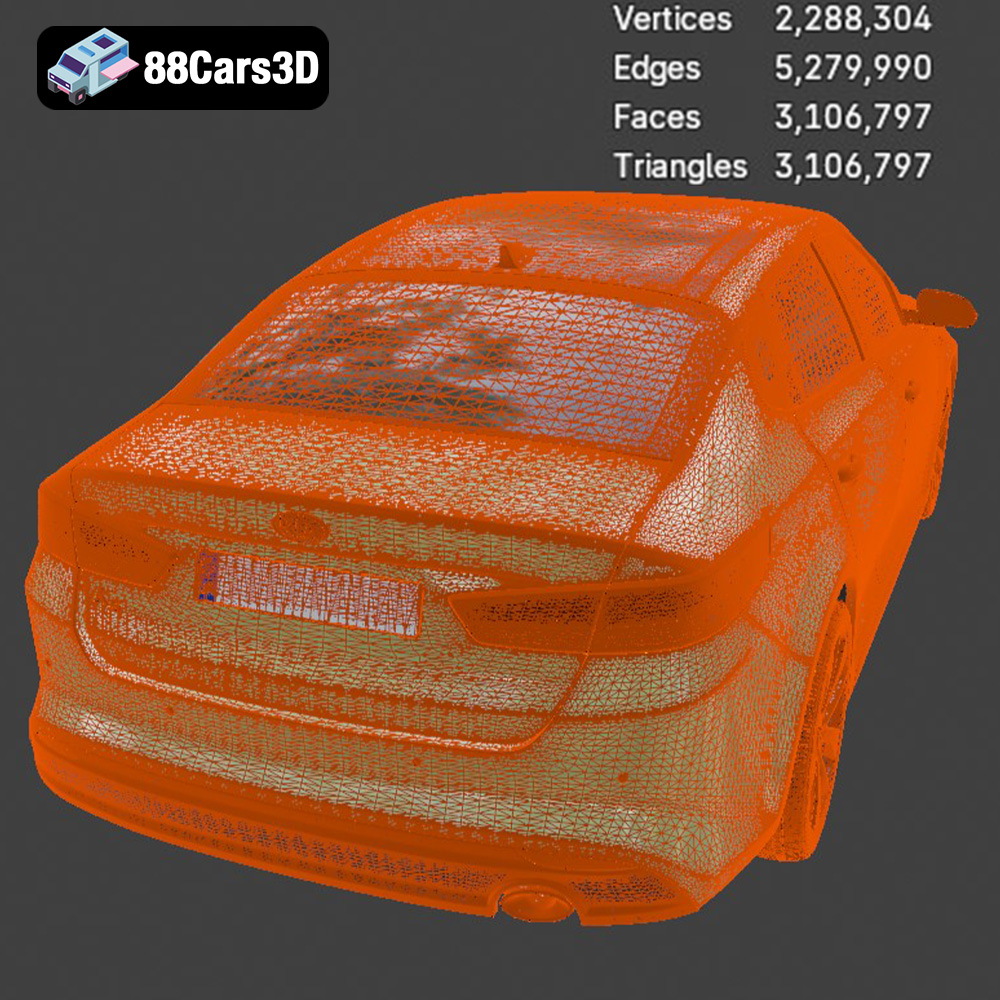
For real-time environments, “clean geometry” is paramount. This means an optimized polygon count that balances visual fidelity with performance. High-poly models suitable for rendering often need to be adapted. This is achieved through techniques like retopology and creating Levels of Detail (LODs). LODs are simplified versions of the model that automatically switch based on the camera’s distance, ensuring that distant objects consume fewer resources while close-up objects maintain high detail. A professionally built asset like the Kia K5 MX 2016 will have a well-structured mesh, making it easier for developers to implement LODs or use its base mesh for performance tuning within engines like Unreal Engine or Unity, utilizing the provided .fbx or .unreal formats.
In game engines, materials need to be efficient. Complex shaders that work wonders in offline renderers can be performance hogs in real-time. PBR textures are still crucial, but their implementation needs to be optimized, often through texture atlasing or careful texture packing to reduce draw calls. The “realistic materials and textures designed for seamless integration” in the Kia K5 MX 2016 model implies that these assets are prepared for real-time engines, potentially with correctly calibrated PBR maps that translate well to Unreal’s material editor or Unity’s standard shader pipeline. Developers can quickly assign these materials, confident in their visual quality and performance.
AR/VR environments present unique challenges, particularly concerning rendering budgets and user experience. Models need to be exceptionally light and load quickly. The inclusion of the .glb format for the Kia K5 MX 2016 directly addresses these needs. .glb is inherently optimized for web and immersive platforms, bundling all necessary assets into a single, efficient file. This makes deploying the K5 MX into a WebXR application, a mobile AR experience, or a standalone VR environment significantly smoother, ensuring a fluid and immersive user interaction without noticeable lag or extended loading times. This makes 88cars3d.com a go-to for AR/VR developers seeking reliable assets.
While visualization and real-time experiences dominate much of the 3D industry, the utility of high-quality 3D car models extends into physical production and engineering analysis. The Kia K5 MX 2016 3D Model, with its “clean geometry” and file formats like .stl and .ply, bridges the gap between digital design and tangible output.
The .stl format is the lingua franca of 3D printing. Whether for rapid prototyping, creating scale models for wind tunnel tests, or producing physical mock-ups for design reviews, a clean .stl file is essential. The Kia K5 MX 2016, with its precise dimensions and detailed exterior, can be transformed into a physical object. Engineers and designers can print components or the entire vehicle, evaluate ergonomics, aesthetic appeal, or test physical fitment before committing to expensive manufacturing processes. This application showcases the value of a meticulously built 3D model beyond purely visual purposes, providing a tangible representation of the digital design.
For more technical or scientific applications, the .ply format offers advantages. It can store not just geometric data but also additional properties like color per vertex, normal information, and even scalar data. This makes it suitable for detailed surface analysis, reverse engineering workflows, or integration into CAD software for further engineering review. A highly detailed .ply mesh of the Kia K5 MX 2016 could be used to analyze surface curvatures, perform computational fluid dynamics (CFD) simulations, or conduct precise measurements, aiding in quality control or design refinement in an industrial context. The precision of such a model ensures that data derived from it is reliable for critical decisions.
Another powerful application lies in training and simulation. High-fidelity 3D car models are central to developing driving simulators for training new drivers, testing autonomous vehicle algorithms, or even simulating crash scenarios (though this would involve significant additional engineering modeling). The realistic materials and accurate dimensions of the Kia K5 MX 2016 make it an excellent candidate for creating immersive and realistic simulation environments where precise physical representation is crucial for effective learning and analysis.
A truly versatile 3D asset proves its worth through its ease of integration into diverse professional workflows. The Kia K5 MX 2016 3D Model, with its comprehensive package of file formats and inherent quality, is designed to be a plug-and-play solution for various industries. Let’s explore practical workflow strategies.
For artists focusing on high-end cinematic sequences or product commercials, the .max and .blend files are invaluable starting points. In 3ds Max, artists can leverage V-Ray or Corona Renderer. They would import the .max file, which likely includes initial material setups. From there, they can refine the car paint shader, add advanced metallic flake effects, or enhance glass materials. Lighting can be meticulously crafted using a combination of HDRI environment maps for realistic reflections and area lights to emphasize design features. Animation, such as subtle camera movements or a car driving sequence, can then be layered on. Similarly, Blender users can open the .blend file, which comes with its own materials and lighting setup, and immediately begin rendering with Cycles or Eevee, or customize the scene further for specific narrative needs. The clean topology ensures smooth deformations if simple animations are desired.
Game developers will primarily turn to the .fbx or, for Unreal users, the dedicated .unreal file. Importing the .fbx into Unreal Engine or Unity is straightforward. The challenge then becomes setting up engine-specific materials and shaders, ensuring PBR adherence, and optimizing performance. With the Kia K5 MX 2016, the included realistic materials and textures mean developers can often use the provided maps directly with the engine’s standard PBR shaders, reducing setup time. For Unreal, the .unreal file might even include pre-configured material instances, collision meshes, and basic LODs, significantly accelerating integration. Developers can then place the vehicle into their game levels, set up physics, and implement interactive elements, confident in the asset’s technical quality as a “game asset.”
Creating interactive AR/VR experiences requires efficient asset delivery. The .glb format for the Kia K5 MX 2016 is perfectly suited for this. Developers can load the .glb file directly into JavaScript frameworks like Three.js or Babylon.js for web-based AR/VR (WebXR). For mobile AR applications using ARKit or ARCore, the .glb’s optimized nature ensures quick loading and smooth rendering on mobile devices. The model’s “fully modeled interior” also opens possibilities for interactive interior tours in VR, allowing users to explore the car’s details in an immersive, 360-degree environment. The versatility of this model makes it an excellent choice for innovative interactive projects.
In a marketplace flooded with 3D assets, distinguishing between high-quality, professional-grade models and hastily put-together options is crucial for any serious artist or developer. This is where platforms like 88cars3d.com differentiate themselves by offering meticulously crafted 3D car models designed to meet rigorous industry standards.
When you invest in a 3D model, you’re not just buying geometry; you’re buying efficiency, reliability, and the foundation for your creative work. The Kia K5 MX 2016 3D Model is a prime example of the commitment to quality found on 88cars3d.com. Its detailed exterior and fully modeled interior mean there are no shortcuts in its construction. The “clean geometry and professional-grade polygon structuring” eliminate issues like overlapping faces, non-manifold geometry, or excessive tessellation that can plague less professional models, leading to rendering artifacts or performance bottlenecks.
The comprehensive range of included file formats—from .blend and .max for complete scene control, to .fbx and .unreal for game engines, .glb for AR/VR, and .stl/.ply for physical and analytical applications—ensures that this single purchase caters to almost any conceivable project. This multi-format approach minimizes conversion hassles and guarantees that artists can immediately integrate the model into their preferred software without compatibility headaches. Such attention to detail and breadth of options ultimately saves professionals invaluable time and resources, allowing them to focus on creativity rather than troubleshooting.
The digital realm thrives on realism and precision, especially within the demanding fields of automotive rendering, game development, and AR/VR visualization. A high-quality 3D car model is more than just a visual prop; it is a fundamental building block that dictates the success and efficiency of complex digital projects. From its meticulously crafted exterior and fully modeled interior to its clean geometry and PBR-ready materials, the Kia K5 MX 2016 3D Model embodies the pinnacle of professional 3D asset creation.
Its versatility, underscored by a comprehensive suite of industry-standard file formats—including .blend, .fbx, .obj, .glb, .stl, .ply, .unreal, and .max—ensures seamless integration across various software and pipelines. Whether you are aiming for photorealistic renders in 3ds Max, optimizing game assets for Unreal Engine, developing immersive AR/VR experiences with .glb, or creating physical prototypes via 3D printing, this model provides the technical foundation you need. Investing in assets of this caliber, found on platforms like 88cars3d.com, empowers creators to push the boundaries of digital realism and achieve truly exceptional results in their professional endeavors.
Discover unparalleled detail with the Kia K5 MX 2016 3D Model, engineered to deliver exceptional realism and precision. This model captures the sleek exterior lines and the fully modeled interior of the dynamic sedan, making it an outstanding digital asset for demanding projects. Built with clean geometry and professional-grade polygon structuring, this 3D vehicle includes realistic materials and textures designed for seamless integration. The meticulous attention to detail ensures it holds up perfectly under close-up shots and complex lighting scenarios. Whether you are working on game development, automotive rendering, AR/VR experiences, or professional visualization, this versatile model provides the exact technical specifications needed for a smooth workflow across various platforms. The package includes the following industry-standard file formats: .blend – Editable Blender file with materials and lighting setup; .fbx – Game-engine ready format for Unreal Engine and Unity; .obj – Standard 3D model format compatible with all major software; .glb – Optimized for AR/VR and web-based visualization; .stl – Suitable for 3D printing and prototyping; .ply – Detailed polygon mesh for analysis and visualization; .unreal – Pre-configured for Unreal Engine use; .max – Editable 3ds Max file for rendering and animation.
$39.99
.arvr
.blend
.car3dmodel
.fbx
.gameasset
.glb
.k5
.kia
.max
.mx
.obj
.ply
.rendering
.sedan
.simulation
.stl
.unreal