Get 20% OFF All Premium 3D & STL Models!

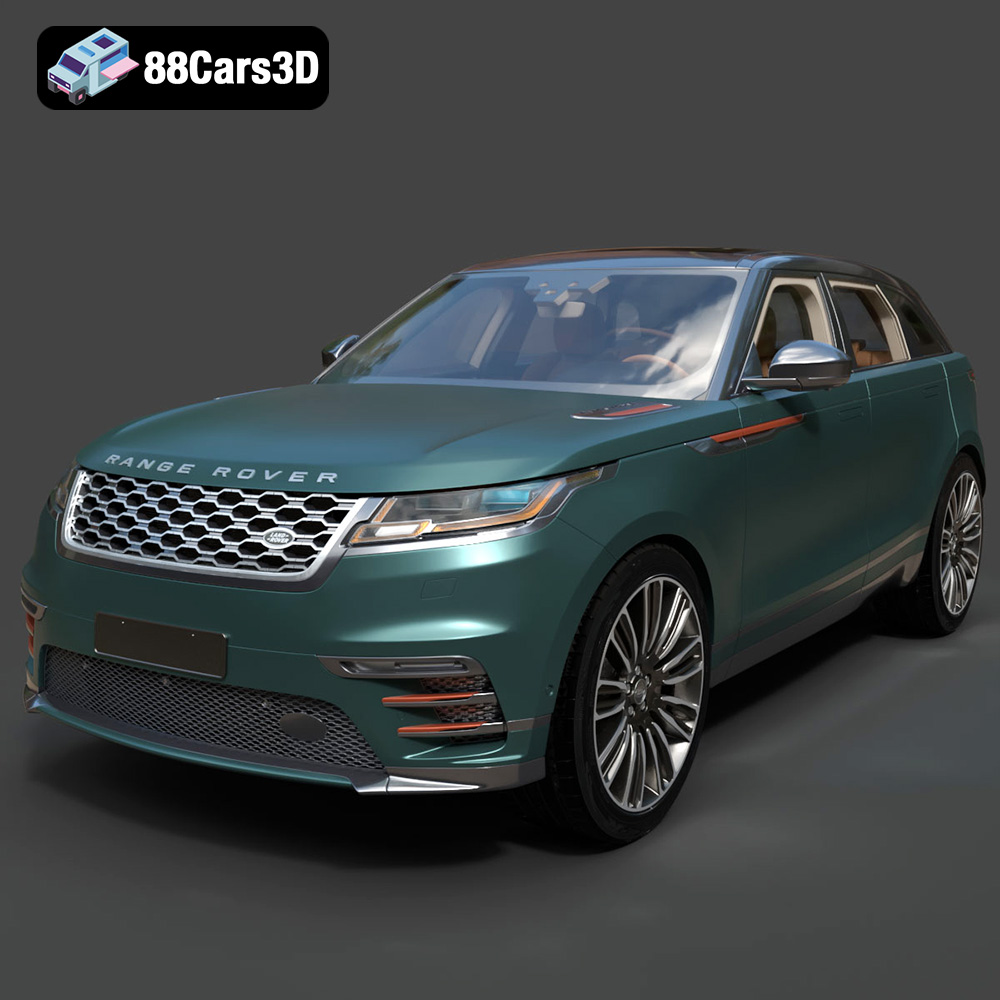
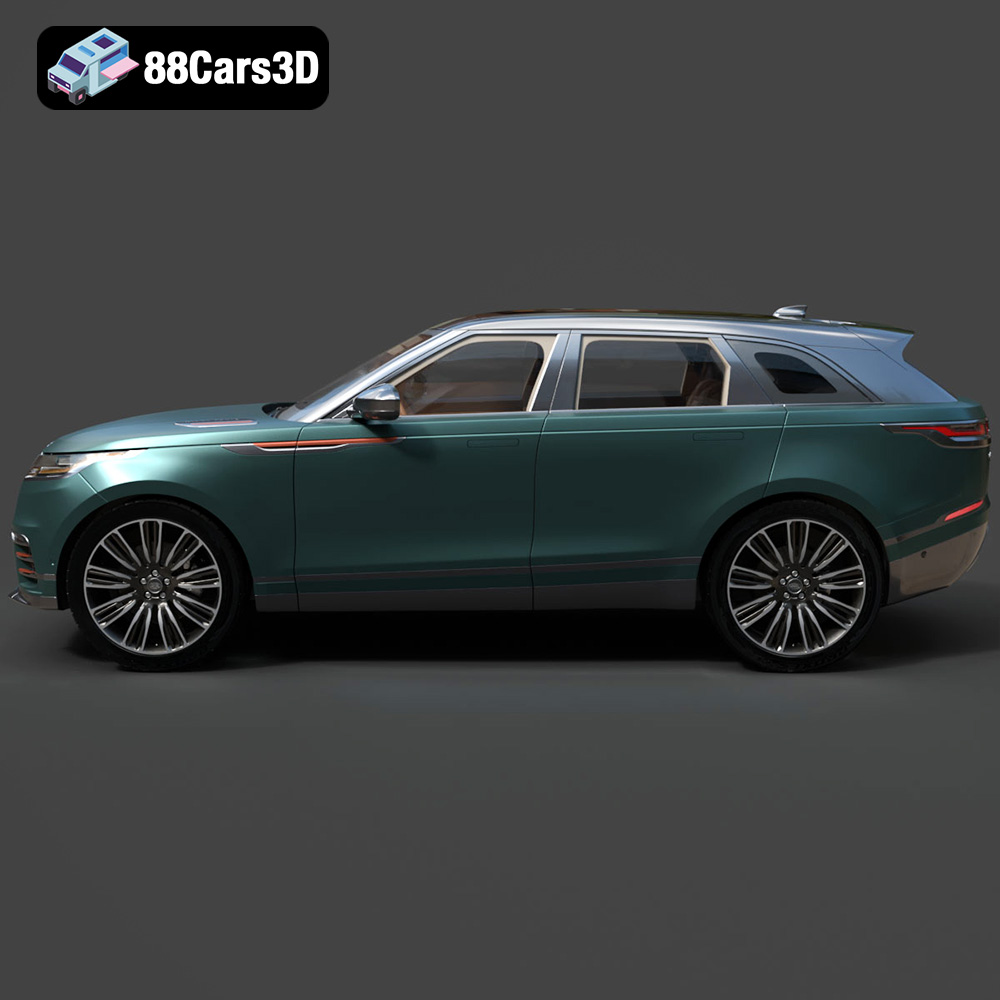
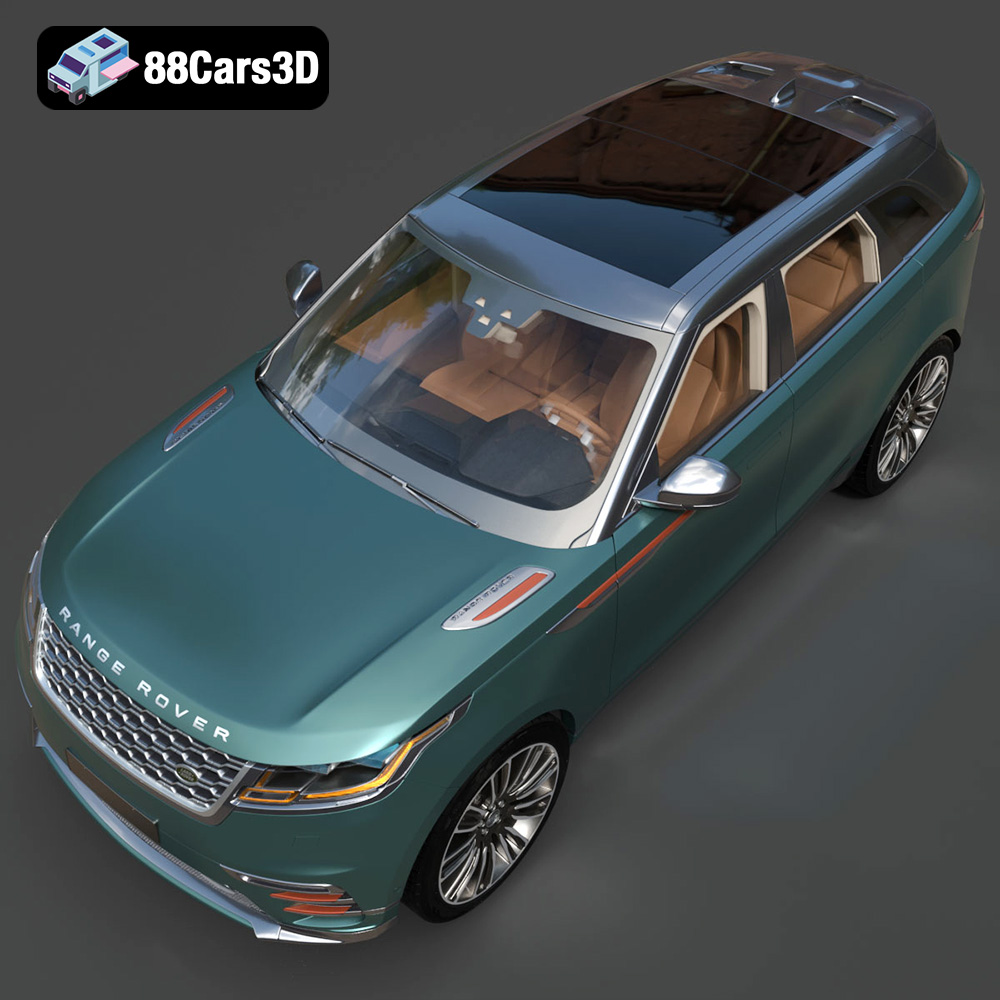
The Land Rover Range Rover Velar 2018 is a stunning vehicle, known for its sleek lines and modern design. Now, thanks to 88cars3d.com, you can bring this iconic SUV to life with the power of 3D printing. This guide will walk you through the process of successfully 3D printing the Land Rover Range Rover Velar 2018 3D Model, covering everything from printer settings and material recommendations to pre-print preparation and post-processing techniques. Whether you’re a seasoned 3D printing enthusiast or just starting out, this article will provide you with the knowledge and tips you need to create a detailed and impressive replica of this luxury SUV.
Choosing the right file format is a crucial first step in ensuring a successful 3D printing experience. While the Land Rover Range Rover Velar 2018 3D Model is available in multiple formats, some are better suited for 3D printing than others. Understanding the nuances of each format will help you make informed decisions and optimize your workflow.
The STL (Stereolithography) format is the industry standard for 3D printing. It represents a 3D model as a collection of triangles, forming a mesh that describes the surface geometry. The simplicity of the STL format makes it universally compatible with virtually all 3D printing software and hardware. For the Land Rover Range Rover Velar 2018 3D Model, the STL file will provide a reliable and straightforward way to translate the digital design into a physical object. However, STL files do not contain color or texture information, so prints will be a single color based on the chosen filament.
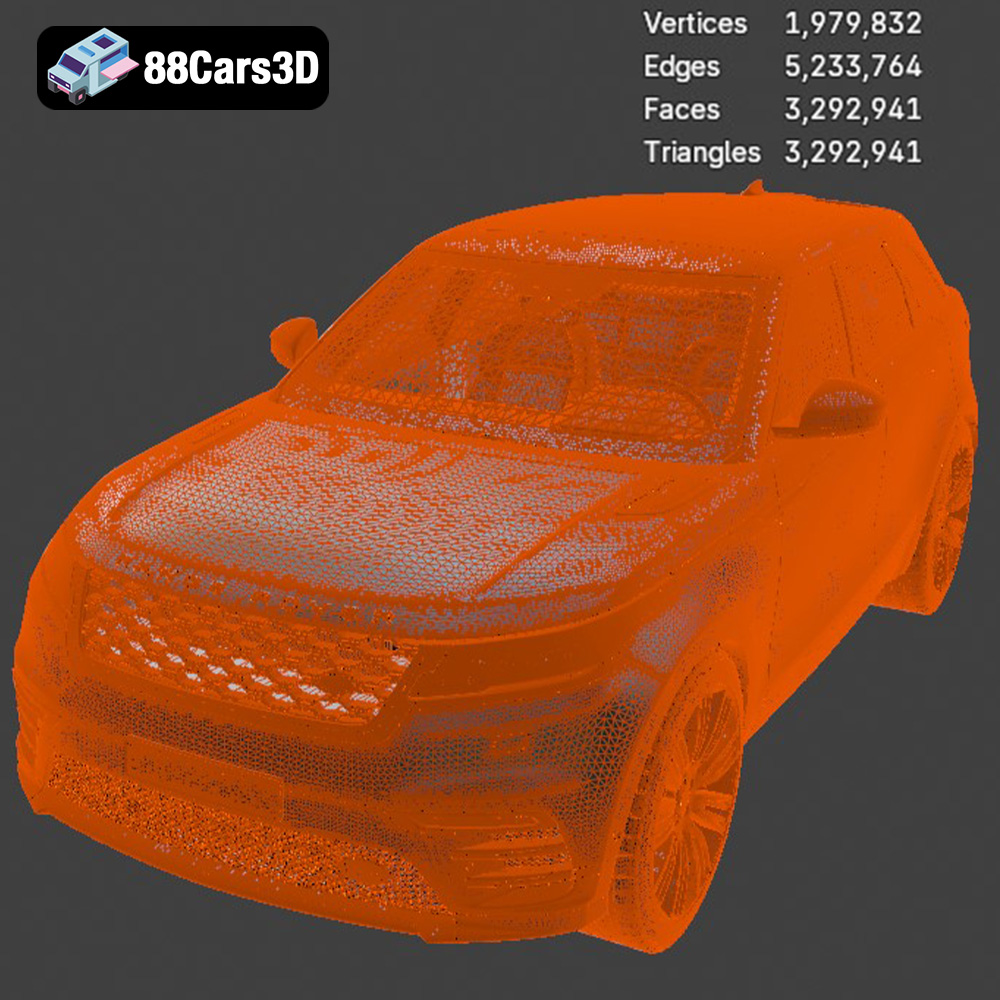
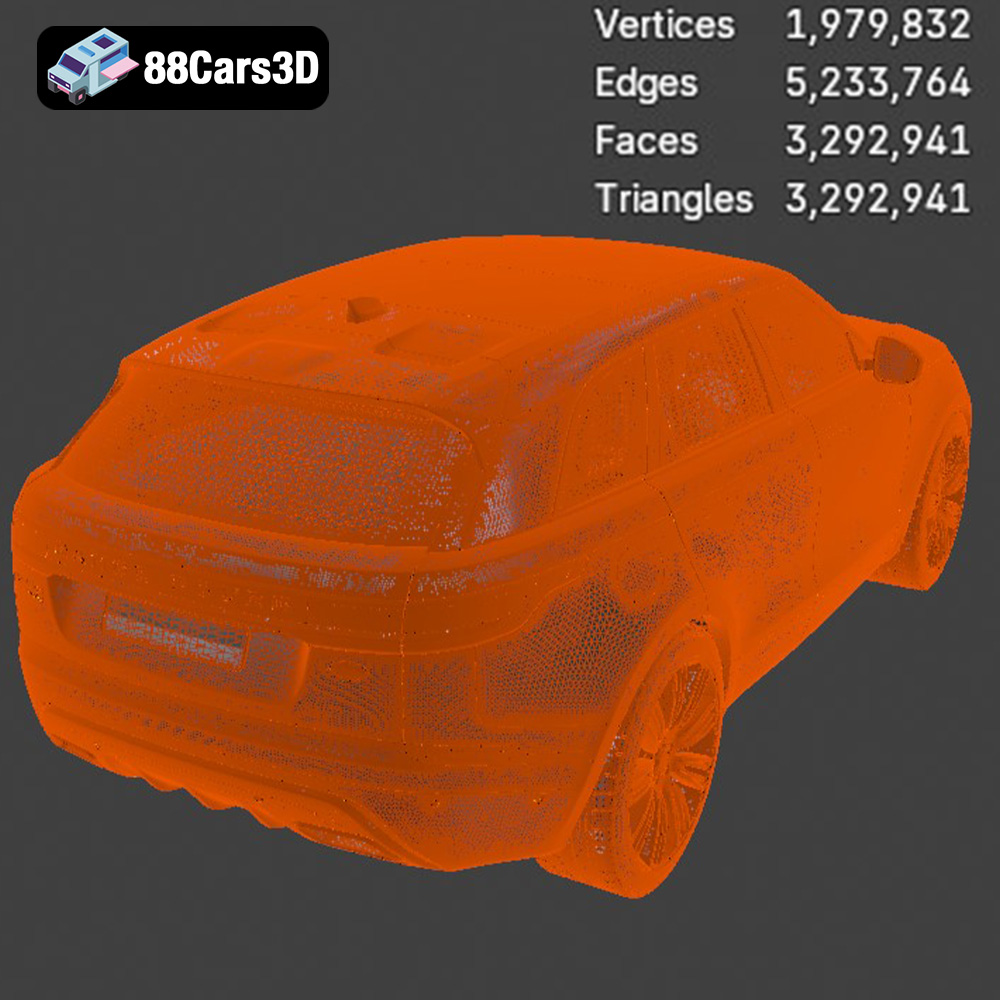
When working with STL files, it’s essential to ensure the mesh quality is adequate for your desired level of detail. A higher triangle count will result in a smoother surface but can also increase file size and processing time. Slicing software allows you to adjust the level of detail during the slicing process, balancing print quality and efficiency.
While STL is the primary format for 3D printing, other formats can play a role in the overall workflow:
* **.obj:** This format supports color and texture information, which can be useful if you plan to paint your 3D printed model.
* **.ply:** This format is known for its ability to capture high-detail mesh data, suitable for models that require extreme accuracy.
* **.blend:** The native Blender file format allows for extensive customization of the model before exporting to a printable format like STL.
* **.fbx:** While primarily used for game development, FBX can be imported into some slicing software, potentially preserving material assignments (though this is less common in 3D printing workflows).
* **.glb:** This format is optimized for AR/VR applications, allowing you to preview the model in a real-world environment before printing. It’s not directly used for printing.
* **.max:** The native 3ds Max file allows for detailed editing and preparation before exporting to STL or another compatible format.
Slicing software is a crucial bridge between your 3D model and your 3D printer. It takes the STL file and converts it into a series of instructions (G-code) that the printer can understand. Most slicing software packages, such as Cura, Simplify3D, and PrusaSlicer, are highly compatible with the STL format. They also offer a range of settings to control print quality, speed, and support structures. When importing the Land Rover Range Rover Velar 2018 3D Model STL file into your slicing software, ensure the model is properly oriented and scaled before generating the G-code.
The choice of 3D printing technology and material significantly impacts the final outcome of your Land Rover Range Rover Velar 2018 3D Model. Fused Deposition Modeling (FDM) and Stereolithography (SLA) are the most common technologies for hobbyists and enthusiasts.
FDM 3D printing involves melting and extruding a thermoplastic filament, layer by layer, to build the model. This method is cost-effective and suitable for producing larger parts.
* **Material Recommendations:**
* **PLA (Polylactic Acid):** PLA is a biodegradable thermoplastic known for its ease of use and low printing temperature. It’s a great starting point for beginners and produces decent results for the Velar model.
* **PETG (Polyethylene Terephthalate Glycol):** PETG offers improved strength and heat resistance compared to PLA. It’s a good choice if you want a more durable and heat-resistant model.
* **ABS (Acrylonitrile Butadiene Styrene):** ABS is a stronger and more heat-resistant plastic than PLA, but it requires a heated bed and a well-ventilated area due to fumes. It is generally not recommended for beginners.
* **Printer Settings:**
* **Layer Height:** 0.1mm to 0.2mm provides a good balance between print speed and detail.
* **Infill Density:** 15% to 25% infill is sufficient for most parts of the Velar model. Increase infill for parts that require higher strength.
* **Print Speed:** 40mm/s to 60mm/s is a good starting point, but you may need to adjust it based on your printer and material.
* **Support Structures:** Enable support structures for overhanging parts, such as the side mirrors and roof.
* **Bed Temperature:** 60°C for PLA, 70-80°C for PETG, and 100-110°C for ABS.
* **Nozzle Temperature:** 200-220°C for PLA, 230-250°C for PETG, and 230-260°C for ABS.
SLA 3D printing uses a liquid resin that is cured by a UV light source. This method produces highly detailed parts with smooth surfaces.
* **Material Recommendations:**
* **Standard Resin:** A good general-purpose resin for printing the Velar model.
* **Tough Resin:** Offers improved strength and impact resistance, ideal for parts that may be subject to stress.
* **Flexible Resin:** Can be used for parts that require some flexibility, such as tires.
* **Printer Settings:**
* **Layer Height:** 0.025mm to 0.05mm for high detail.
* **Exposure Time:** Follow the resin manufacturer’s recommendations.
* **Support Structures:** SLA printing typically requires more support structures than FDM printing.
* **Post-Curing:** After printing, the model needs to be post-cured under UV light to fully harden the resin.
Before sending the Land Rover Range Rover Velar 2018 3D Model to your printer, you need to prepare it using slicing software and optimize it for printing.
* **Importing the STL File:** Import the STL file of the Velar model into your chosen slicing software.
* **Orientation:** Orient the model to minimize support structures and maximize print quality. Consider printing the body with the roof facing down to reduce the need for supports on the top surface.
* **Scaling:** Scale the model to your desired size. Keep in mind that smaller scales may result in finer details being lost.
* **Support Generation:** Configure support settings to provide adequate support for overhanging parts while minimizing material usage.
* **Infill Settings:** Adjust the infill density to balance strength and print time.
* **Preview and G-Code Generation:** Preview the sliced model to identify any potential issues and generate the G-code file for your printer.
* **Mesh Repair:** Use mesh repair tools in your slicing software or dedicated software like Meshmixer or Netfabb to fix any errors in the STL file, such as non-manifold edges or holes.
* **Hollowing:** If printing a large model, consider hollowing it out to reduce material usage and print time. Be sure to add drainage holes to allow resin or filament to escape during printing.
* **Part Separation:** For complex models, it may be beneficial to separate the model into smaller parts and print them individually. This can improve print quality and reduce the need for support structures.
Once the printing process is complete, post-processing is essential to achieve the desired look and feel for your Land Rover Range Rover Velar 2018 3D Model.
* **Careful Removal:** Carefully remove support structures using pliers, cutters, or a sharp knife.
* **Sanding:** Sand down any remaining support marks or imperfections with sandpaper, starting with a coarse grit and gradually moving to finer grits.
* **Resin Cleaning (SLA):** Wash SLA prints in isopropyl alcohol to remove uncured resin.
* **Sanding:** Thoroughly sand the model to create a smooth surface for painting.
* **Priming:** Apply a primer coat to the model to improve paint adhesion and create a uniform base.
* **Painting:** Paint the model with your desired colors using spray paint or an airbrush. Consider using masking tape to create clean lines and details.
* **Clear Coat:** Apply a clear coat to protect the paint and add a glossy or matte finish.
* **Gluing:** If the model was printed in multiple parts, use glue to assemble them. Use super glue for PLA, PETG and ABS. For resin prints use a resin-compatible glue.
* **Alignment:** Ensure all parts are properly aligned before the glue dries.
* **Finishing Touches:** Add any finishing touches, such as decals or trim, to complete the model.
Even with careful preparation, 3D printing can sometimes present challenges. Here are some common issues and their solutions:
* **Warping:** Warping occurs when the bottom layers of the model lift off the print bed. Ensure proper bed adhesion by using a heated bed, applying a bed adhesive (e.g., glue stick or hairspray), and leveling the bed correctly.
* **Stringing:** Stringing is caused by filament oozing from the nozzle during travel moves. Reduce stringing by adjusting retraction settings, lowering printing temperature, and increasing travel speed.
* **Layer Separation:** Layer separation occurs when layers fail to adhere to each other. Increase printing temperature, decrease layer height, and ensure proper cooling.
* **Support Structure Issues:** If support structures are difficult to remove or leave excessive marks, adjust support settings to reduce density and contact area.
* **Elephant’s Foot:** Elephant’s foot is a phenomenon where the first layer of the print is wider than the subsequent layers. You can correct this by adjusting the initial layer height and flow rate.
The print time and material cost for the Land Rover Range Rover Velar 2018 3D Model will vary depending on the size, complexity, and settings you choose.
* **Print Time:** A model printed at a reasonable size (e.g., 1/24 scale) can take anywhere from 10 to 30 hours to print, depending on the settings and printer speed.
* **Material Cost:** A single print of the Velar model could require anywhere from 200g to 500g of filament or resin, depending on the size and infill/hollowing settings. Calculate the cost based on the price per kilogram of your chosen material.
Remember these estimates are just guidelines, and actual results may vary.
By following these guidelines, you’ll be well-equipped to 3D print a fantastic Land Rover Range Rover Velar 2018 model. Remember to adjust your settings to best suit your specific printer and materials for optimal results. And don’t be afraid to experiment!
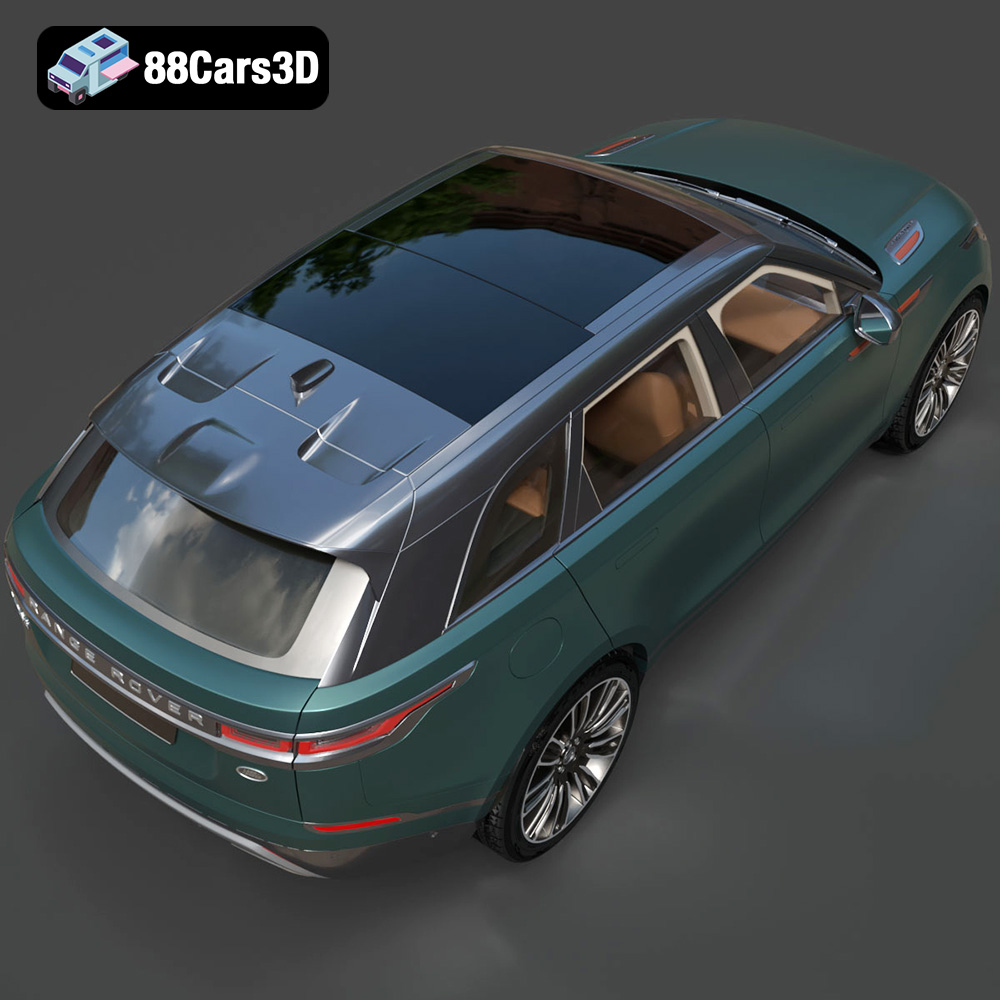
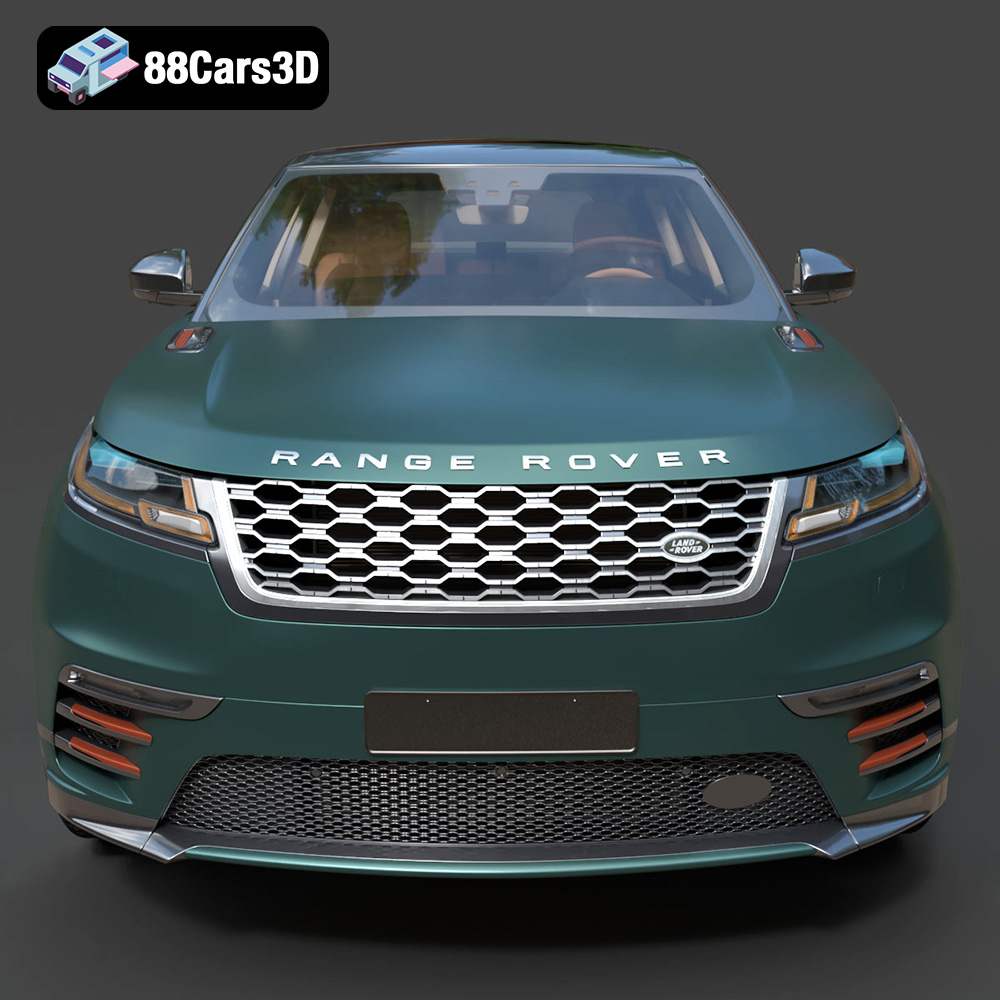
Experience unparalleled realism with the Land Rover Range Rover Velar 2018 3D Model. Crafted with precision, this digital replica captures the distinctive elegance, streamlined proportions, and modern aesthetic of the iconic luxury SUV. Whether viewed up close or from a distance, the model showcases exceptional attention to detail, making it an ideal asset for professional projects requiring true-to-life accuracy.
$39.99
.arvr
.blend
.car3dmodel
.fbx
.gameasset
.glb
.landrover
.luxurycar
.luxurysuv
.max
.obj
.ply
.rangerover
.rangerovervelar
.rendering
.simulation
.stl
.unreal
.velar
SUV