Get 20% OFF All Premium 3D & STL Models!

“`html
If you’re diving into the exciting world of 3D printing, especially if you’re looking to create stunning printable car models, you’re bound to encounter the STL file format. STL, short for Stereolithography, is the cornerstone of 3D printing, acting as the essential digital blueprint that tells your 3D printer how to bring your digital designs to life. But what exactly is an STL file, and how does it work? This comprehensive guide will break down everything you need to know about STL files, from their fundamental structure to advanced techniques for preparing them for printing. We’ll explore the ins and outs of STL files, covering topics like mesh topology, slicing parameters, support structure optimization, and even troubleshooting common issues. Whether you’re a seasoned 3D printing enthusiast or a complete beginner, this guide will equip you with the knowledge you need to master the STL file format and achieve exceptional print results. Get ready to unlock the full potential of your 3D printer and create amazing printable car models!
STL files represent 3D models as a collection of interconnected triangles that approximate the surface geometry of the object. Unlike CAD files that store precise mathematical representations (like curves and surfaces), STL files are essentially a surface tessellation. This means the model’s complexity directly impacts the file size and the level of detail that can be represented. The more triangles, the smoother and more accurate the representation of the original design.
The core of an STL file is its triangular mesh. Each triangle is defined by three vertices (points in 3D space) and a surface normal, which indicates the direction the triangle is facing. The surface normal is crucial for the slicer software to understand the inside and outside of the object, ensuring that the printer knows where to deposit material. A correctly oriented surface normal is essential for a printable model. Errors in surface normals can lead to “inverted faces” or other geometry problems that prevent successful printing.
STL files come in two main formats: ASCII and binary. ASCII STL files are human-readable text files, which can be useful for debugging or manually inspecting the file. However, they are significantly larger in size compared to binary STL files. Binary STL files store the same information in a more compact, machine-readable format. For example, a complex car model might result in a multi-megabyte ASCII STL file, while its binary counterpart could be only a few megabytes. For most 3D printing applications, binary STL files are preferred due to their smaller size and faster processing.
Once you have your STL file, whether it’s a model you designed yourself or downloaded from platforms like 88cars3d.com, you need to prepare it for printing using a slicer software. Slicers convert the 3D model into a series of layers that the 3D printer can understand and build upon. This process involves setting various parameters that affect the print quality, speed, and material usage. A well-prepared STL file, combined with the correct slicer settings, is crucial for achieving a successful print.
Slicing software like Cura, PrusaSlicer, Simplify3D, and others are essential tools in the 3D printing workflow. These programs take your STL file and “slice” it into horizontal layers, generating a G-code file that instructs the 3D printer on how to move, deposit material, and control temperature. Within these slicers, numerous parameters can be adjusted to fine-tune the printing process. Key settings include layer height, infill density, print speed, temperature, support structures, and bed adhesion techniques. The optimal settings depend on the material being used, the complexity of the model, and the desired print quality. For example, printing a detailed car model from 88cars3d.com will require a smaller layer height (e.g., 0.1mm) than printing a functional prototype (e.g., 0.2mm).
Layer height is the thickness of each layer of material deposited by the 3D printer. A smaller layer height results in a smoother surface finish and higher resolution, but it also increases the printing time. Typical layer heights range from 0.05mm to 0.3mm. For detailed models with curved surfaces, a smaller layer height is generally preferred. For instance, if you are printing a scale model car, you would want a very fine layer height to capture all the details of the design.
Infill refers to the internal structure of the 3D printed object. It’s usually a sparse pattern that provides structural support while minimizing material usage. Infill density is the percentage of the object’s volume that is filled with this pattern. Higher infill densities provide greater strength but also increase print time and material consumption. Common infill patterns include grid, honeycomb, gyroid, and lines. The choice of infill pattern and density depends on the intended use of the printed object. A purely aesthetic model might only require 10-15% infill, while a functional part might need 50% or more.
Support structures are temporary scaffolding that is printed alongside your model to support overhanging features and prevent them from collapsing during printing. They are essential for printing complex geometries and models with significant overhangs. Choosing the right type of support structure and configuring the support settings correctly is crucial for successful printing and easy removal of supports without damaging the model’s surface.
There are several types of support structures commonly used in 3D printing, including tree supports, linear supports, and grid supports. Tree supports are branching structures that provide support to overhanging features while minimizing the amount of material used. Linear supports are simple vertical supports that are easy to remove. Grid supports are a more dense support structure that provides more robust support but can be more difficult to remove. The choice of support structure depends on the geometry of the model and the material being used. Complex models often benefit from tree supports, while simpler overhangs can be supported with linear supports.
Proper support placement is crucial for successful printing. Support structures should be placed strategically to support all overhanging features, but they should also be placed in areas that are easy to access for removal. The orientation of the model on the build plate also affects the need for support structures. By rotating the model, you can often minimize the amount of support required. For example, if you are printing a car body, orienting it so that the roof is facing downwards can reduce the amount of support needed inside the cabin.
Removing support structures without damaging the printed model requires patience and care. Start by using pliers or cutters to carefully snip away the bulk of the support material. For finer details, you can use a hobby knife or scraper to remove the remaining support material. Some materials, like dissolvable support materials, can be easily removed by soaking the printed object in water or a specific solvent. Proper support settings during slicing will make the removal process much easier. Adjusting the support density, support interface thickness, and support z-distance can create a clean break between the model and the support structure.
The material you choose for 3D printing significantly impacts the strength, durability, appearance, and functionality of the final printed object. There’s a wide range of 3D printing materials available, each with its own unique properties and applications. Understanding the characteristics of different materials is essential for selecting the right one for your project. For example, when downloading models from marketplaces such as 88cars3d.com, you might consider whether you want a highly detailed but potentially fragile display model (using resin), or a more robust and impact-resistant toy (using PLA or PETG).
Fused Deposition Modeling (FDM) printers use thermoplastic filaments that are melted and extruded through a nozzle to build the object layer by layer. Common FDM materials include PLA (Polylactic Acid), PETG (Polyethylene Terephthalate Glycol), and ABS (Acrylonitrile Butadiene Styrene). PLA is a biodegradable thermoplastic that is easy to print and offers good dimensional accuracy. PETG is a strong and durable thermoplastic that is more resistant to heat and chemicals than PLA. ABS is a strong and heat-resistant thermoplastic that is commonly used for functional parts, but it requires a heated bed and good ventilation due to its fumes.
Resin printers use liquid photopolymers that are cured by UV light to create the object. Stereolithography (SLA), Digital Light Processing (DLP), and Masked Stereolithography (MSLA) are common resin printing technologies. Resin printers offer higher resolution and finer details compared to FDM printers, making them ideal for printing intricate models and jewelry. However, resin prints tend to be more brittle and require post-processing, such as washing and curing. There are various types of resins available, including standard resins, tough resins, and flexible resins, each with its own unique properties.
When choosing a 3D printing material, consider its strength, durability, heat resistance, chemical resistance, and flexibility. PLA is suitable for aesthetic models and prototypes. PETG is a good choice for functional parts that require moderate strength and heat resistance. ABS is ideal for parts that need to withstand high temperatures and impacts. Resin is best for detailed models and parts that require high resolution. For example, if you are printing a car engine model for display, resin would be an excellent choice due to its ability to capture fine details. If you are printing a functional car part, such as a dashboard clip, ABS or PETG would be more suitable.
3D printing, while exciting, can sometimes present challenges. Common issues like warping, stringing, layer adhesion problems, and elephant’s foot can derail your print and lead to frustration. Understanding the causes of these issues and knowing how to troubleshoot them is crucial for achieving consistent and high-quality prints. Addressing these issues through meticulous troubleshooting ensures that your 3D printing journey remains productive and enjoyable.
Warping occurs when the corners of the printed object lift up from the build plate. This is often caused by uneven cooling, which creates stress in the material. To prevent warping, ensure that your build plate is clean and level. Use a bed adhesion aid, such as glue stick, hairspray, or painter’s tape. A heated bed can also help to reduce warping by maintaining a consistent temperature throughout the print. Enclosing the printer in an enclosure can further minimize temperature fluctuations and improve bed adhesion. For example, ABS is particularly prone to warping, so a heated bed and enclosure are essential for printing with this material.
Stringing occurs when the printer extrudes material while moving between different parts of the model, leaving thin strands of plastic. Blobs are small excess deposits of material on the surface of the print. Stringing and blobs can be caused by excessive retraction distance, high printing temperature, or slow travel speed. To resolve these issues, adjust the retraction settings in your slicer, lower the printing temperature, and increase the travel speed. Also, ensure that the filament is dry, as moisture can contribute to stringing.
Layer adhesion problems occur when the layers of the printed object do not bond properly, resulting in a weak and brittle print. This can be caused by low printing temperature, insufficient cooling, or a dirty build plate. To improve layer adhesion, increase the printing temperature, reduce the cooling fan speed, and clean the build plate thoroughly. Also, ensure that the layer height is appropriate for the material being used. In some cases, increasing the flow rate can also improve layer adhesion.
Once your 3D printed car model is complete, post-processing can elevate its appearance and functionality to the next level. Post-processing techniques include removing support structures, sanding, filling gaps, painting, and applying clear coats. These techniques can transform a rough 3D print into a smooth, professional-looking model, ready for display or further use.
Sanding is a crucial step in achieving a smooth surface finish on 3D printed parts. Start with coarse sandpaper (e.g., 220 grit) to remove any large imperfections and support remnants. Gradually move to finer grits (e.g., 400, 600, 800, 1000 grit) to further refine the surface. Wet sanding can help to prevent the sandpaper from clogging and create a smoother finish. For resin prints, isopropyl alcohol can be used to clean the surface during sanding. After sanding, you can use a polishing compound to further enhance the surface finish. If you are printing a car model from 88cars3d.com and want to achieve a showroom-quality finish, thorough sanding is essential.
Painting can add color and realism to your 3D printed car models. Start by applying a primer to create a smooth and uniform base for the paint. Use acrylic paints or model paints for best results. Apply thin coats of paint to avoid drips and runs. Multiple coats may be necessary to achieve the desired color saturation. Detailing can be done using fine brushes and masking tape. Clear coats can be applied to protect the paint and add a glossy or matte finish. Consider using airbrushing techniques for even and professional-looking paint jobs. For example, masking off different sections of the car body allows you to create realistic paint schemes and add intricate details.
By mastering the intricacies of STL files and the techniques described in this guide, you’re well on your way to becoming a proficient 3D printer. Experiment with different settings, materials, and post-processing methods to discover what works best for your specific projects. Platforms like 88cars3d.com offer a fantastic range of printable car models to practice and refine your skills. Don’t be afraid to experiment and learn from your mistakes – that’s how you’ll truly master the art of 3D printing.
“`

Texture: Yes | Material: Yes
Download the highly detailed, game-ready Mercedes Benz CLS500 3D Model. Features sleek four-door coupe styling, detailed alloy wheels, and a premium interior. Includes .blend, .fbx, .obj, .glb, .stl, .ply, .unreal, and .max formats for game development, AR/VR, and rendering.
Price: $19.99

Texture: Yes | Material: Yes
Download the highly detailed, game-ready Ducati 1299 Panigale S 2017 3D Model. Features signature aerodynamic fairings, detailed Superquadro engine components, and aggressive Italian styling. Includes .blend, .fbx, .obj, .glb, .stl, .ply, .unreal, and .max formats for game development, AR/VR, and rendering.
Price: $19.99
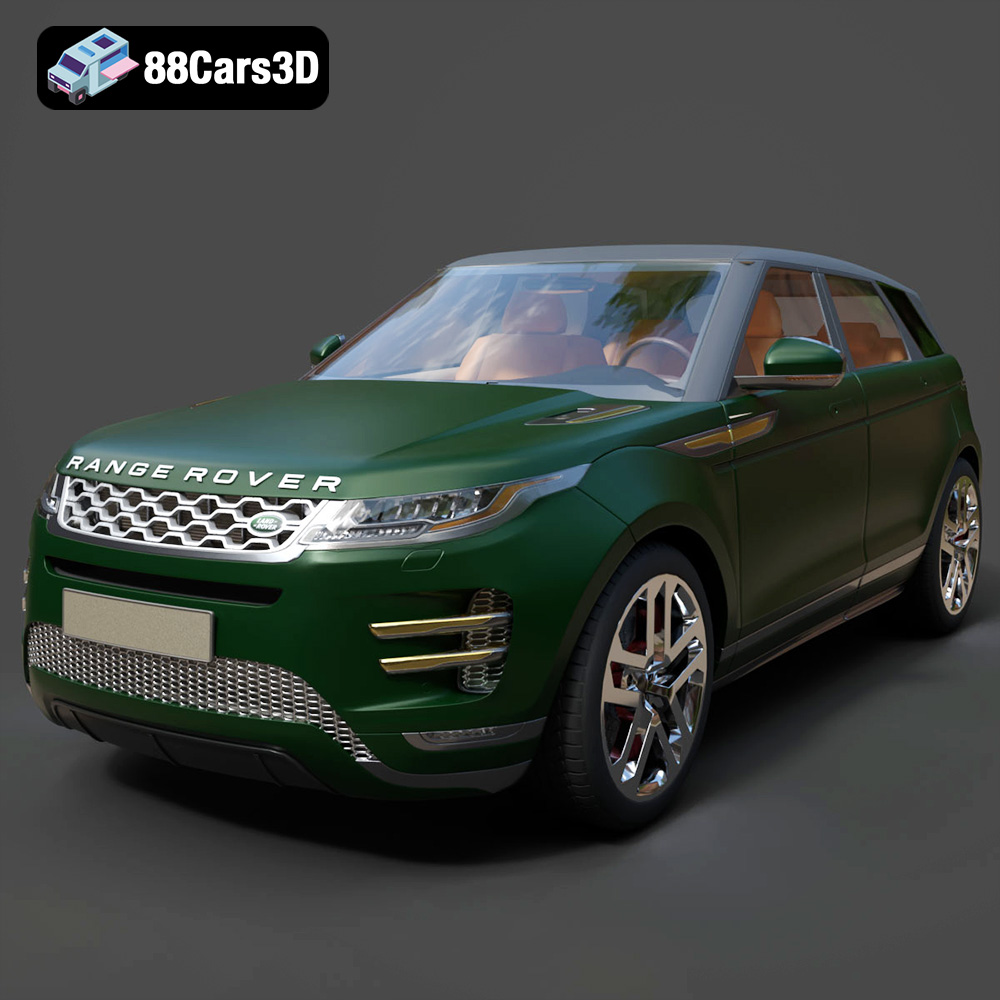
Texture: Yes | Material: Yes
Download the highly detailed, game-ready Range Rover Evoque R-Dynamic 2019 3D Model. Features flush deployable door handles, Matrix LED headlights, and R-Dynamic styling. Includes .blend, .fbx, .obj, .glb, .stl, .ply, .unreal, and .max formats for game development, AR/VR, and rendering.
Price: $19.99

Texture: Yes | Material: Yes
Download the highly detailed, game-ready Ford Mustang Mach 40 3D Model. Features aggressive custom widebody styling, a mid-mounted V8 engine, and classic retro-futuristic design. Includes .blend, .fbx, .obj, .glb, .stl, .ply, .unreal, and .max formats for game development, AR/VR, and rendering.
Price: $19.99
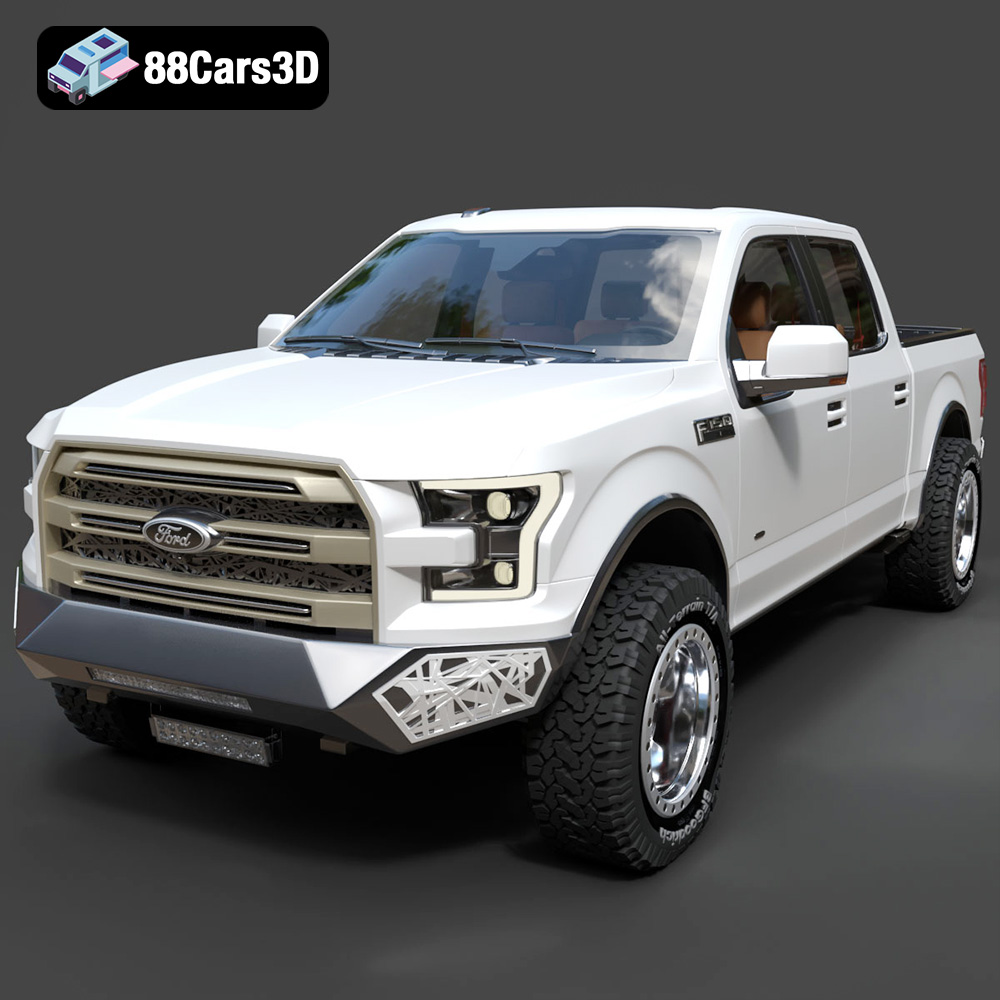
Texture: Yes | Material: Yes
Download the highly detailed, game-ready Ford F150 Raptor With Tuning From ARE 3D Model. Features custom ARE tuning accessories, aggressive off-road suspension, and rugged beadlock wheels. Includes .blend, .fbx, .obj, .glb, .stl, .ply, .unreal, and .max formats for game development, AR/VR, and rendering.
Price: $19.99

Texture: Yes | Material: Yes
Download the highly detailed, game-ready Mercedes-Benz AMG GLE 63 2021 3D Model. Features the iconic Panamericana grille, aggressive aerodynamic body styling, and a meticulously detailed luxurious interior. Includes .blend, .fbx, .obj, .glb, .stl, .ply, .unreal, and .max formats for game development, AR/VR, and rendering.
Price: $19.99
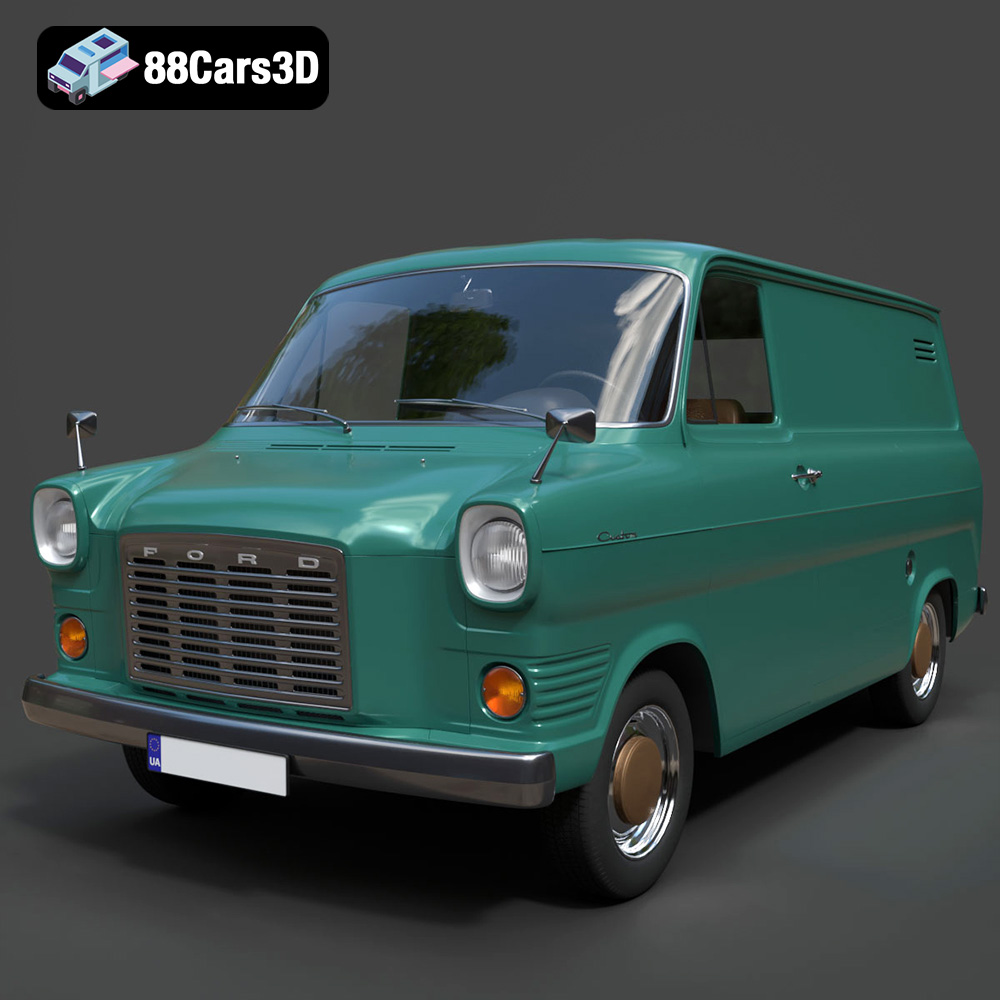
Texture: Yes | Material: Yes
Download the highly detailed, game-ready Ford Transit Mk1 Panel Van 1965 3D Model. Features iconic flat-front styling, vintage steel wheels, and a period-correct cargo bay. Includes .blend, .fbx, .obj, .glb, .stl, .ply, .unreal, and .max formats for game development, AR/VR, and rendering.
Price: $19.99

Texture: Yes | Material: Yes
Download the highly detailed, game-ready BMW X3 2024 3D Model. Features the iconic kidney grille, dynamic SUV proportions, and precise lighting elements. Includes .blend, .fbx, .obj, .glb, .stl, .ply, .unreal, and .max formats for game development, AR/VR, and rendering.
Price: $19.99

Texture: Yes | Material: Yes
Download the highly detailed, game-ready Tesla Model S Plaid 2021 3D Model. Features sleek aerodynamic styling, signature LED lighting, and the revolutionary Yoke steering interior. Includes .blend, .fbx, .obj, .glb, .stl, .ply, .unreal, and .max formats for game development, AR/VR, and rendering.
Price: $19.99

Texture: Yes | Material: Yes
Download the highly detailed, game-ready Rolls-Royce Ghost EWB 2018 3D Model. Features the iconic Pantheon grille, elongated luxury chassis, and elegant exterior lines. Includes .blend, .fbx, .obj, .glb, .stl, .ply, .unreal, and .max formats for game development, AR/VR, and rendering.
Price: $19.99

