Get 20% OFF All Premium 3D & STL Models!

In the rapidly evolving landscape of digital media, high-quality 3D models are no longer just an advantage—they are an absolute necessity. From immersive video games and breathtaking architectural visualizations to cutting-edge AR/VR experiences and detailed product showcases, the demand for meticulously crafted digital assets is at an all-time high. Automotive design, in particular, thrives on precision and realism, requiring models that capture every curve, every reflection, and every nuance of a vehicle’s character.
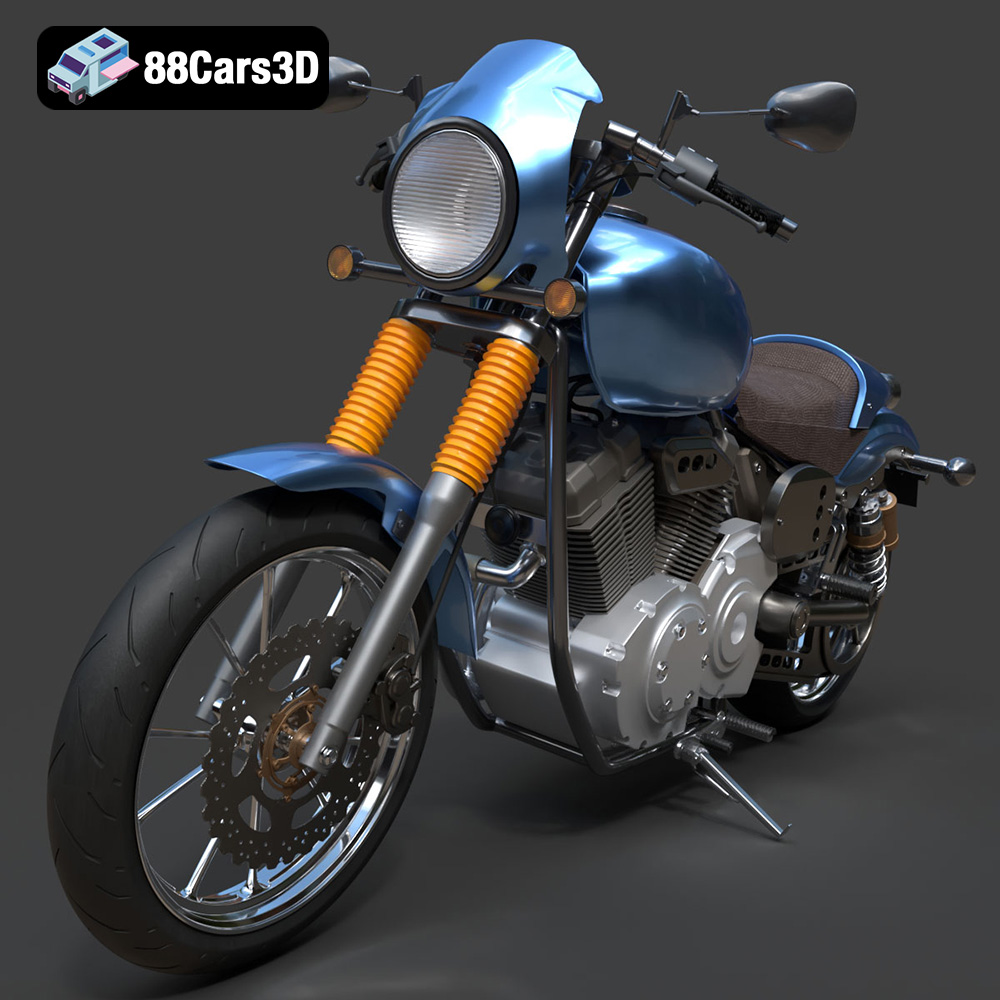
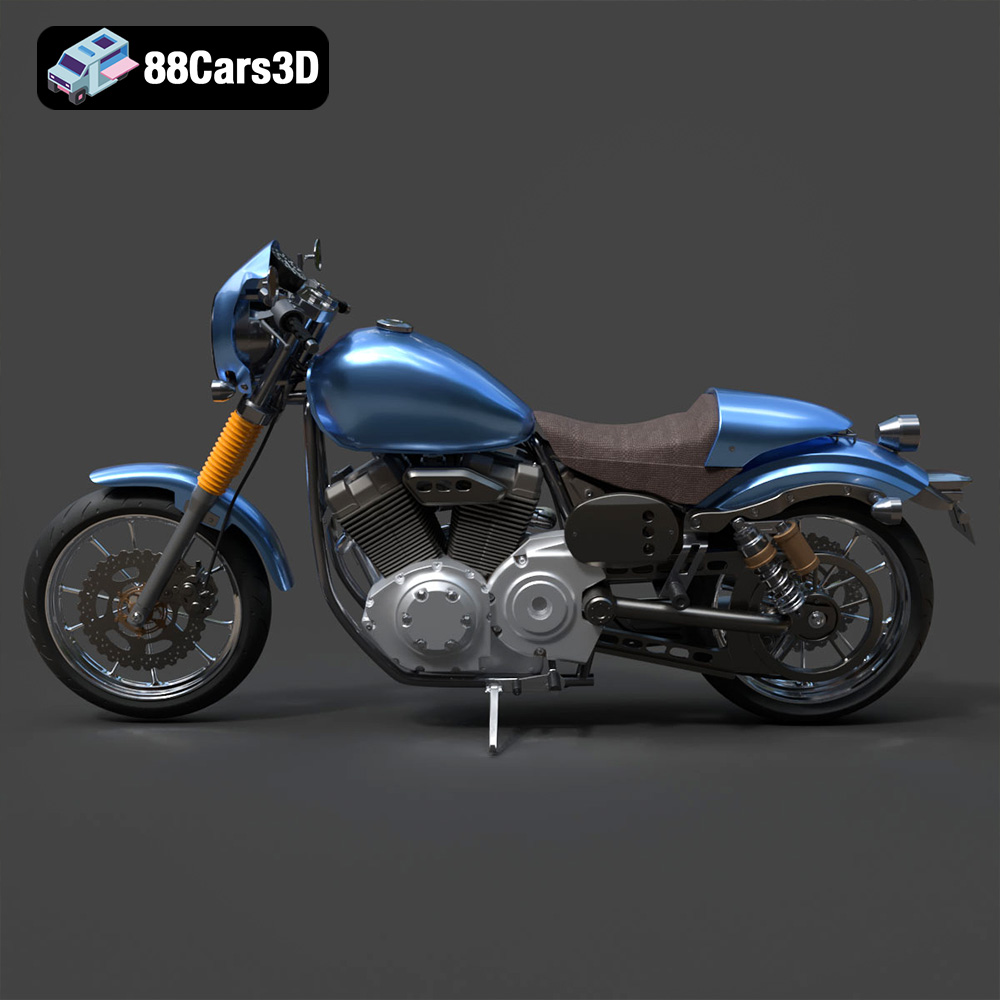
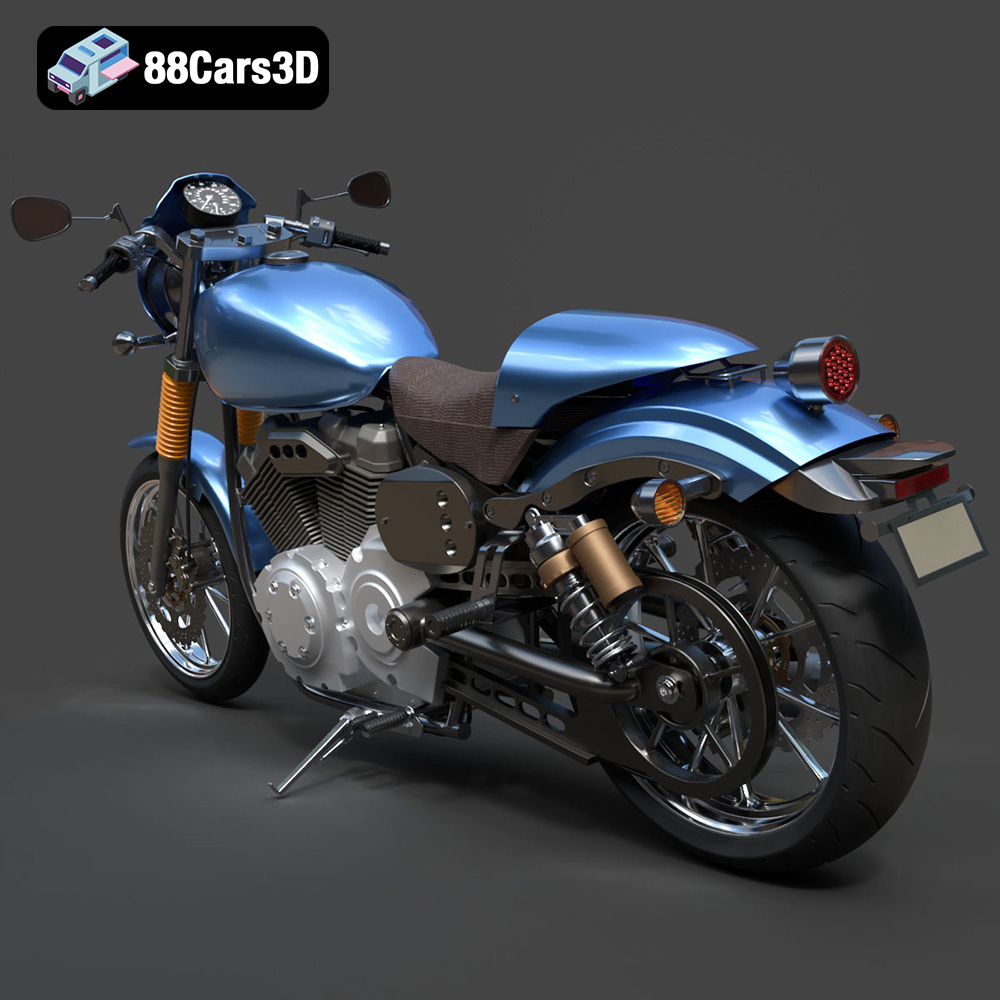
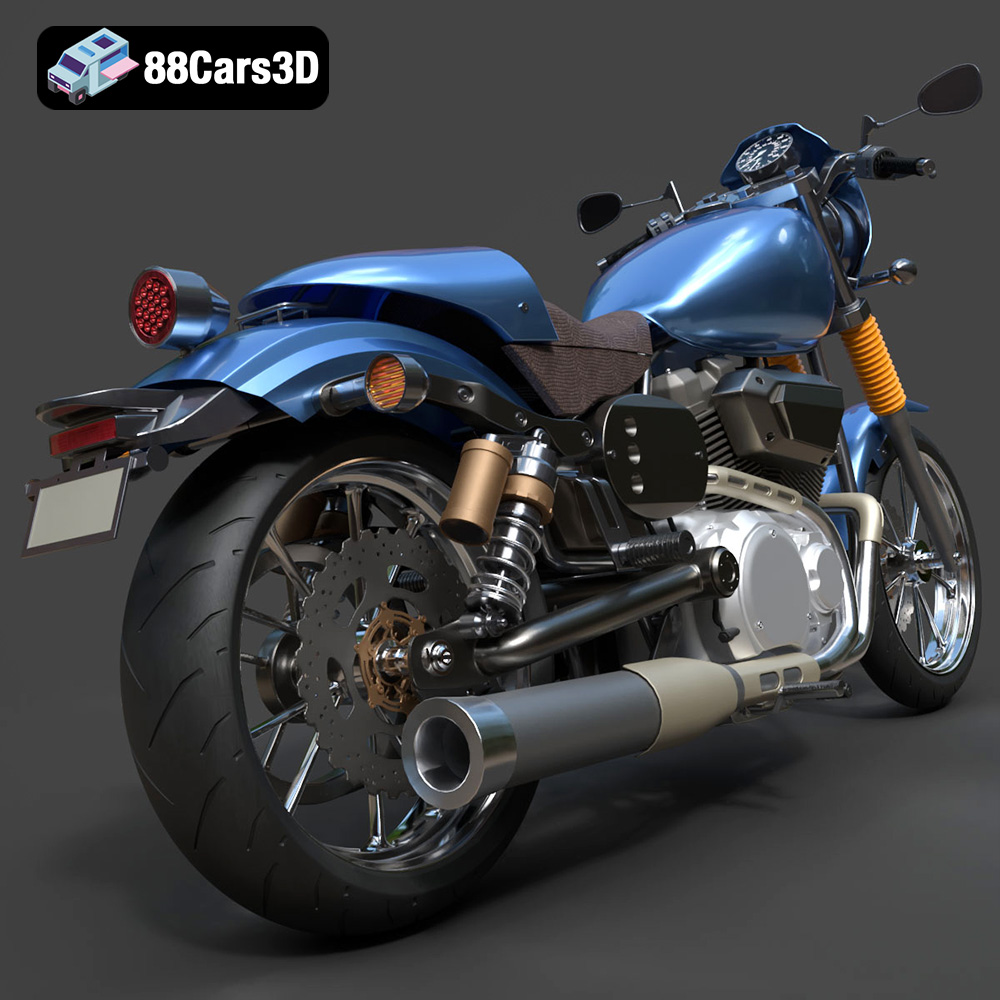
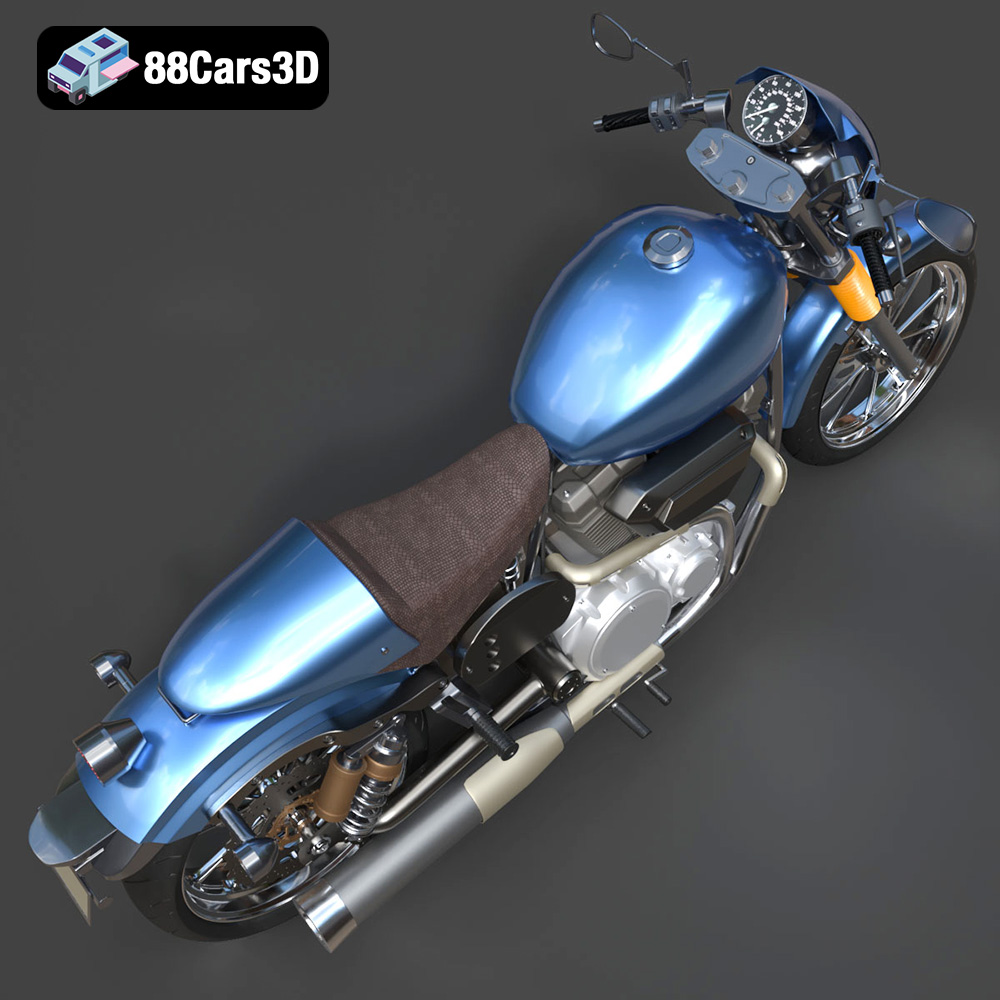
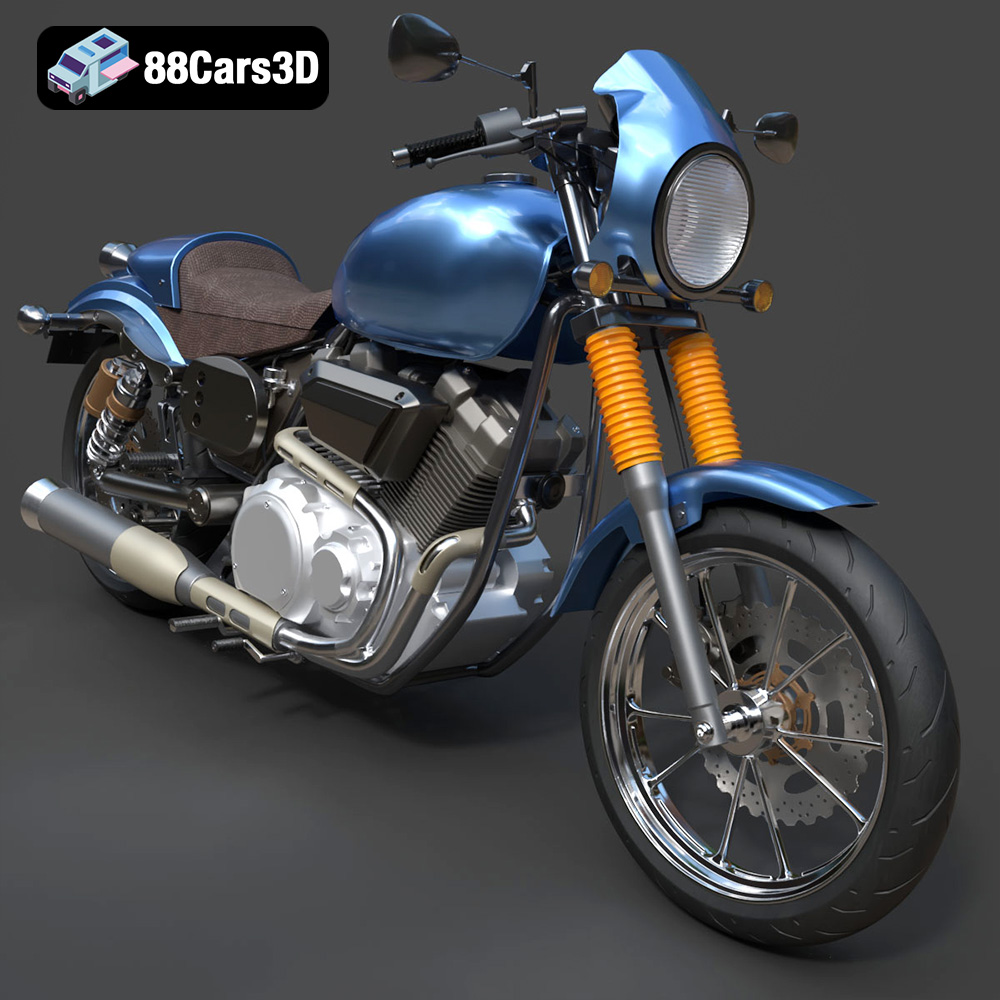
This pursuit of digital perfection is where specialized marketplaces like 88cars3d.com truly shine, offering an extensive catalog of premium 3D car models and other vehicles. Today, we’re taking a closer look at an exemplary asset that embodies this standard: the Yamaha XV950 Racer 3D Model. This stunning motorcycle asset beautifully merges classic cafe-racer heritage with modern V-twin cruiser performance, making it a versatile tool for a myriad of professional applications, from high-fidelity rendering to real-time game development.
The success of any 3D project hinges on the quality of its underlying assets. Poorly constructed models, regardless of how expertly textured or lit, will always fall short. High-quality 3D models provide the bedrock for stunning visuals, seamless performance, and efficient workflows, ensuring that the digital representation accurately reflects the real-world object.
For designers and artists, premium 3D models are powerful instruments for bringing concepts to life. They allow for intricate explorations of form, function, and aesthetics long before any physical prototype is made. In automotive rendering, this means being able to visualize a new vehicle from every angle, under various lighting conditions, and in diverse environments. A high-fidelity model, like the Yamaha XV950 Racer 3D Model, provides accurate geometry, allowing for precise material definitions and realistic light interactions, thus creating compelling and believable scenes that blur the line between digital and physical.
While custom modeling offers ultimate control, it is often a time-consuming and costly endeavor. Investing in pre-built, production-ready 3D models from trusted sources significantly reduces development cycles and overheads. Artists and studios can leverage expertly crafted assets, knowing they meet industry standards for topology, UV mapping, and material setup. This efficiency allows teams to focus their resources on creative direction, scene assembly, and optimization, rather than starting from scratch. For instance, having the Yamaha XV950 Racer 3D Model readily available eliminates hundreds of hours of modeling, texturing, and rigging, providing an immediate head start on any project requiring a detailed motorcycle.
Navigating the world of 3D modeling often means understanding a diverse array of file formats, each with its own strengths and ideal use cases. Choosing the correct format is crucial for compatibility, efficiency, and maintaining the integrity of your 3D assets across different software and pipelines. The Yamaha XV950 Racer 3D Model, recognizing this necessity, is offered in a comprehensive suite of formats, ensuring maximum versatility for any professional.
The `.blend` file is Blender’s native format, renowned for its ability to store an entire scene, including mesh data, materials (Blender’s Cycles/Eevee nodes), textures, animations, rigging, cameras, lights, and even UI layouts. When you download the Yamaha XV950 Racer 3D Model in `.blend` format, you’re getting a fully editable project, allowing artists to dive in and modify every aspect of the motorcycle directly within Blender. This is ideal for users deeply integrated into the Blender ecosystem who require full creative control, from altering the engine’s geometry to adjusting the nuances of the paint shader.
`.fbx` (Filmbox) is an industry-standard 3D asset exchange format developed by Autodesk. It is exceptionally versatile, supporting geometry, materials, textures, animations, and skeletal data. Its robustness makes it the go-to format for transferring assets between different 3D software applications and, critically, for importing into game engines like Unreal Engine and Unity. For a game-ready asset like the Yamaha XV950 Racer, an `.fbx` file ensures that all animation data (e.g., wheel rotation, suspension travel), material assignments, and clean topology transfer seamlessly, optimizing the model for real-time performance and interactive experiences.
The `.obj` (Wavefront OBJ) format is one of the oldest and most widely supported 3D file types. It primarily stores geometry (vertices, normals, UVs, faces) and can reference external material (`.mtl`) files for basic color and texture information. While it doesn’t support animations or rigging, its universality makes it excellent for simple geometry transfer between virtually any 3D software. The Yamaha XV950 Racer 3D Model as an `.obj` provides a clean mesh and UVs, ready for custom texturing and material setup in any program, making it a foundational asset for cross-platform projects.
`.glb` (GL Transmission Format Binary) is the binary version of the `.gltf` format, specifically designed for efficient transmission and loading of 3D scenes and models on the web and in AR/VR applications. It’s a “single-file” format, meaning it embeds all necessary data—geometry, materials, textures, and animations—into one self-contained binary file. This optimization reduces file size and complexity, enabling rapid display in browsers, mobile AR apps, and lightweight VR experiences. For showcasing the Yamaha XV950 Racer in a virtual showroom or an interactive web configurator, the `.glb` format is indispensable.
`.stl` (Stereolithography) is the standard file format for 3D printing. It represents a 3D model as a series of connected triangles (a triangulated mesh) without any color, texture, or material information. Its simplicity makes it universally compatible with 3D printers and slicing software. The Yamaha XV950 Racer 3D Model is convertible to `.stl`, allowing hobbyists and professionals to physically manifest the digital model. When preparing for 3D printing, careful consideration of scale, supports, and material is essential to capture the detailed features of the motorcycle.
The `.ply` (Polygon File Format) is another popular format for storing 3D data, particularly known for its ability to store properties such as color, transparency, normals, texture coordinates, and confidence values for each polygon. It is often used in scientific applications, CAD, and 3D scanning workflows due to its precision and flexibility in storing diverse mesh attributes. For specific analytical or high-precision industrial applications involving the Yamaha XV950 Racer, the `.ply` format can be highly beneficial.
While `.unreal` isn’t a standalone external file format in the same vein as `.fbx` or `.obj`, its inclusion signifies that the Yamaha XV950 Racer 3D Model has been specifically prepared and optimized for seamless integration into Unreal Engine. This often means the `.fbx` asset has been processed through Unreal’s import pipeline, potentially including pre-configured materials, collision meshes, LODs (Levels of Detail), and blueprint setups for interactivity. It indicates that the model is delivered in a state that minimizes further artist intervention within the engine, offering an immediate, optimized asset ready for deployment in real-time gaming or visualization projects, leveraging Unreal’s powerful rendering capabilities.
The `.max` file is the native scene file format for Autodesk 3ds Max, a leading software for 3D modeling, animation, and rendering. Similar to Blender’s `.blend` file, a `.max` file contains an entire scene, including geometry, modifiers, materials (V-Ray, Corona, Standard), lighting, cameras, animations, and scene settings. Receiving the Yamaha XV950 Racer 3D Model in `.max` format provides 3ds Max users with full access to the original scene setup, allowing for advanced rendering, complex animation sequences, and intricate material adjustments, making it perfect for high-end automotive rendering projects and cinematic sequences.
The true value of a premium 3D model lies not just in its visual appeal but in its technical underpinnings. The Yamaha XV950 Racer 3D Model from 88cars3d.com exemplifies this balance, engineered for both high-end visual fidelity and robust real-time performance across various professional applications.
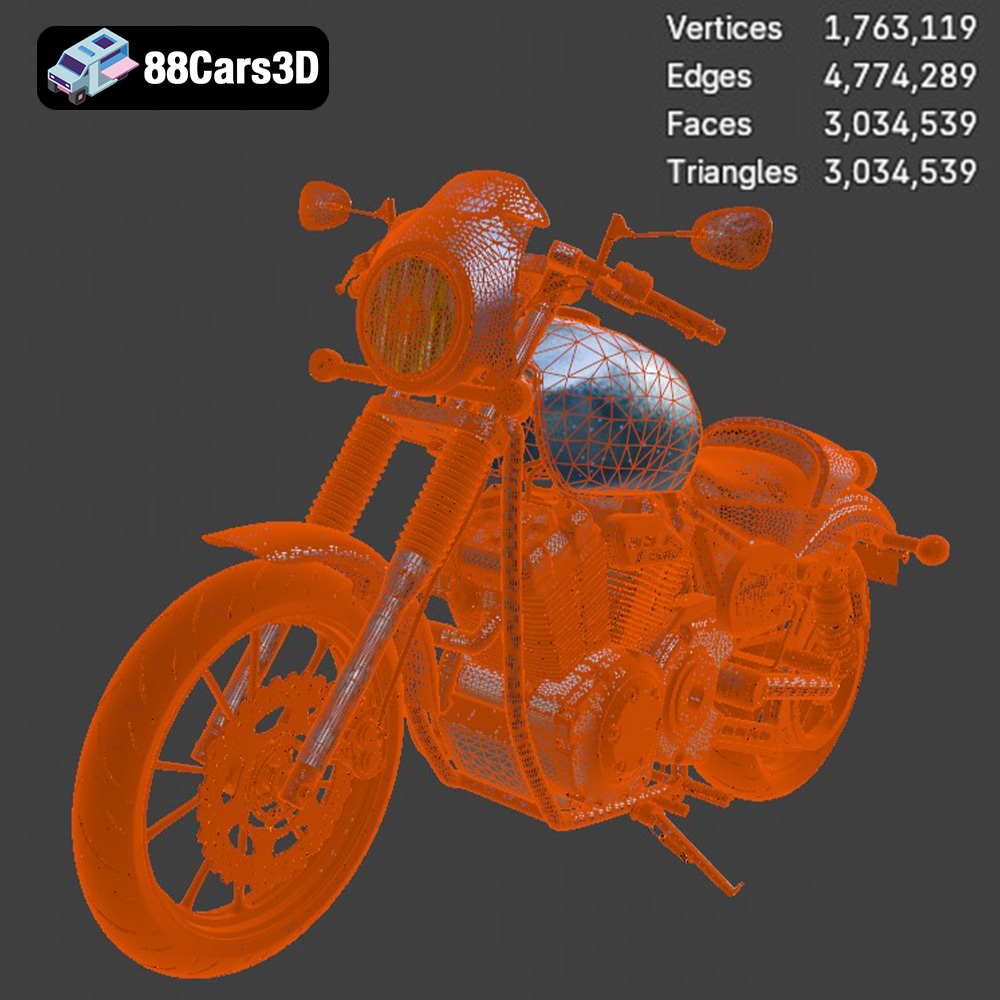
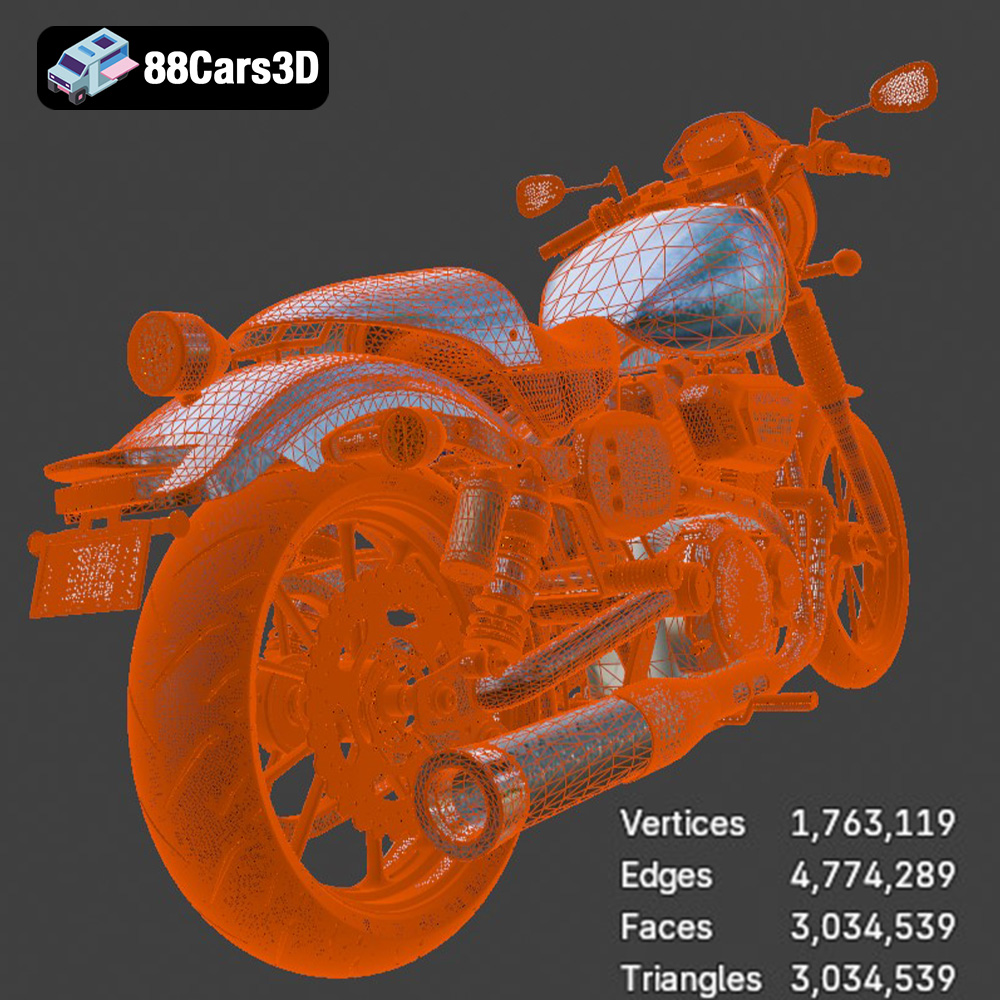
One of the standout features of this model is its highly optimized topology. With approximately 130,000 triangles, the model strikes an exceptional balance. This polycount is perfectly tailored for modern game engines like Unreal and Unity, ensuring smooth performance even in complex scenes, while simultaneously retaining enough detail to achieve high-end visual realism in cinematic renders. Clean geometry is paramount; it means the mesh is well-structured, free of errors, and efficiently organized for texturing, rigging, and subdivision if higher detail is required. The model also boasts real-world scale accuracy, a critical factor for realistic integration into virtual environments and for precise measurements in design validation workflows. Furthermore, proper pivot setups for steering, wheel rotation, and suspension travel are included, which are essential for seamless animation and dynamic interaction within game engines and animation software.
Every element of the Yamaha XV950 Racer has been meticulously crafted to ensure authenticity and detail.
A versatile 3D asset like the Yamaha XV950 Racer 3D Model opens up a world of creative possibilities across diverse industries. Its comprehensive file format support and optimized structure make it a cornerstone for various professional pipelines.
For game developers, the Yamaha XV950 Racer 3D Model is a prime example of a game-ready asset. Its optimized polycount (~130,000 triangles) is perfect for open-world games, racing titles, and simulators where performance is critical. When importing the `.fbx` file into Unreal Engine or Unity, developers can efficiently set up materials using the engine’s native PBR (Physically Based Rendering) workflows, ensuring realistic metallic sheens and tire textures. Collision meshes can be generated or assigned, allowing for accurate physical interactions within the game world. The separate, animatable components (wheels, suspension, steering) enable dynamic driving mechanics, making it suitable for player-controlled vehicles or AI traffic. This seamless integration accelerates prototyping and final asset implementation, saving valuable development time.
Beyond gaming, the Yamaha XV950 Racer 3D Model excels in high-fidelity rendering for architectural visualization and cinematic productions. Using the `.max` file in 3ds Max or the `.blend` file in Blender, artists can leverage advanced rendering engines like V-Ray, Corona, or Cycles. In architectural visualizations, placing the motorcycle in a garage, a modern loft, or an urban street scene instantly adds a layer of realism and lifestyle appeal. For cinematic rendering, the model’s detailed geometry and animatable parts allow for dynamic camera movements and storytelling. Artists can set up intricate studio lighting, create realistic reflections on the paintwork, and use depth of field to draw attention to specific details, creating captivating product showcases or atmospheric lifestyle scenes that perfectly complement other 3D car models in a digital portfolio.
The future of digital interaction is increasingly immersive, and the Yamaha XV950 Racer 3D Model is perfectly positioned for AR/VR and web-based applications. The `.glb` format, with its optimized size and embedded data, is ideal for lightweight virtual showrooms or interactive product configurators accessible directly through a web browser or a mobile AR app. Imagine a potential customer using their smartphone to “place” the virtual Yamaha XV950 Racer in their driveway, examining it from all angles and even customizing its color and finishes in real-time. In VR, the model can be part of a fully immersive virtual environment, allowing users to “sit” on the bike, interact with controls, and experience it in a way impossible through static images, pushing the boundaries of automotive visualization.
The digital realm often extends into the physical, and for enthusiasts and designers, the ability to 3D print a beloved model is a unique advantage. The Yamaha XV950 Racer 3D Model, when converted to `.stl` format, opens up this exciting avenue, allowing for the creation of tangible, display-scale replicas.
Converting the high-detail 3D model into a printable format requires specific considerations. For display-scale models (recommended scales: 1:12, 1:18, 1:24), precision is key. Resin printing is often recommended for its ability to capture fine details, especially for intricate parts like the engine fins, exhaust pipes, and handlebar controls, which might be lost with filament-based FDM printers. Layer heights between 0.04mm and 0.12mm are ideal for achieving smooth surfaces. Wall thickness should be carefully considered (1.2mm–2.0mm) to ensure structural integrity without making the model excessively heavy or material-intensive. Infill of 20-30% usually provides a good balance of strength and material usage.
Supports are almost always required for detailed and overhanging parts, such as the exhaust system, mirrors, and handlebars, to prevent deformation during printing. Careful print orientation is also crucial; for example, the main frame might be printed at an angle to maximize strength, while wheels are often printed separately and flat to ensure perfectly circular forms. Post-processing, including the careful removal of supports, sanding to smooth any imperfections, and applying primer, is essential before painting.
Once printed, the physical model becomes a canvas for further customization. Hobbyists can meticulously paint the Yamaha XV950 Racer with authentic factory colors, applying metallic finishes to mimic the real bike’s aesthetic. Small details, like brake lines or wiring, can be added using physical components to enhance realism. The ability to print and display a physical replica of a high-quality digital model, derived from a robust collection like those found on 88cars3d.com, offers a satisfying bridge between digital artistry and tangible craftsmanship, creating bespoke collector’s items or intricate design prototypes.
The long-term value of a 3D asset is often determined by its adaptability. A high-quality model should not be a static object but a flexible foundation for endless creative iterations. The Yamaha XV950 Racer 3D Model is built with this philosophy in mind.
The versatility of the Yamaha XV950 Racer 3D Model allows for extensive customization, empowering artists to tailor it to specific project requirements. Want to showcase it in a vibrant urban setting? Easily change the body and tank colors to a custom finish or a different factory variant. Need a more rugged appearance for an off-road scene? Modify the tire textures from street variants to knobby off-road tires. The material finishes can be adjusted between matte, gloss, or various metallic effects to achieve the perfect look under any lighting condition. Furthermore, the model’s clean structure facilitates adapting lighting setups for different environments, whether it’s a sunny outdoor scene or a dramatic studio photoshoot. This level of control ensures the model remains relevant and usable across a multitude of creative briefs, acting as a dynamic canvas for artistic expression.
In today’s fast-paced digital production environment, efficiency and quality are paramount. Investing in versatile, professionally optimized 3D assets like the Yamaha XV950 Racer 3D Model from 88cars3d.com is a smart strategic decision. These assets are designed to be future-proof, supporting a wide range of software and pipelines, from real-time game engines to high-fidelity rendering solutions and even 3D printing. By providing multiple file formats and a robust technical foundation, 88cars3d.com ensures that artists and studios have the tools they need to meet any challenge, enhance their workflows, and deliver stunning results consistently. This not only saves valuable production time but also elevates the overall quality and realism of any project, making it an invaluable resource for anyone working with 3D car models or automotive assets.
The digital age demands excellence, and in the realm of 3D modeling, premium assets are the cornerstone of success. From game development and cinematic rendering to AR/VR experiences and physical fabrication, the versatility and technical prowess of a well-crafted 3D model are indispensable. The Yamaha XV950 Racer 3D Model stands as a testament to this, offering an exceptional balance of visual fidelity, optimized performance, and broad compatibility across all major platforms. Its meticulous detail, game-ready topology, and support for a comprehensive array of file formats empower artists and designers to integrate it seamlessly into virtually any professional workflow. Whether you’re creating the next big racing game, producing a high-end automotive rendering, or even 3D printing a scale replica, this model provides the quality and flexibility needed to bring your visions to life. Explore this and many other high-quality 3D car models and vehicle assets, ensuring your projects always achieve the highest standard of digital realism, by visiting 88cars3d.com today.
The Yamaha XV950 Racer is a stunning motorcycle that beautifully merges classic cafe-racer heritage with modern V-twin cruiser performance. Known for its aggressive riding posture and stripped-down aesthetic, this bike boasts a muscular 942cc air-cooled engine, a distinctive front mini-cowl, and swept-back exhaust lines that capture the essence of retro-modern custom culture. This premium 3D model is meticulously crafted with highly optimized topology, striking the perfect balance between high-end visual fidelity and real-time performance. Designed to be fully game-ready, it features clean geometry and a polycount tailored for modern game engines, making it an exceptional asset for interactive applications, AR/VR experiences, and professional CGI rendering. Perfect for urban street-racing games, custom motorcycle configurators, realistic virtual showrooms, and lifestyle rendering scenes.
$19.99
.blend
.cruiser
.fbx
.glb
.max
.motorcycle
.obj
.ply
.rendering
.stl
.unreal
.yamaha
cafe-racer
game asset
game-ready
low-poly
motorcycle-3d-model
optimized
VR/AR
xv950-racer