Get 20% OFF All Premium 3D & STL Models!

In the rapidly evolving landscape of digital media, from cinematic rendering to immersive game environments and cutting-edge AR/VR experiences, the demand for truly exceptional 3D assets has never been higher. Accuracy, detail, and optimization are no longer luxuries but absolute necessities for professionals striving to create believable and engaging digital worlds. Whether you’re an automotive designer showcasing a new concept, a game developer crafting a high-octane racing title, or a visualization artist bringing a scene to life, the quality of your foundational 3D models dictates the success of your project.
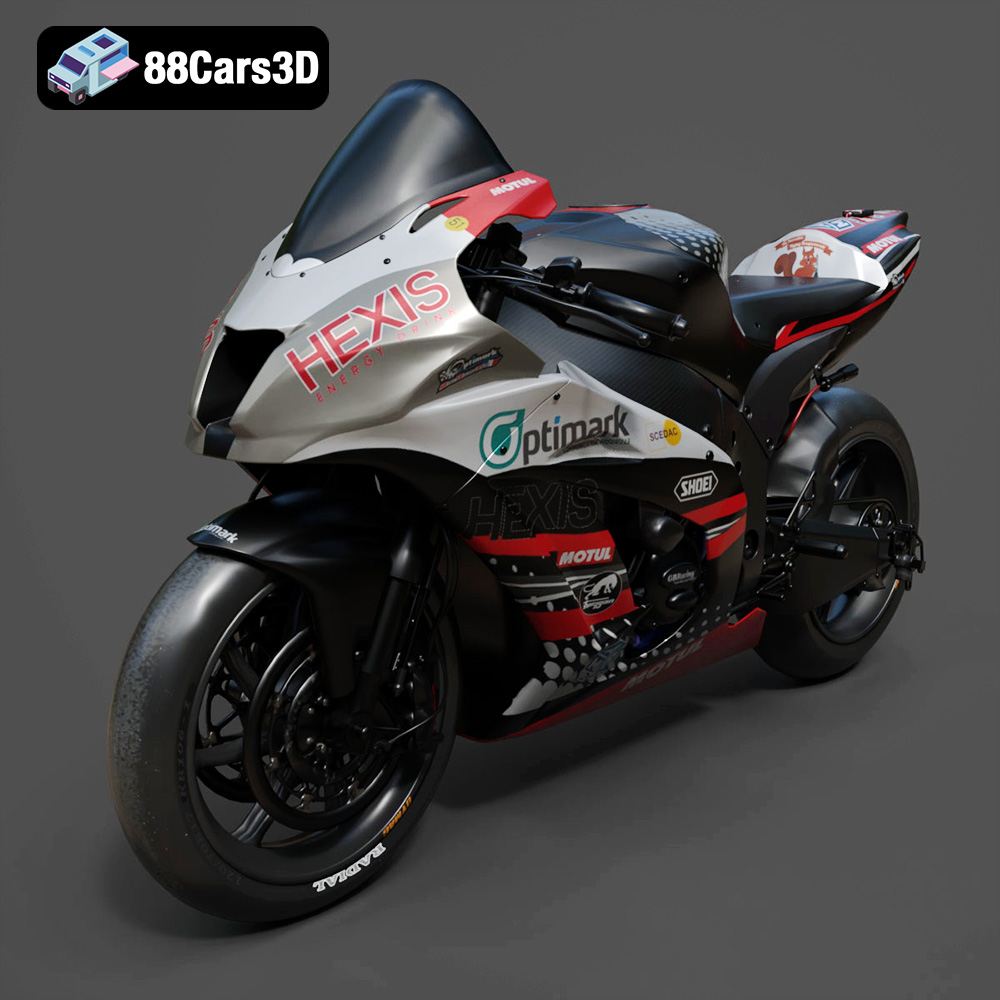
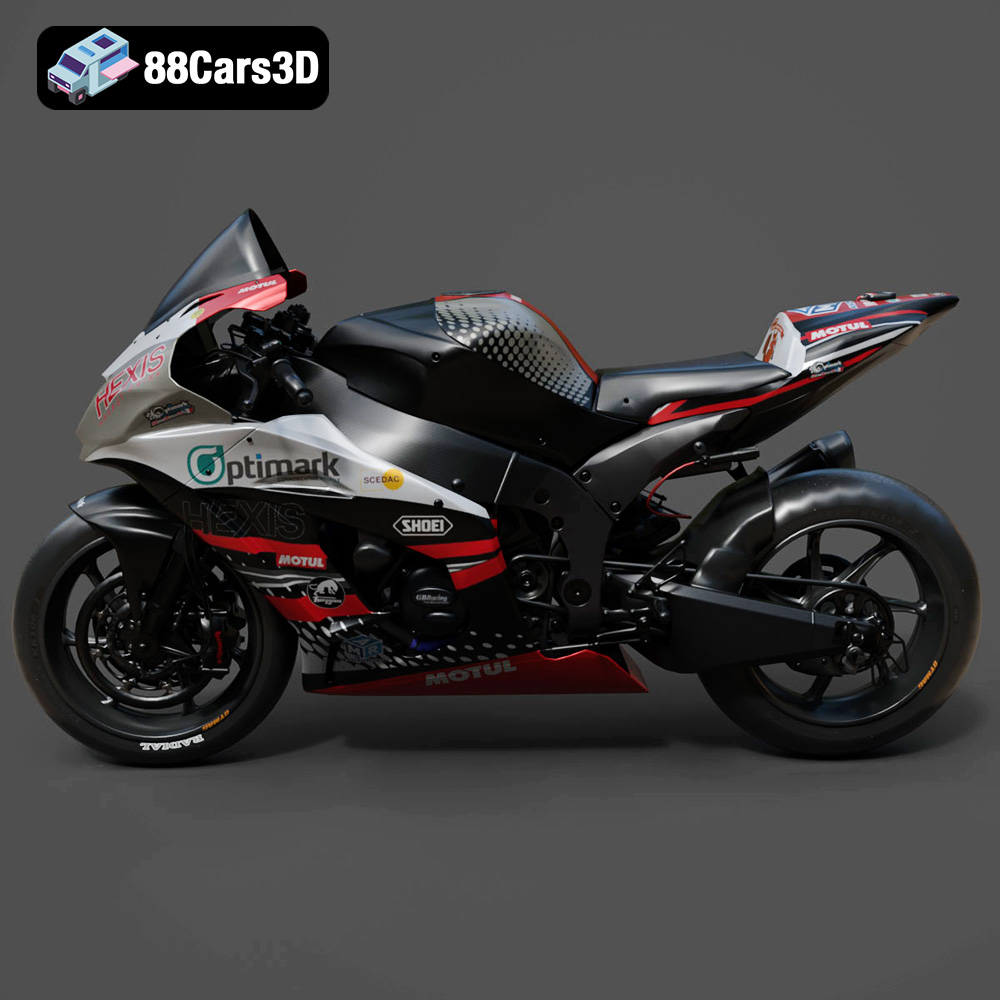
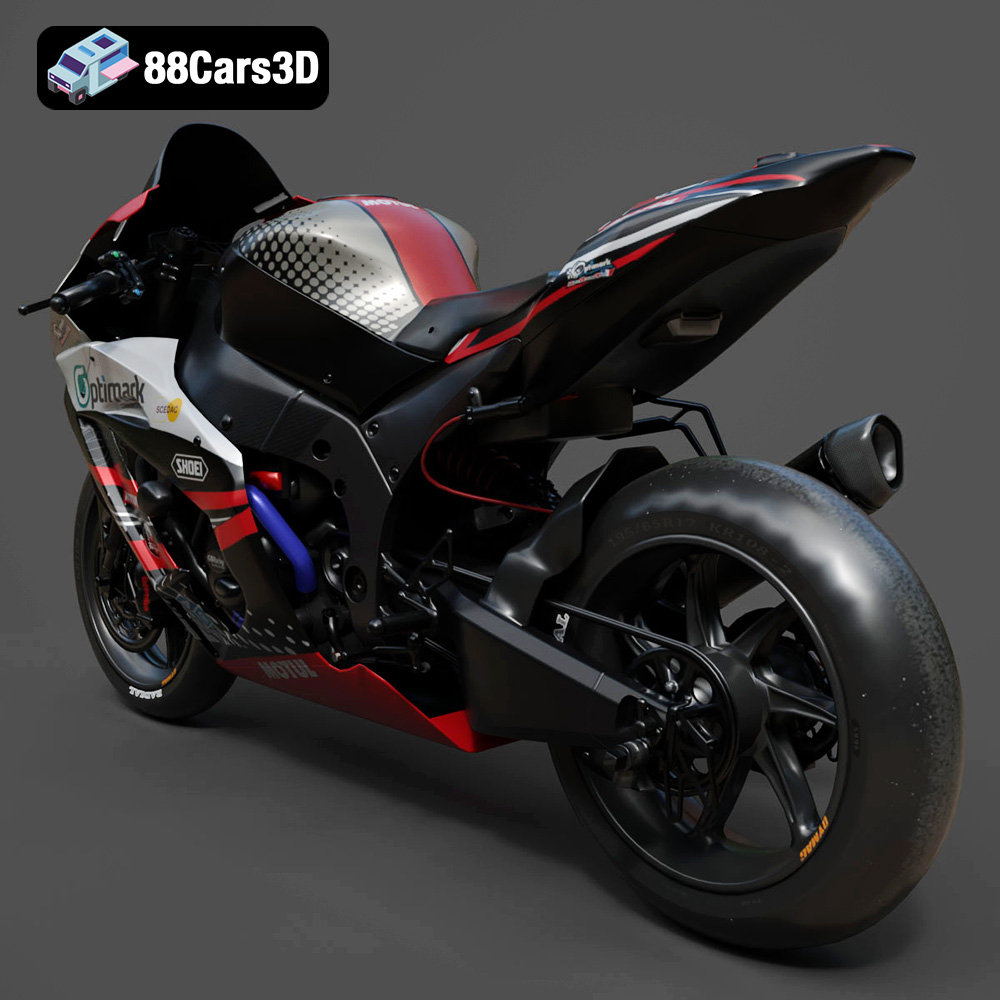
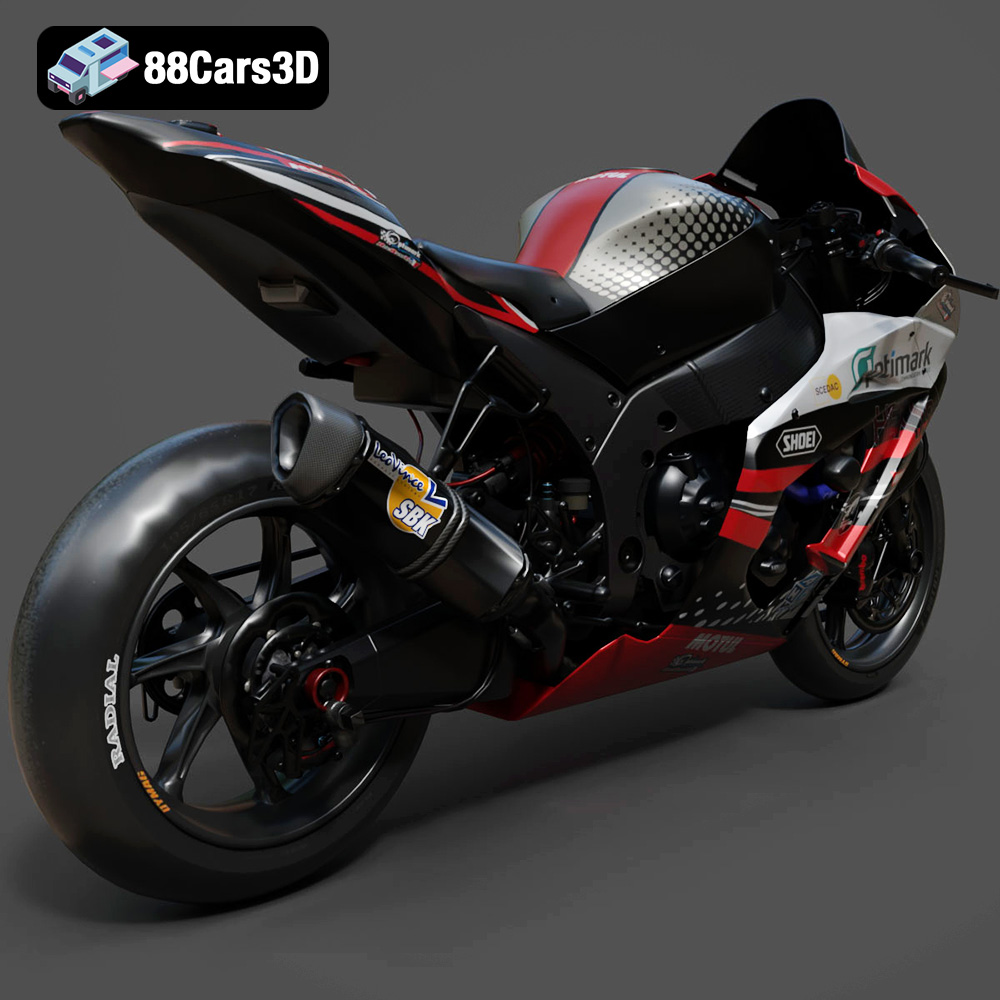
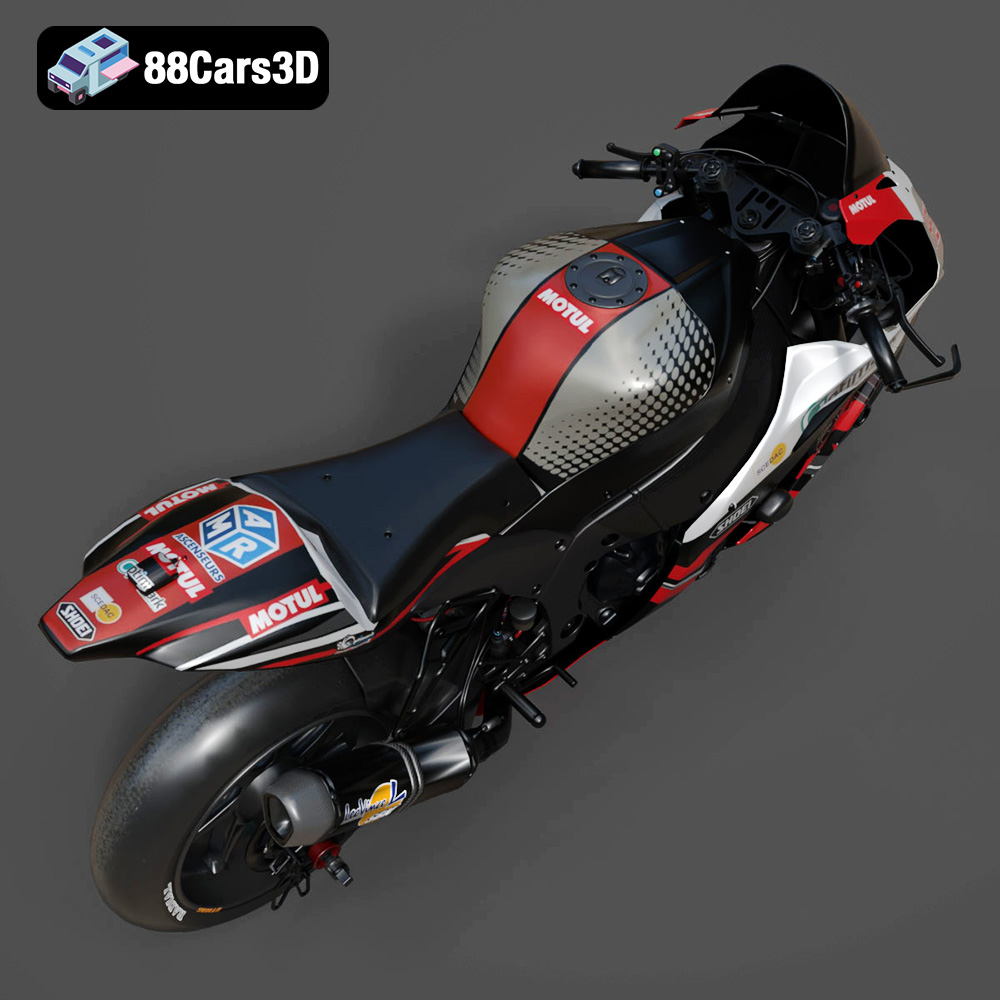
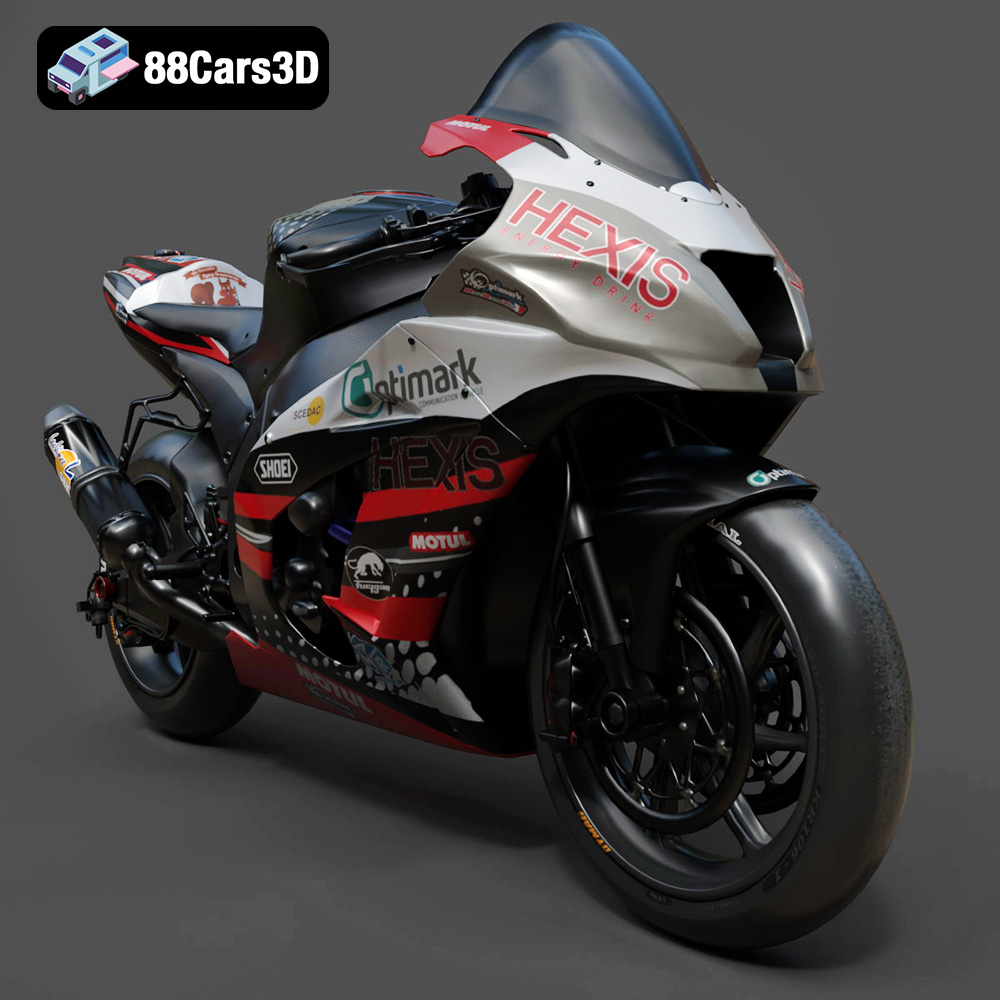
Today, we delve into the intricate world of professional 3D asset creation, highlighting how a meticulously crafted model can transform a project. We’ll explore the technical considerations, workflow advantages, and diverse applications that make premium 3D models indispensable. As a prime example of such excellence, we will frequently reference the Kawasaki ZX-10R 3D Model, an asset designed for dynamic realism, capturing the aggressive styling and intricate mechanical components of the legendary superbike. This model, available on 88cars3d.com, exemplifies the kind of precision and versatility that modern digital projects demand.
The pursuit of realism in digital environments hinges entirely on the quality of the assets used. A poorly modeled vehicle, even with the best textures and lighting, will always break immersion. Conversely, a high-fidelity 3D model provides a robust foundation for stunning visuals and seamless integration.
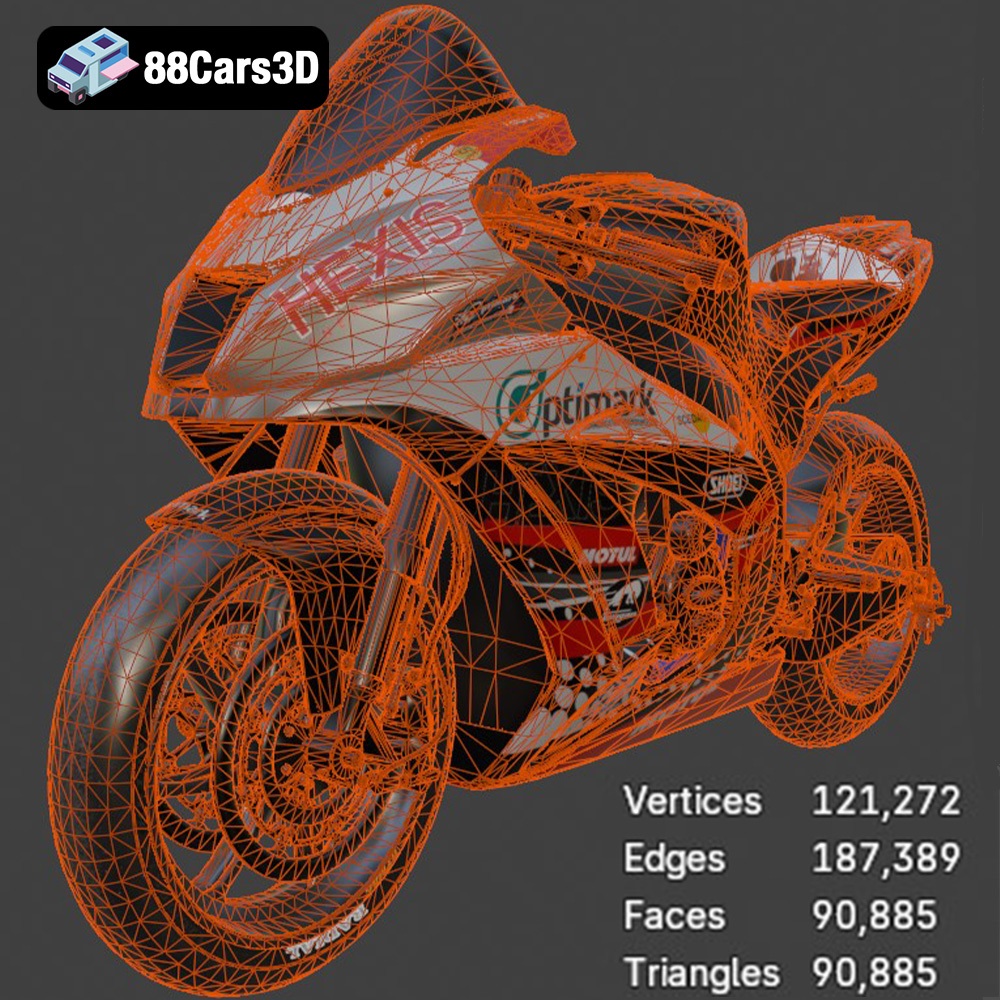
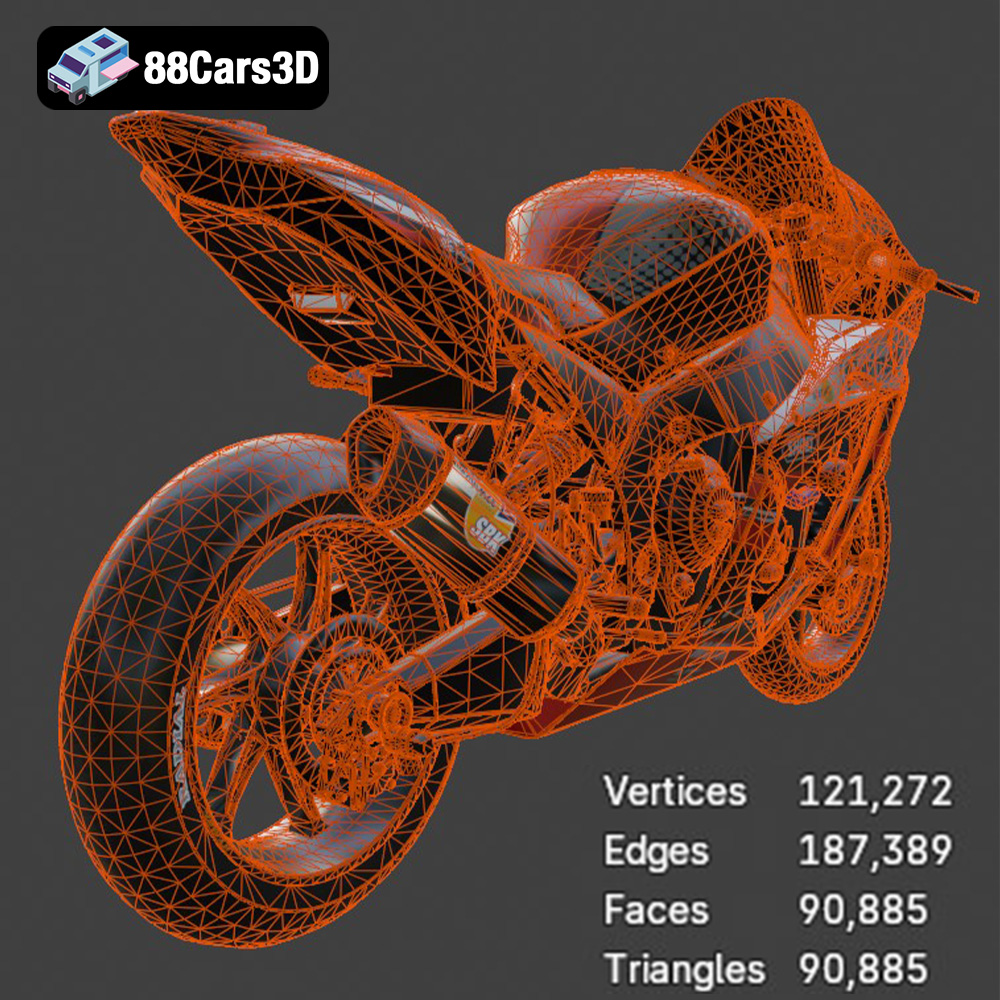
For automotive rendering, photorealism is the ultimate goal. This means more than just accurate shapes; it encompasses intricate surface details, realistic material properties, precise reflections, and correct lighting interactions. A high-quality 3D model, like the Kawasaki ZX-10R from 88cars3d.com, is built with these factors in mind. Its clean geometry and optimized polygon count ensure smooth surfaces and sharp edges, crucial for capturing the distinct aesthetic of a real vehicle. The realistic materials included, such as metallic paints, rubber, and glass, interact with virtual light sources in a physically accurate manner, resulting in renders that are virtually indistinguishable from photographs. This level of detail is vital for marketing materials, product showcases, and cinematic sequences where every frame counts.
While photorealism is key for rendering, real-time applications like video games and interactive AR/VR experiences demand an additional layer of optimization. Here, a high polygon count can hinder performance, leading to frame rate drops and a poor user experience. Professional 3D car models strike a delicate balance between visual fidelity and performance efficiency. This is achieved through techniques like efficient topology, clean UV mapping, and often, multiple Levels of Detail (LODs) that allow the model to dynamically switch to a lower poly version when viewed from a distance. The Kawasaki ZX-10R 3D Model is built with professional quality in mind, featuring an optimized polygon count suitable for game engines, ensuring that the visual impact isn’t compromised by performance bottlenecks. This makes it an ideal game asset for racing simulators and open-world titles.
One of the most critical aspects of working with 3D models is understanding the various file formats and their specific applications. A versatile 3D asset should offer compatibility across a wide range of software and platforms, ensuring that artists and developers can integrate it seamlessly into their preferred pipelines. The Kawasaki ZX-10R 3D Model exemplifies this versatility by offering a comprehensive suite of industry-standard file formats. Choosing the right format is paramount for efficiency, compatibility, and achieving specific project goals.
The .blend format is the native file type for Blender, a powerful open-source 3D creation suite. When you acquire a .blend file, you’re not just getting the raw mesh; you’re often receiving a fully editable Blender scene. This typically includes the model, its materials, textures, lighting setup, and sometimes even animation rigs or camera configurations. For users deeply integrated into the Blender ecosystem, this format offers unparalleled flexibility. Artists can easily modify the model, adjust materials, re-pose the vehicle, or integrate it directly into existing Blender projects without any conversion issues. It’s perfect for those who want to leverage Blender’s extensive toolset for rendering, sculpting, or game asset preparation.
The .fbx (Filmbox) format is an industry-standard proprietary file format developed by Autodesk, widely used for transferring 3D data between different software applications and particularly dominant in game development. It can store a vast array of 3D data, including geometry, materials, textures, skeletal animations, and cameras. Its robust nature makes it ideal for game engines like Unity and Unreal Engine, where smooth asset import and correct data interpretation are critical. The Kawasaki ZX-10R 3D Model’s .fbx version is specifically designed as a “game-engine ready format,” ensuring that all necessary components translate correctly into these real-time environments.
Complementing .fbx, the .unreal format represents a pre-configured, engine-ready asset specifically for Unreal Engine. This often means the model has already been imported, its materials set up as Unreal Engine materials (using physically based rendering, or PBR), and possibly even includes basic collision meshes or LODs. This significantly streamlines the workflow for Unreal Engine developers, saving precious time in the asset pipeline and ensuring optimal performance and visual fidelity within the engine itself.
The .obj (Wavefront OBJ) format is one of the most widely supported and universal 3D model formats. It’s a simple, text-based format that primarily stores geometry (vertices, normals, texture coordinates) and references to external material files (.mtl). Its simplicity ensures maximum compatibility across virtually all 3D software packages, making it an excellent choice for cross-software transfers when advanced features like animation or rigging aren’t required. For the Kawasaki ZX-10R, the .obj version provides a robust base model that can be imported into any major 3D application for rendering or further modification.
The .max format is the native file type for Autodesk 3ds Max, another industry giant in 3D modeling, animation, and rendering. An editable 3ds Max file provides the full project environment, similar to a .blend file for Blender users. This includes the model’s modifiers stack, complex material setups (e.g., V-Ray or Corona materials), lighting rigs, and animation keyframes. For professionals working within a 3ds Max pipeline, this format offers complete control and flexibility for high-end automotive rendering, detailed animations, and complex scene assembly.
The .glb (GL Transmission Format Binary) is an increasingly important format, especially for AR, VR, and web-based applications. It’s a compact, self-contained binary format that encapsulates geometry, materials, textures, and even animations into a single file. This optimization makes it perfect for fast loading and efficient transmission over the web, enabling interactive 3D experiences directly in browsers or augmented reality apps. The Kawasaki ZX-10R 3D Model’s .glb option is ideal for showcasing the superbike in interactive web viewers or AR overlays.
For additive manufacturing, the .stl (Stereolithography) format is the undisputed standard. It represents a 3D model as a series of connected triangles, defining only the surface geometry without color or texture information. It’s the go-to format for 3D printing and rapid prototyping. The inclusion of an .stl file for the Kawasaki ZX-10R allows engineers, hobbyists, or product designers to physically replicate the model, whether for scale models or functional prototypes.
Finally, the .ply (Polygon File Format, also Stanford Triangle Format) is a precision mesh format primarily used for storing data from 3D scanners or for CAD applications and scientific visualization. It can store a wider range of properties than .stl, including color per vertex, normal vectors, and transparency, making it suitable for more detailed analysis or archiving of scanned data. For the Kawasaki ZX-10R, the .ply offers a highly detailed polygon mesh for specific analytical or visualization tasks where vertex precision is paramount.
Having a high-quality 3D model is just the first step. Understanding how to seamlessly integrate it into various professional workflows is where its true value lies. The Kawasaki ZX-10R 3D Model, with its clean geometry and diverse file formats, is designed to be a versatile asset for a multitude of applications.
For those specializing in high-end automotive rendering, 3ds Max, often paired with render engines like V-Ray or Corona Renderer, is a powerful combination. The .max file provided with the Kawasaki ZX-10R is a complete project file, meaning it often comes pre-configured with V-Ray or Corona materials, lighting setups, and possibly even camera angles. This significantly accelerates the rendering process. Artists can immediately focus on fine-tuning reflections, adding intricate details like brake caliper branding, or setting up dynamic camera animations. The clean topology of the model ensures that subdivision surfaces will render smoothly, capturing every curve of the superbike’s aerodynamic profile with pristine accuracy. Imagine crafting a stunning promotional video for a new motorcycle line, where the Kawasaki ZX-10R effortlessly takes center stage, rendered with breathtaking realism.
The world of real-time 3D, dominated by game engines like Unreal Engine, demands both visual fidelity and optimal performance. The Kawasaki ZX-10R 3D Model provides both .fbx and a dedicated .unreal file, simplifying integration. The .unreal package means the model arrives pre-configured for the engine, often with PBR (Physically Based Rendering) materials already set up, collision meshes, and potentially multiple Levels of Detail (LODs). This allows developers to drop the superbike directly into a racing game, a virtual showroom, or an architectural visualization project without extensive setup. Its optimized polygon count ensures that it contributes to a smooth frame rate, even in densely populated scenes. For game developers seeking realistic game assets, this model is a significant time-saver, allowing them to focus on gameplay and environment design.
Blender’s rise as a professional 3D suite makes the .blend file format particularly valuable. The Kawasaki ZX-10R’s .blend file is more than just a model; it’s often a full scene complete with materials and lighting setup. This empowers independent artists and smaller studios to immediately jump into rendering, animation, or even further customization without needing to rebuild basic scene elements. Blender’s robust Eevee real-time renderer and Cycles path tracer can leverage the model’s clean UVs and realistic materials to produce stunning visuals, from quick concept renders to high-quality marketing images, all within a single, powerful, and accessible application.
The utility of a high-quality 3D model extends far beyond traditional rendering and game development. Its precise geometry and versatile format options make it suitable for a range of specialized, cutting-edge applications.
Augmented Reality (AR) and Virtual Reality (VR) are transforming how we interact with digital content. The Kawasaki ZX-10R 3D Model, particularly in its .glb format, is perfectly suited for these immersive environments. Its optimized nature ensures fast loading times and smooth performance, critical for maintaining immersion in VR headsets or overlaying digital content onto the real world via AR apps. Imagine a virtual showroom where potential buyers can walk around the Kawasaki ZX-10R, inspect its details from any angle, or even place it in their garage using AR, all before making a purchase. This interactive engagement is powered by high-quality, optimized 3D models.
For engineers, product designers, or even passionate enthusiasts, the ability to physically manifest a digital design is invaluable. The .stl and .ply formats provided with the Kawasaki ZX-10R 3D Model enable this. The .stl file, as the industry standard for 3D printing, allows for the creation of physical prototypes or scale models. This is crucial for evaluating ergonomics, aesthetic proportions, or even testing component fit before committing to expensive manufacturing processes. A detailed .ply mesh can also be used for advanced analysis, reverse engineering, or as a base for custom part fabrication, bridging the gap between the digital design and tangible reality.
In fields requiring rigorous technical analysis or simulation, the accuracy of a 3D model is paramount. The Kawasaki ZX-10R’s clean and precise geometry, available in formats like .ply, can be imported into CAD software or simulation environments. This allows engineers to perform aerodynamic studies, stress analyses on specific components, or visualize complex mechanical interactions. Such applications are vital for research and development, educational tools, and forensic analysis, demonstrating the depth of utility a well-constructed 3D asset can offer beyond mere visual representation.
Acquiring pre-made, high-quality 3D models offers significant advantages for creative professionals. It’s a strategic investment that saves time, reduces production costs, and ensures consistent quality across projects.
Creating a highly detailed 3D model like the Kawasaki ZX-10R from scratch can take hundreds of hours for even experienced artists. This includes modeling every curve, creating intricate materials, ensuring clean UVs, and optimizing for various platforms. By purchasing a professionally crafted 3D car model from 88cars3d.com, artists and studios can bypass this intensive initial phase. This allows them to allocate their valuable time and resources to other critical aspects of their project, such as environment design, animation, or interactive programming, without sacrificing the visual fidelity that a premium asset provides.
88cars3d.com curates a collection of high-quality 3D car models and vehicle assets, ensuring that professionals have access to a diverse library for their needs. Whether you’re working on an automotive advertisement, a futuristic racing game, or a realistic urban simulation, having a reliable source for ready-to-use, meticulously detailed 3D assets is invaluable. The Kawasaki ZX-10R 3D Model is just one example of the commitment to detail and versatility offered, providing multiple formats to fit any pipeline. This allows for unparalleled flexibility and ensures that every project starts with a strong, high-quality foundation.
The digital realm thrives on detail, realism, and efficiency. High-quality 3D models are the cornerstone of successful projects in automotive rendering, game development, AR/VR, and technical visualization. The Kawasaki ZX-10R 3D Model stands as a testament to this principle, offering dynamic realism, intricate mechanical components, and versatile file formats that cater to the diverse needs of modern digital creators. From its optimized geometry for real-time engines to its comprehensive format support for specialized applications, this model provides an essential asset for any digital environment demanding absolute precision.
By understanding the technical nuances of various 3D file formats and recognizing the significant advantages of leveraging expertly crafted assets, professionals can elevate their work, streamline their workflows, and bring their creative visions to life with unparalleled fidelity. Explore the possibilities and enhance your digital projects today by visiting 88cars3d.com for this and other exceptional 3D car models and vehicle assets.
Bring dynamic realism to your digital projects with the Kawasaki ZX-10R 3D Model. This exceptionally detailed replica captures the aggressive styling, aerodynamic profile, and intricate mechanical components of the legendary superbike, making it an essential asset for digital environments requiring absolute precision. Built with professional quality in mind, this model features clean geometry, an optimized polygon count, and realistic materials. Every curve, chassis component, and texture is expertly crafted to provide a photorealistic finish, ensuring seamless integration into any scene. This versatile 3D model is perfect for a wide range of applications, including advanced game development, stunning cinematic rendering, interactive AR/VR experiences, and technical visualization. Whether used for racing simulators or promotional media, it delivers exceptional performance and visual fidelity. The package includes multiple industry-standard file formats to ensure maximum compatibility: .blend – Editable Blender file with materials and lighting setup; .fbx – Game-engine ready format for Unreal Engine and Unity; .obj – Standard 3D model format compatible with all major software; .glb – Optimized for AR/VR and web-based visualization; .stl – Suitable for 3D printing and prototyping; .ply – Detailed polygon mesh for analysis and visualization; .unreal – Pre-configured for Unreal Engine use; .max – Editable 3ds Max file for rendering and animation.
$39.99
.arvr
.blend
.car3dmodel
.fbx
.gameasset
.glb
.kawasaki
.max
.motorcycle
.obj
.ply
.rendering
.simulation
.sportbike
.stl
.superbike
.unreal
zx10r