Get 20% OFF All Premium 3D & STL Models!

In the realm where cutting-edge technology meets breathtaking aesthetics, concept cars stand as a testament to human imagination and engineering prowess. They are not merely vehicles; they are visions of the future, pushing boundaries and inspiring new directions in design. Among the most iconic of these futuristic marvels is the Mercedes-Maybach Vision 6 2018, an electric aero-coupe that embodies luxurious grandeur and avant-garde styling. For professionals in automotive design, game development, cinematic rendering, and AR/VR experiences, bringing such a magnificent concept to life in the digital world requires a 3D model that perfectly captures its essence.
This is where high-quality 3D car models become indispensable. They serve as the foundation for everything from immersive virtual showrooms to high-octane racing games. Today, we delve deep into the technical brilliance and versatility of the Mercedes-Maybach Vision 6 2018 3D Model, a premium asset available at 88cars3d.com. We’ll explore its detailed features, diverse applications, and how it seamlessly integrates into various professional pipelines, offering an unparalleled balance of visual fidelity and optimized performance.
When working with 3D assets, particularly intricate ones like a detailed car model, selecting the correct file format is crucial for compatibility, performance, and achieving your project’s specific goals. The Mercedes-Maybach Vision 6 2018 3D Model is provided in an impressive array of formats, ensuring maximum flexibility for any professional workflow. Understanding each format’s strengths and ideal use cases is paramount for a smooth and efficient production pipeline.
The .blend format is native to Blender, the popular open-source 3D creation suite. When you download the Mercedes-Maybach Vision 6 in .blend, you’re getting a fully editable Blender scene. This includes not just the mesh geometry, but also materials, textures, lighting setups, camera positions, and any scene-specific configurations. It’s ideal for artists deeply integrated into the Blender ecosystem, allowing for direct manipulation, animation, and rendering within the software without any import/export issues. For those who want to dive straight into customizing the Vision 6, altering its materials, or setting up a complex animation, the .blend file provides a complete and uncompromised starting point.
The .fbx (Filmbox) format developed by Autodesk is arguably the most widely adopted interchange format in the 3D industry, especially for real-time applications. It excels at transferring 3D model data, including geometry, materials, textures, animations, and skeletal structures, between different software packages like Maya, 3ds Max, Blender, and real-time engines like Unreal Engine and Unity. For game developers looking to integrate the Mercedes-Maybach Vision 6 into their next-gen racing title or open-world environment, .fbx is the go-to format due to its robust support for animations, accurate scaling, and efficient data handling. Its widespread compatibility makes it a safe and reliable choice for most professional pipelines.
The .obj (Wavefront OBJ) format is a classic and highly universal geometry definition file format. While it doesn’t support advanced features like animation or scene data, it’s excellent for transferring pure mesh data, UV coordinates, and material references between virtually any 3D software. For modelers who need to import the Mercedes-Maybach Vision 6’s raw geometry into a specific CAD package, or for those whose workflow involves multiple niche software tools, the .obj provides a rock-solid foundation. It’s a dependable choice when you need basic geometry and texture links without the complexities of other formats.
The .glb (GL Transmission Format Binary) is a modern, compact, and efficient format designed specifically for the web and AR/VR experiences. It packages 3D model data, textures, and animations into a single binary file, making it incredibly easy to load and display in browsers, mobile AR apps, and various XR platforms. The Mercedes-Maybach Vision 6 in .glb format is perfect for developers building interactive virtual showrooms, mobile augmented reality applications, or browser-based configurators. Its optimization for rapid loading and display ensures a smooth user experience in these performance-sensitive environments.
The .stl (Stereolithography) format is the undisputed king of 3D printing. It represents a 3D model as a series of connected triangles (a triangulated surface mesh) without color, texture, or other CAD attributes. When you’re ready to bring the Mercedes-Maybach Vision 6 from the digital realm into physical existence, this is the format you’ll use. It’s universally supported by 3D slicing software, allowing hobbyists and professionals alike to prepare the model for fabrication on FDM, SLA, or DLP printers. For prototyping, scale models, or collectible replicas, the .stl version of this exquisite vehicle is essential.
The .ply (Polygon File Format) is often used for storing 3D data from 3D scanners, CAD software, and other technical applications. It can store not only geometry but also properties like color, transparency, and normal vectors, making it suitable for more precise data representation than .obj in certain contexts. While less common for direct game asset use, the .ply format for the Vision 6 could be valuable for engineers or designers who require a highly accurate mesh for analysis, measurement, or integration into specific CAD/CAM pipelines where precision is paramount.
The .unreal format, or more accurately, assets packaged for direct import into Unreal Engine projects, streamlines the workflow for developers using Epic Games’ powerful real-time engine. This often means pre-configured materials, collision meshes, and potentially LODs (Levels of Detail) that are optimized for Unreal Engine’s rendering pipeline. Having the Mercedes-Maybach Vision 6 available in this “engine-ready” state significantly reduces setup time, allowing developers to drop the asset directly into their project and focus on gameplay or scene composition without extensive re-texturing or material setup.
The .max format is the native file type for Autodesk 3ds Max, a leading software for 3D modeling, animation, rendering, and compositing. Similar to .blend for Blender users, the .max file provides a complete 3ds Max scene for the Mercedes-Maybach Vision 6. This means all geometry, materials, textures, lights, cameras, and potentially animation setups are preserved, offering 3ds Max users full control and the most direct way to integrate and manipulate the model within their established workflows. It’s the ideal choice for professionals using 3ds Max for high-end cinematic rendering, architectural visualization, or complex animation projects.
Automotive rendering is an intricate discipline that blends technical mastery with artistic vision. The Mercedes-Maybach Vision 6 2018 3D Model, with its optimized topology and meticulous detailing, provides an exceptional canvas for creating photorealistic imagery and immersive digital experiences. Its design, reminiscent of classic aero-coupes yet infused with futuristic elements, truly shines when brought to life through advanced rendering techniques.
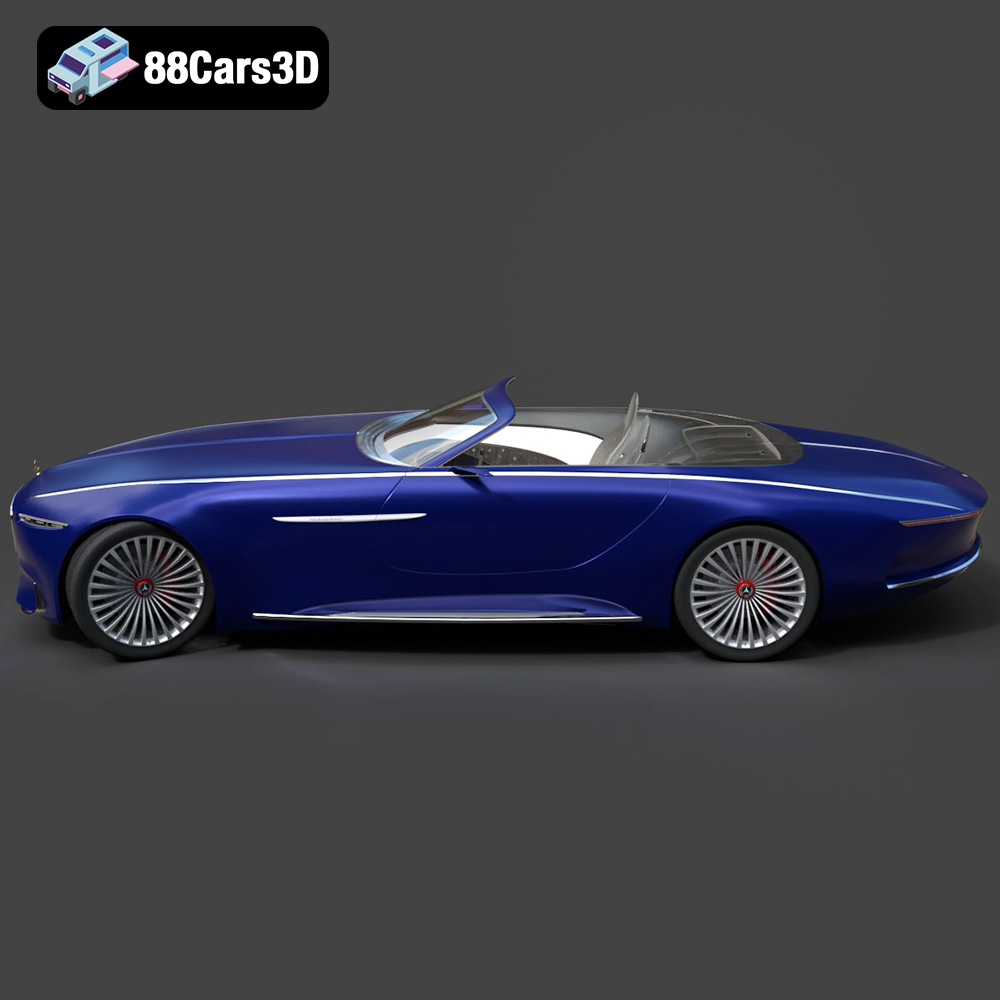
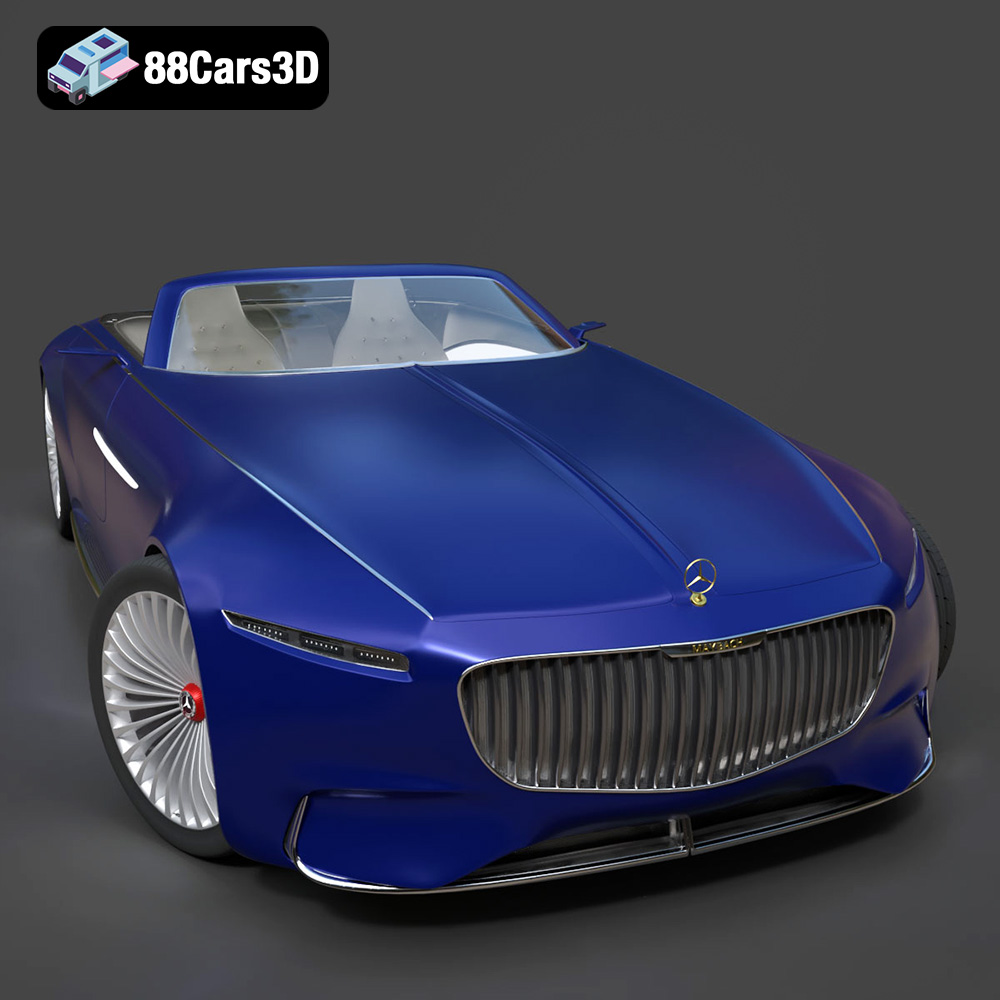
For marketing campaigns, lifestyle scenes, and cinematic sequences, visual fidelity is paramount. The Vision 6 model’s exceptional quality, boasting accurate geometry and sweeping proportions, ensures that every curve, every reflection, and every detail holds up under intense scrutiny. Utilizing physically-based rendering (PBR) workflows in software like 3ds Max with V-Ray or Blender with Cycles, artists can achieve stunning realism. The iconic vertical strut front grille, the ultra-narrow LED headlight strips, and the aerodynamic boat-tail rear design are all meticulously modeled, allowing for breathtaking close-ups. With proper studio lighting setups and environment HDRIs, the metallic finishes and transparent elements of the 24-inch wheels can be rendered with dazzling authenticity, making the digital car indistinguishable from its physical counterpart. The provided high-quality textures and optimized mesh, around 250,000 triangles, ensure that artists can achieve pristine detailing without compromising rendering speeds, a critical factor in large-scale productions.
The demand for immersive AR/VR experiences is rapidly growing, from virtual showrooms to interactive configurators. The Mercedes-Maybach Vision 6 3D model is perfectly suited for these applications. Its “game-ready” optimization, particularly the balanced triangle count, is crucial for maintaining smooth framerates in real-time AR/VR environments. Imagine a luxury car showroom where potential buyers can walk around, open the gullwing doors, and even “sit inside” the lounge-like interior, exploring every detail of the continuous digital display and transparent center tunnel. The model’s availability in .glb format further streamlines integration into web-based and mobile AR/VR platforms, making it easier than ever to deploy these interactive experiences. The ability to customize body colors and material finishes further enhances user engagement, allowing for personalized virtual tours.
The gaming industry constantly strives for realism and immersion, and vehicle assets play a massive role in achieving this. From open-world adventures to dedicated racing simulators, the quality of 3D car models directly impacts player experience. The Mercedes-Maybach Vision 6 2018 3D Model is engineered from the ground up to meet the rigorous demands of modern game development.
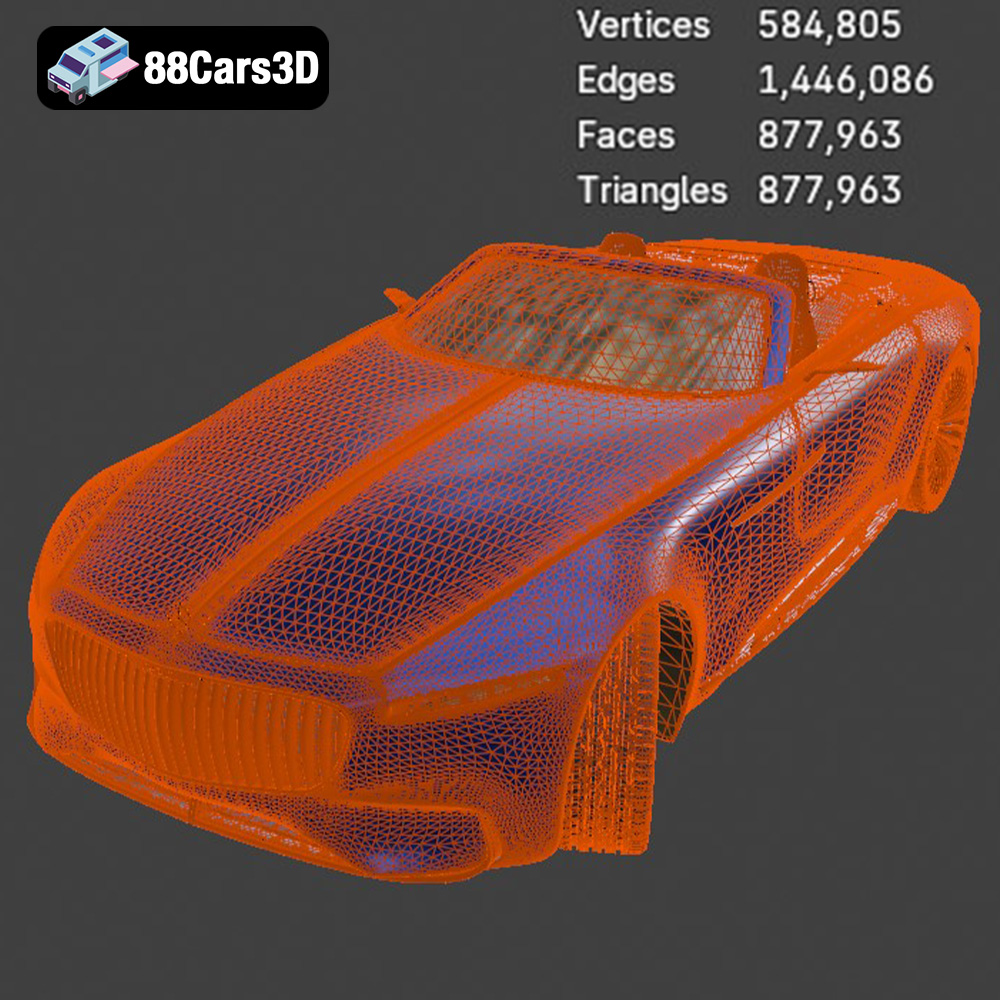
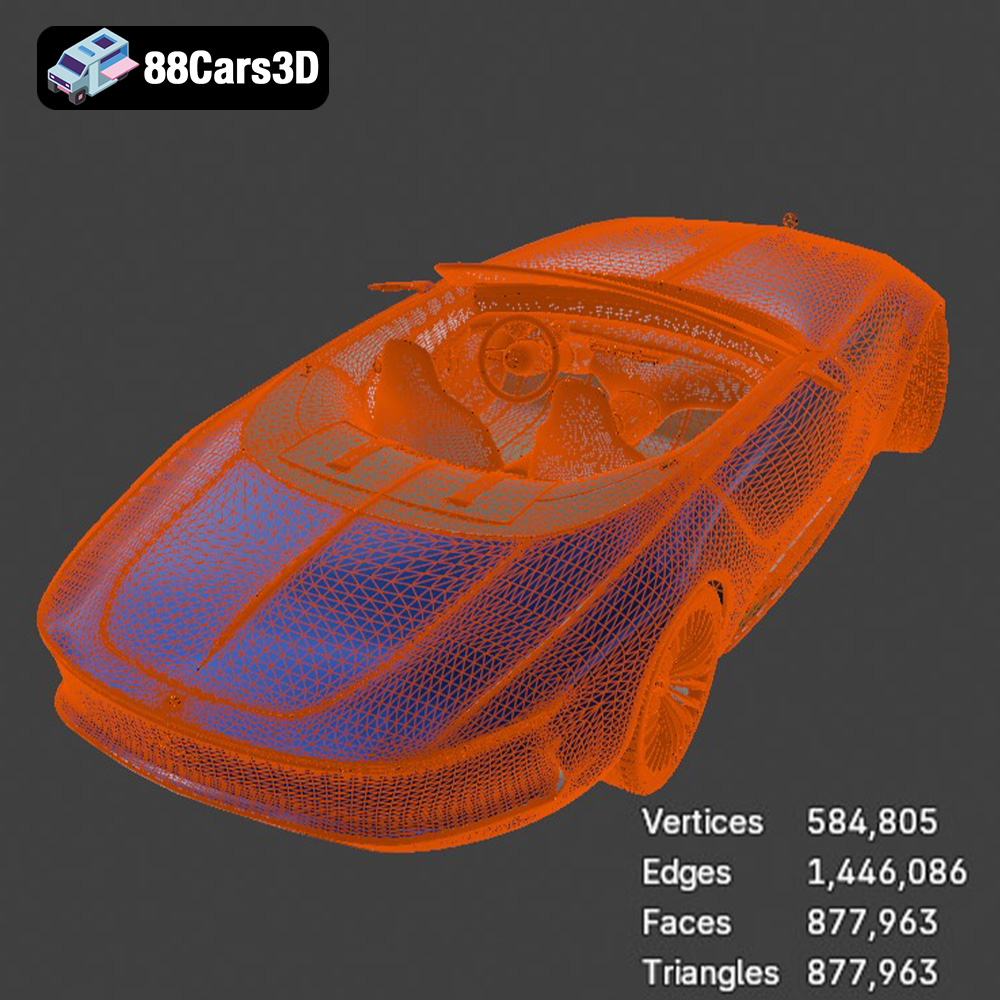
The core challenge in game development is balancing visual fidelity with performance. The Vision 6 model achieves this delicate equilibrium with an optimized topology of approximately 250,000 triangles. This polycount is significant enough to convey the car’s intricate design and luxurious details, yet low enough to ensure efficient real-time rendering in engines like Unreal Engine and Unity. Such optimization means developers can populate their virtual worlds with high-quality vehicles without bogging down the game engine. Furthermore, the model comes with real-world scale accuracy and proper pivot setups for steering, wheel rotation, and suspension travel. These technical specifications are invaluable, as they simplify the integration of realistic physics and animation, drastically cutting down on development time and resources. Importing the .fbx or .unreal versions into your engine allows for immediate use, reducing the need for extensive re-rigging or re-exporting.
Modern games often feature extensive vehicle customization and dynamic interactions. The Mercedes-Maybach Vision 6 3D model is designed with this in mind. Its separate wheels, suspension, and steering components are ideal for implementing realistic vehicle dynamics, complex animations, and responsive controls. Game designers can easily animate the stunning gullwing doors, simulate suspension travel over varied terrain, and enable precise steering. The ability to change body colors, modify tire textures, and adjust material finishes empowers players with personalization options, adding depth and replayability. Inside, the optimized geometry for first-person POV makes the futuristic minimalist steering wheel and continuous digital display perfectly rendered for an immersive cockpit experience, crucial for racing games and simulators where the player spends considerable time behind the wheel.
The convergence of digital design and physical manufacturing has never been more accessible. 3D printing offers an incredible avenue for bringing digital creations into the tangible world, and the Mercedes-Maybach Vision 6 2018 3D Model is fully prepared for this transition. For designers, engineers, and hobbyists, creating a physical replica of this magnificent concept car is an exciting prospect.
For a concept car like the Vision 6, 3D printing serves multiple purposes: rapid prototyping of design elements, creating display-scale models for presentations, or even producing collector’s items. The availability of the model in the .stl format is key to this functionality, as .stl is the universal language of 3D printers. Converting the highly detailed digital model into a physical object allows for a deeper appreciation of its unique proportions and intricate features, from the sweeping low roofline to the precise details of the aerodynamically optimized wheels. This capability transforms a purely digital asset into a versatile tool for both aesthetic and practical applications, extending its value beyond screens.
Achieving a high-quality 3D print requires careful attention to settings, and the product description provides excellent guidance for the Mercedes-Maybach Vision 6. Recommended scales of 1:12, 1:18, or 1:24 offer flexibility for various display sizes. For optimal detail, especially for the intricate grille, LED strips, and interior components, resin printing (SLA/DLP) with a layer height of 0.04–0.12 mm is highly recommended. Adequate wall thickness (1.2–2.0 mm) and infill (20–30%) ensure structural integrity. Supports will be required for overhangs and delicate parts like mirrors and the steering wheel to prevent warping and ensure fidelity. Printing the frame angled and wheels separately is a smart strategy for strength and easier post-processing. After printing, sanding, priming, and applying authentic factory colors with metallic finishes can elevate the replica to museum-quality status, truly bringing the Vision 6 to life on your desk.
A high-quality 3D asset is more than just an accurate representation; it’s a flexible foundation upon which artists and developers can build their unique visions. The Mercedes-Maybach Vision 6 2018 3D Model exemplifies this adaptability, offering extensive customization options and seamless integration into diverse professional pipelines.
The ability to customize a 3D model is crucial for fitting it into specific project requirements or artistic directions. With the Vision 6 model, artists can easily change body colors, from factory defaults to custom concept finishes, to match brand guidelines or creative moods. Modifying tire textures and wheel transparencies allows for nuanced visual adjustments, catering to different rendering styles or game environments. Adjusting material finishes – whether matte, gloss, or metallic – fundamentally alters the car’s perceived luxury and interaction with light. Furthermore, adapting interior fiber-optic lighting for various environments adds another layer of realism and atmosphere. These customization options ensure that the Mercedes-Maybach Vision 6 is not just a static model but a dynamic asset that can be tailored to any narrative or visual brief, allowing for endless creative possibilities without requiring a complete re-model.
In a fast-paced professional environment, efficiency is paramount. The Mercedes-Maybach Vision 6 3D Model’s compatibility with major 3D software platforms (like Blender and 3ds Max via .blend and .max files) and real-time rendering engines (Unreal, Unity via .fbx, .unreal, .glb) is a significant advantage. This wide array of supported formats eliminates common compatibility headaches, ensuring that designers, animators, and game developers can integrate the asset into their existing workflows with minimal friction. The “game-ready & optimized” nature, coupled with proper pivot setups and real-world scale, saves countless hours that would otherwise be spent on optimization, rigging, and scaling adjustments. This means a quicker turnaround for projects, allowing teams to focus on creative iteration rather than technical troubleshooting. Investing in a high-quality asset from a trusted source like 88cars3d.com ultimately translates into increased productivity and superior final output, making it an invaluable addition to any professional toolkit.
The Mercedes-Maybach Vision 6 2018 is a concept car that continues to captivate, embodying luxury, innovation, and a glimpse into the future of automotive design. The Mercedes-Maybach Vision 6 2018 3D Model brings this vision directly to the fingertips of digital artists and developers, offering an unparalleled asset for a myriad of applications. From crafting breathtaking cinematic renders and immersive AR/VR experiences to developing high-performance game assets and precise 3D-printed prototypes, this model provides the technical sophistication and artistic detail required by today’s demanding creative industries.
Its optimized topology, extensive file format support, and meticulous attention to both exterior and interior features underscore its value as a premium resource. Whether you’re a seasoned professional seeking to enhance your automotive rendering portfolio, a game developer building the next generation of virtual worlds, or an AR/VR innovator creating interactive showcases, this model delivers on all fronts. Discover the full potential of this exceptional 3D asset and elevate your projects to new heights. Explore the Mercedes-Maybach Vision 6 2018 3D Model and many other high-quality 3D car models available at 88cars3d.com today.
The Mercedes-Maybach Vision 6 2018 is a breathtaking electric concept car that pays a stunning homage to the glorious age of the aero coupes. It features dramatic, extreme proportions with a massively elongated hood, a sweeping low roofline, and an iconic vertical strut grille inspired by a pinstriped suit. Key visual elements include the striking gullwing doors, ultra-slim LED headlights, an aerodynamic boat-tail rear design, and massive 24-inch transparent aerodynamically optimized wheels. This 3D model boasts exceptional quality with optimized topology (approximately 250,000 triangles), delivering a perfect balance between high visual fidelity and game-ready performance. Whether you are developing a next-gen racing game, creating an interactive AR/VR luxury showroom, or producing cinematic animations, this model provides pristine detailing without compromising rendering speeds. Perfect for luxury car showcases, cinematic rendering, futuristic game environments, and high-end VR configurators.
$39.99
.2018
.blend
.fbx
.glb
.max
.obj
.ply
.rendering
.stl
.unreal
car-3d-model
concept-car
game asset
game-ready
low-poly
luxury car
mercedes-maybach
optimized
vision-6
VR/AR