Get 20% OFF All Premium 3D & STL Models!

The automotive world has long been a source of fascination, combining engineering marvels with stunning aesthetics. In today’s digital landscape, this fascination extends beyond physical showrooms and racetracks into the intricate realms of 3D modeling, real-time rendering, and immersive virtual experiences. Professionals across game development, architectural visualization, advertising, and product design constantly seek high-quality 3D car models to bring their visions to life with unparalleled realism. These assets are not just static representations; they are dynamic tools that drive innovation and captivate audiences.
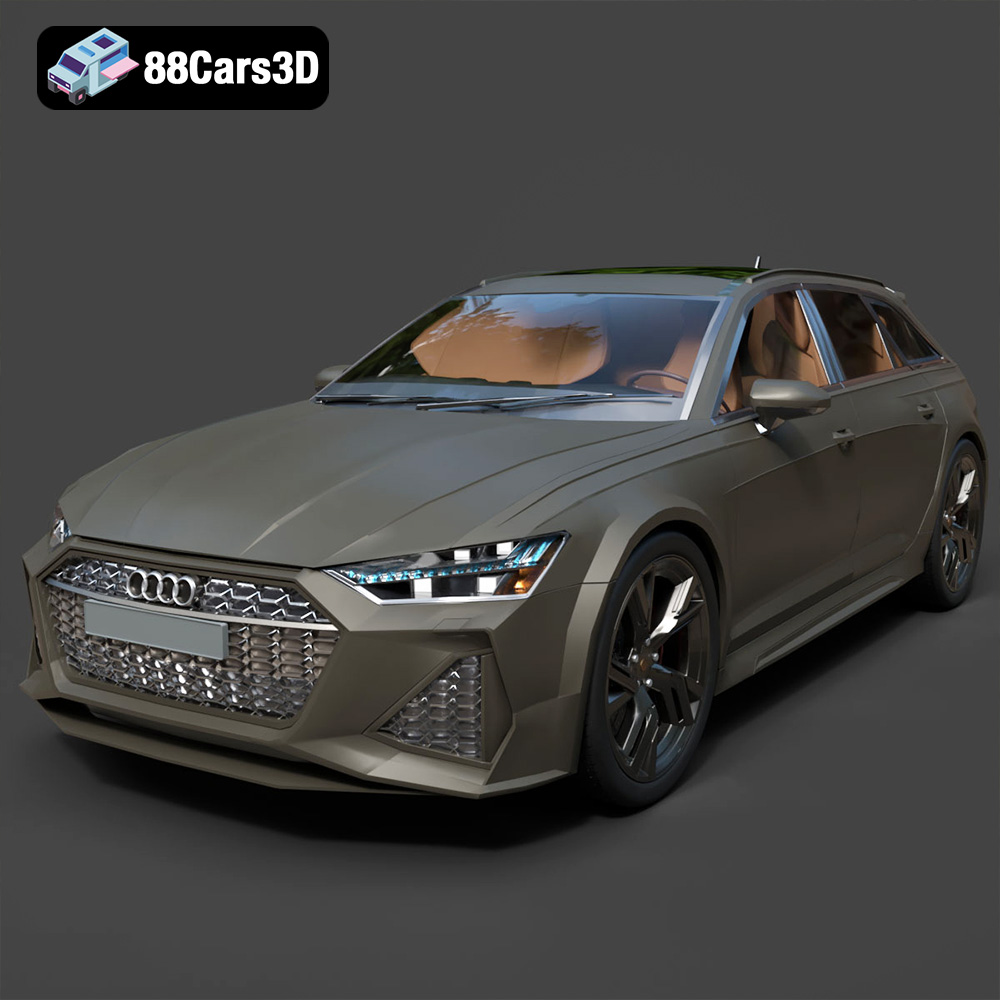
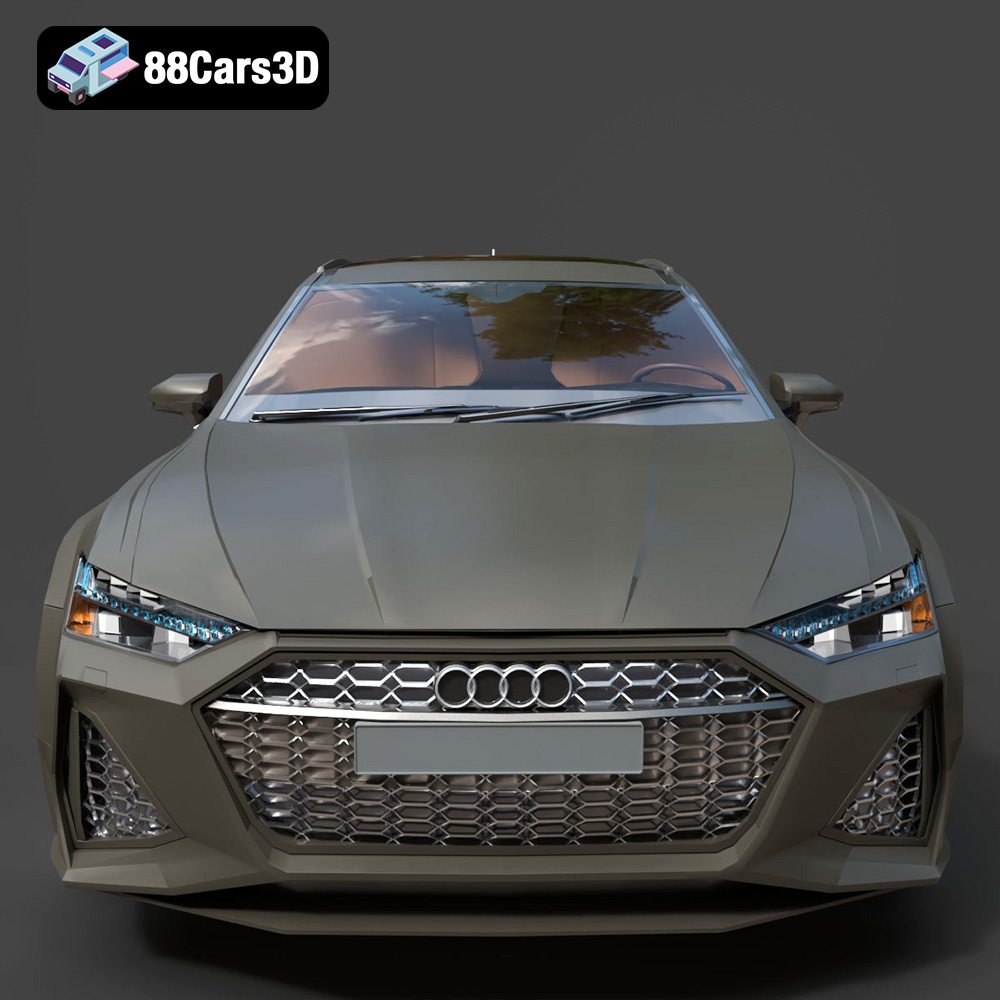
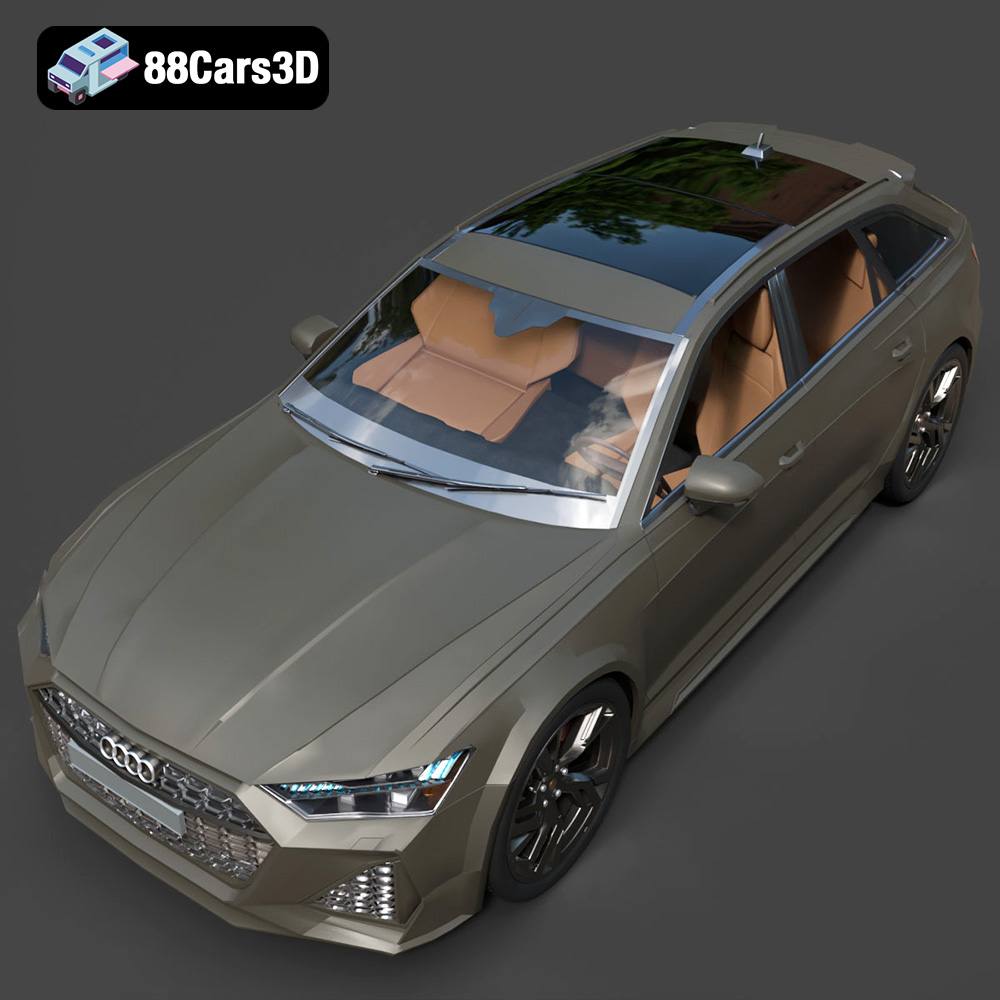
The demand for precision and performance in 3D assets has never been higher. Whether it’s crafting a hyper-realistic scene for a cinematic render, integrating a vehicle into an open-world game, or designing an interactive virtual showroom, the foundation of success lies in the quality of the 3D model itself. This is where a truly exceptional asset, like the Audi RS6 3D Model from 88cars3d.com, proves its worth. Renowned for its blend of aggressive styling and practical prowess, the Audi RS6 Avant is a legend in its own right, and its digital counterpart offers an incredible opportunity for creators to leverage this iconic vehicle in their projects. This model isn’t just a pretty facade; it’s a meticulously crafted digital twin, optimized for a wide array of professional applications, from high-speed racing simulations to breathtaking architectural visualizations.
Creating a truly high-fidelity 3D car model is a complex endeavor that balances artistic vision with rigorous technical requirements. It demands an understanding of real-world vehicle design, meticulous attention to detail, and a deep knowledge of 3D software and engine optimization. The goal is to produce an asset that is visually indistinguishable from its real-life counterpart while remaining efficient enough for demanding digital environments.
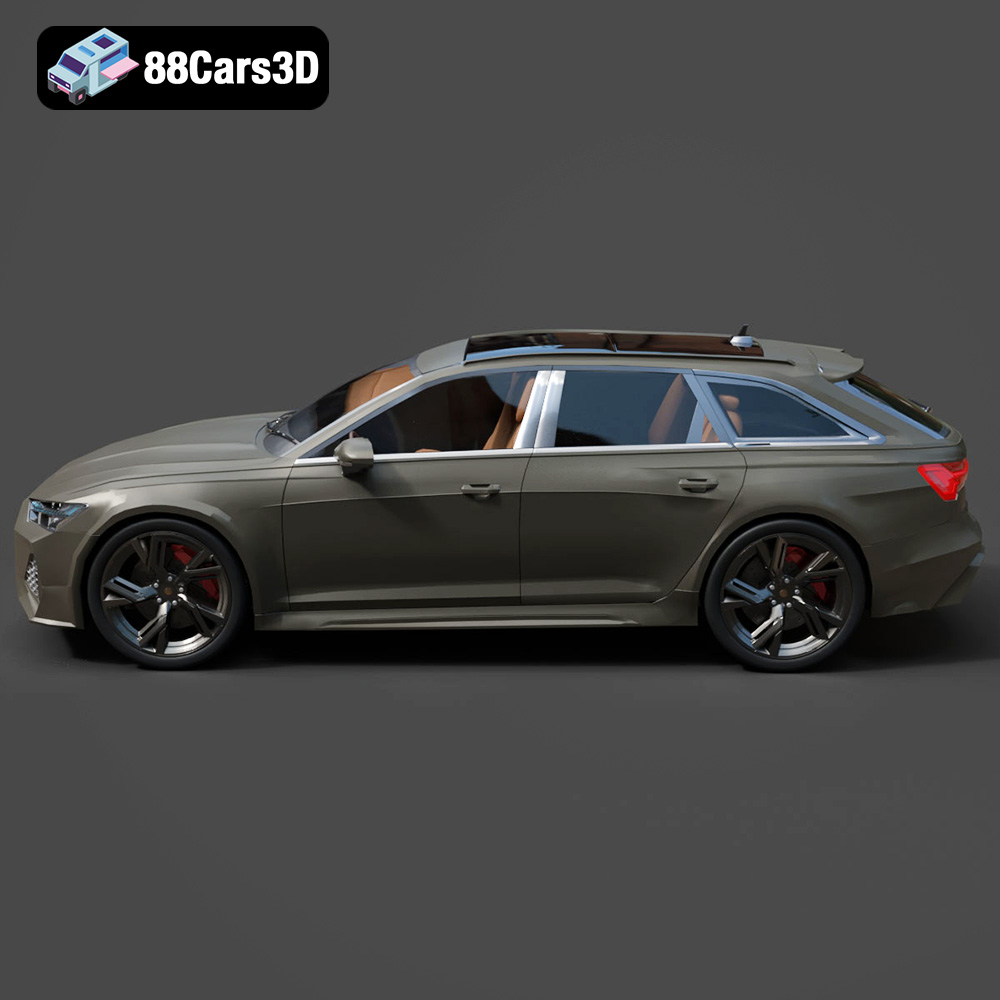
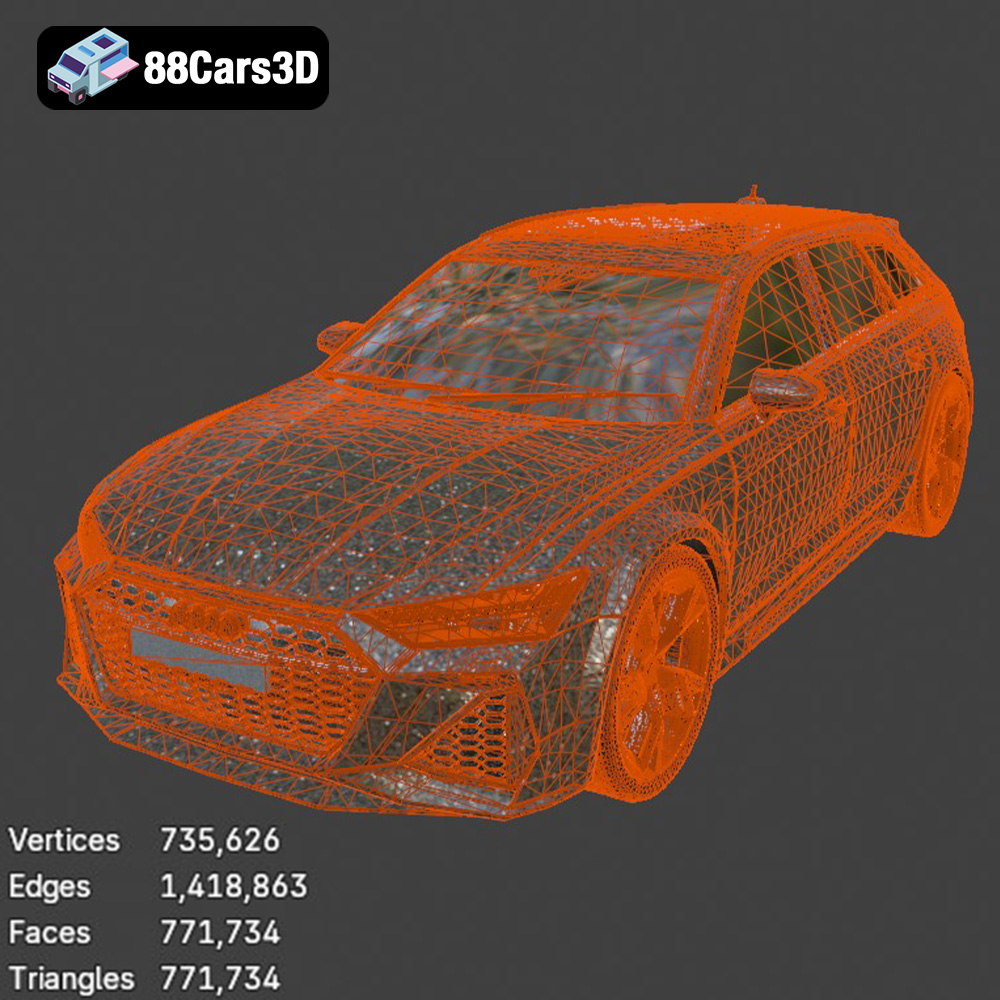
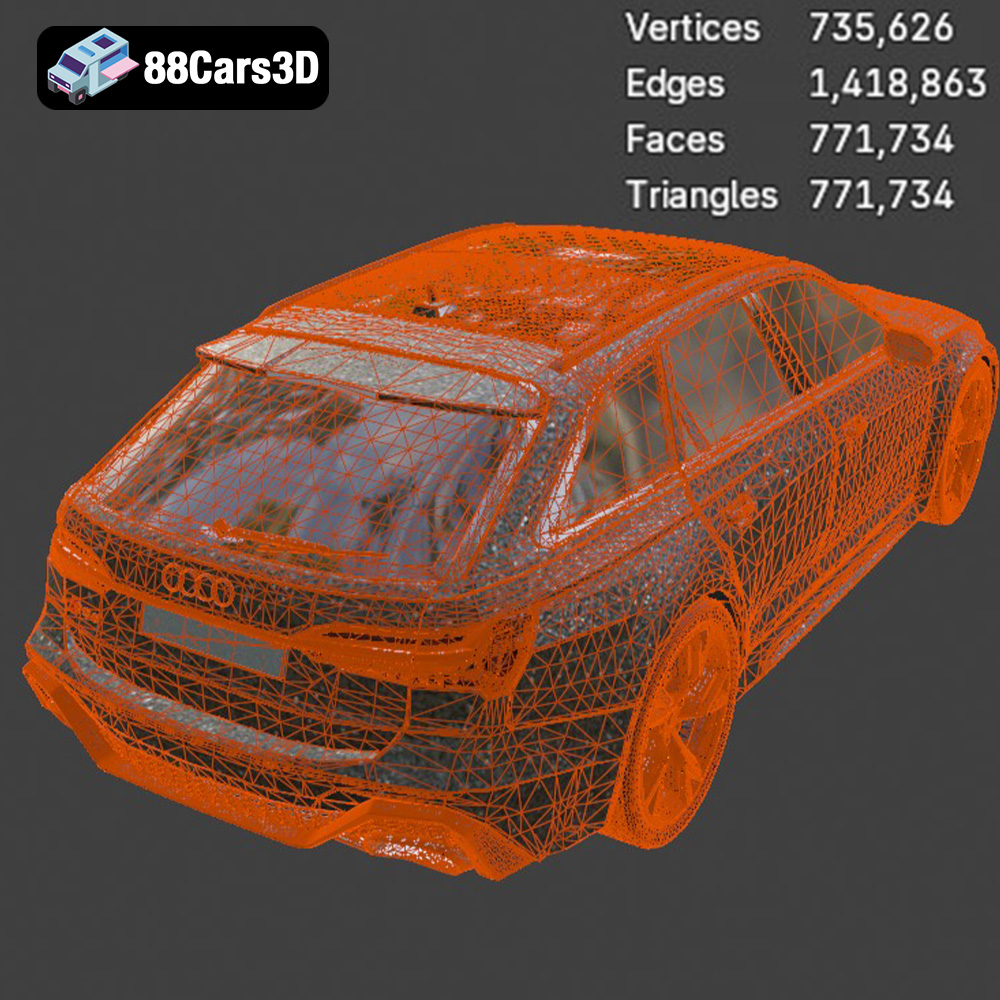
For game development, the challenge is particularly acute. Game assets, especially 3D car models, must strike a delicate balance between visual fidelity and real-time performance. Too many polygons, and the frame rate drops; too few, and the model lacks detail. The Audi RS6 3D Model embodies this perfect equilibrium with an optimized triangle count of approximately 150,000. This specification is crucial for titles aiming for photorealism without sacrificing playability. It ensures that the model can be rendered efficiently across various gaming platforms, from high-end PCs to console and even mobile AR/VR experiences, making it an ideal choice for racing games, open-world simulations, and interactive experiences. Every curve of the body, the intricate detailing of the HD Matrix LED headlights, and the aggressive stance of the multi-spoke alloy wheels are meticulously represented, ensuring that the in-game experience is as immersive as possible.
Beyond polygon count, accurate vehicle geometry is paramount. This includes maintaining real-world scale, correct proportions, and a clean, efficient topology. The Audi RS6 3D Model features accurate Audi RS6 Avant frame geometry and proportions, essential for realistic physics simulations and seamless integration into virtual scenes. Furthermore, the model includes separate components for wheels, suspension, and steering, all with properly set pivots. This level of granular detail allows for complex animations – from realistic steering and wheel rotation to accurate suspension travel over uneven terrain – without needing extensive post-import rigging. Such technical considerations are not merely aesthetic; they are fundamental to creating a believable and interactive automotive experience, whether for a game or an advanced vehicle configurator.
The world of 3D modeling is rich with various file formats, each serving specific purposes and offering unique advantages for different stages of a project or different target applications. Choosing the correct format is not merely a matter of compatibility; it dictates the model’s functionality, its ease of use in a particular software, and its ultimate performance in a final rendering or real-time environment. The Audi RS6 3D Model from 88cars3d.com thoughtfully provides a comprehensive suite of formats, ensuring maximum flexibility for professionals.
Two of the most robust and versatile formats for original 3D project files are .blend and .max.
* .blend: This is the native file format for Blender, a powerful and increasingly popular open-source 3D creation suite. A .blend file typically encapsulates an entire Blender scene, including the 3D model, materials, textures, lighting setups, cameras, animations, and even physics simulations. Its primary advantage is that it provides a fully editable Blender scene, allowing artists to dive deep into the model’s construction, modify its topology, tweak materials, adjust UV maps, or integrate it seamlessly into existing Blender projects. For users heavily invested in the Blender ecosystem, this format offers the most control and flexibility for custom modifications and advanced rendering with Cycles or Eevee.
* .max: Correspondingly, .max is the native file format for Autodesk 3ds Max, a long-standing industry standard for 3D modeling, animation, and rendering, especially in architectural visualization, broadcast, and product design. Like .blend, a .max file stores a complete 3ds Max project, including geometry, materials (often V-Ray, Corona, or Arnold-ready), lighting, cameras, and animation data. It offers full editability within 3ds Max, making it ideal for professionals who rely on its robust toolset for high-end rendering, complex scene assembly, and intricate animation sequences. Access to the original .max file for the Audi RS6 3D Model means complete control over every aspect within a 3ds Max workflow.
For real-time applications like video games and interactive experiences, specific formats are optimized for performance and ease of integration.
* .fbx: Developed by Autodesk, FBX (Filmbox) has become a ubiquitous interchange format, particularly for game development. It is ideal for Unreal Engine, Unity, and other real-time pipelines because it efficiently stores 3D models, textures, skeletal animation, and rigging information in a single file. The .fbx format is designed for portability and performance, making it straightforward to import complex animated models into game engines while preserving critical data like pivot points and hierarchies. Its widespread support makes it a go-to choice for transferring assets between different 3D software and engines, ensuring that the game-ready Audi RS6 3D Model can be dropped directly into a development project.
* .unreal: While not a standalone file format in the traditional sense, a “.unreal” file often refers to an asset package specifically prepared and optimized for direct import into Unreal Engine. This typically means an .fbx file that has already been tested, correctly scaled, and often accompanied by Unreal Engine material setups, blueprints, or even pre-configured levels. This format significantly streamlines the workflow for Unreal Engine developers, minimizing the need for manual setup and ensuring that the Audi RS6 model is engine-ready for real-time environments, with optimized materials and textures that conform to Unreal’s physically-based rendering (PBR) pipeline.
Other formats cater to a broader range of uses, from universal compatibility to specialized applications like AR/VR and 3D printing.
* .obj: The OBJ (Wavefront Object) format is one of the oldest and most widely supported 3D formats, known for its universality. It stores geometry data (vertices, normals, texture coordinates) and references external material files (.mtl). While it doesn’t support animation, its simplicity and widespread compatibility make it an excellent choice for cross-software transfers when only mesh data is required. It’s a reliable fallback for importing the Audi RS6 into virtually any 3D application.
* .glb: GLB (GL Transmission Format Binary) is an increasingly important format, especially optimized for AR, VR, and browser-based display. It’s a self-contained, binary version of glTF, which can embed models, textures, and animations into a single file. This makes it highly efficient for web applications, mobile AR experiences, and platforms that require quick loading and rendering. The Audi RS6 in .glb format is perfect for virtual car configurators or immersive VR showrooms accessible via web browsers or mobile devices.
* .stl: The STL (Stereolithography) format is the industry standard for 3D printing output. It represents a 3D model as a series of connected triangles, describing only the surface geometry without color or texture information. While simple, it’s the language most 3D printers understand. The Audi RS6 3D Model, when converted to .stl, allows hobbyists and professionals to physically manifest the digital design, creating scale models or prototypes. The product description even provides detailed print settings, highlighting its suitability for 3D printing.
* .ply: PLY (Polygon File Format) is another format that stores 3D data, often used for scanned data or scientific applications. It supports both polygons and vertex properties (color, normal, etc.) and can be more flexible than .obj in terms of data types. It’s a precision mesh format suitable for CAD or analysis, offering another avenue for specialized applications of the Audi RS6 model beyond standard rendering.
This extensive range of included file formats ensures that the Audi RS6 3D Model is not just a high-quality asset, but a highly adaptable one, ready for almost any project or workflow a professional might encounter.
High-quality automotive rendering is a cornerstone of advertising, design visualization, and cinematic production. It’s about more than just a good model; it’s about crafting compelling visuals that tell a story and evoke emotion. The Audi RS6 3D Model, with its detailed exterior and interior features, provides an exceptional foundation for creating breathtaking renders.
For many rendering professionals, 3ds Max coupled with renderers like V-Ray or Corona is the go-to setup for achieving cinematic realism. The .max file provided with the Audi RS6 3D Model means artists can immediately access a properly scaled, clean mesh within their familiar environment.
A typical workflow involves:
This workflow transforms the digital model into visuals suitable for high-end brand campaigns or luxury lifestyle scenes.
Blender has emerged as a powerhouse for 3D artists, offering incredible rendering capabilities with Cycles for photorealism and Eevee for real-time visualization. The .blend file for the Audi RS6 3D Model integrates seamlessly into this ecosystem.
The model’s real-world scale accuracy is a huge advantage for creating believable renders in any environment.
Architectural visualization benefits immensely from realistic vehicle integration. A high-quality 3D car model can transform an empty street or driveway into a vibrant, lived-in space. The Audi RS6, with its blend of performance and luxury, is particularly well-suited for adding prestige to arch-viz renders.
This capability elevates standard architectural renders into compelling narratives, showcasing how the Audi RS6 3D Model seamlessly blends into diverse visual storytelling needs.
The core strength of the Audi RS6 3D Model lies in its “game-ready” designation, meaning it’s optimized for performance within leading real-time engines like Unreal Engine and Unity. This optimization is not just about polygon count; it encompasses proper scaling, pivot setup, and efficient material handling.
For game developers, performance is paramount. The Audi RS6 model’s ~150,000 triangle count strikes an excellent balance, providing visual richness without bogging down the engine.
This diligent optimization process ensures that the Audi RS6 runs smoothly, even in demanding environments.
A static car model is only half the story in a game or simulation. Bringing the Audi RS6 to life requires robust physics, dynamic animation, and interactive capabilities.
The comprehensive design of the Audi RS6 3D Model truly supports a full spectrum of real-time functionalities.
AR (Augmented Reality) and VR (Virtual Reality) represent the cutting edge of immersive visualization. The Audi RS6 3D Model is ideally suited for these platforms, offering unique opportunities for engagement.
The model’s high fidelity combined with its optimization makes it an exceptional asset for building the next generation of immersive automotive experiences.
While digital visualization is a primary application, the Audi RS6 3D Model also opens doors to the physical world through 3D printing. This capability transforms a virtual asset into a tangible object, bridging the gap between digital design and real-world craftsmanship.
3D printing requires specific preparations to ensure a successful physical output. The inclusion of the .stl format, specifically for 3D printing, simplifies this process significantly.
This meticulous preparation ensures that the digital precision of the Audi RS6 model translates into a high-quality physical output.
The ability to 3D print the Audi RS6 3D Model opens up several exciting applications:
The transformation from digital asset to physical object underscores the versatility and value inherent in a well-crafted 3D car model like the one available at 88cars3d.com.
In the fast-paced world of digital content creation, time is a precious commodity. Creating a truly exceptional 3D car model from scratch is a monumental undertaking, requiring hundreds of hours of expert craftsmanship. This is precisely why platforms like 88cars3d.com, offering premium, pre-optimized 3D car models, are indispensable resources for professionals and enthusiasts alike.
The Audi RS6 3D Model exemplifies the advantages of acquiring a professional-grade asset. It arrives “game-ready & optimized,” alleviating the need for extensive post-purchase cleanup or optimization. This means:
This “plug-and-play” capability, particularly for complex assets like high-performance vehicles, translates directly into increased efficiency and faster project completion, making it a smart investment for any production pipeline.
The true value of a versatile asset like the Audi RS6 3D Model lies in its ability to empower creativity across a spectrum of industries.
The breadth of applications for this single asset underscores its profound utility. By providing such a high-caliber asset, 88cars3d.com empowers creators to push the boundaries of their digital projects, ensuring they have the tools necessary to produce visually stunning and technically sound results. Investing in a meticulously crafted 3D car model like the Audi RS6 from a trusted source is not just about acquiring an asset; it’s about acquiring a foundation for limitless creative exploration.
The digital realm demands precision, performance, and aesthetic excellence, particularly when it comes to capturing the allure of an iconic vehicle like the Audi RS6. A truly professional 3D car model serves as the backbone for an incredibly diverse range of projects, from the adrenaline-fueled world of racing games to the sleek showcases of automotive rendering and the tangible output of 3D printing. The Audi RS6 3D Model, available for download at 88cars3d.com, stands as a testament to this blend of artistry and engineering.
Its meticulously crafted geometry, optimized triangle count, and comprehensive technical features—including accurate pivots for animation and robust material setups—make it an indispensable tool for game developers, visualization artists, and AR/VR creators. The wide array of included file formats (.blend, .fbx, .obj, .glb, .stl, .ply, .unreal, .max) ensures seamless integration into virtually any professional workflow, providing unparalleled flexibility. Whether you are aiming for cinematic realism in 3ds Max, dynamic gameplay in Unreal Engine, or a tangible scale model via 3D printing, this model is designed to exceed expectations. By leveraging such a high-quality asset, creators can save invaluable time, elevate their visual storytelling, and focus on innovation rather than basic asset creation. For anyone seeking to infuse their projects with the legendary performance and aggressive style of the Audi RS6 Avant, this 3D model offers a comprehensive and compelling solution, ready to drive your digital ambitions forward.
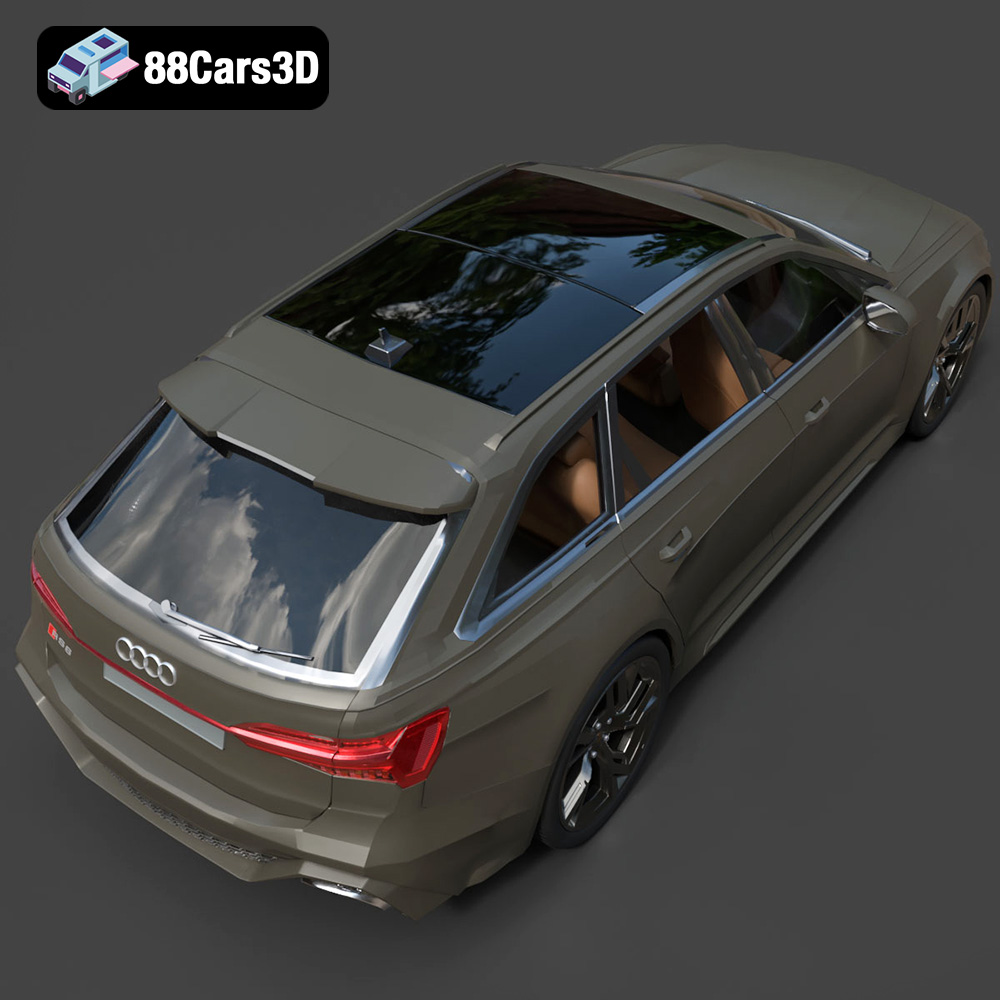
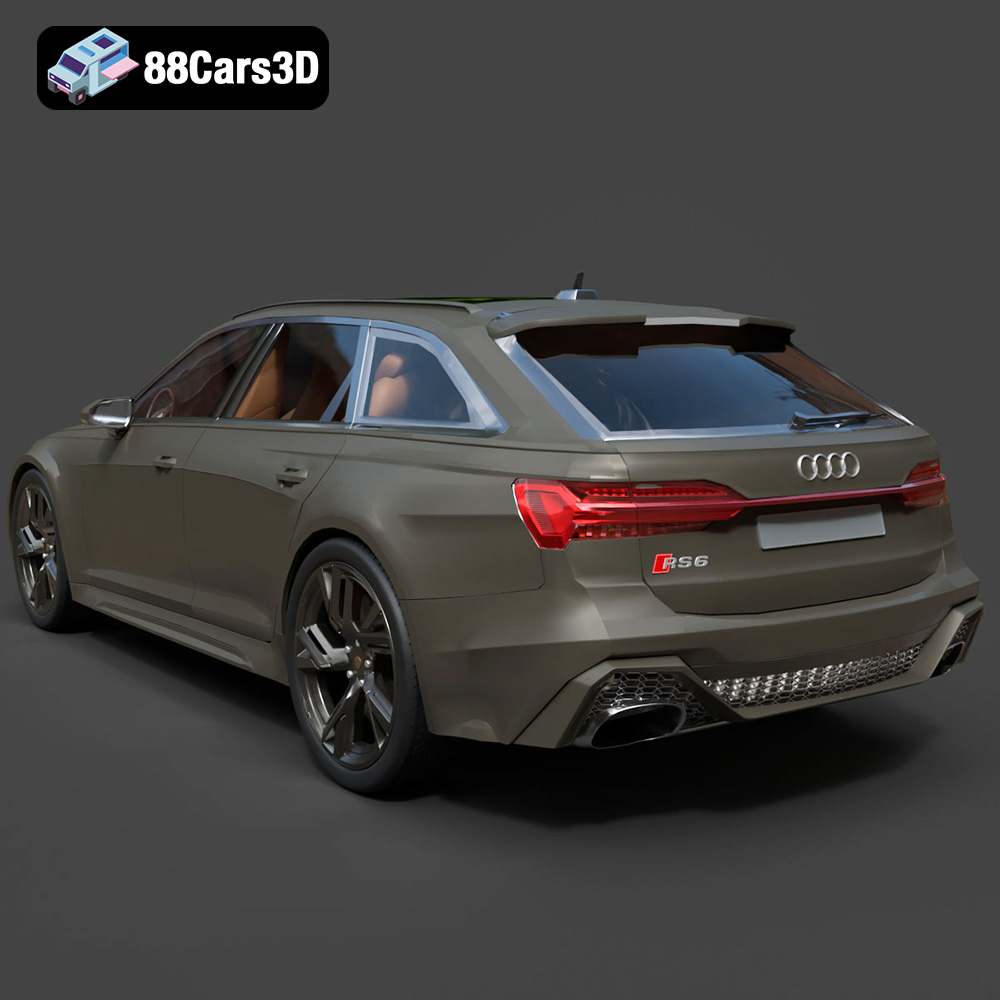
The Audi RS6 is a legendary high-performance estate car, combining aggressive styling with immense practicality and blistering speed. Known for its wide stance, iconic Singleframe grille, massive air intakes, and signature dual oval exhaust pipes, it represents the pinnacle of the modern sports wagon. This game-ready 3D model boasts exceptional topology and an optimized triangle count, ensuring top-tier visual fidelity without compromising real-time performance. Designed for game development, AR/VR experiences, architectural visualization, and high-end animations.
$19.99
.airbus .a380 .qatar .airliner .aircraft .airplane .jet .commercialaircraft .car3dmodel .rendering .simulation .gameasset .arvr .flight .blend .fbx .obj .glb .stl .ply .unreal .max
.audi
.blend
.fbx
.glb
.obj
.ply
.rendering
.stl
.unreal
audi-rs6
car-3d-model
estate-car
game asset
game-ready
low-poly
optimized
rs6
sports-wagon
VR/AR