Get 20% OFF All Premium 3D & STL Models!

In the dynamic world of 3D visualization, the demand for highly detailed and accurate assets is relentless. From hyper-realistic game environments to cinematic masterpieces and innovative AR/VR experiences, the quality of a 3D model can make or break a project. Automotive models, in particular, hold a special place due to their intricate designs, historical significance, and the sheer challenge of replicating their mechanical beauty.
While the focus often drifts to cutting-edge supercars, there’s a profound appreciation for the classics – vehicles that have defined generations and embody a unique cultural legacy. The Harley Davidson Knucklehead is one such icon. More than just a motorcycle, it’s a symbol of American engineering, freedom, and timeless design. Recreating such a legendary machine in 3D demands meticulous attention to detail, precision in every curve, and an understanding of its soul. This is precisely what professional artists and studios seek, and what a premium 3D model, like the Harley Davidson Knucklehead available on 88cars3d.com, delivers.
This article delves into the technical intricacies, artistic considerations, and diverse applications of high-quality 3D automotive and motorcycle models. We will explore the critical role of various file formats, the methodologies behind crafting realism, and how assets like the Harley Davidson Knucklehead seamlessly integrate into professional pipelines, elevating projects from concept to breathtaking reality.
The choice of a 3D model file format is far more critical than many realize. It dictates compatibility, performance, and the scope of manipulation within a given software environment or application. For a complex asset like the Harley Davidson Knucklehead 3D model, understanding the strengths of each included format is paramount for professionals aiming for seamless integration and optimal results across various platforms.
The .blend format is Blender’s native file type, offering a comprehensive and fully editable scene. When you download the Harley Davidson Knucklehead in .blend format, you’re not just getting the mesh; you’re receiving a complete project file. This includes the model’s geometry, meticulously configured PBR (Physically Based Rendering) materials, textures, lighting setups, cameras, and even animation data if present. This is ideal for artists working within Blender who need full creative control, whether for rendering, animation, or further customization. It ensures that all scene parameters are preserved exactly as intended by the original artist, providing a robust starting point for any Blender-based workflow.
.fbx (Filmbox) is arguably the most widely adopted 3D exchange format in the entertainment industry. Developed by Autodesk, it excels at transferring 3D data between various software applications like 3ds Max, Maya, Blender, and crucially, game engines like Unreal Engine and Unity. An FBX file for the Knucklehead model will efficiently package geometry, UV maps, materials (often as references or simplified properties), textures, rigging, and animation. Its strength lies in its robustness and widespread support, making it the go-to format for real-time pipelines where performance and broad compatibility are key. It’s designed to be game-engine ready, providing a solid foundation for performance-optimized game assets.
The .obj (Wavefront Object) format is a universal standard, prized for its simplicity and near-universal compatibility. Almost every 3D software application can import and export OBJ files. It primarily stores geometric data – vertices, normals, UV coordinates, and faces – and can reference external material (.mtl) and texture files. While it doesn’t support advanced features like rigging or animation as robustly as FBX, its strength lies in its reliability for transferring clean mesh data. For users needing a straightforward mesh to import into any program for rendering or sculpting, the .obj version of the Harley Davidson Knucklehead is an excellent choice, ensuring maximum cross-software compatibility.
.glb (GL Transmission Format Binary) is a relatively newer format gaining significant traction, especially in AR/VR and web-based applications. It’s the binary version of glTF, designed for efficient transmission and loading of 3D scenes and models. A .glb file packages everything needed – geometry, materials, textures, animations – into a single, self-contained file. This makes it incredibly efficient for displaying 3D models directly in web browsers, social media, and AR/VR platforms with minimal loading times. For showcasing the Harley Davidson Knucklehead in an interactive online viewer or integrating it into an augmented reality experience, the .glb format is specifically optimized for performance and ease of use.
The .stl (Stereolithography) format is the standard for 3D printing. It represents a 3D model as a series of connected triangles (a triangular mesh) without any color, texture, or material information. Its sole purpose is to describe the surface geometry of a 3D object for manufacturing. If your goal is to physically manifest the iconic design of the Harley Davidson Knucklehead through 3D printing, the .stl file provides the precise geometric data required by slicing software and 3D printers. It’s crucial for prototyping, creating scale models, or even producing custom parts based on the original design.
.ply (Polygon File Format, or Stanford Triangle Format) is another format for storing 3D data, particularly useful for scanned data, CAD, and scientific visualization. It can store a wider range of properties than STL, including color, transparency, normals, texture coordinates, and even reliability information for each vertex and face. For highly detailed meshes or models where precision and additional data attributes are critical for analysis or specific engineering workflows, the .ply format offers a robust solution for the Harley Davidson Knucklehead model. It’s often used in applications requiring accurate measurement or inspection of the 3D geometry.
The .unreal file refers to a specific asset type or a packaged asset specifically configured for Unreal Engine. While typically assets are imported via FBX into Unreal, having a “.unreal” designated file implies a pre-configured, engine-ready asset. This means it might come with optimized materials, collision meshes, LODs (Levels of Detail), and blueprint setups already applied, saving significant time for Unreal Engine developers. For the Harley Davidson Knucklehead, this can translate to a drag-and-drop experience into an Unreal project, with materials correctly applied and performance considerations already handled, making it an invaluable time-saver for game development and real-time visualization.
Similar to .blend for Blender, the .max format is Autodesk 3ds Max’s native scene file. This format provides the most comprehensive data for users working within 3ds Max, including all geometry, modifiers, materials (V-Ray, Corona, Arnold, etc., depending on the setup), lighting, cameras, animation, and scene organization. The .max file for the Harley Davidson Knucklehead offers complete creative freedom for high-end architectural visualization, cinematic rendering, and detailed animation projects. It allows artists to leverage 3ds Max’s powerful rendering capabilities and extensive plugin ecosystem to achieve photorealistic results or integrate the model into complex animated sequences.
The provision of such a wide array of formats by 88cars3d.com ensures that the Harley Davidson Knucklehead 3D model is truly versatile and accessible to professionals across the entire spectrum of 3D production.
Achieving photorealism in 3D modeling, especially for complex subjects like a classic motorcycle, is a delicate balance between artistic vision and technical precision. The Harley Davidson Knucklehead 3D model is a testament to this blend, meticulously designed to capture not just the form but also the essence of the legendary machine.
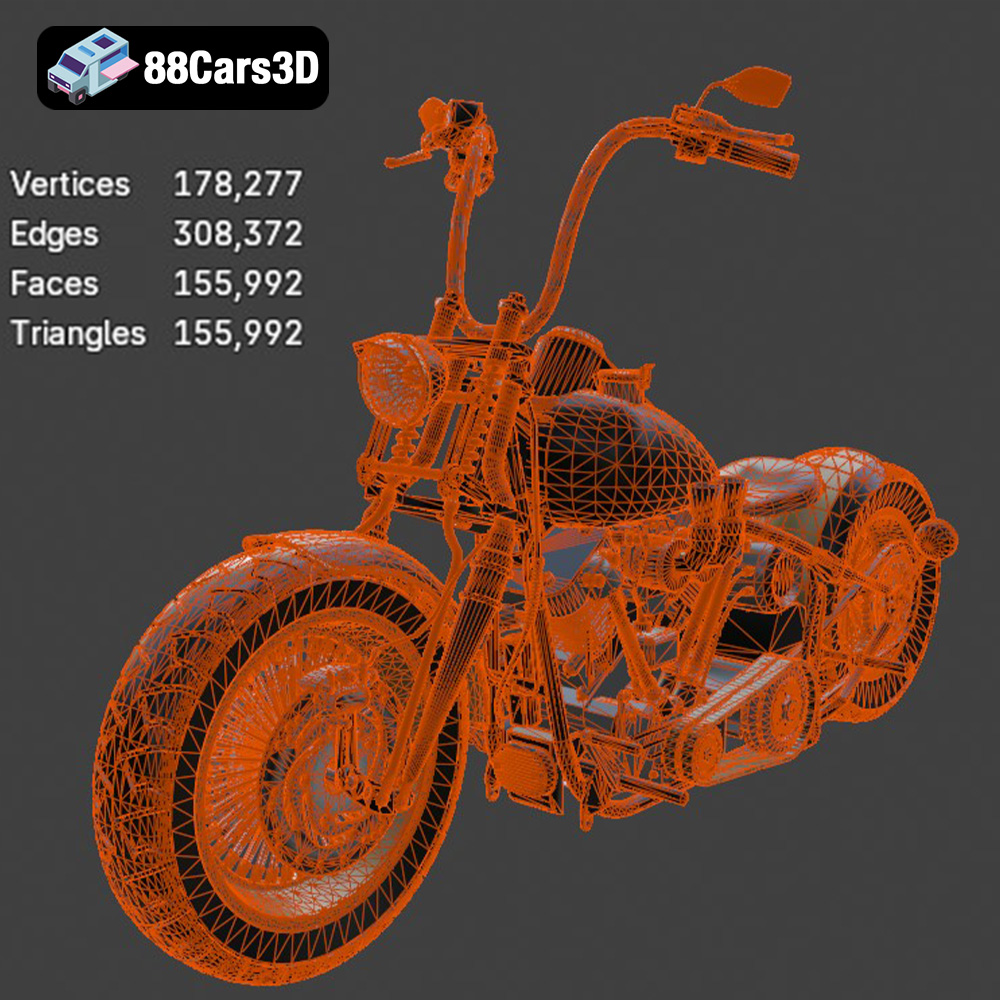
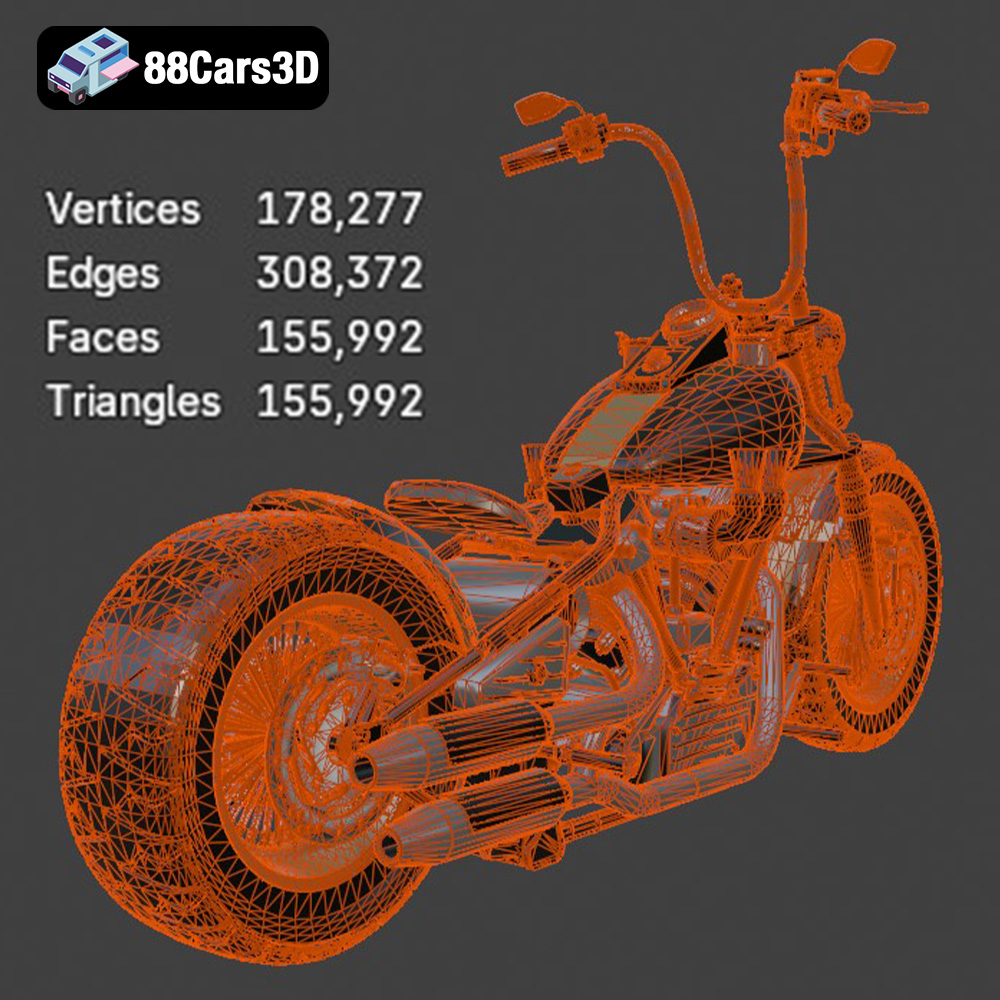
The foundation of any high-quality 3D model is its geometry and topology. For the Knucklehead, this means a clean, well-structured mesh with an optimized polygon count. “Optimized” doesn’t necessarily mean low-poly; it means the polygon distribution is efficient, using more polygons where detail is critical (e.g., the distinct knuckle valve covers, the engine fins, the intricate carburetor) and fewer where surfaces are smoother. This approach ensures maximum visual fidelity without unnecessarily burdening rendering engines or real-time applications. Clean topology, often based on quads, facilitates smooth deformation for animation, easy UV mapping, and trouble-free subdivision, making the model highly adaptable for various production stages.
Modern rendering relies heavily on Physically Based Rendering (PBR) workflows. The Harley Davidson Knucklehead 3D model comes with meticulously configured PBR materials, meaning its surfaces react to light in a physically accurate manner, mimicking real-world materials like chromed steel, weathered leather, painted metal, and rubber. This involves a suite of texture maps – albedo (color), metallic, roughness, normal, ambient occlusion – all crafted with high fidelity. The textures replicate subtle scratches, reflections, and wear patterns, bringing an authentic, aged feel to the classic bike without appearing artificial. This level of detail is crucial for achieving truly photorealistic renders and immersive game environments.
Effective UV mapping is a cornerstone of professional 3D asset creation. For an object as complex as a motorcycle, UVs must be laid out efficiently and without stretching or overlaps, allowing textures to be applied accurately. The Harley Davidson Knucklehead model features carefully structured UV maps, ensuring seamless texture application and avoiding visual artifacts. Well-prepared UVs are essential not only for applying PBR textures but also for baking ambient occlusion, lightmaps for game engines, or even generating procedural textures. This technical detail significantly contributes to the model’s “production-ready” status, minimizing setup time for artists.
The true value of a premium 3D model lies in its versatility and ease of integration across a spectrum of professional applications. The Harley Davidson Knucklehead 3D model, with its multiple file formats and professional-grade construction, exemplifies this adaptability.
For game developers, performance and visual quality are equally important. The .fbx and .unreal formats are specifically tailored for integration into leading game engines like Unreal Engine and Unity. Artists can import the Harley Davidson Knucklehead, and thanks to its optimized polygon count and clean geometry, it performs exceptionally well in real-time environments. The PBR materials translate directly, ensuring that the bike’s iconic chrome, leather, and paint gleam authentically within the game world. Developers can use it for open-world games, racing simulations, or even as a hero asset in cinematic cutscenes, leveraging the engine’s advanced rendering capabilities without heavy optimization overhead.
For cinematic sequences, broadcast advertising, or high-resolution product visualization, the .max and .blend files provide ultimate flexibility. Artists working in 3ds Max or Blender can load the Harley Davidson Knucklehead 3D model with all its intricate details, materials, and potential lighting setups. They can then utilize powerful renderers like V-Ray, Corona, Cycles, or Octane to produce stunning, photorealistic images and animations. Imagine a classic Knucklehead cruising through a meticulously rendered urban landscape or showcased in a virtual studio setting – these software packages provide the tools to bring such visions to life with unparalleled detail and artistic control. The clean topology also allows for easy rigging if complex animations, beyond simple rotation or position, are required.
Augmented Reality (AR) and Virtual Reality (VR) are transforming how we interact with digital content, and high-quality 3D car models and motorcycle models are at the forefront of this revolution. The .glb format is specifically optimized for these immersive platforms, allowing developers to integrate the Harley Davidson Knucklehead into interactive AR/VR applications with excellent performance. Users could “walk around” the virtual bike, examine its engine from every angle, or even place it in their real-world environment using AR. This creates highly engaging and educational experiences, from virtual showrooms to historical recreations, providing an unprecedented level of interaction with a digital asset.
The real impact of a meticulously crafted 3D model like the Harley Davidson Knucklehead becomes evident when seen through the lens of practical applications. High-quality 3D assets from sources like 88cars3d.com are not just digital sculptures; they are powerful tools driving innovation across various industries.
Consider a period film set in the 1940s or 50s. Instead of sourcing and transporting an actual, rare Harley Davidson Knucklehead, which comes with significant logistical challenges and risks, filmmakers can leverage a high-fidelity 3D model. This model can be seamlessly integrated into live-action footage or used to populate entirely CG scenes. With its authentic details and PBR materials, the digital Knucklehead can be rendered with perfect lighting and camera angles, appearing indistinguishable from its real-world counterpart. This saves production costs, allows for creative freedom with stunts or modifications, and provides perfect consistency across shots, offering an invaluable solution for historical accuracy in visual media.
For motorcycle manufacturers or dealerships, a 3D model like the Knucklehead can power next-generation marketing tools. Imagine a virtual showroom where potential buyers can customize every aspect of a classic Harley Davidson in real-time. They could change paint colors, add accessories, or view the bike from any angle, even animating certain parts like the kickstand or handlebars. This interactive experience, often delivered via web browsers using .glb or in a dedicated application, offers a richer, more engaging pre-purchase experience than static images. It allows customers to visualize their dream bike with unprecedented realism before it even exists in the physical world.
Beyond entertainment and marketing, accurate 3D models serve vital educational purposes. A detailed Harley Davidson Knucklehead 3D model can be incorporated into technical training simulations for mechanics, allowing them to disassemble and reassemble virtual engines, diagnose issues, or learn about the motorcycle’s intricate mechanics in a safe, interactive environment. This hands-on virtual training can supplement or even replace expensive physical prototypes, providing a deeper understanding of complex machinery. Similarly, museums could use such models for interactive exhibits, allowing visitors to explore the history and engineering of iconic vehicles in an engaging digital format, compatible with touchscreens or VR headsets.
In a crowded market of 3D assets, discerning professionals understand that quality is not just a preference, but a necessity. Choosing premium 3D car models and motorcycle assets, such as the Harley Davidson Knucklehead 3D model from 88cars3d.com, offers distinct advantages that directly impact project success and efficiency.
Time is money in any production pipeline. A “production-ready” asset means it has been meticulously crafted to meet professional standards from the ground up. This includes clean geometry, optimized poly counts, accurate UV mapping, and correctly configured PBR materials. When you acquire a model like the Harley Davidson Knucklehead from 88cars3d.com, you are purchasing an asset that requires minimal, if any, additional work before it can be integrated into your scene. This eliminates the need for extensive cleanup, retopology, or re-texturing, which can be significant time sinks when dealing with lesser-quality models. It allows artists and developers to focus on creative tasks rather than technical remediation.
The availability of multiple industry-standard file formats (.blend, .fbx, .obj, .glb, .stl, .ply, .unreal, .max) for the Harley Davidson Knucklehead 3D model is a critical factor in streamlining workflows. Regardless of your primary software – whether it’s 3ds Max for architectural visualization, Blender for animation, or Unreal Engine for game development – there’s a format ready for immediate use. This eliminates compatibility headaches and reduces the friction of integrating new assets into existing projects. For teams working across different software, this versatility ensures everyone can access and utilize the same high-quality asset effectively, promoting consistency and collaboration.
Furthermore, the detailed documentation and reliable support often associated with premium models ensure that any questions or integration challenges can be swiftly addressed. This comprehensive approach to quality and usability makes premium assets an investment that pays dividends in saved time, enhanced visual fidelity, and overall project success.
The world of 3D modeling continues to push the boundaries of realism and immersion, with meticulously crafted assets forming the bedrock of captivating digital experiences. From high-octane game assets to stunning automotive rendering and immersive AR/VR applications, the demand for precision and quality has never been higher. The Harley Davidson Knucklehead 3D model stands as a prime example of an asset that perfectly bridges historical reverence with cutting-edge technical execution.
Its professional-grade geometry, optimized performance, and comprehensive array of file formats ensure its seamless integration into virtually any production pipeline. Whether you are animating a cinematic masterpiece in 3ds Max, building a realistic open-world game in Unreal Engine, or developing an interactive AR experience for a virtual museum, this model provides the foundational quality needed to elevate your work. It’s more than just a model; it’s a versatile tool that saves time, enhances visual fidelity, and empowers creative professionals to bring their visions to life with unparalleled realism.
Investing in such high-quality 3D models, readily available on platforms like 88cars3d.com, is an investment in efficiency, quality, and the ultimate success of your creative endeavors. Explore the detailed mechanics and iconic design of the Harley Davidson Knucklehead and discover how premium 3D models can transform your next project.
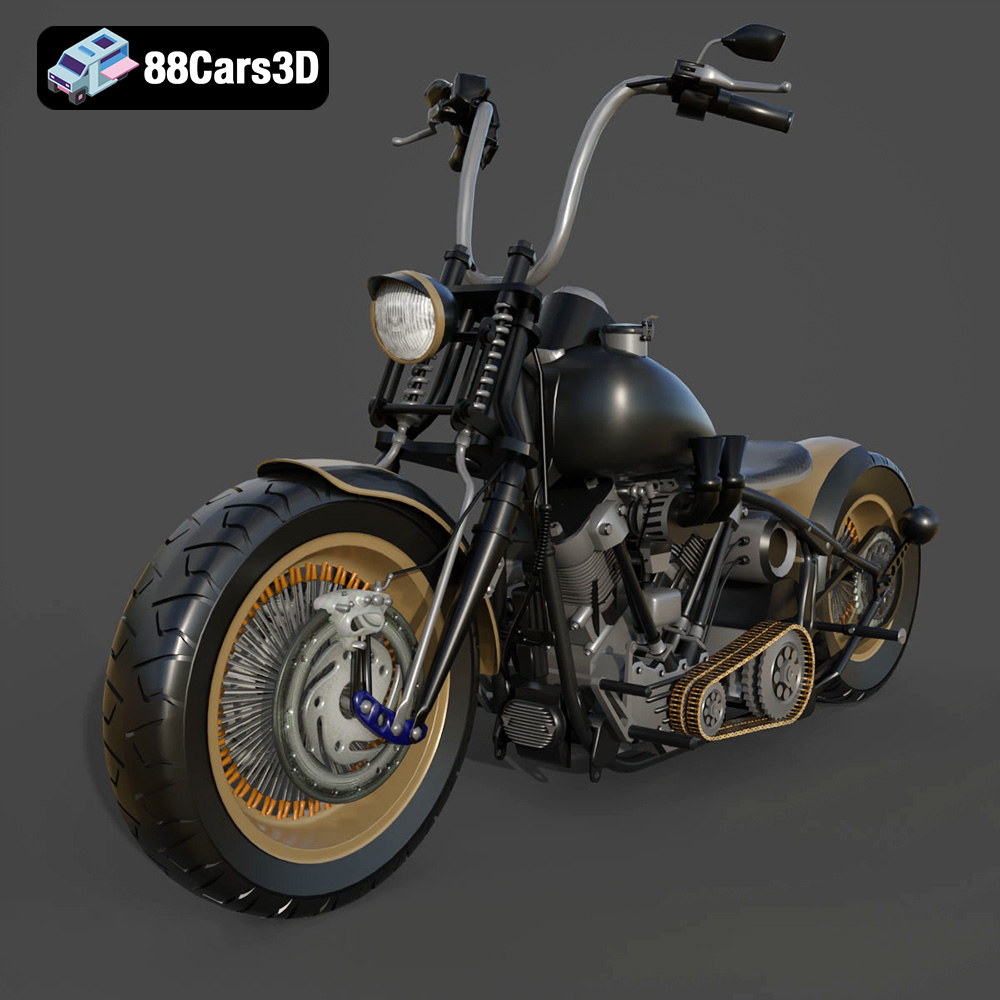
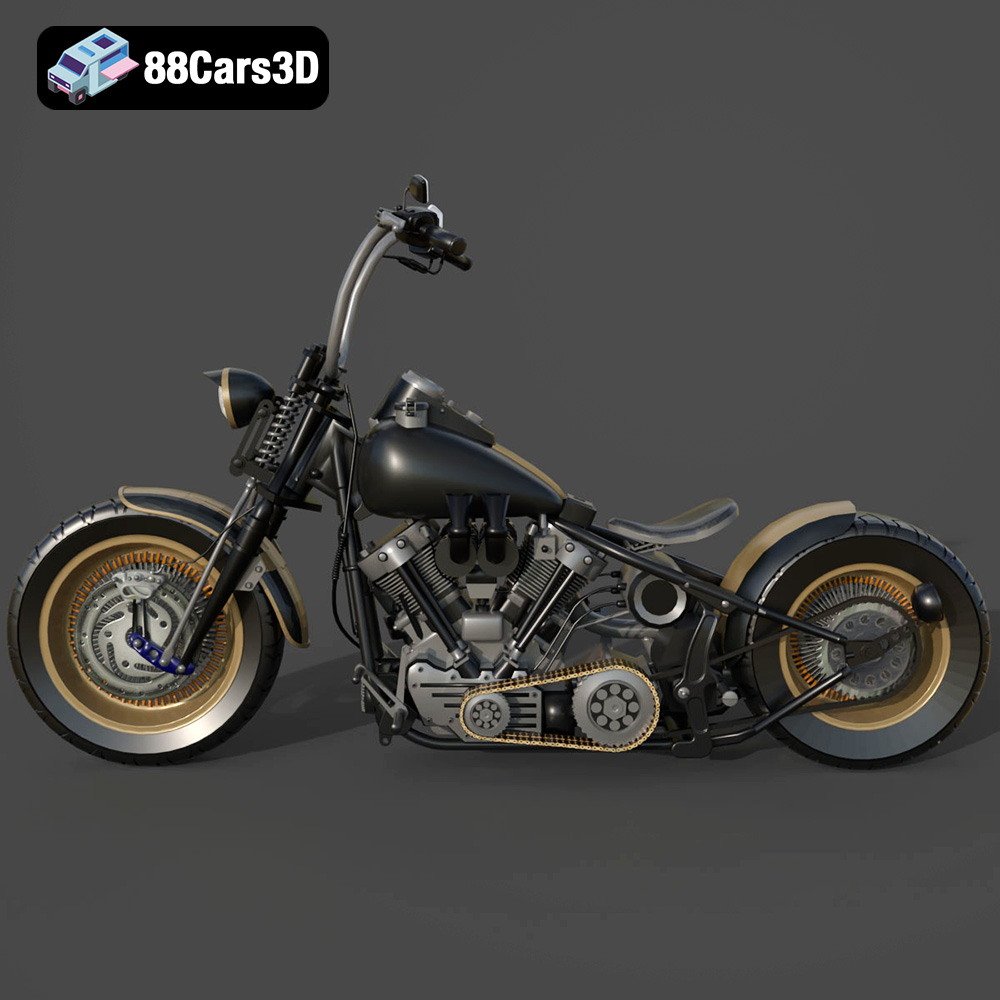
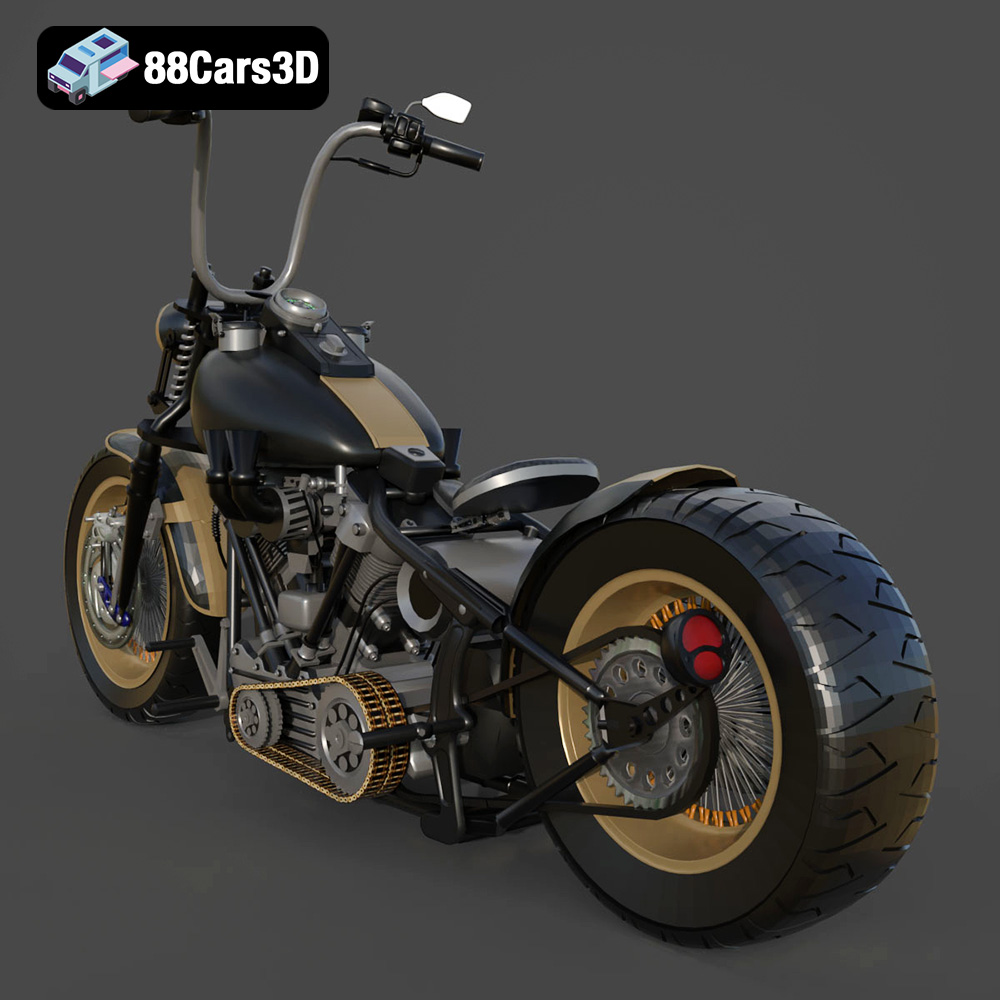
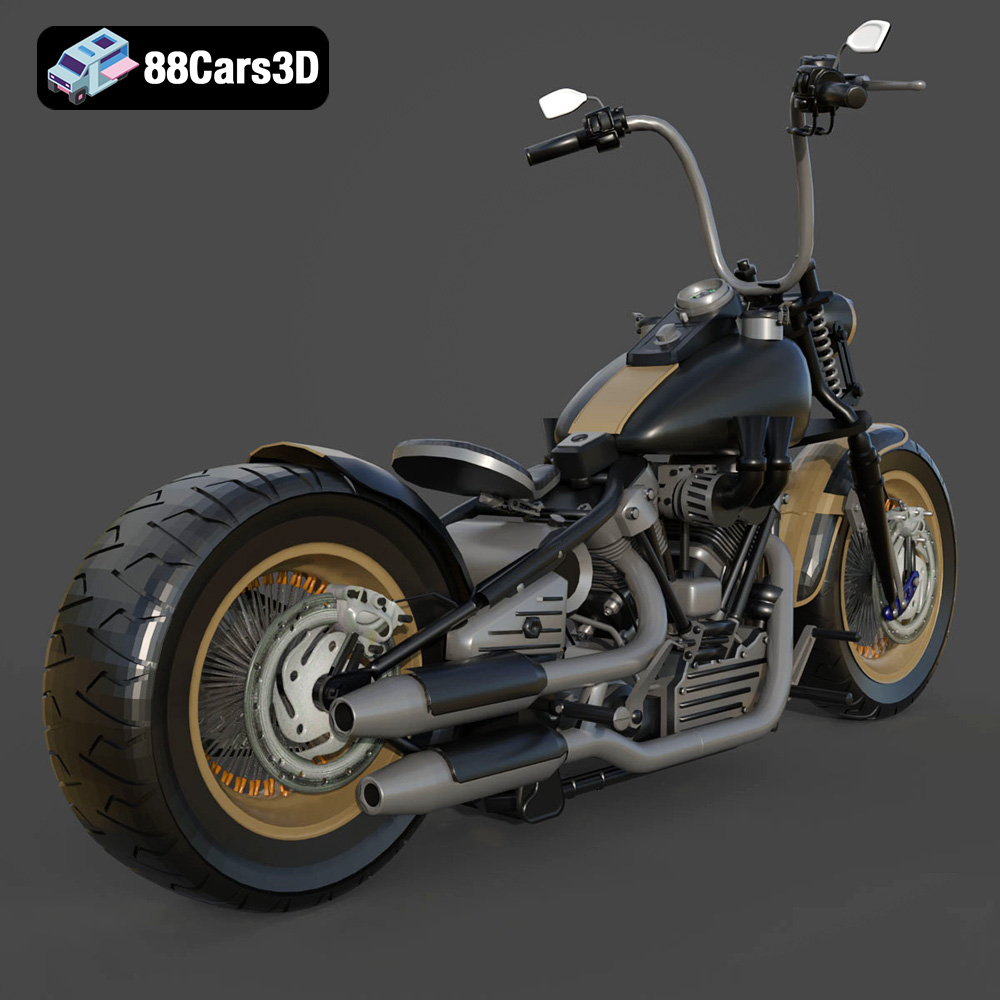
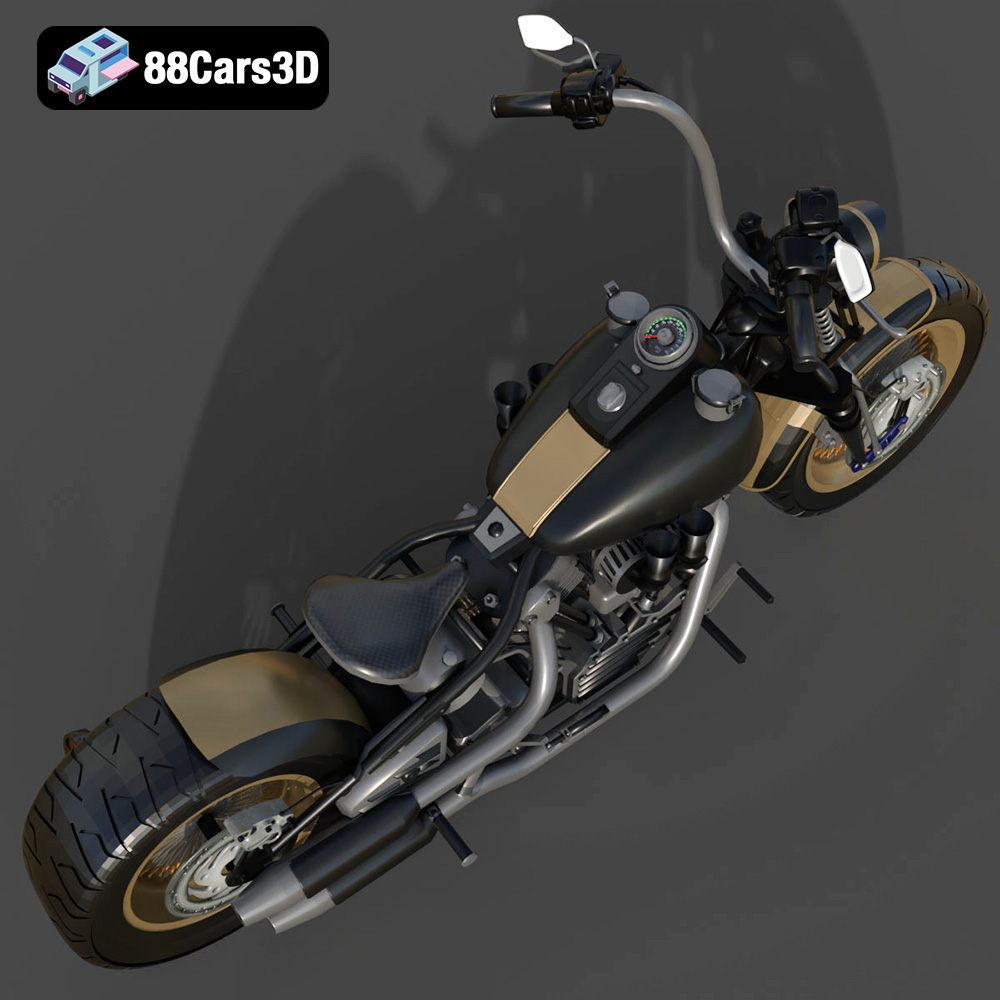
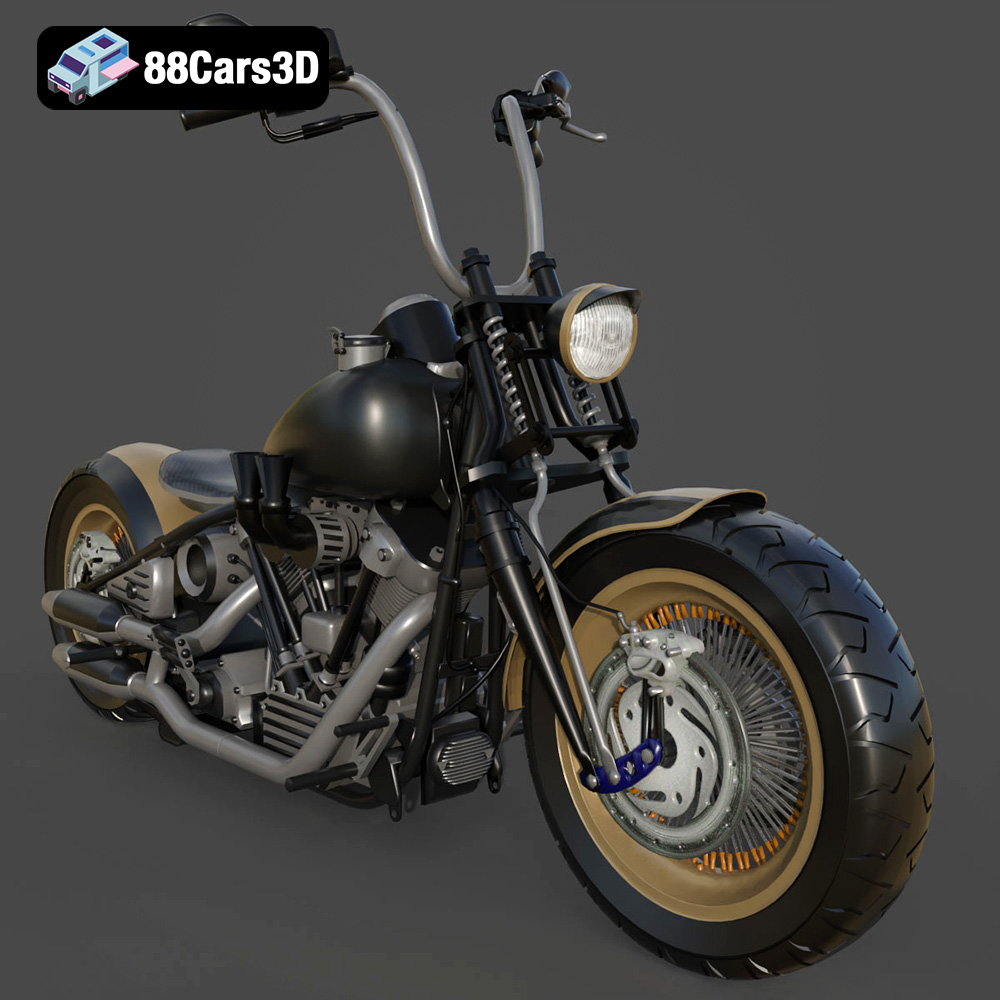
Experience the iconic design of the classic American motorcycle with the Harley Davidson Knucklehead 3D model. Designed for exceptional realism, this asset perfectly replicates the legendary engine, sweeping lines, and mechanical intricacies that make this vintage bike a timeless masterpiece. Built with professional-grade precision, the model features clean geometry, an optimized polygon count, and meticulously configured materials. Every component, from the distinct knuckle valve covers to the detailed chassis and instrumentation, has been crafted to deliver maximum visual fidelity without compromising performance. This versatile 3D model is ideal for a wide range of applications, including AAA game development, cinematic rendering, architectural visualization, and immersive AR/VR experiences. The carefully structured meshes and UV maps ensure seamless integration into any professional production pipeline.
$39.99
.arvr
.blend
.car3dmodel
.classicmotorcycle
.cruiser
.fbx
.gameasset
.glb
.harleydavidson
.knucklehead
.max
.motorcycle
.obj
.ply
.rendering
.simulation
.stl
.unreal