Get 20% OFF All Premium 3D & STL Models!

In the rapidly evolving landscape of digital visualization, the demand for hyper-realistic and technically robust 3D assets has never been higher. From cinematic automotive advertisements to cutting-edge game development and immersive virtual reality experiences, a high-quality 3D car model is often the linchpin of a successful project. Professionals in these fields understand that the foundation of any stunning visual lies in the fidelity and engineering of its core assets. It’s not just about looking good; it’s about performing flawlessly across diverse platforms and applications.
Modern audiences are discerning. They expect seamless integration, accurate reflections, and intricate details that mirror reality. This heightened expectation places immense pressure on 3D artists and developers to source or create assets that meet these rigorous standards. A vehicle in an architectural visualization, a car chase in a game, or an interactive product configurator for an automotive brand all rely on 3D car models that accurately convey design intent and physical presence. Anything less can break immersion, undermine credibility, and ultimately compromise the entire project’s impact. The pursuit of photorealism requires meticulously crafted geometry, precise UV mapping, expertly PBR-textured materials, and an understanding of how these elements interact with lighting and reflections.
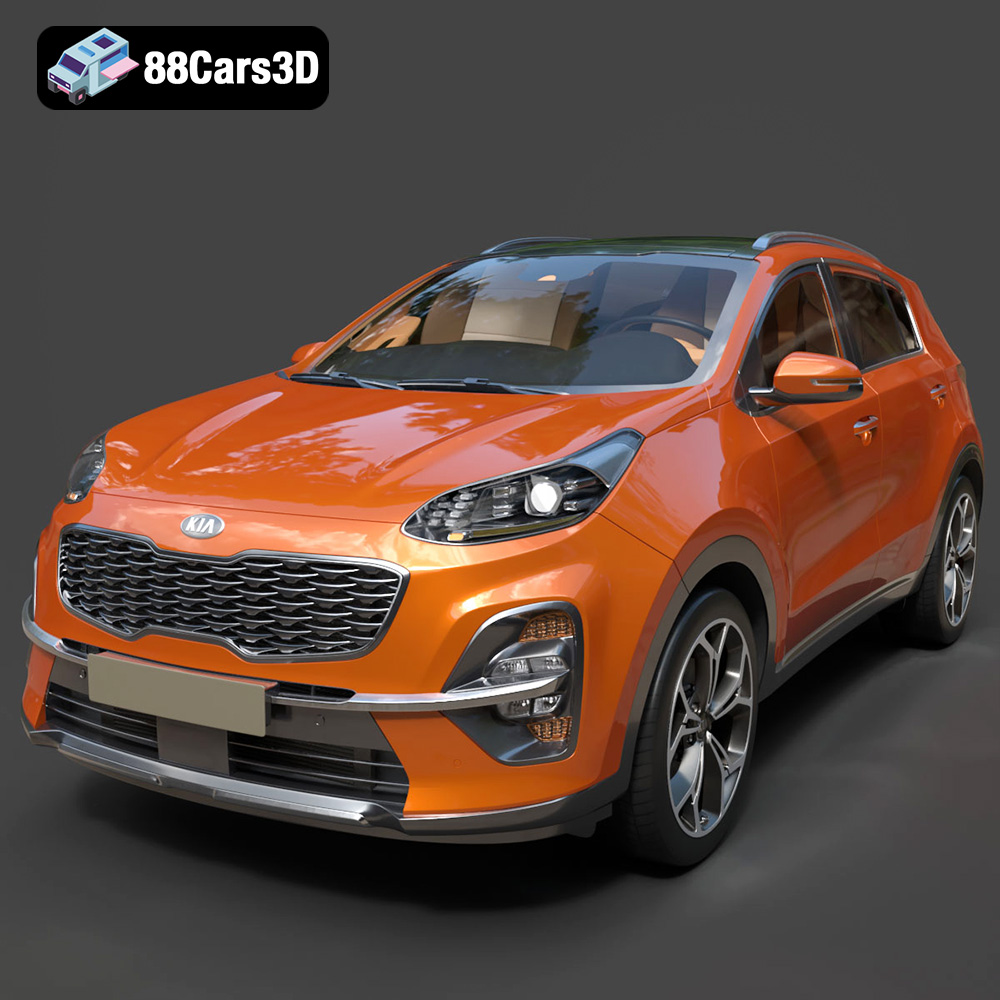
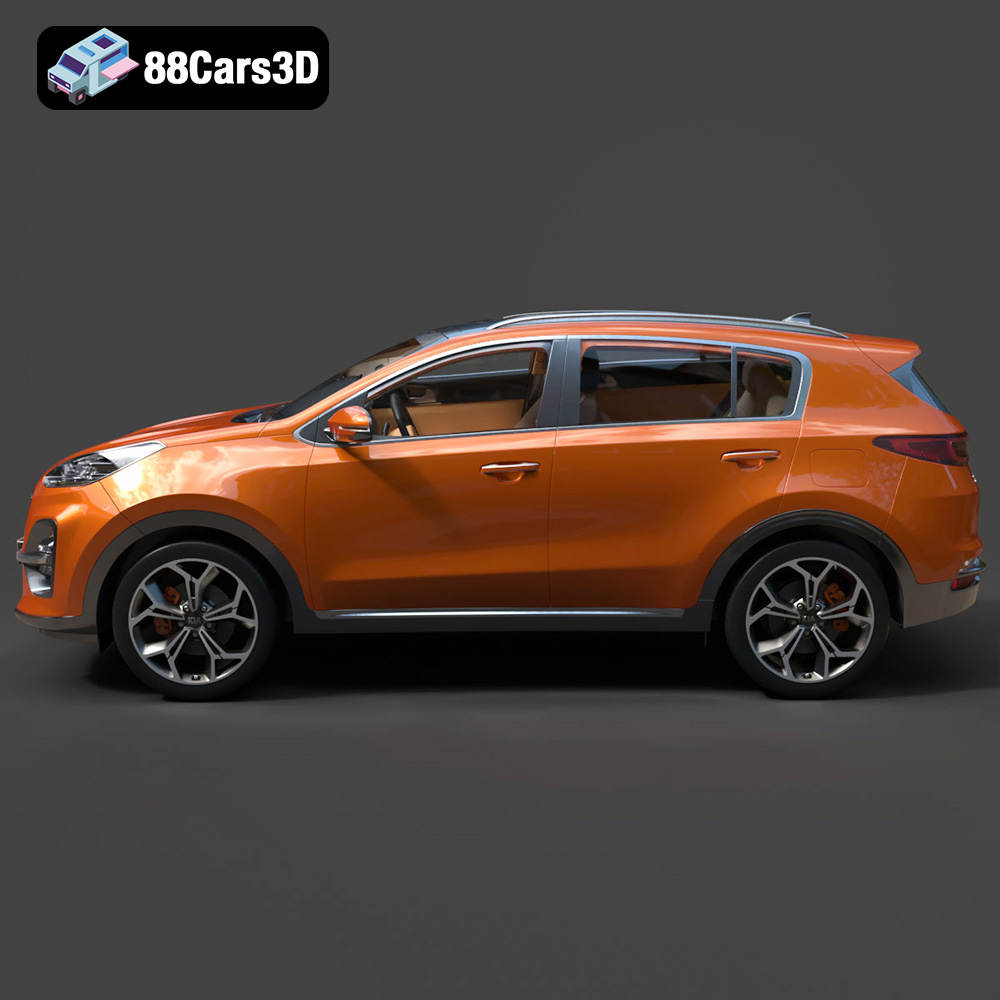
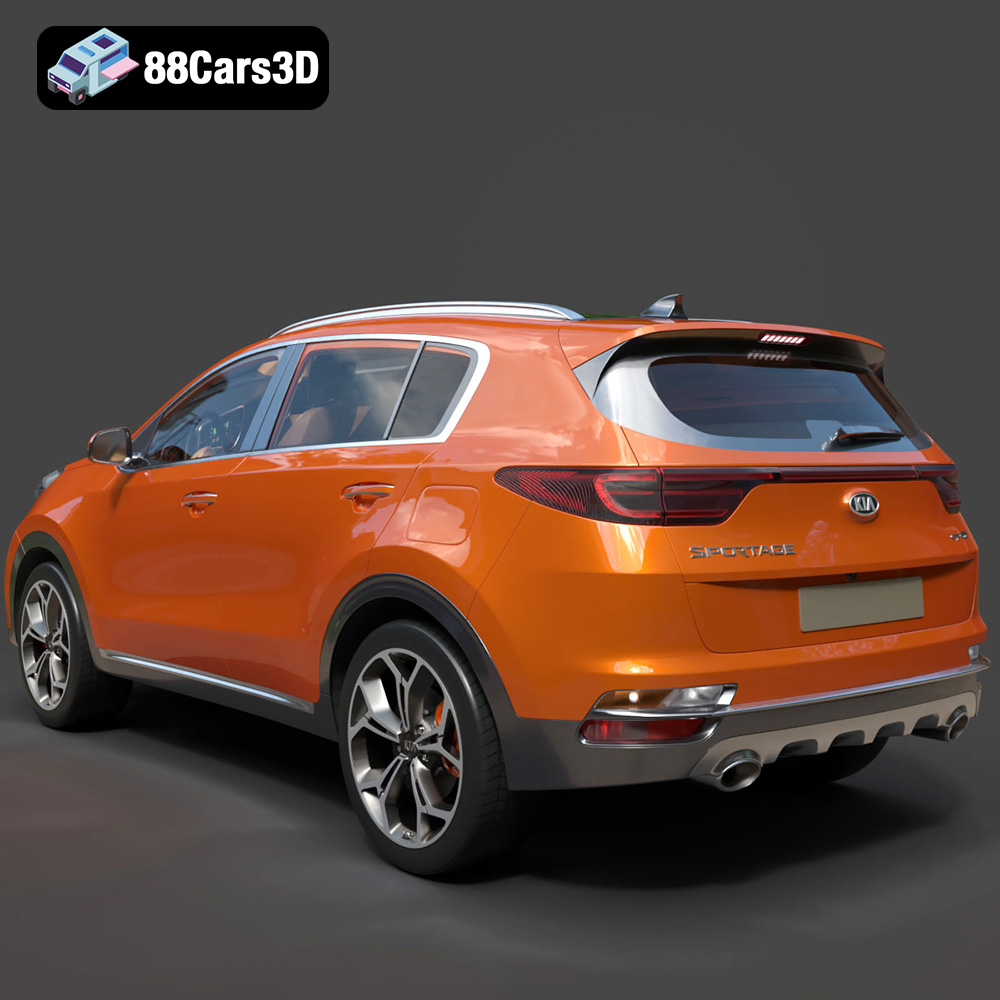
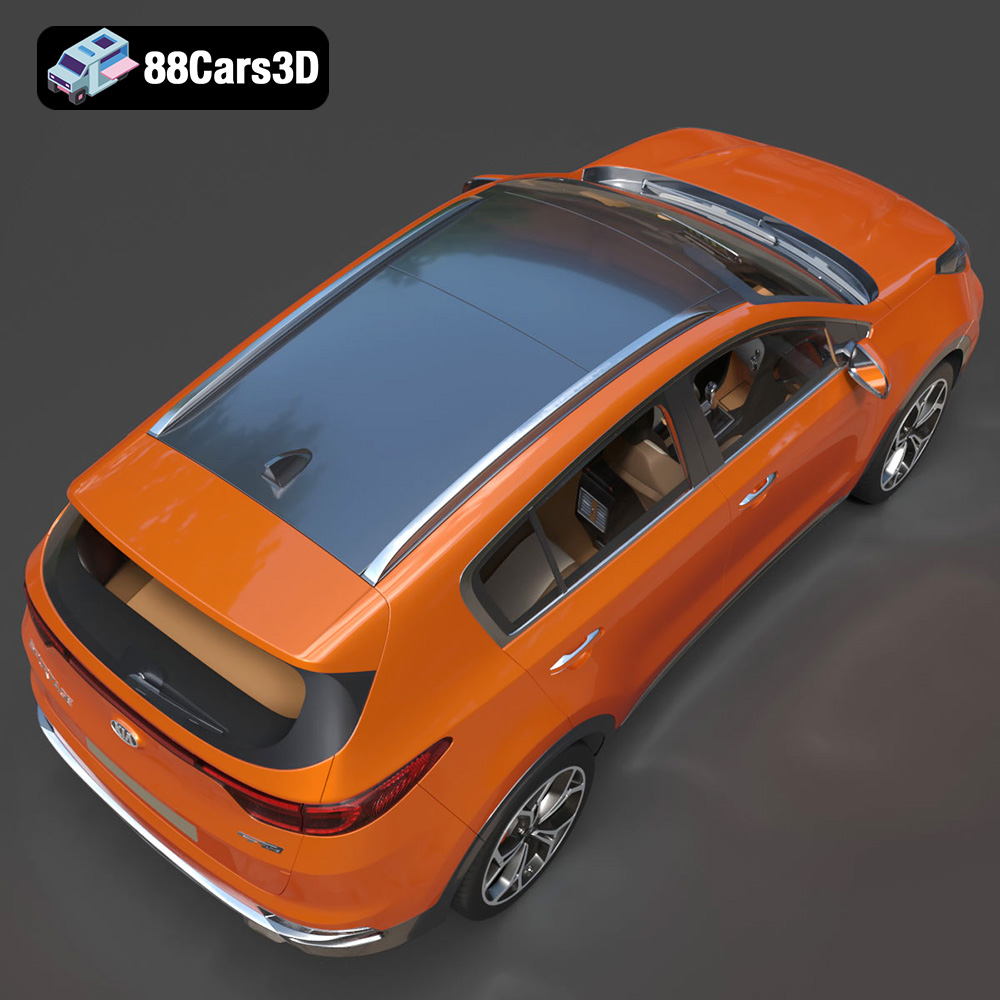
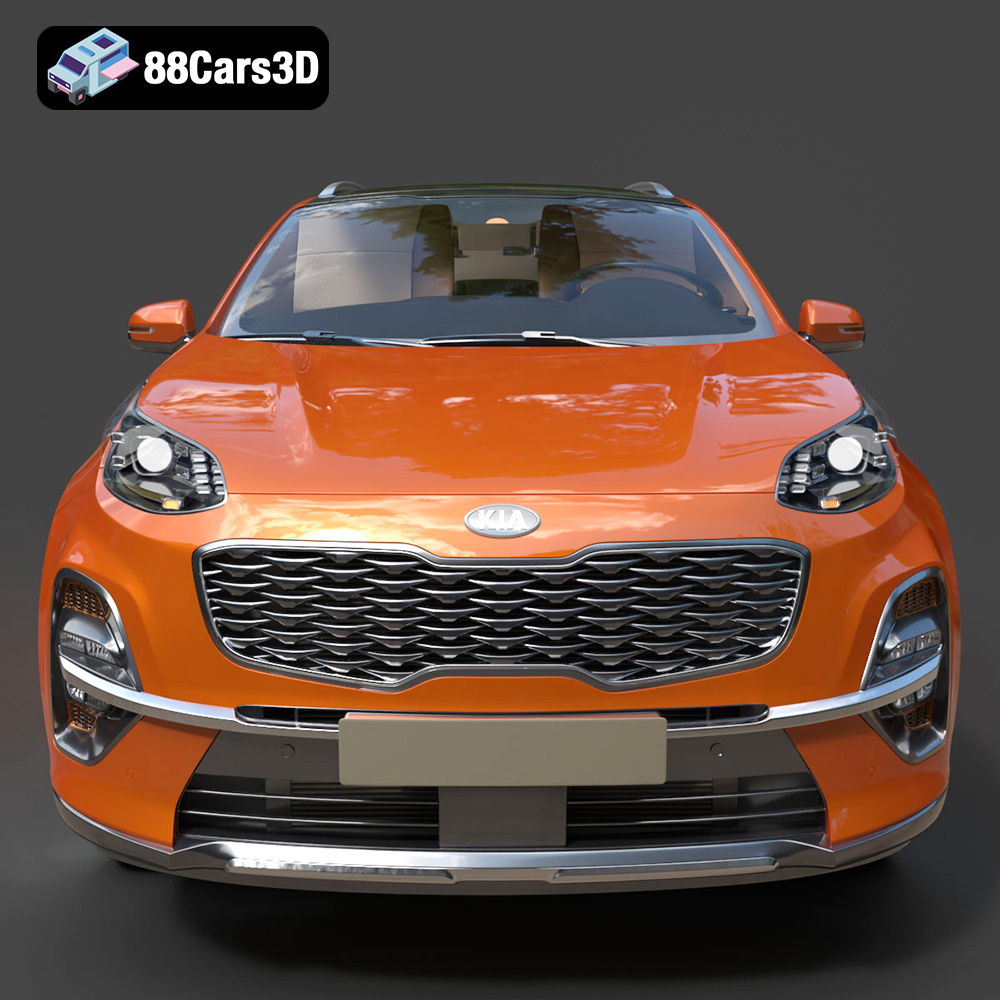
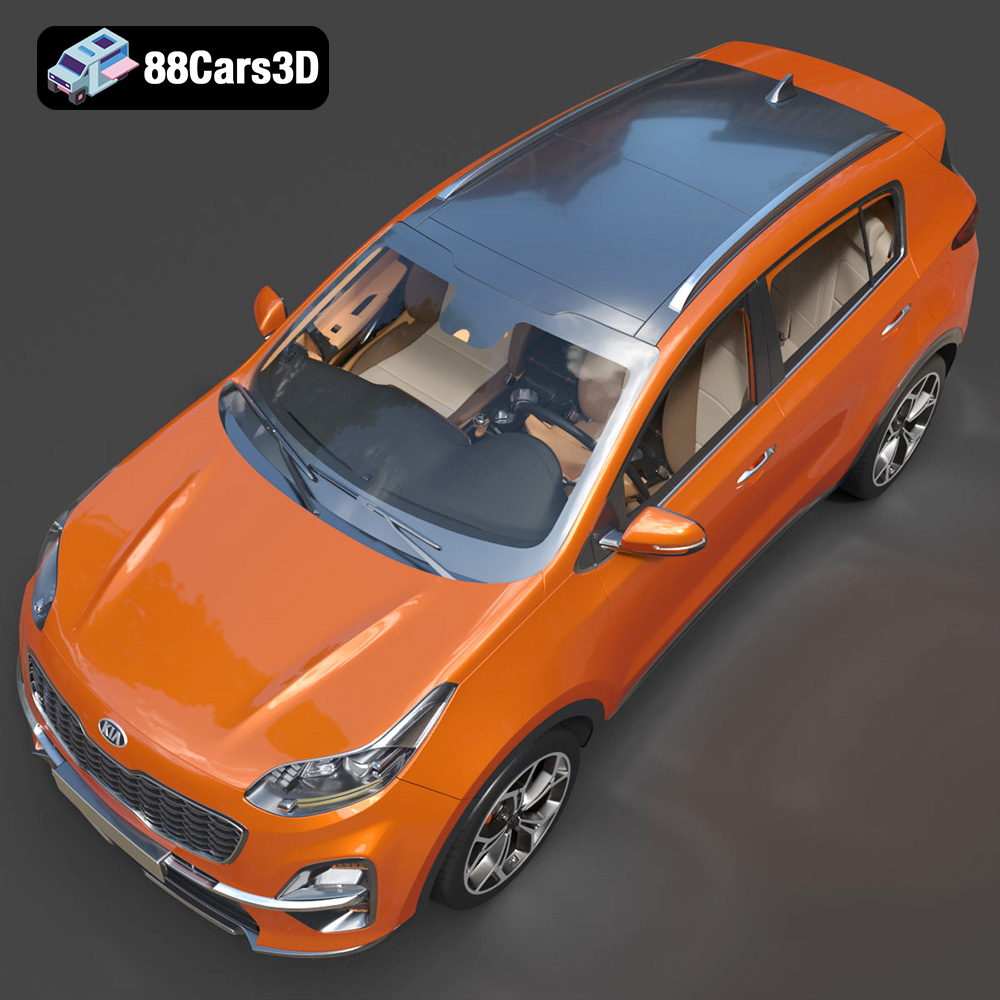
This commitment to excellence is perfectly embodied by the Kia Sportage 2019 3D Model available on 88cars3d.com. This asset isn’t merely a visual representation; it’s a meticulously engineered digital twin designed for peak performance and unparalleled realism. With a fully replicated interior and an exterior that captures every signature design element, it stands as a testament to what professional-grade 3D car models should be. Its clean geometry, optimized edge flow, and careful topology ensure accurate surface reflections, making it an ideal choice for the most demanding rendering, simulation, and real-time applications. Whether your project demands cinematic fidelity or game-engine efficiency, the Kia Sportage 2019 3D model provides the versatility and precision necessary to elevate your creative vision.
The choice of file format for a 3D model is far more critical than many realize. It dictates compatibility, data integrity, workflow efficiency, and ultimately, the success of your project. Professional 3D car models, such as the Kia Sportage 2019, are typically offered in a suite of formats to cater to various industry-standard software and specific use cases. Understanding each format’s strengths and limitations is essential for any serious 3D artist or developer.
Selecting the correct file format is paramount. If you’re rendering in Blender, the .blend file offers maximum control. For game development, .fbx and the specifically prepared .unreal versions of the Kia Sportage 2019 are indispensable. For web-based AR/VR, .glb shines. And for physical prototyping, .stl is the undisputed choice. Reputable marketplaces like 88cars3d.com provide comprehensive packages like the Kia Sportage 2019, ensuring artists and developers have access to the optimal format for their specific needs, minimizing conversion hassles and preserving data integrity.
Achieving photorealism in automotive rendering is a nuanced art form, demanding not just a high-fidelity 3D model but also an expert understanding of materials, lighting, and post-production. The Kia Sportage 2019 3D Model, with its “unparalleled realism” and “meticulously detailed” design, provides an exceptional foundation for such endeavors.
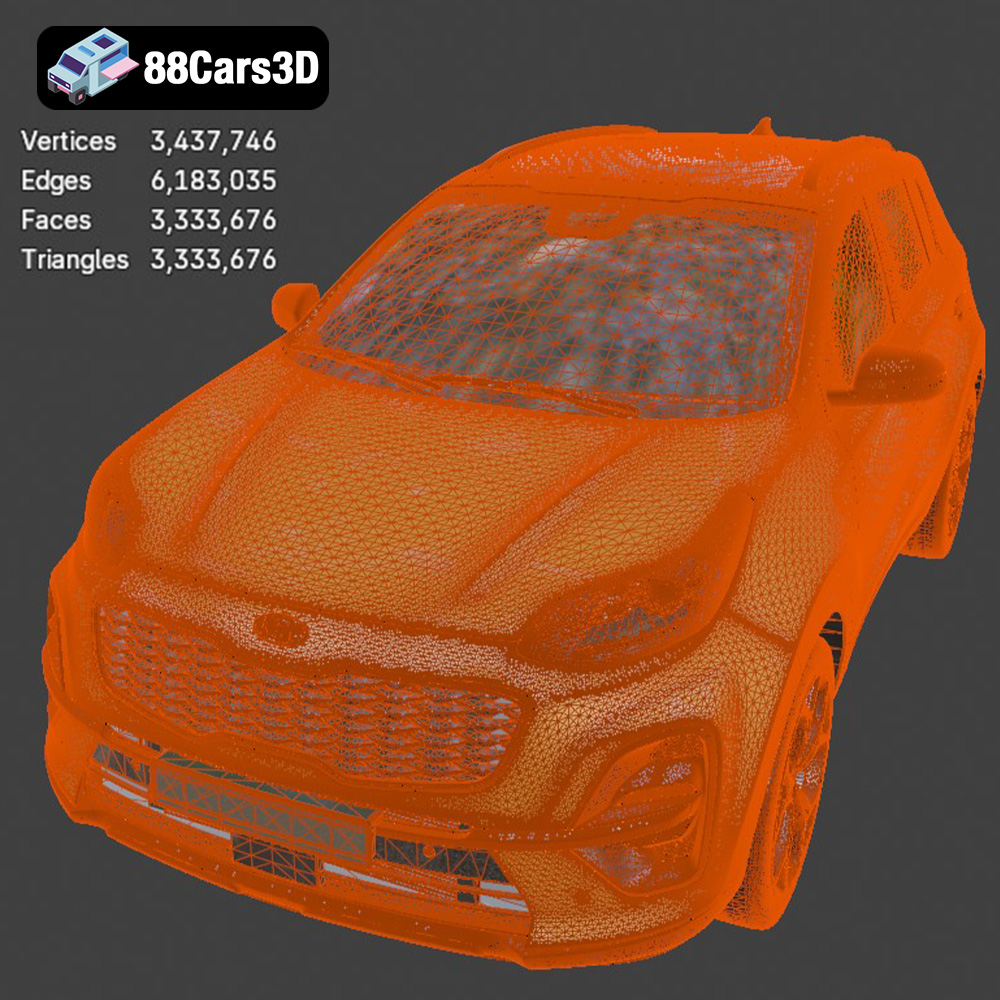
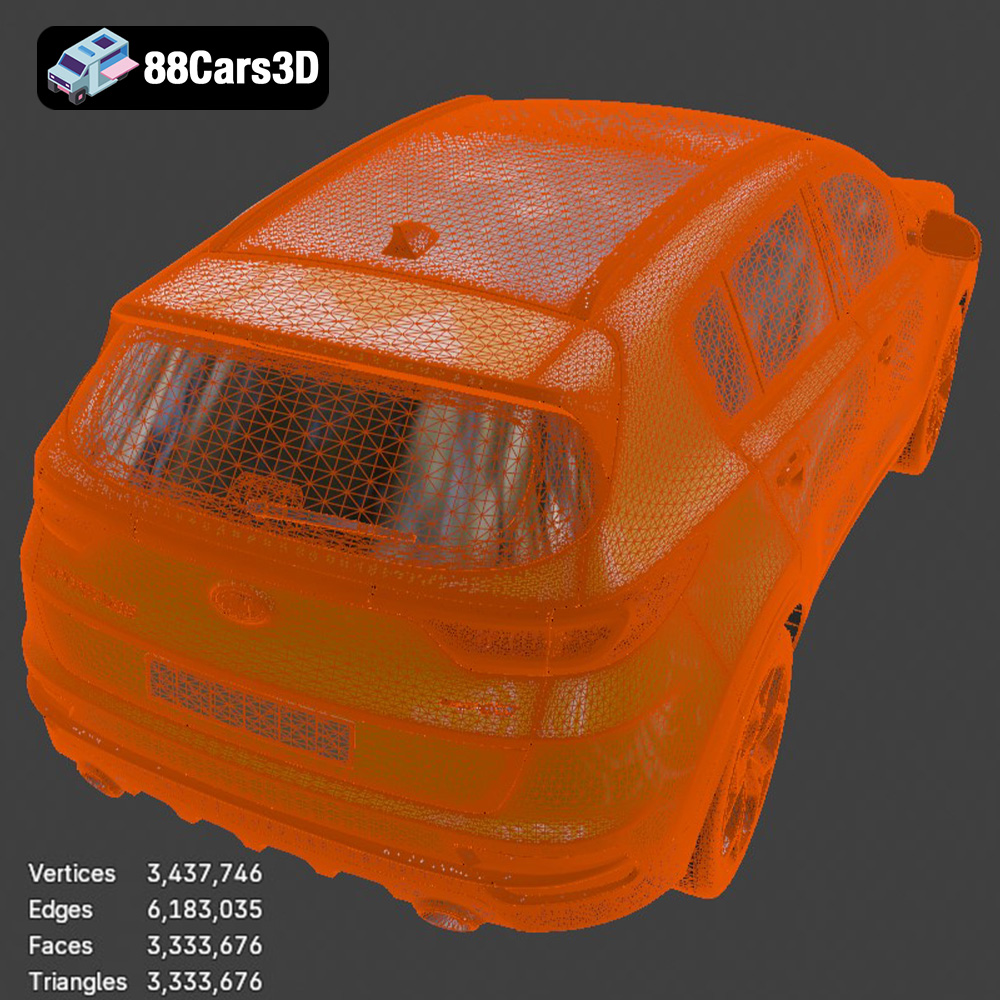
The core of photorealistic rendering lies in the materials. For a vehicle like the Kia Sportage 2019, this means accurately replicating paint finishes – from metallic flakes and clear coats to subtle imperfections. Professional models come with Physically Based Rendering (PBR) materials, using texture maps such as Albedo/Base Color, Metallic, Roughness, Normal, and Ambient Occlusion. These maps precisely define how light interacts with surfaces, ensuring that the car’s bodywork reflects light authentically, the glass has appropriate refraction, and the interior fabrics and plastics respond to light in a believable manner. The optimized edge flow and careful topology mentioned in the Kia Sportage 2019’s description are critical here, ensuring that reflections glide smoothly across the vehicle’s curves without unsightly distortions or artifacts.
No matter how perfect the model or materials, poor lighting can ruin realism. Automotive rendering typically relies on High Dynamic Range Image (HDRI) environments for natural, believable lighting and reflections. These 360-degree panoramic images capture real-world light information, providing complex reflections on the car’s metallic surfaces and glass, subtly illuminating the interior, and casting realistic shadows. Complementary fill lights and accent lights can be strategically placed to highlight specific design features of the Kia Sportage 2019, drawing the viewer’s eye to its signature exterior design and intricate cabin elements. Understanding global illumination (GI) and caustics is also vital for how light bounces and refracts around the vehicle, especially for glass and chrome components.
Once the raw render is complete, post-production in software like Adobe Photoshop or Nuke takes the image from realistic to cinematic. Techniques include color grading to set the mood, adding subtle chromatic aberration, depth of field to focus attention, lens flares, motion blur for dynamic shots, and atmospheric effects like haze or dust. Compositing the rendered Kia Sportage 2019 into a real-world backplate or a complex digital environment ensures it seamlessly integrates into the scene. These final touches are what differentiate a technically accurate render from a captivating visual masterpiece, often blurring the line between digital and reality for automotive marketing and film VFX.
Game development places a unique set of demands on 3D car models. While visual fidelity is still paramount, it must be balanced with real-time performance. The Kia Sportage 2019 3D Model, described as “game-engine ready,” is built to excel in this demanding environment, offering both visual appeal and efficiency.
Unlike offline rendering where polygon count can be in the millions, game engines require models to be optimized for real-time processing. This means carefully managing the polygon budget. A high-quality model like the Kia Sportage 2019 would be provided with multiple Levels of Detail (LODs). The highest LOD might have several hundred thousand polygons for close-up shots, while lower LODs, visible from a distance, would progressively reduce polygon count to tens of thousands or even thousands. This ensures that the game engine renders only the necessary detail, maintaining high frame rates without sacrificing visual quality up close. Optimized edge flow and clean topology also contribute significantly to performance by ensuring efficient processing by the GPU.
The inclusion of .fbx and .unreal formats for the Kia Sportage 2019 3D Model directly addresses the needs of game developers using industry-leading engines like Unreal Engine and Unity.
For **Unreal Engine**, the .unreal package often means pre-configured blueprints, materials, and sometimes even basic collision models, allowing for rapid integration. Importing the .fbx version involves setting up materials using Unreal’s PBR shader system, assigning textures, and configuring collision meshes.
In **Unity**, the .fbx format is equally essential. Developers import the model, apply PBR materials (often using Unity’s Universal Render Pipeline or High Definition Render Pipeline), and configure collision colliders. Both engines benefit from the optimized geometry and UVs of a professional model, reducing the time spent on manual cleanup and preparation.
A car in a game isn’t just a static object; it’s an interactive element. The Kia Sportage 2019 3D Model would serve as the visual mesh, but game developers would then add:
The quality of the base 3D model directly impacts how effectively these layers can be built upon, making an asset like the Kia Sportage 2019 invaluable for creating compelling automotive gameplay.
The utility of a robust 3D car model extends far beyond traditional rendering and game development. Augmented Reality (AR), Virtual Reality (VR), and 3D printing represent emerging frontiers where meticulously crafted assets like the Kia Sportage 2019 3D Model are transforming how we interact with and produce digital content.
AR and VR demand models that are both visually rich and highly optimized. In a VR environment, users can freely explore a virtual space, requiring the Kia Sportage 2019 to maintain high fidelity from every angle, including its fully replicated interior. The .glb format, optimized for AR/VR and web-based visualization, is particularly suited for these applications. Imagine an interactive VR showroom where potential customers can walk around, sit inside, and customize the Kia Sportage 2019 in real-time, experiencing its dimensions and aesthetics as if it were physically present. Similarly, AR applications on mobile devices could project the Kia Sportage 2019 onto a real-world driveway, allowing users to visualize the car in their own environment. The clean geometry and realistic materials of the 88cars3d.com model ensure that these immersive experiences are convincing and compelling, rather than appearing as rough digital overlays.
3D printing offers a tangible bridge between the digital and physical worlds. The .stl format provided with the Kia Sportage 2019 3D Model makes it suitable for direct output to 3D printers. This is invaluable for rapid prototyping, design validation, or creating physical scale models. Automotive designers can quickly iterate on parts or complete vehicle designs, producing physical prototypes much faster and more cost-effectively than traditional manufacturing methods. Educators can use these models to teach design principles or automotive mechanics. Even hobbyists can print a detailed replica of the Kia Sportage 2019. The precision mesh and careful topology ensure that the printed model accurately reflects the digital design, capturing intricate details that would otherwise be difficult to replicate.
A prime real-world application for a model like the Kia Sportage 2019 is in interactive configurators and virtual showrooms. Automotive manufacturers and dealerships are increasingly using these tools to engage customers online. A user can select different paint colors, wheel options, interior trims, and even view the car from various angles or inside its cabin, all rendered in real-time. The .glb format is perfect for embedding these experiences directly into a website, allowing potential buyers to personalize their vehicle from their browser. This not only enhances the customer journey but also streamlines the sales process, showcasing the vehicle’s features and customization options in a dynamic and engaging way. The “versatile asset… ready for a multitude of demanding applications” description of the Kia Sportage 2019 directly speaks to its suitability for these innovative marketing and sales tools.
Integrating a high-quality 3D car model like the Kia Sportage 2019 into a professional workflow involves specific steps and considerations across different software environments. Understanding these workflows is key to maximizing the value of such an asset.
For studios primarily focused on high-fidelity cinematic rendering or complex animations, the .max file of the Kia Sportage 2019 3D Model is indispensable.
Blender users benefit from the .blend file of the Kia Sportage 2019, leveraging its open-source power for diverse projects.
For real-time applications, the .unreal (or .fbx for manual setup) package of the Kia Sportage 2019 is tailored for Unreal Engine’s capabilities.
Across these professional environments, the underlying quality of the Kia Sportage 2019 3D Model, with its “clean geometry and realistic materials,” forms the bedrock of efficient and high-impact project execution.
In a competitive digital landscape, the difference between a good project and a great one often boils down to the quality of its assets. This is particularly true for high-impact elements like 3D car models. 88cars3d.com distinguishes itself by providing not just models, but professional-grade solutions, exemplified by the Kia Sportage 2019 3D Model.
Creating a detailed, accurate 3D car model from scratch is an incredibly time-consuming and expensive endeavor, often requiring hundreds of hours of a skilled artist’s work. By purchasing a pre-built, high-quality asset from 88cars3d.com, studios and individual artists can dramatically cut down development time and costs. The Kia Sportage 2019, with its “meticulously detailed” design and “fully replicated interior,” represents hundreds of hours of expert modeling and texturing already completed. This allows project teams to focus on creative execution – rendering, animation, game logic – rather than the foundational asset creation, accelerating their production pipelines and meeting tight deadlines.
The term “clean geometry” might sound technical, but its impact is profound. It means the model is built with proper quad-based topology, free from n-gons, non-manifold geometry, or overlapping vertices. This is crucial for:
The “optimized edge flow and careful topology” of models from 88cars3d.com directly translates to a hassle-free experience for the end-user, ensuring professional-grade visual fidelity and performance.
A truly professional 3D car model is not confined to a single use case. The Kia Sportage 2019 3D Model, “ready for a multitude of demanding applications,” exemplifies this versatility. Whether it’s for:
The breadth of supported file formats (.blend, .fbx, .obj, .glb, .stl, .ply, .unreal, .max) further underscores this versatility, providing artists with the exact tools they need for their specific projects, making 88cars3d.com a go-to resource for high-quality automotive assets.
In the dynamic world of 3D visualization, the foundation of any groundbreaking project rests upon the quality of its digital assets. As we’ve explored, a high-fidelity 3D car model is more than just a visual element; it’s a technical powerhouse that dictates rendering quality, game performance, and the immersive potential of AR/VR experiences. The Kia Sportage 2019 3D Model stands as a prime example of such an asset, meticulously crafted for precision, realism, and unparalleled versatility across a spectrum of professional applications.
From its “fully replicated interior” to its “optimized edge flow and careful topology,” this model delivers the clean geometry and realistic materials essential for achieving photorealistic renders in 3ds Max or Blender, efficient integration into Unreal Engine or Unity for game development, and seamless deployment in AR/VR environments via .glb. Its broad format support ensures compatibility with virtually any professional workflow, significantly reducing development time and costs while elevating visual standards.
Choosing a professionally engineered 3D model like the Kia Sportage 2019 from 88cars3d.com isn’t just a purchase; it’s an investment in efficiency, quality, and the success of your creative endeavors. It empowers artists and developers to push the boundaries of realism and immersion, allowing them to focus on innovation rather than asset creation from the ground up. For any project demanding the highest caliber of 3D automotive assets, the Kia Sportage 2019 offers a robust and reliable solution, ready to drive your vision forward.
Experience unparalleled realism with the meticulously detailed Kia Sportage 2019 3D Model, complete with a fully replicated interior. Engineered for absolute precision, this digital asset accurately represents the vehicle’s signature exterior design and intricate cabin elements. Built with professional standards in mind, this asset features clean geometry and realistic materials. The optimized edge flow and careful topology provide outstanding performance and accurate surface reflections, ensuring professional-grade visual fidelity. This versatile asset is ready for a multitude of demanding applications. From advanced game development and cinematic rendering to immersive AR/VR simulations and professional visualizations, the model adapts seamlessly to any project requirement. This package is provided in the following professional file formats for maximum compatibility: .blend – Editable Blender file with materials and lighting setup; .fbx – Game-engine ready format for Unreal Engine and Unity; .obj – Standard 3D model format compatible with all major software; .glb – Optimized for AR/VR and web-based visualization; .stl – Suitable for 3D printing and prototyping; .ply – Detailed polygon mesh for analysis and visualization; .unreal – Pre-configured for Unreal Engine use; .max – Editable 3ds Max file for rendering and animation.
$39.99
.arvr
.blend
.car3dmodel
.crossover
.fbx
.gameasset
.glb
.kia
.max
.obj
.ply
.rendering
.simulation
.sportage
.stl
.unreal
SUV